Discover the Marine Life of the Red Sea
Red Sea diving presents a unique opportunity for you to explore one of the most diverse ecosystems of Egypt under water. Under the blue waters of the Red Sea, divers can find colorful coral gardens, shoals of tropical fish, rays, sea turtles, dolphins and other amazing pelagic creatures. No matter if you decide to try your skills in the shallow reefs of Hurghada or Sharm El Sheikh or go offshore diving at Marsa Alam, the ecosystem of the Red Sea is always different.
Day Tours Egypt also offer opportunities to experience Egypt’s coastal attractions and marine activities.
Colourful Coral Reefs
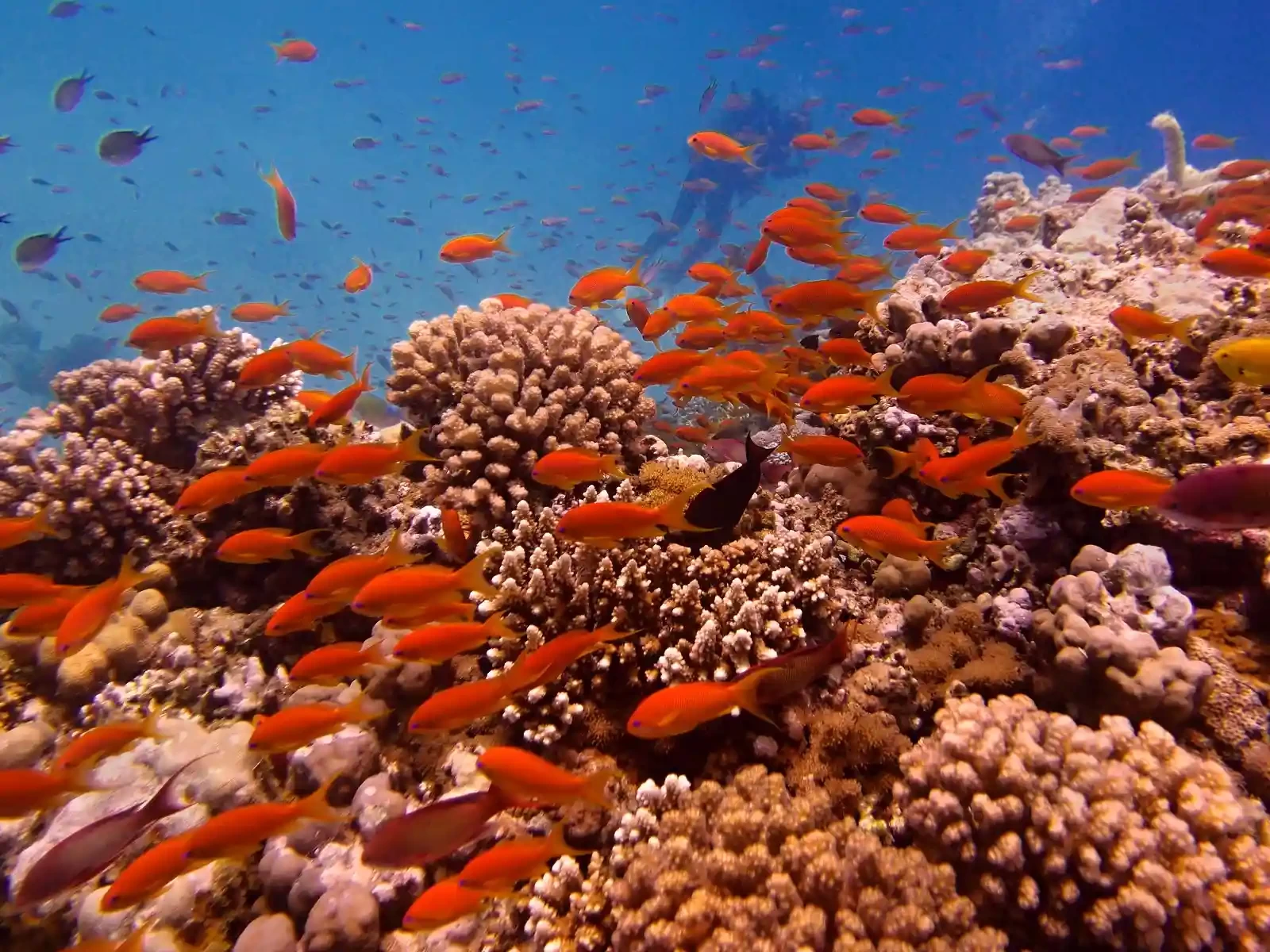
The coral reefs constitute the major part of the marine ecosystem in the Red Sea. Various types of hard and soft corals provide colorful scenery, home to many different species of fish and other small sea animals. One can discover coral gardens, reef walls, pinnacles, and other formations decorated by colorful marine flora.
The area of Marsa Alam is famous for its thriving coral reef ecosystems, as well as Sharm El Sheikh and Hurghada.
Tropical Reef Fish
The Red Sea has a great diversity of colorful reef fish. This will depend on the dive point as you may find various species of butterflyfish, angelfish, parrotfish, surgeonfish, clownfish, anthias, damselfish and groupers.
Schools of smaller fish can easily be spotted swimming over the coral formations, while the individual species hide within the reef. Take time and examine coral gardens and rock formations and you may be able to spot moray eels, lionfish, triggerfish and others.
Sea Turtles
Sea turtles are one of the most unforgettable creatures that a diver can come across in the Red Sea. They can be observed gliding above coral reefs, resting on the bottom, or feeding around coral and seagrass formations.
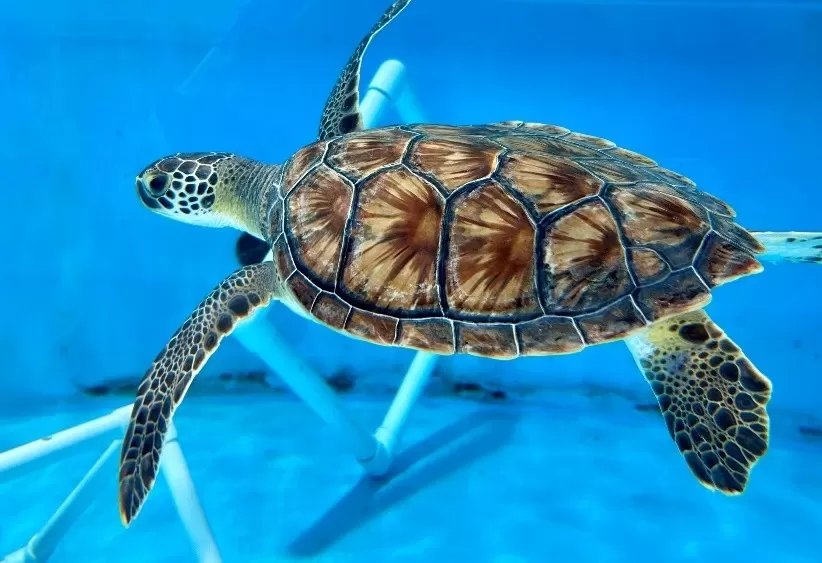
Marsa Alam is especially famous for turtle watching as there are plenty of spots where it is possible to observe these wonderful creatures. However, no observation is guaranteed because turtles are wild animals that can move around freely.
Dolphins in the Red Sea
Dolphins also form another interesting aspect of the marine environment of the Red Sea. Some areas, especially around Marsa Alam, are well-known for their interaction with the wild dolphins.
For instance, Sataya Reef is well-known for its spinner dolphins, while Sha’ab Samadai is another place where one can witness interactions with dolphins. Witnessing the wild dolphins in their natural habitat could be a unique experience either while diving or snorkeling.
Rays and Stingrays
The rays are commonly seen swimming on sandy ocean beds or lying near coral reefs. The gracefulness in their movements makes them one of the most delightful creatures in the sea to watch while scuba diving.
Blue-spotted rays are some of the species that one might come across during their dives, especially near the reefs and sand areas. The eagle rays are also common in some parts of the Red Sea.
Moray Eels and Smaller Marine Creatures
The most intriguing interactions underwater can be discovered by slowing down and taking time to observe the reef. The moray eel will usually seek cover between rocks and coral, but some smaller fish include the nudibranch, cleaner shrimp, octopus, and cuttlefish hiding in the reef structures.
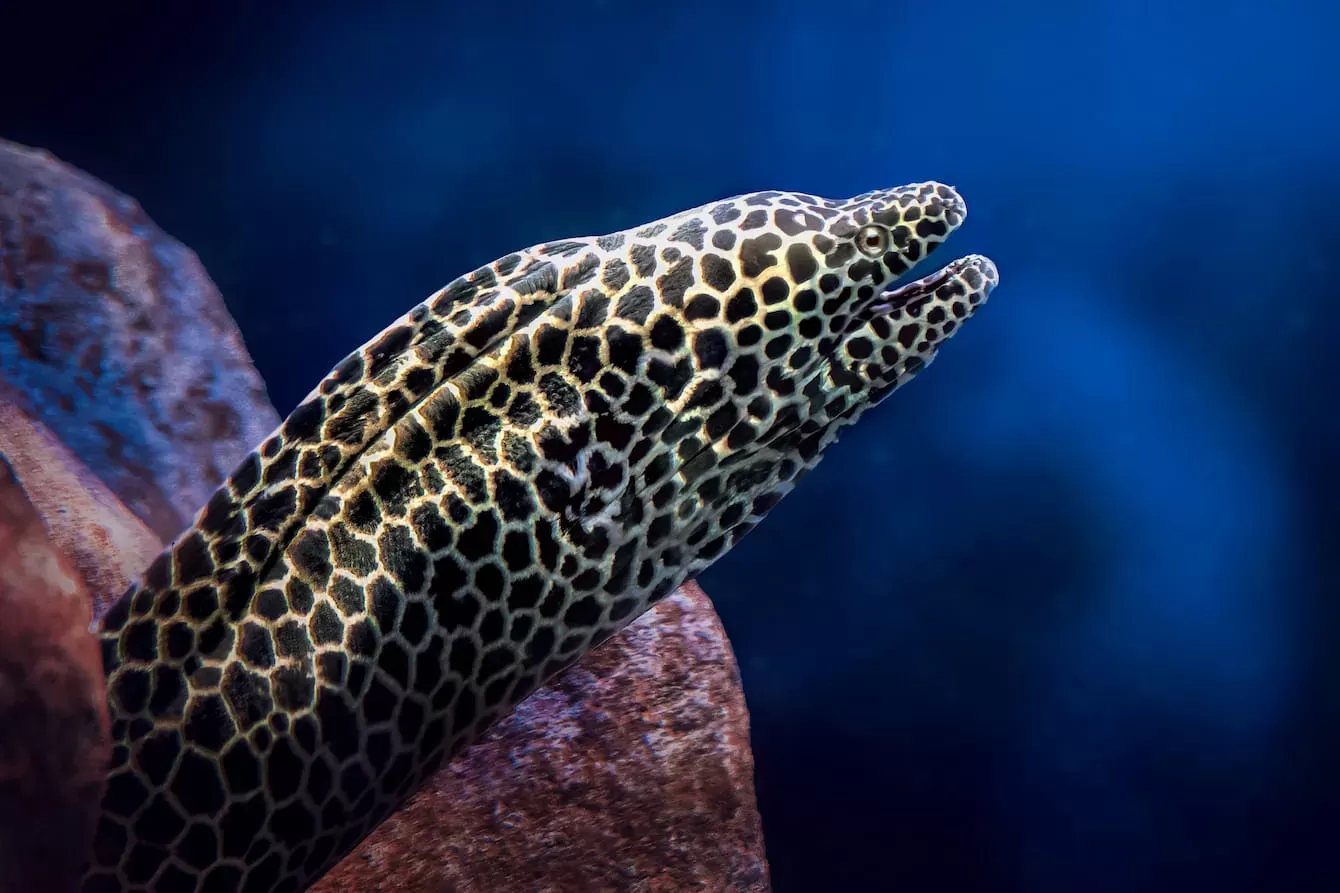
This kind of wildlife is perfect for divers interested in underwater photography or finding oddities in the ocean rather than big animals.
Marine Life Around Hurghada, Sharm El Sheikh and Marsa Alam
It all depends on where you will be diving as to the marine life that you will see. The reefs in Hurghada will provide you with brightly colored corals, reef fish, turtles, rays, and chances of seeing dolphins. On the other hand, Sharm El Sheikh is famous for coral walls, fish schools and spots that contain larger marine life.
Marsa Alam will be very appealing for those divers who are interested in diving with turtles, dolphins, rays, dugongs and also off shore pelagic adventures.
How to Enjoy Red Sea Marine Life Responsibly
To best interact with marine life, it is advisable to observe it without interfering with it or its surroundings. Refrain from touching corals or marine life, keep a respectable distance from marine life, and always heed the directions given by your dive guide.
Buoyancy is very essential when diving in coral reefs as contact can lead to destruction of delicate formations. Responsible diving will play an essential role in ensuring that the marine life of the Red Sea continues to flourish.