Pyramids of Giza: History, Facts & Ancient Secrets
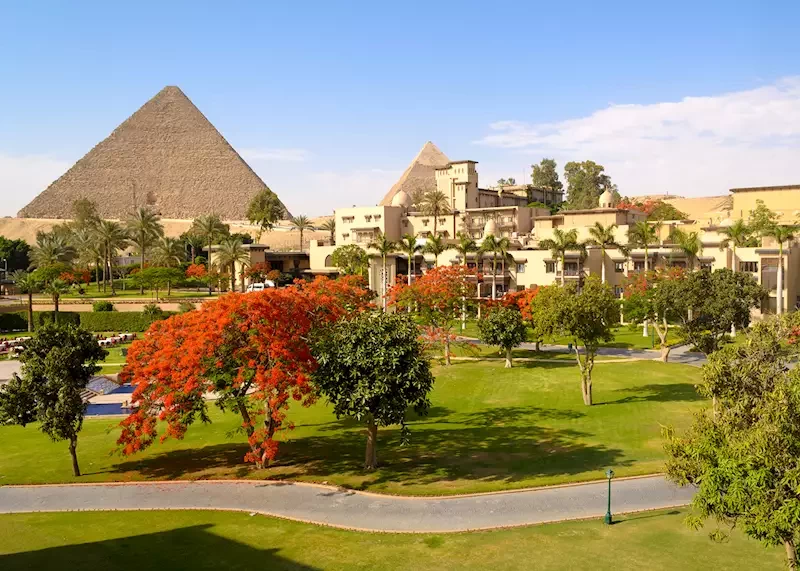
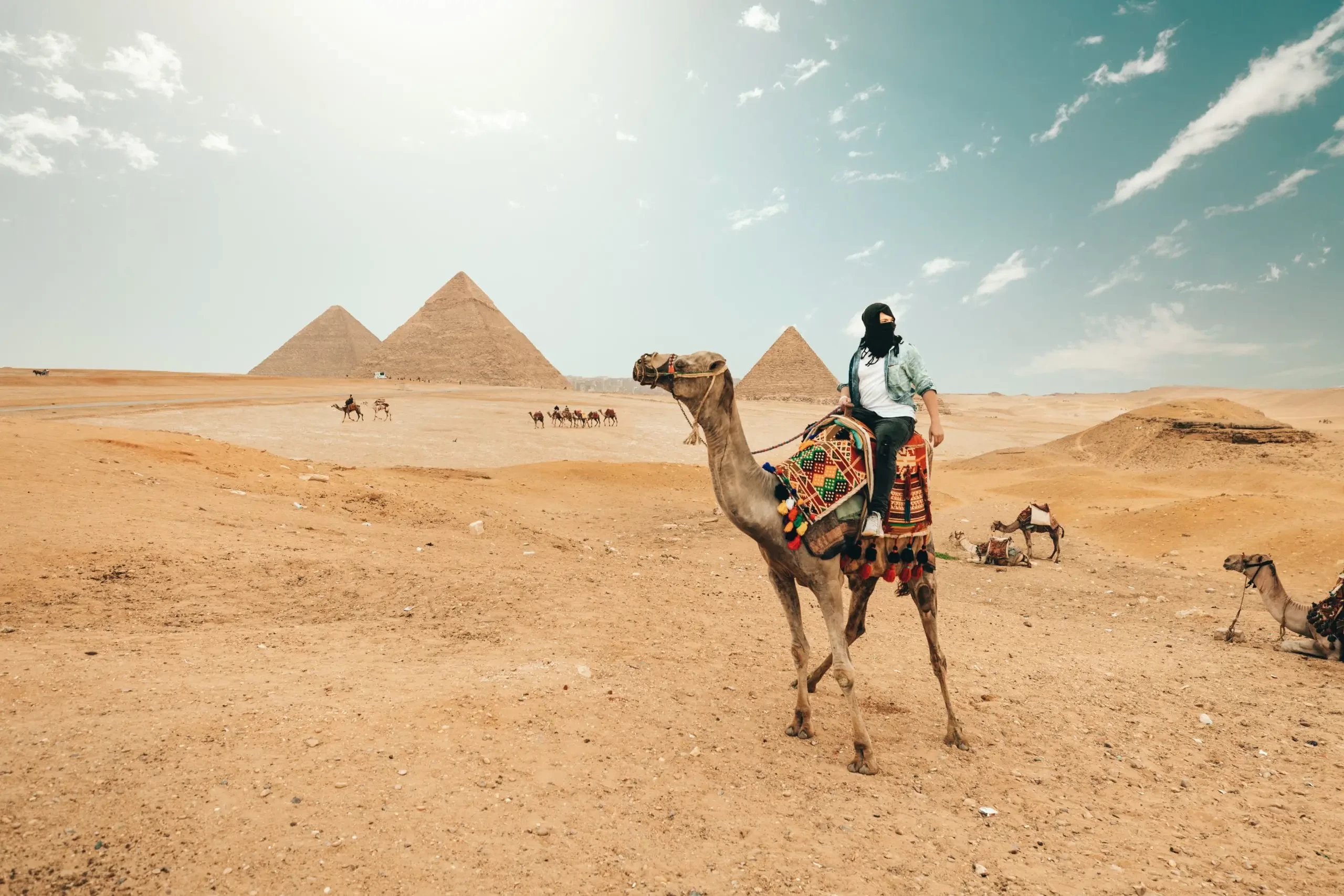
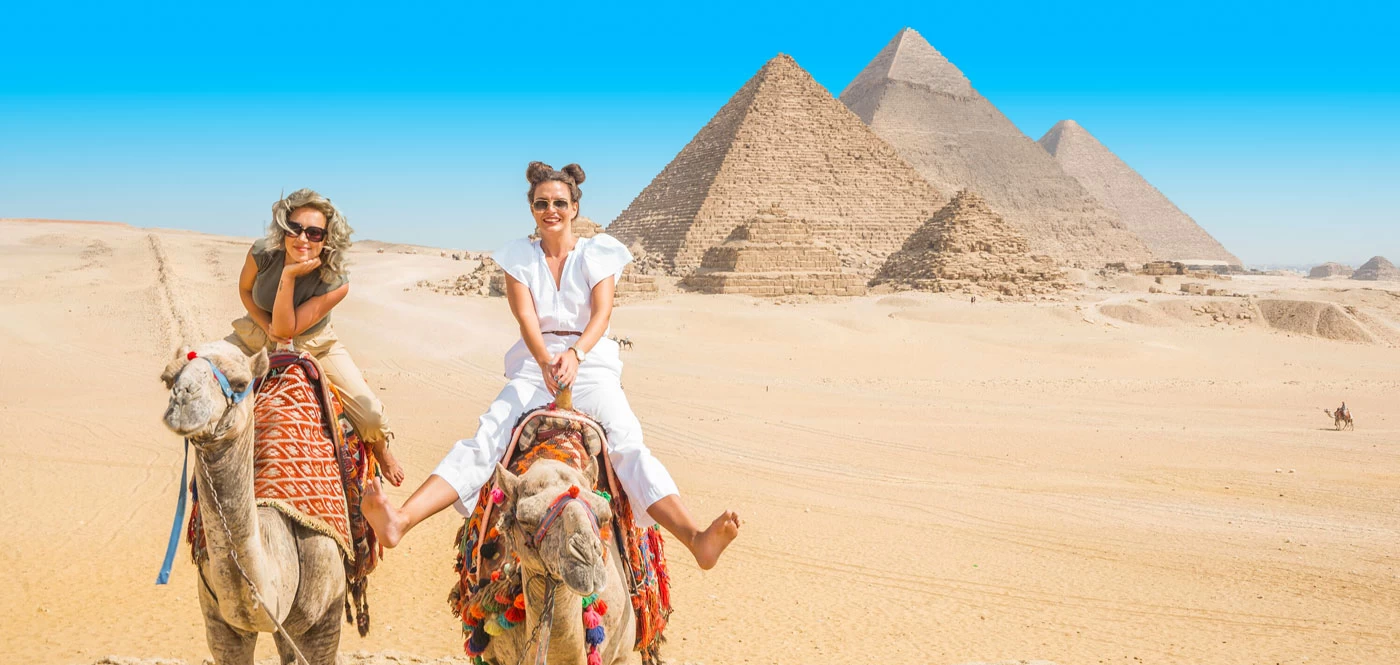
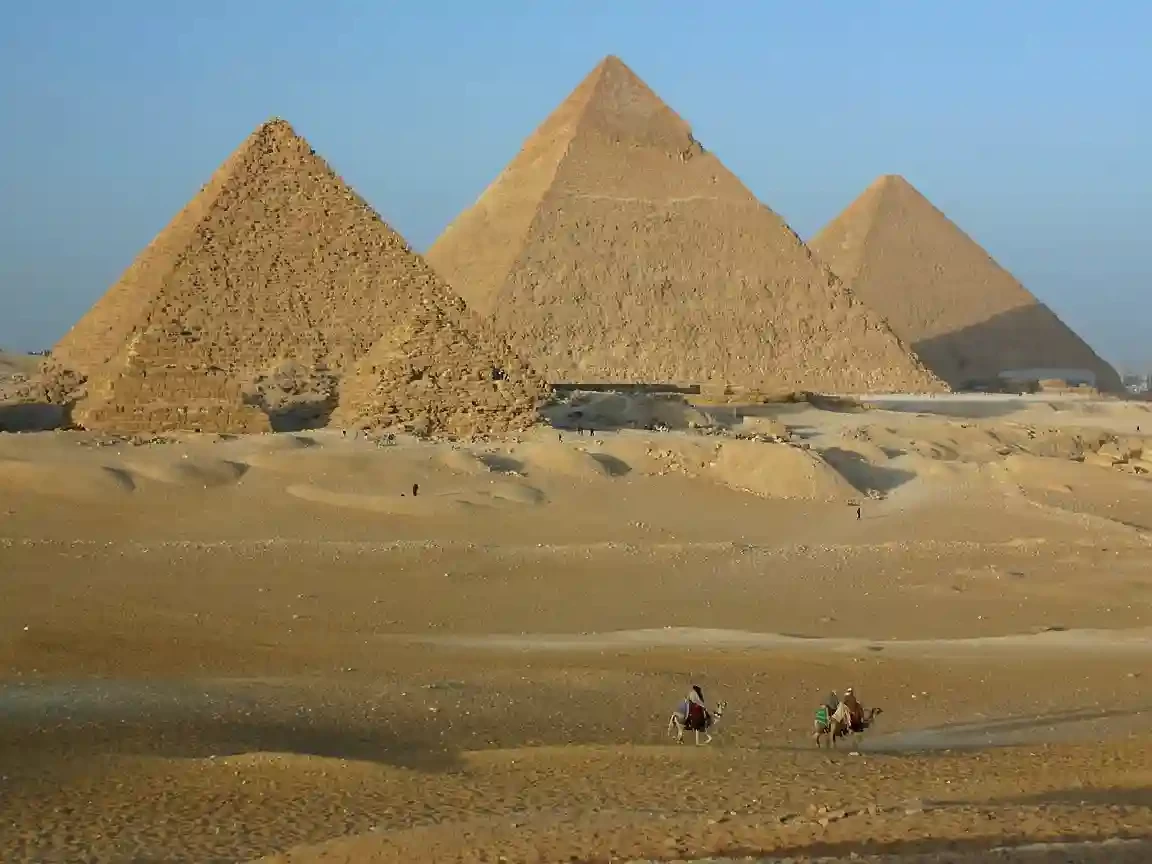
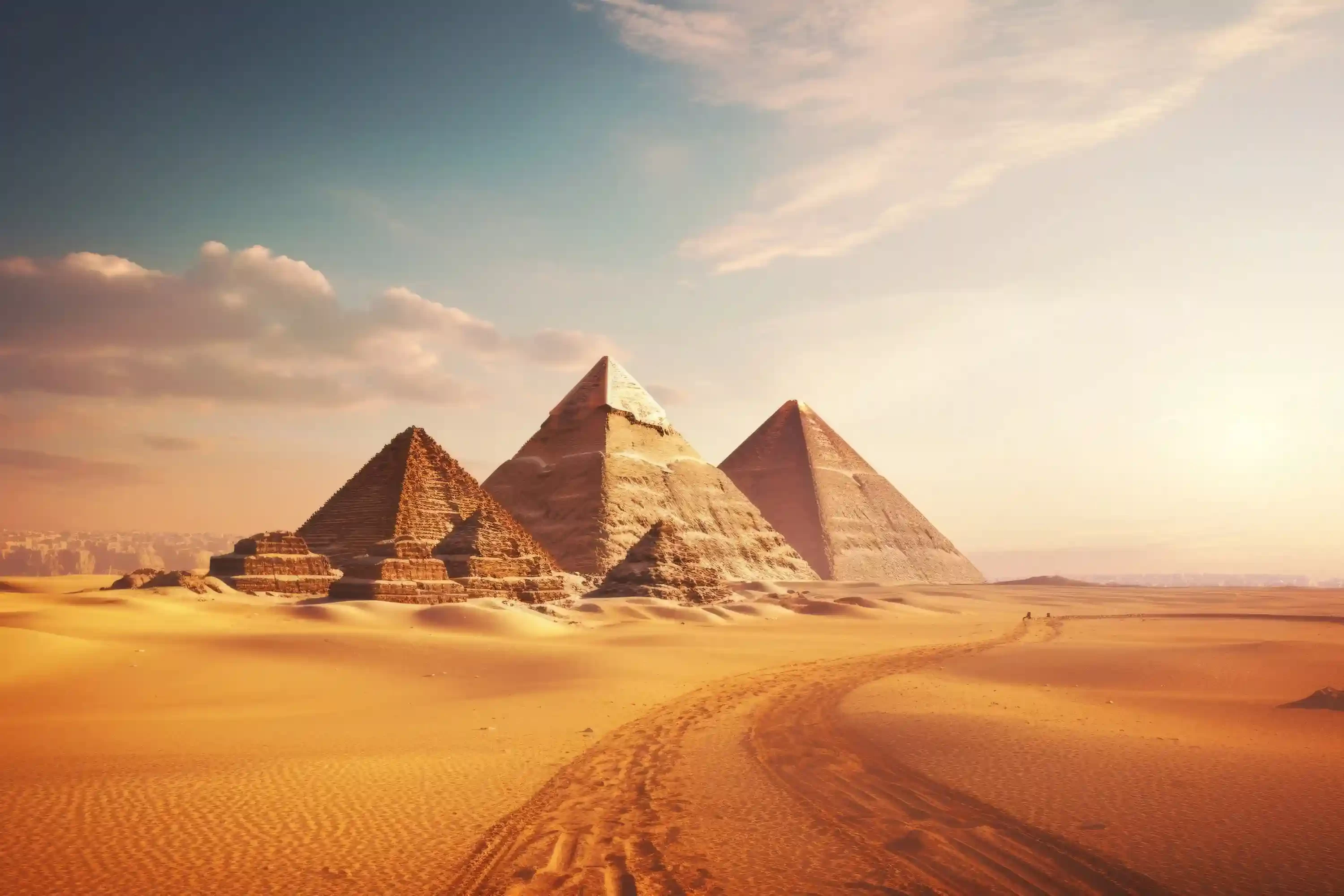
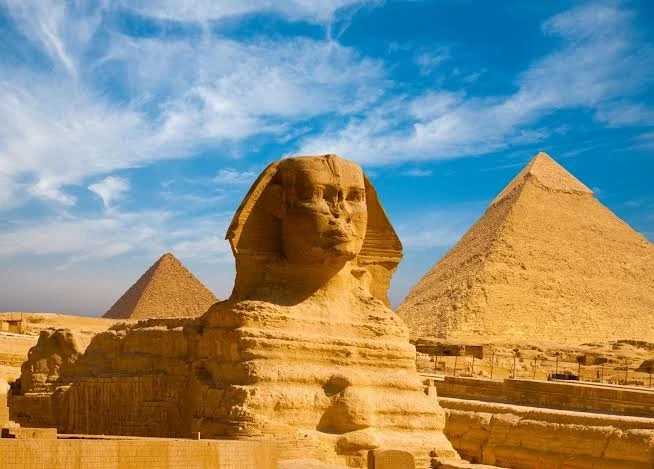
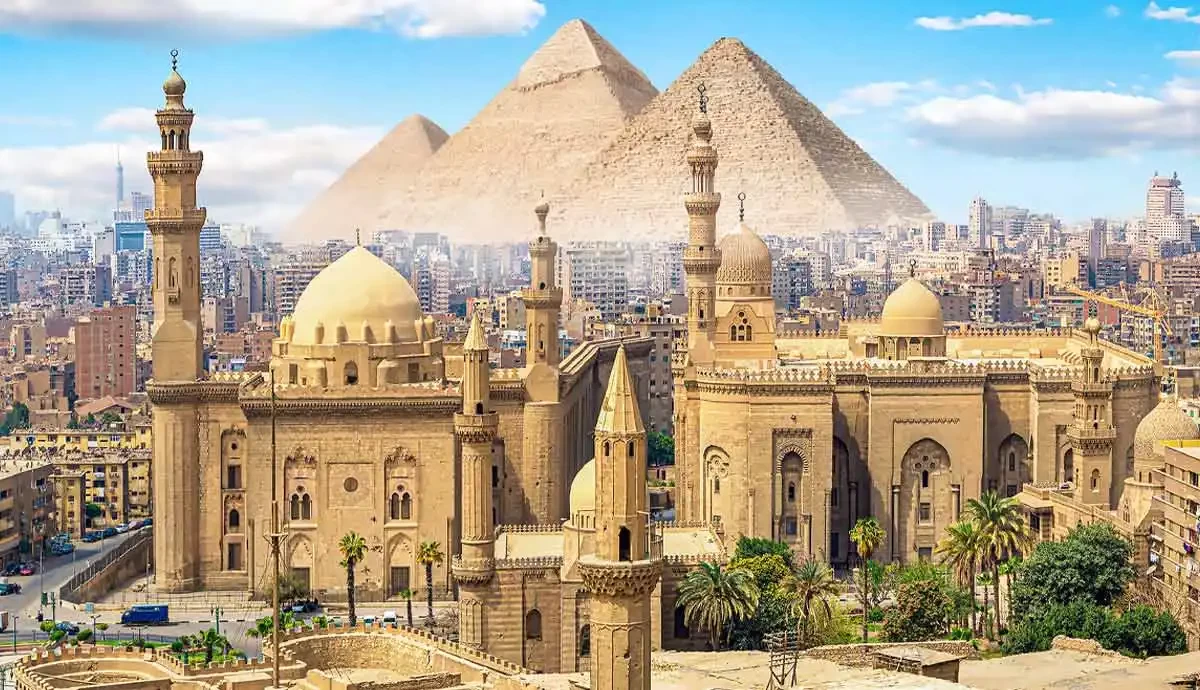
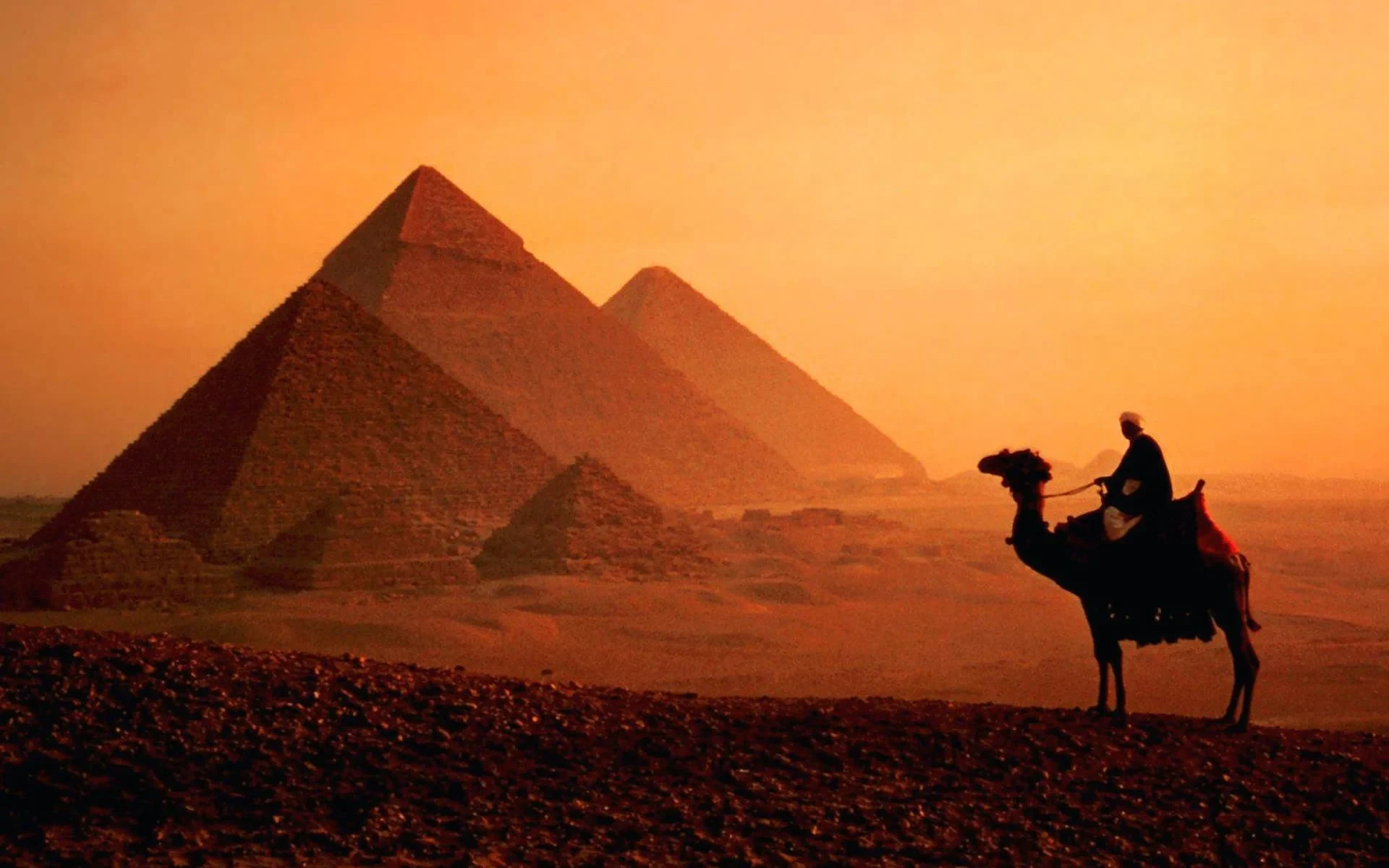
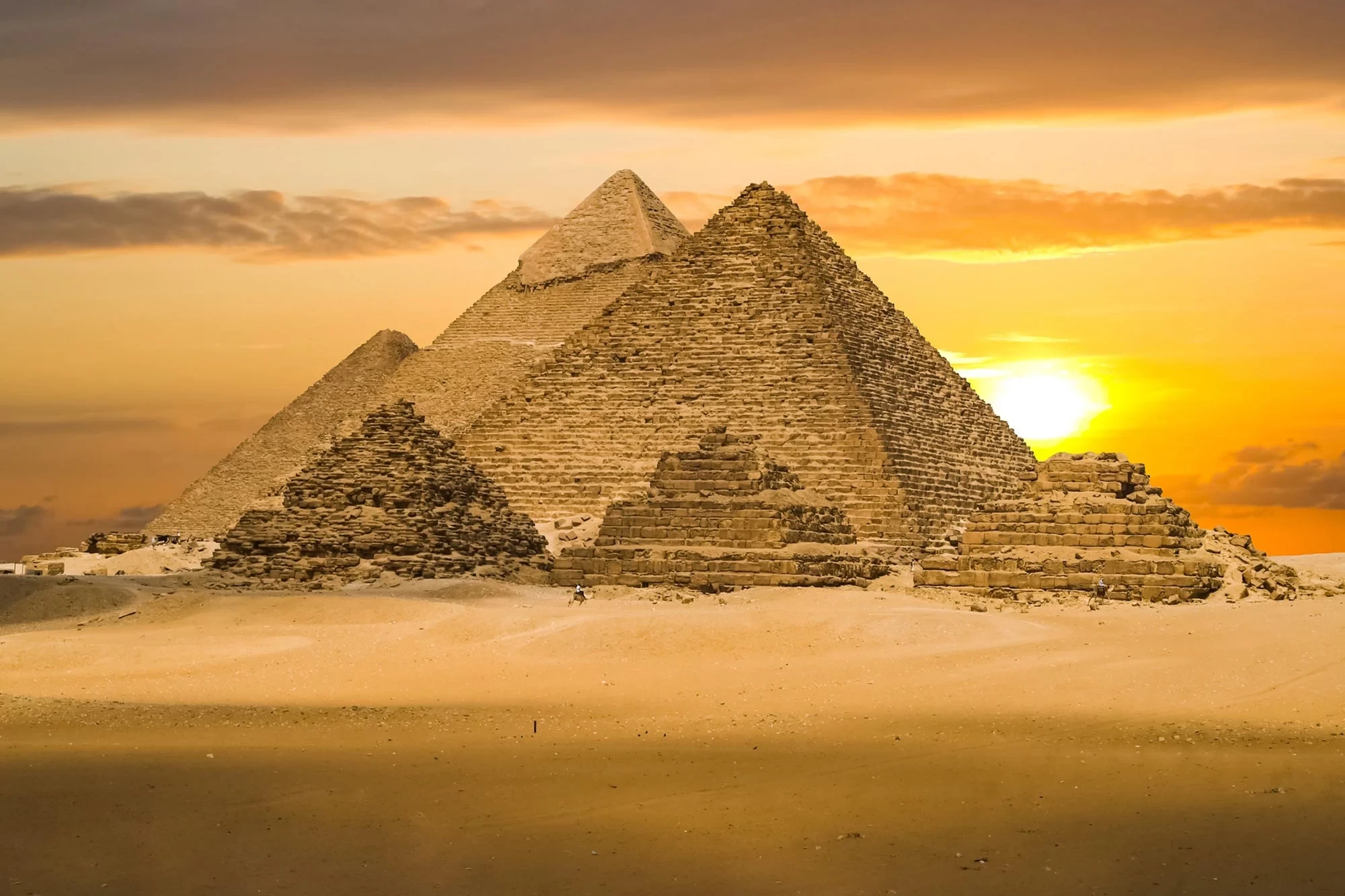
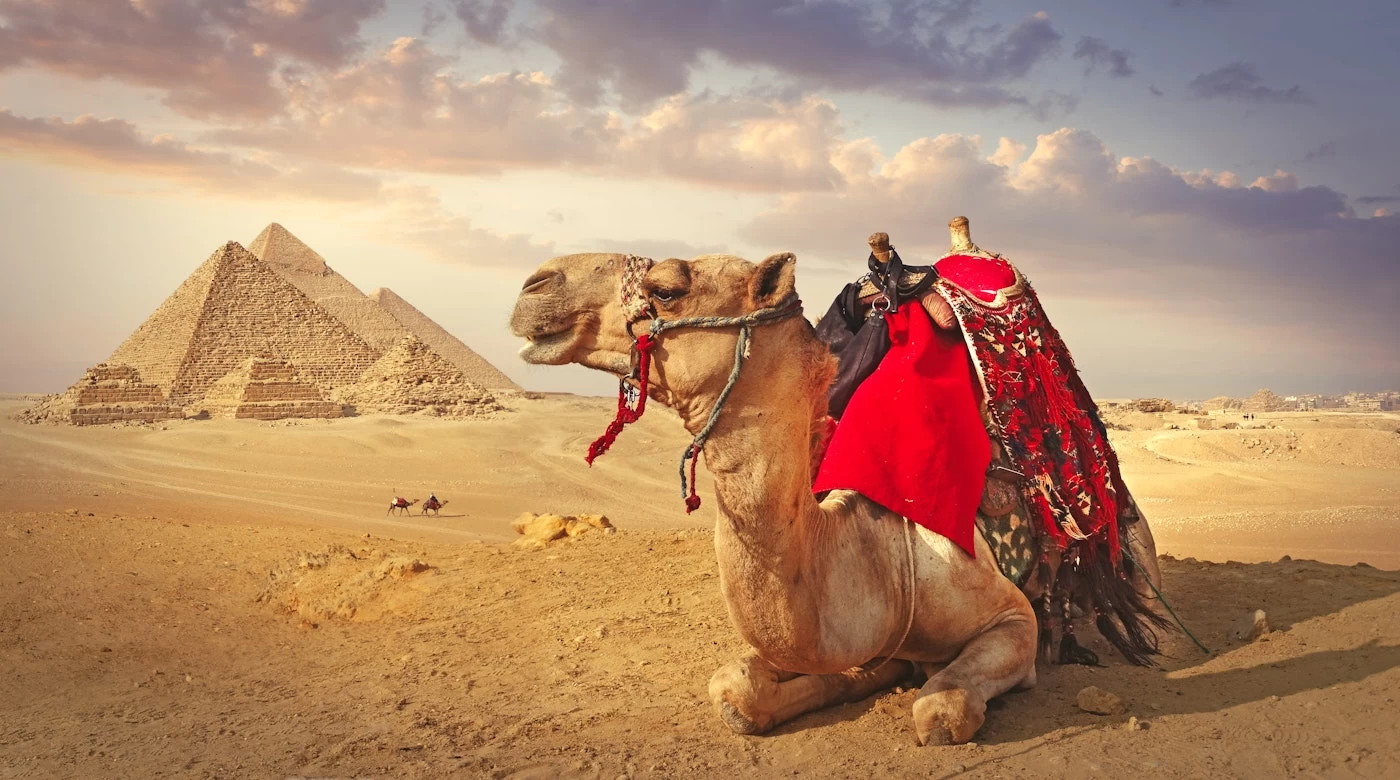
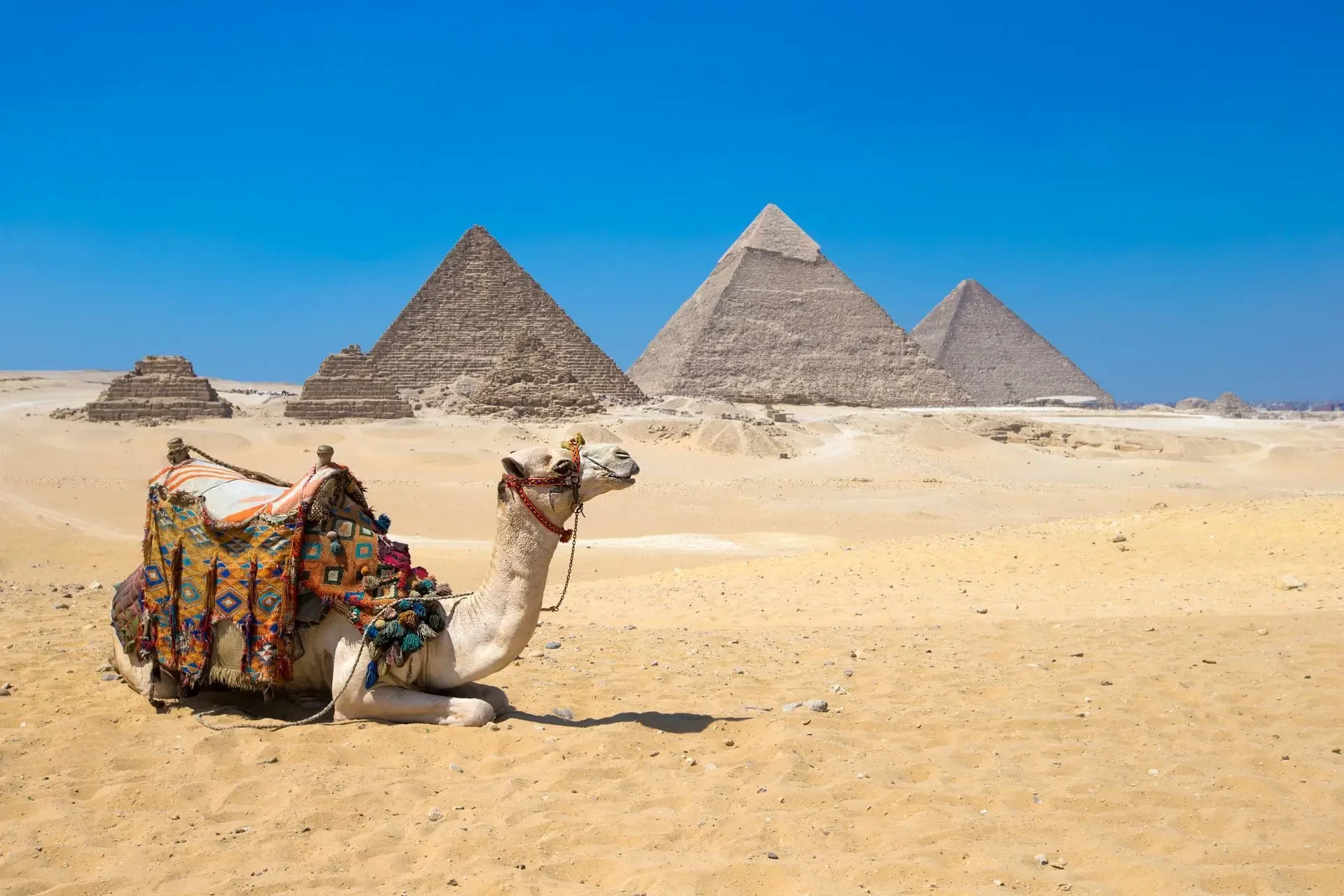
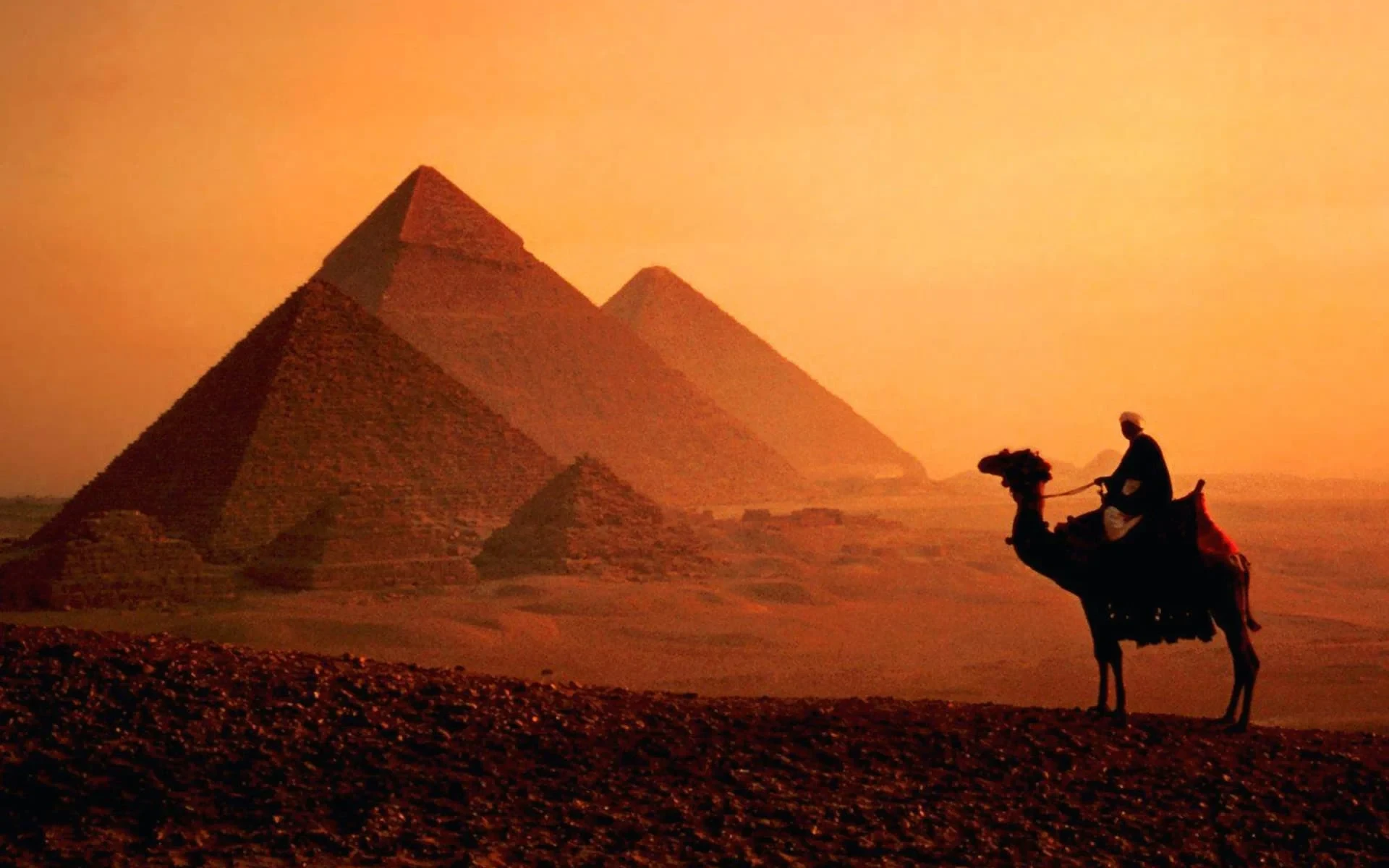
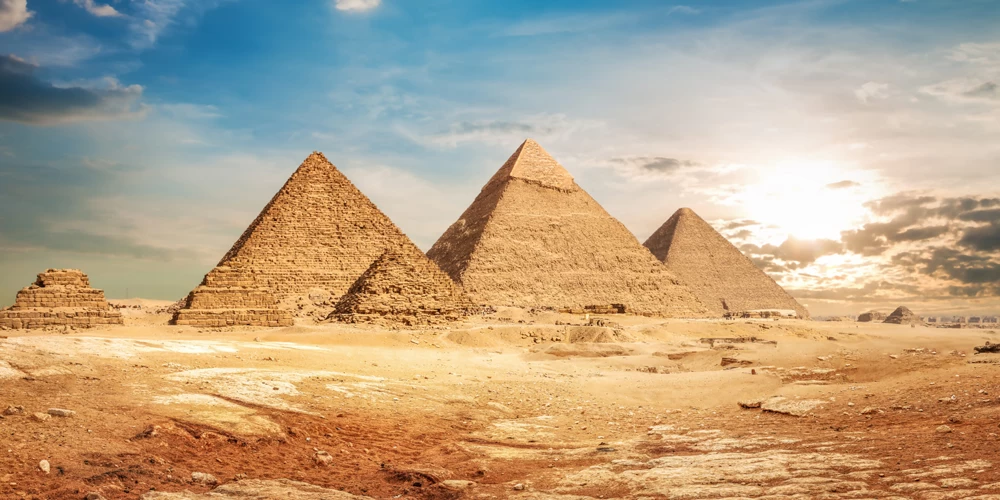
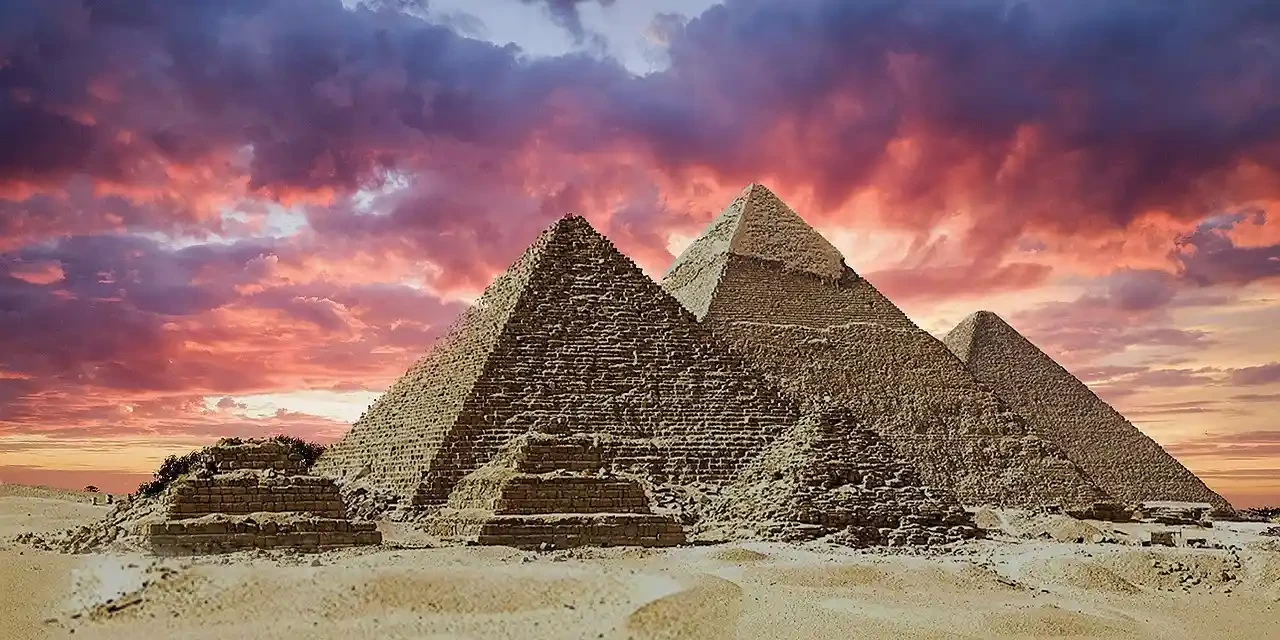
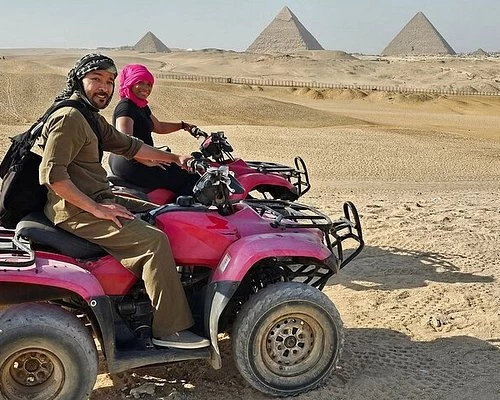
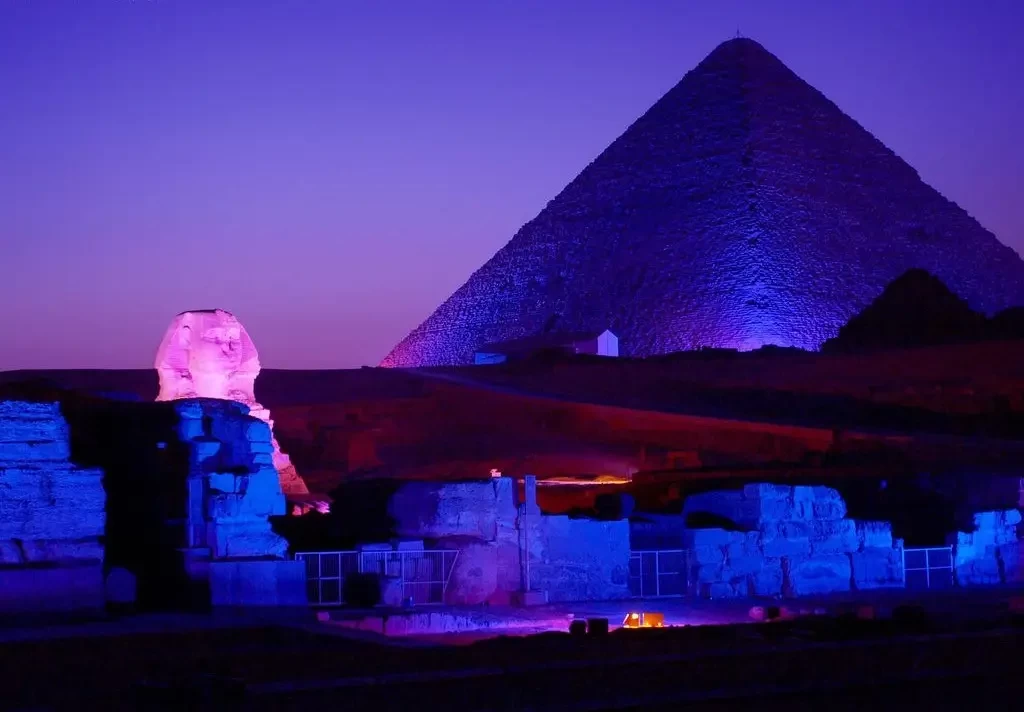
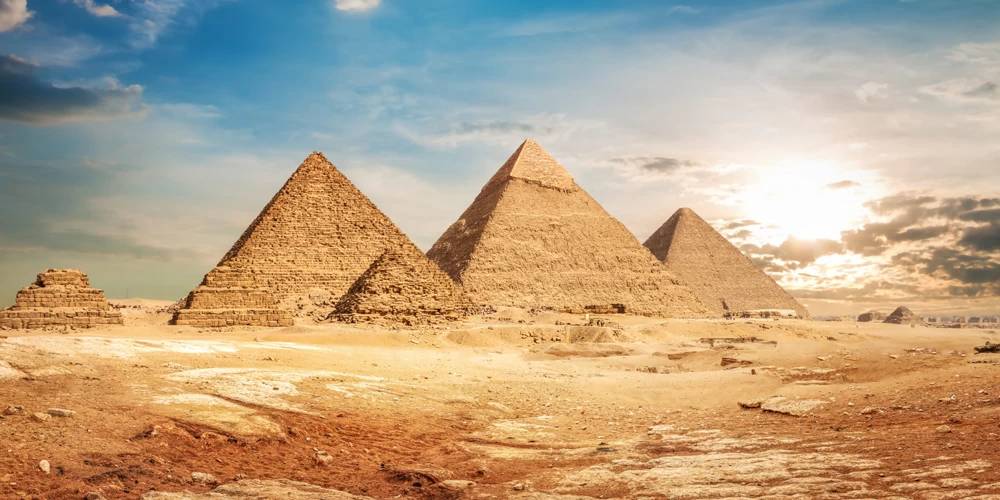
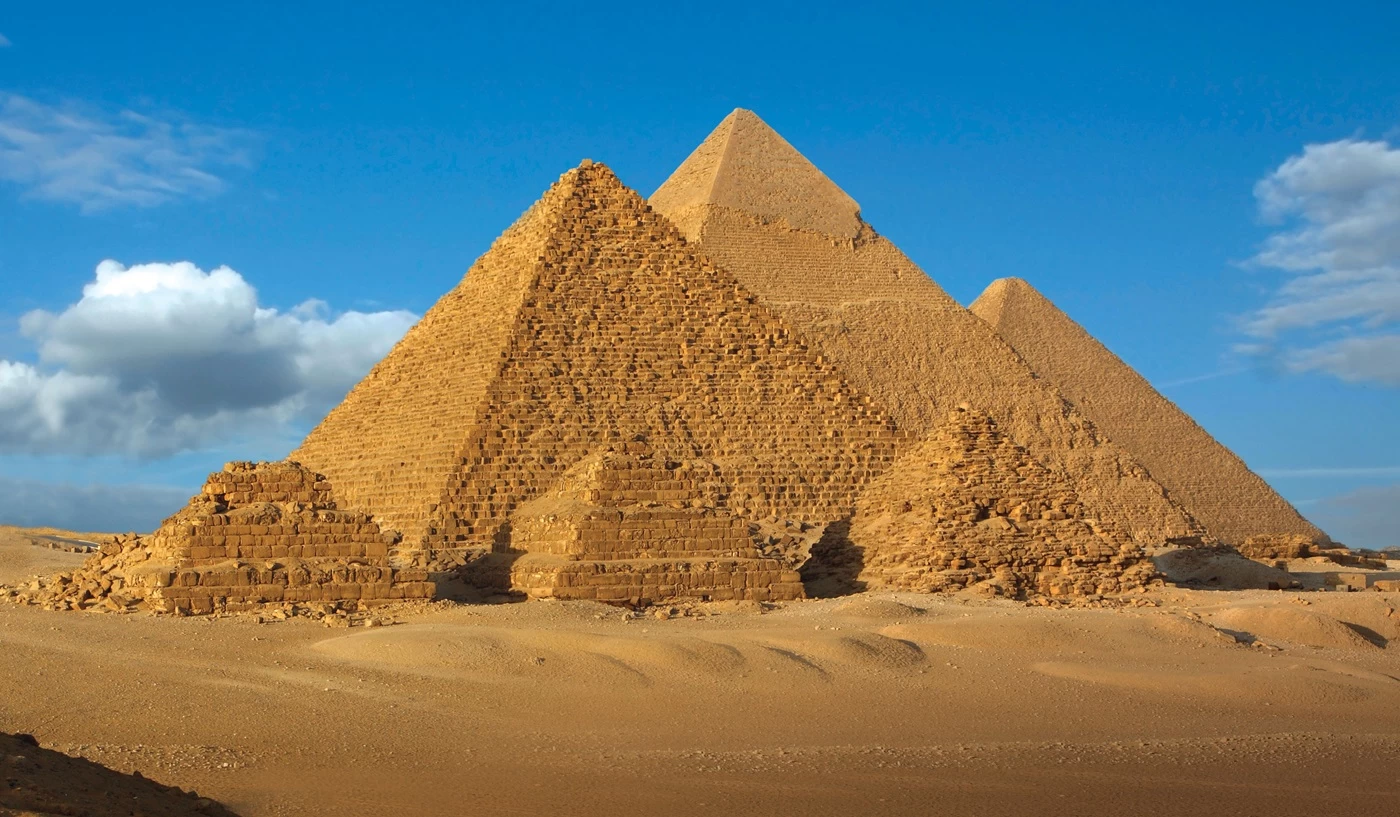
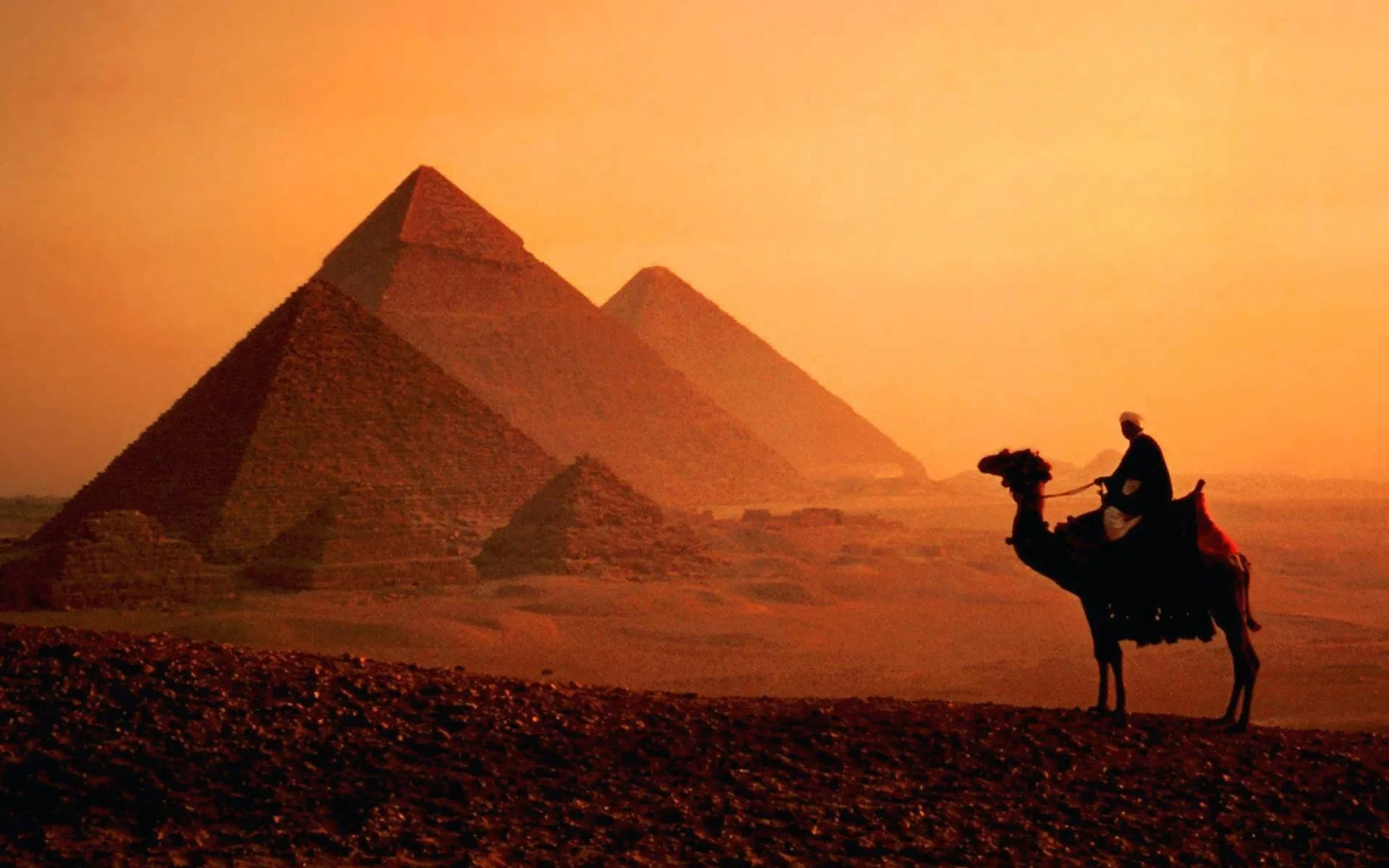
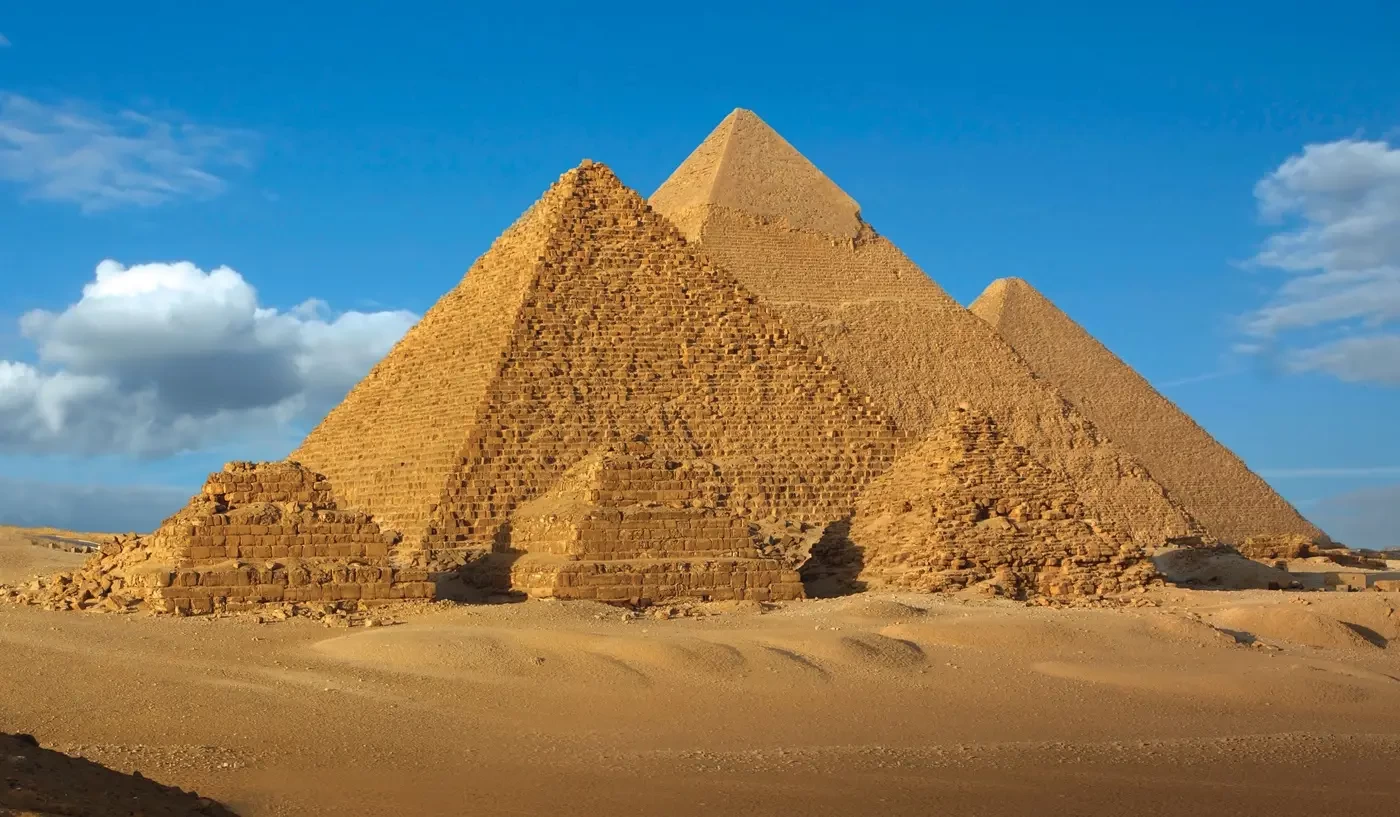
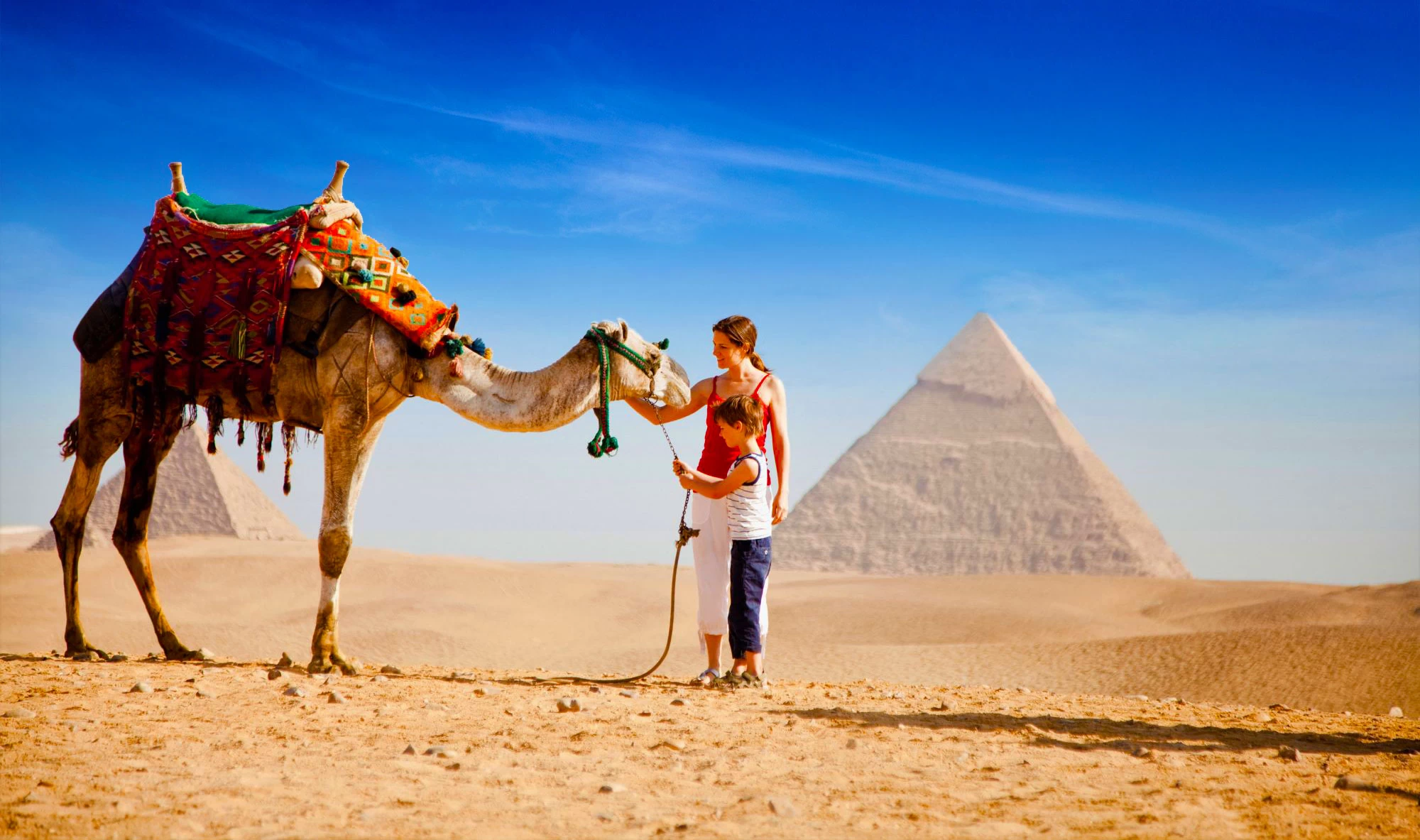
The Pyramids of Giza are among the most extraordinary landmarks in the world, offering a fascinating glimpse into the achievements, beliefs, and architectural skills of ancient Egypt. Located on the outskirts of Cairo, this iconic complex is home to the Great Pyramid of Khufu, the Pyramid of Khafre, the Pyramid of Menkaure, and the legendary Great Sphinx.
From their mysterious construction and remarkable history to the ancient secrets hidden within their walls, these monuments continue to captivate travelers from around the globe.
Whether you're passionate about archaeology or simply eager to experience Egypt's most famous attractions, exploring the Pyramids of Giza is an unforgettable part of any Egyptian adventure. Joining one of the Cairo Day Tours is also a convenient way to discover these ancient wonders, learn about their historical significance, and make the most of your visit.
The Pyramids of Giza, History, Facts & Ancient Secrets
The story of the Pyramids of Giza starts like more than 4,500 years ago, in Egypt’s Fourth Dynasty. The pyramids were raised as royal resting places for three pharaohs, Khufu, Khafre, and Menkaure.
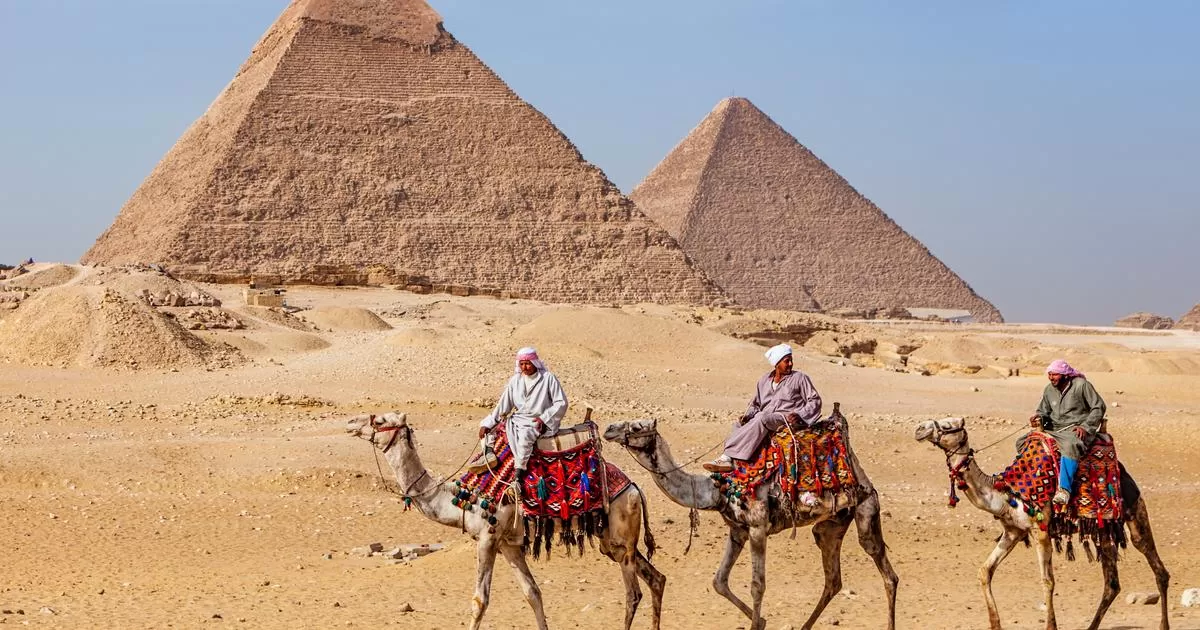
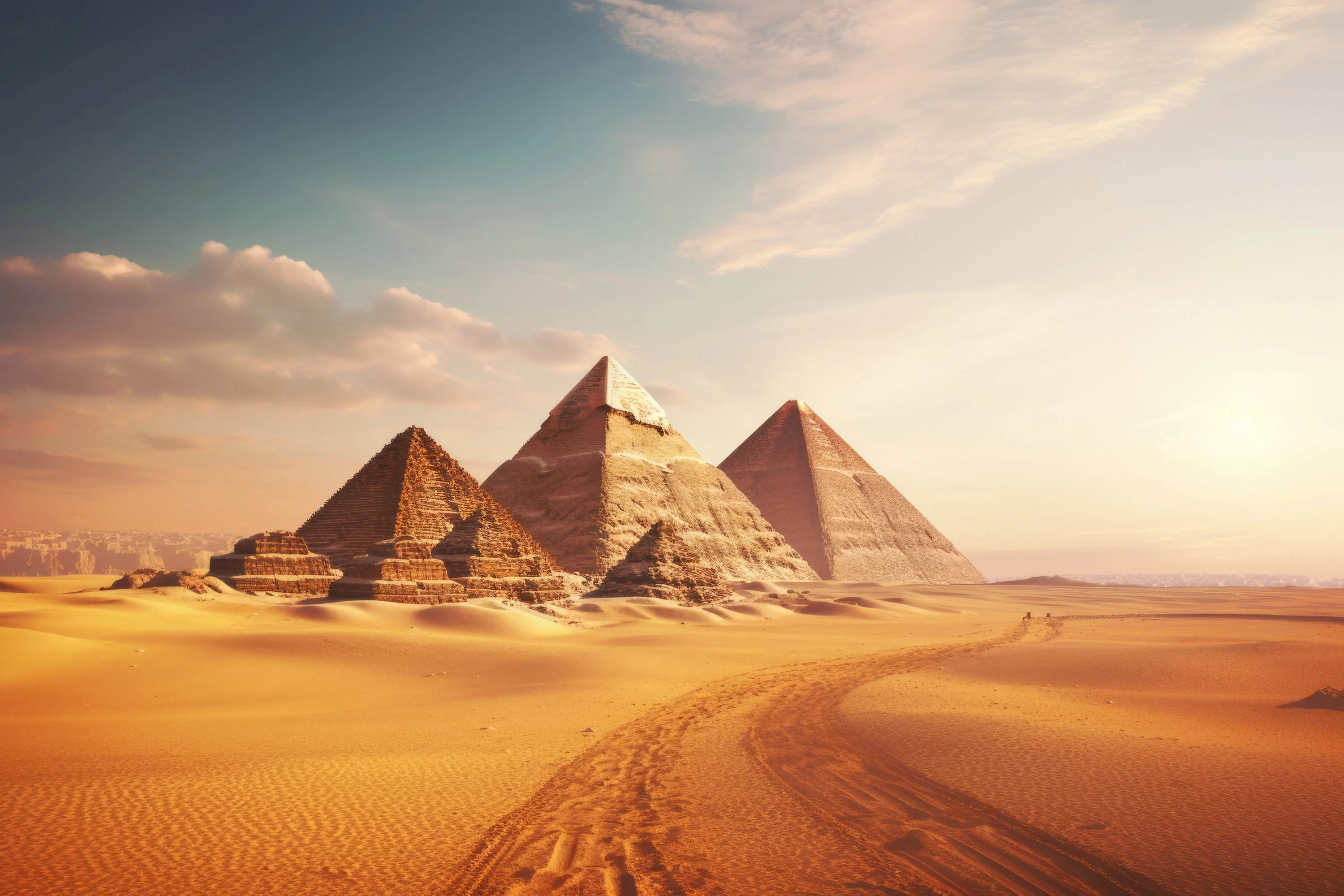
The Great Pyramid was made for Pharaoh Khufu, and it is the largest one of the group. It used to be the tallest man-made thing in the entire world. The Pyramid of Khafre is a bit smaller, but because it sits higher up, it looks almost the same height, maybe even bigger. As for Menkaure, his pyramid is the smallest of the main three.
How were the pyramids actually built?
Constructing the pyramids was a mind-blowing feat, I mean, seriously. Ancient Egyptian laborers moved massive limestone blocks and arranged them with careful patience, so the gigantic structures came together kind of the right way—not rushed, not chaotic.
For many years, people have wondered, how were the pyramids actually built?
Building those pyramids was honestly kind of mind-blowing. Ancient Egyptian laborers moved huge limestone blocks, and they fitted them together with careful patience, so the gigantic structures finally came together the right way.
For many years, people keep asking how the ancient Egyptians managed it without modern machines, like at all. Archaeologists think the workers used ramps, sledges, boats, and other straightforward tools to haul the stones and place them where they belonged. Basically they were shifting a ton of weight with relatively plain equipment, which is kind of wild when you think about it.
And the pyramids weren’t just tossed together by a small crew. It feels more like they relied on skilled folks, engineers, craftsmen, plus a whole lot of other individuals, all working together more or less in sync, even if no one was there screaming instructions every few seconds.
The pyramids were not just put up by a small group of workers. It was more like they needed skilled people, engineers, craftsmen, and lots of other individuals working together, kind of in sync, even if nobody was standing there yelling.
Why do the pyramids still get talked about?
The pyramids aren’t only ancient monuments. They, basically, reflect the sharp know-how of ancient Egyptian civilization, especially in architecture, engineering, mathematics, and the whole coordination and management side of things
Their massive size, their design, and their great age keep them among the most captivating archaeological places on Earth.
What to see at the Giza Plateau?
Going to the Giza Plateau is more than just stopping at the three big pyramids. The whole area is packed with other meaningful monuments; each one has its own little tale from ancient Egypt, so it feels a bit like walking through layers.
The Great Pyramid of Khufu
The Great Pyramid of Khufu is the biggest and also the most well-known pyramid at Giza. Because it is so huge, it becomes one of those first sights most visitors can’t really miss. With the right ticket, you can even step inside some of the pyramid areas, but not everything.
The Pyramid of Khafre
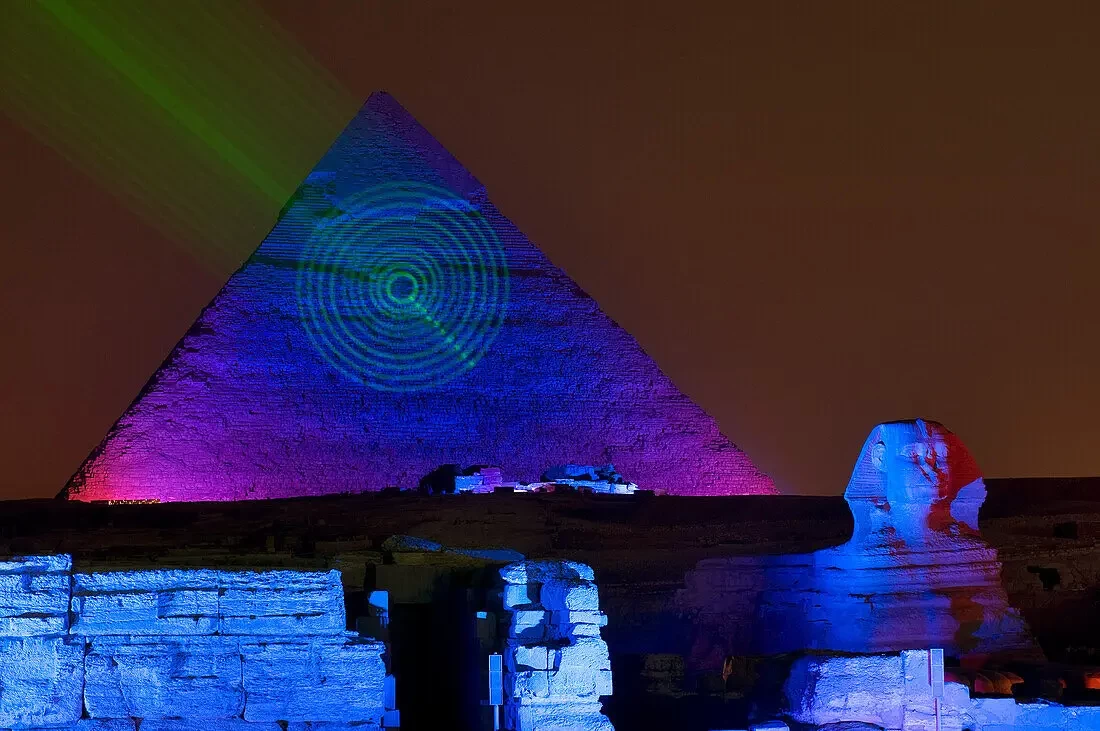
The Pyramid of Khafre is a bit smaller than Khufu’s pyramid, but it sits on higher ground. That means it often looks almost as tall, and from certain angles, it’s hard to tell the difference. You may also spot a portion of its original smooth limestone casing near the top.
The Pyramid of Menkaure
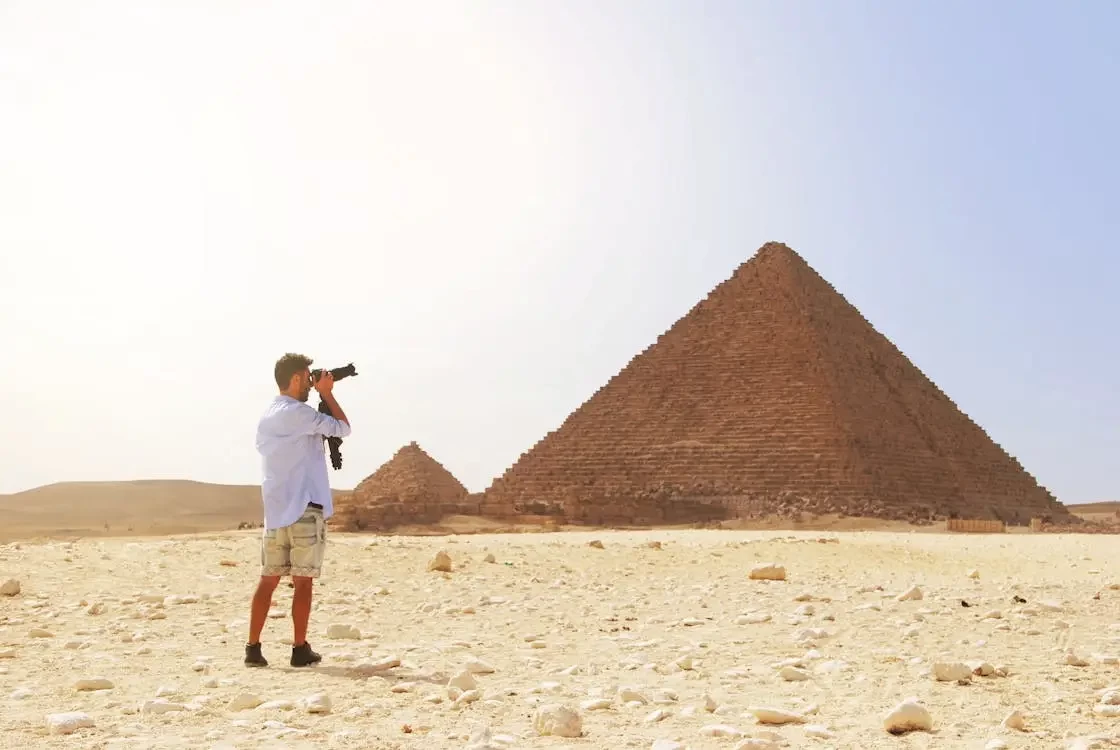
The Pyramid of Menkaure is the smallest among the three; still, it isn’t “less important." It has its own background plus a more distinctive layout that makes it stand out in a quieter way.
The Great Sphinx
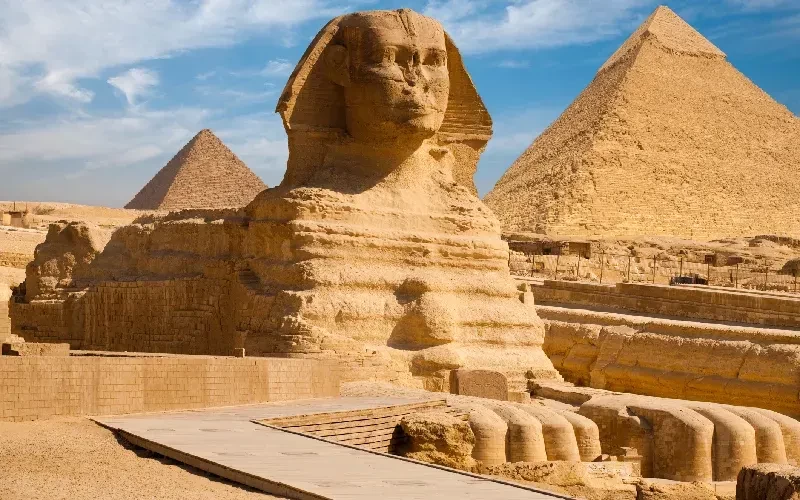
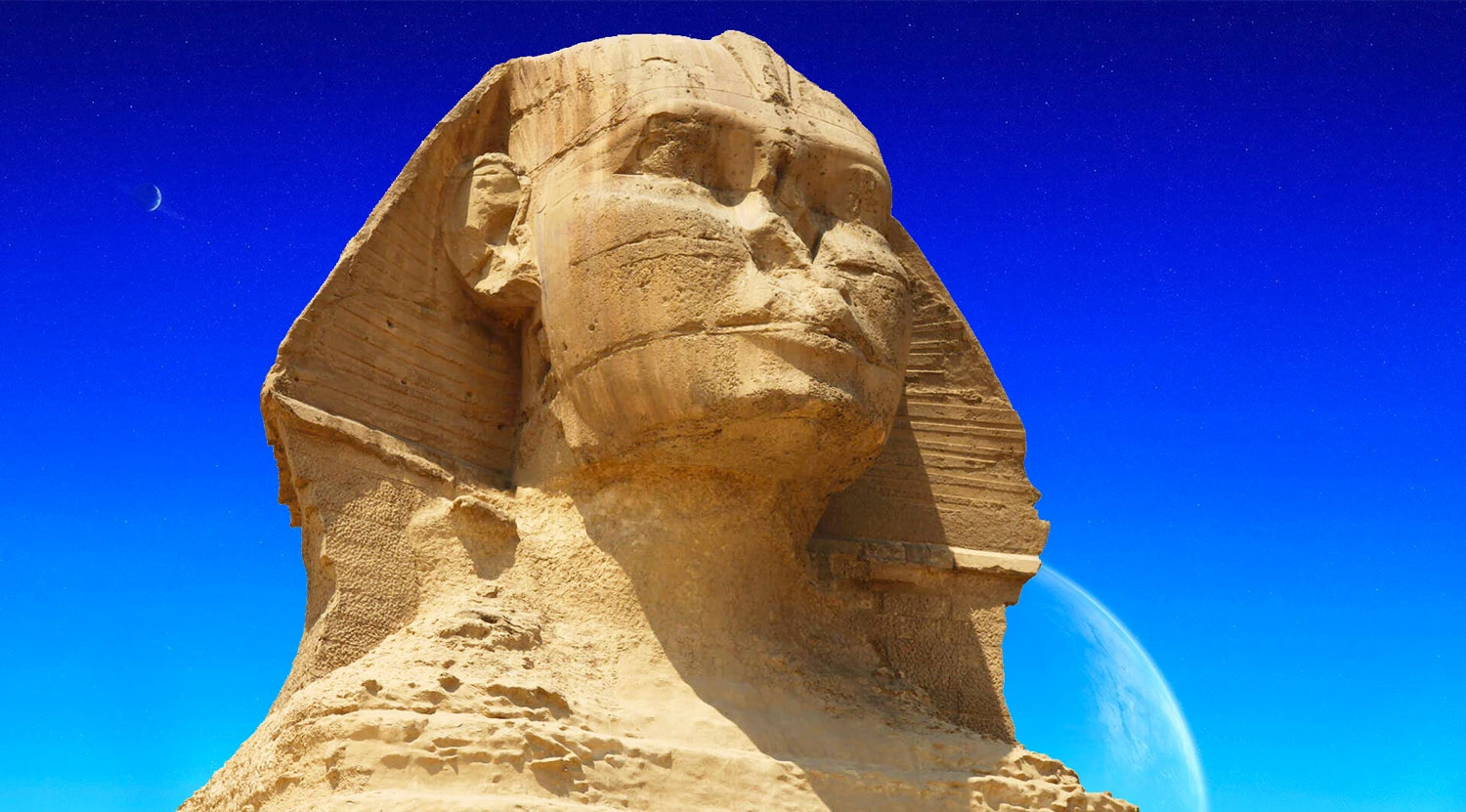
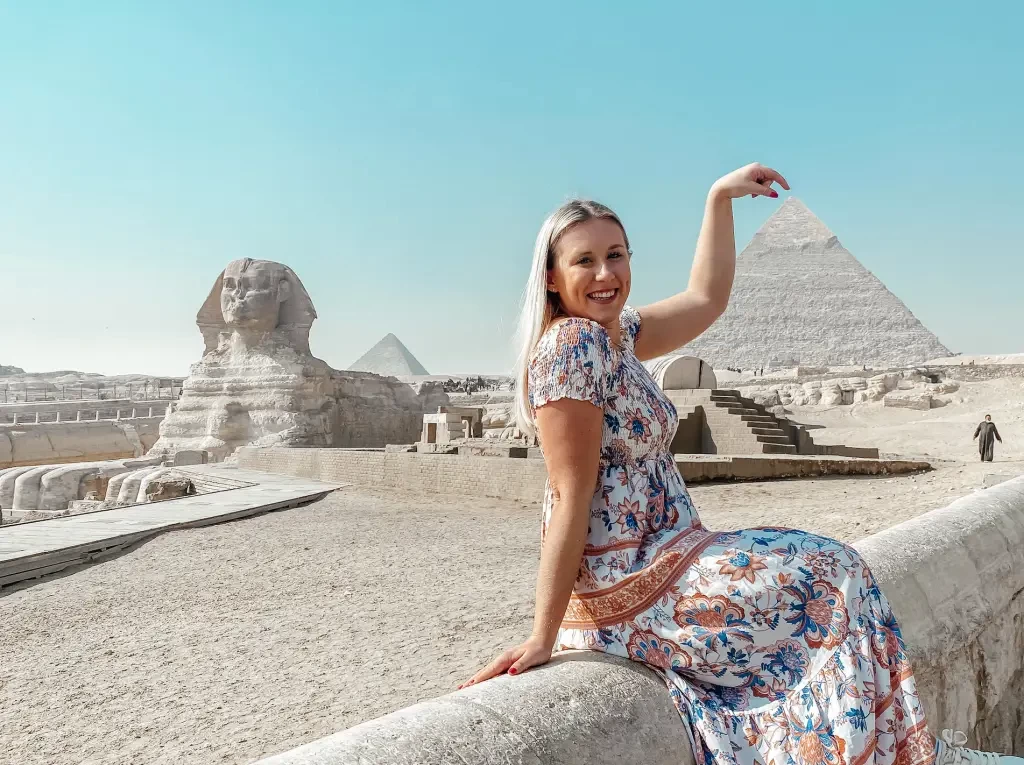
The Great Sphinx is another part you really have to see. It’s a famous statue with a lion body and a human head. It’s positioned near the pyramids, and it is still one of Egypt’s most recognizable monuments, even for people who only know it from photos.
Explore the Giza Plateau with a guide
If you want to see everything that matters without stressing about rides or how to plan each stop, our Giza Pyramids Tours can make it easier. You’ll explore the plateau with a local guide, and the whole experience feels smoother.
Or, you can pick Giza Pyramids & Sphinx Tours, where you visit the pyramids together with the Great Sphinx in one flow, so to speak.
And if you have a little extra time to explore Cairo, Egypt Travel Packages can stitch Giza into the mix with other major attractions around the city.
Want to explore the pyramids and the Great Sphinx with a local guide? Book a Giza Pyramids tour and discover the highlights of the Giza Plateau.
How to Visit the Pyramids of Giza: Tickets, Best Time & Travel Tips
Honestly, planning ahead helps a lot, because when you arrive at Giza, the day feels less chaotic and more straightforward, even if it’s still busy.
Best Time to Visit
Early morning is usually a solid option, since temperatures tend to be nicer and the whole place can feel less crowded. In summer, it’s even better to start before things heat up too much.
How Long Do You Need?
Try to set aside around three to four hours for the Giza Plateau. If you want to go into a pyramid, stop by the Sphinx, and take photos without rushing, you may need a bit longer than that.
If your schedule is tight, a Cairo full-day tour can help you cover the main attractions without having to manage every little transport step on your own.
What Should You Bring?
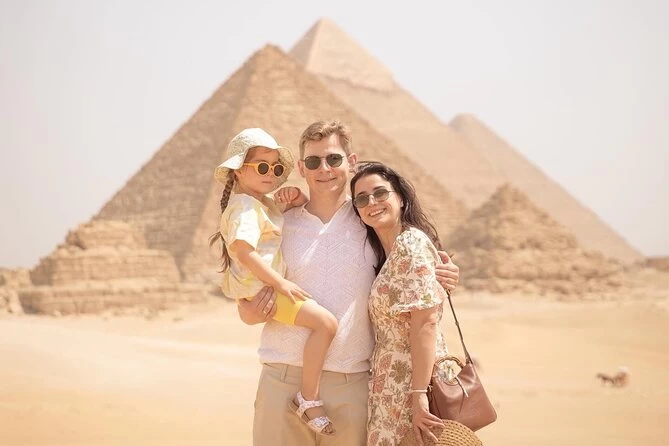
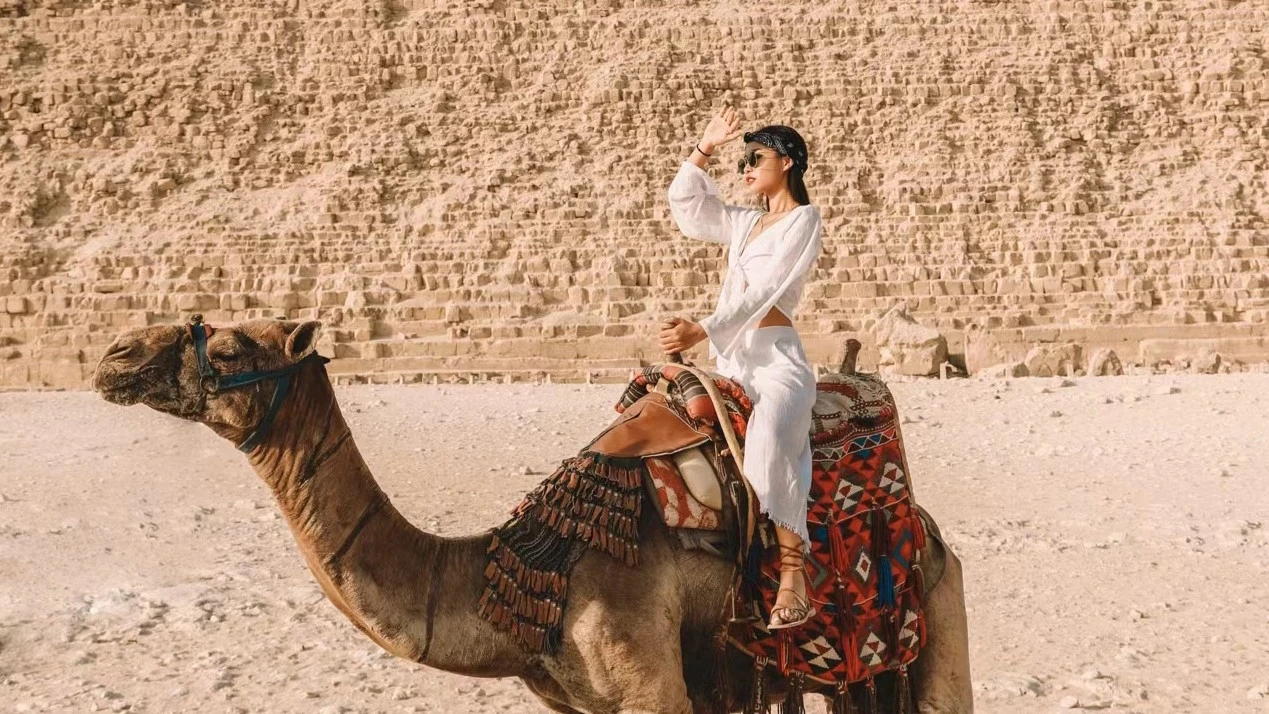
Wear comfortable shoes, and pack water. Also bring sunscreen, sunglasses, and a hat, because the plateau is basically outdoors, so sunlight is intense and shade can be pretty limited.
Can You Go Inside the Pyramids?
Yes, some pyramid interiors are available to visitors, but you’ll need the right ticket. The corridors and passages can be tight, so it’s worth thinking about your comfort level before choosing this part of the visit.
Why Choose a Guided Tour?
A good local guide can share stories and context about the history and the deeper meaning behind these monuments. They can also help you make the most of everything you see, plus Giza Pyramids Tours can handle transportation and planning in a simpler way.
Why the Pyramids of Giza Are a Must-See in Cairo
The Pyramids of Giza are among the most important places to visit in Cairo. They give you the chance to meet ancient Egyptian history face-to-face and also wrap your mind around the astonishing accomplishments of one of the oldest civilizations the world ever knew.
The Giza Plateau fits nicely into a Cairo sightseeing plan too. You can go see the pyramids, stop at the Great Sphinx, and then take in the desert panorama around you in a single trip, all in one stretch.
If it is your first visit, joining Giza Pyramids Tours can make everything smoother and more satisfying. A local guide can share the stories behind the monuments and help you notice small details that you might overlook if you are traveling solo.
You can also opt for Giza Pyramids & Sphinx Tours to cover the two best-known landmarks in the same day. And if you want even more of the capital without stretching your schedule, Cairo Day Tours can link Giza with other popular sights.
If you’re drawn to ancient history, architecture, or photography, or you just want to catch a glimpse of one of Egypt's most famous landmarks, the Pyramids of Giza become a really memorable part of any trip through Cairo.
Ready to discover the Pyramids of Giza? Explore our Cairo tours and choose a tour that fits your travel plans.
-webp.webp "Cairo city tour")

-webp.webp "Nile River Cruise")



-webp.webp "Private Luxury Tour of Cairo Luxor and Aswan")