Coptic and Islamic Cairo: A Complete Guide to Exploring Old Cairo
Cairo is honestly way more than just the Pyramids of Giza, even if that’s what everybody talks about. If you’re a traveler who’s into history, architecture, and day-to-day culture, Coptic Cairo and Islamic Cairo give you a real chance to see a lot of Egypt’s religious and urban life legacy, all in one fairly compact part of the city.
Coptic Cairo is mostly about older churches, Christian heritage, and those key spiritual spots that feel kind of timeless. Islamic Cairo, on the other hand, feels different; it’s where you’ll spot standout mosques, medieval monuments, old-school streets, and the traditional bazaars or markets. When you put them together, you get a side of Cairo that’s kinda hard to notice if you only hurry through the big, famous ancient places everyone else recommends.
And if it’s your first time visiting, this Cairo Travel Guide helps you move through the main spots, shows you how to blend both areas in one day without getting fried, how much time to plan for, and a few practical tips so the whole outing feels smoother, not chaos.
Discover Coptic Cairo and Those Historic Corners
Discover Coptic Cairo and Those Historic Corners
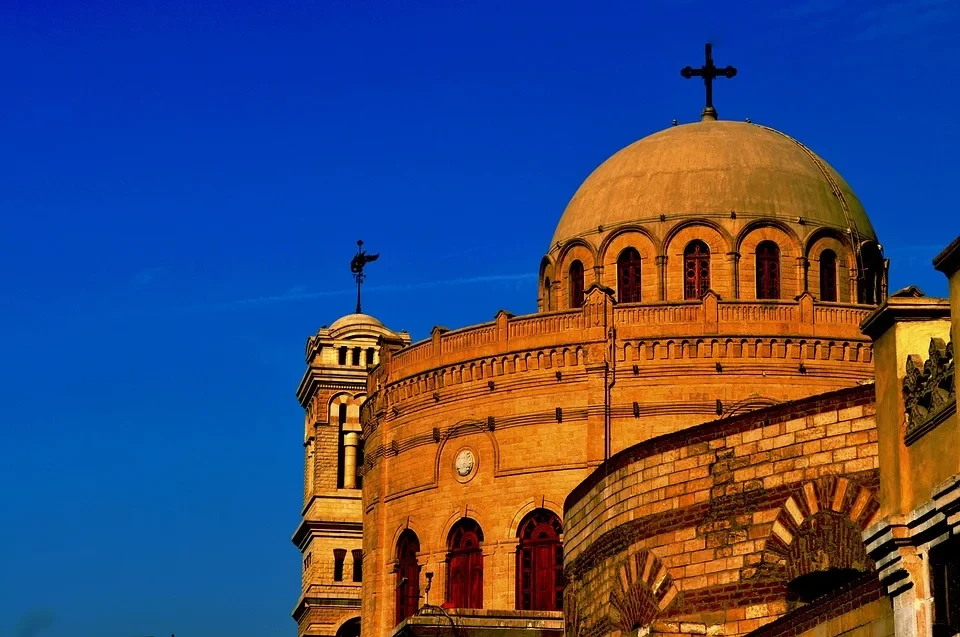
Coptic Cairo is, honestly, one of the most important historic areas in the Egyptian capital. It grew around older settlements south of modern Cairo, and it keeps a striking mix of Christian and Jewish legacy places, some of them still standing as if time just slowed down a little.
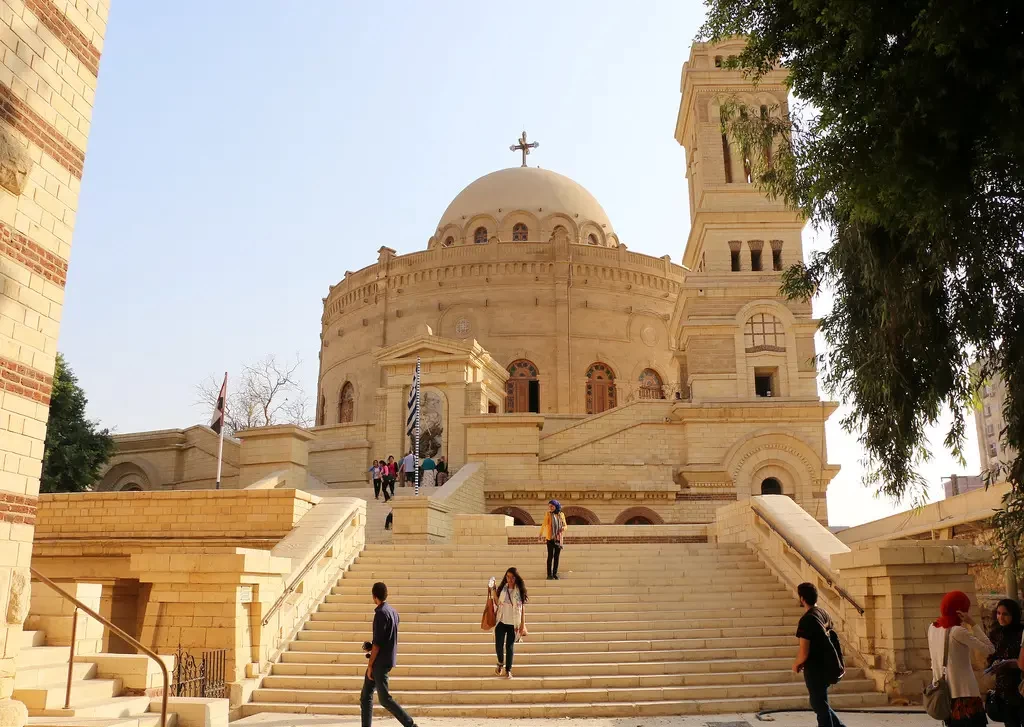
If you want a real highlight, look for the Hanging Church; it’s officially called the Church of the Virgin Mary. It sits above the remains of the Roman Fortress of Babylon, and that detail alone makes it super recognizable, even if you’re just passing by.
There are also other key spots you shouldn’t skip, like the Saint Sergius and Bacchus Church, better known as Abu Serga. This church is often connected, in tradition, with the Holy Family’s travel through Egypt, so people tend to stop there for context, not only pictures.
You may also notice the Ben Ezra Synagogue, a historic synagogue in the neighborhood, and it holds an important place in Cairo’s Jewish heritage.
And for a calmer, more meaningful pause, try the Coptic Museum. It’s a helpful stop if you want more background on Coptic art, manuscripts, icons, and how Christianity developed in Egypt over time.
Overall, it’s best to wander the area at a relaxed pace, rather than sprinting from one monument to another. Some of these places are still active for worship, so visitors should follow local rules about clothing, photography, and access, ok.
For travelers who care about religious history, Coptic Cairo can also be paired with other classic attractions in historic Cairo during the same sightseeing day, which makes planning easier.
Explore Islamic Cairo and Its Architectural Heritage
Explore Islamic Cairo and Its Architectural Heritage
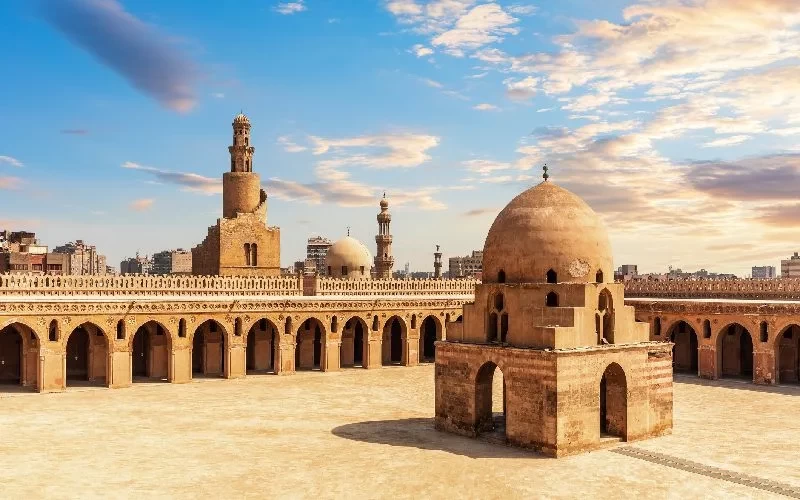
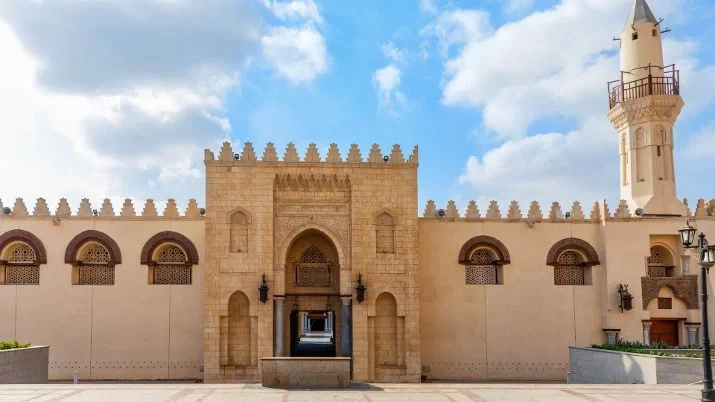
Islamic Cairo kinda refers to those Old Cairo Tour areas where you get a big cluster of Islamic monuments, mostly from the Fatimid, Ayyubid, and Mamluk periods. Historic Cairo, overall, is listed by UNESCO as a World Heritage Site, mainly because the architecture, plus the whole urban layout, is seen as truly outstanding.
There’s so much to see in Islamic Cairo, but a couple of landmarks are especially useful, especially if this is your first visit.
The Citadel of Saladin
The Citadel of Saladin is one of the most noticeable historic markers in Cairo. It was built to serve as a fortified place for governing back in the medieval period, and now it basically gives you wide views over multiple parts of the city. Inside, you’ll also come across a few important sites, like the Mosque of Muhammad Ali.
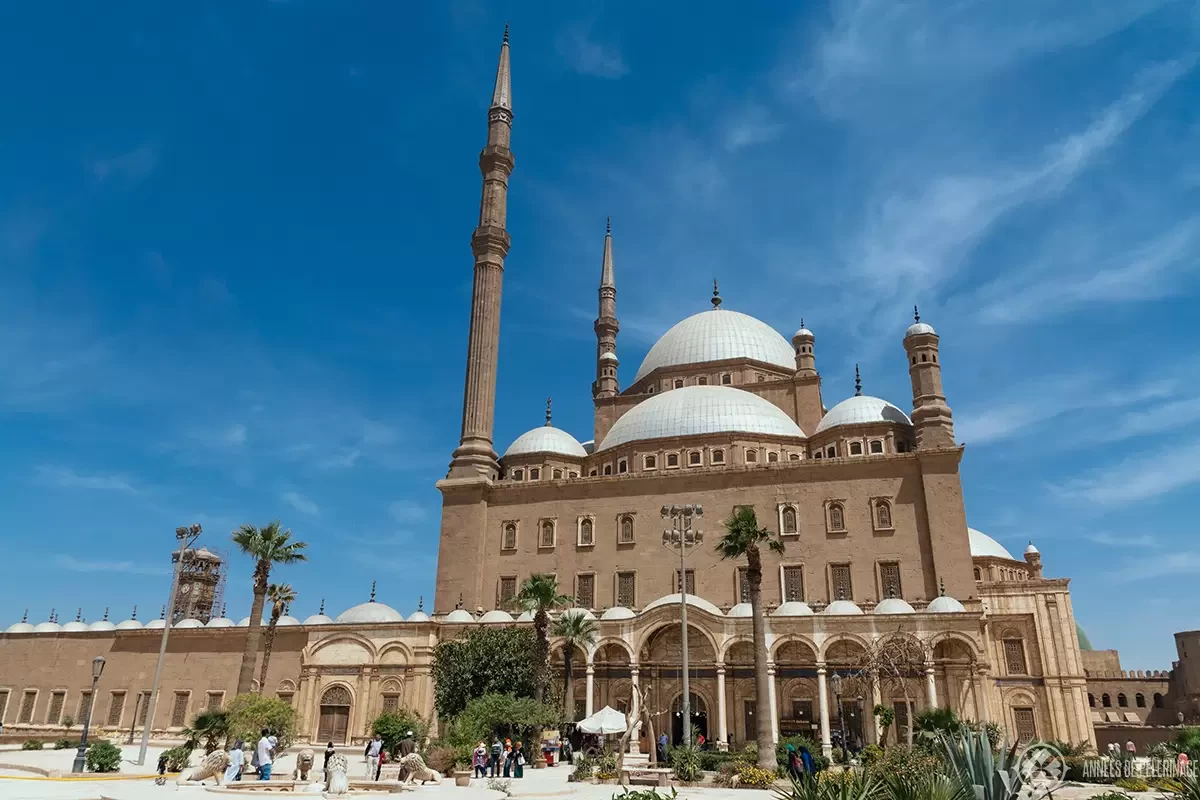
Mosque of Muhammad Ali
This mosque is located within the Citadel. You notice it right away because of the massive domes, its Ottoman-inspired style, and the way it’s placed in such a dominant spot above the city.
Al-Muizz Street
Al-Muizz Street is one of the best places in Cairo to actually feel the historic urban character. The street runs alongside medieval monuments, religious buildings, old houses, and more traditional commercial pockets. UNESCO also says the historic city keeps a vibrant urban fabric- you know, monuments, lanes, markets, and quarters, all together in a way that still reads clearly today.
Al-Azhar Mosque
Al-Azhar Mosque is among Cairo’s most important religious and educational places. It began in the Fatimid period, and ever since, it has had a major influence on Islamic scholarship for centuries.
Khan El Khalili
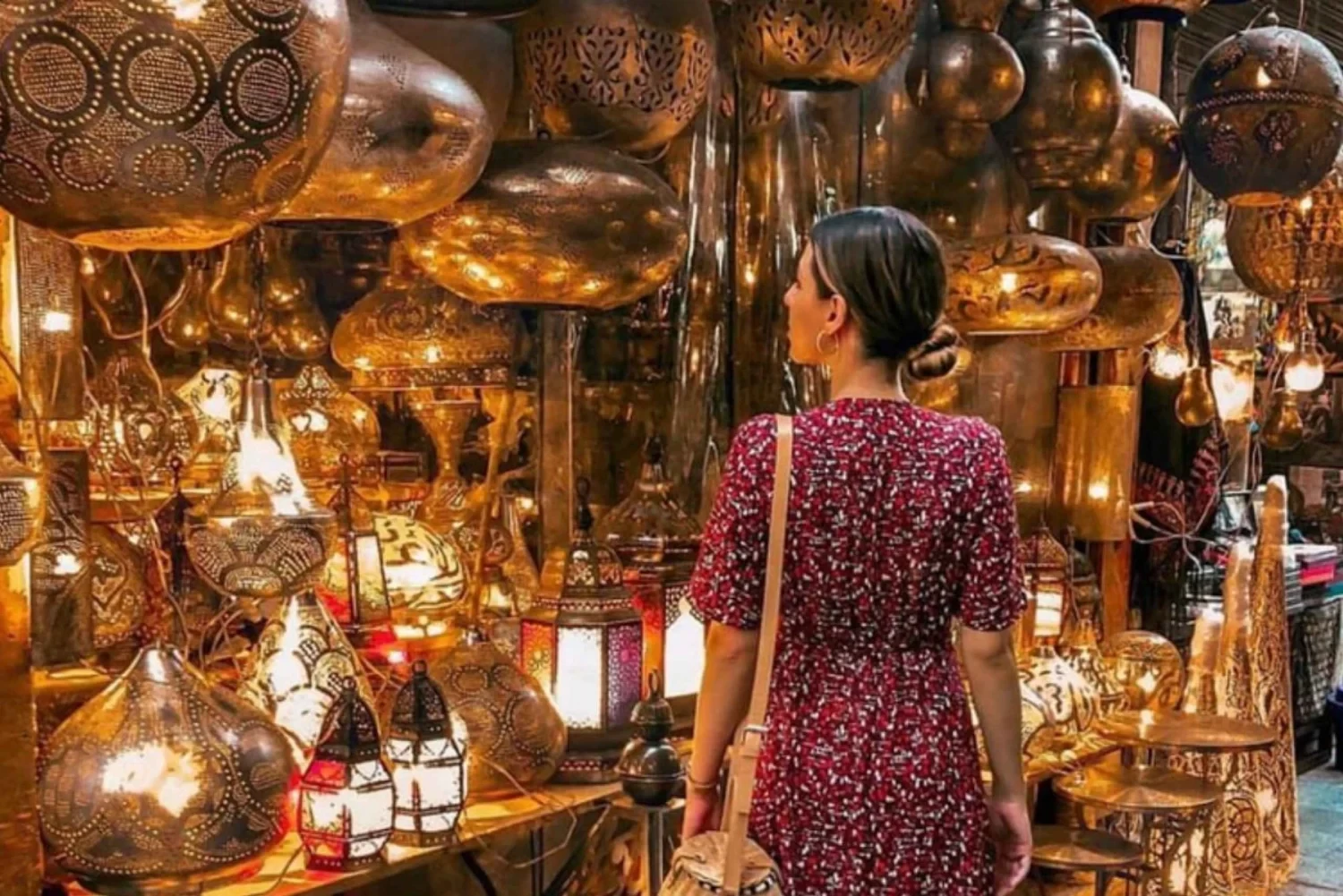
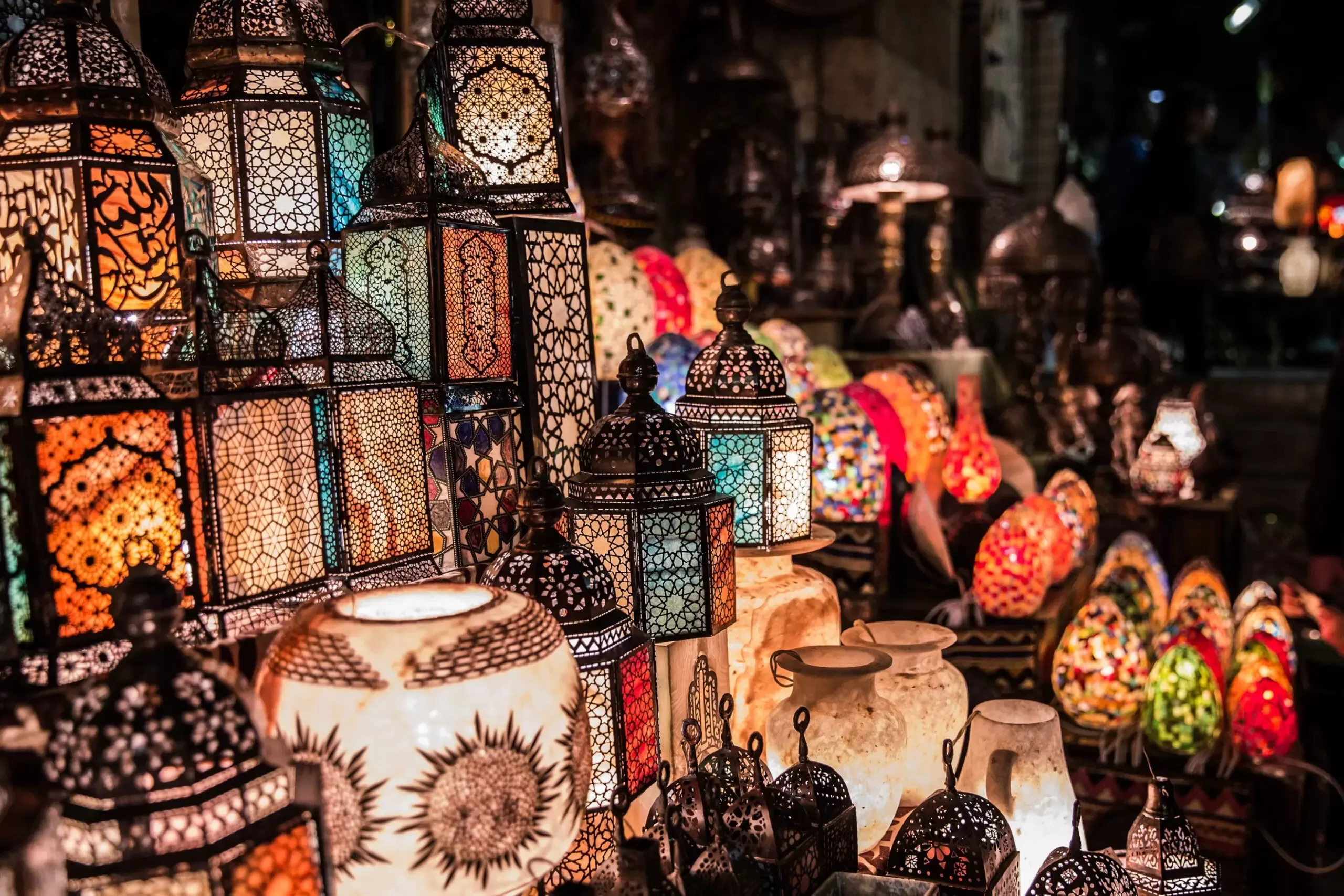
Khan El Khalili is one of Cairo's best-known traditional market areas. It is a good place to browse souvenirs, traditional crafts, jewelry, spices, and cafés after exploring the surrounding historic streets.
Instead of trying to see every monument, just pick a handful of key places, and give yourself enough time to walk between them. That way the whole day feels calmer, more enjoyable, and you actually have space to notice the architecture plus the mood of old Cairo.
How much time should you allow?
You might find that a few hours are enough, at least to see the main highlights of Coptic Cairo or Islamic Cairo. But if you’re trying to do Coptic Cairo and Islamic Cairo on the same day, try to give yourself most of the day so you can move through the key sites without feeling too rushed or lost in the pace of it all.
Historic Cairo feels like it has monuments everywhere, religious places tucked in between, and old-school streets that keep going. So it’s usually smarter to pick the locations that genuinely grab your attention, instead of chasing everything.
How to get around
Cairo traffic can change things fast, so it’s smart to leave some breathing room in your timetable and bundle nearby attractions together when you can.
Also, walking is a big part of the experience in areas like Al-Muizz Street and Khan El Khalili, so comfortable shoes are a good call. You’ll want something reliable on your feet, not just “okay” shoes.
If you’d like it to be easier, a Cairo day tour can be useful, especially for first-time visitors who want to link several historic stops with transportation and a guide. And if you’re looking for extra background, a Coptic and Islamic Cairo tour is another route for travelers who want more historical context while they’re there.
Practical Tips for Visiting Coptic Cairo and Islamic Cairo
A little prep work can make wandering around Coptic Cairo and Islamic Cairo feel way simpler, like honestly less stressful. I mean the pace is intense, so even a tiny plan helps a lot more than you’d think.
1- Dress respectfully: When you go into churches, mosques, or basically any sacred place, wear things that feel easy to move in but still modest. Think calm, classic coverage, not anything too flashy.
2- Bring comfortable shoes: You’ll probably be standing most of the day, and those old streets are uneven, so it’s worth having footwear that doesn’t fight back after 30 minutes.
3- Go earlier rather than later: Leaving sooner keeps you away from the harshest heat, and it gives you more room, like real breathing space, to linger instead of rushing.
4- Watch the photography rules: Follow what the signs say. If something feels unclear, ask first before you photograph inside religious sites, or before you take a picture of someone.
5- Plan extra time for traffic: Cairo traffic can seriously throw off your schedule, so keep your timing loose and don’t act like every stop is on rails.
6- Pick a few must-sees: Focus on the places that genuinely grab you, not the pressure of “seeing everything” in one nonstop dash.
If you want it easier, a Coptic Cairo tour or an Islamic Cairo tour can help you with local history, and they can also handle transportation. You can even add other activities around Cairo, then shape a larger itinerary that actually flows, without turning into a constant scramble.
Take a look at our Cairo Day Tours to discover more of the city’s historic and cultural highlights, at a rhythm you can enjoy, not just survive.


-webp.webp "Cairo city tour")