
 FR
 IT


Where is the Grand Egyptian Museum and what can you see?
The Grand Egyptian Museum (GEM) sits close to the Giza Pyramids on the Cairo–Alexandria Desert Road. Grand Egyptian Museum offers the following highlights:
-
Tutankhamun Galleries: Discover treasures from the tomb of the young pharaoh.
-
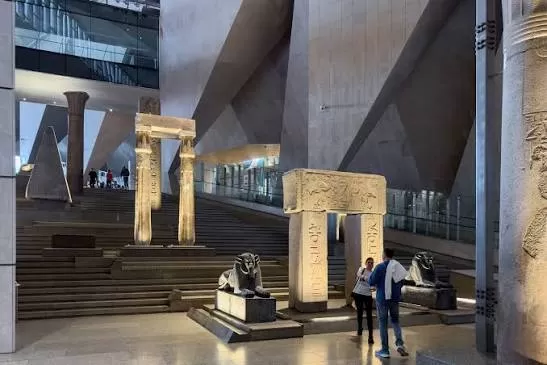
Grand Staircase: Admire statues and ancient royal artifacts.
-
Main Galleries: Explore Egyptian history through themed collections.
-
Khufu's Boats: See the boats associated with Pharaoh Khufu.
Discover the treasures of ancient Egypt on a half-day tour from Cairo to the Grand Egyptian Museum.
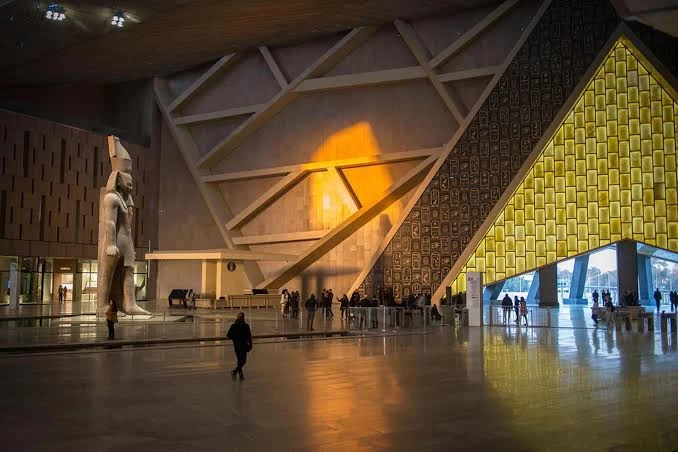
Grand Egyptian Museum: Highlights and Visitor Guide
The Grand Egyptian Museum (GEM) is in Giza, near the Pyramids of Giza. Its galleries bring together royal statues, funerary objects and everyday belongings that help explain life in ancient Egypt. The museum’s architecture and spacious exhibition areas are part of the experience, too.
On a first visit, focus on the Grand Hall, the Grand Staircase, the main galleries and the Tutankhamun collection. Allow several hours rather than treating the museum as a quick stop. This guide covers the highlights and the practical details to check before you go.
For ideas beyond the museum, explore our Cairo travel guide and build an itinerary around the places you most want to see.
What to See at the Grand Egyptian Museum
The museum’s main spaces introduce different aspects of ancient Egyptian history, from kingship and religious beliefs to daily life. Give yourself time to explore the displays between the best-known highlights.
The Grand Hall
The Grand Hall is an introduction to the museum’s scale, with monumental statues and large exhibition spaces. Pause here before continuing to the galleries.
The Grand Staircase
Statues and ancient monuments line the Grand Staircase. Rather than using it only as a route upstairs, take time to read the displays and follow the connections between Egypt’s rulers, gods and monuments.
The main galleries
The main galleries span different periods of ancient Egyptian history. Statues, jewellery, tools, religious objects and household items show how people lived, worked, worshipped and honoured their rulers. They provide useful context for the royal treasures elsewhere in the museum.
Khufu’s boats
Khufu’s boats are part of the wider story of royal craftsmanship and funerary beliefs. If the boat displays are a priority for your visit, check the museum’s official information to confirm which areas are open and whether your ticket includes access.
For a combined itinerary, explore our Grand Egyptian Museum, Pyramids and safari tour and review the listed stops and inclusions before booking.
Ask us about this
Wondering what to see first at the Grand Egyptian Museum? Get helpful tips on its galleries, famous collections and must-see treasures before your visit.
Chat on WhatsAppTutankhamun’s Treasures at the Grand Egyptian Museum
The Tutankhamun collection is a highlight of the Grand Egyptian Museum. Royal possessions, personal belongings and funerary objects offer a closer look at the young pharaoh’s world and the care taken to prepare an Egyptian king for the afterlife.
Look beyond the most familiar treasures to the details of the craftsmanship. The objects reveal royal traditions, religious beliefs and aspects of daily life. Reading the labels helps explain how individual pieces were used and why they were placed in the tomb.
Allow enough time for this collection, but leave room for the main galleries as well. Seeing both gives the objects from Tutankhamun’s reign a broader historical context.
Ask us about this
Discover the museum's remarkable collections, iconic statues and ancient treasures. Let us help you plan a visit that brings Egypt's history to life.
Chat on WhatsAppHow to Plan Your Grand Egyptian Museum Visit
Check the museum’s official opening hours, ticket options and visitor rules before setting off. Admission arrangements can change, and access to specific exhibitions may depend on the ticket you choose.
Tickets and entry times
Review the available dates and entry times before booking. Check what your ticket includes, keep your booking confirmation handy and allow time to arrive before your entry slot. If you book a tour, confirm whether museum admission is included in the price.
How long should you spend at GEM?
Allow several hours to see the main highlights without rushing. You may want longer if you enjoy reading the labels or spending more time with the Tutankhamun collection. With limited time, choose your priority galleries before you arrive.
What to bring and what to check
Wear comfortable shoes for a visit that involves plenty of walking. Check the museum’s current rules on bags, food and drinks before packing. If you plan to take photographs, review the photography policy, including any restrictions in individual galleries.
Combining GEM with the pyramids
The museum’s location in Giza makes it possible to plan a day that also includes the Pyramids of Giza. Allow for travel between the sites and enough time at each stop. For a more relaxed visit or a detailed look at the collections, consider giving the museum its own day.
Why Visit the Grand Egyptian Museum?
The Grand Egyptian Museum connects ancient Egypt’s monumental sites with the people and beliefs behind them. Statues, royal treasures, religious objects and everyday belongings add context to what you see at the temples and tombs.
Its location also makes it a useful stop on a Cairo day tour. Depending on your schedule, you can combine it with the Pyramids of Giza and the Great Sphinx. Keep the day manageable rather than trying to see every gallery and every Giza landmark in a hurry.
If you have more time in Cairo, add Old Cairo or the city’s markets to your plans. For a longer journey, our Egypt travel packages offer ideas for combining Cairo with destinations such as Luxor and Aswan.
Visiting independently or with a guide
An independent visit lets you set your own pace and spend longer with the collections that interest you. A guide can explain the history of key objects and help you plan a route through the museum. Choose the approach that suits your interests, schedule and preferred pace.










 More travele reviews