Ibn Tulun Mosque Through History
Ibn Tulun Mosque is one of the key old sites in Cairo. It is also a great stop for people who like Islamic design and Egyptian history. The builders raised it in the ninth century under Ahmad Ibn Tulun. Visitors often notice the wide open yard right away. They also tend to look closely at the stucco work, the fine arches, and the rare spiral minaret.
Not every place in Cairo feels calm, but this one can be quieter than many major sights. Here, you can take time and see details from early Islamic building styles.
If you book day trips with Day Tours Egypt, the visit can fit into a full plan for Cairo day tours. Those trips may also include the Gayer-Anderson Museum, the Citadel of Saladin, Sultan Hassan Mosque, and other well known spots in the city. Put Ibn Tulun Mosque on your Egypt Day Tours schedule. Walk through it and you can feel the cultural pulse of Cairo in a memorable way.
The History of Ibn Tulun Mosque
Ahmad Ibn Tulun, an Abbasid official in Egypt, ordered the Ibn Tulun Mosque. He was also the person behind the Tulunid line. Work started in 876 AD and finished in 879 AD. During those years, Ibn Tulun was setting up a planned town named Al-Qata’i. That town sat between older Fustat and what later became the core of Cairo. The mosque was meant to be the main place for group prayers in the new settlement. It also showed Ibn Tulun’s drive to act on his own and still stay tied to the Abbasid realm.
The mosque stands on Jabal Yashkur, a hill linked to the old area near Sayyida Zeinab. Its setting gives it a noticeable view above the nearby roads. Because of this, the building does not feel squeezed in like many sites in modern Cairo. Its style draws from Abbasid building habits seen in Samarra, in Iraq. Ibn Tulun lived there for part of his youth. You can spot that link in the large open yard, the brick walls, the carved stucco details, and the well known spiral minaret.
Today, the Ibn Tulun Mosque is often described as the oldest mosque in Cairo that still keeps a lot of its early design. The site has had fixes and restoration at different times. Even so, the main plan still looks close to the original. The mosque also escaped the ruin that later hit Al-Qata’i. Because of that, visitors can still experience a piece of Egypt’s medieval past in its old setting. People who travel for Islamic history often as part of exploring Cairo attractions, especially for the chance to see ninth century Cairo take shape and to understand the rise of the Tulunid state.
Architecture and Main Features to See
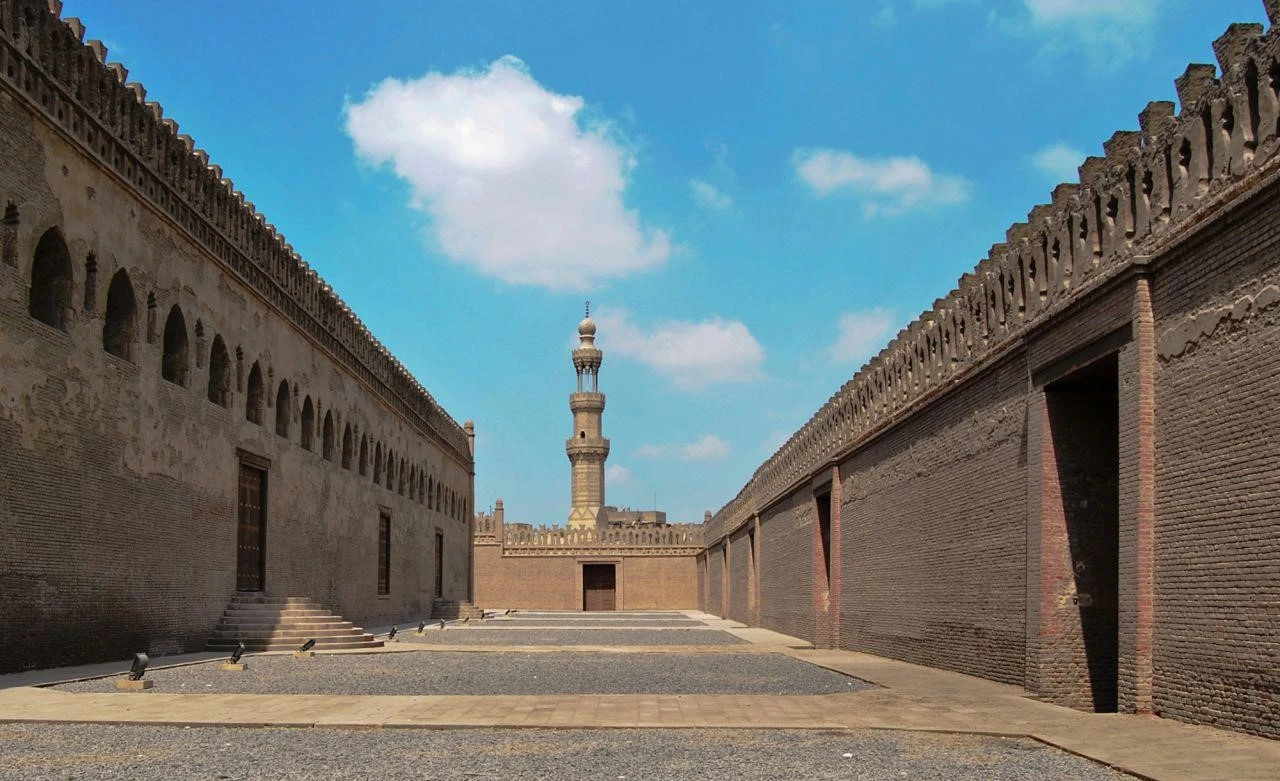
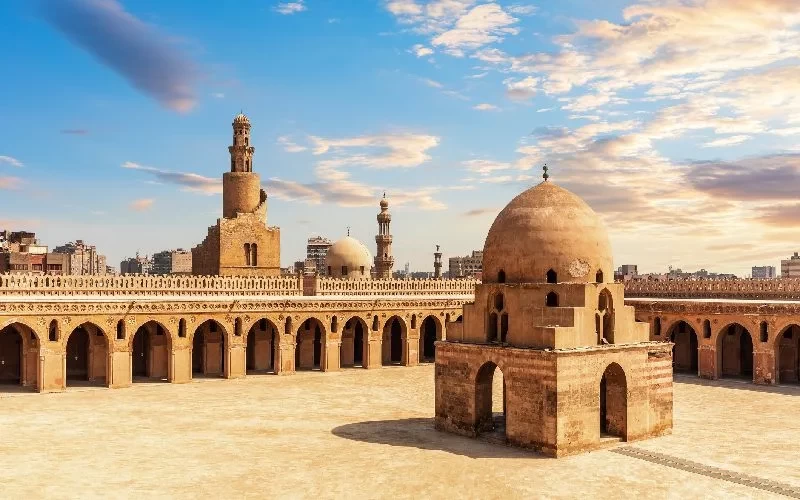
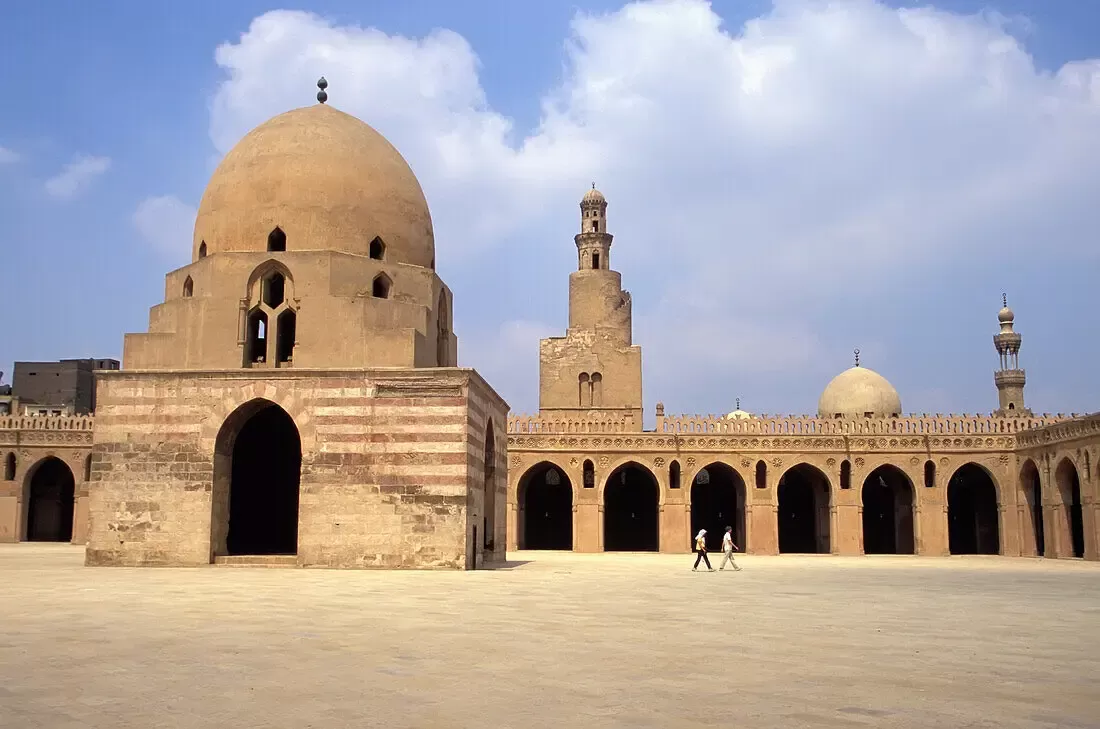
One standout part of the Ibn Tulun Mosque is the open yard, called the sahn. It spreads out in a wide rectangle. On each side you find covered walkways with arcades. The layout feels even and roomy. Near the middle there is a fountain. Around the yard, the walls show arches, stucco work, and patterns made with repeating shapes. Compared with the tight streets nearby, the whole place feels quiet and open.
Look closely at the decorations along the arcades. You will often see floral motifs, geometric shapes, and inscriptions tied to early Islamic art styles. The colors are not as strong as in some later mosques. The place feels neat, mostly because the design stays calm and repeats the same patterns. In the building, there are a few mihrabs. These prayer niches point toward Mecca. The main mihrab stands out for its size and the way it is decorated.
The spiral minaret is the easiest feature to spot. An outside stair climbs around the tower in a tight wrap. The look is similar to the famous minaret at the Great Mosque of Samarra in Iraq. If you go up, you can see rooftops across historic Cairo. From up there you may spot domes, minarets, and older homes. The stairs can feel steep and a bit rough. Comfortable shoes help. If you like taking photos, watch for the blue sky against the warm wall tones. Also try the repeating arch shapes. A picture from higher up in the minaret can be especially nice. Ibn Tulun Mosque is a top stop in Cairo if you like historic architecture and Islamic art.
Ibn Tulun Mosque: Location, Hours & Tips
Going to Ibn Tulun Mosque in Cairo? Here is a quick guide with the main details. You will find the address, opening times and what you can look for once you are inside. It also notes the style of its Islamic design. And, you get a few simple tips so your trip goes smoothly.
Where to go
The mosque sits on Al-Saliba Street in the Sayyida Zeinab area of Cairo. From here, you can fit it into a longer walk through old Cairo. It is not far from the Gayer-Anderson Museum. You can also reach places like the Citadel of Saladin, Sultan Hassan Mosque and Al-Rifa’i Mosque. This helps if you want to see more than one site without long trips across town.
Opening times
The visitor schedule says the mosque is open every day from 9:00 a.m. to 5:00 p.m. These hours can shift during religious holidays, events, or repair work. It is smart to check the most recent updates before you leave. If you go early, the visit is usually calmer. The light is also gentler for photos. Late afternoon can feel nice too, especially if you want a view of rooftops near the minaret. Plan about one hour to see the courtyard, the arcades, the prayer spaces, and the minaret. Give yourself more time if you plan to stop by the nearby museum.
What to bring and how to act
Ibn Tulun Mosque is both a place of worship and a historic landmark. Visitors should dress in a modest way and act with care. Cover shoulders and knees. In some sections you may be asked to take off your shoes. A light scarf can help, mainly for women who enter prayer areas. Wear comfy shoes. There are open yards and some stairs. Bring water, especially when the weather is warm. Also be cautious on the spiral minaret steps. If you can, a local guide can add context, point out design details, and help you understand what you are seeing.
Nearby things to see and where to fit Ibn Tulun in your day
A good start is to pair Ibn Tulun Mosque with the Gayer-Anderson Museum. The museum sits right by the mosque. It is set in older homes and has items like furniture, art, building pieces, and personal objects from several parts of Egyptian and Islamic history. You can walk through rooms with old style layouts and wood screens. Those spots help you notice how the mosque’s religious design differs from home spaces. Seen together, the mosque and museum show how people lived, prayed, and decorated their houses in historic Cairo.
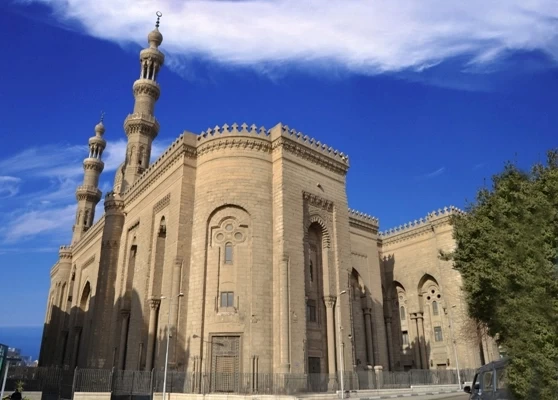
After that, head to the Citadel of Saladin. This site is one of Cairo’s key medieval defenses. Inside you will find the Mosque of Muhammad Ali. From the citadel area, you can also look out over much of the city. If you want more nearby stops, go toward Sultan Hassan Mosque and Al-Rifa’i Mosque. They are close to the citadel and reflect later Mamluk and Ottoman-era styles. If you still have time, continue to Al-Muizz Street and Khan el-Khalili Bazaar. There you will find old market streets, historic schools, older mosques, cafes and local crafts.
For a smooth plan, begin at Ibn Tulun Mosque in the morning. Then move on to the Gayer-Anderson Museum and the Citadel. Finish with Sultan Hassan Mosque or with Khan el-Khalili, depending on your mood and pace. This kind of route suits Egypt day tours well, since it brings together historic sites, strong architecture, photo-friendly views, and everyday local life. Whether you go on your own or join guided Cairo Day Tours from day tours egypt, Ibn Tulun Mosque is worth time. It is not only a place to pray. It also keeps the craft and story of early Islamic Cairo in a way you can still feel today.