
 FR
 IT


What Can You See and Do on Al-Muizz Street in Cairo?
Al-Muizz Street is located in the center of Islamic Cairo. It is one of the most important historical places in the city. People who come to visit can look at Islamic architecture like Al-Aqmar Mosque, the Qalawun Complex and Bayt Al-Suhaymi.
The street also gives a chance to walk through markets see old buildings and feel the real life of Cairo. It is an idea to spend about 2 to 3 hours to see the main sights.
Want to learn more about the history of Cairo? Check out our Cairo Day Tours. Get ready to visit the important places in the city.
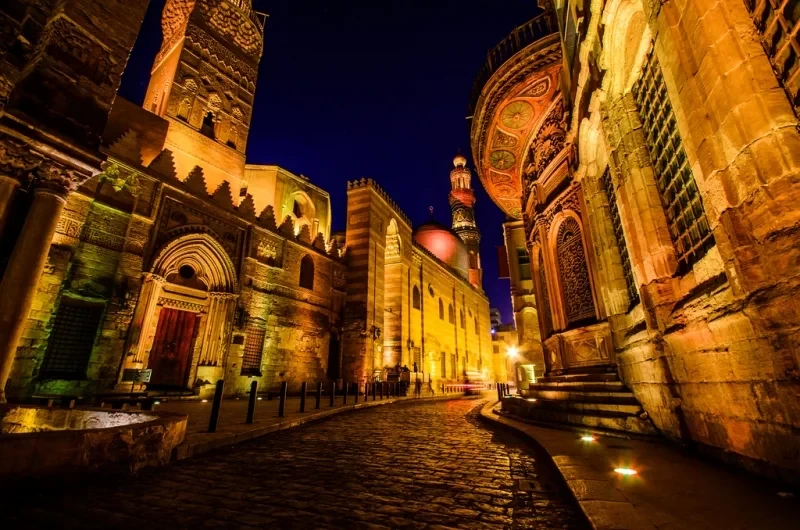
Al-Muizz Street Cairo: A Journey Through Islamic History
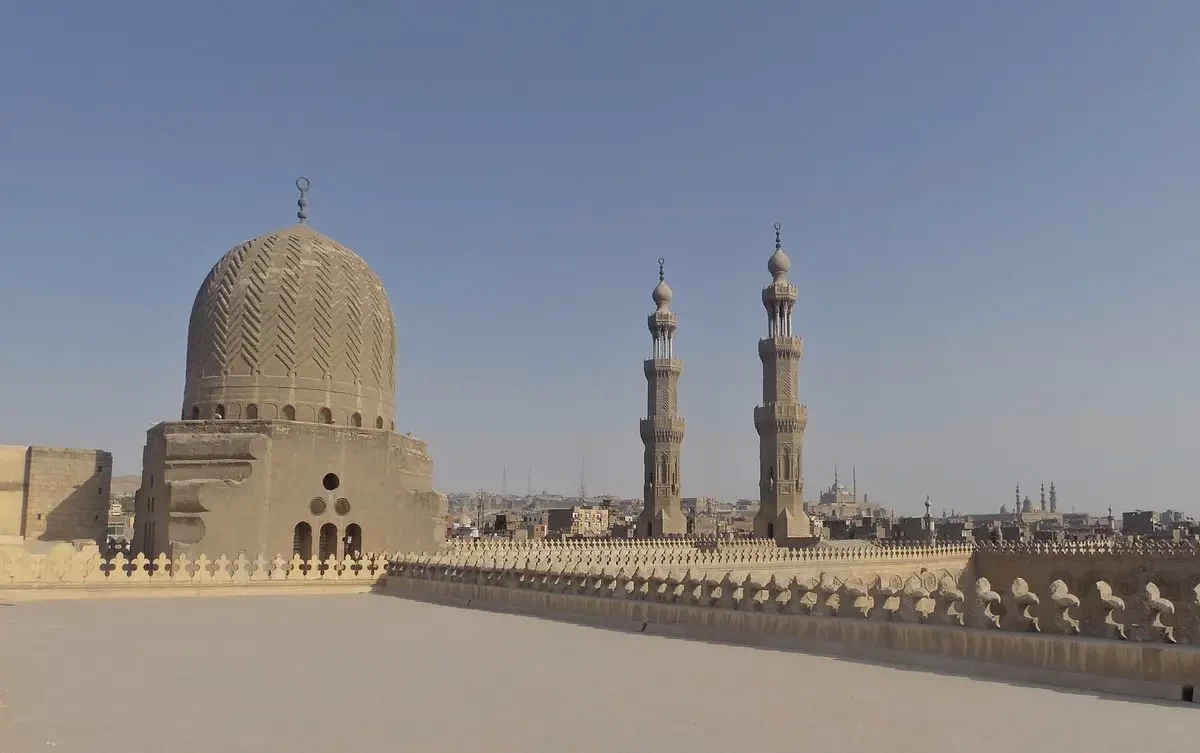
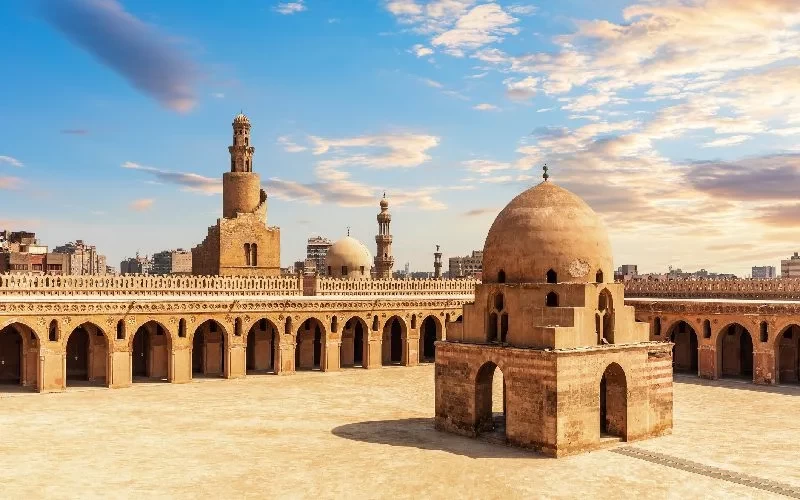
The street of Al-Muizz of Cairo is one of the greatest historical streets in Egypt and a great opportunity to immerse into the world of architectural and cultural heritage of Islamic Cairo. The street goes through the heart of historic Cairo and features mosques, madrasas, mausoleums, gates, and other historic buildings that date back to the time when Cairo was being developed in the Islamic times. A walk along the street provides a totally different experience compared to walks on the streets of modern Cairo due to the intricate stone carvings and other decorations of its façade and busy life.
As the name of the street suggests, the street of Al-Muizz has been named after the Fatimid caliph Al-Mu'izz li-Din Allah and has played a significant part in the history of Cairo since the time of the Fatimids. At present, the street is a must for any traveller who wants to learn more about Islamic Cairo. The landmarks that can be seen at the street include Bab Zuweila, Sultan Qalawun Complex, Al-Aqmar Mosque, and historic Khan El Khalili.
How Al-Muizz Street Became a Landmark of Historic Cairo
The street takes its name from the Fatimid caliph Al-Mu’izz li-Din Allah, who made Cairo the capital of Fatimid rule in Egypt during the 10th century. The route grew with the city and became important to its political, religious and commercial life.
During the Mamluk period, rulers and patrons added mosques, madrasas, mausoleums, fountains and houses. These buildings served practical and religious purposes while expressing their founders’ wealth, prestige and achievements.
A walk along Al-Muizz reveals several stages of Cairo’s development, with Fatimid, Mamluk and Ottoman-era buildings standing along the route.
The street offers a way to understand Cairo’s growth as a city of the medieval Islamic world.
Ask us about this
Ask our local team about the best visiting hours, street atmosphere, and nearby attractions to include in your visit.
Chat on WhatsAppThe Architectural Treasures of Al-Muizz Street
Amazing architecture is among the key factors that make the street popular among tourists. The street features an extensive range of ancient architectural monuments, which have their unique architecture. For instance, Al-Aqmar Mosque is well known for the unique architectural style featuring a façade of stone decorated with floral and geometrical ornaments. It is notable for the small scale as compared with other religious complexes located in Cairo.
The complex of Sultan Qalawun includes three buildings of religious character – mosque, madrasa and mausoleum and represents a unique architectural ensemble that features beautiful interiors, rich stone ornaments, domes, which demonstrate the complexity of Mamluk architecture.
Bayt Al-Suhaymi is another historical building of Cairo, which can be seen in this area. Unlike the huge religious structures, it is devoted to the way of life of ancient families and demonstrates a house of rich Egyptians, which is characterized by beautiful courtyards, mashrabiya wooden balconies and private rooms.
It is possible to say that the buildings remaining on Al-Muizz Street show that Islamic architecture of Cairo included not only mosques but also other structures of various purposes.
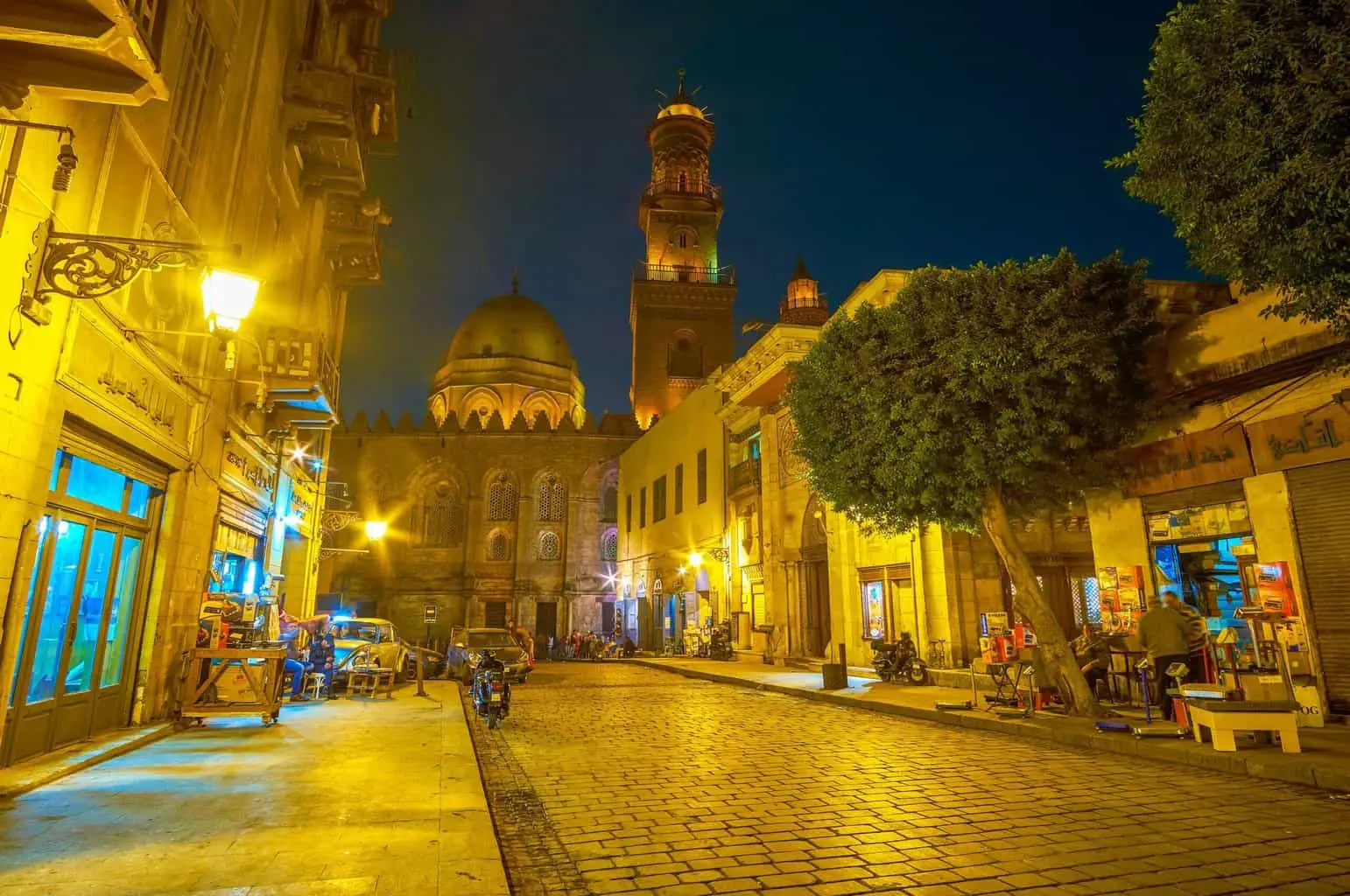
From Historic Mosques to Traditional Workshops
Al-Muizz Street is more than an archaeological setting. It remains part of Cairo’s daily life, with craftspeople, small shops, food stalls and workshops beside the historic buildings.
This commercial character becomes especially apparent around the connections to Khan El Khalili Bazaar. Shops sell lanterns, jewelry, fabrics, spices, leather goods and handicrafts. Browsing them offers another perspective on a district that has maintained its trading traditions.
Nearby restaurants and cafés also provide opportunities to try traditional Egyptian food and drinks.
The Historic Route from Bab Zuweila to Cairo's Medieval Centre
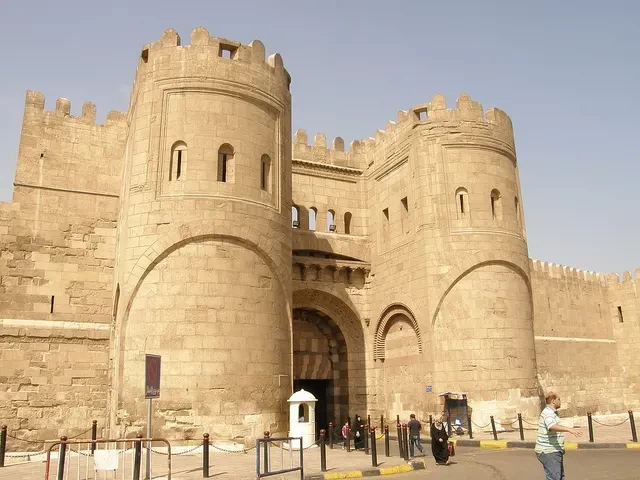
Visiting Al-Muizz means exploring several historic areas rather than a single monument. Bab Zuweila, one of Cairo’s oldest gates, introduces the southern historic district. Once part of the city’s defensive walls, its towers remain an important example of medieval Cairo.
The route passes mosques, mausoleums, traditional houses and old trading areas. Changing architectural styles reveal successive stages of the city’s growth, before the walk reaches the area around Khan El Khalili and Al-Hussein, with its markets and cafés.
This concentration of landmarks makes the district useful for exploring Islamic Cairo without traveling between scattered attractions across the modern city.
Allow enough time to walk slowly, examine individual buildings, take photographs and explore side streets.
Ask us about this
Contact our local team for recommendations on the most interesting mosques, madrasas, and historic buildings to include in your visit.
Chat on WhatsAppExperiencing Al-Muizz Street
Walking is the best way to appreciate Al-Muizz Street’s architecture and smaller landmarks. Wear comfortable shoes for extensive walking on pavements and uneven streets. The cooler months, especially October to April, are worth considering.
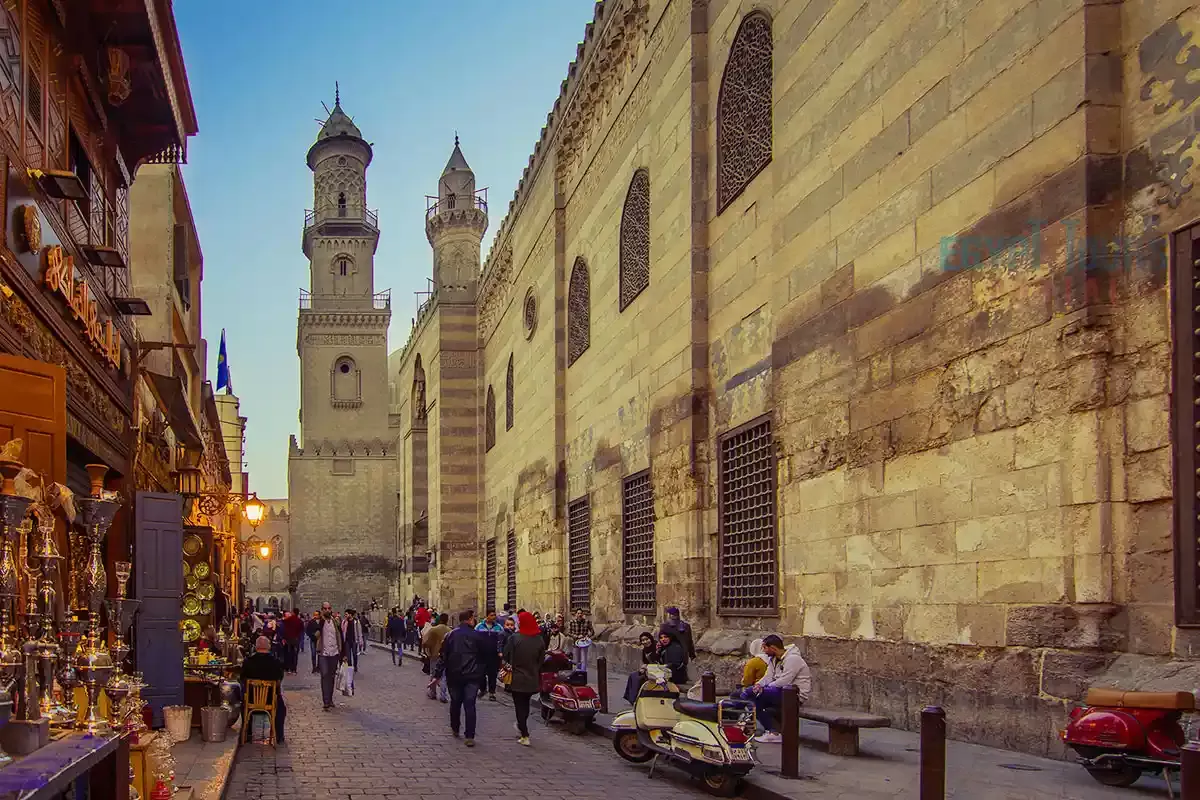
Late afternoon can bring lively street scenes and attractive photographic light. Morning may suit travelers seeking a calmer atmosphere and more time to examine the monuments.
Dress respectfully when entering mosques and other religious buildings, and follow photography restrictions. Keep personal belongings secure, particularly in crowded markets.
Allow two or three hours for Al-Muizz Street. Adding Khan El Khalili, Al-Azhar Mosque and other sights calls for a full day in Historic Cairo, making the area a rewarding part of Cairo day tours.






 More travele reviews