Cairo’s Historic Gates: Bab Zuweila, Bab al-Futuh & Bab al-Nasr
Cairo is famous for its pyramids, museums, mosques, and bustling markets. Some of Cairo’s most fascinating stories lie in the historic streets of Islamic Cairo. The gates Bab Zuweila, Bab al‑Futuh, and Bab al‑Nasr were once medieval doors that opened into a fortified Cairo. Today these gates show us how Cairo was built, how its walls defended the city, and how Cairo grew over time. If a traveler loves Cairo history, the gates offer a chance to see a side of Cairo that is far from the usual pyramids. The gates are also stops for anyone who wants to discover Islamic Cairo and the rich heritage that Cairo holds.
What Are Cairo’s Historic Gates?
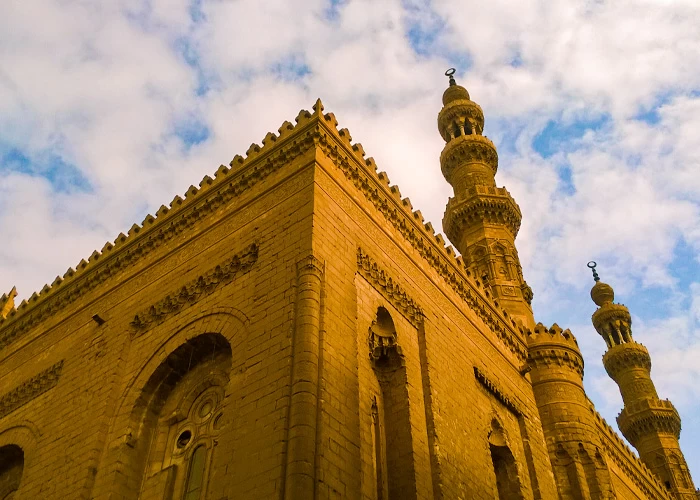
Cairo’s old gates were raised for the city’s defensive walls in the Fatimid era. Later, when Cairo grew in size, these openings became key spots for managing who came in and who left. The heavy stone facades, the towers, and the carved entrances show that medieval Cairo cared about both safety and design. Bab Zuweila, Bab al-Futuh, and Bab al-Nasr are some of the best gates that still stand today. Each one looks different, and each has its own past. That is why they work well to see in the same trip.
Bab al-Futuh and Bab al-Nasr sit in the northern area of historic Cairo. Bab Zuweila is farther to the south. Because of that, the three gates help you orient yourself while you walk through nearby quarters, around mosques, and past markets and streets. If you are doing Cairo history tours, these gates give you a helpful background stop. Rather than treating each sight as a separate object, you can see how the city’s layout and protection plans shaped what came next.
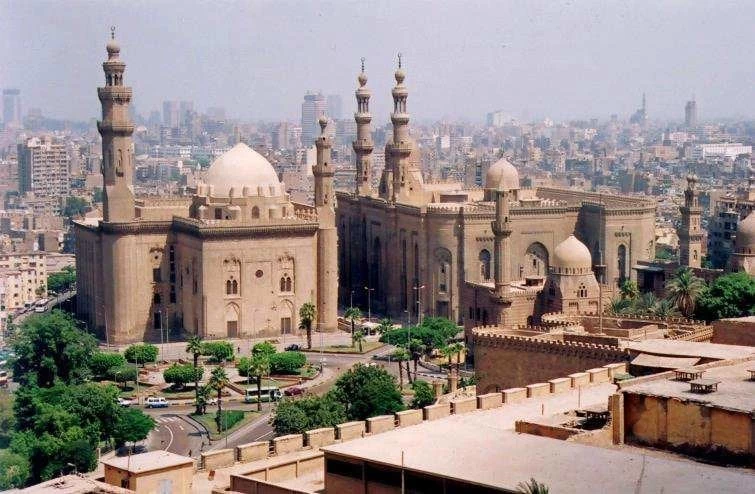
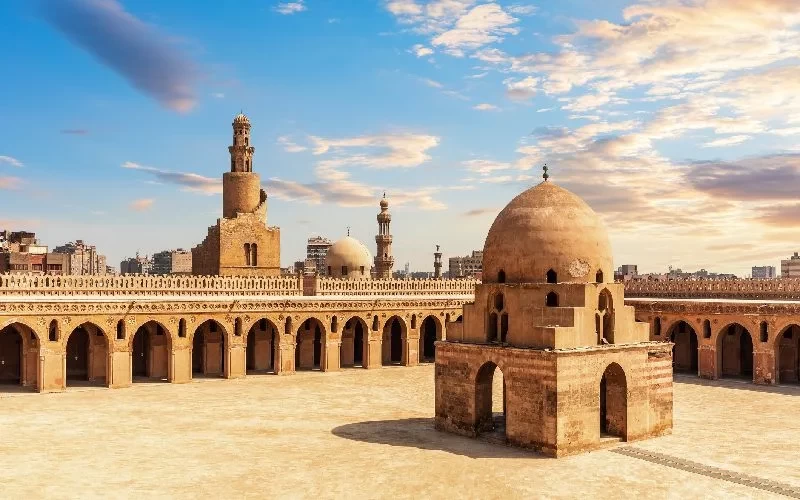
These gates also fit into the bigger list of Cairo attractions that highlight the capital’s Islamic legacy. Their role in history, their clear architectural style, and their easy central placement make them a solid choice for a cultural plan.
Bab Zuweila: History and Architectural Highlights
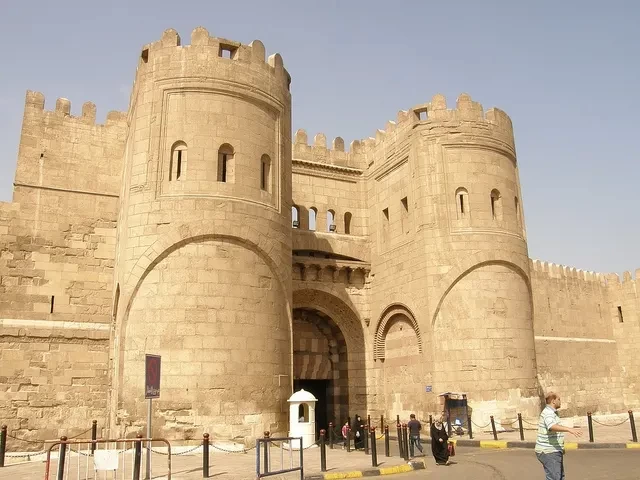
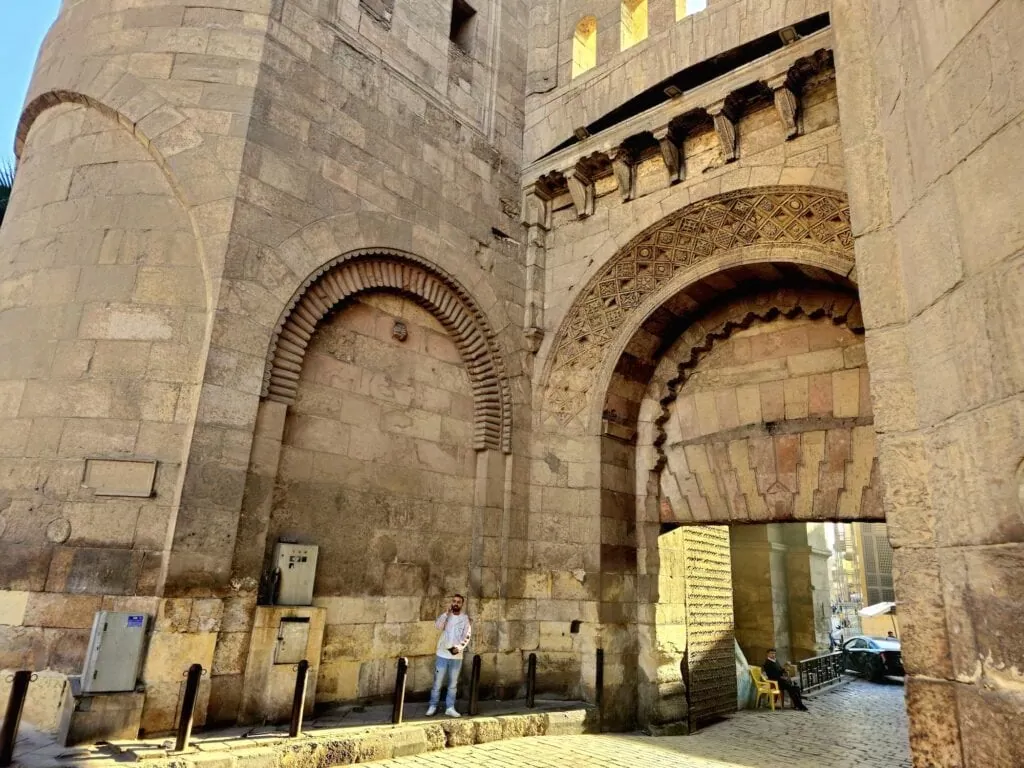
Bab Zuweila is one of the recognizable medieval gates in Cairo. It is also one of the impressive entrances that still survive from the old city. The gate was built during the Fatimid period. It formed part of the defensive wall of Cairo. The gate is especially known for its two towers. These towers rise above the surrounding streets. Visitors can see how strong the design is. They can also see how the structure fits into the city’s layout. The gate blends into the environment of old Cairo.
One of the interesting things about Bab Zuweila is its close connection to the religious and commercial areas around it. The gate is near historic mosques. It is also close to streets. This makes it easy for visitors to explore more of Cairo after seeing the gate. The towers offer a view. Visitors who climb them can see the area from above. From the top it is clear to see the streets. The traditional buildings and the dense layout stand out. The view gives a sense of what historic Cairo looks like from the air.
Bab Zuweila has a place in the history of Cairo. Over the centuries the gate saw major events. It stayed a landmark while the city changed in many ways. It has been a witness to the city’s evolution. Today Bab Zuweila offers a mix of history, architecture, and views. It is a must-see for anyone visiting Cairo. For travelers interested in the history of Cairo, Bab Zuweila is one of the rewarding places to visit. It is a stop in any exploration of Islamic Cairo.
Bab al-Futuh and Bab al-Nasr: History and Key Features
Bab al-Futuh and Bab al-Nasr are two historic gates near the northern part of old Cairo. Though they were built around the same time, each gate has a unique design and character. Bab al-Futuh means "Gate of Conquests." It was built as part of the Fatimid city’s system. Its massive stone towers and sturdy entrance show the gate’s purpose. Bab al-Futuh is also known for its details, such as decorative elements that add visual interest to its otherwise defensive look.
Nearby, Bab al-Nasr, meaning "Gate of Victory," is another example of Fatimid military architecture. Its large towers and fortified design show how important it was to protect Cairo from attacks. Bab al-Nasr also contains details that help visitors understand the architectural methods of that time.
Because Bab al-Futuh and Bab al-Nasr are together, you can visit both during the same walk through historic Cairo. Walking between them lets you feel the atmosphere of the city instead of just seeing isolated monuments.
If you are interested in history, Bab al-Futuh and Bab al-Nasr explain how Cairo was organized and defended. They are especially valuable for travelers who want to explore the city beyond the pyramid and museum trips. Including Bab al-Futuh and Bab al-Nasr, Cairo sightseeing tours can give you a complete picture of the capital’s medieval heritage.
How to Visit Cairo’s Historic Gates
The three gates can be visited as part of an exploration of Cairo, especially when combined with nearby Islamic monuments, mosques, markets, and traditional streets. Their locations make them suitable for travelers who want to walk through the heart of the city.
A guided tour can be especially helpful for first-time visitors because a knowledgeable guide can explain the history behind the gates and point out details that might otherwise be missed. It also makes it easier to connect the gates with important landmarks in the same area.
Travelers who are planning Cairo day tours can include these gates along with other cultural attractions depending on the time they have and the plan they have made. Visiting them with sites creates a more organized experience and reduces the need to travel between different parts of the city.
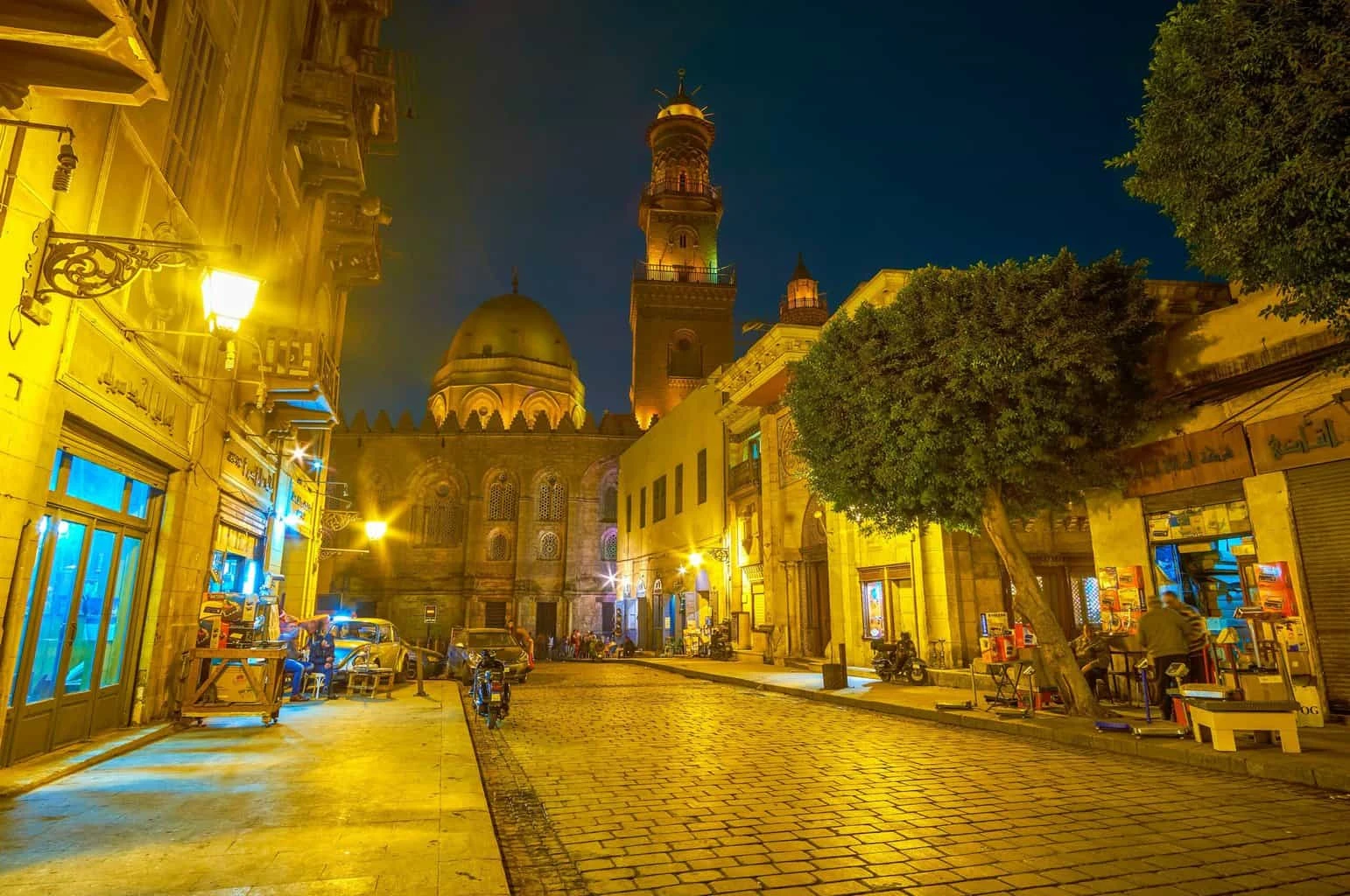
It is also an idea to spend time exploring the streets around the gates. The area nearby is a part of the experience with historic buildings, traditional markets, mosques, and local life, adding context to the monuments.
For travelers who are using this Egypt Travel Guide to plan their trip, the best way is to think of the gates as part of a historic Cairo experience instead of as separate attractions.
Whether you decide to explore on your own or take one of the Cairo tours that are available with local guides, these gates offer a memorable look at the city’s medieval past. They are also a part of Cairo sightseeing tours for travelers who want to learn about the historical side of the capital.
For ideas and places to visit, Day Tours Egypt provides information about Cairo and other places across Egypt, helping travelers plan their sightseeing based on their interests and the time they have available.