Must-Visit Mosques in Cairo
Cairo has some of the most stunning mosques on the planet. Many of them also carry major history. You can see this range from the early days of Al-Azhar Mosque to the bold Mamluk work at Sultan Hassan Mosque. You can also spot Ottoman style at the Muhammad Ali Mosque.
Each mosque feels like a different chapter in Egypt’s Islamic past. If you want to understand the city, these places help a lot. They show culture, older traditions and design details you would not notice in other stops. If you like old buildings, Islamic art or taking photos, Cairo’s mosques fit well. Even if your focus is local life, a visit still makes sense. Add them to your Egypt trip plan.
To make your visits easier, book your Cairo day tours with Day Tours Egypt. You will get to see key mosques and Islamic sites. A local guide will help you follow the stories behind what you see.
Al-Azhar Mosque: a key stop in Cairo
Al-Azhar Mosque is widely seen as one of the most important mosques in Cairo. Many people plan it as a must visit during an Islamic Cairo trip. The mosque began in the tenth century. Over time, it grew into a major place for Islamic learning. Many people remember this place because of what came before. They also note the religious work done here. Visitors often say the layout feels planned and clear. They come for the culture, for the history tied to the site, and for the way Islamic life is still followed.
Once you enter, you see a wide marble courtyard right away. Close by, there are arcades and carved columns. You can also find mihrabs that have extra detail. The prayer areas feel calm. If you move slowly through the site, you notice how the look of the buildings changed over many years. Different rulers left their mark as time went on.
The streets around Al-Azhar are worth the trip too. Nearby you will find small shops and casual cafés. There are also book sellers and local food spots. The area feels like real daily Cairo life. You can try Egyptian tea and sample common dishes. Many travelers also walk toward Al-Muizz Street and head for Khan el-Khalili Bazaar.
Because Al-Azhar is still used for worship, visitors should dress in a modest way. Keep your voice low and listen to what staff ask of you. Going early in the day can help. The crowds are lighter and the mood is more relaxed. For those who take Islamic tours, this mosque remains one of the most important sights in Cairo, both in story and in meaning.
Mosque of Ibn Tulun
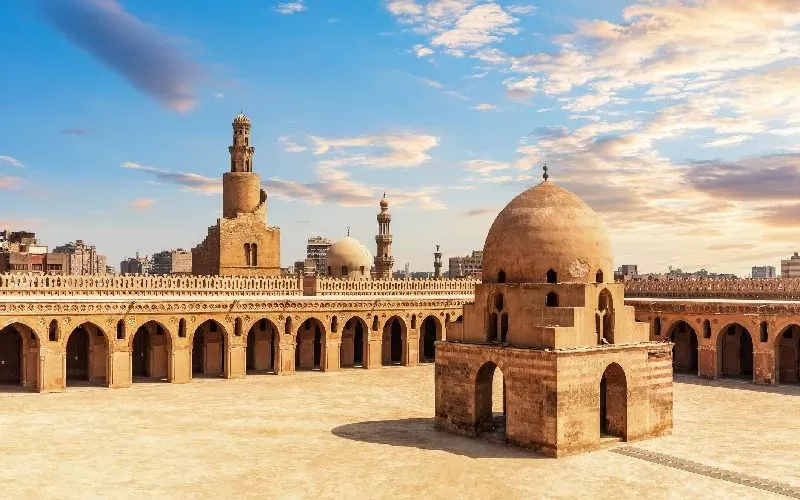
The Mosque of Ibn Tulun is among the oldest mosques in Cairo. It dates to the ninth century. Many visitors point to its wide open yard, its plain but strong layout, and its spiral minaret. It does not rely on heavy ornament. Instead, the whole place feels airy and quiet.
Around the main courtyard, you can see arcades on each side. They help the space feel even and steady. The building style ties back to the Abbasid era. It also links Cairo to older building traditions from Samarra in Iraq.
A highlight is the outer steps that lead up to the minaret. Climb to the top and you can look over rooftops across Cairo. The mosque sits near the Gayer-Anderson Museum. That museum is a well kept historic home, so it fits easily into the same plan.
Ibn Tulun is often less crowded than other major sites in the city. That makes it a good stop if you want to study Islamic architecture without fighting through big groups. The courtyard works well for photos and for slow quiet time. You can also learn how mosque design in Egypt changed over time.
Stopping here can add more weight to Egypt Day Tours. It gives travelers a different view of Cairo’s long Islamic story.
Sultan Hassan Mosque and Al-Rifa’i Mosque
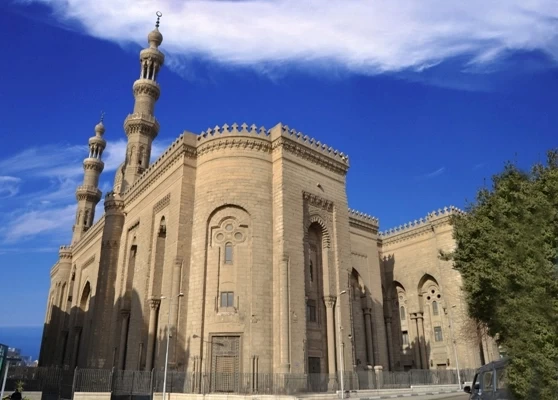
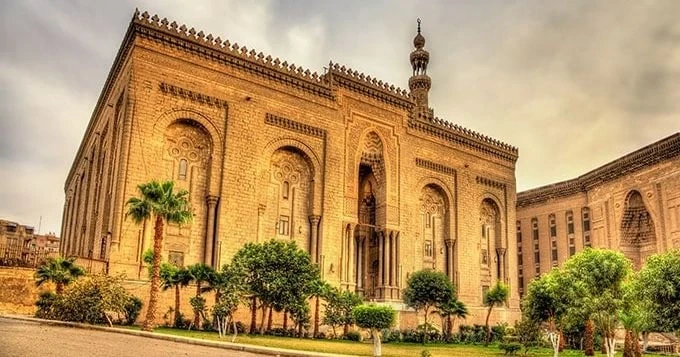
Sultan Hassan Mosque is often named among the top examples of Mamluk building work in Cairo. It was finished in the 1300s. People notice the thick stone walls right away. The entrance is tall and heavy looking. Inside are long vaulted halls and open inner yards. The whole size of the place shows how confident the Mamluk rulers were. Visitors also find carved stone work, repeating geometric shapes, and high arches. Rooms are planned in a way that connects to different Islamic schools. The mood is calm even with all the scale. Many Cairo mosque visits end up calling it a must-see.
Across from it, Al-Rifa’i Mosque sits in full view. Together they form a striking scene in Islamic Cairo. Al-Rifa’i was made much later than Sultan Hassan. Even so, its style was meant to match the older mosque. Inside, you can see shiny marble and decorative arches. The ceilings are detailed and ornate. Islamic motifs appear in many places. This mosque also holds tombs linked to Egypt’s royal family and other key people from the past. If you go to both sites in the same trip, the contrast becomes clear. You can see Mamluk designs beside a later plan that still uses the same visual habits. They are close to the Citadel of Saladin. That means they fit well into Cairo day routes that cover the historic Islamic area.
Mosque of Muhammad Ali at the Citadel
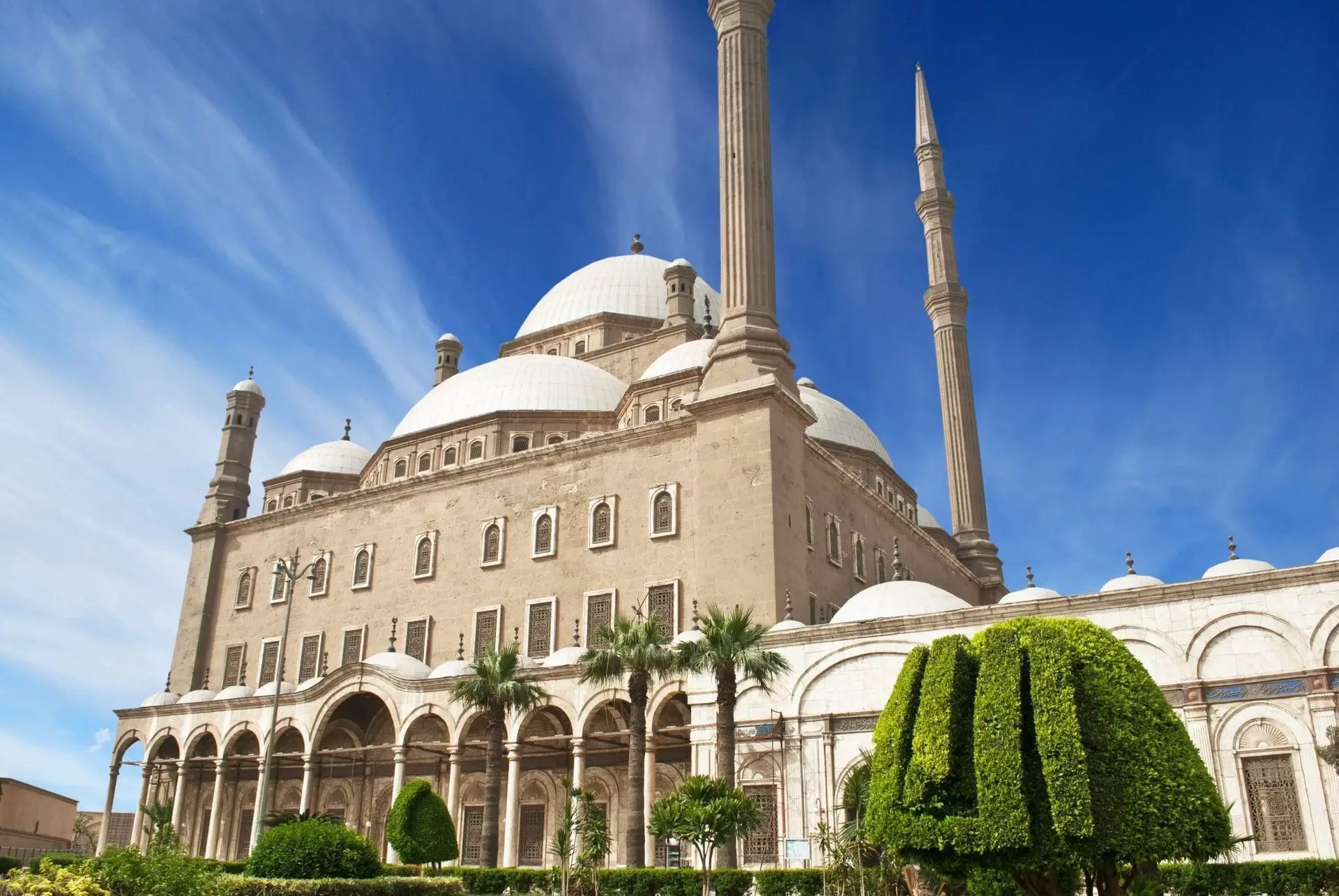
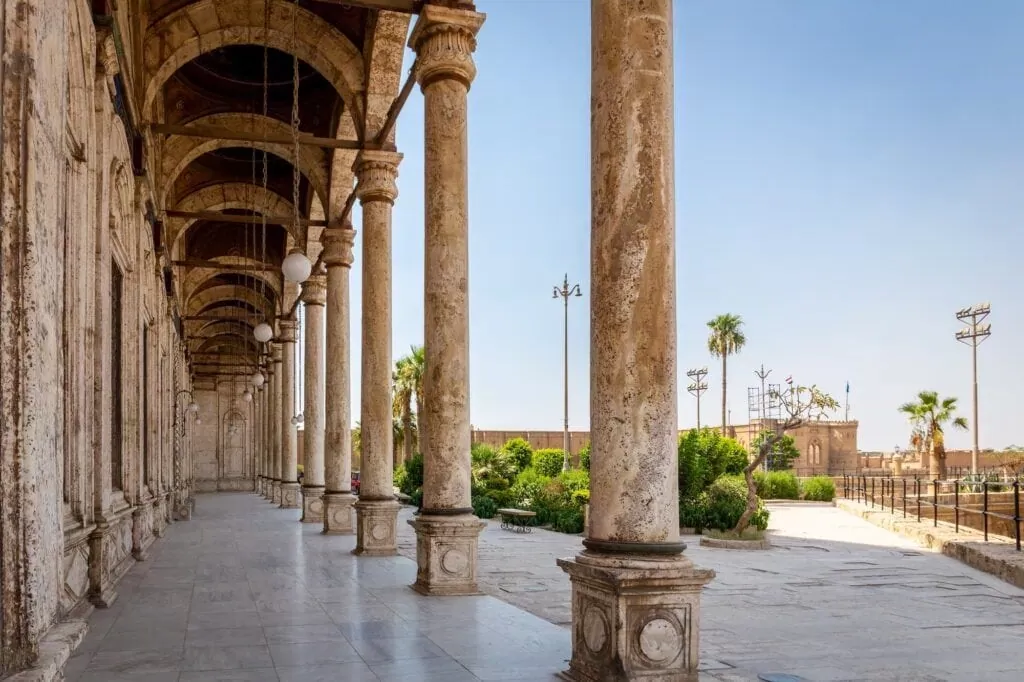
The Mosque of Muhammad Ali, often called the Alabaster Mosque, is a well known sight in Cairo. It sits inside the Citadel of Saladin. The building is on higher ground, so it looks over the city.
From far away, people notice the big central dome and the smaller domes around it. The minarets rise high too. The style feels Ottoman in tone and gives a strong view against the sky. In daylight, the pale walls glow. This is where the name “Alabaster Mosque” comes from. Inside, there is a wide prayer hall, lamps hanging from above, and careful wall work. Visitors can also find the tomb of Muhammad Ali Pasha.
Because it is raised, the mosque offers wide views. On a clear day, you can look over older roof tops in Cairo. In some spots, the Pyramids of Giza can be seen in the distance. The Citadel grounds include other old sites and museums. So it helps to plan extra time, not just a quick stop at the mosque.
Many first time visitors like this place since it brings together religious art, Ottoman style, Egyptian history and city views in one stop. It is listed among the top attractions in Cairo. It is also a must see point for travelers who are planning Egypt day tours.
Al-Hakim Mosque and Other Hidden Gems
If you are looking for Cairo sights that many people skip, add the Mosque of Al-Hakim. It sits near the northern edge of historic Islamic Cairo. This Fatimid mosque is known for its wide courtyard, thick stone walls, big arches and a look that feels different from the other major mosques in town. Over time, it went through repair work and some changes. Still, it stands as a solid sign of Cairo’s Fatimid past. The open layout also makes the area feel calmer than the more ornate Mamluk and Ottoman mosques elsewhere.
You may also want to check out a few other places. The Aqsunqur Mosque is noted for its blue tile work. In Old Cairo, the Amr Ibn Al-As Mosque is also worth a stop. It is among the earliest mosques set up in Egypt.
If you have time, try to pair these stops with Al-Muizz Street or Khan el-Khalili Bazaar. You could also go by the Citadel. Another option is the National Museum of Egyptian Civilization. Just keep in mind that mosques are still active places of worship. Plan your visit with respect. Dress modestly, act quietly and try not to go during prayer times. Whether you use a private guide or walk a route you planned ahead, seeing Cairo’s mosques is a memorable way to meet the city’s history, faith, art and daily life.