
 FR
 IT


What Can You Discover at Saladin Citadel in Cairo?
Saladin Citadel is one of the remarkable historic landmarks in Cairo. It brings together military architecture with hundreds of years of Egyptian history.
It was started by Salah al-Din in the century. Later it became a place where government business took place.
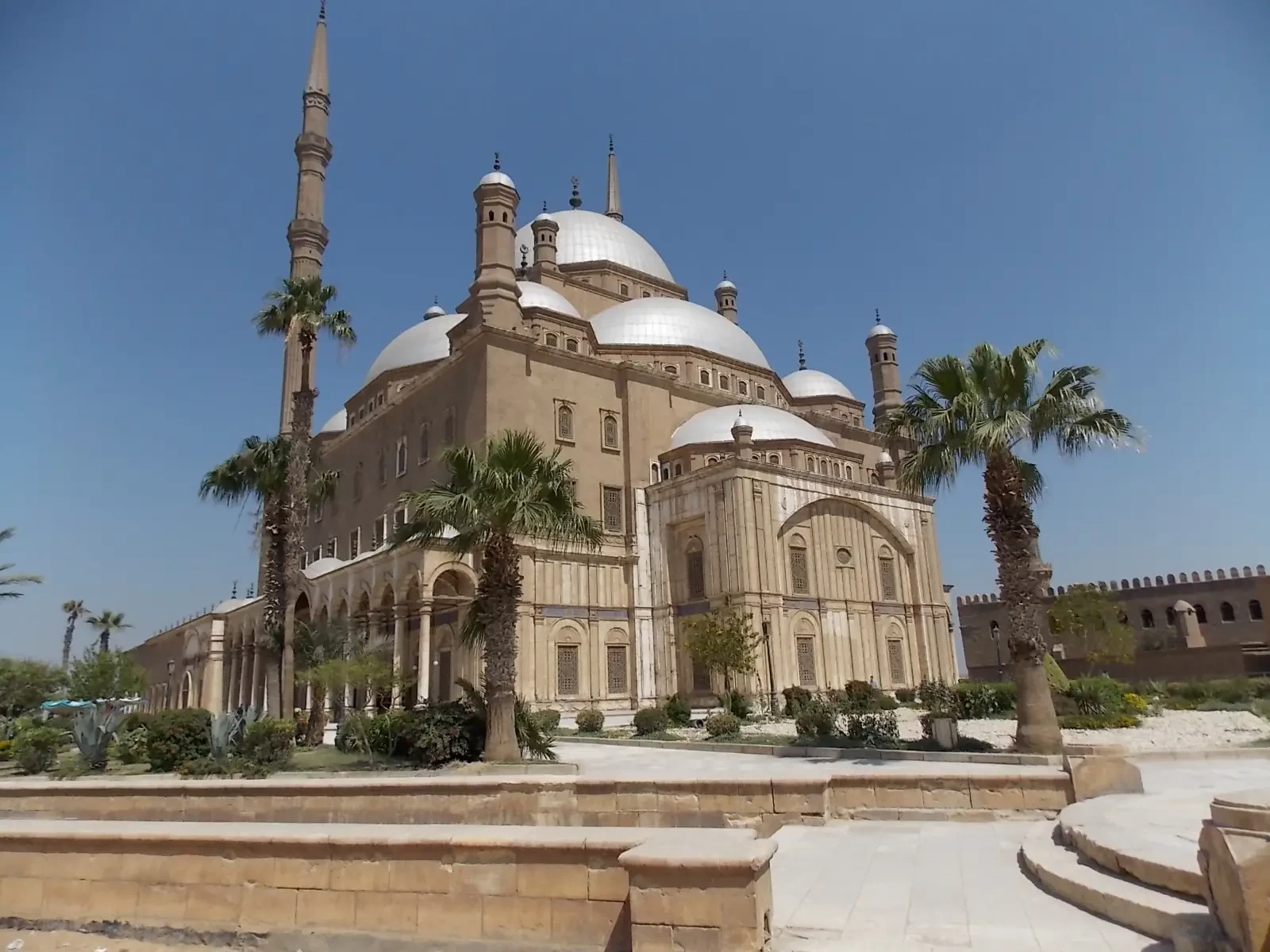
Now people who visit can walk along the walls and look at the mosques. They can see the Mosque of Muhammad Ali.
They can also take in the views of Cairo. This place is a place for people who love history, architecture and taking pictures.
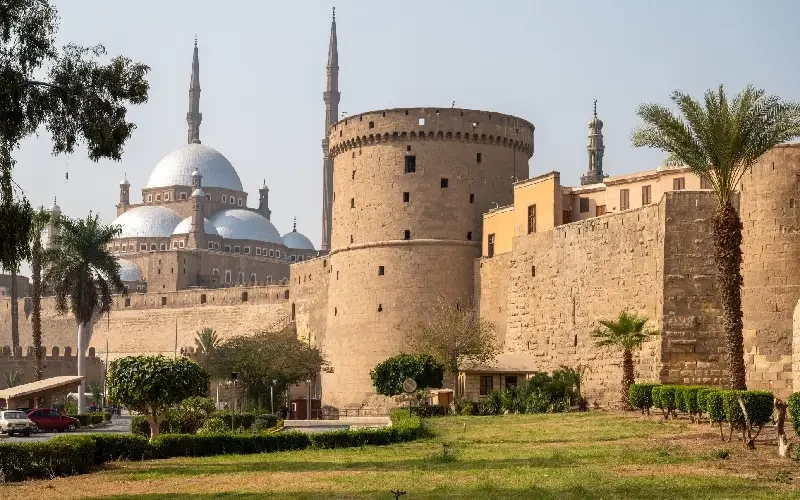
Discover Saladin Citadel in Cairo
Saladin Citadel is one of Cairo’s best-known historic landmarks. Its fortified walls, courtyards and mosques reflect centuries of Egypt’s political and religious history.
A visit can include the Mosque of Muhammad Ali, walks through the historic complex and views across Cairo from its elevated setting. Explore other landmarks with Egypt tours, or compare the stops included in a Cairo Day Tour.
Saladin Citadel in Cairo: History and Architecture
Set on a hill above Cairo, Saladin Citadel brings together medieval fortifications, historic mosques and views over the city. Its buildings reflect the changing roles of the complex over several centuries.
History of Saladin Citadel
Saladin, also known as Salah al-Din al-Ayyubi, began building the citadel in the late 12th century to defend Cairo against the Crusaders. The elevated position helped protect the city and oversee the surrounding area.
The citadel became an important administrative and military center. Later rulers expanded and altered the complex, leaving buildings from different periods of Egyptian and Islamic history.
The citadel’s role in Egyptian history
For centuries, the complex served as a fortress and a seat of government. Its position made it important both for Cairo’s defenses and for the administration of the country.
Architecture and historic buildings
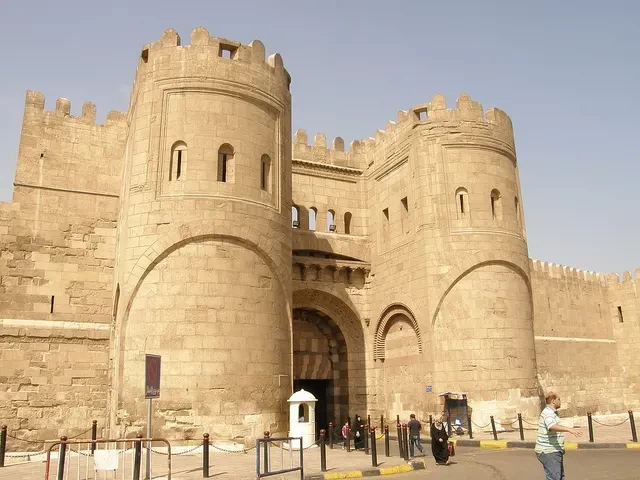
The walls, towers and gates reflect the citadel’s original military purpose. Other buildings recall its later royal, administrative and religious roles.
During a visit, you can explore the areas open to the public, including historic courtyards and mosques, and see how successive rulers reshaped the site.
Ask us about this
Contact our local team for helpful tips about exploring the Citadel, its historic mosques, museums, and the best viewpoints overlooking Cairo.
Chat on WhatsAppMosque of Muhammad Ali at Saladin Citadel
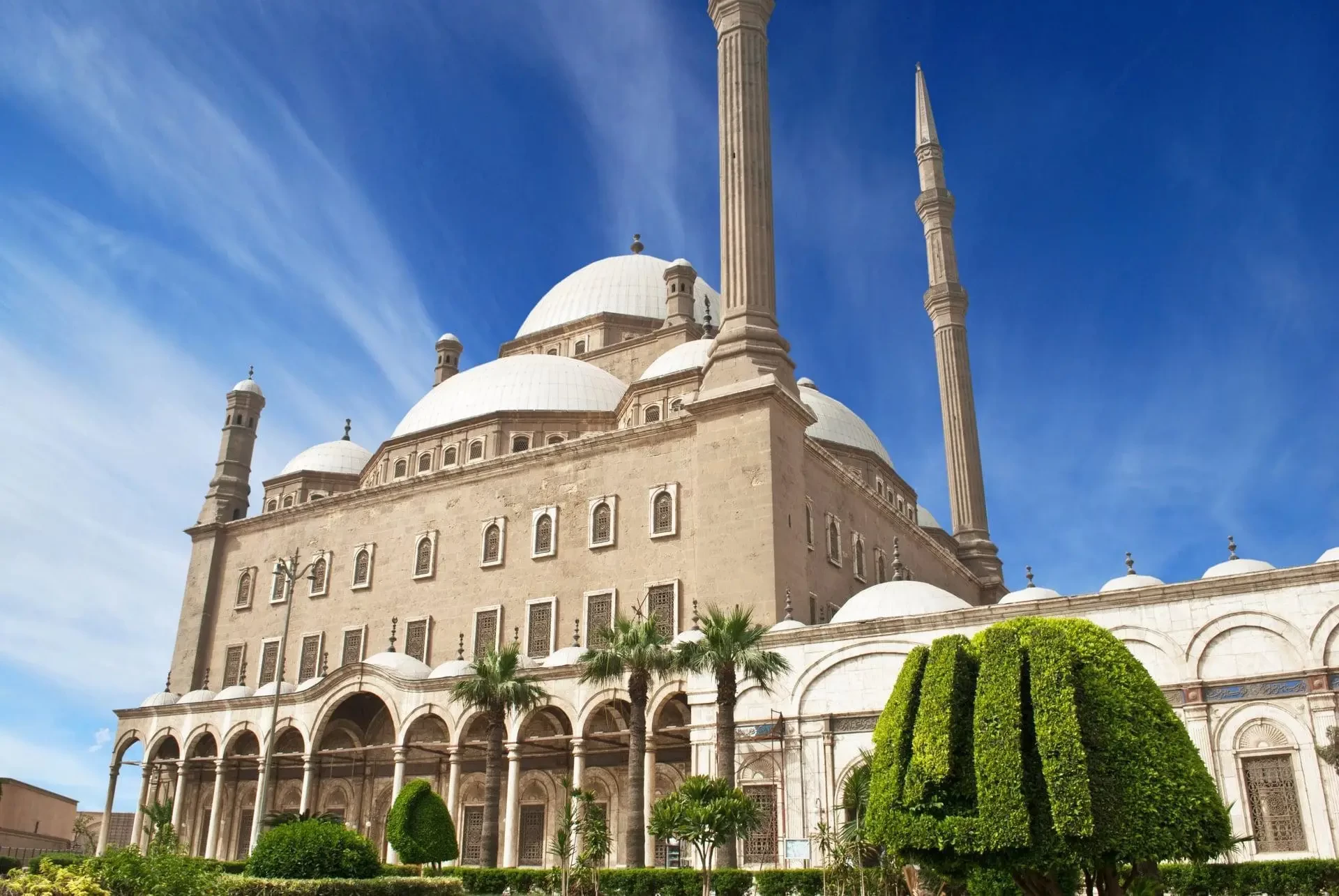
The Mosque of Muhammad Ali, also called the Alabaster Mosque, is the citadel’s most recognizable building. Commissioned by Muhammad Ali Pasha in the 19th century, it is known for its large dome, slender minarets and Ottoman-inspired design.
Its elevated position makes it a prominent feature of Cairo’s skyline and a focal point of a citadel visit.
Interior and architectural details
Inside, the broad prayer hall, alabaster-clad walls and chandeliers lead the eye toward the main dome and surrounding semi-domes. The courtyard offers another perspective on the mosque’s design.
Take time to look at both the interior details and the exterior proportions rather than treating the mosque as a quick photo stop.
Views across Cairo
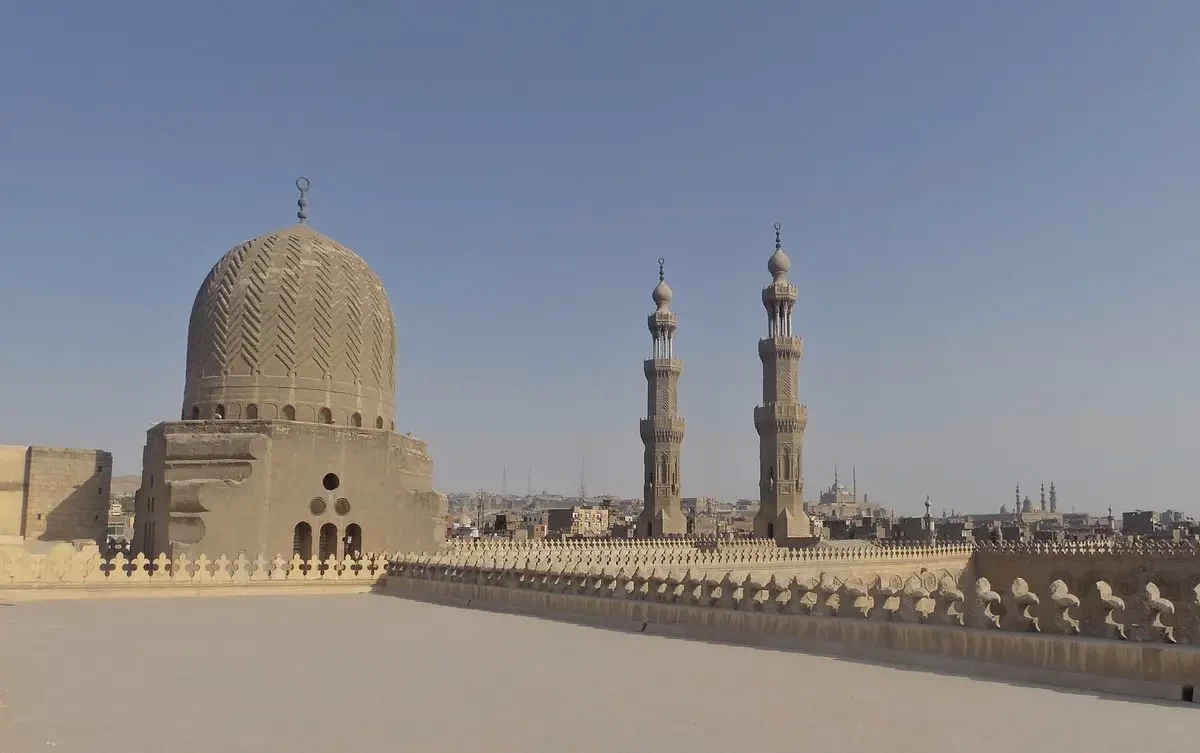
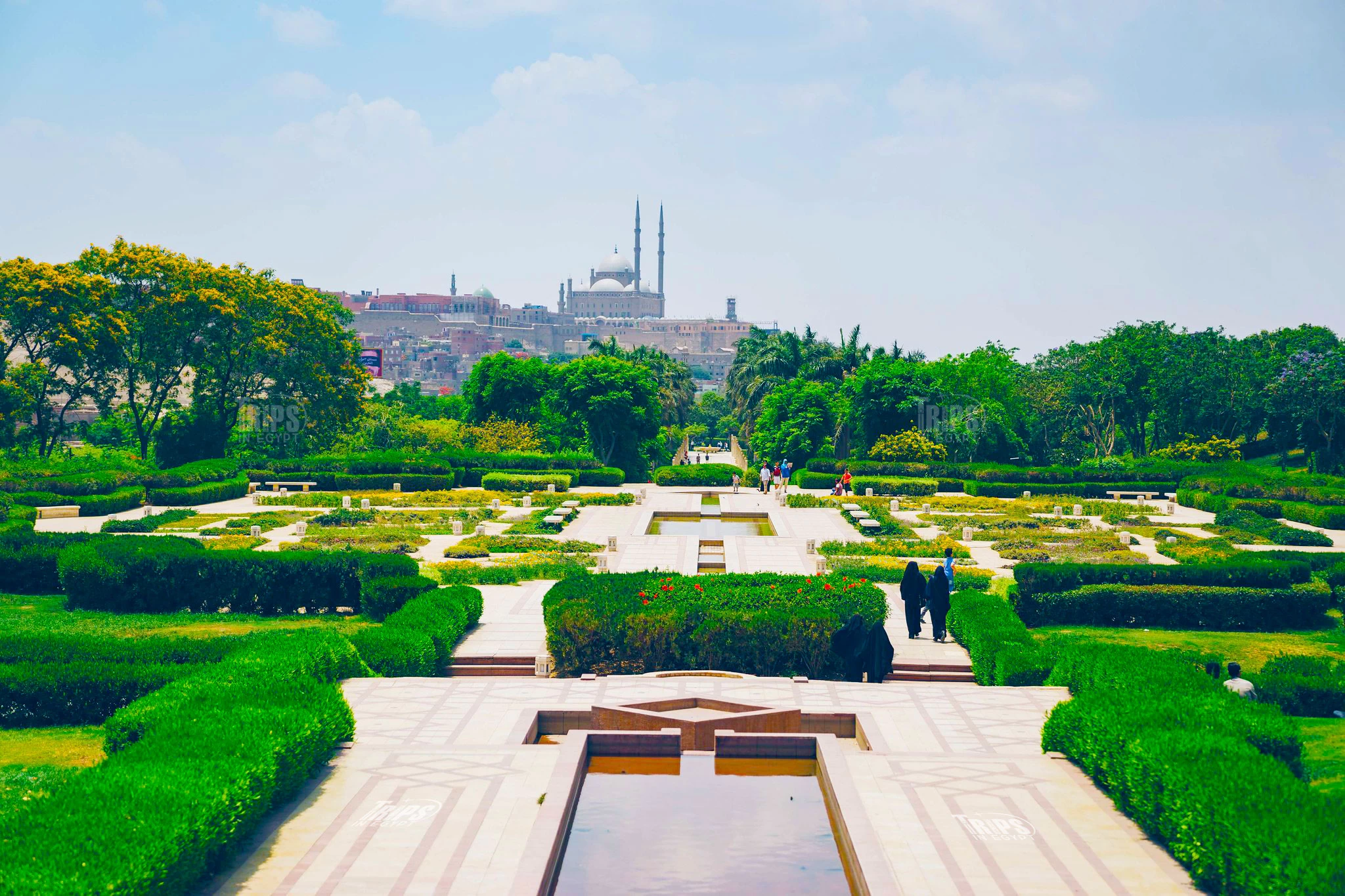
The citadel’s terraces and open spaces offer wide views of Cairo’s historic districts and skyline. Visibility depends on the weather and air conditions.
A visit combines architecture and city views: you can explore the complex, stop at its mosques and look out over the surrounding neighborhoods.
Photography opportunities
The domes, minarets, courtyards and views beyond the walls provide a range of subjects. Walking through different parts of the complex helps you find varied angles rather than photographing everything from one spot.
Consider the light and current opening arrangements when planning your visit. An early visit may offer different lighting from later in the day.






 More travele reviews