
 FR
 IT


What Are the Main Attractions of Ancient Memphis?
Memphis, Egypt gives a view of the country’s ancient capital and its early dynasties. Near Saqqara, Memphis Egypt is a stop for travelers who want to learn about the story of ancient Egyptian civilization.
-
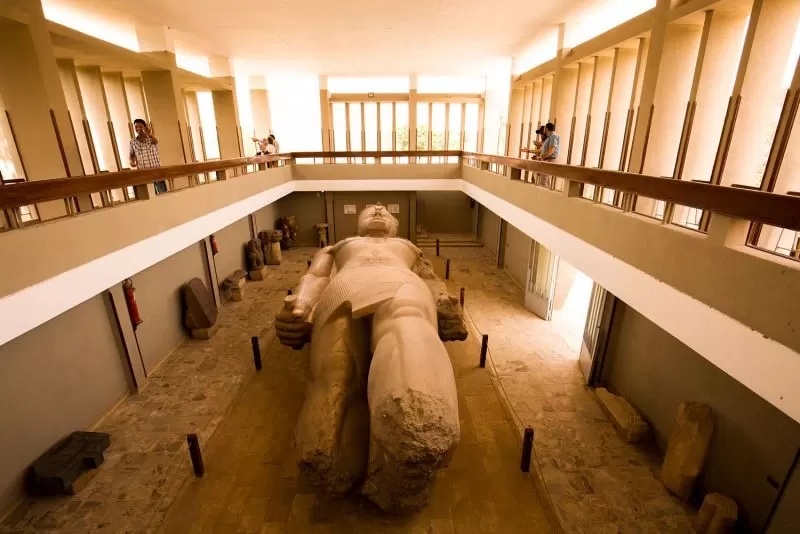
Colossal Ramses II Statue: One of the famous monuments at this site.
-
Alabaster Sphinx: A remarkable ancient sculpture.
-
Open-Air Museum: Explore statues and archaeological treasures.
-
Historical Significance: encourages you to discover the legacy of Egypt's capital.
-
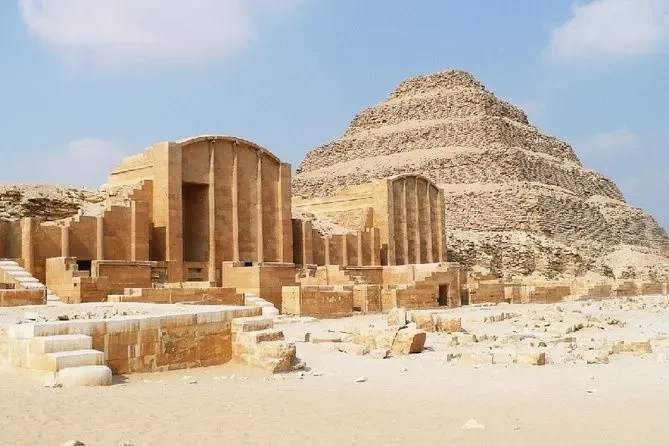
Nearby Site: Saqqara Necropolis and its famous Step Pyramid.
Ready to explore history? Join the Memphis and Saqqara Tour to see these archaeological sites with Day Tours Egypt.
Memphis, Egypt: A Journey Through Ancient History
Memphis Egypt is basically one of the most important archaeological places close to Cairo, and it was once the ancient capital of Egypt. It got founded around 3000 BC , and for thousands of years the city had a big part in Egyptian history, religion , politics and culture. Even now, visitors can explore the open-air Memphis Museum and spot really remarkable ancient statues. One highlight is the well known colossal limestone statue of Ramses II, and there’s also the Alabaster Sphinx, which is kind of unforgettable. Memphis is not far from Saqqara and the Giza Pyramids, so it works as a great stop for travelers exploring Egypt’s ancient wonders. A visit gives you a clear look at the country’s fascinating pharaonic legacy, plus it’s a chance to understand one of the world’s oldest civilizations.
Memphis Egypt: Discover the Ancient Capital of Egypt
Memphis Egypt is one of the most fascinating archaeological destinations not far from Cairo. Once the first capital of a unified ancient Egypt and Memphis played a major role in the country’s political, religious, and cultural story for thousands of years. Nowadays travelers can look around the remaining monuments and somehow link Memphis with nearby archaeological areas like Saqqara and the wider Memphis Necropolis.
So if you’re planning an Egypt vacation and you want to step past the well known Pyramids of Giza, visiting Memphis gives a compelling view of the civilization.
What Is Memphis Egypt?
Memphis was this ancient Egyptian capital traditionally believed to have been founded around 3000 BC, after the whole political unification of Egypt. Its strategic position near the Nile , and close to the entry to the Delta helped it become an important center of administration, trade, religion, and royal power.
This old city was closely associated with Ptah, the local god of Memphis and the one linked to creation along with craftsmanship. Places like temples, palaces, workshops, residential areas, and other structures once formed part of this important city.
Even if most of ancient Memphis has disappeared or lies beneath the modern landscape ,the archaeological traces still give an important look into ancient Egyptian civilization.
Ask us about this
Contact our local team, ask us anything about Memphis, and we'll help you discover more about its history, highlights, and visiting options.
Chat on WhatsAppWhere Is Memphis Egypt Today?
Memphis is located south of modern Cairo, in the area of Mit Rahina in Giza Governorate. It is considered part of the larger archaeological setting called Memphis and its Necropolis, which stretches across the pyramid fields from Giza to Dahshur.
Its location makes Memphis particularly convenient to include in a sightseeing itinerary that also covers Saqqara, Dahshur, and the Pyramids of Giza.
Why Was Memphis Important in Ancient Egypt?
Memphis was far more than simply an ancient city. It was a major center of royal administration and religion and remained important during several periods of Egyptian history. UNESCO says it was the first capital of ancient Egypt, and it also points out that it worked well as an administrative capital during the Old Kingdom and continued to play an important role in later periods.
Its religious importance was also significant. Memphis hosted the cult of Ptah, and lots of major religious buildings and temples were connected with the city's sacred role.
What to See in Memphis Egypt
Wondering what to see in Memphis, Egypt? This ancient city, located near Mit Rahina south of Cairo, was once one of the most important capitals of ancient Egypt. Today, its archaeological remains offer visitors a fascinating glimpse into Egypt’s rich history, featuring impressive statues, ancient monuments, and remarkable artifacts. From the colossal statue of Ramesses II to the Alabaster Sphinx, discover the top attractions that make Memphis a worthwhile stop on your Egyptian journey.
Colossal Statue of Ramses II
One of the most impressive highlights is the huge limestone statue of Ramses II. It is linked with Memphis, and is recognized by UNESCO as one of the outstanding structures within the Memphis archaeological property.
The scale and craftsmanship of the statue provide an impressive reminder of the power and artistic achievements of ancient Egypt.
Alabaster Sphinx
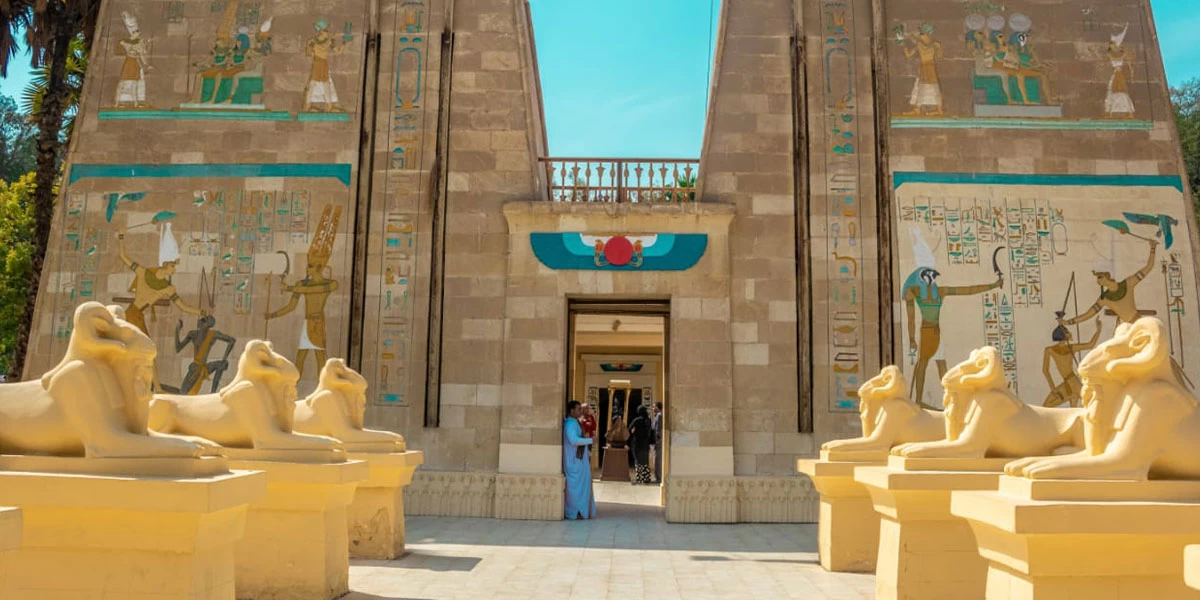
The Memphis area is also famous for a big alabaster sphinx. This monument is another example of how religious meaning and artistic practice blended together there, and it turns into a memorable stop for visitors wandering through the archaeological area.
Temple of Ptah
The Temple of Ptah was one the most important religious buildings in ancient Memphis. Ptah was treated as the city’s main god, and he was tied to both creation and craftsmanship. The temple complex, unfortunately, has taken a lot of damage across the centuries, but the historical importance remains central to understanding Memphis.
Memphis Museum
In the local museum area protects and displays important archaeological finds from Memphis. It also gives visitors a more intimate look at statues and artifacts that connect back to the old city, even if it feels a bit scattered at first.
Memphis and the Necropolis
Memphis should not really be treated as an isolated archaeological spot. It belongs inside a wider cultural patchwork called Memphis and its Necropolis—the Pyramid Fields from Giza all the way to Dahshur.
This UNESCO World Heritage place contains a remarkable selection of pyramids, tombs, temples and other archaeological remains. It includes famous monuments like the Pyramids of Giza, the Step Pyramid of Djoser at Saqqara, and the pyramid fields at Dahshur. The whole area was put on the UNESCO World Heritage List in 1979.
So, a Memphis visit tends to feel extra rewarding for travelers interested in understanding how the royal and religious landscape of ancient Egypt developed over time.
Interesting Facts About Memphis, Egypt
One of Egypt’s Oldest Capitals: Memphis was traditionally founded around 3100 BC and became an important capital of ancient Egypt.
Home of the God Ptah: Memphis was a major religious center dedicated to Ptah, the ancient Egyptian god of creation and craftsmanship.
Strategic Location: The city stood near the Nile Delta, connecting Upper and Lower Egypt.
Colossal Statue of Ramses II: The Mit Rahina Open-Air Museum displays a massive limestone statue of Pharaoh Ramses II.
Alabaster Sphinx: Visitors can admire an impressive alabaster sphinx among the archaeological remains of Memphis.
Connection to the Pyramids: Memphis was closely associated with the surrounding necropolis, which includes Giza, Saqqara, and Dahshur.
Near the Step Pyramid of Djoser: Saqqara, located near Memphis, contains one of the earliest major stone pyramid complexes in the world.
Important Religious Center: Memphis played a significant role in ancient Egyptian religious traditions and royal ceremonies.
UNESCO World Heritage Site: Memphis and its Necropolis were designated a UNESCO World Heritage Site in 1979.
A Fascinating Historical Destination: Today, visitors can explore the remains of Memphis and combine their visit with nearby Saqqara and Dahshur to learn more about ancient Egyptian civilization.
Ask us about this
Ask our local experts about visiting Memphis, Saqqara, and other nearby historical sites to make the most of your day.
Chat on WhatsAppWhat Is the Connection Between Memphis and Saqqara?
Memphis and Saqqara are closely connected, like almost in the same breath. Saqqara served as the principal necropolis of Memphis and contains some of Egypt's most important ancient monuments.
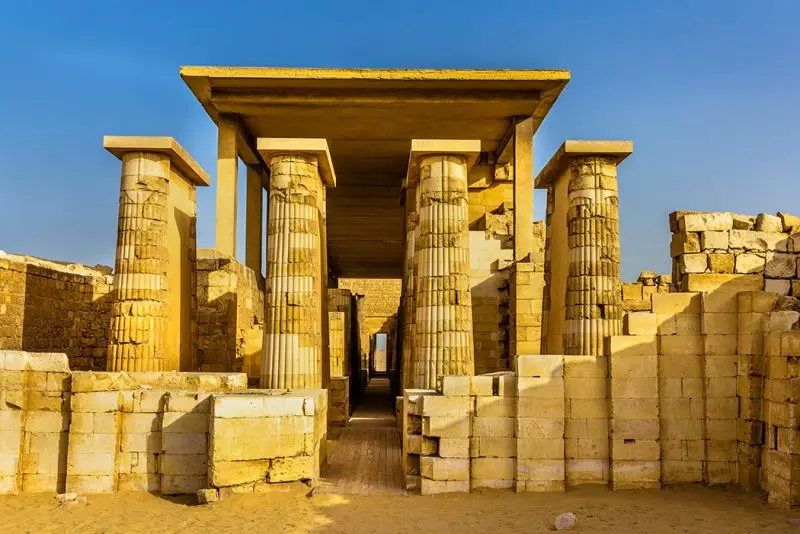
The Step Pyramid of Djoser there is the one that really stands out, because it shows the earliest big monumental stone pyramid in Egypt. UNESCO also calls the whole pyramid complex a masterpiece of ancient Egyptian architecture, and it’s considered a vital part of the Memphis World Heritage property.
So because of all that, many travelers choose to visit Memphis and Saqqara together.







 More travele reviews