Oasis: A Journey into the White Desert
Farafra Oasis is way out in Egypt’s Western Desert. It lies between Bahariya Oasis and Dakhla Oasis. A lot of visitors mention that it feels calm. It also tends to be less busy than many other destinations.
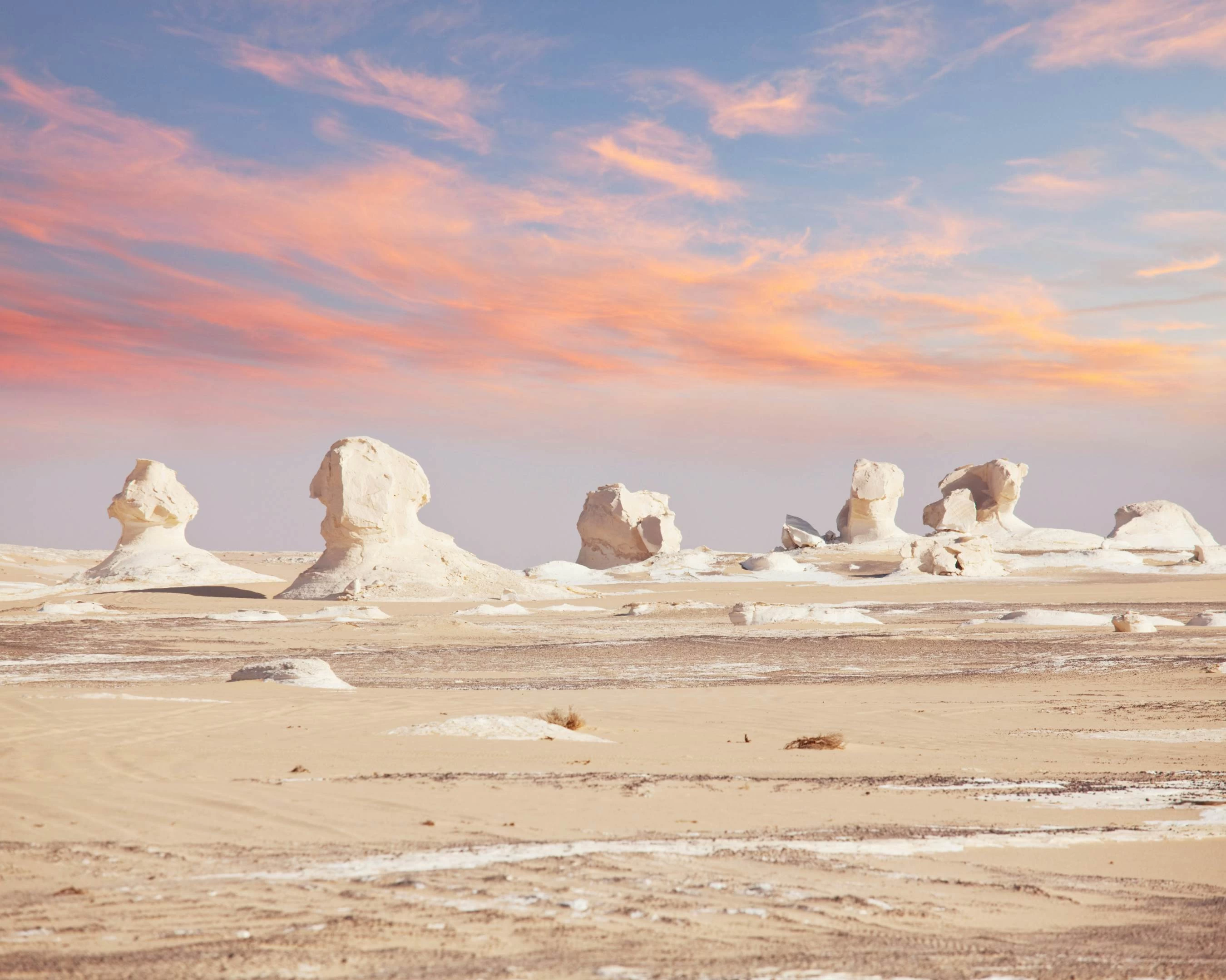
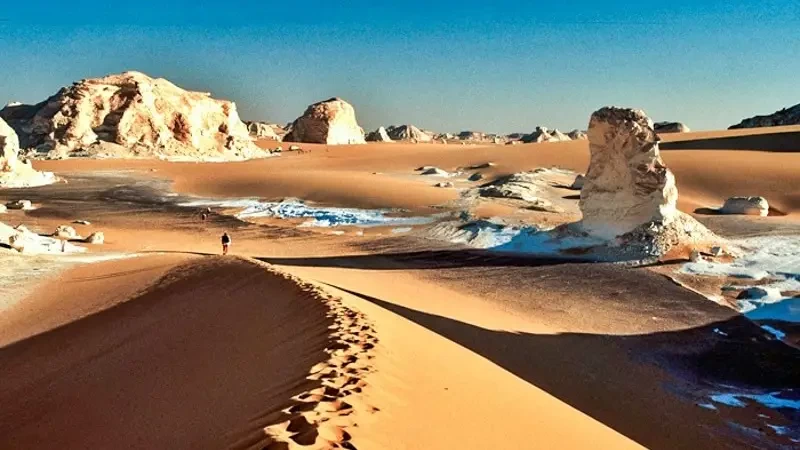
The White Desert is the big reason people come. You see unusual rock forms that do not look like they grew on their own. In the open sand, tall limestone cliffs and column shapes stand out as well.
Time here feels different. Days do not rush. The place seems to keep the same rhythm for a long while. Some travelers visit the hot springs when they want to relax. The air can be very warm during the day.
If you want to add other stops nearby, Day Tours Egypt can organize short trips. This makes it easier to see more places while still having time to notice how locals live.
This guide stays on the basics. It shows you the important places and tells you what to focus on. You get straightforward steps and useful travel hints. It also helps you keep the good parts when you are back home.
Discover the Beauty of Farafra Oasis
Farafra Oasis feels calm and open with desert scenes all around. It sits between Bahariya and Dakhla. Many visitors go there because it is close to The White Desert and the Great Sand Sea.
In Farafra, the pace is gentler than in Egypt’s large cities. You see palm trees and small gardens. You also notice traditional buildings and natural springs. There are wide views of the desert too. A simple walk inside the oasis can show you how people live there. You can also spend time among the palm groves and take in the local architecture. The official Egyptian tourism site mentions trees like palm, citrus, apricot, carob and olive.
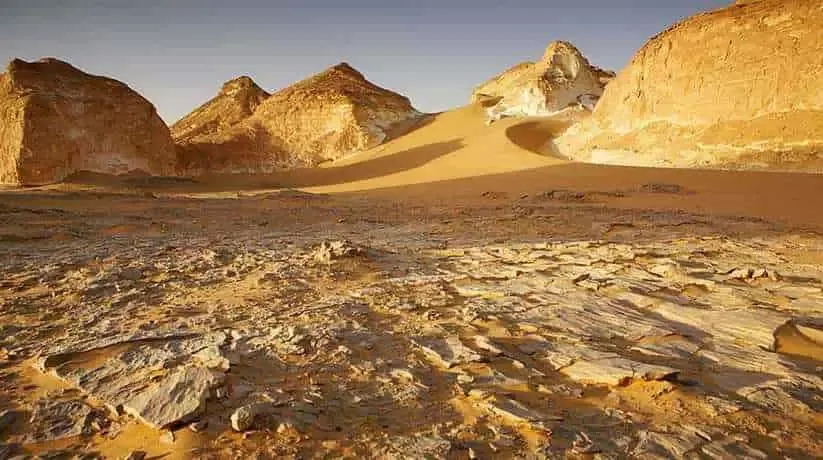
Farafra works well as a starting point for the Western Desert. The White Desert’s chalk shapes made by wind are the main draw. You can also add Crystal Mountain and Agabat Valley if you want a longer plan. Some travelers use Egypt Deserts Travel Guide & Day tours egypt to set up trips that include these spots. This area suits photographers, nature fans, and people who want something other than Cairo, Luxor, or the Red Sea. There is also local food to try, residents to meet, gardens to explore, and late day desert skies that look great.
Best Places to Visit in Farafra Oasis
Qasr al-Farafra is a top stop. The place is old and it still feels close to how people lived before. You will see mud-brick houses and tight lanes. Walking there helps you understand life in the desert. Going with a local guide can add useful details. Also, parts of the area are still used by residents. Be polite. Ask first if you want to take photos of people.
Next, visit Badr Museum. It was made by local artist Badr Abdel-Moghny. Inside, you will find works that reflect Farafra, daily desert life, and the land around it. The building uses mud-brick and the decorations look made by hand. If you like culture or you enjoy taking pictures, this museum is a good match.
For a quieter option, head to the springs. Bir Sitta, also called Well 7, is one of the well known hot springs. Many visitors come to soak in the warm water. There are also other water spots that keep some parts green. Abu Nuss sits north of Farafra and is a freshwater lake. Trees, wetland plants, and birds can be seen there. Farafra is not only about driving in sand. You can rest, walk around, take photos, and learn about the area’s culture.
Desert Safari and Camping in Farafra
Farafra is where many people start when they want to see the White Desert. The area is known for its pale limestone and chalk shapes. Wind and erosion have carved them over time. Some look like mushrooms. Others look like animals. A few even seem like tents. Farafra is close to the other places, so it works well as a first stop for the White Desert, the Black Desert, and the Great Sand Sea. If you ask me, sunset is the best time to go. As the light changes, the rocks look like gold and pink. Later, the sky gets clear because there are few lights from towns. That makes stargazing easier.
To get around, a guided Egypt Desert Safari is a solid choice. Many trips rely on 4x4 drives. This helps you reach spots that are far from roads. On the way, you can stop at viewpoints and walk through sand covered areas. You may also see rock features up close. Agabat Valley is a common stop for those who like big dunes and strong desert scenery. Crystal Mountain can be part of the plan too.
Staying overnight can make the trip feel more complete. After sunset, you can share a traditional meal. Then you might sit by a campfire and look up at the stars. In the morning, you can watch the desert sunrise as the light returns. When you book, pick a licensed team that has experience with remote routes. A good guide can shift the schedule based on weather, road status, and what you want to focus on. If you care about photos, camping, adventure, or wildlife and plants, there is a lot to do in Farafra.
Planning Your Farafra Oasis Travel Guide
For Farafra, the usual best season is the cooler part of the year. Many visitors go between October and April. During winter, daytime weather is often pleasant for walking around and doing desert trips. Nights can turn cold, so it helps to be ready for a big drop in temperature. From May to September, it becomes very hot. Strong sun hits during the day, so plan outings for the morning hours or later in the afternoon. Bring lots of drinking water. Use sun protection. Wear light, comfortable clothing. If you plan to camp in the desert overnight, also pack a warm layer or jacket.
Getting to Farafra is mostly done by road. You can travel from Cairo, Bahariya Oasis, Dakhla Oasis, or parts of the Nile Valley. Distances are long. Some routes through the desert need planning ahead. Because of that, it is smart to arrange transport, stays, and safari activities with a group that knows the area. A good tour operator can handle permits when needed. They can also set up the right vehicles and organize meals and camping gear. They may also guide you on respectful travel habits.
In your plan, leave time for both the natural sights and the local life around the oasis. A simple plan could include a stop at Badr’s Museum, plus time in the palm groves. Then you can add a 4x4 route that goes through Crystal Mountain, Agabat, and the White Desert. If you are using the Egypt Deserts Travel Guide and the Egypt Travel Guide, Farafra fits well when you want a mix of nature, culture, outdoor fun and downtime. There are calm hot springs to enjoy. You can also see striking limestone shapes. People often look for safari attractions, including photographers, families, and travelers who want a slower, quieter side of Egypt. Farafra Oasis is not only a quick desert stop. It is a place where the area’s past, the local community, and the land itself all feel connected.