FR
 IT


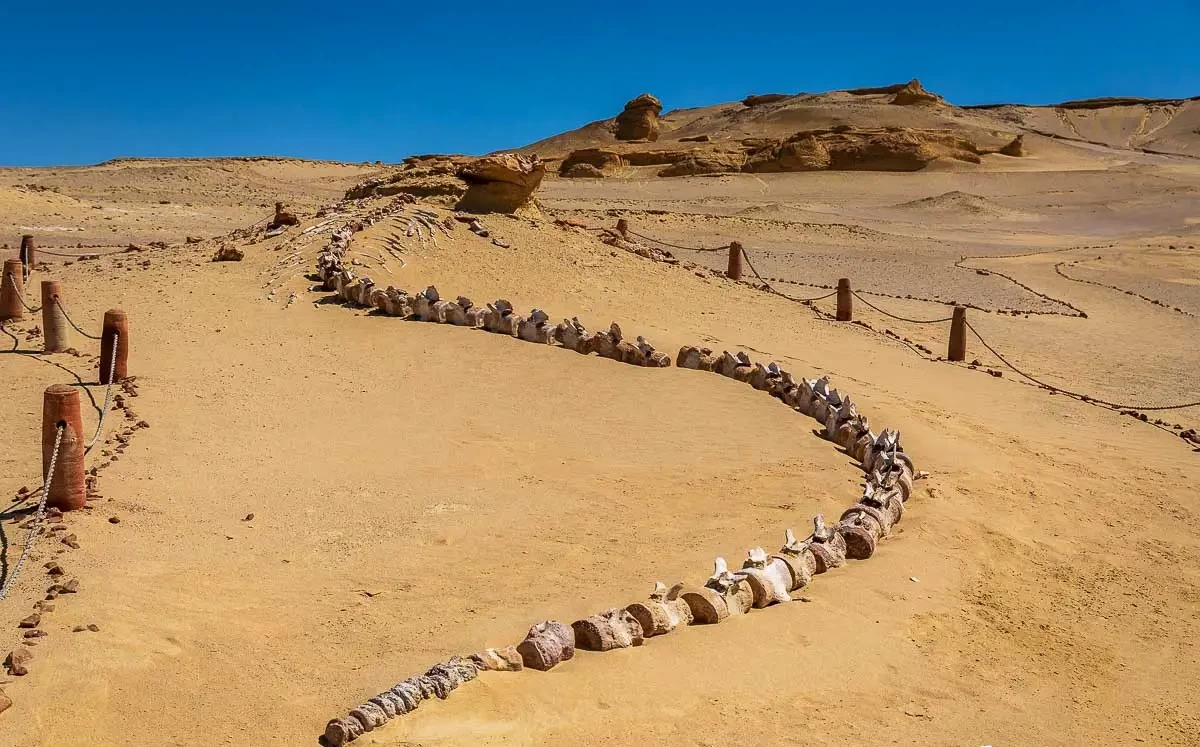
Wadi El Hitan: Valley of the Whales
Wadi El Hitan, the Valley of the Whales, is a natural and paleontological site in Fayoum, Egypt. Its fossils provide important evidence of the evolution of whales from land-dwelling ancestors to marine life. A Wadi El Hitan tour offers a way to explore the site.
Visitors can see fossil displays, learn about prehistoric animals and explore the desert landscape. The site is particularly relevant to travelers interested in nature, geology and the history of life on Earth.
Wadi El Hitan Egypt: Discover the Valley of the Whales
Wadi El Hitan, known as the Valley of the Whales, is a UNESCO World Heritage Site in the Fayoum desert. Its whale fossils make it one of Egypt’s notable geological sites.
A visit combines natural scenery with an introduction to prehistoric life. Both international visitors and Egyptian travelers come to explore a part of the country beyond its more familiar monuments.
What Makes Wadi El Hitan Special?
Wadi El Hitan contains hundreds of ancient whale fossils, providing strong evidence of how whales evolved from land-dwelling ancestors into marine animals.
The fossils and desert setting make the valley a distinctive place to visit and photograph on Desert Tours in Egypt.
Top Things to See in Wadi El Hitan
Ancient Whale Fossils
Fossilized whale remains are the main attraction at Wadi El Hitan. The bones visible in the valley help explain how these animals lived in an environment very different from the desert seen today. Marked paths lead visitors around the fossil sites.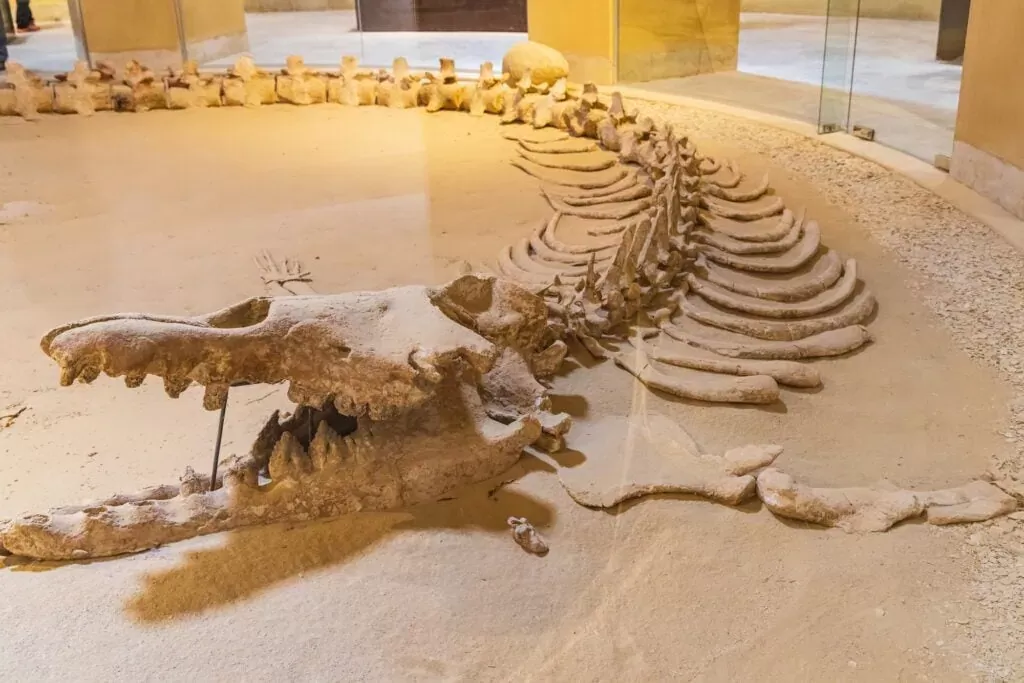
Wadi El Hitan Museum
The museum adds context to the fossils and the history of the region. Its exhibits explore extinct whales and the environment in which they lived millions of years ago. It also explains why the fossils are important evidence of whale evolution and why they need protection.
Desert and Rock Formations
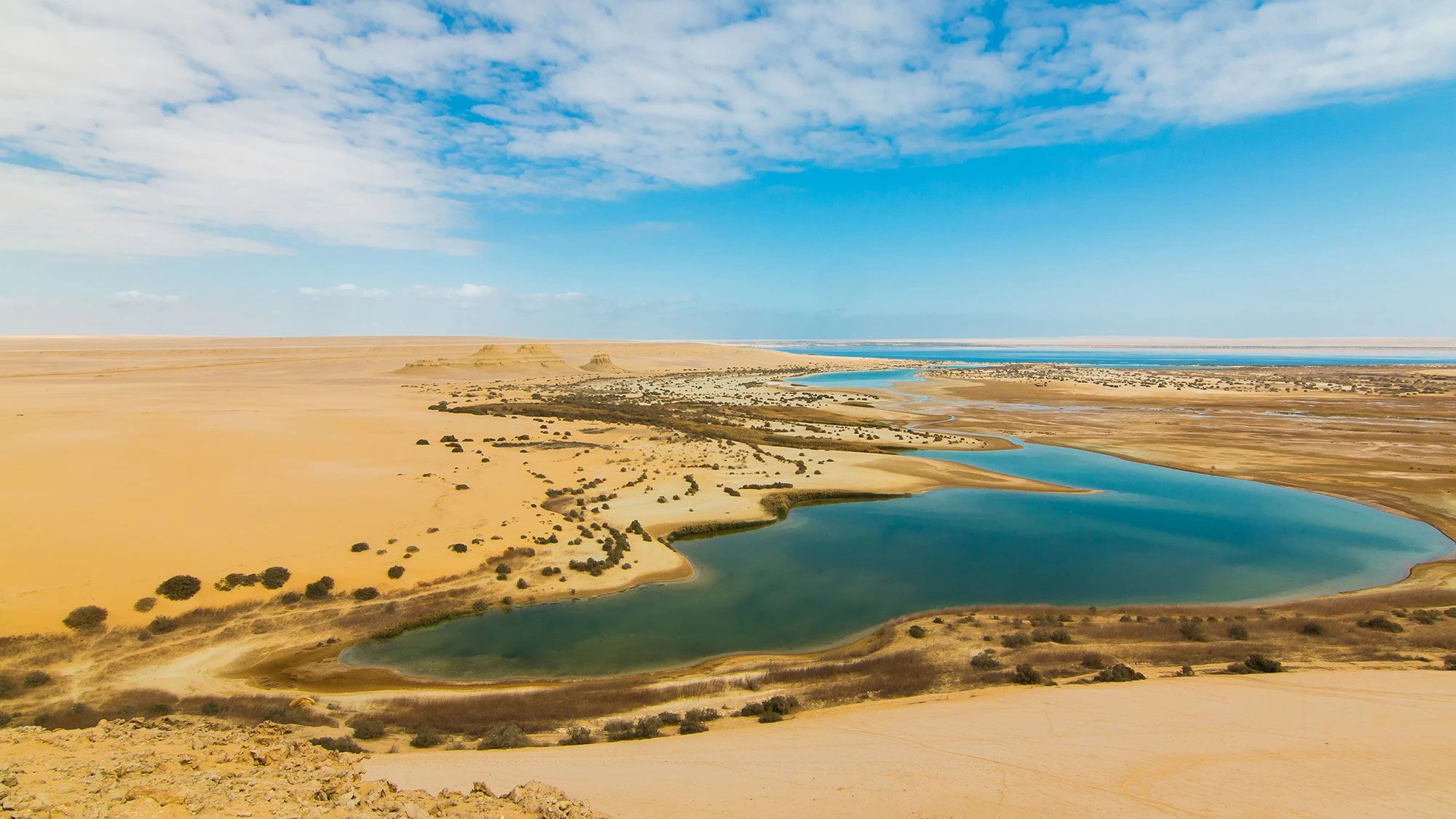
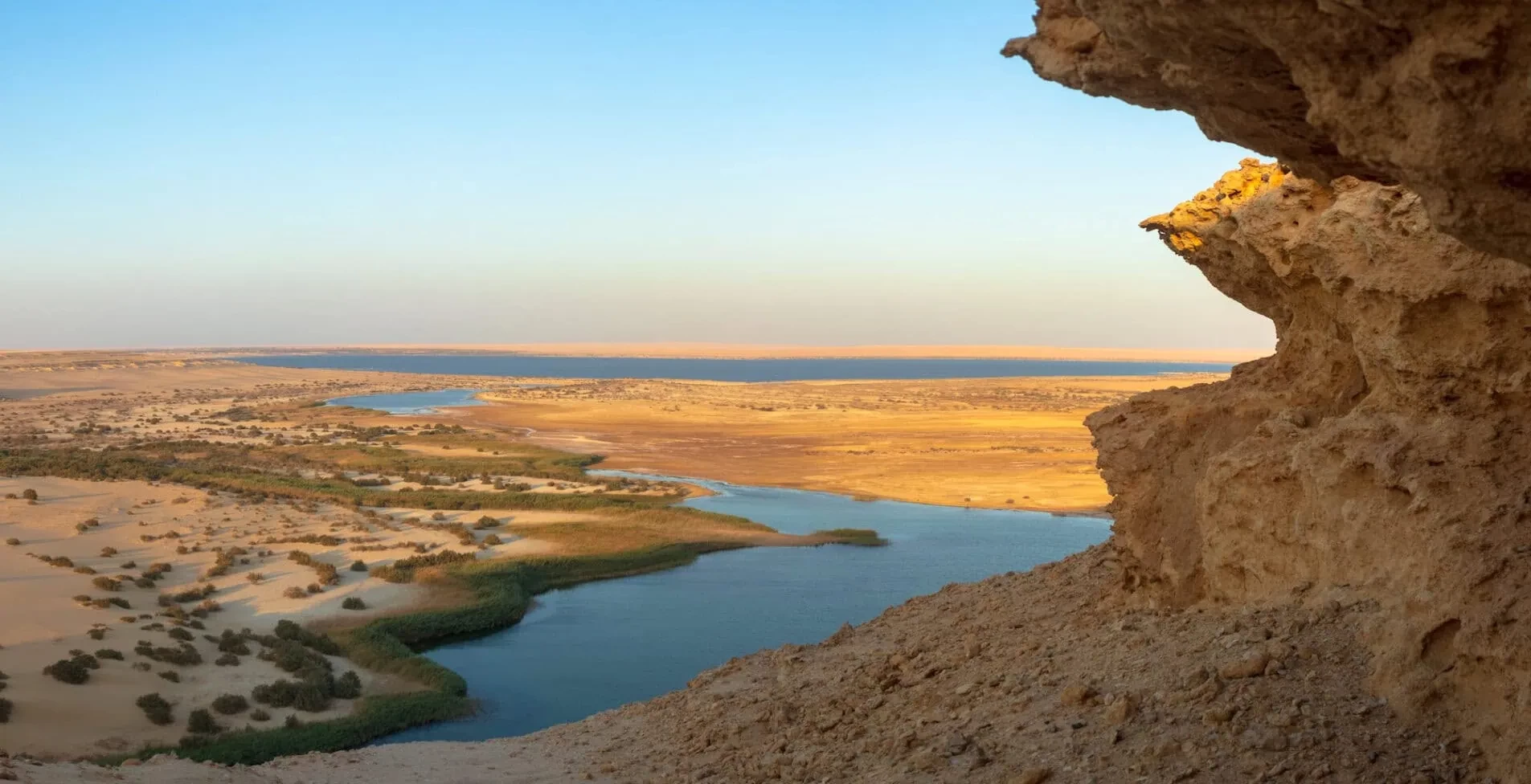
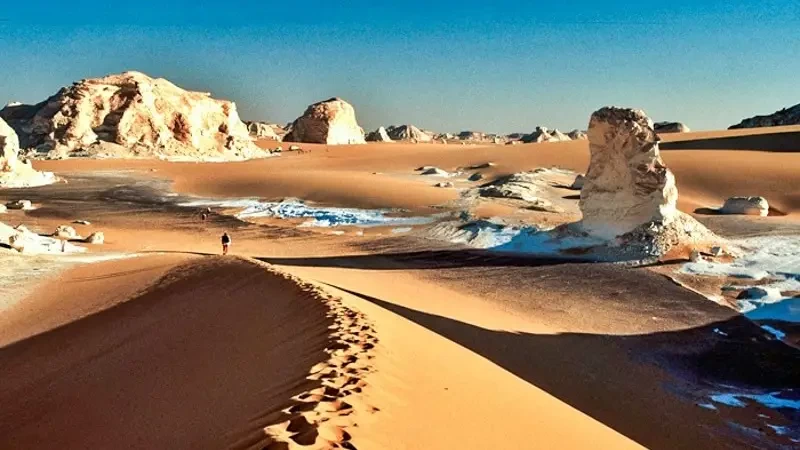
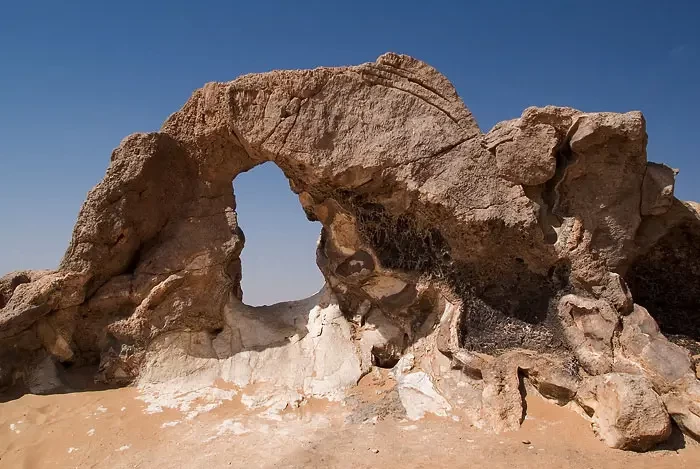
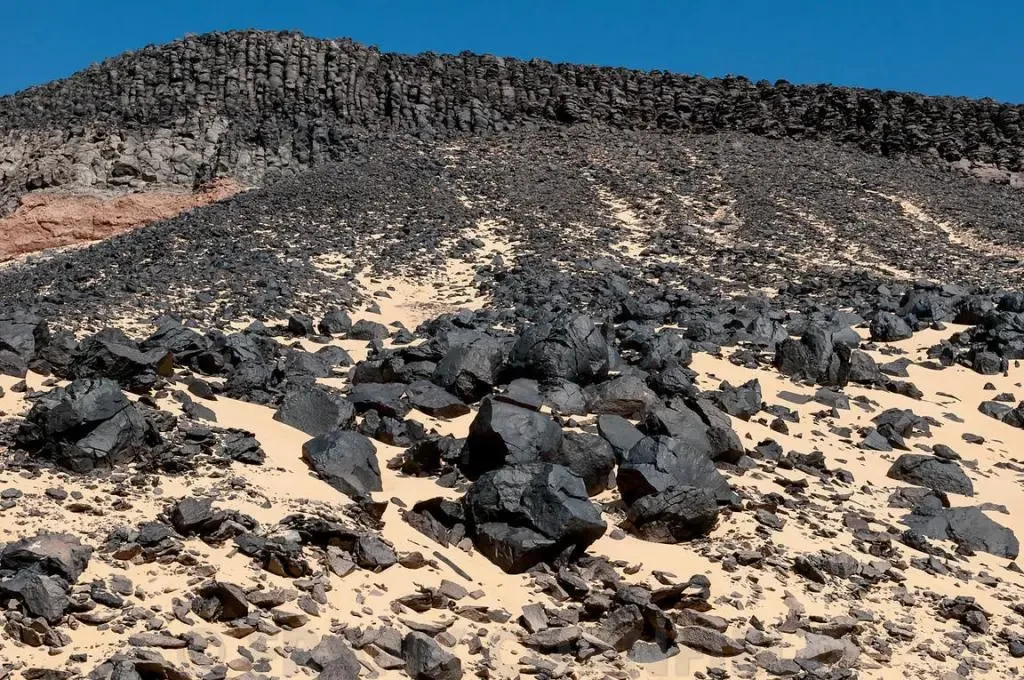
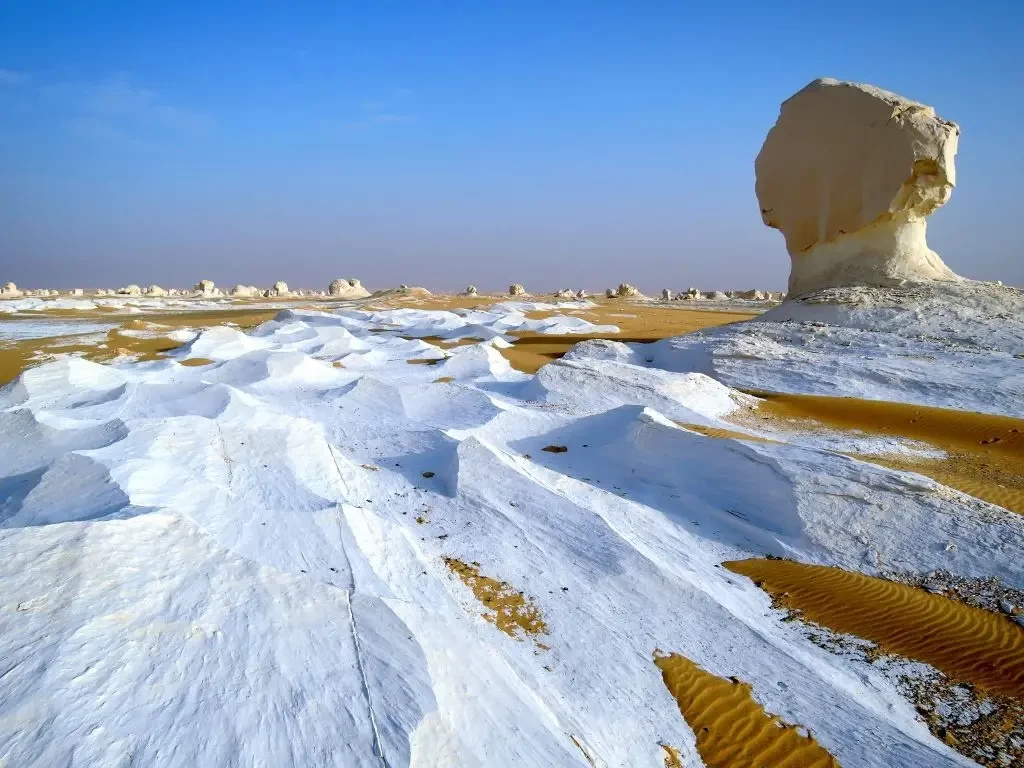
Rock formations, broad valleys and desert sands surround the fossil sites. A walk through the valley offers views of geological features shaped over long periods and opportunities for landscape photography.
Other Fayoum Attractions
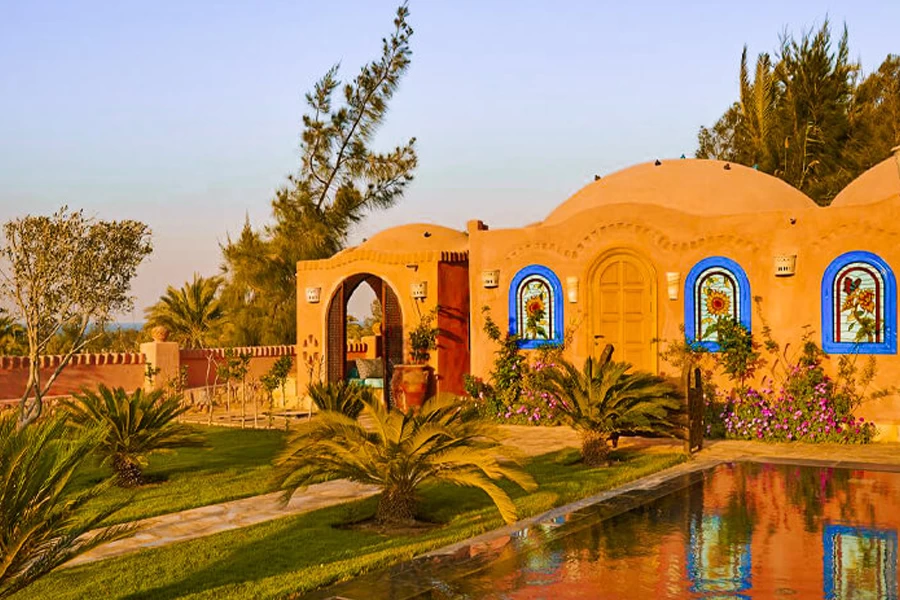
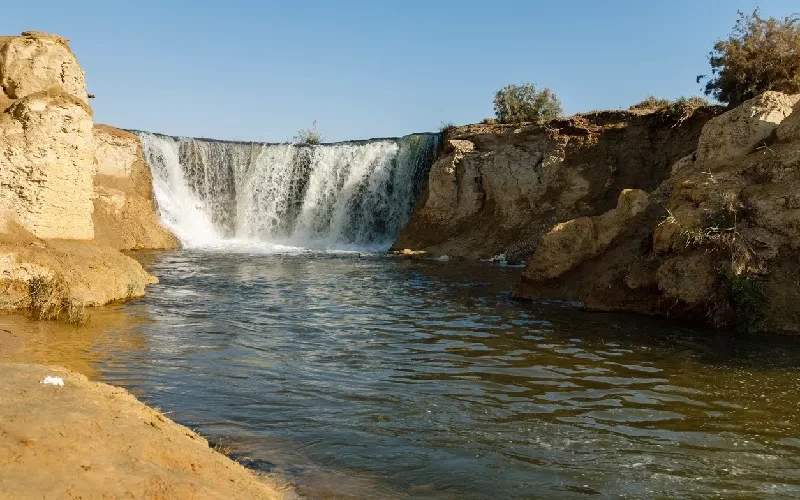
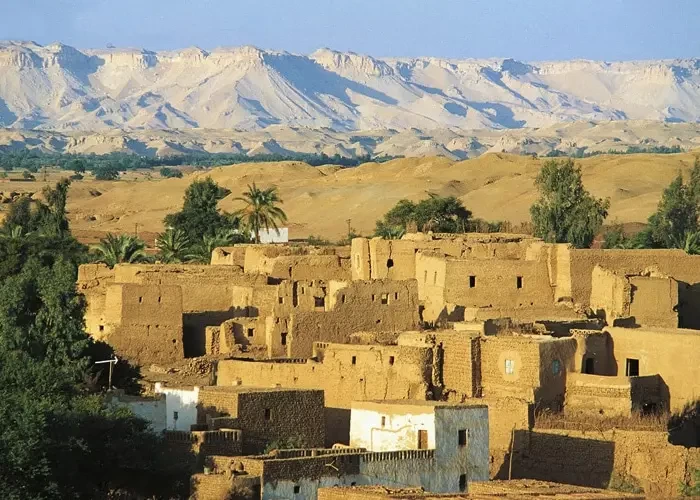
A visit to Wadi El Hitan can form part of a wider Fayoum itinerary from Cairo. Other possible stops include the lakes and waterfalls of Wadi El Rayan, the dunes around Magic Lake, Lake Qarun and the pottery workshops and handicrafts of Tunis Village.
These sites offer a mix of fossils, desert landscapes, water and local culture. The number of stops depends on the itinerary and travel time.
Best Time to Visit Wadi El Hitan
The cooler months are generally more comfortable for visiting Wadi El Hitan. Autumn, winter and spring offer more favorable conditions for walking in the desert than the hottest months.
Visitors should bring drinking water, sunscreen, comfortable footwear and clothing suited to the weather.
Why Add Wadi El Hitan to Your Egypt Itinerary?
Wadi El Hitan adds a different chapter to an Egypt itinerary. Alongside visits to pyramids, temples and museums, it offers a chance to see the fossilized remains of prehistoric whales in the desert.
The valley appeals to travelers interested in nature, geology and ancient life. Its fossils help explain how whales evolved and adapted to the ocean, while the rock formations and open landscape offer a quiet setting outside Cairo.
A visit can be combined with selected Fayoum attractions such as Wadi El Rayan, Magic Lake, Lake Qarun or Tunis Village. The itinerary can bring together fossils, natural scenery and local crafts, with stops chosen to suit the available travel time.




 More traveler reviews