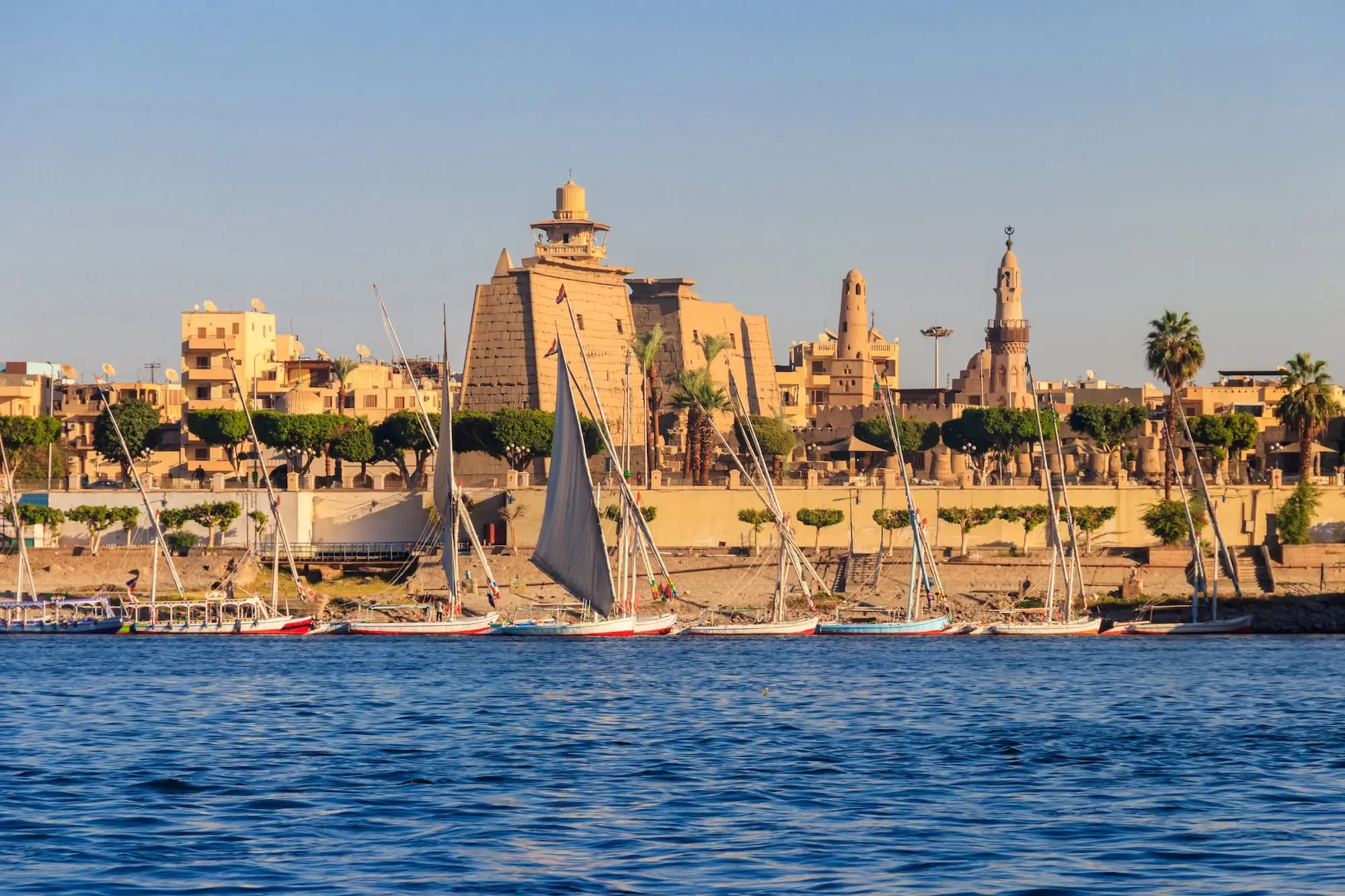
Discover the Wonders of Luxor
Luxor is one of Egypt’s most remarkable destinations, offering an extraordinary journey into the world of the pharaohs. Often described as the world’s greatest open-air museum, this historic city is home to magnificent temples, beautifully decorated royal tombs, and archaeological treasures that reveal the fascinating story of ancient Egyptian civilization. From the impressive Karnak Temple Complex and the elegant Luxor Temple to the legendary Valley of the Kings and the striking Temple of Hatshepsut, every site offers a glimpse into a remarkable past.
Whether you’re passionate about history, interested in cultural experiences, or simply looking for a memorable Egyptian getaway, Luxor has plenty to offer. This Luxor Travel Guide covers the city’s most important landmarks, scenic Nile experiences, guided excursions, and practical travel advice to help you plan your visit. You’ll also discover how to combine Luxor with Cairo or a Nile cruise to Aswan, creating an itinerary that brings together Egypt’s ancient wonders and unforgettable landscapes.
Why Luxor Is a Must-Visit Destination in Egypt
Luxor sits on the Nile River in southern Egypt. It blends old monuments, everyday Egyptian life, and scenic views. The city occupies the same area as ancient Thebes. Long ago, Thebes served as a strong political center and also a key place for religion during different times in Egyptian history.
The Nile splits Luxor into two parts. Each side feels different. On the East Bank, you will find grand temples, museums, and lively streets. On the West Bank, the focus shifts to royal tombs, tomb related temples, and major finds made by archaeologists.
If you walk or travel through both areas, the past starts to make more sense. You can learn more about ancient ideas of life and death, about royal customs, and about how impressive buildings were made. Outside the headline sites, you can also enjoy quiet river scenery, take a felucca ride, and watch daily routines in Upper Egypt.
Whether you plan a short stay or you add Luxor to a longer trip, the city offers a mix of history, culture, and real on the ground travel moments in one memorable place.
Best Things to Do in Luxor Egypt
There are plenty of memorable experiences to enjoy in Luxor, from exploring enormous temple complexes to discovering the landscape from above. Each activity offers a different way to appreciate the city's history and natural beauty.
Explore Karnak Temple and Luxor Temple
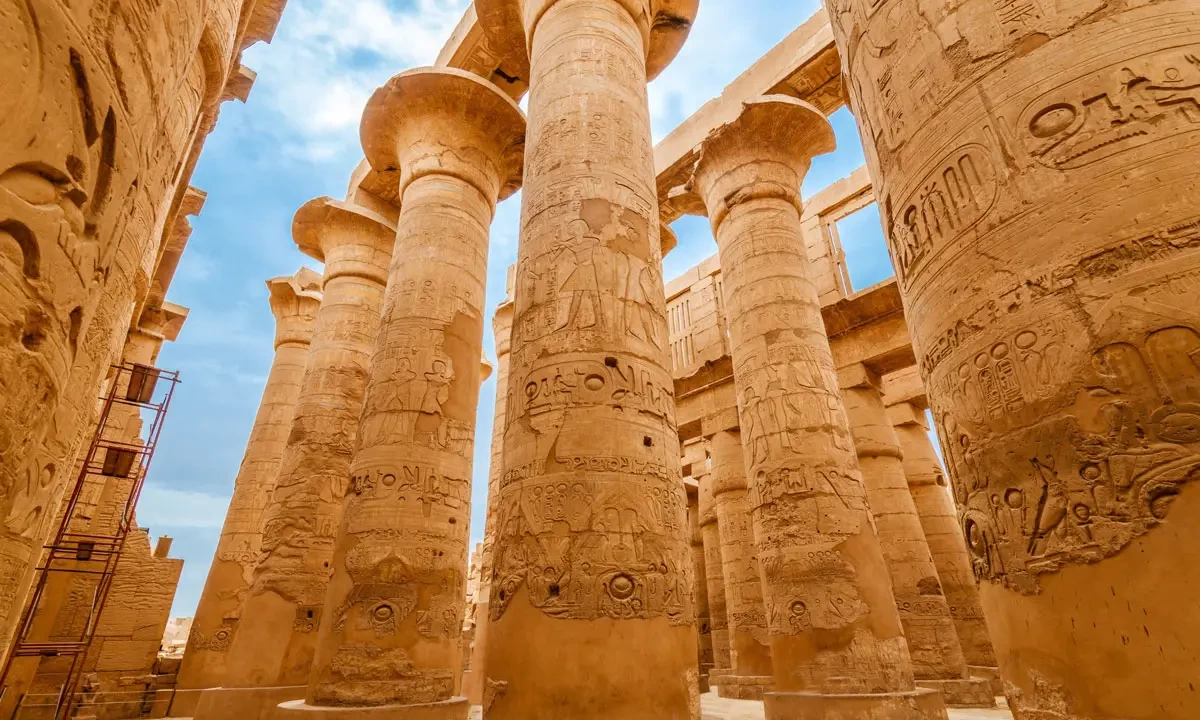
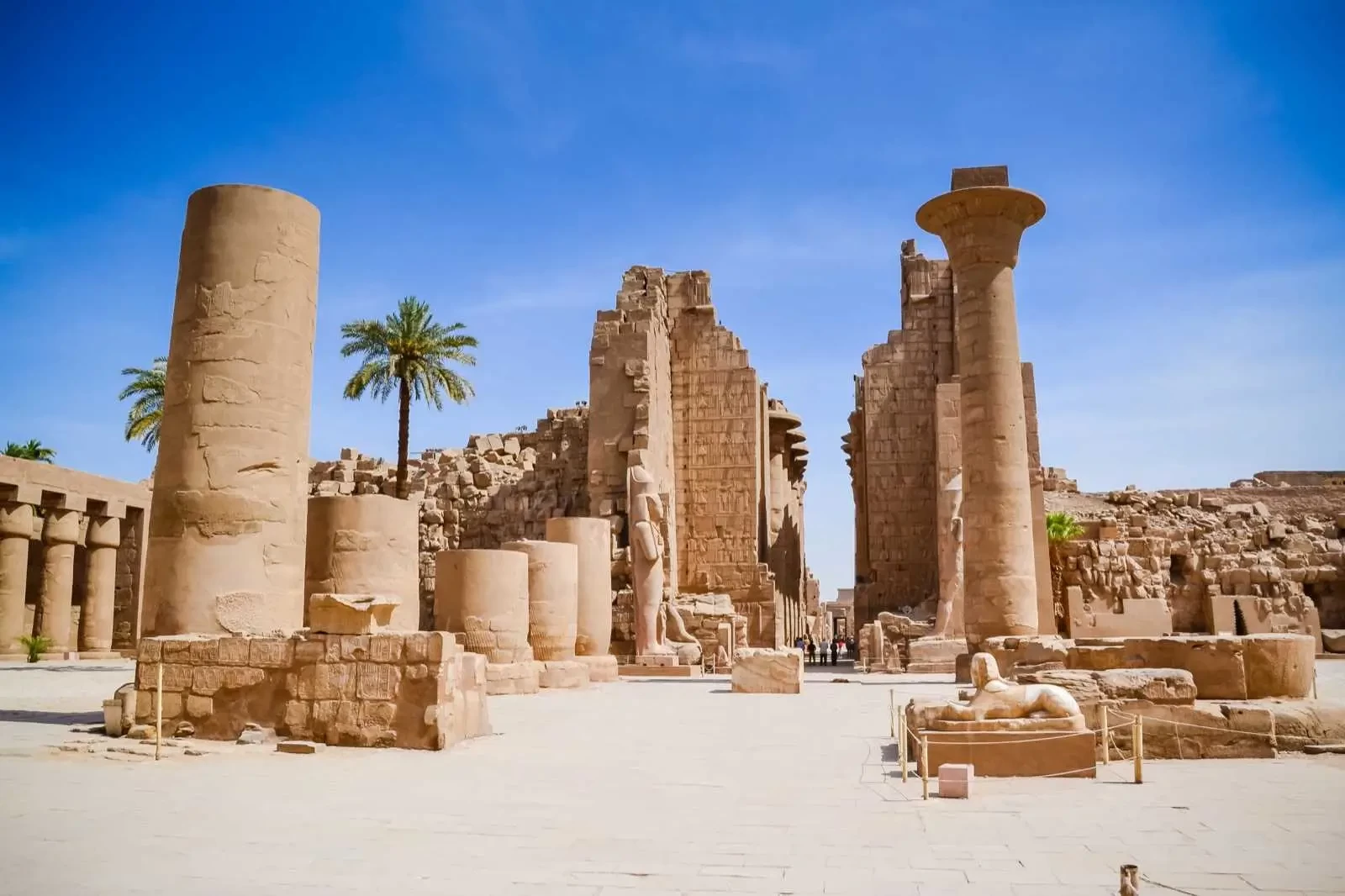
Karnak Temple Complex is one of the grand religious places from ancient Egypt. The site grew slowly over many years. You will see huge columns, tall obelisks, large gateways, and special areas made for worship. The Hypostyle Hall stands out most. Its thick rows of tall columns feel awe inspiring. It also gives good chances to take photos.
Then head to Luxor Temple. It sits near the modern city area. This temple is different from some other temple grounds. It had a strong link to royal rituals and the idea of kingship. You can notice big statues, neat columns, and buildings lit up at night. The evening visit feels especially memorable.
Going to both temples in the same trip helps you get a clear start on Luxor’s past. It also makes it easier to see why the city mattered in ancient Egyptian religious life and politics.
Enjoy a Felucca Ride on the Nile
If you want something calmer, try a felucca ride on the Nile. These old style wooden sailboats move gently. They let you take in the river at an easy pace. You can watch palm trees and patches of green farmland slide past. You also get steady views of the desert nearby.
A sunset ride is a great choice. The light changes as you sail, and the water looks beautiful. After a long day of temple visits and site walks, it is a simple way to take a breather.
Experience a Sunrise Hot-Air Balloon Ride
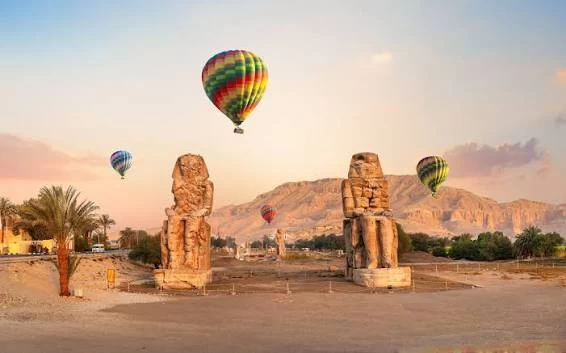
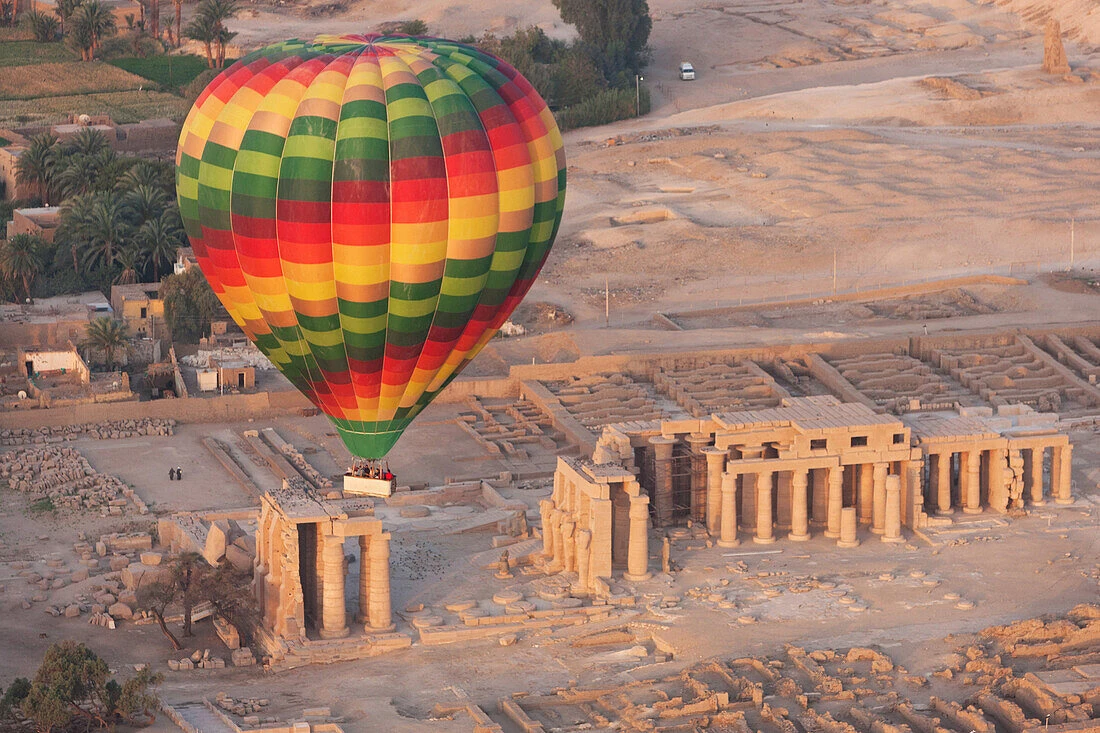
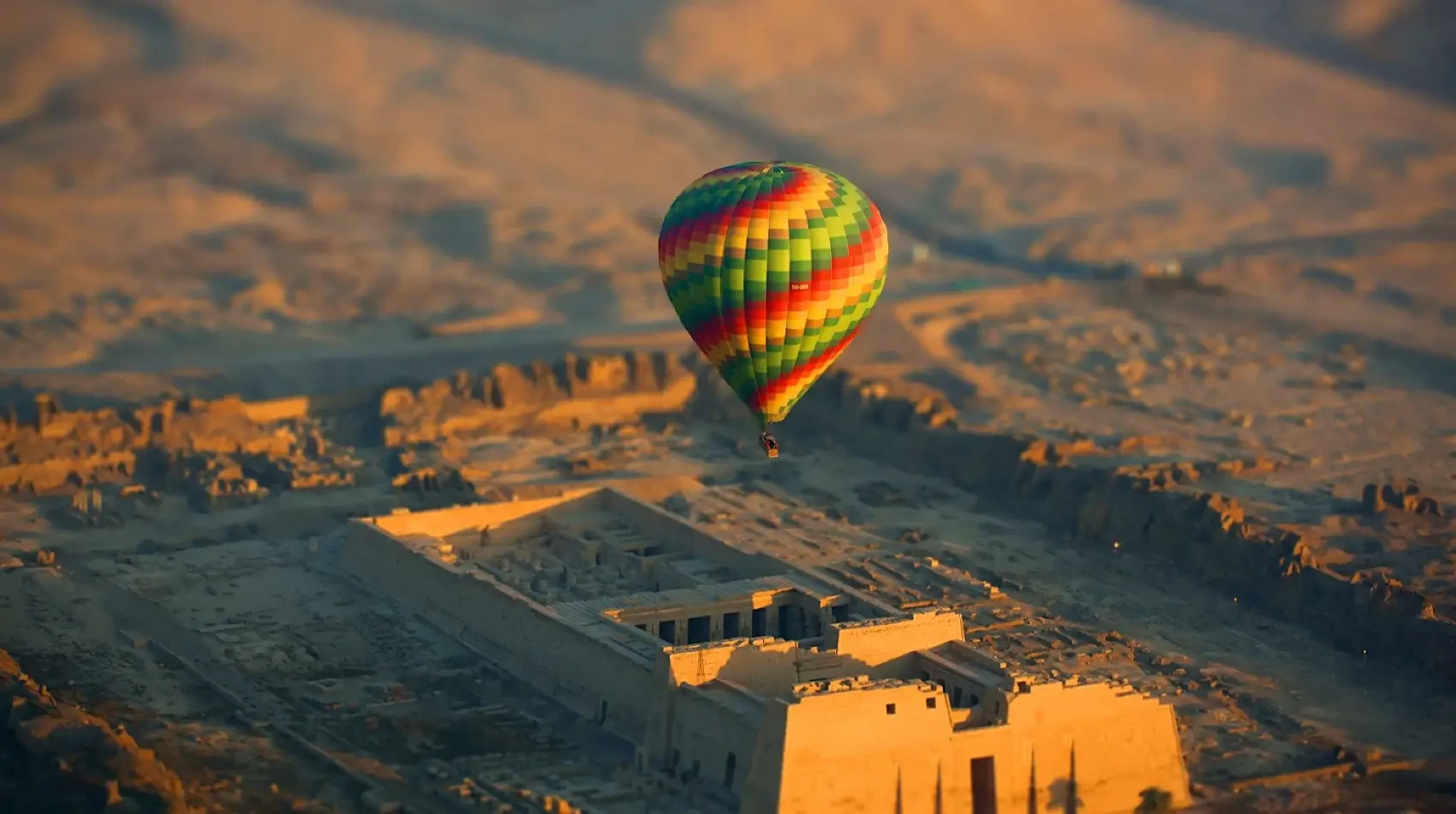
A ride in a hot-air balloon above Luxor’s West Bank is a highlight for many travelers. Most flights happen near sunrise. That is when gentle light settles over the Nile Valley and brings out details in the fields, the sandy hills, and the old sites.
From up in the air, you notice a clear split between the green river edge and the dry desert beyond. You also get wide views that change how you see Luxor’s layout. For people who like taking photos, this angle is especially appealing.
These balloon trips are not the same each day. Wind, cloud cover, and other conditions can affect whether a flight goes ahead. The operator also has to approve it. So it helps to pick a well-known company and pay close attention to the safety directions.
Discover the Luxor Museum
The Luxor Museum is another option if you prefer a calmer pace. You can see statues, archaeological pieces, and other objects that connect to the culture of ancient Thebes.
If you compare it with the huge temple areas, the museum feels more direct. You can stop and look at single items and consider what they meant in their time.
Best Places to Visit in Luxor
Luxor holds some of Egypt’s best-known archaeological finds. A lot of the headline locations sit on the West Bank. There you can see royal burial areas and large funerary temples. Together, they point to how ancient Egyptians viewed life, death, and the afterlife.
West Bank sites are a strong starting point, especially if you want to connect the buildings to the beliefs behind them.
Valley of the Kings
The Valley of the Kings is one of Egypt’s top archaeological stops. It lies on the West Bank of the Nile. This place served as a royal burial ground in the New Kingdom. Tombs here were made for pharaohs and other high-status members of the royal circle.
Many tombs include decorated passages and burial rooms. You will find painted scenes and written texts there. They link to beliefs about what comes after death. The tomb linked to Tutankhamun stands out most. Even so, what you can see, plus how tickets are handled for specific tombs, may differ by day.
Walking through the area gives a more direct look at burial customs and religious ideas. It also shows the art skills of the time.
Temple of Hatshepsut
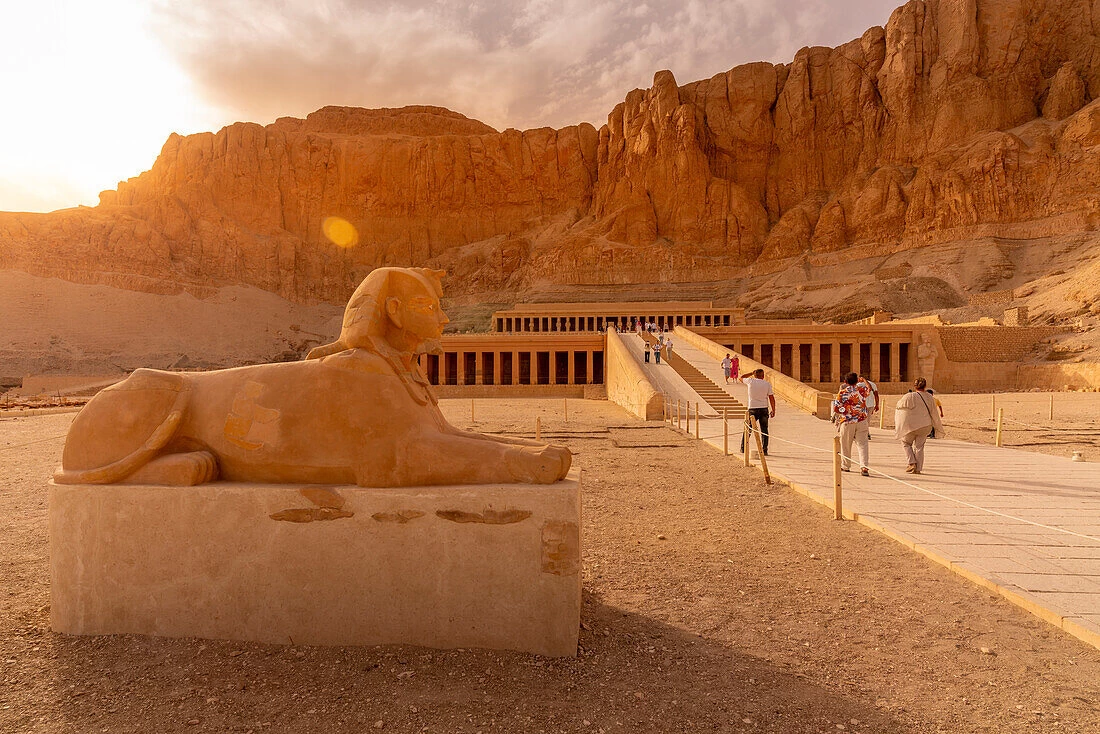
The Temple of Hatshepsut rises near Deir el-Bahari. It sits against steep limestone cliffs. The monument is among Luxor’s most recognizable landmarks. It was built for Queen Hatshepsut. She is often named as one of ancient Egypt’s major female rulers.
You can spot terraces, long colonnades, and a well-planned layout. The design feels tied to the landscape. The straight lines of the terraces stand out against the cliffs. From different levels, visitors can learn about her rule. The temple also reflects her religious role and her place in royal history.
Valley of the Queens
The Valley of the Queens served as a resting place for royal women. It also held other family members connected to the royal court. Many travelers focus more on the Valley of the Kings. Still, this valley has tombs with striking funerary art. The details also shed light on shared ideas about burial and belief.
Some tombs include vivid wall paintings. Others show careful decorative patterns. Entry can change from one tomb to another. It helps to check the latest visitor updates before you go.
Colossi of Memnon
The Colossi of Memnon are two large stone statues. They portray Pharaoh Amenhotep III. They stand on the West Bank. Long ago, the statues marked the entrance to a larger mortuary temple complex.
Even though most of the temple is gone now, the statues still look huge. They remind you of the sheer scale of ancient Egyptian building work. They also make an easy stop when you are moving between other West Bank monuments.
A Trip from Cairo to Luxor: How to Plan Your Journey
So, you know, a trip from Cairo to Luxor is a pretty great idea if you want to see two of Egypt’s most important places during one vacation. In Cairo, you’re looking at the Pyramids of Giza, the Sphinx, museums, and that lively city vibe, it feels almost nonstop. Then Luxor, it kind of opens up into the ancient world in a more intimate way, like deeper and more calm depending on where you are.
Getting from Cairo to Luxor is usually straightforward, you can do it by domestic flight, train, or some other option based on your timing and your budget. Honestly, flying is the easiest choice when you’re tight on time, but an overnight train can be a whole different vibe, more travel, less rushing.
When you arrive in Luxor, try to split what you see between the East Bank and the West Bank, it just makes everything more manageable. A good rule of thumb is to set aside at least two or three days in Luxor. That way, you can actually move through the big temples and key sites without feeling stressed or like you’re constantly running.
And if you still have extra days, you can take the journey further with a Nile cruise toward Aswan. That adds a nice steady rhythm to your itinerary, and it often becomes one of those trips you remember for years. In the end, combining Cairo with Luxor is really one of the best ways to blend ancient monuments and everyday Egyptian life, so you get both sides of the story, not just one.
Luxor offers a remarkable combination of ancient history, cultural experiences, and breathtaking Nile scenery, making it one of the highlights of any trip to Egypt. From exploring magnificent temples and royal tombs to enjoying a peaceful felucca ride or watching the sunrise over the West Bank, there are countless Things to Do in Luxor for travelers with different interests. To make the most of your visit, consider planning your itinerary around the landmarks you want to discover and leaving enough time to appreciate the city's unique atmosphere. Whether you're exploring independently or joining guided Luxor Day Tours, a well-planned visit will help you experience the fascinating history and timeless beauty that make Luxor such an unforgettable destination.

-webp.webp "Private Luxury Tour of Cairo Luxor and Aswan")