FR
 IT


What Are the Best Experiences to Enjoy in Siwa Oasis?
Siwa Oasis is full of unique experiences that combine history, nature and adventure. Here are some of the highlights you shouldn't miss:
- Explore Shali Fortress: Discover the fascinating history and traditional architecture of Old Siwa.
- Visit the Temple of the Oracle: Step back into ancient Egyptian history and explore its connection to Alexander the Great.
- Relax at Cleopatra’s Spring: Enjoy the peaceful atmosphere of one of Siwa’s famous natural springs.
- Float in Siwa Salt Lakes: Admire the crystal-clear turquoise waters and unique salt formations.
- Experience a Desert Safari: Explore the Great Sand Sea by 4x4, try sandboarding and enjoy breathtaking desert sunsets.
- Discover Siwan Culture: Experience local traditions, handmade crafts and authentic traditional food.
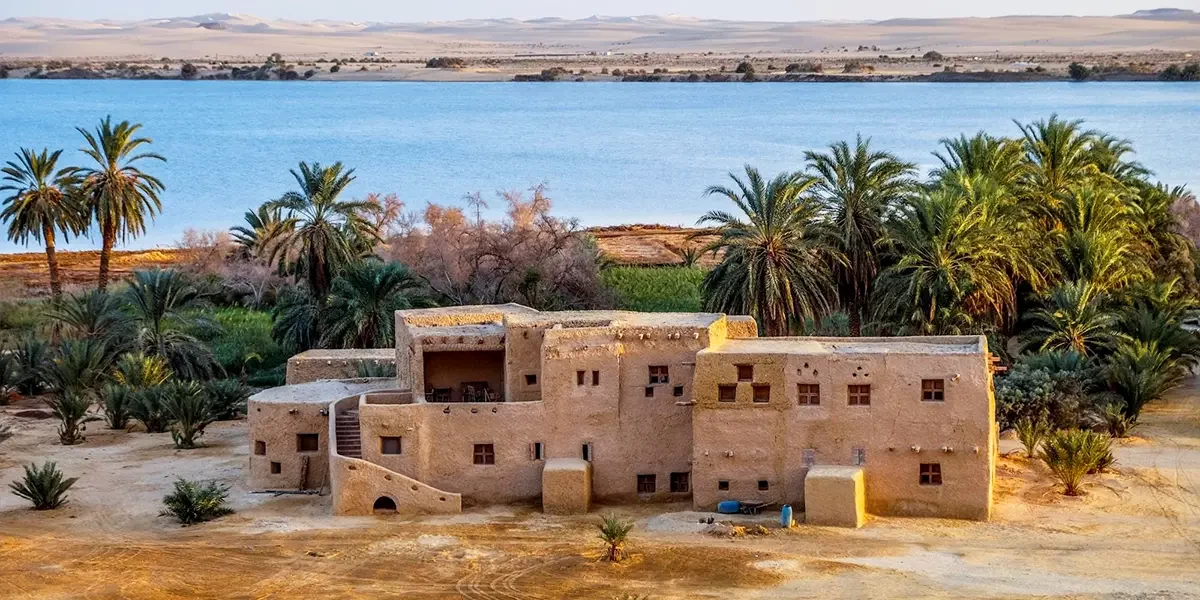
Siwa Oasis: A Journey into Egypt’s Desert Gem
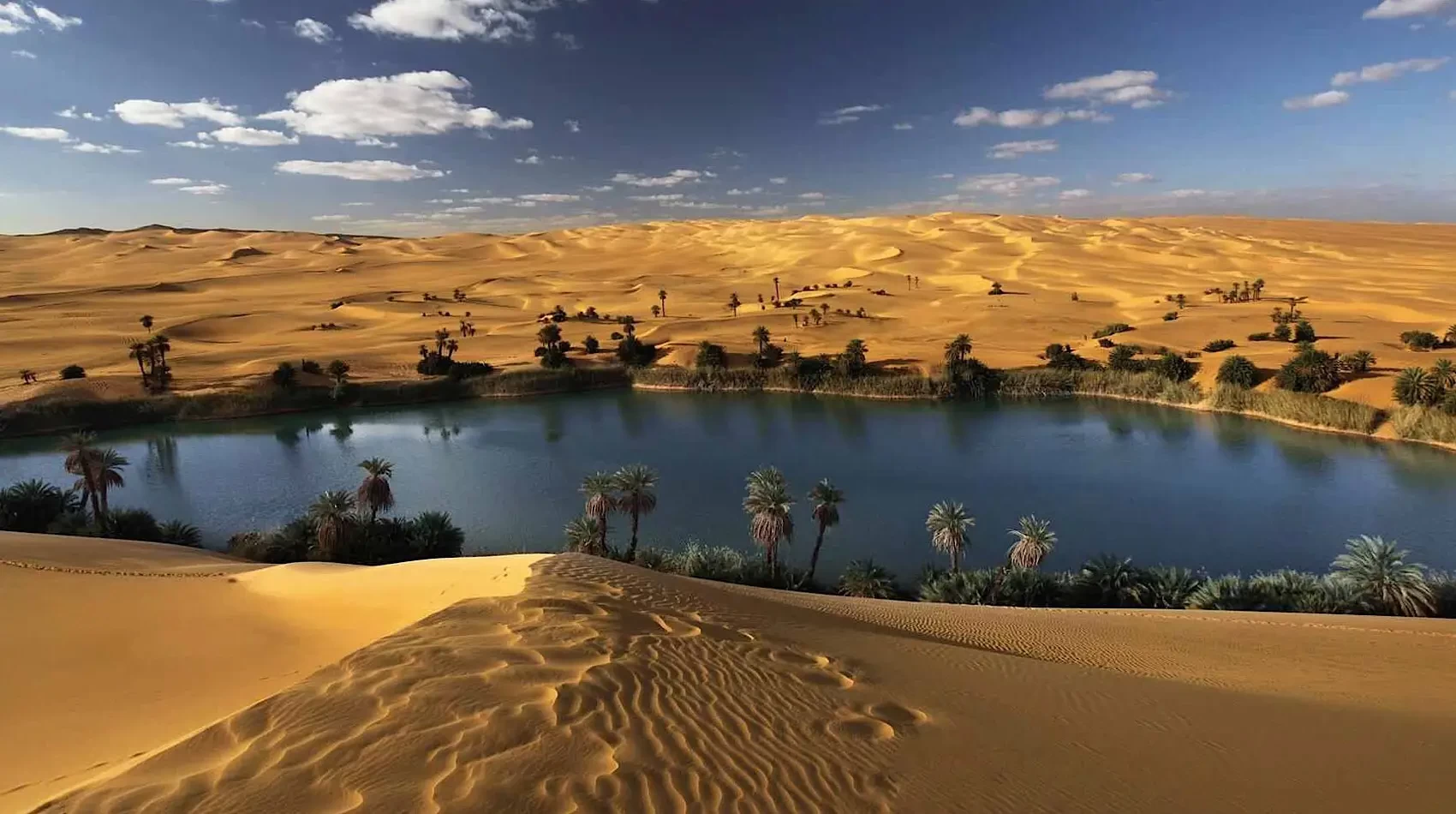
Imagine a place where endless golden sand dunes meet sparkling turquoise lakes, where palm trees sway in the desert breeze, and where time seems to slow down. Welcome to Siwa Oasis, one of Egypt’s most magical hidden treasures! Located in the heart of the Western Desert, Siwa is more than just an escape from everyday life; it is a world of breathtaking landscapes, ancient mysteries, and extraordinary traditions. From floating effortlessly in its famous salt lakes to exploring the mysterious Mountain of the Dead and experiencing the beauty of its traditional culture, every corner of Siwa has a story to tell. Get ready to discover a destination where adventure meets tranquility, history meets nature, and every moment feels like stepping into another world.
Whether you are planning Egypt tours with Day Tours Egypt or using this Siwa Oasis travel guide to shape your itinerary, Siwa brings together history, nature, culture and desert adventure.
Discover Siwa Oasis: Egypt’s Desert Retreat
Siwa Oasis lies far from Egypt’s busiest tourist centers. The journey through the Western Desert crosses broad sandy landscapes before reaching an oasis known for thousands of palms, olive groves, freshwater springs, salt lakes and traditional mud-brick buildings. Its remoteness helps shape the experience.
The Siwan community maintains a distinctive identity through its traditions, crafts, architecture, food and customs. Walking through narrow streets, browsing local markets and trying traditional dishes offers a closer look at life in the oasis and the connection between its culture and landscape.
Green palm groves contrast with the desert, while blue salt lakes stand out against golden sand. These landscapes appeal to travelers seeking a different side of Egypt beyond the pyramids, major temples and Red Sea resorts.
Siwa rewards a slower visit. Its atmosphere and local culture matter as much as individual attractions, so leave time to absorb the surroundings. The Egypt Deserts Travel Guide offers further information about desert landscapes, experiences and destinations around Siwa.
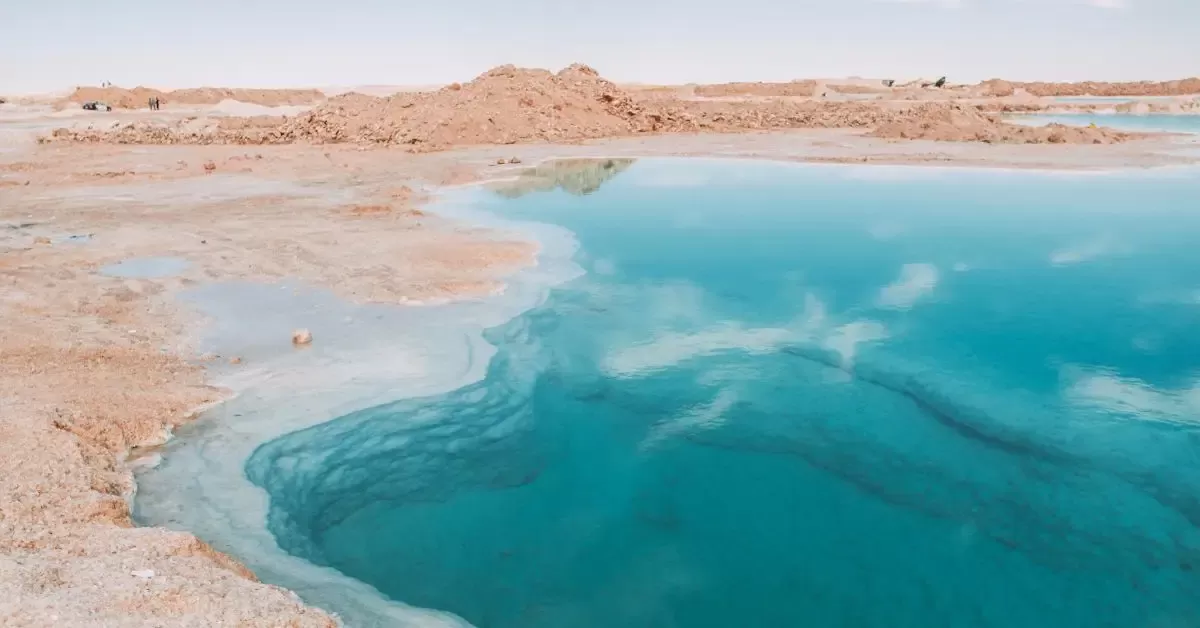
Best Things to Do in Siwa Oasis: History, Springs & Salt Lakes
Siwa Oasis brings together ancient history, natural springs, salt lakes and peaceful desert landscapes. These landmarks provide a varied introduction to the oasis.
Shali Fortress
Rising above Siwa’s old town, Shali Fortress is one of its most recognizable landmarks. Its remains introduce traditional Siwan architecture, built largely from a local mixture of mud, salt and other natural materials. The buildings blend with the surrounding desert and make a useful starting point for exploring the oasis’s history and cultural roots.
Temple of the Oracle
This ancient temple is associated with Amun, a major deity of ancient Egypt. Tradition connects it with Alexander the Great, who is believed to have traveled to Siwa to consult the oracle. The ruins offer views over the oasis and an insight into its long history, making the temple a valuable stop for visitors interested in ancient Egyptian civilization.
Cleopatra’s Spring and Natural Springs
Siwa is known for its natural springs, and Cleopatra’s Spring is among the most popular. Its palm-fringed setting offers a place to unwind. Other springs around the oasis have their own settings and character, so allow time to enjoy them rather than making only a brief sightseeing stop.
Siwa Salt Lakes
The salt lakes are among Siwa’s most distinctive sights. Turquoise and deep-blue water contrasts with white salt formations along the shores. High salinity increases buoyancy, but entering the water is appropriate only where bathing is permitted and local safety guidance, your health and swimming ability allow it. Together with the palms and desert scenery, these colors create a striking landscape. If bathing is suitable for you and local conditions permit, floating in an approved area may be part of the visit; enjoying the scenery from shore is another option.
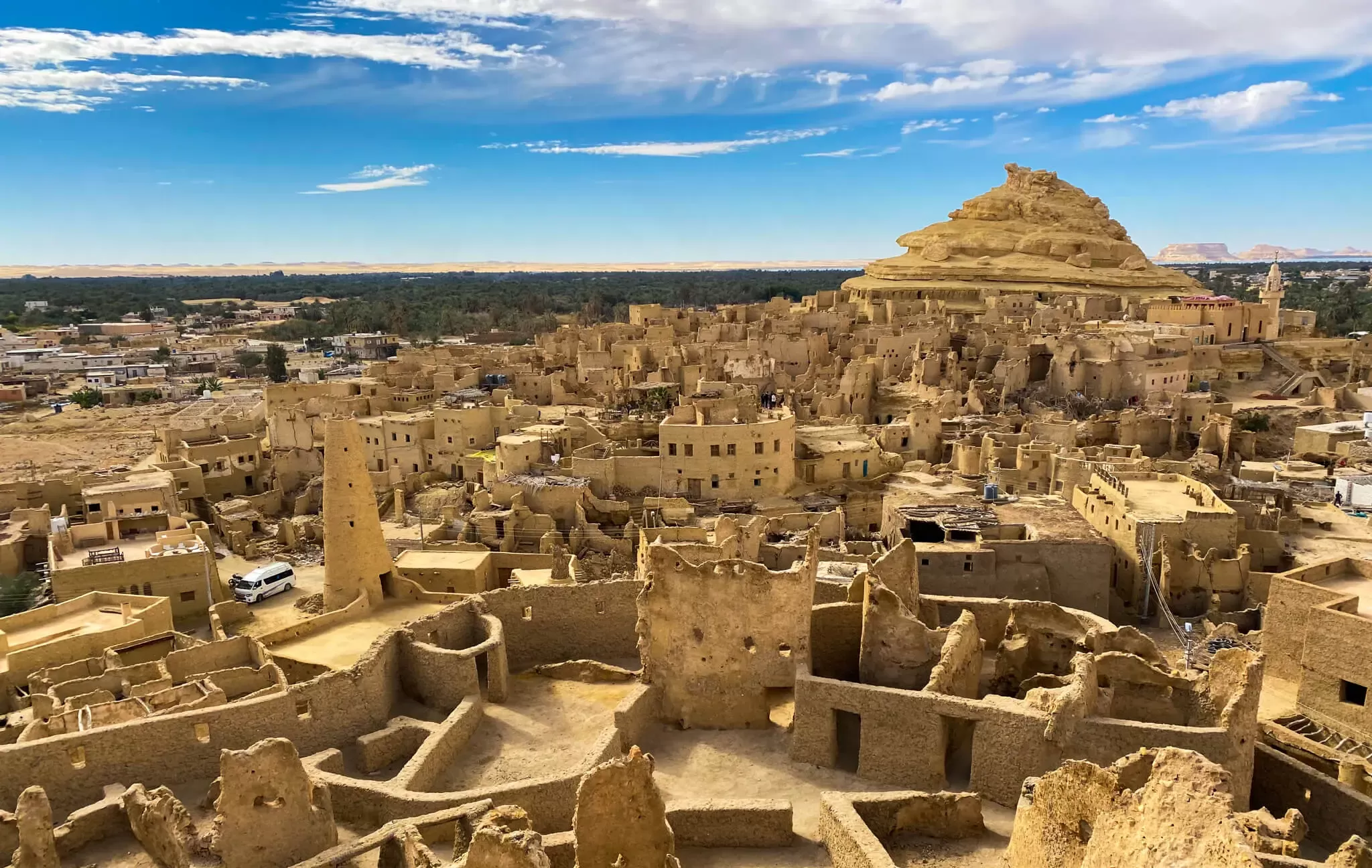
Salt-lake bathing is not suitable for everyone. Use only areas approved for visitors and follow local guidance and any supervision requirements. High salinity does not remove the risk of drowning: avoid putting your face underwater or swallowing the water, protect your eyes, and do not rely on buoyancy in place of swimming ability. Salt can irritate cuts and sensitive skin. Consider your health and ability, avoid unsafe edges, and leave the water if you feel unwell.
Ask us about this
Siwa Is Calling! Have You Planned Your Escape Yet? Turquoise salt lakes, ancient landmarks and peaceful palm gardens are waiting to be explored. Don't just read about Siwa's beauty – experience it yourself! Contact us and let us help you arrange your Siwa getaway.
Chat on WhatsAppSiwa Desert: Safaris & Sandboarding
The Great Sand Sea extends beyond Siwa Oasis in broad dunes reaching toward the horizon. A 4x4 desert safari offers a way to explore this remote landscape and is a highlight of many visits.
Sandboarding brings you close to the golden dunes. Similar to snowboarding, it involves sliding down soft sand. Prior experience is not always necessary, although climbing back up can be more demanding than the descent.
A desert safari can include stops at remote salt lakes and natural sites. Local guides familiar with the terrain can lead visitors to places for swimming, relaxation and photographs.
Sunset is a highlight of the Siwa desert, as the dunes take on gold, orange and pink tones. Many excursions are timed around sunset before returning toward camp.
An evening at a desert camp offers traditional food, tea, music and a star-filled sky. Desert camps and peaceful nights are part of Siwa’s appeal alongside its daytime attractions.
Siwan culture, food & traditional experiences
A trip to Siwa is also an opportunity to discover a culture shaped over centuries away from Egypt’s major cities. Meeting residents and learning about traditional life adds depth to the journey.
Siwan crafts provide income and preserve cultural knowledge. Local shops and markets sell handmade textiles, woven baskets, jewelry, pottery and other locally made items. Buying directly from artisans supports the community and gives visitors a keepsake connected to the oasis.
Local meals often use dates, olives, vegetables, herbs and other products of oasis agriculture. Fresh dates and olive products are especially characteristic, reflecting generations of palm and olive cultivation.
Explore the palm groves on foot or by bicycle. Small tracks between palms and gardens offer quiet moments and a green contrast to the surrounding desert.
Together, these landscapes and traditions make Siwa rewarding for travelers seeking to understand local life as well as visit its attractions.
Siwa Trip: Best Time, Transport & Tips
Plan ahead for Siwa’s remote location. The oasis is far from Cairo and Egypt’s major coastal destinations, so allow enough travel time.
Cooler months are usually more comfortable for exploring Siwa, especially for desert activities. Daytime temperatures can be pleasant then, while summer heat can be intense. In warmer months, plan outdoor activities carefully and drink plenty of water.
Allow several days if possible. Although one day can cover a few major sights, a longer stay provides time for ancient sites, salt lakes, natural springs, a Desert Safari, local markets and quiet moments in the oasis. This guide recommends 3–4 days rather than a brief stop.
Pack comfortable clothing, proper walking shoes and sun protection, and carry plenty of drinking water. On desert excursions, follow your guide’s instructions and stay with the group in this vast, remote environment.
Siwa takes more effort to reach than some better-known Egyptian destinations, but its distance is part of its character. It offers a distinctive combination of natural landscapes and cultural heritage for a wider Egypt itinerary.
Ask us about this
Chase the Sunset Across the Great Sand Sea! Ready for an adventure beyond the ordinary? Picture yourself racing across golden dunes in a 4x4, trying sandboarding and watching the sunset paint the desert sky. Book your Desert Adventure
Chat on WhatsApp




 More traveler reviews