
 FR
 IT


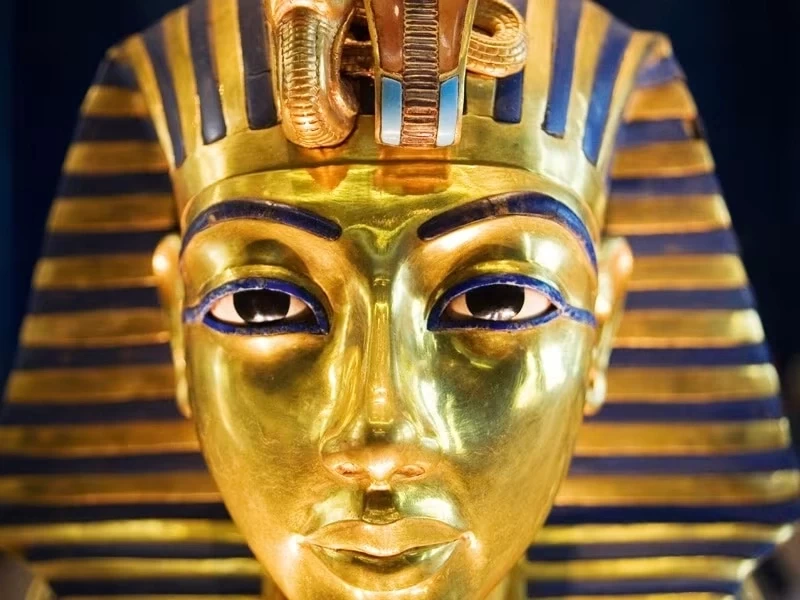
Cairo’s Most Fascinating Ancient Egyptian Treasures
Cairo and its nearby archaeological sites offer many ways to explore ancient Egyptian civilisation. Statues, sarcophagi, jewellery, papyri, mummies and religious objects reveal how people lived, worshipped and represented their rulers.
From the Pyramids of Giza and Saqqara to Cairo’s museum collections, monuments and smaller objects tell different parts of Egypt’s story. Together, they offer a fuller picture of ancient art, beliefs and daily life.
Royal Statues and Pharaohs
Royal statues are among ancient Egypt’s most recognisable works of art. They expressed a ruler’s authority and could also serve religious and funerary purposes.
Representations of Khufu, Khafre and Menkaure connect museum collections with the pyramids built during their reigns at Giza. Statues of rulers from other periods reveal how royal imagery changed over time.
Look closely at the crowns, clothing, poses and inscriptions: these details can help identify the ruler and explain the statue’s purpose.
The Great Sphinx and Ancient Stonework
Egyptian antiquities are not limited to objects in museum cases. The archaeological sites near Cairo also preserve monumental sculptures, temple remains and inscriptions.
The Great Sphinx at Giza is one of the best-known examples. Carved in limestone, it combines a lion’s body with a human head.
These large-scale works reveal the skill of ancient Egyptian sculptors and builders, complementing the smaller objects displayed in museums.
Ancient Egyptian Sarcophagi
Sarcophagi and coffins reveal ancient Egyptian beliefs about death and the afterlife. Their decoration may include religious scenes, inscriptions and protective symbols.
Materials and styles changed over time. Stone sarcophagi and painted wooden coffins show different approaches to protecting the body and preparing the deceased for the next world.
Museum displays in Cairo and tomb visits at Saqqara offer complementary ways to understand these burial traditions.
Mummies and Ancient Burial Objects
Mummification was closely connected to beliefs about the afterlife and the importance of preserving the body. Funerary objects such as figurines, amulets and canopic jars help explain these beliefs.
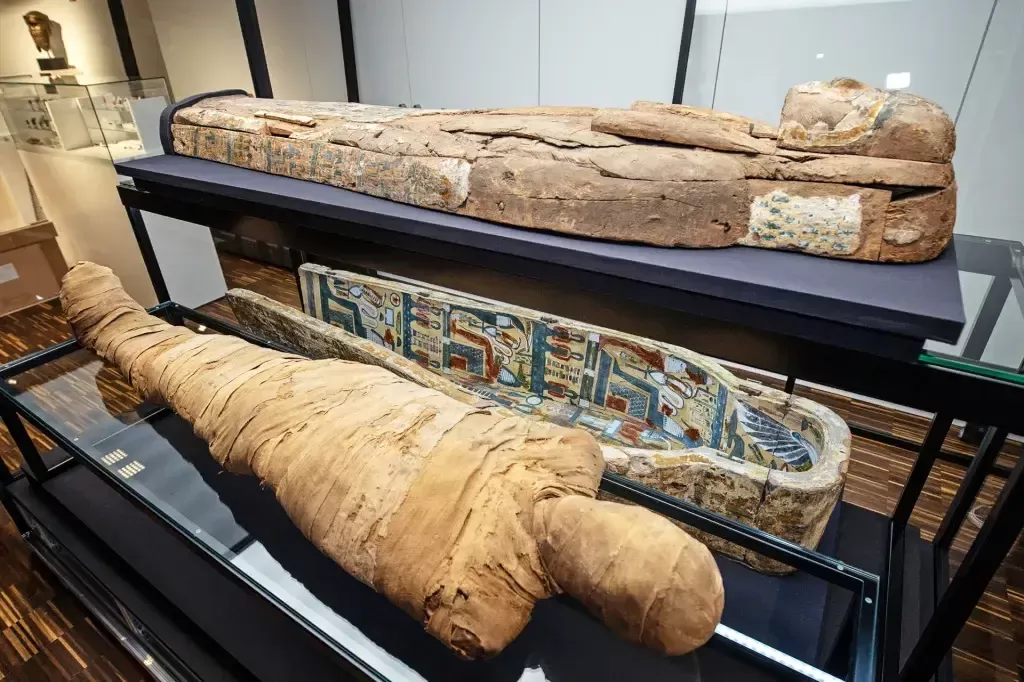
The National Museum of Egyptian Civilization in Fustat houses the Royal Mummies Gallery. Other archaeological collections in Cairo also preserve objects that illuminate ancient burial practices.
Treasures from Saqqara and Memphis
Saqqara and Memphis are two important archaeological sites near Cairo. Saqqara served as a necropolis for ancient Memphis and contains monuments and tombs from several periods.
Saqqara is known for its famous Step Pyramid of Djoser, but there have also been found many statues, coffins, inscriptions, and other funeral artifacts in the surrounding areas.
Memphis is the ancient capital of Egypt, and here people can observe some monument remnants and sculptures, such as the gigantic limestone sculpture of Ramesses II.
Ancient Egyptian Artefacts and Cairo's Historic Sites
Visiting archaeological sites alongside museums helps place ancient objects in context. At Giza, you can explore monumental architecture; at Saqqara, you can trace the development of pyramids and burial practices.
Cairo’s museums add detail through jewellery, sculpture and religious objects. Combining these visits gives a richer understanding of ancient Egyptian culture.
You can plan these visits with Day Tours Egypt.
Ancient Egyptian Artefacts to Look Out For
Alongside the famous monuments, make time for smaller objects such as scarabs, cosmetic containers, tools and amulets. They reveal details of daily life that monumental buildings cannot always convey.
Large statues, sarcophagi and architectural remains tell a complementary story about royal power, religious beliefs and craftsmanship.
Cairo day tours can combine museum collections with visits to archaeological and historic sites.





 More travele reviews