Egyptian Museum Cairo: Top Highlights
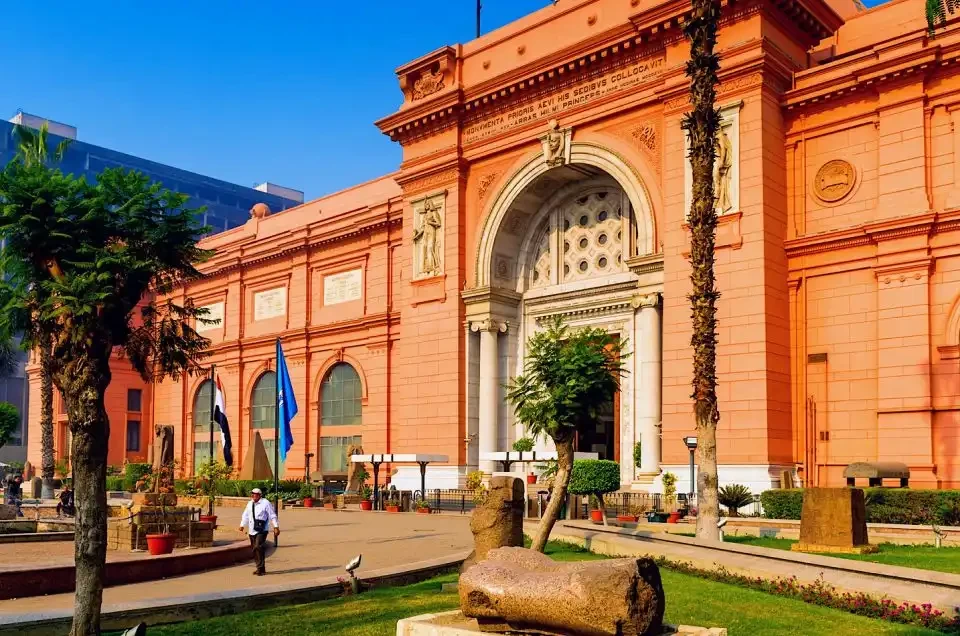
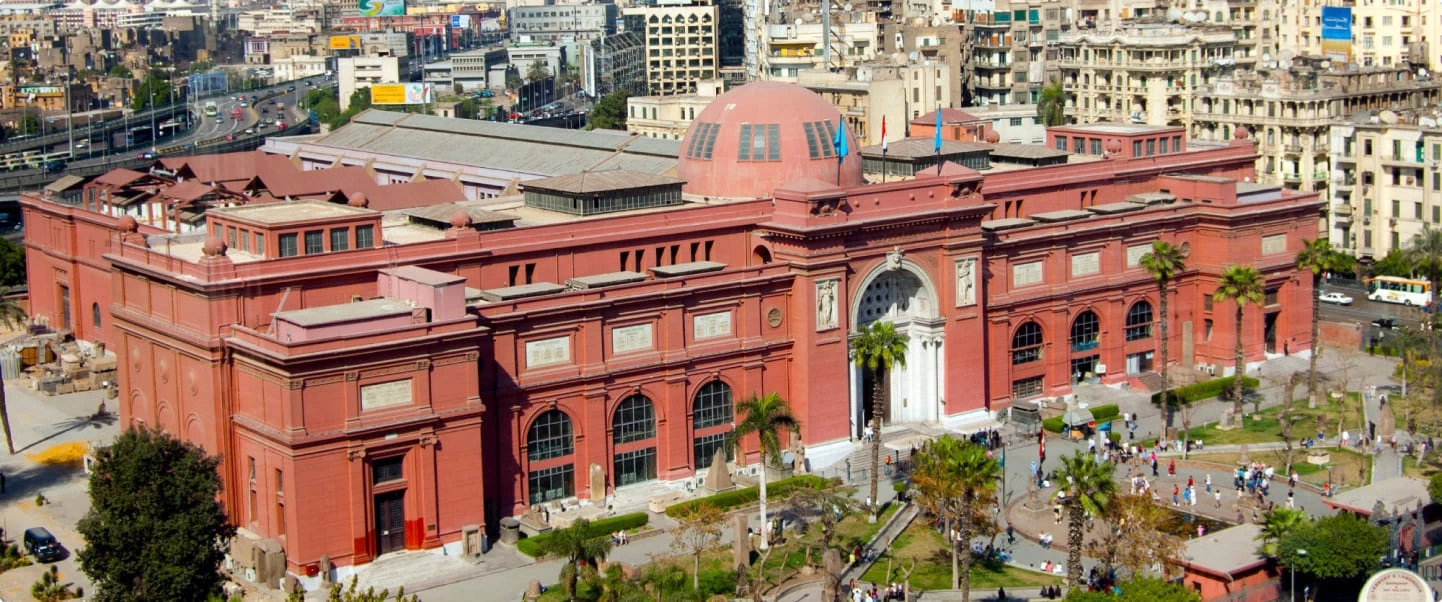
One of the world's greatest museums containing ancient Egyptian relics is the Egyptian Museum in Cairo. The museum located in Tahrir Square has a vast collection dating back thousands of years ago from the time of the Predynastic Period up to the Greco-Roman period.
There are many exhibits in the museum because there are over 100 display rooms. Some of the most famous exhibits include the Narmer Palette, ancient royal statues, exquisite jewelry, papyri, sarcophagi, and treasures buried in the tombs of kings. The Egyptian Museum can conveniently be incorporated into the Day Tours Egypt, especially for tourists that will be visiting the center of Cairo. The proximity of the museum to the Tahrir Square allows one to integrate it with other attractions.
Narmer Palette
Among the many objects you will have to search for, the most notable should be the Narmer Palette. This historical artifact is associated with the unification of Upper and Lower Egypt. It is one of the most valuable artifacts at the museum and gives insight into kingship in Egypt.
The scenes carved on the palette reveal the king in varied forms and make it a fascinating piece to look out for when visiting the museum.
Statues of Khufu, Khafre and Menkaure
There are also statues belonging to the three major kings that built the pyramids, namely, Khufu, Khafre, and Menkaure. The three kings have a direct link to the pyramids of Giza, which makes their presence at the Egyptian Museum very important.
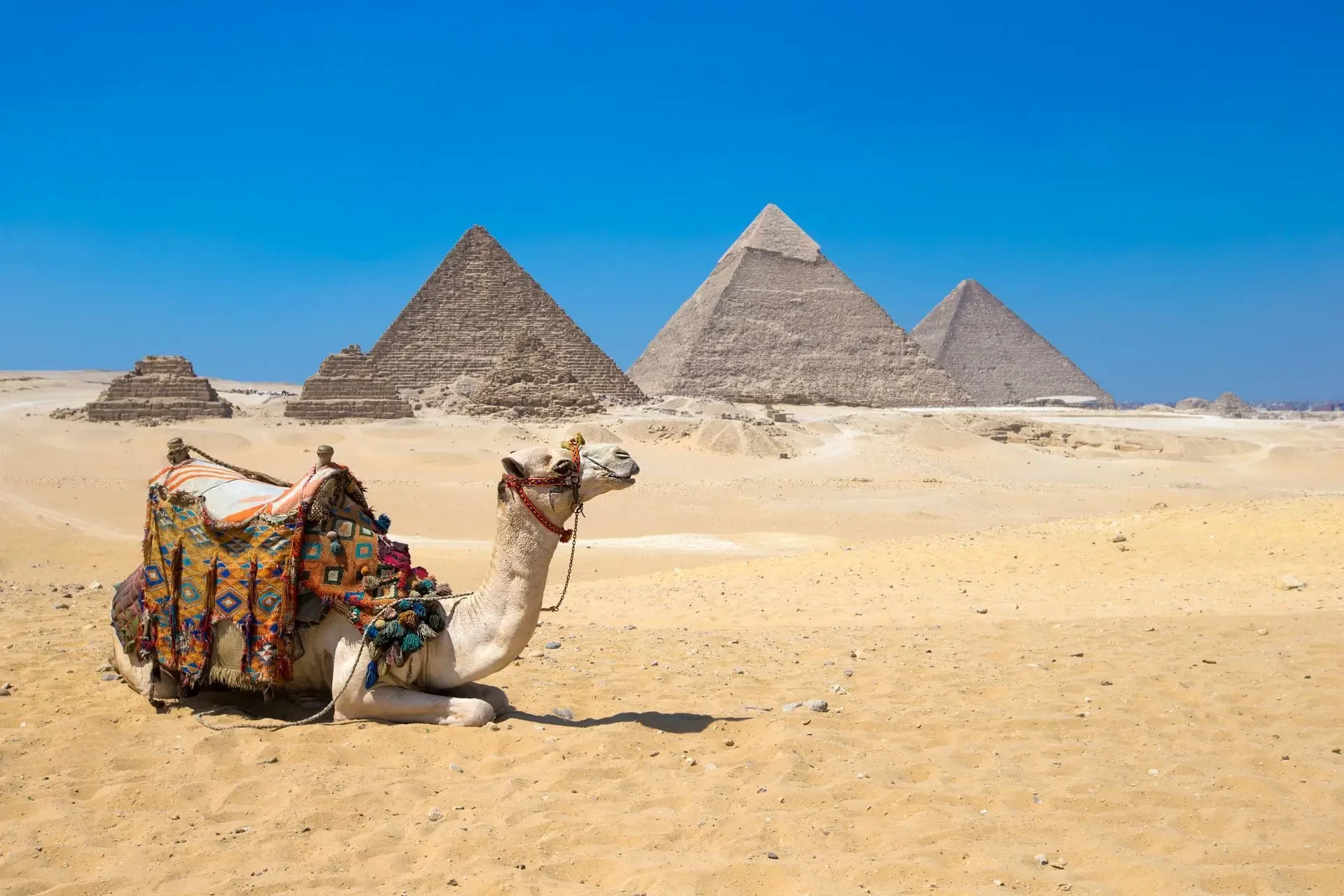
By seeing the images of the kings within the museum, you can get a more meaningful experience when visiting the pyramids of Giza because you will know the people behind the construction of the structures. Following the museum tour, the visitors can move onto the pyramids of Giza, the Great Sphinx, and other ancient sites in Giza. Viewing the statues of the builders of the pyramids can provide some background before visiting these historic sites.
Treasures of Tanis
The other attraction at the museum includes the treasure of Tanis which is an ancient city located in the Nile delta. These treasures include royal funerary objects and objects that showcase how skilled the ancient Egyptians were when it comes to craft making.
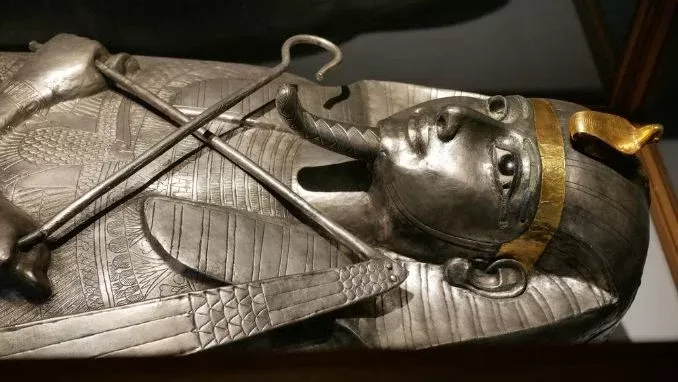
The treasure of Tanis will definitely be of great interest to anyone fond of ancient jewellery.
The Burials of Yuya and Thuya
Yuya and Thuya’s burials are on display at the Egyptian Museum. The items used in the burial process offer us a fascinating glimpse into the lives of the wealthy and powerful people of ancient Egypt.
Items related to their burial process are on display here and visitors have the chance to learn about the representation of wealth and power during ancient Egypt’s burial practices.
Papyri and Ancient Egyptian Writing
The museum houses a large number of papyri, and thus one gets an opportunity to view the writing and documentation that was done by ancient Egyptians.
These papyrus documents are not only ancient but also provide information to the historians about religion, administration, literature and daily life of the ancient Egyptians. A visit to the museum will be useful for those who would like to visit other sites such as Coptic Cairo, The Citadel of Cairo, and Khan El Khalili Bazaar. These places represent various periods in the history of the city.
Sarcophagi and Funerary Objects
Another important category in the Egyptian Museum is that of sarcophagi. The inscriptions, decorations, and designs in sarcophagi give us an idea of how ancient Egyptians perceived death and the concept of afterlife.
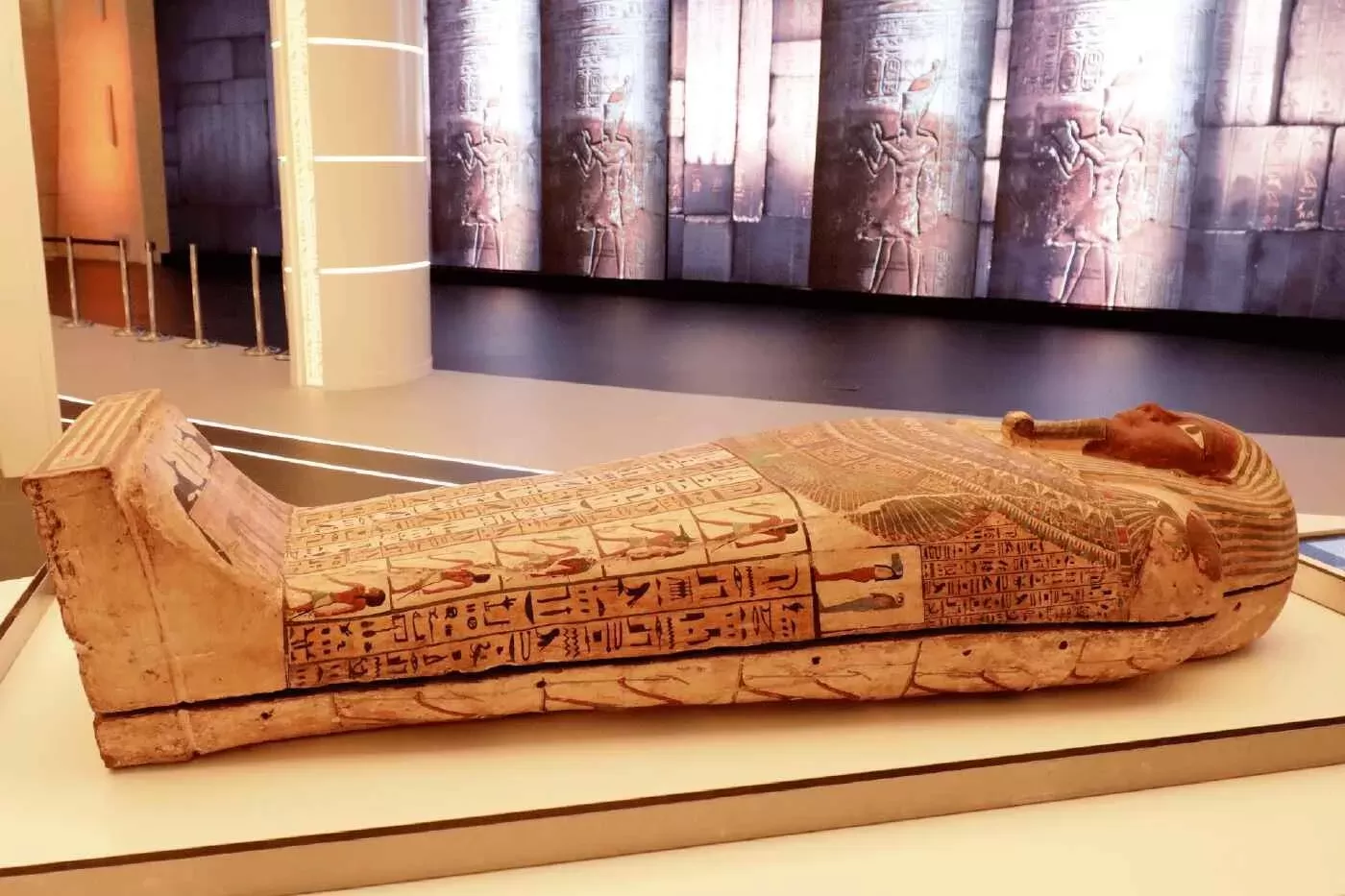
As you walk through the halls of the museum, you can observe a number of coffins from different eras of Egyptian history.
Ancient Egyptian Jewellery
Another area where the museum has a broad collection is ancient Egyptian jewelry. Gold, gemstones, and ornaments show how talented the Egyptians were in the field of jewelry making and what place jewelry had in their lives.
Pay attention to all the small details of the jewelry such as necklaces, bracelets, rings, and other ornaments to understand how ancient people made jewelry.
Statues and Royal Portraits
Apart from the renowned royal sculptures, the museum is home to many other sculptures featuring pharaohs, queens, officials, and deities. The sculptures offer us an opportunity to compare the art of various periods.
Notice the positions, clothing, headgear, and other elements featured on the sculptures, as these elements usually help identify the depicted person.
For those intending to sightsee for an entire day, there is the option of Cairo day tours in which the Egyptian Museum can be incorporated with other sites of interest. You will have the chance of visiting the Egyptian antiquities as well as enjoying the heritage of Cairo.
-webp.webp "Egyptian Museum, NMEC & Abdeen Museum Tour from Sharm")
-webp.webp "Tahrir Evening Tour")