Cairo’s Royal Mummies: A Visitor’s Guide
Do you know where you can view the Royal Mummies in Cairo? The most appropriate place to see the Royal Mummies is in Fustat, in the National Museum of Egyptian Civilization (NMEC), a new section which displays the Royal Mummies Gallery. Within these premises there are Mummies of very famous Pharaohs like Hatshepsut, Thutmose III, Seti I and Ramesses II. Here you will learn more about the process of mummification in ancient Egypt, royal rituals and the afterlife. For more ideas and information about visiting the capital, see our Cairo Travel Guide.
Where Can You See the Royal Mummies in Cairo?
The exhibition of the Royal Mummies is hosted in the National Museum of Egyptian Civilization (NMEC), which is located in Fustat, Cairo. This museum has become a new shelter for the royal mummies since their relocation from the Egyptian Museum in Tahrir Square in 2021 due to the famous parade of the Pharaohs.
The Royal Mummies Gallery has been organized in a way that recreates the atmosphere associated with the Valley of the Kings, which was the burial place for most of these ancient kings.
What Is Inside the Royal Mummies Gallery?
This gallery has 20 royal mummies, which comprise 18 kings and 2 queens ranging from the 17th Dynasty through the 20th Dynasty. Some of the most significant rulers in Egypt are represented in this gallery, especially those from the era of the New Kingdom.
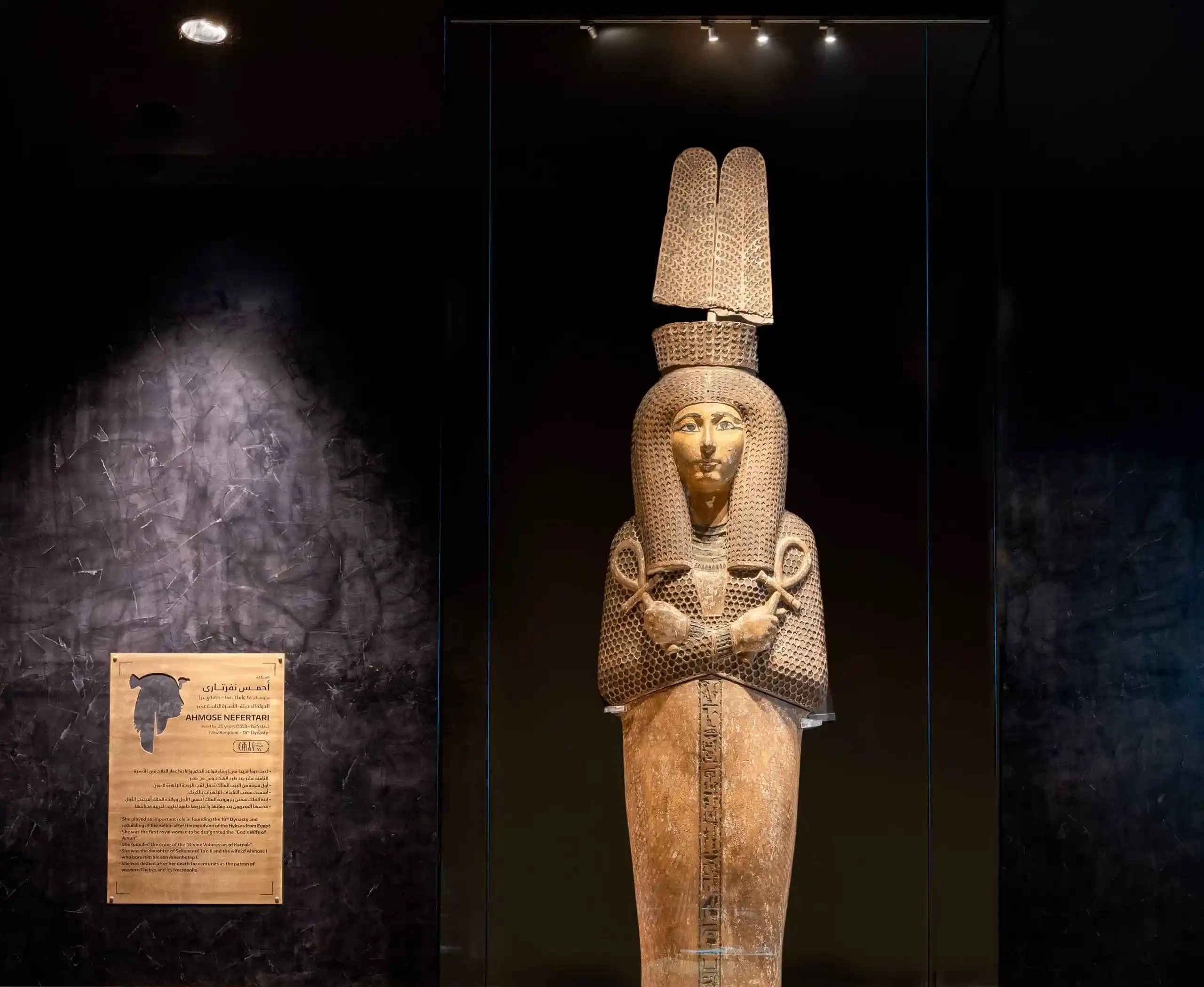
Apart from the mummies, this gallery also gives visitors information about how ancient Egyptians dealt with deaths and funeral rites and what they believed about life after death. In addition to that, visitors are also able to see funerary artifacts associated with the rulers such as the royal coffins.
The way in which the gallery is displayed gives visitors an explanation on how the ancient Egyptians preserved their rulers' bodies.
Famous Royal Mummies to See
Among the most famous mummies on display are Queen Hatshepsut, Thutmose III, Seqenenre Taa II, Seti I and Ramesses II. They all played crucial roles in various epochs of Egyptian history, and thus their mummies are especially interesting for visitors curious about Egypt’s ancient past and its pharaohs.
There are also the mummies of Amenhotep I, Thutmose I, Thutmose II, Amenhotep II, Amenhotep III, Ramesses III, Ramesses IV, Ramesses V and Ramesses VI and many other kings. All of these pharaohs are related to different epochs of Egypt’s royal history, ranging from military kings and queens to kings that erected many remarkable monuments throughout Egypt.
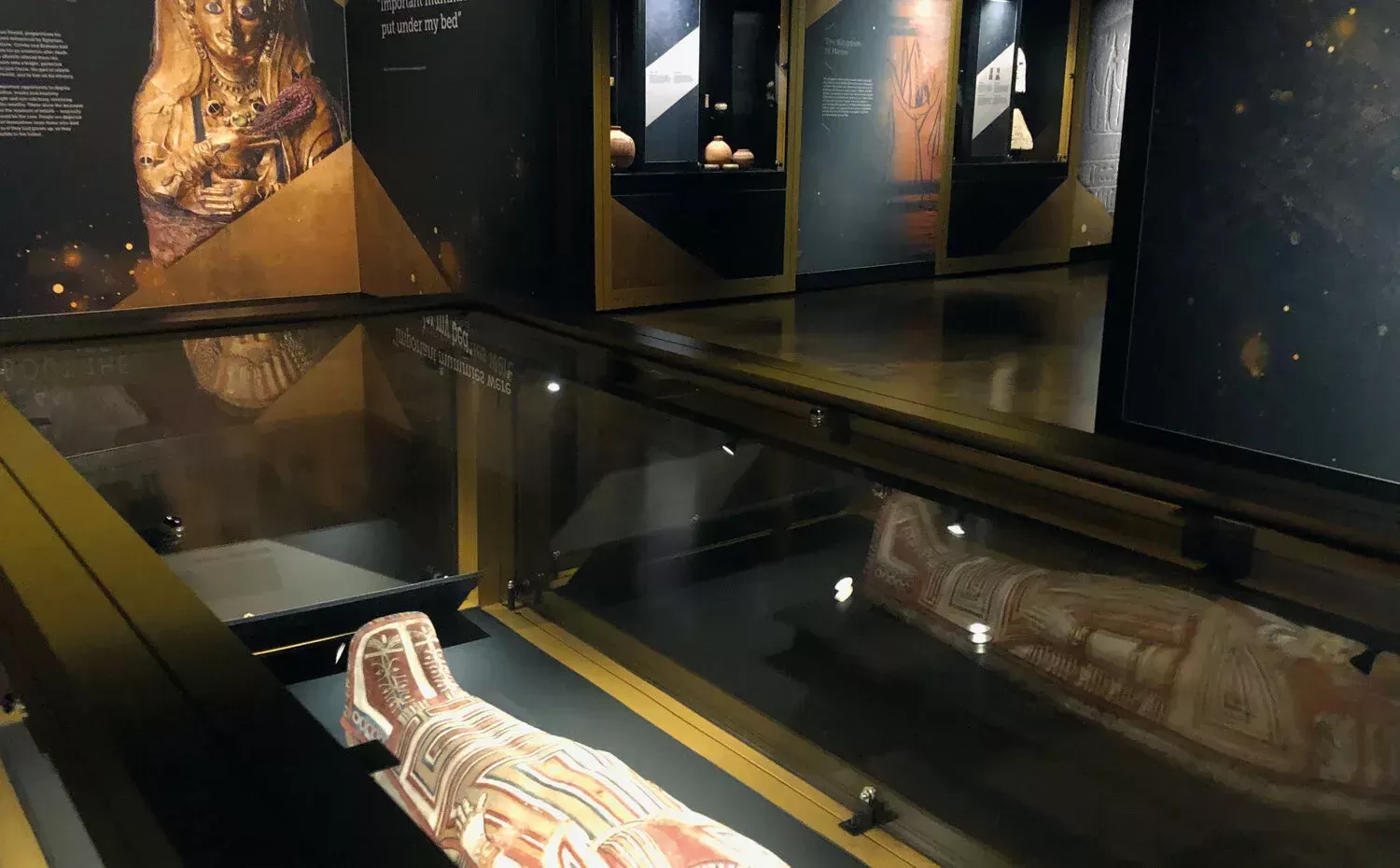
So the whole collection gives not just a chance to see the mummies. The visitor gets an opportunity to see several generations of Egyptian kings in one beautifully arranged gallery.
Why Were Egyptian Kings Mummified?
Mummification had a lot to do with death and religion among the ancient Egyptians. The Egyptians thought that it was necessary to preserve the body for the person's existence after death.
This makes mummification of the kings and pharaohs very special since pharaohs are both religious and political personalities. This is why their tombs contain items that are supposed to help them in the afterworld and preserving their bodies was one way to link them to the afterlife.
Therefore, the royal mummies not only allow us to view the bodies of people from long ago but also help us understand their religious practices and beliefs about life after death.
Visiting the Royal Mummies in Cairo
The National Museum of Egyptian Civilization is situated in Fustat, Cairo, next to Ain El-Sira. This museum is among the most popular cultural sites in which tourists are able to explore various features of the Egyptian civilisation along with the Royal Mummies Gallery.
In fact, the museum is currently open daily; however, opening hours and ticket details can vary, and it is recommended to verify the official information about the museum beforehand. It is also possible to combine the tour of the Royal Mummies Gallery with cairo day tours that include other historic attractions in the city. It is also possible to combine the tour of the Royal Mummies Gallery with tours of other collections representing the development of Egyptian civilisation starting from the prehistory up until modern times.
Thus, the National Museum of Egyptian Civilization will make a great place for those who are interested in Egypt's past, especially for travellers who would like to meet some of the most famous pharaohs personally.