-webp.webp "unfinished obelisk")
Unfinished Obelisk in Aswan: Ancient Egyptian Wonder
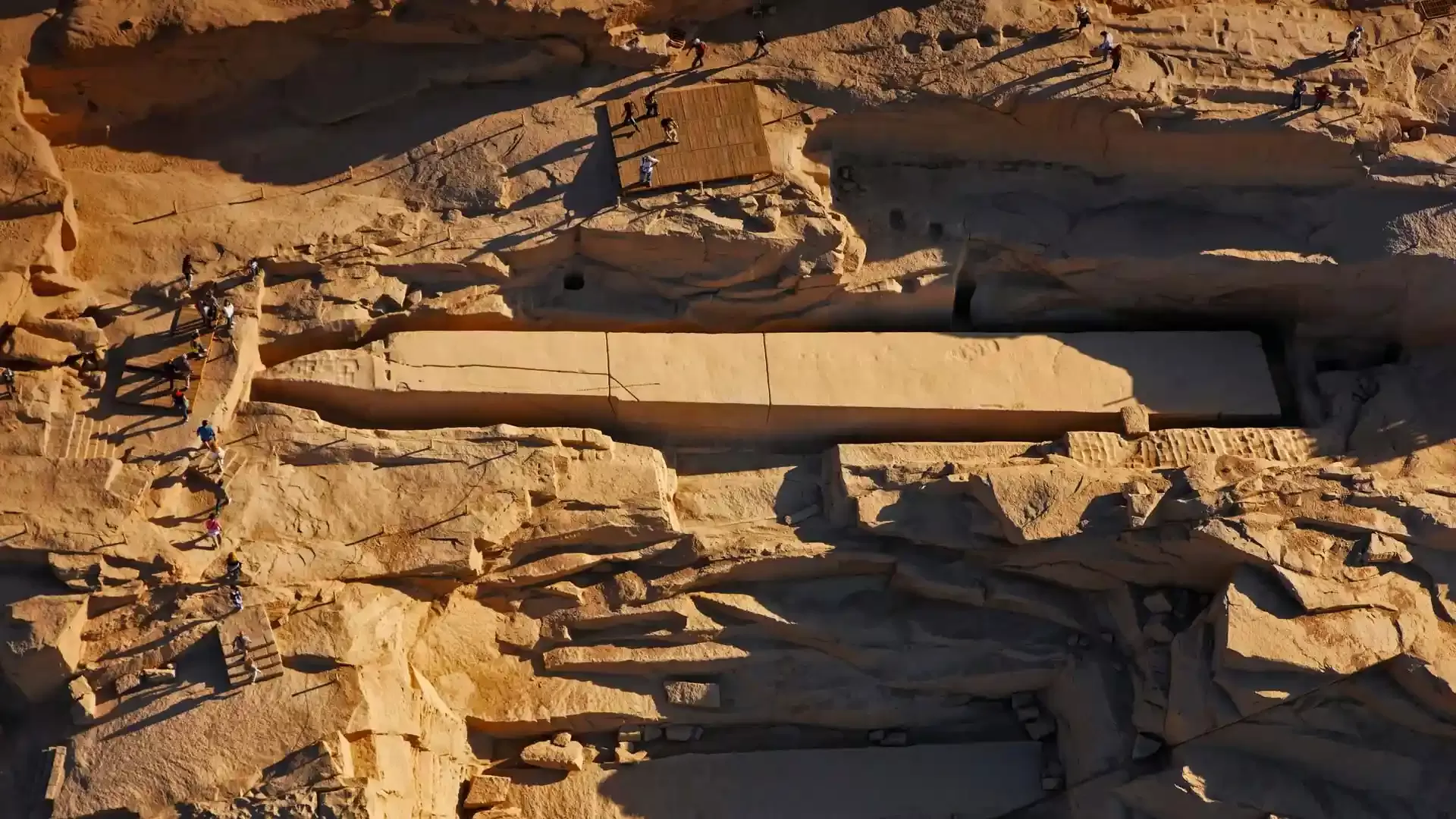
The Unfinished Obelisk in Aswan is one of the most fascinating ancient Egyptian monuments and, honestly, a remarkable showing of how ancient craftsmen worked their skills. Located in the ancient granite quarries of Aswan, this enormous monument gives visitors a rare chance to see, up close, how obelisks were shaped straight from the bedrock itself. And no, it’s not like the usual monuments you only view after they are finished.
Unlike most ancient Egyptian monuments, this obelisk was never completed, and it also never got moved out of its own place. So the unfinished state makes the whole site especially meaningful because people can still spot the marks and the small methods used by those early workers. You can kind of sense the process as you walk around, which is rare.
For travelers planning Aswan day tours, visiting the Unfinished Obelisk counts as one of the best ways to discover a different, maybe more practical side of ancient Egyptian history. It is also among the more interesting things to do in Aswan, especially for people who enjoy archaeology, architecture, and the kind of ancient engineering where everything was done by hand and careful planning.
Unfinished Obelisk in Aswan: History, Facts and Importance
The Unfinished Obelisk in Aswan is one of those sites people talk about with a lot of awe and also a little confusion. It goes back to the New Kingdom era, and it is often linked with Queen Hatshepsut, even though the whole story isn’t always told the same way. Carved from the famous pink granite from Aswan, it was supposed to be, frankly, one of the biggest obelisks Egypt had ever seen.
From what researchers say, it is around 42 meters in length. And if it had been fully completed, it would have been heavy in the hundreds of tons, which sounds unreal until you stand there. That scale basically shows the sheer ambition of the ancient rulers and the craftsmen, the kind of people who could plan something monument sized and then actually start building it.
The Aswan granite quarries mattered a great deal. The stone supply from that area fed a lot of projects across ancient Egypt. Granite was moved elsewhere, then used for things like temples , statues, columns, sarcophagi , and yes, obelisks too. So this one unfinished monument is connected to a whole system of stone making and moving.
One of the most interesting facts though is also the simplest, it was left behind after cracks appeared in the granite. Those fractures meant it was no longer safe or practical to finish the obelisk, so the workers simply abandoned it right there in the quarry.
Today the monument still feels dramatic, and it remains among the most impressive Aswan attractions. Visitors come for that rare chance to see, up close, how ancient Egyptians could shape enormous stone blocks into major stoneworks, even when plans didn’t go all the way.
Why Was the Unfinished Obelisk Never Completed?
The main reason the Unfinished Obelisk was never really completed was that they found large cracks in the granite, and well, once that happened, the whole plan kinda stopped. Ancient workers had already carved a solid amount of the monument when the imperfections became noticeable, more and more, as they went.
Since an obelisk had to be structurally sound before it could be transported and raised, continuing the work would have been super risky. Instead of trying to deal with the damaged section, or remove it in some careful way, the craftsmen just stopped and left the monument right there where it lay.
Honestly, this unfinished condition is exactly what makes the site so special today. Visitors can see the obelisk in the quarry in the same place it was left, and they can also observe the different stages of carving, almost like the project is paused in time.
The surrounding quarry also shows why Aswan mattered so much as a center of stone production in ancient times. The region’s high-quality granite was highly prized, and it played a key part in the construction of major monuments across ancient Egypt.
So when you add the visit to Aswan Day Tours, you get more than just the famous temples. You also get that practical side, the real craftsmanship behind ancient Egyptian construction, which is, in a way, the point.
How Was the Unfinished Obelisk Carved?
The Unfinished Obelisk at Aswan was carved right into the granite bedrock, not in a workshop elsewhere. Ancient workers first put down marks for the outline , and then they removed the stone bit by bit around it, until the overall form looked like what they wanted.
That granite was tough, like really tough, so it became a big obstacle, and it took a lot of know how, time, and manpower. The craftsmen relied on stone tools, plus a mix of other methods, to work the surface and shape that huge monument.
Even today, you can still spot traces of their work around the quarry. Those marks are like clues that tell you something real about how ancient Egyptians handled granite before they moved the finished blocks to the building locations.
So the Unfinished Obelisk quarry is more than just the place where an incomplete monument ended. It’s basically an open-air demonstration of ancient Egyptian engineering and their stone-working approach.
And if you’re looking for things to do in Aswan, walking through the quarry feels different than going from temple to temple or into museums. It also helps travelers grasp the sheer effort needed to create some of Egypt’s most well-known monuments.
How to Visit the Unfinished Obelisk in Aswan
You’ll find the Unfinished Obelisk in Aswan in the old granite quarry zones, down in the southern area of the city. Because it’s not that far from several other stops, people often just drop it into a bigger sightseeing plan, with very little fuss or timing chaos.
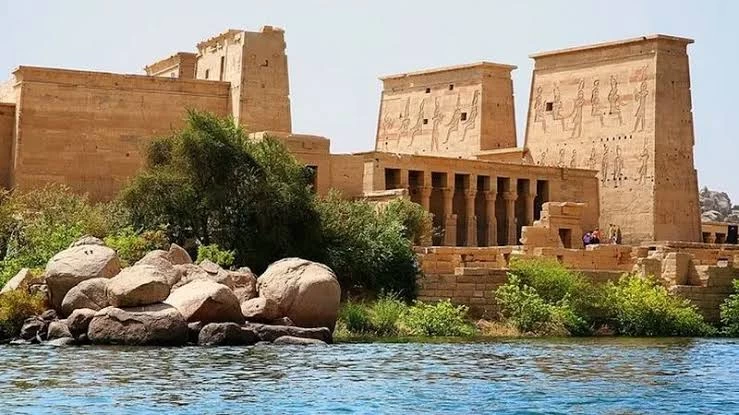
A lot of visitors pair the place with Philae Temple, the Aswan High Dam, and even the Nubian Village. If you bundle a few landmarks like that, Aswan Day Tours becomes a convenient choice, especially for travelers who have a limited window and still want to feel like they saw the “main chapters” of Aswan’s history and local culture.
This site is also great for history lovers, photography enthusiasts, and anyone curious about ancient Egyptian architectural work. While you walk around the quarry, you can look at that gigantic unfinished monument from different sides, and it’s kind of hard not to notice the sheer scale of it all.
When exploring Aswan attractions, the Unfinished Obelisk feels different from a finished temple or a fully completed monument. Instead of only witnessing the final piece, you get to watch the quarrying story, in a way, and you better understand how ancient Egyptians turned raw stone into monumental, lasting structures.
So, if you’re planning a trip to Southern Egypt, adding the Unfinished Obelisk in Aswan to your itinerary is a smart and memorable move. Together with other historical and cultural places, it’s a solid way through which Aswan Day Tours helps you uncover ancient heritage, engineering achievements, and the special personality of Aswan.
-webp.webp "Private Luxury Tour of Cairo Luxor and Aswan")