FR
 IT


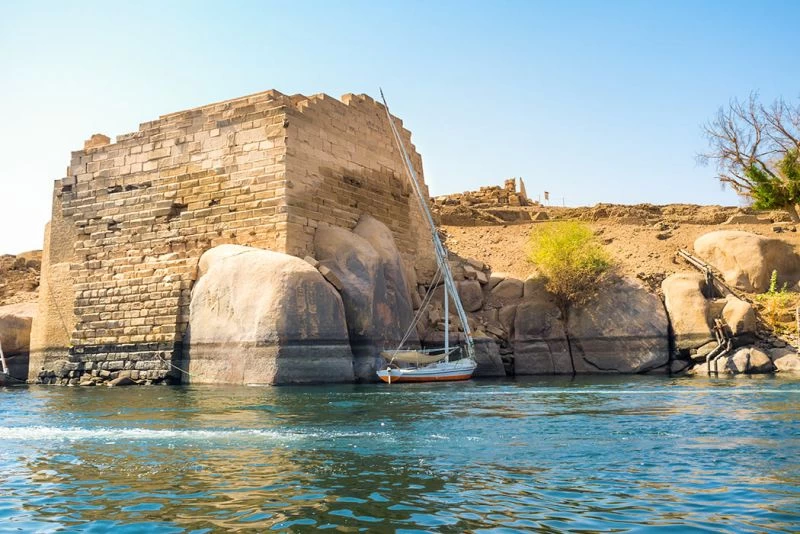
Elephantine Island, Aswan, is one of the oldest and most fascinating islands on the Nile, giving you this particular mix of history, archaeology, and local culture without it ever feeling staged. It sits directly across from Aswan City, and in the past it served as an important trading place, plus the southern gateway to ancient Egypt. Now, when you go there, you can wander through ancient temples, archaeological remnants, the well-known Nilometer, and also those lively Nubian villages, all while you watch the Nile roll by in calm, beautiful scenes. If your focus is ancient Egyptian history, or you are searching for unique things to do in Aswan, Elephantine Island becomes a memorable stop during an Aswan day tour. This guide goes over the island’s background, the best attractions, how you can reach it, and a few practical travel tips, so you can really get the most out of the day.
Why Is Elephantine Island Famous?
Elephantine Island has played an important role in Egyptian history for thousands of years. It served as both a military stronghold and a trading centre, where merchants exchanged gold, ivory, granite, and other valuable goods between Egypt and Africa. Many historians associate its name with the ivory trade or with granite outcrops resembling elephants.
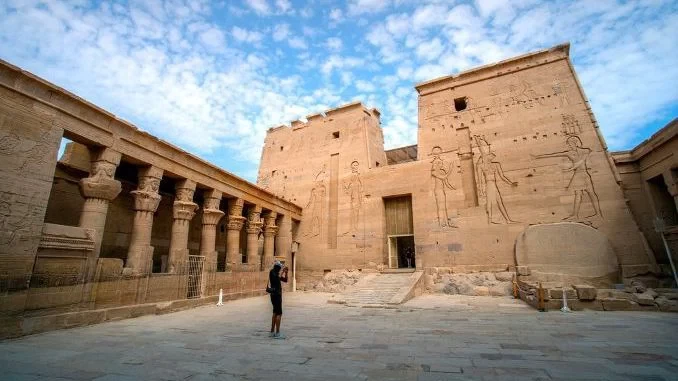
Among its ancient monuments are the remains of the Temple of Khnum, dedicated to the ram-headed creator deity, and one of the oldest nilometers used to estimate the annual Nile inundation. Further archaeological remains represent several periods of Egyptian history.
The island also offers a quieter setting away from the busy city, with gardens, traditional Nubian homes, and views of the Nile at Aswan.
Top Attractions on Elephantine Island
There are many exciting things to do in Aswan when you’re visiting Elephantine Island, Aswan. The island blends ancient memory with Nubian culture, and those scenic Nile views make it one of the top Aswan attractions overall. Here are the highlights you really should not miss at all:
Temple of Khnum
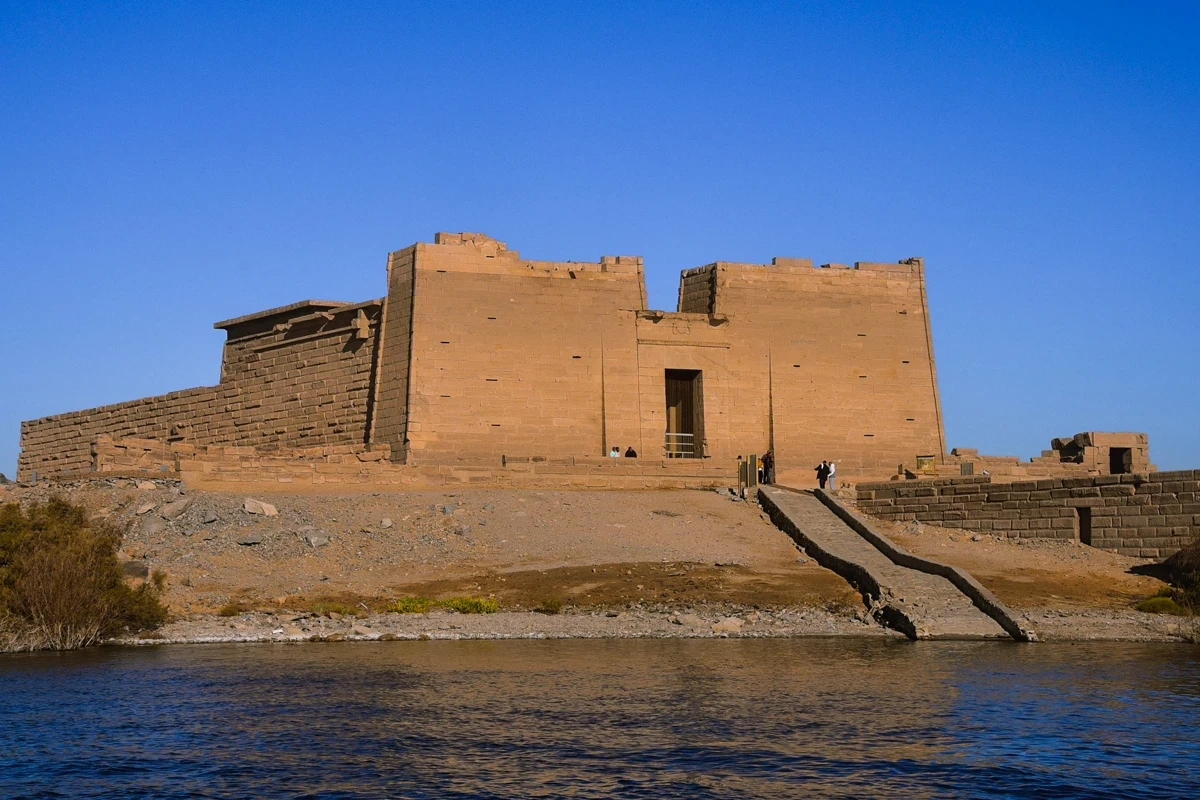
See the ancient Temple of Khnum; it is dedicated to the ram-headed deity who was believed to craft life and also safeguard the source of the Nile. This temple is one of the island’s most important archaeological landmarks. You can also get a fascinating look into ancient Egyptian religion in a quiet and close-up way.
The Ancient Nilometer
Discover the famous Nilometer, an old structure used to measure the Nile’s water levels. Those readings were used to foresee the harvests, calculate taxes, and coordinate farming routines, so it became one of the most notable engineering achievements from ancient Egypt.
Aswan Museum
Check out the Aswan Museum; you can spot statues, pottery, tools, inscriptions, and other archaeological discoveries that were found on Elephantine Island in Aswan. The place gives a useful understanding of the island’s long journey and its significance in ancient Egypt, really.
Traditional Nubian Villages
Stroll through the island’s calm Nubian villages, and try to feel authentic local life. Bright houses, welcoming neighbors, handmade crafts, and traditional cafés—they all feel special, in a genuine way.
Beautiful Nile Views
The island is wrapped by stunning views of the Nile, so it makes a fine spot for photography and rest. Sunrise and sunset are the best moments to photograph unforgettable scenes of the river and the nearby landscape.
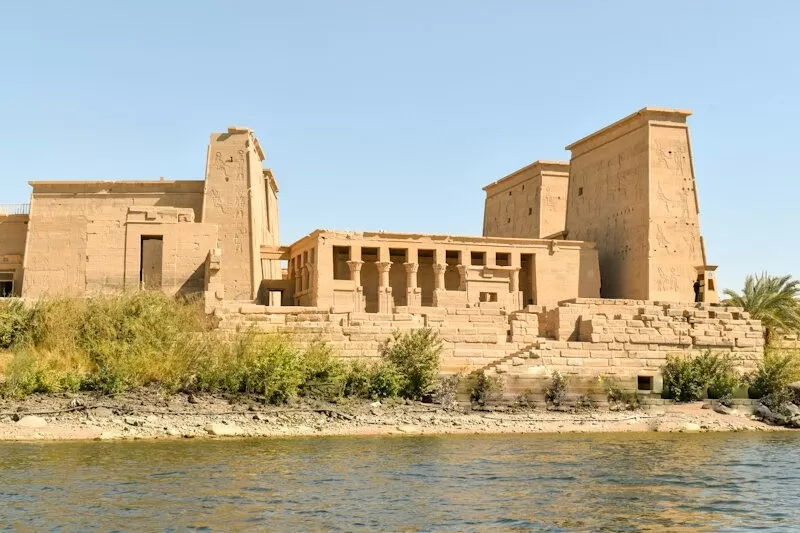
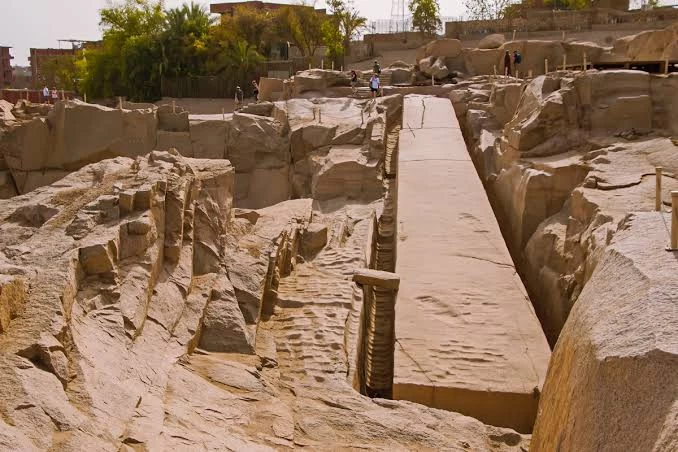
Many travelers add Elephantine Island in Aswan to an Aswan day tour so they can include nearby sights like Philae Temple, the Botanical Garden, and the Unfinished Obelisk all together for a complete sightseeing experience.
How to Visit Elephantine Island in Aswan
Getting to Elephantine Island in Aswan is easy, and honestly, pretty pleasant too. Small ferries and motorboats run regularly from the Corniche in Aswan, and the crossing takes only a few minutes across the Nile. On top of that, many organized Aswan day tour packages include transport as part of the day, plus guided visits and a few stops at other well-known landmarks.
If you want the best time to visit Elephantine Island, plan for October through April, because the climate is cooler and better for roaming around. Going in the morning is especially good for photos and for moving through the archaeological sites before the afternoon sun gets stronger.
Bring comfortable walking shoes, sunscreen, sunglasses, and a hat, particularly in the warmer months. A lot of the island is done on foot, so visitors should wear airy clothing and also keep drinking water with them.
Travel Tips for Visiting Elephantine Island
A little planning helps you make time for Elephantine Island’s history, Nubian culture, and Nile scenery.
Allow Enough Time
Set aside two to three hours for the archaeological sites, a walk through the Nubian villages, and a break beside the river.
Wear Comfortable Clothes
Choose light clothing and comfortable walking shoes, particularly during warmer months. Bring a hat, sunglasses, sunscreen, and a bottle of water.
Bring Cash for Local Shopping
Many local shops and small cafés prefer cash. Buying handmade Nubian crafts, souvenirs, or local drinks supports the island’s small businesses.
Respect the Historical Sites
Stay on marked paths, do not climb ancient ruins, and respect local customs when visiting Nubian communities.
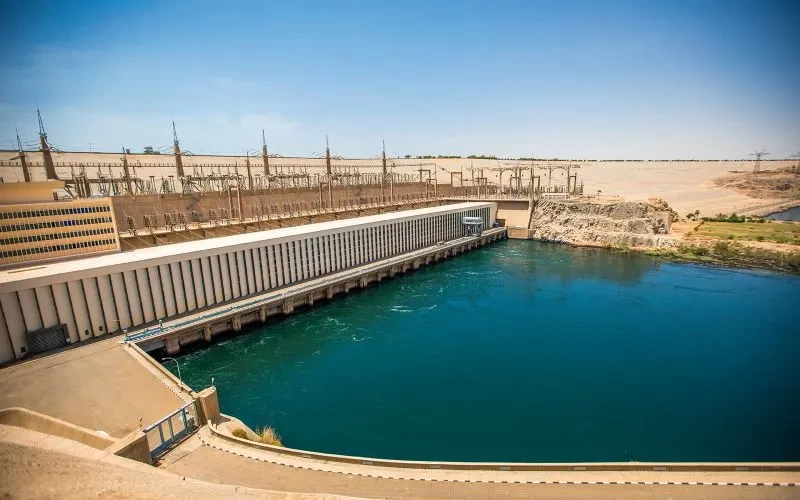
Many travellers combine Elephantine with Philae Temple, the Unfinished Obelisk, the Aswan High Dam, or a felucca ride on the Nile as part of an Aswan day tour. The island’s ancient monuments, living Nubian culture, and river panoramas make it appealing for history, photography, and local-life experiences.





 More traveler reviews