FR
 IT


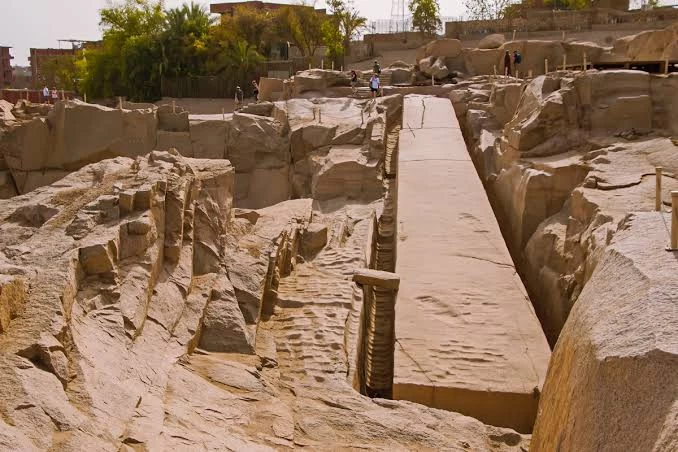
Unfinished Obelisk in Aswan: Ancient Stoneworking
The Unfinished Obelisk in Aswan offers a remarkable view of ancient Egyptian craftsmanship. In Aswan’s granite quarries, visitors can see how an enormous obelisk was shaped directly from the bedrock.
Never completed or moved from its original position, the monument preserves traces of the workers’ methods. Its unfinished state reveals the construction process in a way that a completed monument cannot.
For visitors planning Aswan day tours, this is a rewarding way to explore the practical side of ancient Egyptian history. It is among the most interesting things to do in Aswan for anyone drawn to archaeology, architecture and the manual skill and planning behind ancient engineering.
The Unfinished Obelisk: History and Significance
The Unfinished Obelisk in Aswan is one of those sites people talk about with a lot of awe and also a little confusion. It goes back to the New Kingdom era, and it is often linked with Queen Hatshepsut, even though the whole story isn’t always told the same way. Carved from the famous pink granite from Aswan, it was supposed to be, frankly, one of the biggest obelisks Egypt had ever seen.
From what researchers say, it is around 42 meters in length. And if it had been fully completed, it would have been heavy in the hundreds of tons, which sounds unreal until you stand there. That scale basically shows the sheer ambition of the ancient rulers and the craftsmen, the kind of people who could plan something monument sized and then actually start building it.
The Aswan granite quarries mattered a great deal. The stone supply from that area fed a lot of projects across ancient Egypt. Granite was moved elsewhere, then used for things like temples , statues, columns, sarcophagi , and yes, obelisks too. So this one unfinished monument is connected to a whole system of stone making and moving.
One of the most interesting facts though is also the simplest, it was left behind after cracks appeared in the granite. Those fractures meant it was no longer safe or practical to finish the obelisk, so the workers simply abandoned it right there in the quarry.
Today the monument still feels dramatic, and it remains among the most impressive Aswan attractions. Visitors come for that rare chance to see, up close, how ancient Egyptians could shape enormous stone blocks into major stoneworks, even when plans didn’t go all the way.
Why Was the Unfinished Obelisk Never Completed?
Large cracks in the granite brought work on the Unfinished Obelisk to a halt. Much of the monument had already been carved when the imperfections became apparent.
An obelisk needed to be structurally sound before it could be transported and raised. Rather than continue working on the damaged stone or remove it, the craftspeople left it in place.
This unfinished condition is what makes the site so revealing today. Visitors can observe stages of carving where the monument was abandoned. The surrounding quarry also demonstrates Aswan’s importance as a source of high-quality granite for major monuments across Egypt.
Adding the quarry to an Aswan day tour complements the temples with a closer look at the practical skills behind ancient Egyptian construction.
How Was the Unfinished Obelisk Carved?
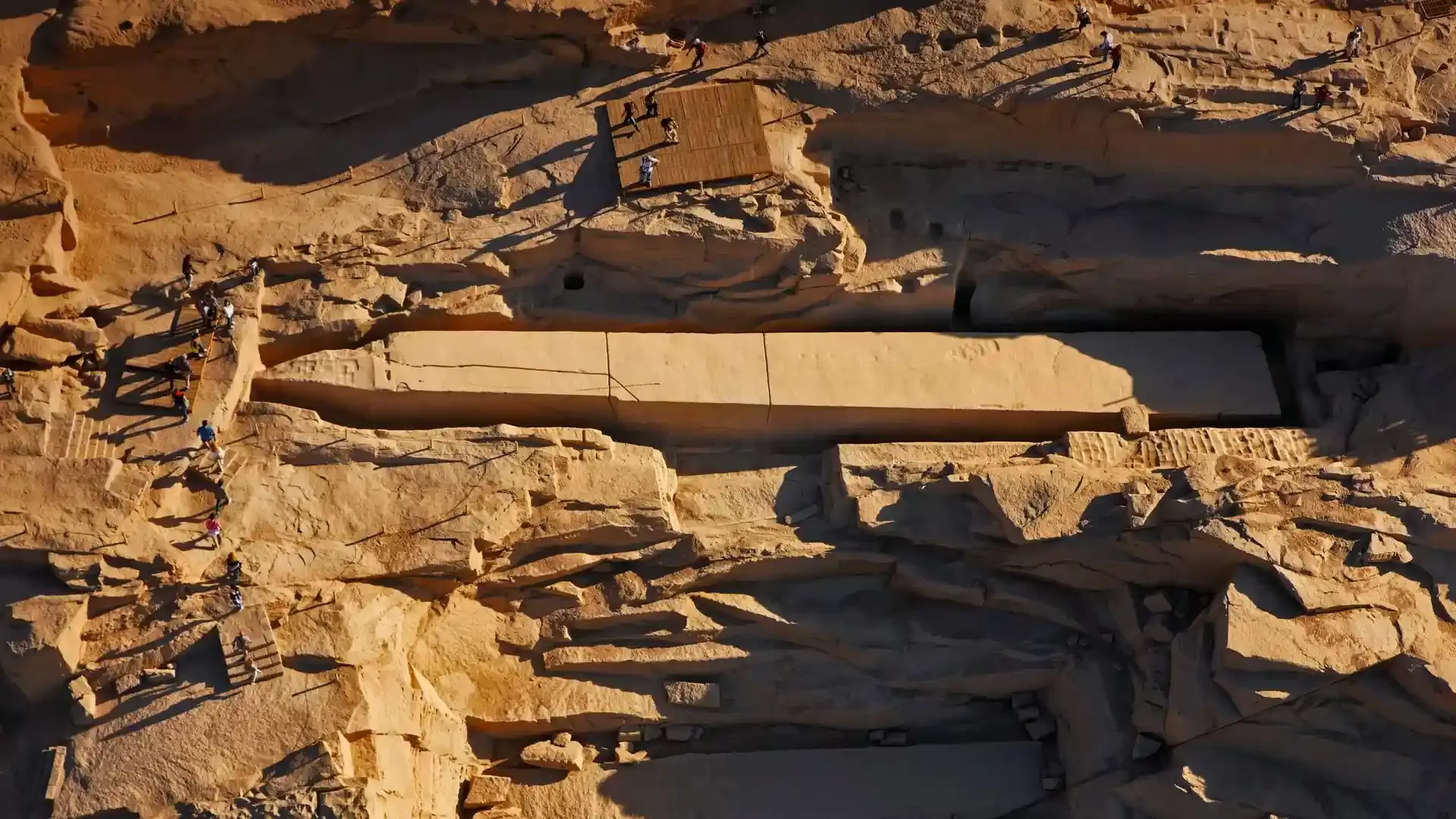
The Unfinished Obelisk was carved directly into Aswan’s granite bedrock rather than in a separate workshop. Workers marked its outline and gradually removed the surrounding stone to define its shape.
Working hard granite required knowledge, time and considerable labour. Craftspeople used stone tools and other methods to work the surface and shape the monument.
Traces in the quarry still provide clues to how granite was worked before finished blocks were transported to building sites. The quarry is an open-air record of ancient Egyptian engineering and stoneworking, not simply the resting place of an incomplete monument.
A visit offers a different perspective from temples and museums and helps explain the effort involved in creating Egypt’s monumental buildings.
How to Visit the Unfinished Obelisk in Aswan
You’ll find the Unfinished Obelisk in Aswan in the old granite quarry zones, down in the southern area of the city. Because it’s not that far from several other stops, people often just drop it into a bigger sightseeing plan, with very little fuss or timing chaos.
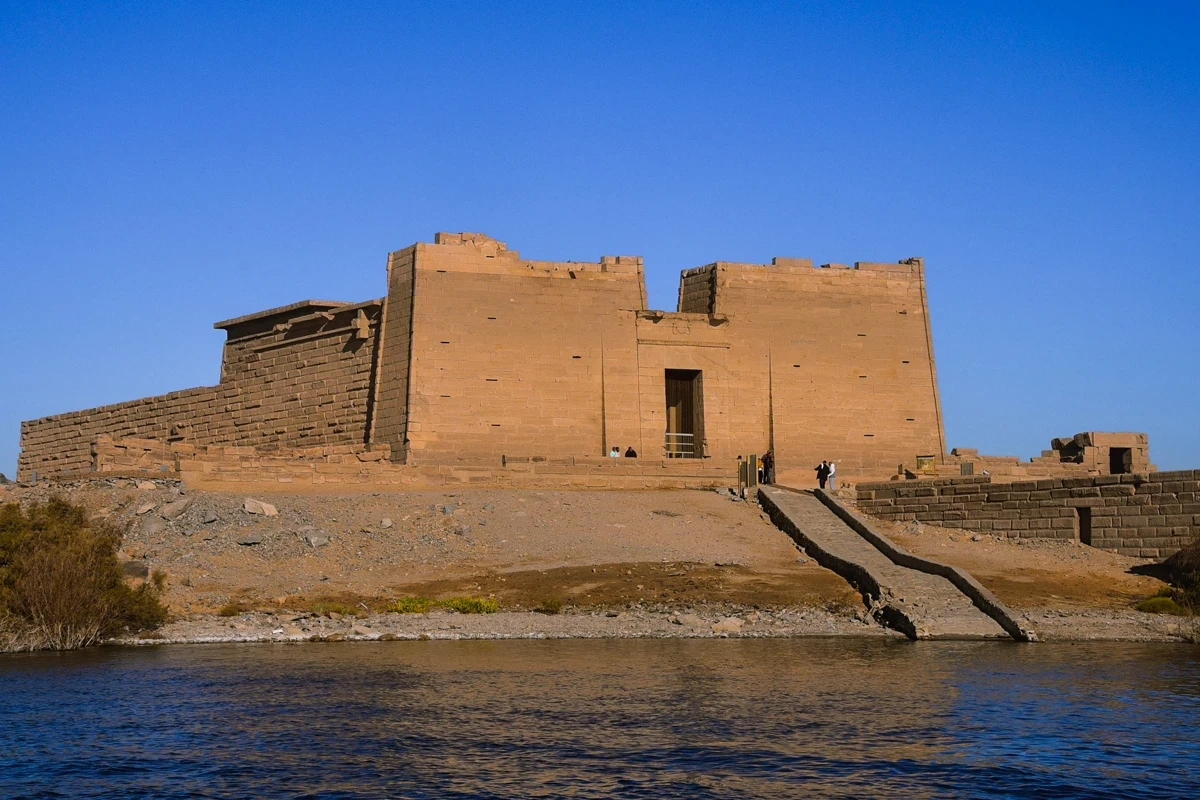
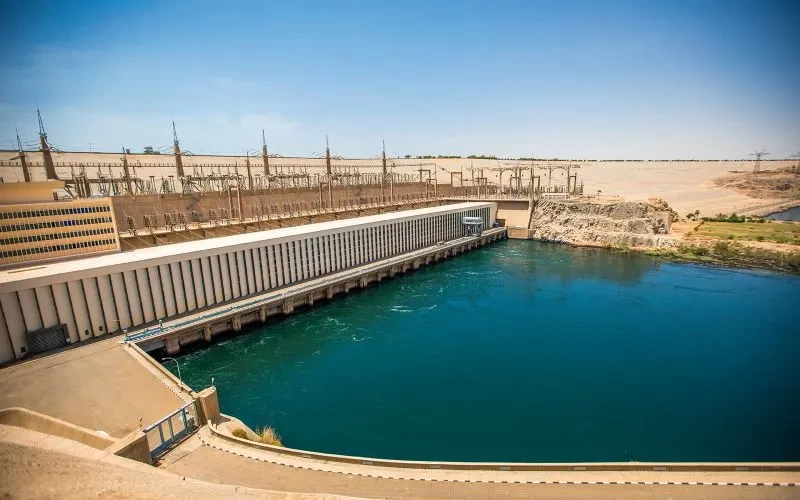
A lot of visitors pair the place with Philae Temple, the Aswan High Dam, and even the Nubian Village. If you bundle a few landmarks like that, Aswan Day Tours becomes a convenient choice, especially for travelers who have a limited window and still want to feel like they saw the “main chapters” of Aswan’s history and local culture.
This site is also great for history lovers, photography enthusiasts, and anyone curious about ancient Egyptian architectural work. While you walk around the quarry, you can look at that gigantic unfinished monument from different sides, and it’s kind of hard not to notice the sheer scale of it all.
When exploring Aswan attractions, the Unfinished Obelisk feels different from a finished temple or a fully completed monument. Instead of only witnessing the final piece, you get to watch the quarrying story, in a way, and you better understand how ancient Egyptians turned raw stone into monumental, lasting structures.
So, if you’re planning a trip to Southern Egypt, adding the Unfinished Obelisk in Aswan to your itinerary is a smart and memorable move. Together with other historical and cultural places, it’s a solid way through which Aswan Day Tours helps you uncover ancient heritage, engineering achievements, and the special personality of Aswan.




 More traveler reviews