FR
 IT


Kalabsha Temple, Aswan: History & Visitor Guide
Kalabsha Temple is a remarkable ancient monument near Aswan, overlooking Lake Nasser. Built during the reign of Emperor Augustus and dedicated to the Nubian sun god Mandulis, it combines Egyptian, Nubian, and Roman architectural influences.
Visitors can admire preserved reliefs, substantial stone gateways, and the peaceful setting while learning about Nubia’s heritage. Whether you are planning an Aswan Day Tour or a wider journey through Upper Egypt, this guide introduces the temple’s history, main features, and practical visiting tips.
What Is Kalabsha Temple?
Kalabsha Temple is one of those ancient monuments in southern Egypt that feels, honestly, hard to top; it is also considered one of the strongest examples of Nubian architecture from the Roman period. It sits on New Kalabsha Island, not far from the Aswan High Dam, so when people plan Aswan trips, this place often ends up as a hidden gem, especially for travelers who want more than the usual highlights. And unlike a lot of crowded stops, Kalabsha Temple in Aswan gives you a calmer vibe, beautiful construction, and wide views over Lake Nasser; you almost forget you are near a major landmark.
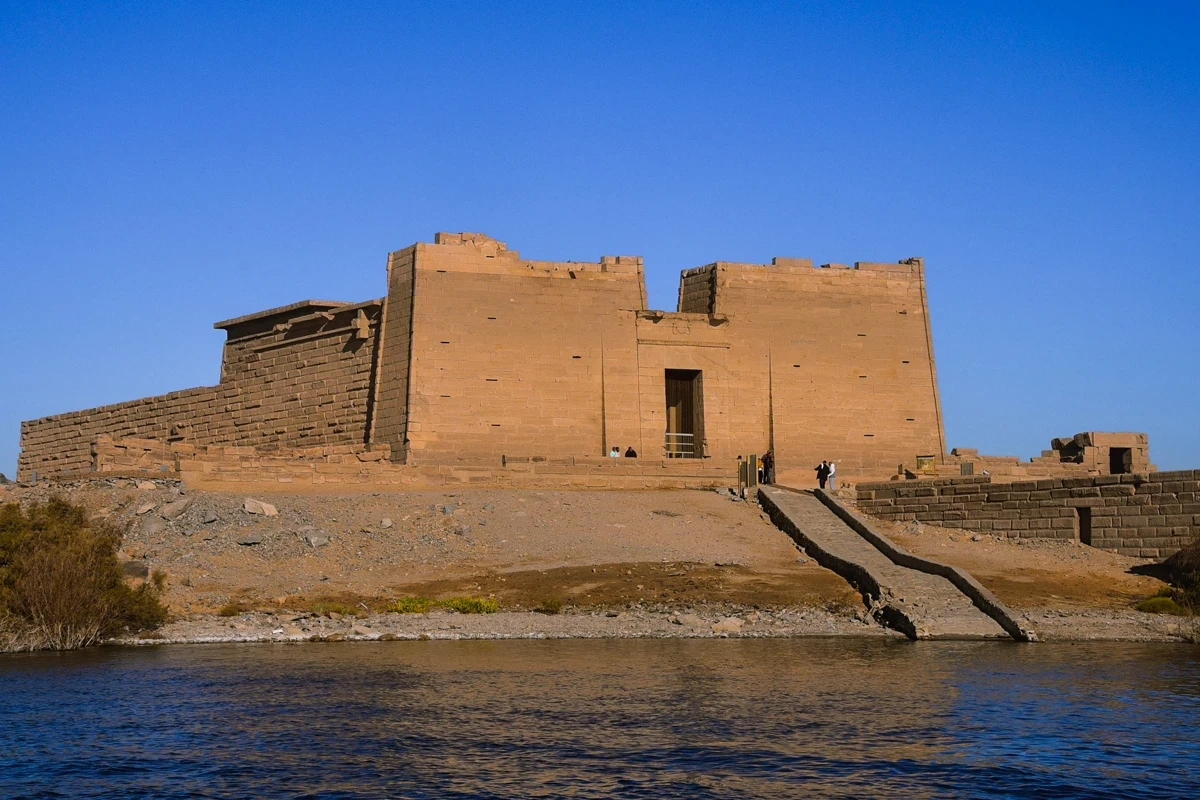
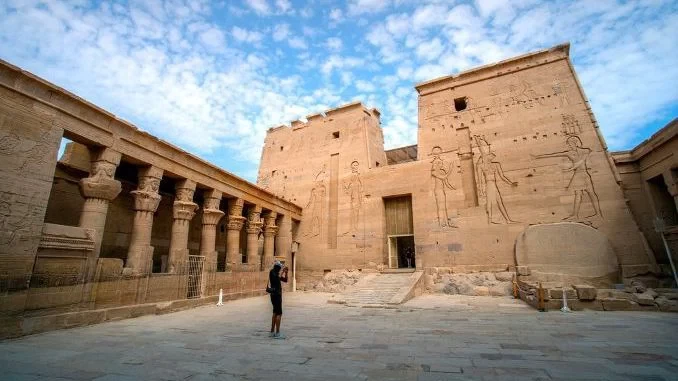
Most of the temple was dedicated to Mandulis, the Nubian sun deity, though it also paid respect to Egyptian gods Isis and Osiris. It was built during the reign of the Roman Emperor Augustus, around 30 BC to 14 AD, so the whole layout shows a thoughtful mixture of Egyptian, Nubian, and Roman design ideas. You can notice it in the tall pylon, the open courtyard, the graceful columns, and the finely worked reliefs; this is why it is often listed among the best-preserved Nubian temples in Egypt.
Today Kalabsha Temple in Egypt is one of those cultural gems in southern Egypt, where visitors can take in the old carvings and also dig into the intriguing history of Nubia. You can even take a quiet, picturesque boat ride across Lake Nasser. If you are keen on archaeology, or you’re simply looking for unusual ideas while in Aswan, this special temple really should be on your plan, and it tends to become a memorable pause during many Aswan tours.
The History of Kalabsha Temple
The fascinating history of Kalabsha Temple kind of starts in the early Roman period when Emperor Augustus ordered its construction over the remains of an older sanctuary, so it's basically a layered story from the beginning. This place was dedicated to Mandulis, a major Nubian god tied to the sun and the idea of royal authority. Even while Egypt was under Roman control, local religious traditions didn’t really fade away, and in a way, they kept on flourishing, so impressive temples such as Kalabsha could be built and also preserved.
Over time the temple stopped being only a worship site. In the Christian era, some sections of the sanctuary were repurposed into a church, and you can still notice several carved crosses in the walls. There are also inscriptions still visible today, with texts written in Egyptian hieroglyphs, Greek, and Meroitic. These markings give visitors a real sense of how many civilizations were in contact here across different centuries, not just one culture at a time.
A very remarkable turning point in the temple’s timeline arrived later with the construction of the Aswan High Dam. When the waters of Lake Nasser started rising, Kalabsha faced the possibility of vanishing completely. Between 1962 and 1963, an international UNESCO rescue operation dismantled and relocated the temple to New Kalabsha Island, which saved one of Egypt’s most significant Nubian treasures for people to see and inherit in the future.
What to See at Kalabsha Temple?
Kalabsha Temple’s gateways, columns, and decorated chambers reveal different aspects of ancient Nubian Egypt. Look for these features during your visit.
The Entrance Pylon
The substantial entrance pylon introduces the temple through its preserved carvings and inscriptions.
The Courtyard and Hypostyle Hall
Continue through the open courtyard to the hypostyle hall, where rows of columns and reliefs show Emperor Augustus presenting offerings to Egyptian and Nubian deities. These scenes bring Roman rule and Egyptian religious traditions together.
The Sanctuary of Mandulis
The inner sanctuary once held the statue of Mandulis, the Nubian sun god. It provides a direct connection to the religious purpose of the temple.
Ancient Inscriptions
Hieroglyphic, Greek, and Meroitic inscriptions reflect Nubia’s multicultural past and the temple’s use during the Roman era.
Lake Nasser Views
The peaceful setting overlooking Lake Nasser offers opportunities for photography and a quiet break between visits.
Nearby Attractions
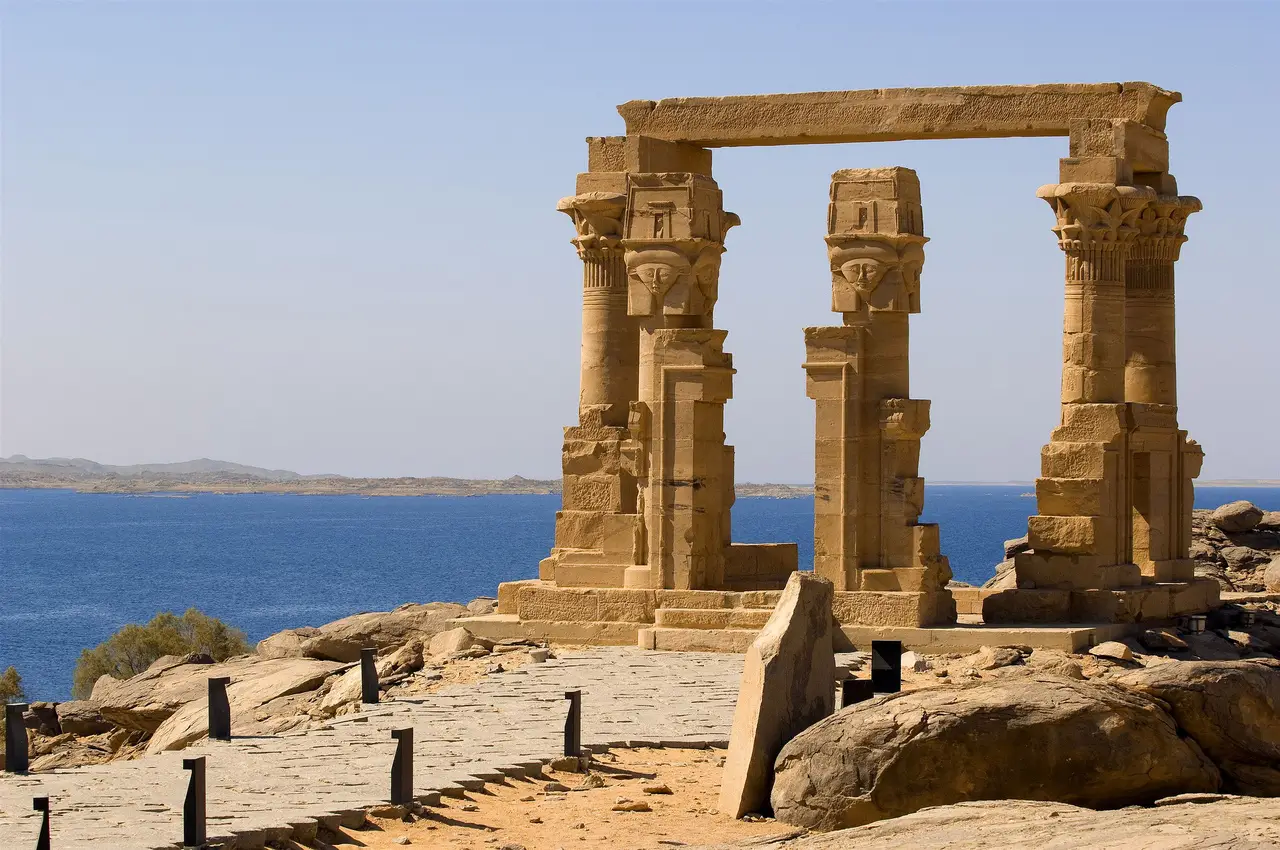
Most visitors combine Kalabsha with nearby sites such as Beit El-Wali Temple and the Kiosk of Qertassi, particularly on an Aswan day tour. These monuments add context to the history of southern Egypt.
How to Visit Kalabsha Temple?
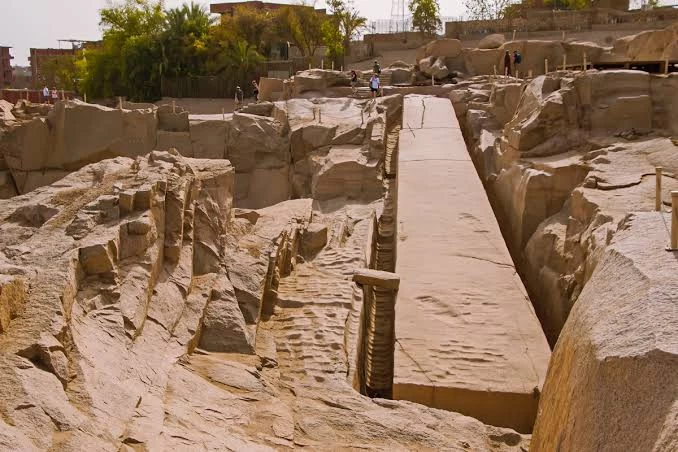
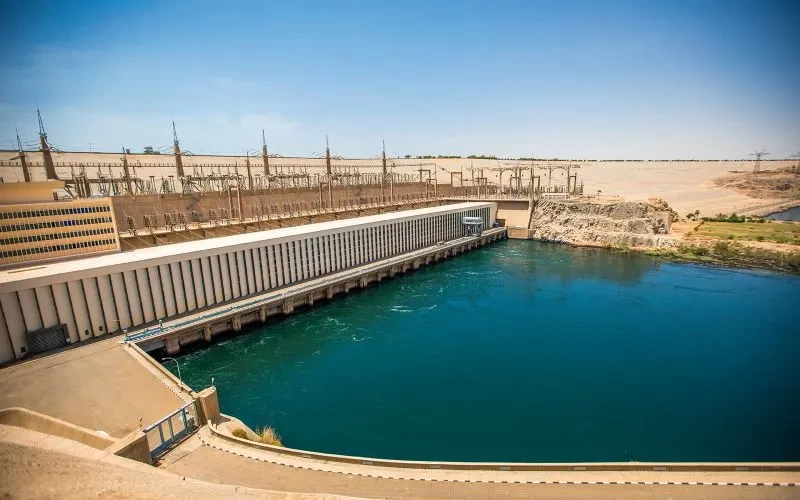
If you plan a trip to Kalabsha Temple while you’re in Aswan, it is pretty easy. The temple sits on New Kalabsha Island, close to the Aswan High Dam, and you get there after a short motorboat crossing over Lake Nasser. A lot of organized Aswan tours mix Kalabsha Temple and the Aswan High Dam, and then they add the Unfinished Obelisk, Philae Temple, and the Nubian Museum too. So you can see a few major sites in one day without too much hassle.
For timing, October through April is usually the better window. The cooler air makes the trip feel more agreeable for walking and looking around. If you go early in the morning, you often get pleasant weather with fewer people around, plus better light for photography, not to mention a calmer mood at the site. Most visitors linger for about one to two hours, taking in the temple area and then enjoying the quiet nearby scenery.
Before your visit, check the latest Kalabsha Temple tickets and opening hours through the official authorities, because schedules and admission fees may shift. If you are pulled in by ancient history, stunning architecture, or Nubian culture, then Kalabsha Temple, Egypt, gives an unforgettable experience, and it still counts as one of the most rewarding historical sites for your stay in Aswan.




 More traveler reviews