FR
 IT


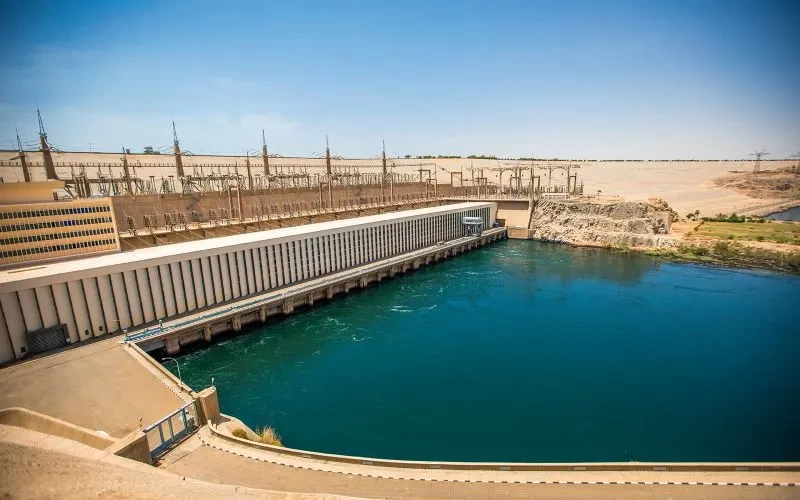
Discover the History and Importance of the Aswan High Dam
Explore the history of the Aswan High Dam, one of Egypt's major modern engineering landmarks. Learn how it created Lake Nasser, transformed Nubia and prompted international efforts to safeguard monuments including Philae and Abu Simbel. The dam and the region's archaeological and cultural sites add context to Aswan tours.
Aswan High Dam: History and Lake Nasser
So the Aswan High Dam is one of those huge modern engineering projects in Egypt, and also kind of a well-known landmark in the south. It was built across the Nile, south of Aswan, and in a way it completely changed the area, because it helped to regulate how the river runs and it made this massive Lake Nasser reservoir sitting behind it.
Nowadays, this dam isn’t just a piece of Egypt’s modern history either; it’s also a fairly cool stop for people who are traveling around Aswan and looking for local attractions. The build-up period influenced farming, water management, and even the scenery of Nubia. Plus it helped spark one of the biggest international efforts ever to protect ancient monuments from the rising water levels.
If you’re thinking about Egypt tours, or you’re doing Aswan day tours, then learning the real story of the dam can make everything feel more meaningful, especially the temples, the little islands, and the Nubian heritage you can actually experience in the region.
What Is the History of the Aswan High Dam?
The history of the Aswan High Dam kind of starts with a very real problem, which was how to get a better grip on the Nile and also make sure Egypt had a water supply that felt more stable and dependable. People decided to build the High Dam around 1954 , and the actual work kicked off in 1960 . The whole project was meant to regulate the Nile’s seasonal ups and downs, back irrigation efforts, and also make electricity through hydroelectric power.
Once construction was under way it changed southern Egypt quite a lot. When you control the yearly swings of the river, water management and farm planning in the country become, well, a lot more predictable . It wasn’t just about the river anymore.
Still, there was another side to the story, and it was pretty serious for the archaeological heritage of Nubia. As the reservoir rose, it put ancient temples and other archaeological locations along the Nile Valley in danger. Because of that, Egypt and Sudan asked UNESCO to help protect the monuments that were at risk.
In 1960 , UNESCO began the International Campaign to Save the Monuments of Nubia. The effort included things like archaeological recording and careful excavation, plus moving key monuments to safer, higher areas. Two of the most famous places that were saved include the Abu Simbel Temple and the Philae Temple. The campaign went on for about two decades, and it ended up becoming one of the biggest international heritage protection undertakings of the 20th century.
So, because of all that, the Aswan High Dam is not only an engineering achievement , it is also tied to a striking preservation chapter for ancient Egyptian history , and for Nubian heritage too.
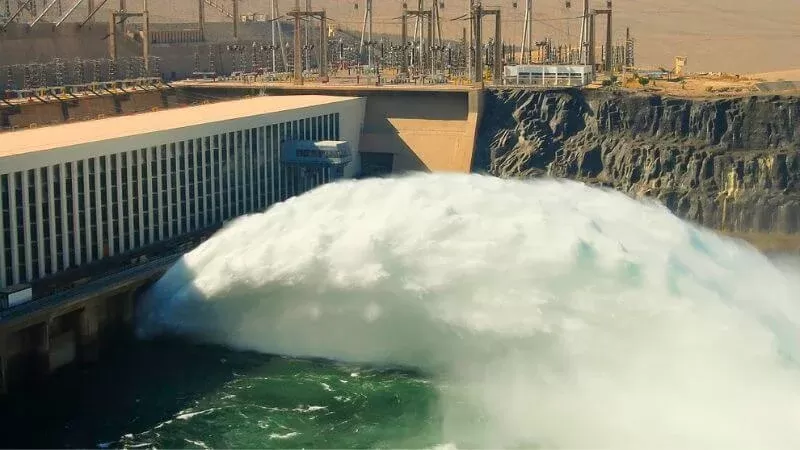
How the Aswan High Dam Changed Nubia
When they started building the Aswan High Dam it had this deep impact on Nubia, which is one of the oldest cultural regions along the Nile. Once the reservoir began to fill, lots of older stretches of the Nile Valley were suddenly at risk of being flooded, and that meant archaeological sites, everyday villages and even broader historic landscapes. It was a little bit like the river kept moving but in a more controlled and different way, you know.
Naturally, one of the biggest challenges became safeguarding the ancient monuments that were in the zone where the water would rise. UNESCO, through an international campaign, pulled in countries, specialists, and organizations, all to properly record, and later save, what was considered endangered heritage.
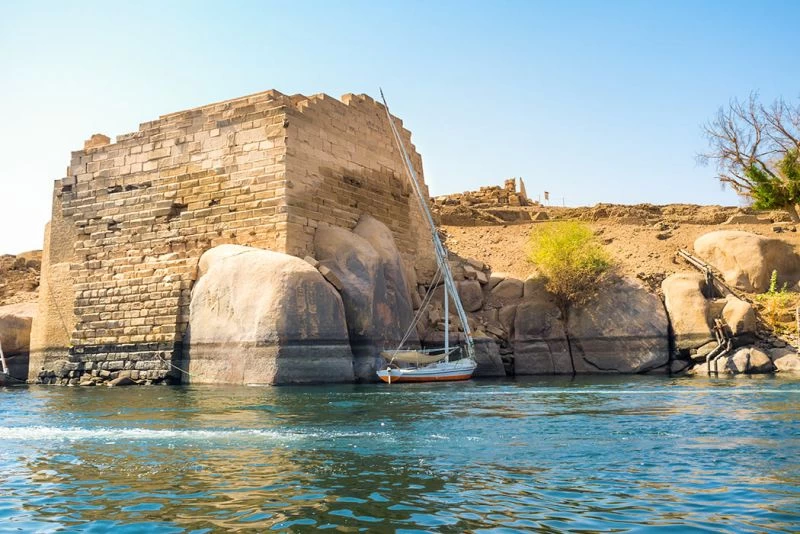
In some places, entire temples were taken apart and then rebuilt somewhere safer. Philae Temple is a clear example, it was moved over to Agilkia Island. And the temples at Abu Simbel, those were dismantled too, then reconstructed on higher ground, piece by piece. UNESCO even frames the whole effort, which ran from 1960 to 1980, as an exceptional global undertaking meant to protect Nubia’s monuments.
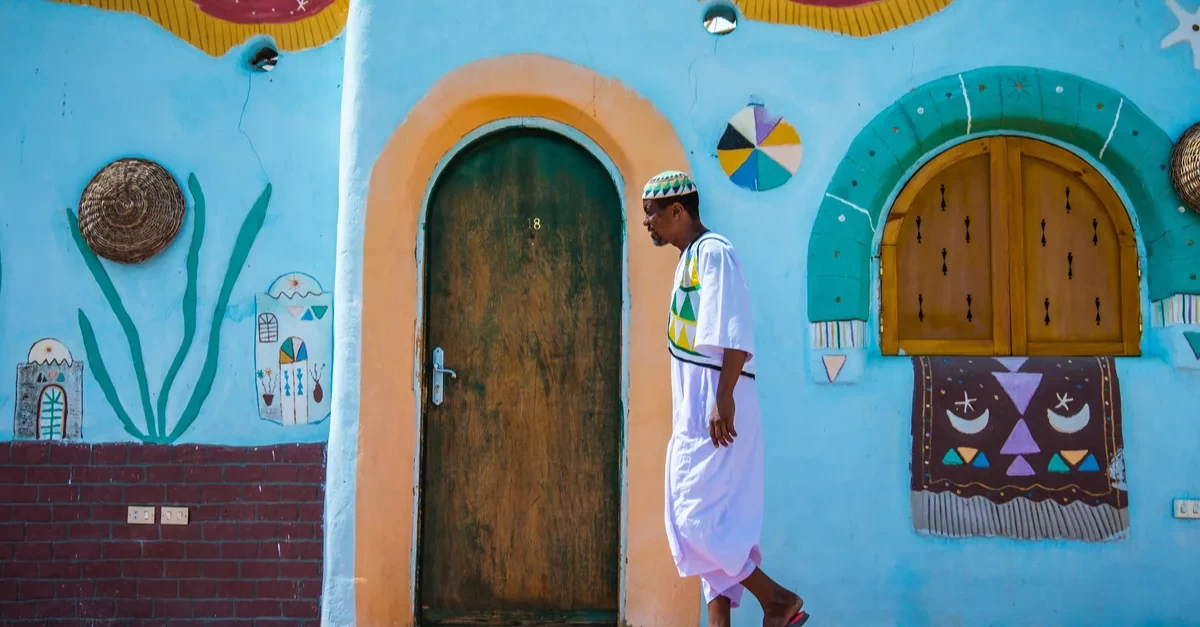
But the influence wasn’t just about stone and paperwork. Nubian communities also felt it strongly, because people who lived in areas threatened by the rising waters had to move elsewhere. So in the end, the story of the Aswan High Dam can’t be understood only as an engineering achievement or technical breakthrough. It is also tied to modern history in Nubia, including the lives of its people.
And if you are someone planning an Aswan tour and you care about Nubian culture, ancient history, and Egyptian heritage, learning about this shift, this whole transformation, gives the trip another kind of dimension.
Attractions Around the Aswan High Dam
You can spend time in the area around the Aswan High Dam and blend modern Egyptian history with a few of the most significant archaeological and cultural places you will find in southern Egypt. It feels a little layered, like each stop has a different age attached to it.
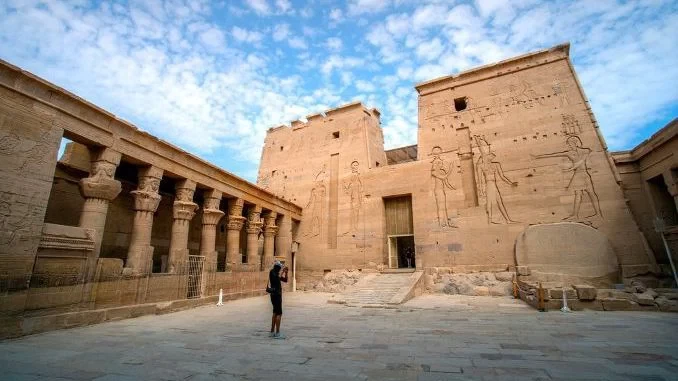
One well known place nearby is Philae Temple, which sits on Agilkia Island. The whole temple complex was lifted and saved when the waters rose, during the Nubian preservation campaign. It is dedicated mainly to the goddess Isis, and you will notice that theme in many of the carvings.
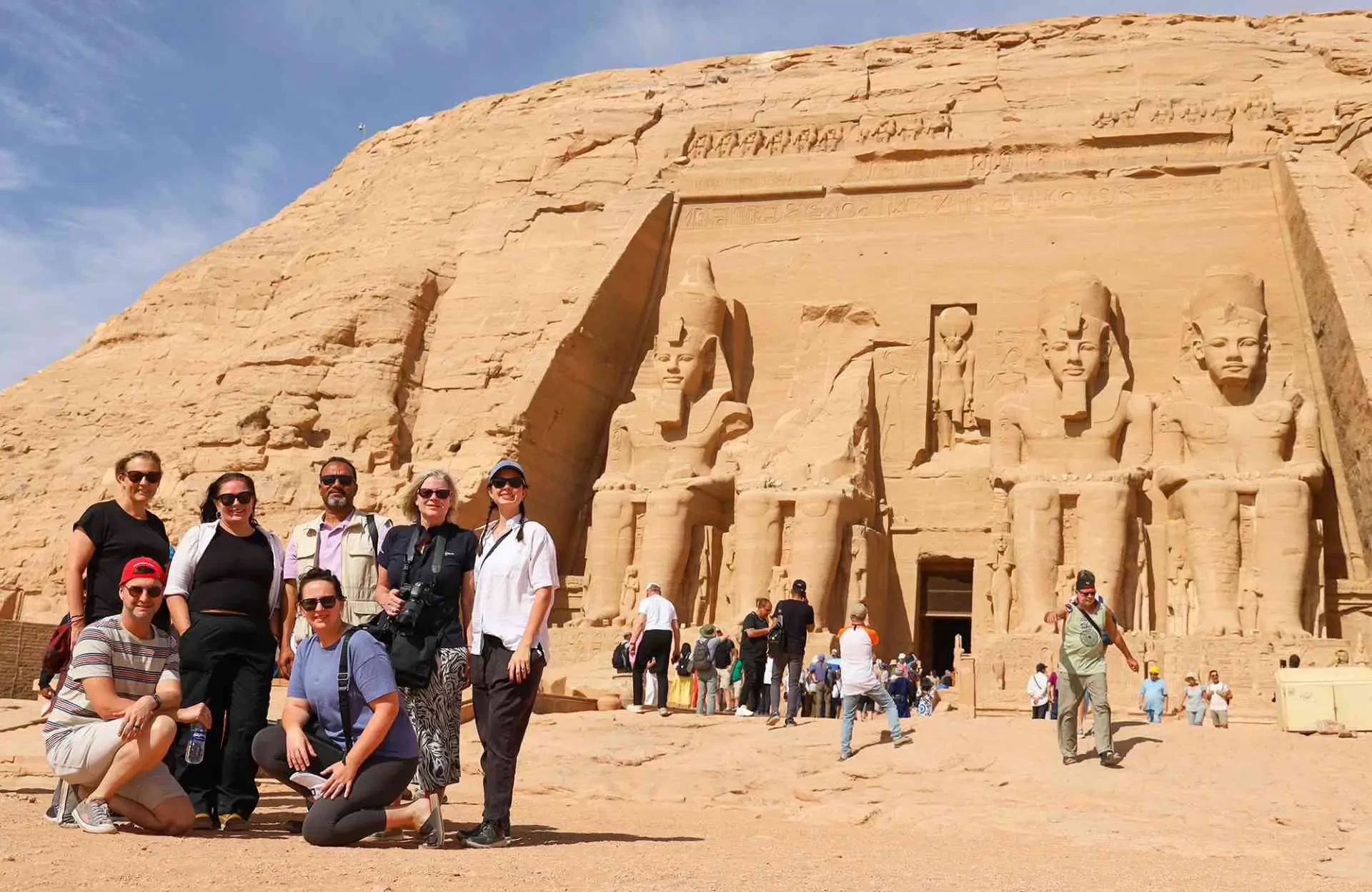
Another destination you should not miss is Abu Simbel, farther to the south. The temples of Ramses II were counted among the key monuments, saved through the international effort set up to protect Nubian heritage from Lake Nasser’s waters.
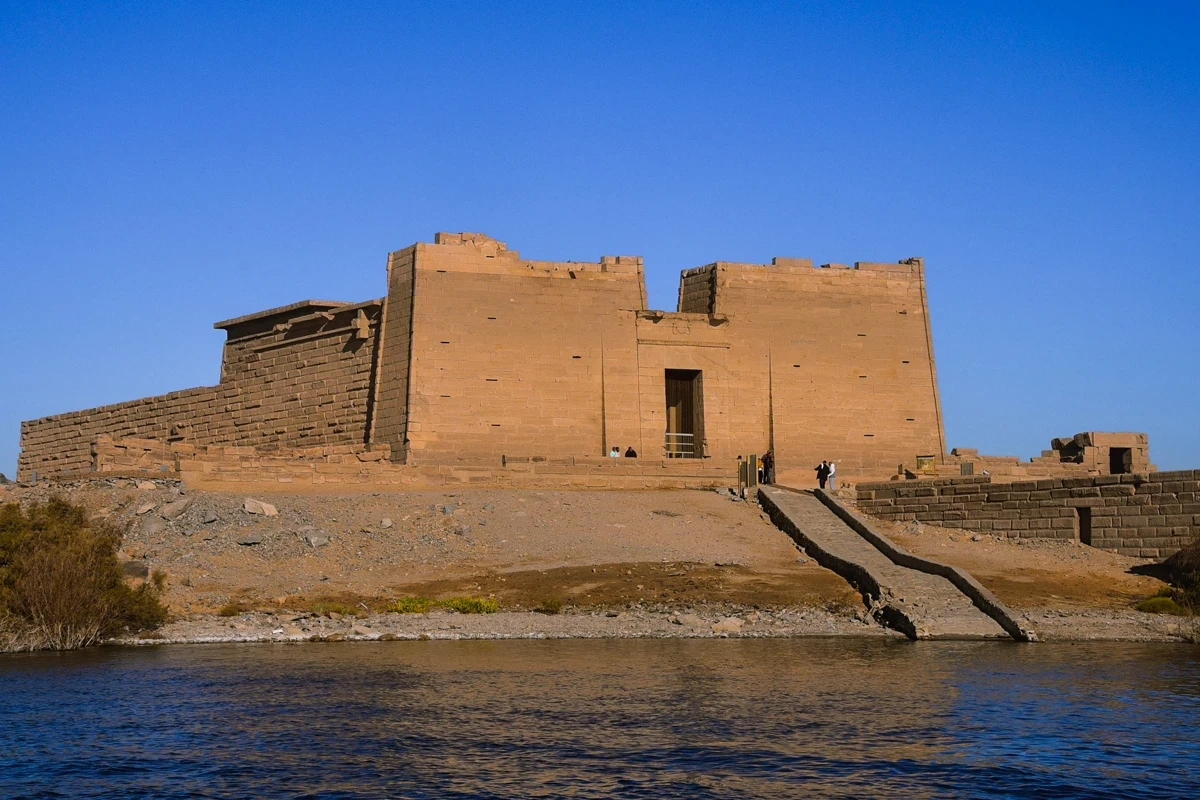
Travelers can also explore New Kalabsha, an important archaeological site south of the High Dam, as well as other Nubian monuments and cultural attractions in the Aswan region. The Egyptian Ministry of Tourism and Antiquities highlights the High Dam, Philae, New Kalabsha, and Abu Simbel among the major destinations around Aswan.




 More traveler reviews