FR
 IT


Explore the History and Architecture of Edfu Temple
Take a close look at Edfu Temple in Aswan; it’s one of the best-preserved ancient Egyptian temples, and also a notable monument to Horus. Here you can learn the older story of the site, see the Ptolemaic architecture, notice the detailed hieroglyphic inscriptions, walk through sacred halls, and spend time with impressive relief carvings, all while you absorb the religious traditions of ancient Egypt. People also make Edfu Temple a very common stop on Nile Cruise trips between Luxor and Aswan, so it becomes an important destination for travelers chasing Egypt’s ancient heritage.
What Can You See Inside Edfu Temple?
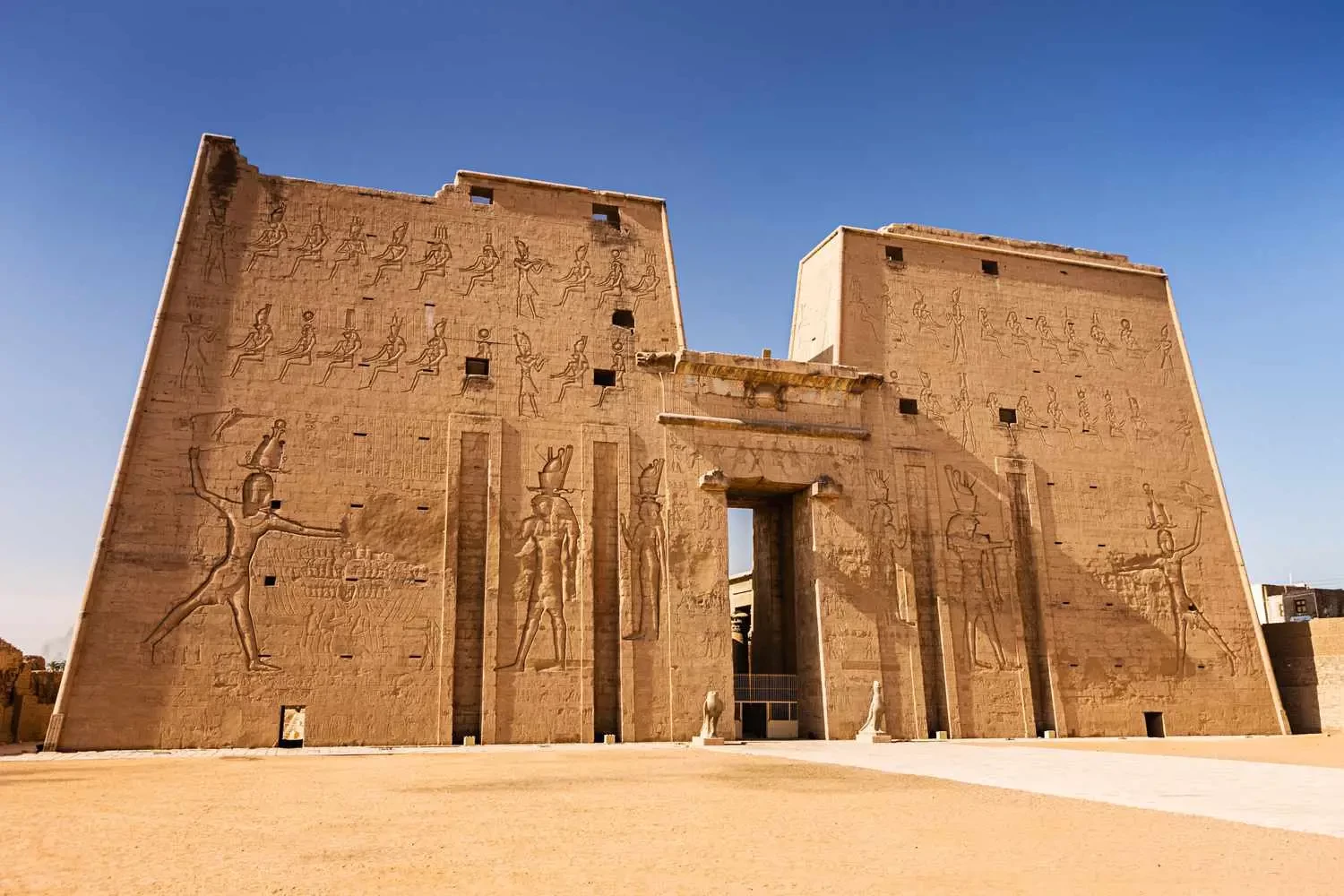
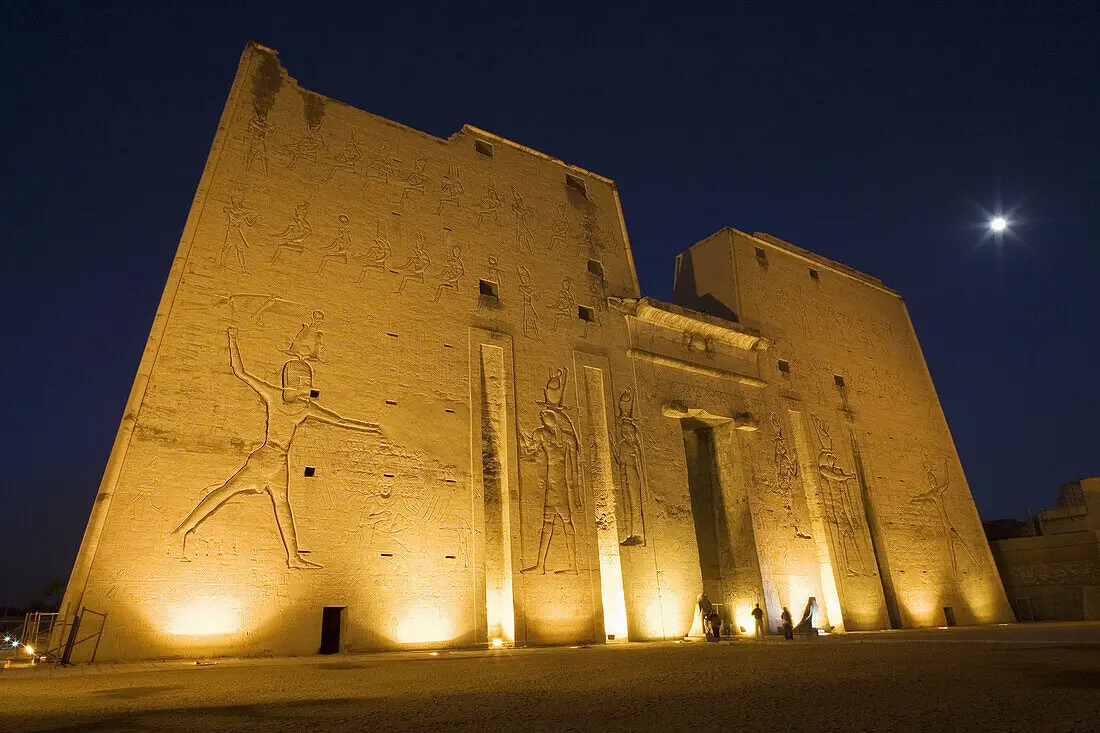
A visit to Edfu Temple begins with its enormous entrance pylon, decorated with reliefs showing the king worshipping the gods and presenting offerings. Two large granite statues of Horus stand in front of the entrance, welcoming visitors into the sacred complex.
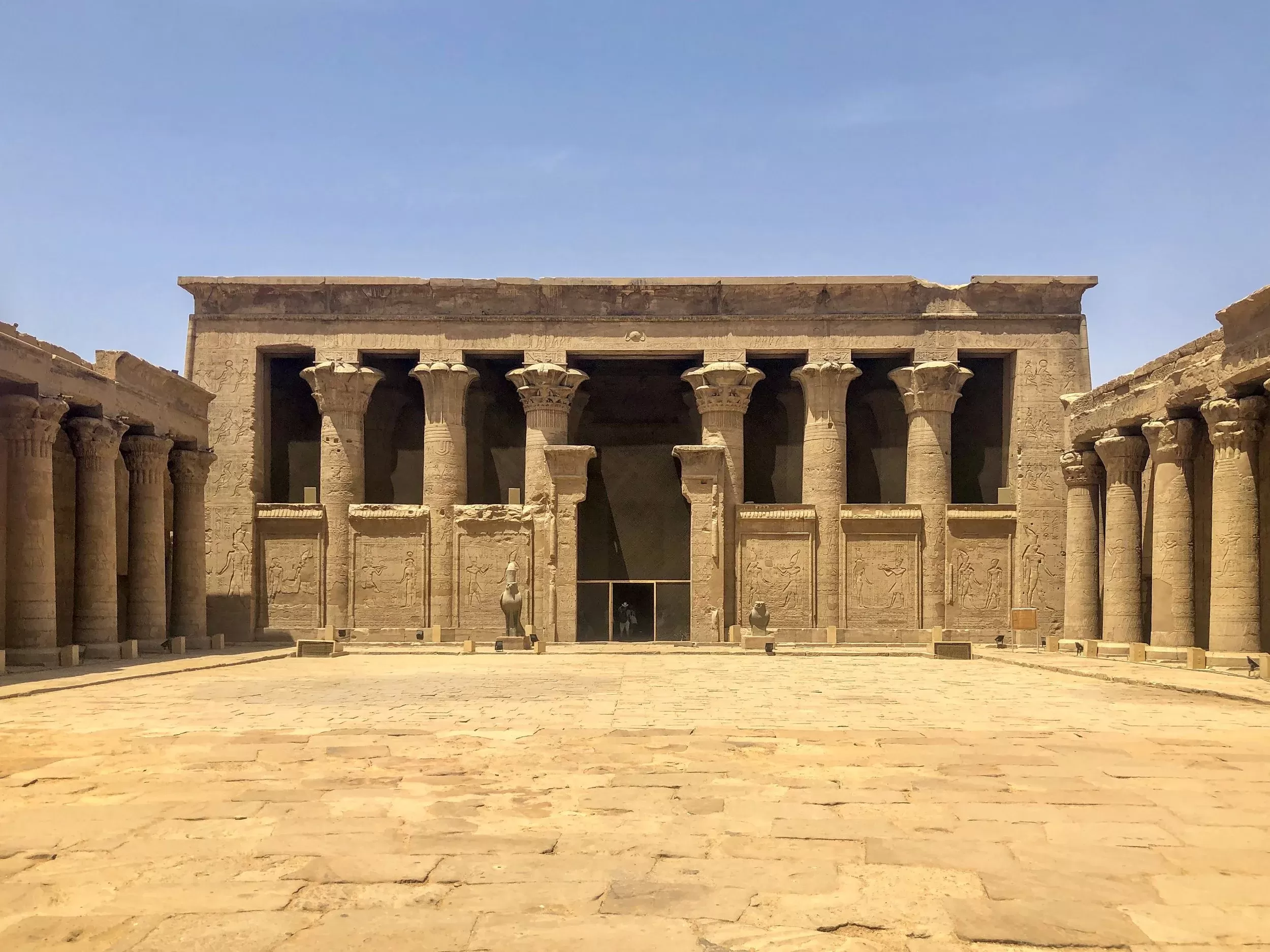
Beyond the entrance is a spacious courtyard surrounded by columns with beautifully decorated floral capitals. From there, visitors continue through the temple's impressive columned halls before reaching the inner areas and the sanctuary.
The walls throughout the temple are covered with ancient Egyptian inscriptions and reliefs. These scenes depict religious ceremonies, offerings, royal rituals, and stories connected with Horus. They provide valuable information about the religious practices and traditions of ancient Egypt.
One of the most important areas is the sanctuary, which formed the heart of the temple. The surrounding rooms and corridors were connected with religious rituals and the daily worship of the god.
The temple's remarkable preservation allows visitors to see many of these architectural and decorative details in their original setting. The Egyptian Ministry of Tourism and Antiquities describes Edfu as one of the most complete and striking ancient Egyptian temples.
How Was Edfu Temple Built and Designed?
The architecture of Edfu Temple reflects the traditions of ancient Egyptian temple construction while also showing the artistic style of the Ptolemaic period.
The temple was constructed over approximately 180 years. Its massive pylon leads into a large open courtyard, followed by two hypostyle halls, additional halls, and finally the sanctuary. This carefully organized sequence created a gradual movement from the public areas of the temple toward its most sacred spaces.
The enormous walls and columns are decorated with detailed reliefs and hieroglyphic texts. These inscriptions are particularly valuable because they record religious ceremonies, royal activities, and aspects of the temple's foundation and rituals.
The temple's architectural scale also reflects the importance of Horus in ancient Egyptian religion. The god was closely connected with kingship, and his temple at Edfu became an important religious center.
Another remarkable feature is the level of preservation. For centuries, the temple remained buried beneath layers of settlement debris, helping protect many of its architectural and decorative elements. Parts of the monument were later uncovered and restored by the French archaeologist Auguste Mariette in the 19th century.
Recent restoration work has also revealed traces of the original colors that once decorated some of the temple's carved reliefs, providing new insight into how vivid the monument may have appeared in ancient times.
How Can You Visit Edfu Temple?
Edfu Temple is located in the city of Edfu on the western bank of the Nile, making it an important stop for travelers exploring the Nile Valley between Luxor and Aswan.
One of the most popular ways to visit the temple is as part of a Nile Cruise. Many Nile itineraries include Edfu as a stop between Luxor and Aswan, allowing travelers to explore the temple while continuing their journey along the river.
Travelers can also arrange a private Edfu Temple tour or include the site in a broader Egypt tour covering the major archaeological attractions of southern Egypt.
The official Egyptian Ministry of Tourism and Antiquities currently lists opening hours that vary by day, with opening times beginning as early as 6:00 AM on some days and 7:00 AM on others. Visitors should check the official information before planning their visit because schedules and ticket information can change.
For a more comfortable experience, it is useful to visit during the cooler parts of the day, especially during Egypt's warmer months. Comfortable walking shoes, water, sun protection, and appropriate clothing are also recommended.
Because Edfu Temple contains extensive inscriptions and religious scenes, visiting with a knowledgeable guide can make the experience much more meaningful. A guide can explain the mythology of Horus, the temple's architectural features, and the meaning behind many of the reliefs.
What Is the Story of Horus and Edfu Temple?
Edfu Temple’s religious importance is closely linked to Horus, a major figure in ancient Egyptian mythology.
Represented as a falcon or a falcon-headed man, Horus was associated with kingship and protection.
The temple’s inscriptions and reliefs depict his worship and the ceremonies held at Edfu. Some scenes show Horus’s sacred journey in a ceremonial boat accompanied by Hathor.
Edfu’s mythology also relates to the wider story of the conflict between Horus and Seth. Horus’s role as a symbol of legitimate rule and divine protection helps explain the monumental temple devoted to him.
The architecture reinforces this symbolism: moving deeper into the complex leads toward the god’s sacred spaces. Its inscriptions offer insight into the connections between gods, kings and religious rituals.
Attractions to Combine with Edfu Temple
Edfu can form part of a wider journey through southern Egypt, combining archaeological and cultural destinations.
Kom Ombo Temple
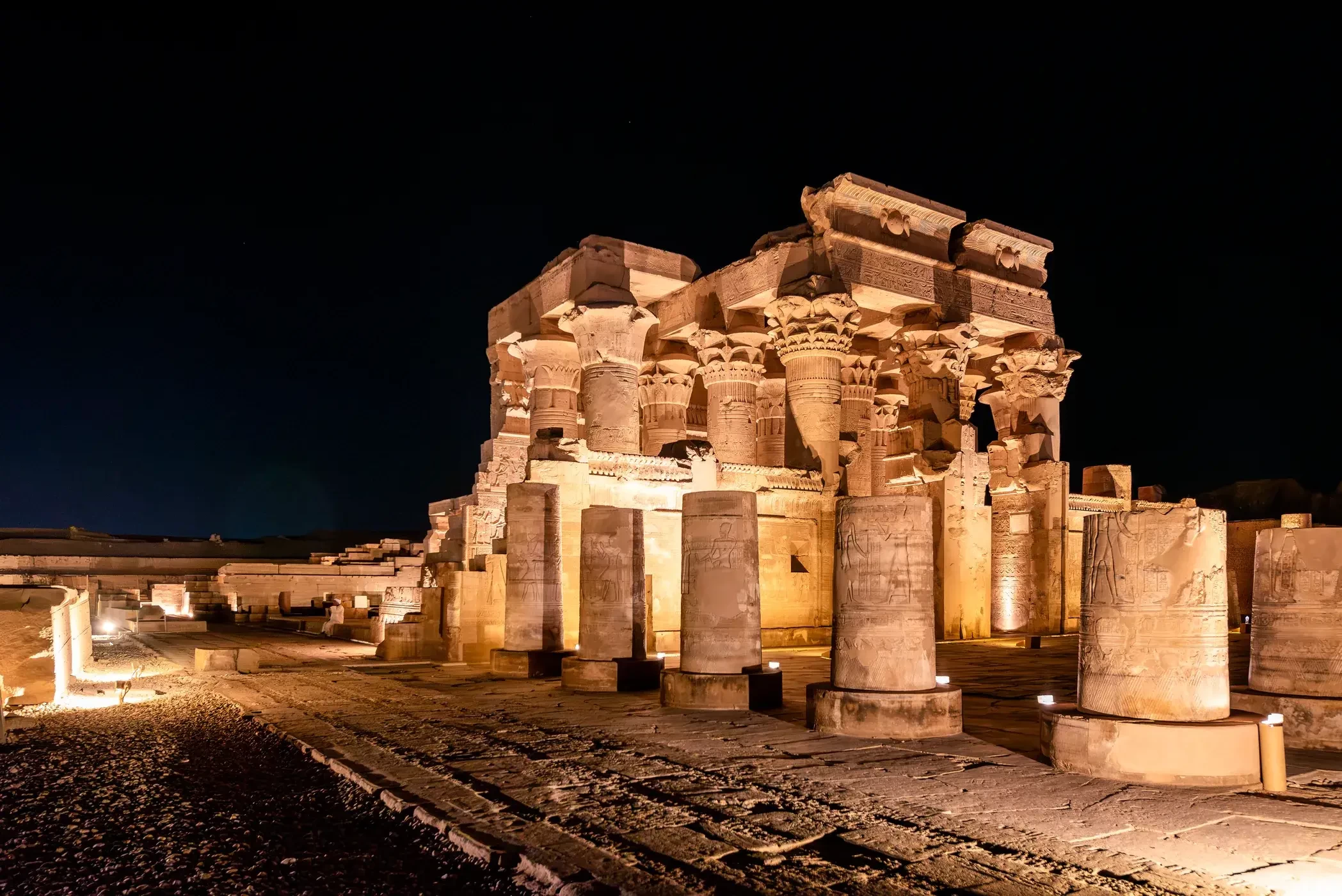
Farther south toward Aswan, Kom Ombo is known for its double design and dedication to Sobek and Horus the Elder. It is a popular stop on Nile journeys.
Philae Temple
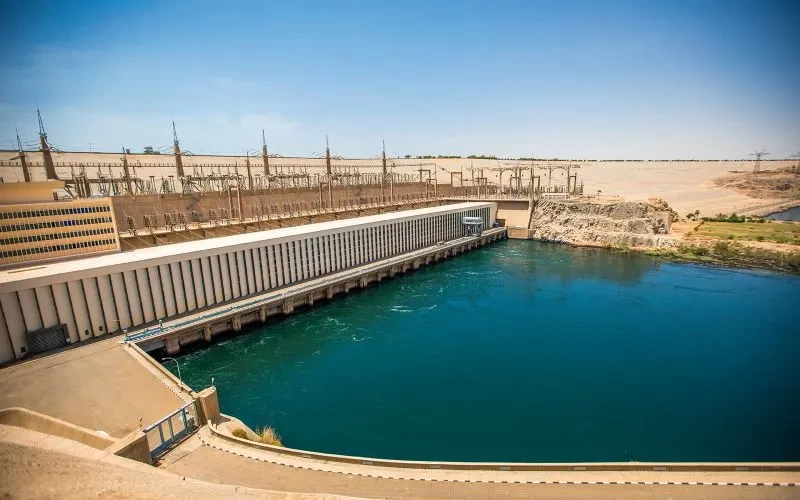
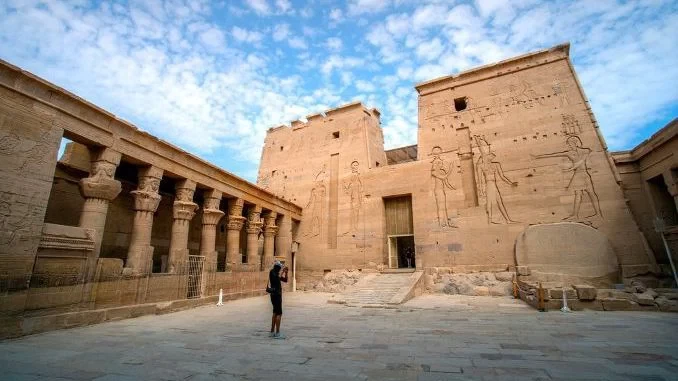
Near Aswan, Philae is dedicated mainly to Isis. Its monuments were relocated to Agilkia Island during the international campaign to save Nubian monuments from rising waters associated with the Aswan High Dam.
Abu Simbel Temples
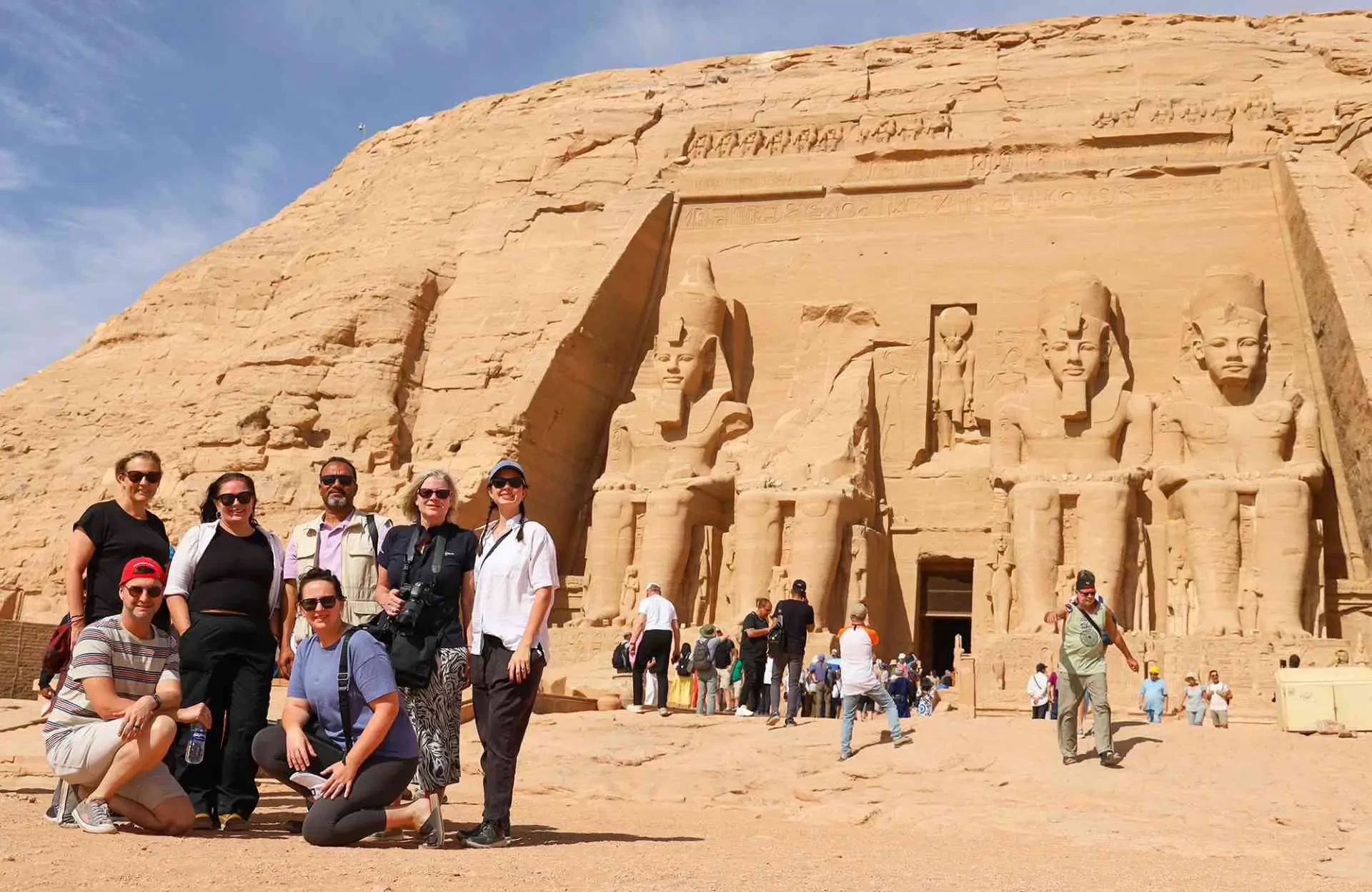
Farther south, the temples of Ramesses II at Abu Simbel are outstanding examples of monumental architecture and major archaeological destinations.
Karnak and Luxor Temple
Travelers heading north can visit Karnak and Luxor Temple, two important ancient religious complexes.
Combining these destinations with Edfu reveals different periods, architectural styles and religious traditions across the Nile Valley.




 More traveler reviews