FR
 IT


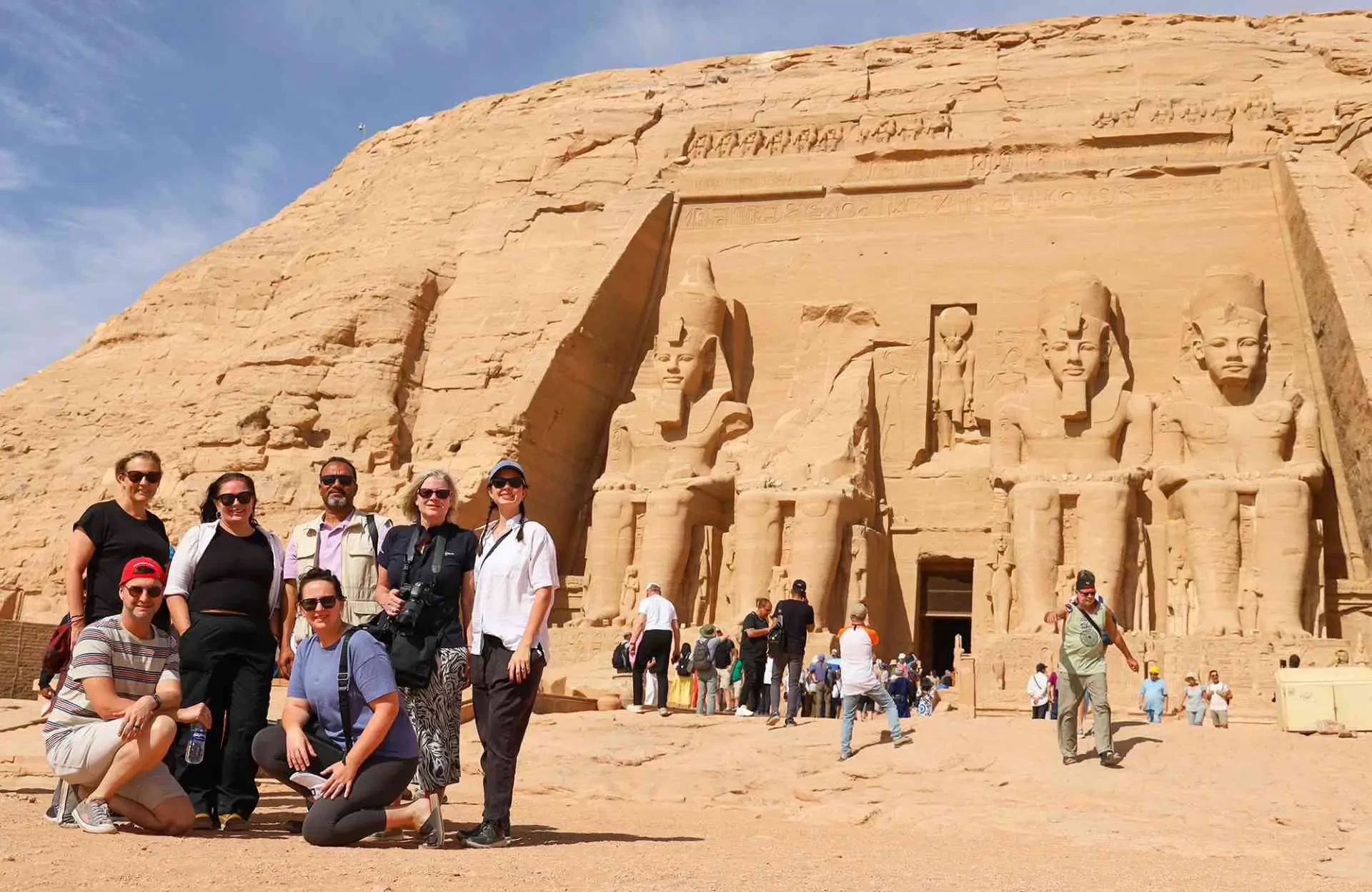
Abu Simbel Temples: Ramses II’s Monumental Legacy
Abu Simbel is one of ancient Egypt’s iconic temple complexes and a highlight of itineraries from Aswan. Explore the temples built by Ramses II, their colossal statues and detailed carvings, and the relocation project that saved them from the rising waters of Lake Nasser.
The two temples honour Ramses II, Queen Nefertari and ancient Egyptian deities. Together, they offer a memorable encounter with history and architecture during Egypt tours and Aswan tours.
Discover the Temples of Abu Simbel
Abu Simbel Temple is among the most impressive ancient Egyptian sites, and one of the better-known attractions in Aswan too. It is located in southern Egypt, close to the border with Sudan, and the place really stands out because of those huge temples cut directly into the rock. These works were made during the reign of Kin Ramses II, so the whole area feels connected to that era. People often mention the colossal statues, the finely done carvings, and also the story behind everything, which is why Abu Simbel tends to become a must-stop for travelers moving through ancient Egypt.
At the location, you will find two grand temples. There is the Great Temple of Ramses II, plus the Small Temple that was built for the goddess Hathor, and also for Queen Nefertari. They were carved into the stone in the 19th Dynasty around 1264 BC, and even today the temples keep showing why ancient Egyptian architecture is so remarkable.
If you are planning Egypt tours, maybe an Aswan day tour or a Nile cruise, spending time at the Abu Simbel Temple gives you an unforgettable chance to explore the sheer force, beliefs, and architectural mastery of ancient Egypt.
What Is the History of Abu Simbel Temple?
The history of Abu Simbel Temple goes back to King Ramses II’s reign, he is one of the most forceful pharaohs in ancient Egypt. The Great Temple was chiseled right into the mountainside and it was laid out to honor Ramses II together with major Egyptian divinities, Amun-Ra, Ra-Horakhty, and Ptah. You can also find a kind of divine, glorified likeness of Ramses II within the sanctuary.
Next to it is a smaller sanctuary, dedicated to the goddess Hathor and Queen Nefertari, the Great Royal Wife of Ramses II. The front of this building feels unusually striking, because the statues of Nefertari are placed at a monumental scale beside those of the king, almost like they are equal in importance.
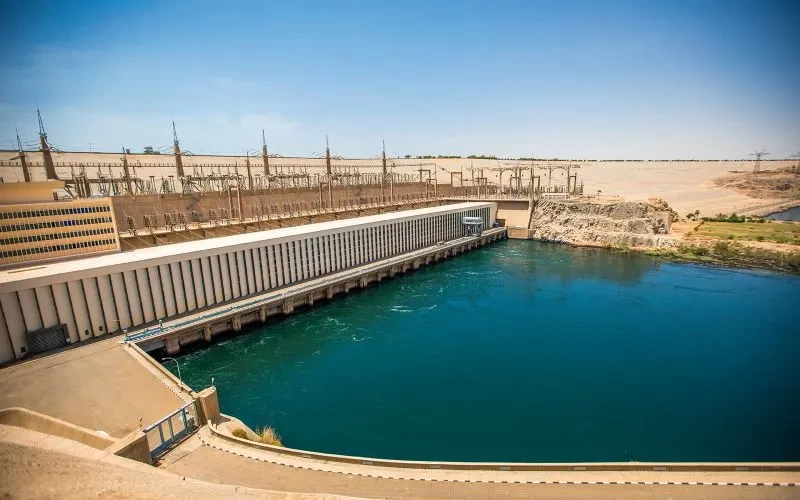
One of the most compelling episodes in Abu Simbel’s history took place in the 20th century. The building of the Aswan High Dam put the temples in danger, the increasing level of Lake Nasser could have covered them. So UNESCO started a worldwide effort to rescue the Nubian monuments, so that the past would not be wiped away.
As part of this huge preservation endeavor, the Abu Simbel Temples were taken apart and moved up to a higher area. The international campaign started in 1960 and ran up until 1980, and in the process it kept Abu Simbel, along with other important Nubian monuments, from being overwhelmed by water.
Today, Abu Simbel sits within the UNESCO-listed Nubian Monuments from Abu Simbel to Philae, and this points to its outstanding archaeological value plus cultural meaning.
5 Fascinating Facts About Abu Simbel Temple
1. Abu Simbel Temple Was Carved Into Living Rock
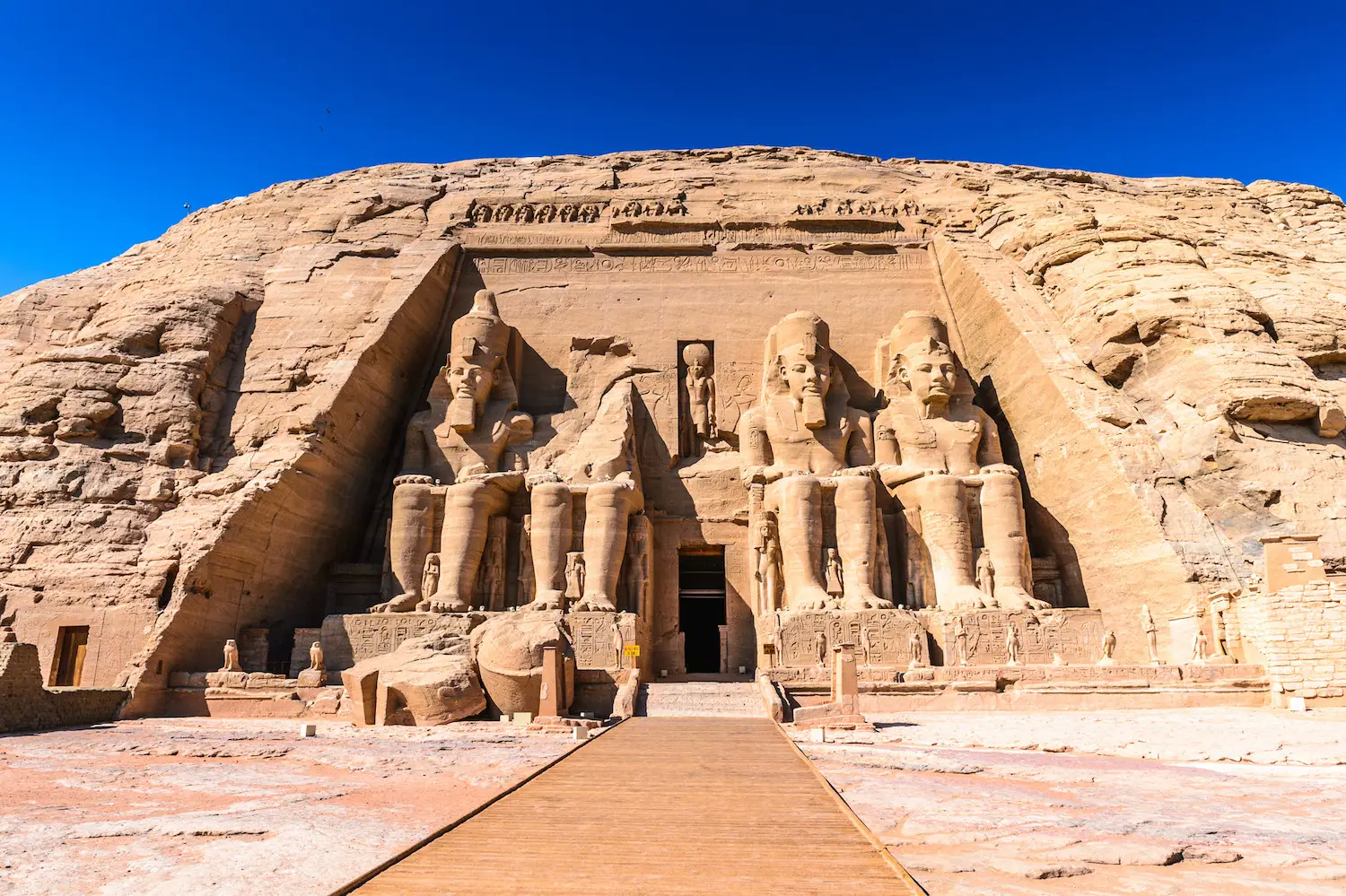
Instead of using separate stone blocks as many Egyptian sites do, the Great Temple of Abu Simbel was shaped straight into the rock. This odd, yet impressive approach shows both the engineering skills and the creative aims of ancient Egyptian builders.
2. The Façade Displays Four Giant Statues of Ramses II
On the front of the Great Temple, you can see four massive seated statues of Ramses II, lined up with a deliberate presence. These colossal figures were made to underline the king’s authority and royal identity. One statue suffered damage during an ancient earthquake, and the broken pieces still sit there , visible for visitors to notice.
3. Abu Simbel Includes Two Temples
This archaeological location holds two temples that sit close together. The Great Temple is devoted to Ramses II and several major deities, while the Small Temple honors Hathor and Queen Nefertari. Together, they make a striking temple complex that stands out across ancient Egypt.
4. The Sunlight Gets Into the Inner Sanctuary
One of the better-known parts of the Abu Simbel Temple is its carefully set solar alignment. On two particular days per year, sunlight moves through the temple passageways and touches the statues placed inside the sanctuary. As stated by the Egyptian Ministry of Tourism and Antiquities, this happens on February 22 and also on October 22.
5. Abu Simbel Was Saved From the Waters of Lake Nasser
The temples were kind of about to be submerged after the Aswan High Dam was built, so there was this real threat. Then, thanks to a UNESCO-led international campaign, the monuments got taken apart and shifted to higher terrain, in a way that kind of preserved them for later generations, not just for that time.
Why visit Abu Simbel Temple?
Abu Simbel brings together ancient history, architecture, religious devotion and modern conservation. The colossal statues of Ramses II, decorated corridors and sanctuaries reveal the ideas and achievements of the people who built the temples.
The Small Temple’s dedication to Hathor and Nefertari adds another perspective on royal and religious life. The story of moving the monuments piece by piece, away from Lake Nasser’s rising waters, gives the visit an equally remarkable modern dimension.
A journey to Abu Simbel extends an itinerary beyond Aswan’s central sights. The temples can be included in Egypt tours, private arrangements and Aswan tours, alongside other important places in southern Egypt.
For visitors interested in history, archaeology or ancient Egyptian culture, the complex offers both monumental scale and intricate details worth taking time to explore.




 More traveler reviews