
 FR
 IT


What Can You Discover on an Islamic Cairo Walking Tour?
An Islamic Cairo walking tour takes you on a journey through the city’s past its buildings and its daily life. You can walk through mosques narrow streets from centuries ago and busy markets. Along the way you’ll see places like Al-Muizz Street, Khan El-Khalili and Bab Zuweila. Each step reveals more of the city’s story.
Highlights include:
- Authentic Mosques: Al-Azhar mosque Islamic architecture.
- Al-Muizz Street: Discover mosques and historic homes.
- Khan El-Khalili: Shopping traditional, scented products & gifts.
- Bab Zuweila: Explore one of Cairo's historic gates.
- Local Culture: Taste the local cuisine and traditional cafes.
- Travel Tip: Dress modestly and wear socks/ shoes when touring mosques.
A Guide to an Islamic Cairo Walking Tour
Welcome to Day Tours Egypt. A walking tour of Islamic Cairo introduces historic mosques, medieval streets and lively markets with a guide who knows the neighbourhood.
Our Egypt day tours can help you explore Cairo's history and architecture while leaving time for workshops, local food and everyday street life. Choose a route that fits the time you have and check which monuments require separate transfers.
The Magnificent Mosques and Architectural Marvels
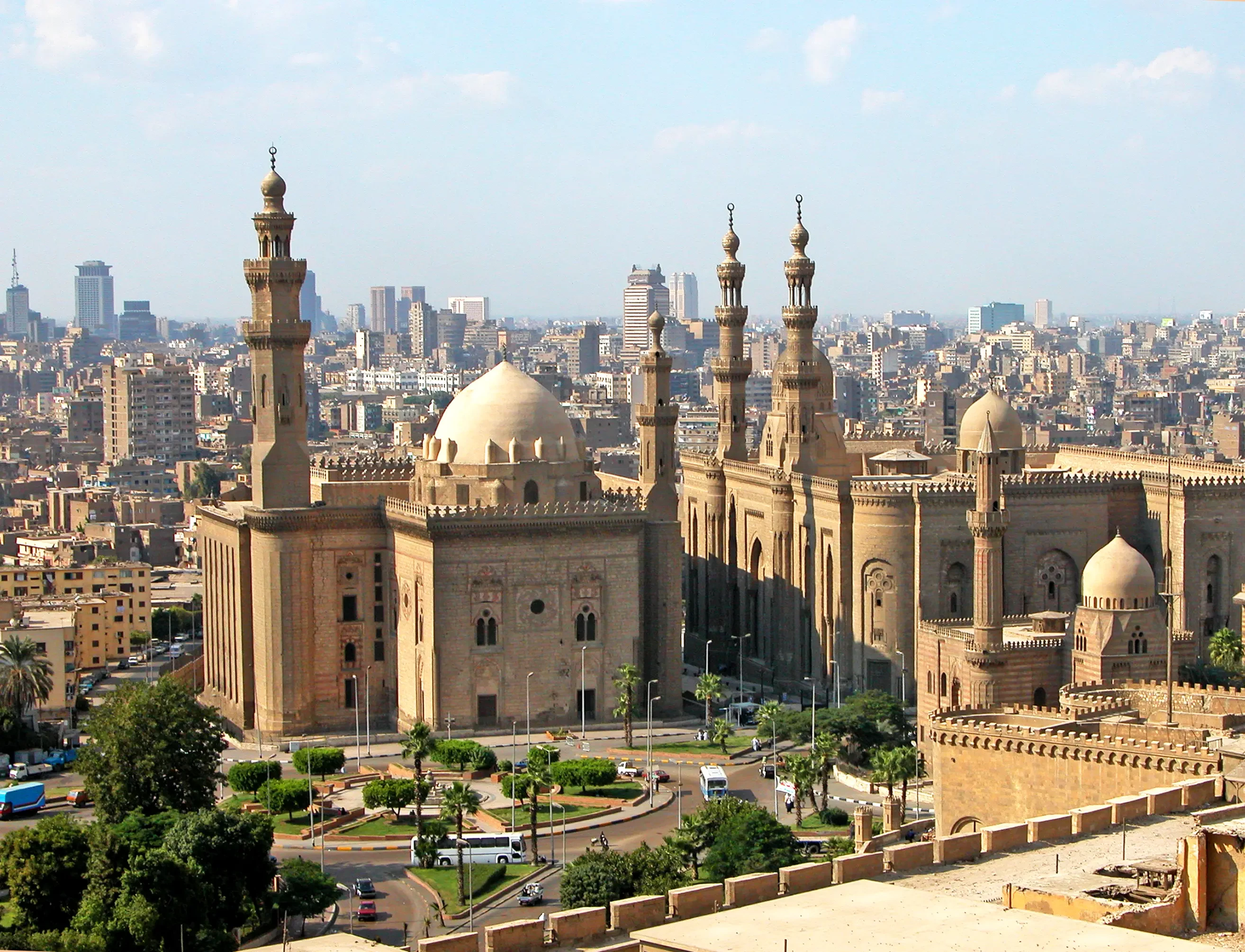
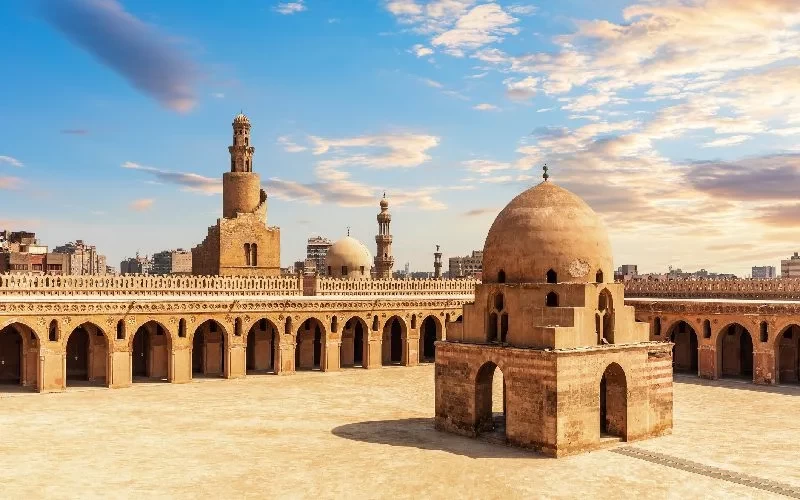
An Islamic Cairo walking tour can include Al-Azhar Mosque, whose construction began in 970 CE. The mosque developed into a major centre of Islamic learning. Its courtyard, minarets and architectural details reflect different periods of Cairo's history.
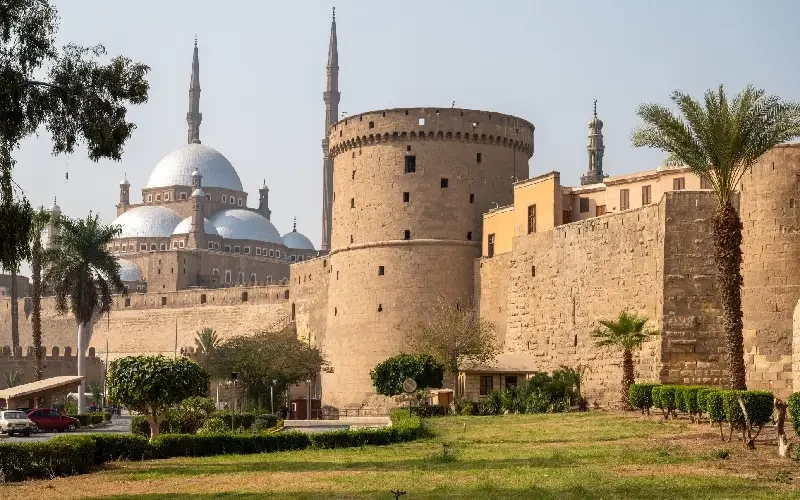
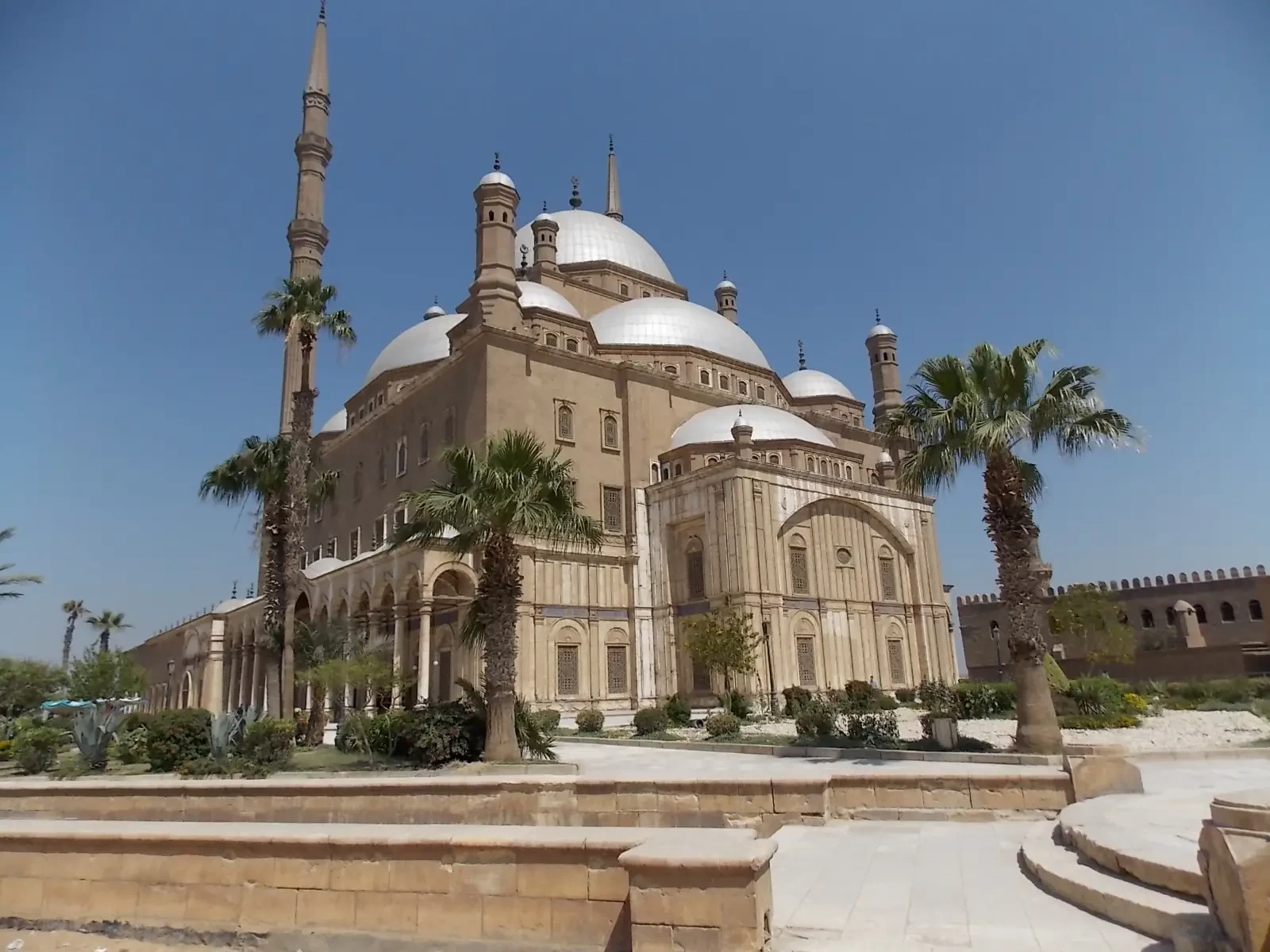
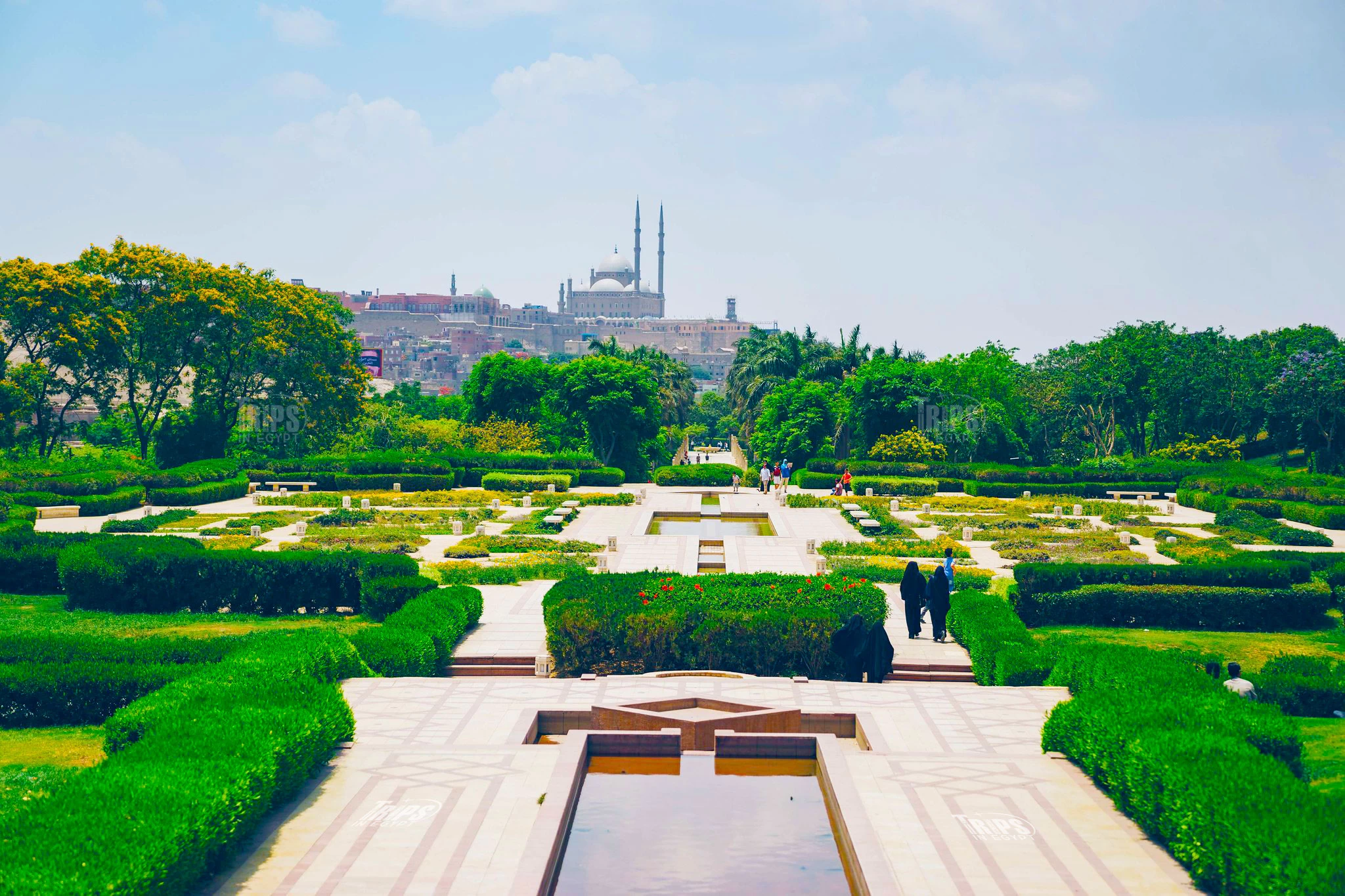
The Muhammad Ali Mosque at the Citadel is known for its Ottoman-inspired design, alabaster decoration and views over Cairo. The Sultan Hassan Mosque and Madrasa is a major example of Mamluk architecture. These sites are spread out, so arrange transport if you want to combine them with a walking route through Al-Muizz Street and Khan el-Khalili.
When comparing Cairo day tours, check which monuments are included and how much walking and driving the route involves.
Bustling Bazaars and Traditional Souks
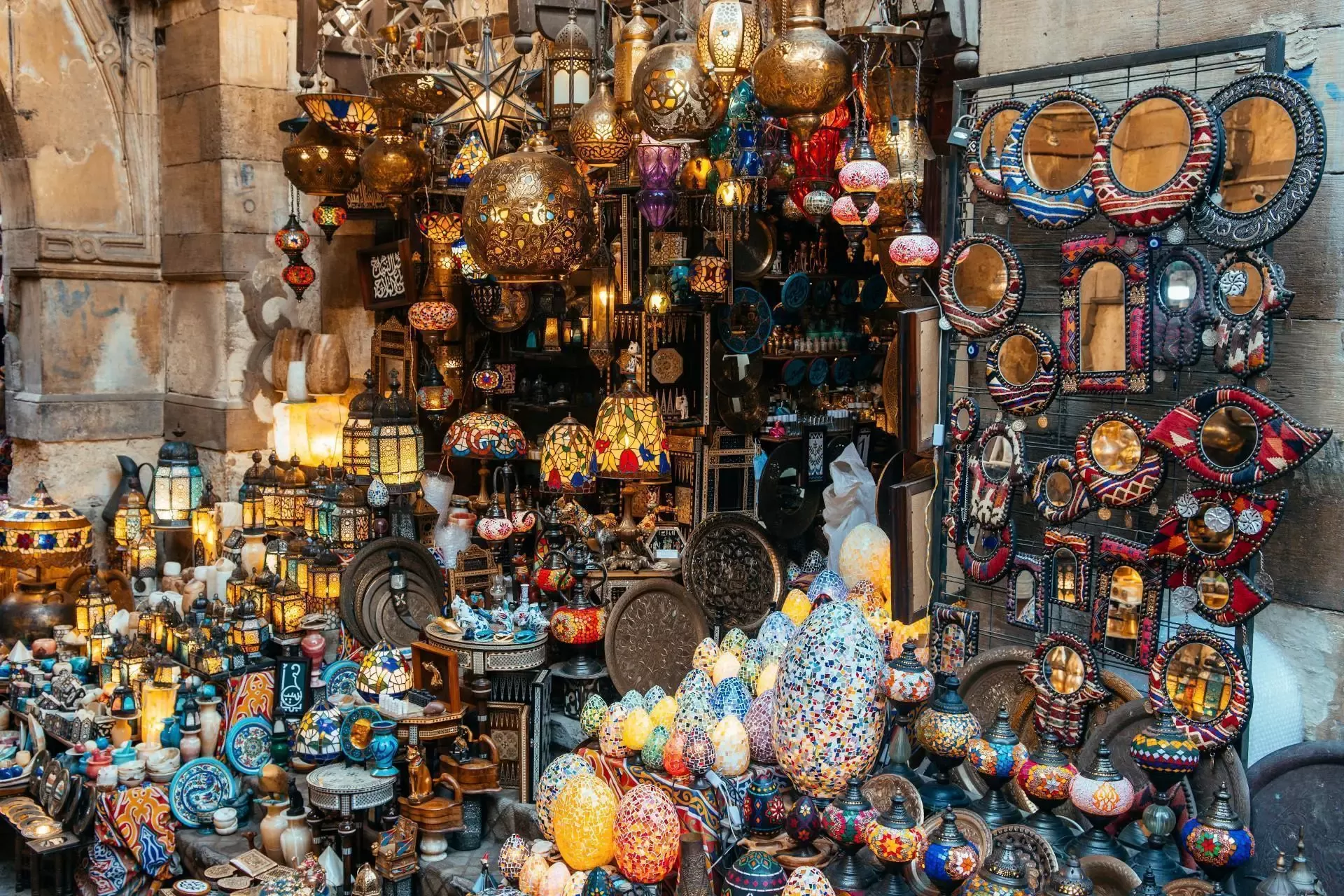
The Khan el-Khalili bazaar is a classic stop on a tour of Islamic Cairo. Established in the 14th century, the market has narrow lanes lined with jewellery, textiles, spices, leather goods and crafts.
The scents of mint tea, incense and spices mingle with conversations and bargaining. Look beyond the shop displays to the wooden screens, carved entrances and historic buildings.
Small cafés and side streets offer places to pause over Egyptian coffee and observe woodworkers or metalworkers. Shaded courtyards can provide a quieter break from the busiest lanes.
Walk on Al-Muizz Street
Al-Muizz Street runs through the heart of Islamic Cairo. A walk reveals mosques, mausoleums, madrasas and historic houses with carved façades. Together they tell the story of the rulers, scholars and merchants who shaped the city.
Possible stops include the Sultan Qalawun Complex and the Madrasa of Sultan Barquq, both important monuments of Mamluk architecture. Bayt al-Suhaymi offers a glimpse of domestic life through its wooden mashrabiya screens, courtyards and decorated ceilings.
Late-afternoon light highlights the stonework. A guide can explain the different architectural periods while the walk also provides a view of daily life in the neighbourhood.
Ask us about this
From Al-Muizz Street to Khan El-Khalili, let us help you discover the history, architecture, and local culture of Islamic Cairo.
Chat on WhatsAppStop at Bab Zuweila, then try local Egyptian food
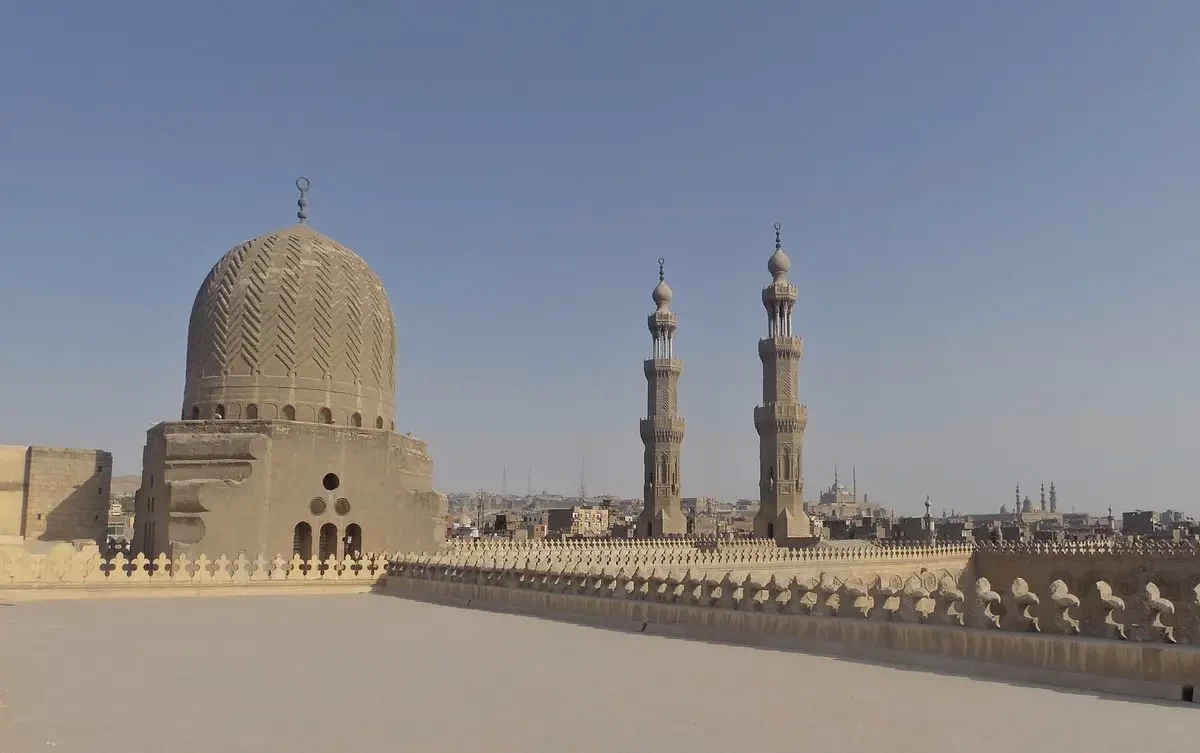
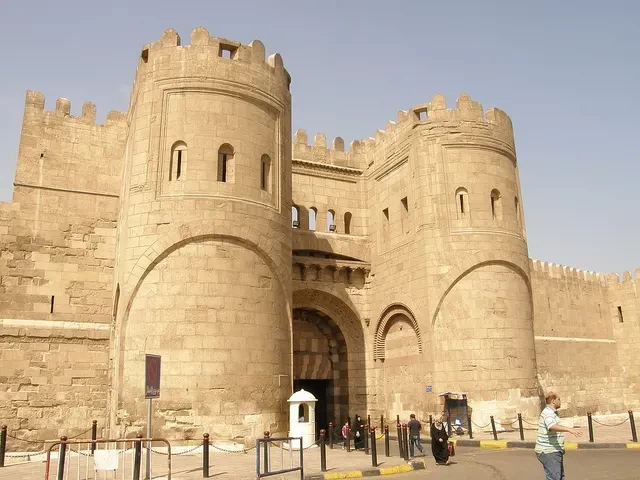
Bab Zuweila is a historic Fatimid gate that once formed part of Cairo's city walls. When access is available, its minarets offer views over rooftops, domes and streets. Check visiting conditions before planning the climb.
Nearby lanes contain workshops and shops working with copper, wood, leather and textiles. A food stop offers a chance to try koshari, taameya, ful medames, grilled meats or freshly baked Egyptian bread.
Ending with a meal is a reminder that Islamic Cairo is a living neighbourhood as well as a collection of monuments. Day Tours Egypt can help arrange a route that balances history, architecture and local life.
Practical Tips and Cultural Experiences
Use our Cairo travel guide to plan your walk. Allow a full day if you want several visits, with breaks and transfers between distant sites. An early start helps avoid some of the heat and crowds.
Wear comfortable shoes and clothing that covers your shoulders and knees. At mosques, follow staff instructions about removing shoes and, for women, covering the head where required.
Make time for local food such as koshari or falafel. October to April generally offers more comfortable walking weather. Six to eight hours may suit a multi-stop itinerary, but the right duration depends on the route and opening hours.
A guide booked through Day Tours Egypt can help explain the architecture and history of the places you visit.








 More travele reviews