Valley of the Queens: Explore Luxor’s Royal Burial Grounds
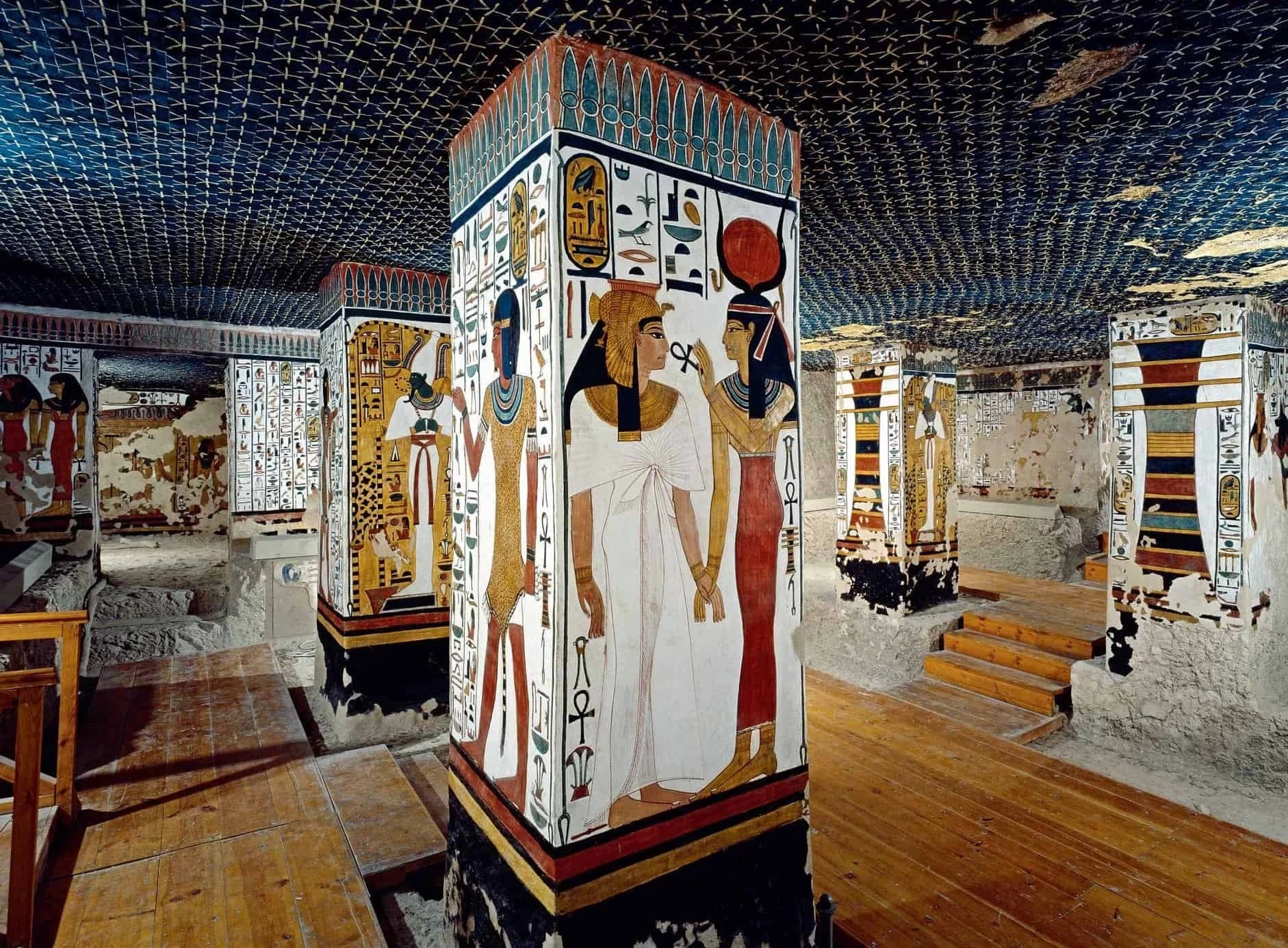
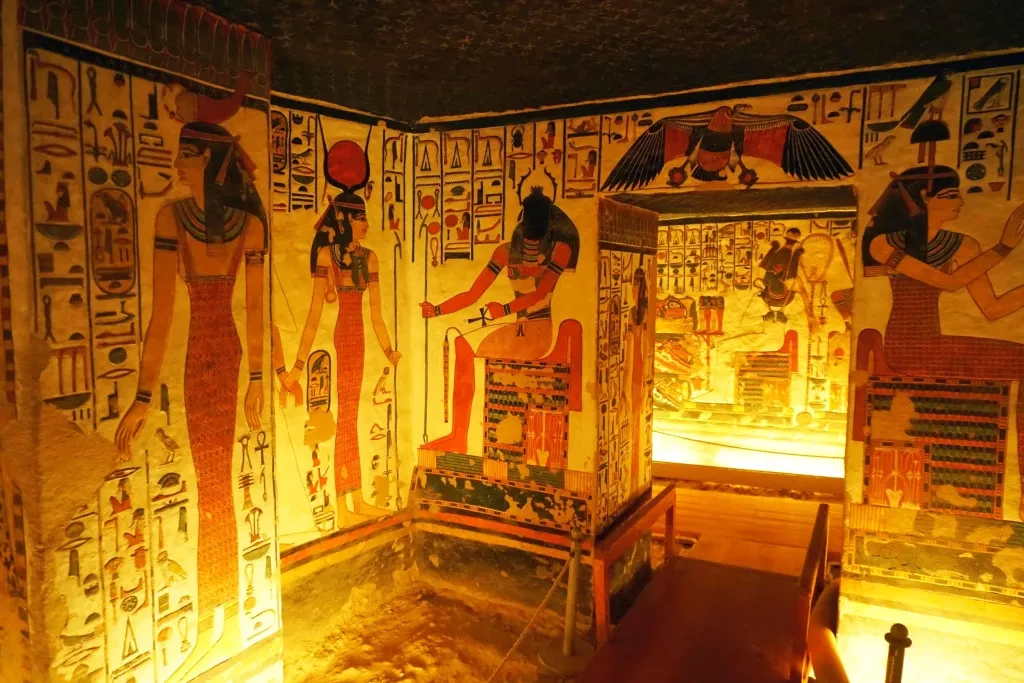
The Valley of the Queens is an interesting archaeological site located on the West Bank of Luxor and among the best sites that help us understand the history of the royal family of ancient Egypt. Used throughout the New Kingdom period, the necropolis holds over 70 tombs of the members of the royal family including queens, princes, princesses, and others. The most prominent tomb among these is the tomb of Queen Nefertari whose fame comes from the fact that her tomb is decorated with magnificent wall paintings, rich colors and scenes showing the life in the afterlife world. Apart from this tomb, we can see the entire history of ancient Egyptian burial culture and the significance of protecting the members of the royal family in the afterlife.
Valley of the Queens: Discover Luxor’s Ancient Royal Burial Ground
One of the most interesting archeological sites on the West Bank of Luxor is the Valley of the Queens. While the neighboring Valley of the Kings holds the tombs of pharaohs, the relatively quiet necropolis is mostly dedicated to the burials of queens, royal children and other royalty of the New Kingdom period. The tombs of the Valley give another point of view at the Egyptian funerary practices and are a fascinating addition to Luxor tours.
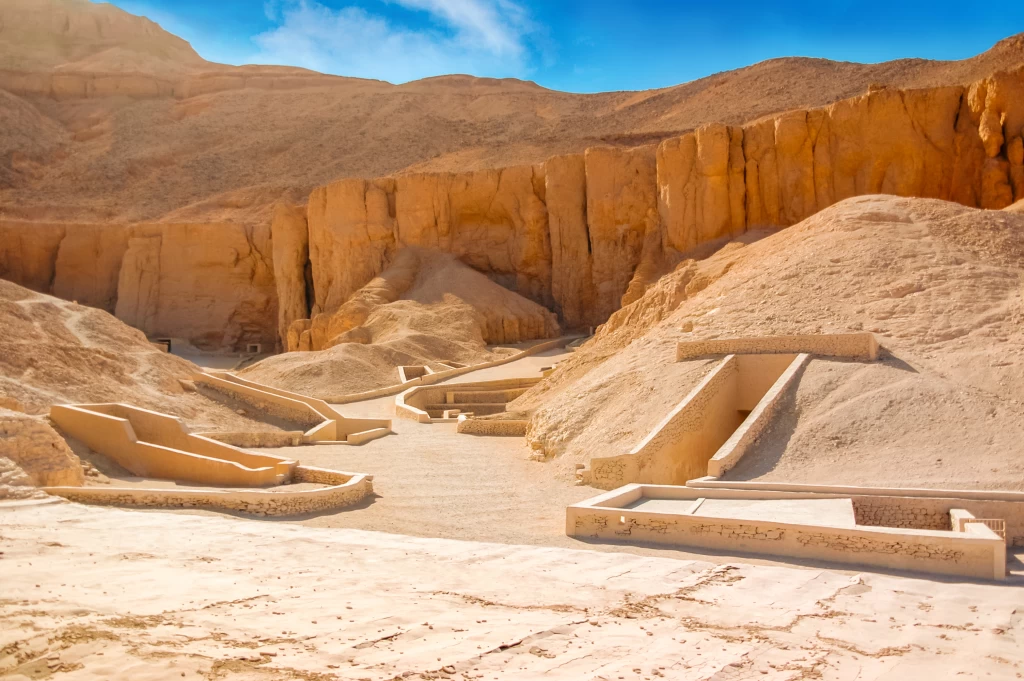
Being located near the cliffs of Western Thebes, the necropolis holds about 70 tombs that are known. But not all of them can be visited. Tombs vary in sizes and decorations and some of them hold beautiful preserved scenes of gods, rituals and afterlife journey.
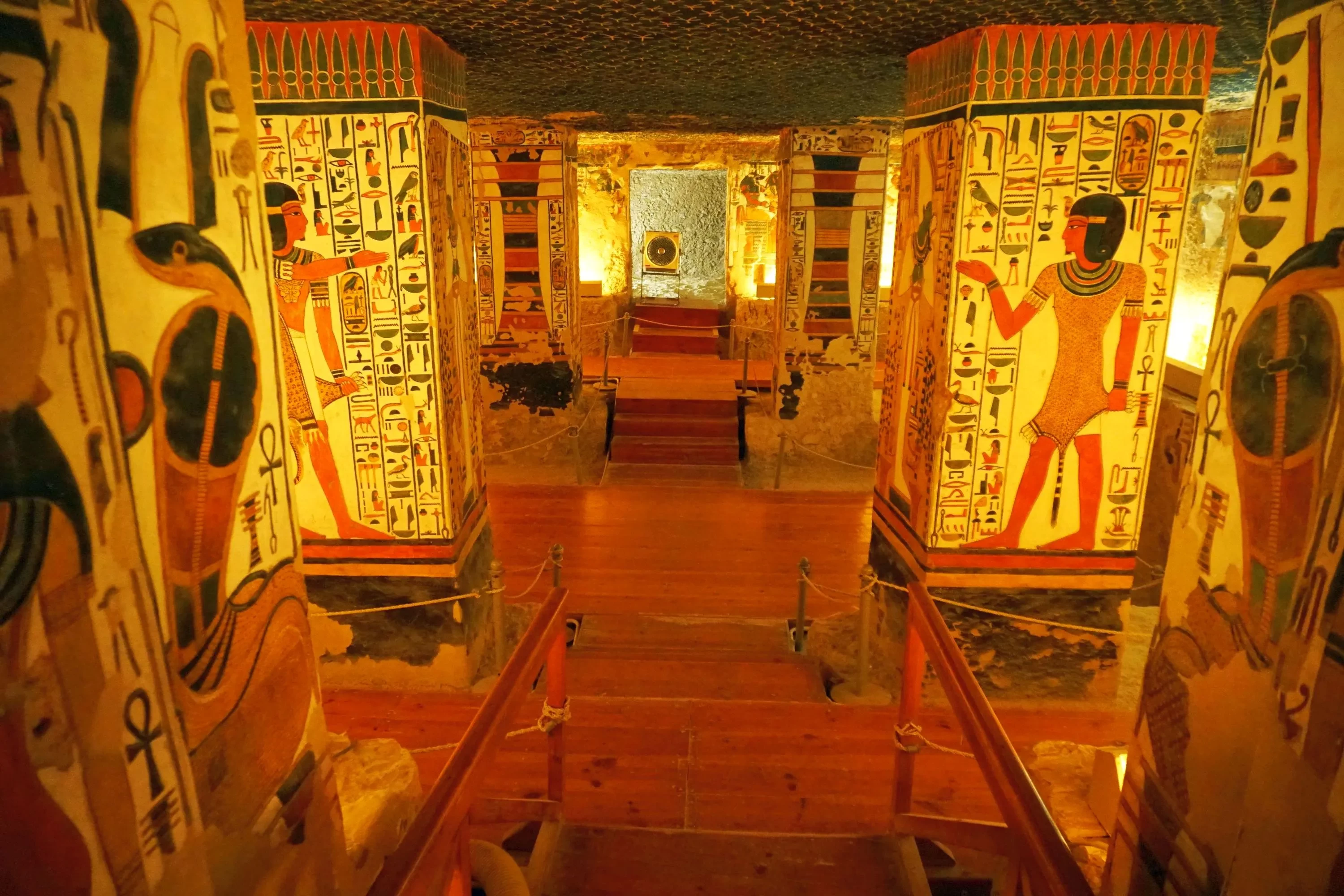
The most famous burial in the Valley of Queens is the Tomb of Nefertari. The tomb was made for Ramesses II's wife and its walls are painted in very beautiful paintings and reliefs.
Why Was the Valley of the Queens Created?
One of the most interesting archeological sites on the West Bank of Luxor is the Valley of the Queens. While the neighboring Valley of the Kings holds the tombs of pharaohs, the relatively quiet necropolis is mostly dedicated to the burials of queens, royal children and other royalty of the New Kingdom period. The tombs of the Valley give another point of view at the Egyptian funerary practices.
Being located near the cliffs of Western Thebes, the necropolis holds about 70 tombs that are known. But not all of them can be visited. Tombs vary in sizes and decorations and some of them hold beautiful preserved scenes of gods, rituals and afterlife journey.
The most famous burial in the Valley of Queens is the Tomb of Nefertari. The tomb was made for Ramesses II's wife and its walls are painted in very beautiful paintings and reliefs.
Nefertari’s Tomb and the Valley’s Most Famous Artwork
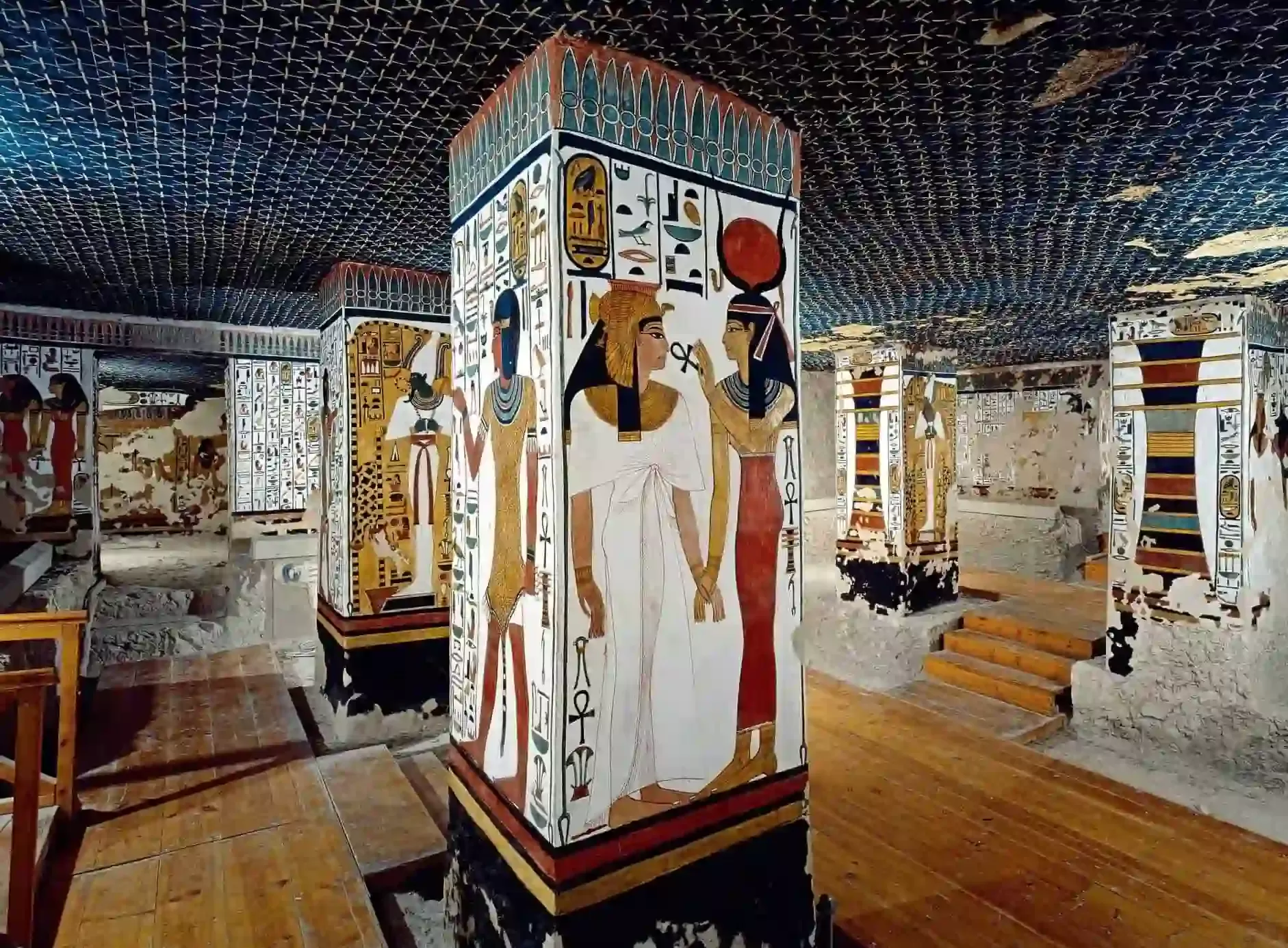
Nefertari’s Tomb certainly ranks as the most well-known site within the Valley of the Queens. Constructed for Nefertari, who was the wife of Pharaoh Ramesses II, the tomb is distinguished by its beautiful painting and rich colors.
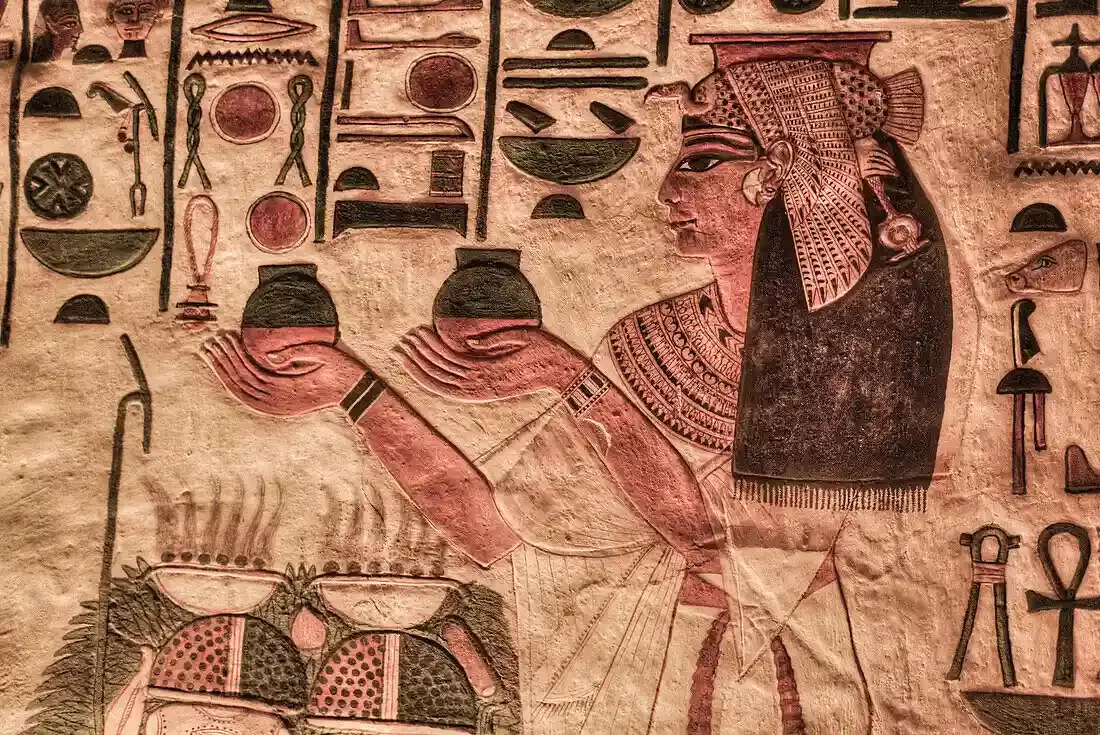
Queen Nefertari was a highly significant personality within the royal family, and therefore, its walls depict numerous scenes of the interactions between Nefertari and the gods, as well as her journeys through the underworld. The pictures are accompanied by hieroglyphic inscriptions that are meant to protect and guide Nefertari in the afterlife.
The beauty of its paintings is What makes the tomb truly remarkable. It is painted with numerous vivid pictures of deities and ritualistic symbols. Many parts of it preserve their bright colors even after thousands of years.
Usually, the tomb of Nefertari is less accessible than other tombs due to its fragile painting. It is advisable to consult the current visiting regime prior to your journey.
Ancient Egyptian Tombs Beyond Nefertari
While Nefertari's tomb remains exceptionally popular, numerous other tombs exist in the Valley of the Queens offering a host of historical insights into ancient Egypt. Some of them were used by royal children and other family members which means that visitors can learn more about the burial customs practiced by the royal household.
For example, one of the tombs belongs to Prince Khaemwaset who was the son of Ramesses III. There are also tombs of other princes and princesses from the New Kingdom. Their tombs are decorated with religious symbols because they were meant to give some assistance in the afterlife.
The tombs' decorations differ greatly and it is easy to see gods, religious symbols and other elements that can give an insight into the funeral rites and beliefs that influenced ancient Egyptian burial practice.
Moreover, the excavations of this place have made it possible to learn more about the genealogy of kings and the society of the New Kingdom because the tomb inscriptions can give such information.
If travellers want to visit the tombs of the Valley of the Queens, they should consider going beyond the most popular ones because each tomb has its own secrets to uncover.
Where the Valley of the Queens Fits into Luxor’s West Bank
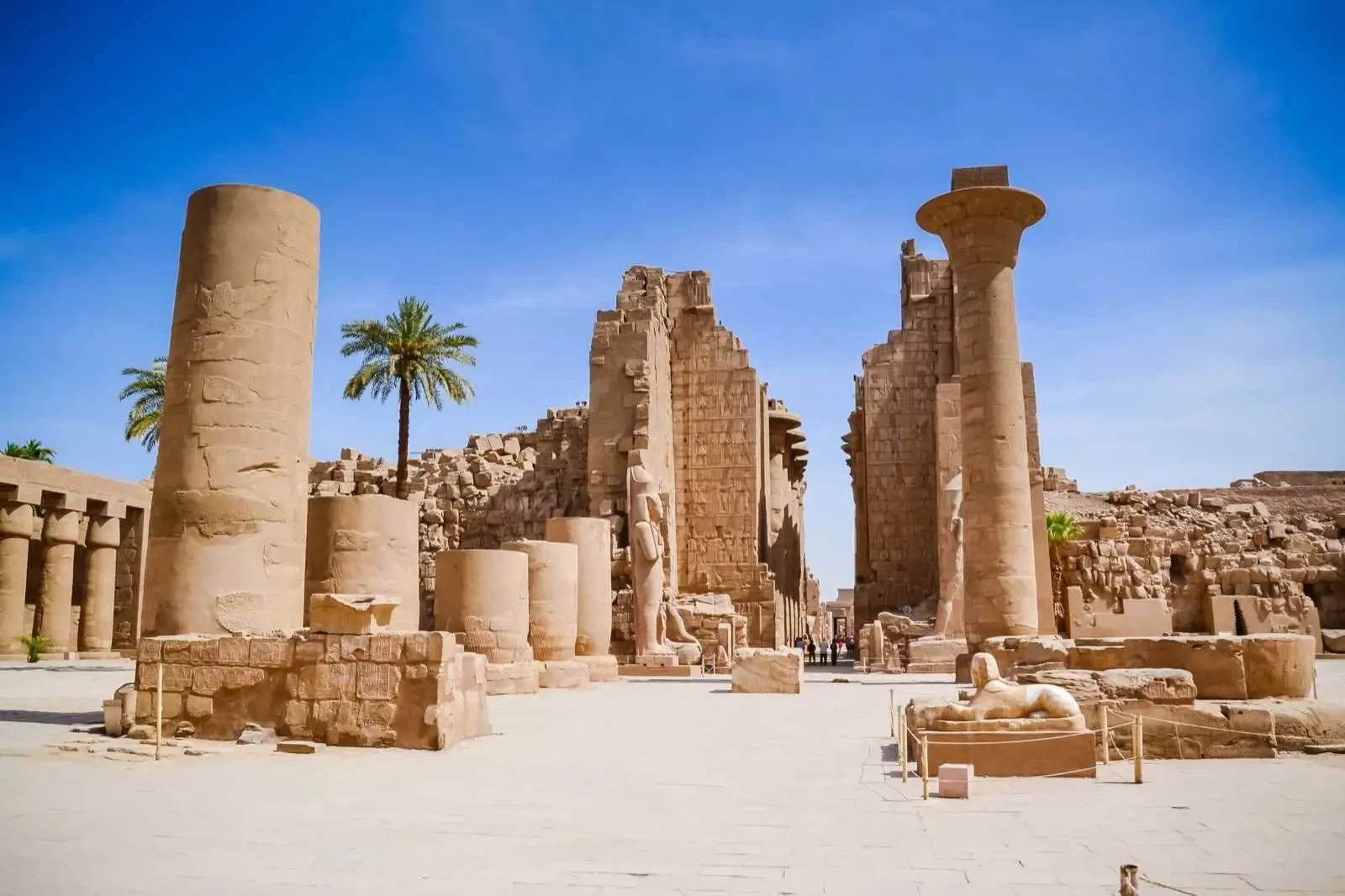
However, the Valley of the Queens is just one part of a larger archeological landscape found on Luxor’s West Bank, where Egyptians built temples, tombs and monuments associated with royalty and religion. Touring several locations at once helps to see the development of ancient Thebes better.
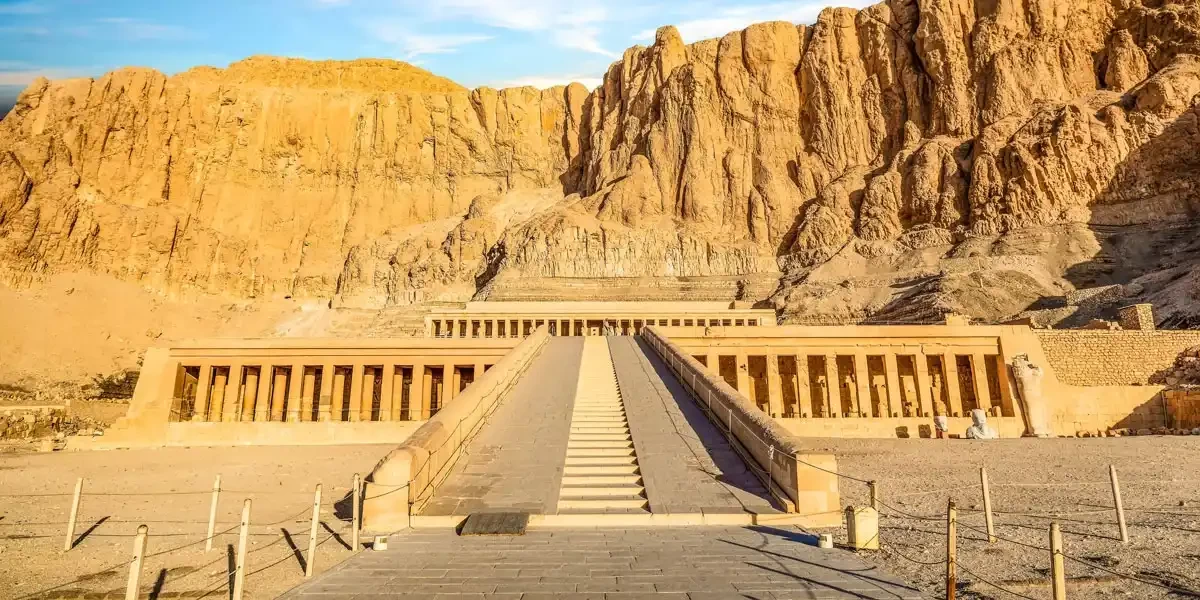
The Valley of the Kings, for instance, houses tombs of many New Kingdom pharaohs. Another place that should not be missed is the Hatshepsut Temple, which offers great examples of royal architecture.
All of these sites can be seen during one tour of the West Bank; however, it is recommended to allocate some extra time for visiting every attraction. It is important to note that the Valley of the Queens is a valuable addition to the above mentioned sites because it deals with the life of royal women and children.