FR
 IT


Medinet Habu Temple: Discover Ramesses III’s Legacy in Luxor
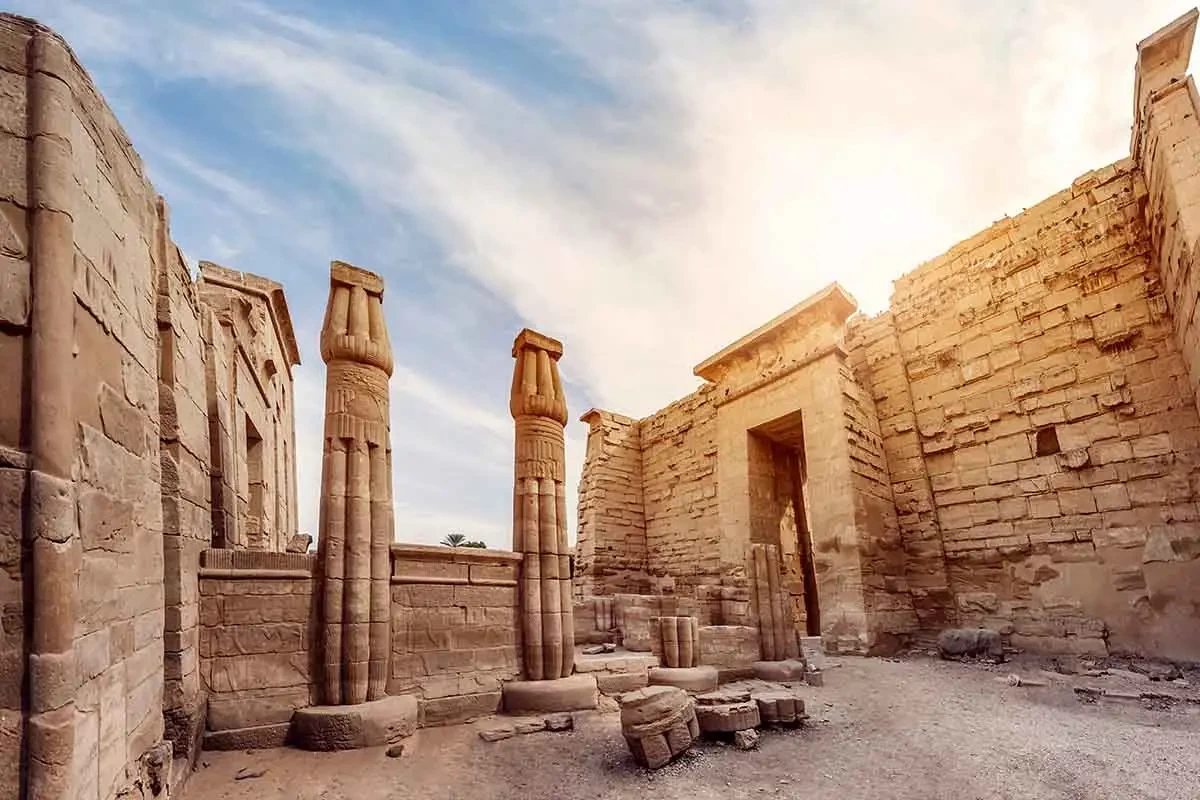
Built mainly by Ramesses III, Medinet Habu is one of Luxor’s best-preserved monuments and an outstanding example of New Kingdom religious architecture. Its detailed reliefs and painted hieroglyphs depict battles, religious scenes, royal processions and offerings to the gods. The monumental gateway, courtyards, colonnades and painted enclosures evoke the prosperity and rituals of ancient Thebes. On the west bank of the Nile at Luxor, the temple can be visited alongside the Valley of the Kings, Hatshepsut Temple and the Colossi of Memnon.
Medinet Habu: The Monumental Temple of Ramesses III
The Temple of Medinet Habu is among the most amazing ancient structures on the Luxor West Bank and a must-visit place for anyone who wishes to learn about the history of New Kingdom of Egypt. Owing to the fact that it often gets overlooked when compared to the Valley of the Kings and the Hatshepsut Temple, this gigantic structure gives a new view of ancient Egyptian history through royal power, military conquests, religious rituals, and art.
This temple was built mostly in the times of Ramesses III, and it served as the burial and ritual site of the pharaoh. Its large entrance, fortress-like appearance, courtyards, halls, and well-carved reliefs make it one of the best preserved temples in Luxor. The walls are decorated with numerous battle scenes, offerings, rituals, and the interaction between the king and gods.
Since there are some places of Luxor which are overcrowded, Medinet Habu gives you an opportunity to have a quiet archaeological adventure by studying the inscriptions and architecture of the temple. So, if you are planning Luxor tours, Medinet Habu is worth a visit while on West Bank.
The History of Medinet Habu and Ramesses III
Medinet Habu was commissioned by Pharaoh Ramesses III, one of the last great pharaohs of Egypt’s New Kingdom era. The temple was erected in Luxor's West Bank during the 20th Dynasty and dedicated to the Theban god Amun as well as Pharaoh Ramesses III himself. Its religious function was related to the belief of the ancient Egyptians in the existence of the pharaoh after death.
It should be noted that the complex was built on the spot of the former sacred place devoted to the god Amun, thus emphasizing its religious significance even further. With time, the temple transformed from the mortuary temple into the center of religious as well as administrative life; there were priests and other officials who worked in the complex surrounding Medinet Habu.
Pharaoh Ramesses III gained popularity among the latter due to the fact that he managed to protect Egypt from some groups who endangered Egypt during the reign of this ruler. Medinet Habu walls contain the description of these military operations, thus making this structure very important for historical purposes.
Thus, for tourists who are interested in Medinet Habu Temple history, these inscriptions give more information than the pieces of artwork.
The Temple’s Walls Tell Stories of Ancient Egypt
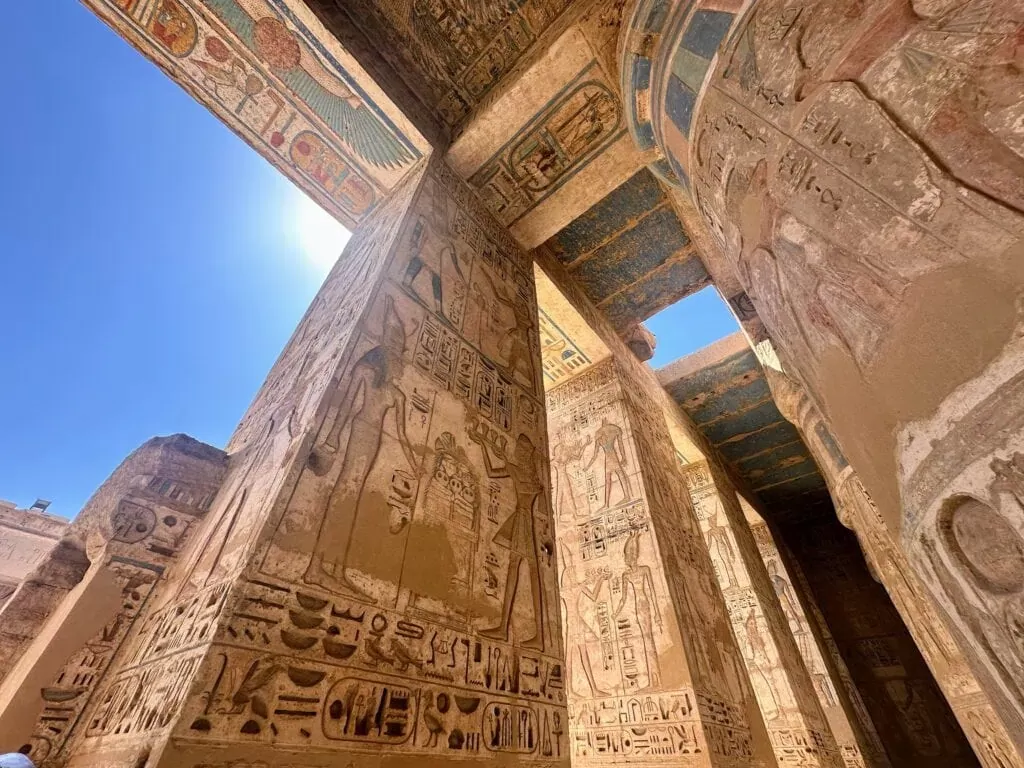
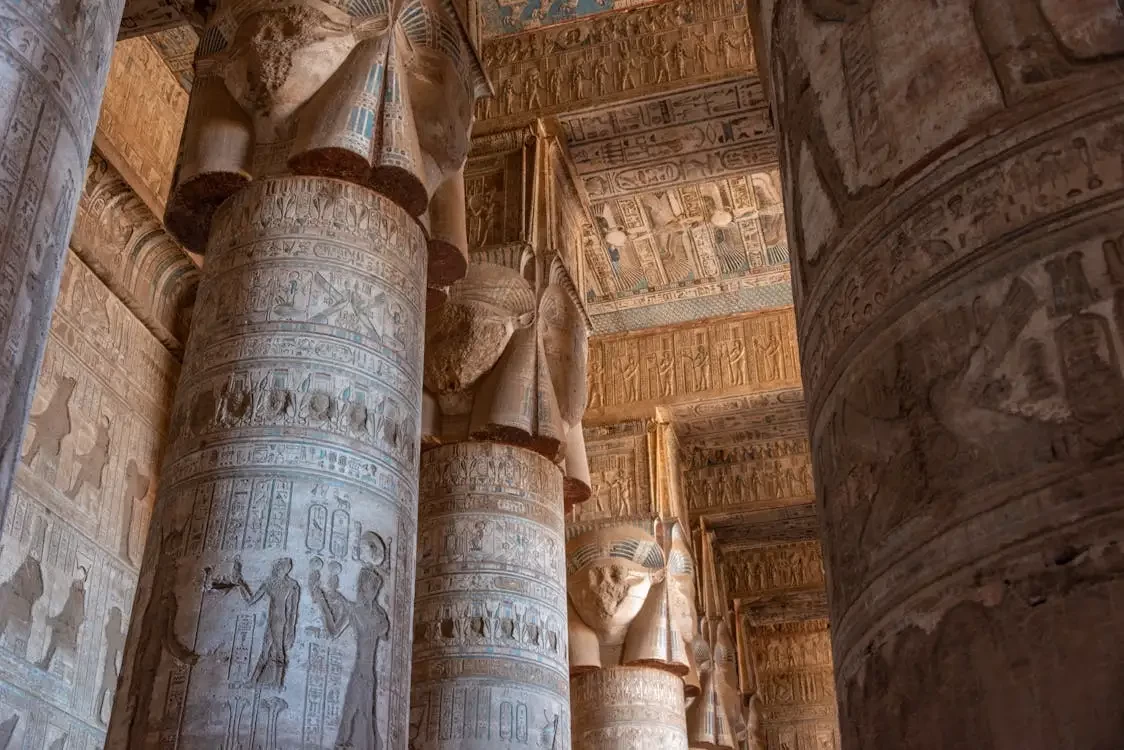
The walls of Medinet Habu contain a wealth of information about ancient Egypt. Across the temple, reliefs depict religious rituals, battles, offerings and royal processions.
Military scenes are especially prominent. They show Ramesses III fighting and defeating his enemies, including the groups known as the Sea Peoples. Depictions of people, ships, weapons and prisoners provide valuable evidence of how Egyptians portrayed warfare and royal victory.
Other scenes show the pharaoh making offerings to deities including Amun, Re-Horakhty and Ptah. They express the traditional relationship between the king and the gods and their shared role in maintaining cosmic order.
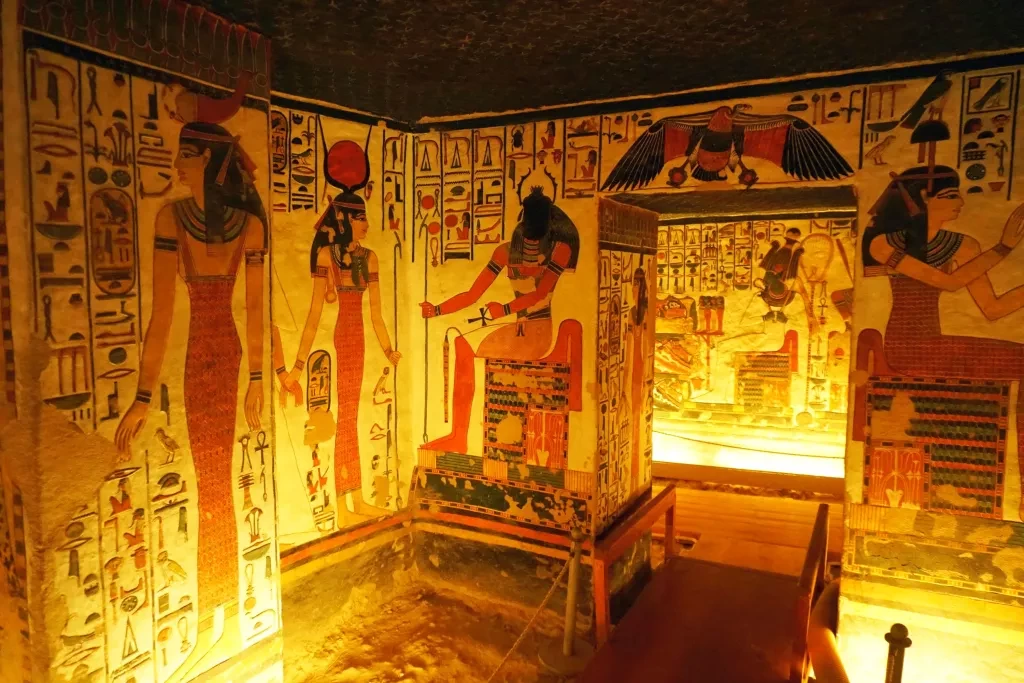
The quality of the surviving carvings makes the reliefs a highlight of the site. Traces of their original colours remain visible in some areas.
Exploring the Gates, Courtyards and Temple Architecture
Medinet Habu is recognisable by its monumental entrance and fortress-like design. The massive walls and gateway reflect its importance in ancient Thebes.
The Eastern High Gate is especially distinctive. Its defensive appearance recalls a fortification rather than a typical Egyptian temple entrance.
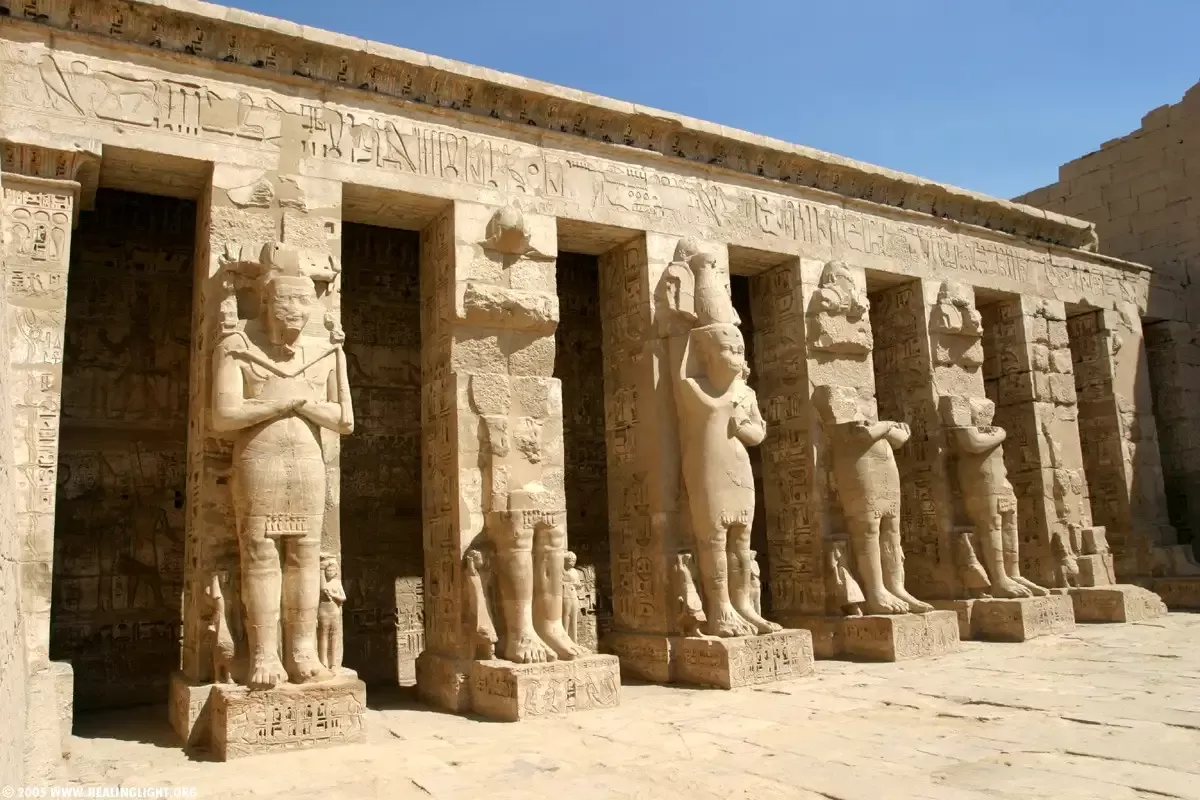
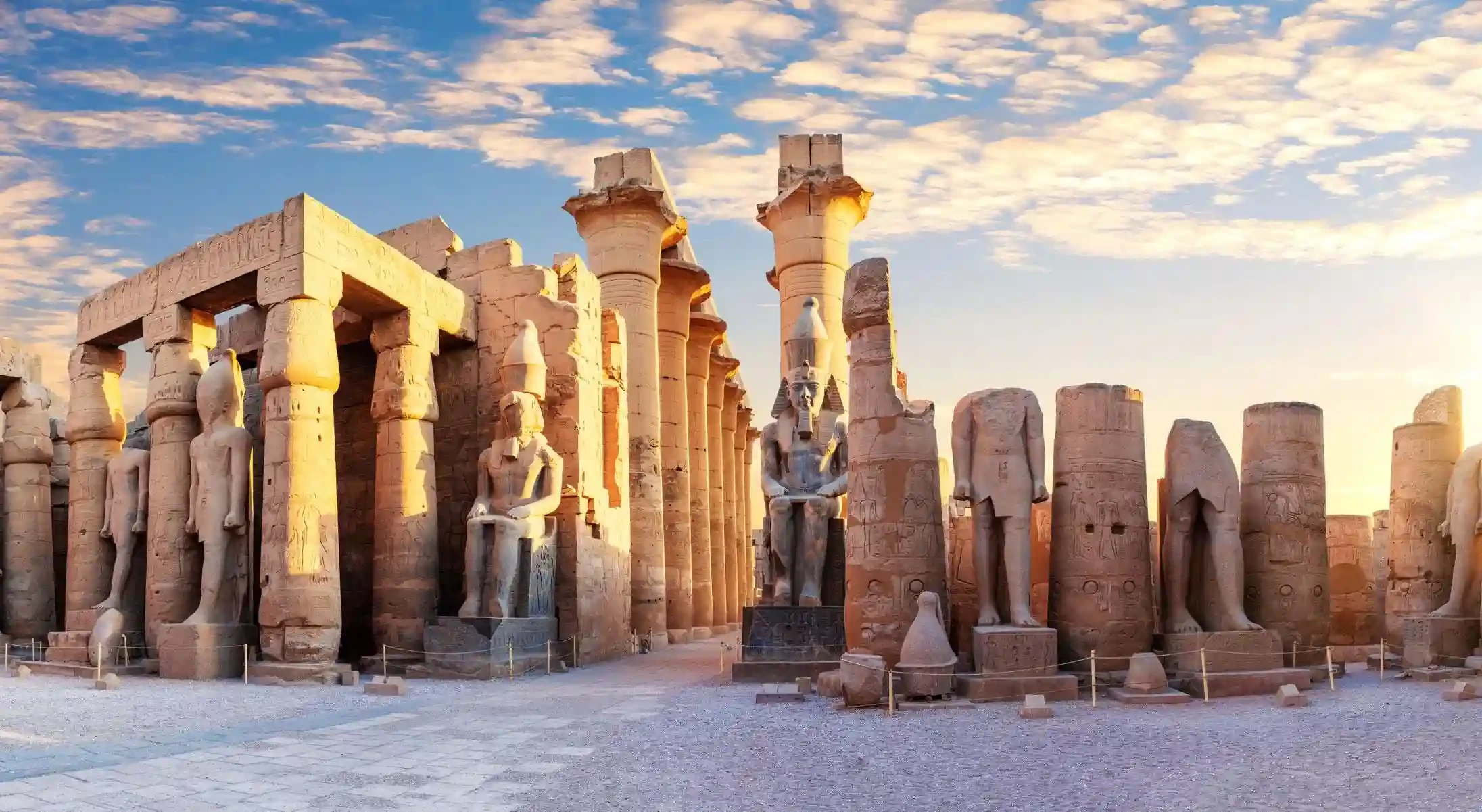
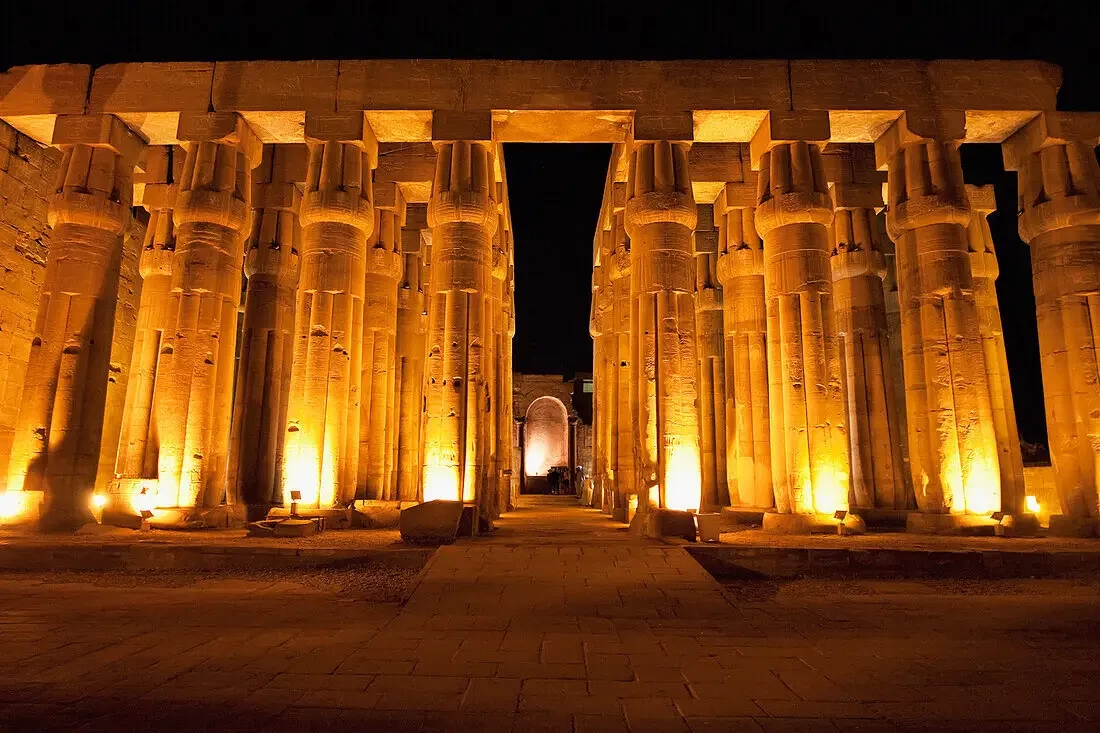
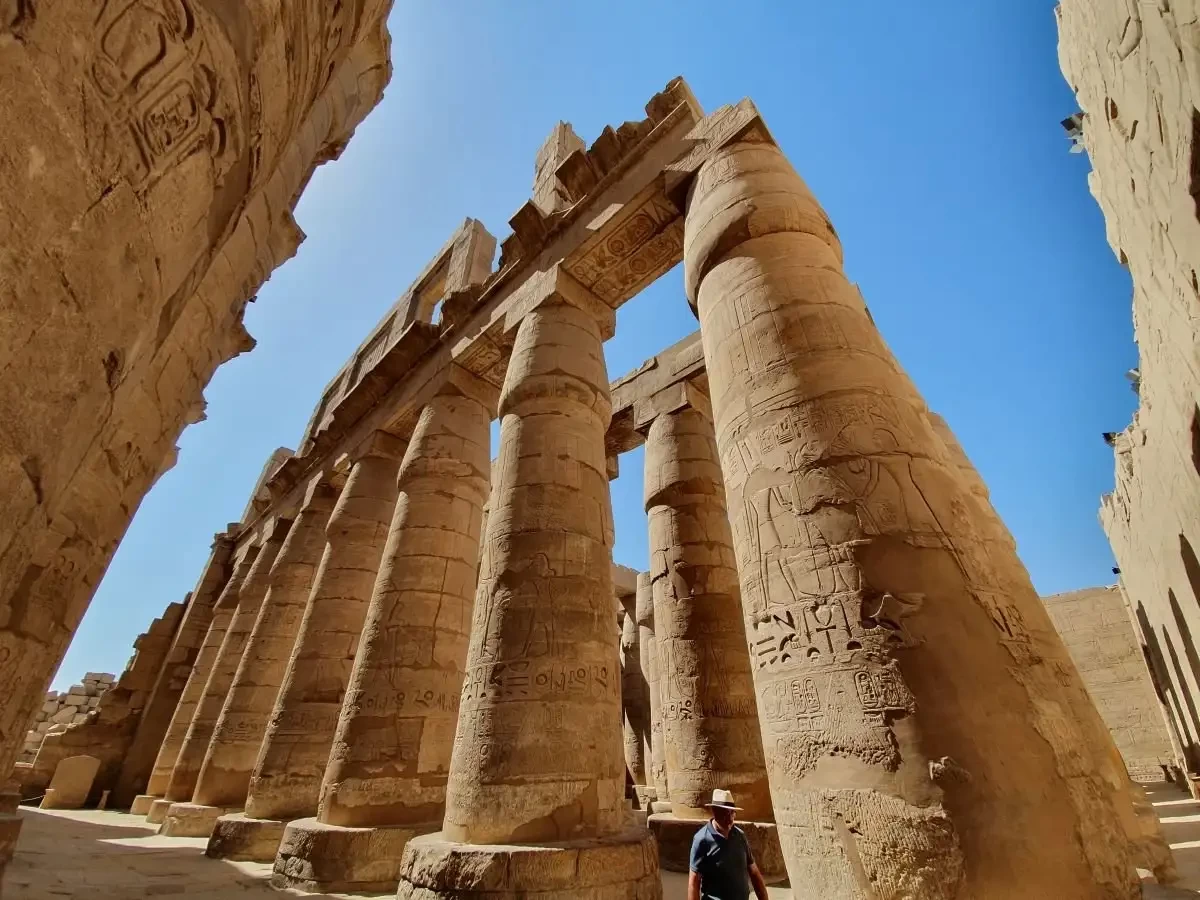
Within the temple, courtyards and halls contain columns, statues, carved reliefs and inscriptions. Beyond the First Pylon lies a court decorated with imposing figures and carvings. Farther inside, the architecture becomes increasingly focused on rituals and the worship of the gods.
Look for decorated column capitals, hieroglyphic texts and statues representing pharaohs and deities. These details help explain how the architecture and decoration worked together.
Medinet Habu and Luxor’s Ancient Theban Landscape
Medinet Habu was a part of the larger landscape of ancient Thebes, and the location is easily accessible for combining several other landmarks within the West Bank area of Luxor. The West Bank was not just a collection of separate landmarks but a large religious and funerary landscape that had something to do with the royal and spiritual aspects of ancient Egypt.
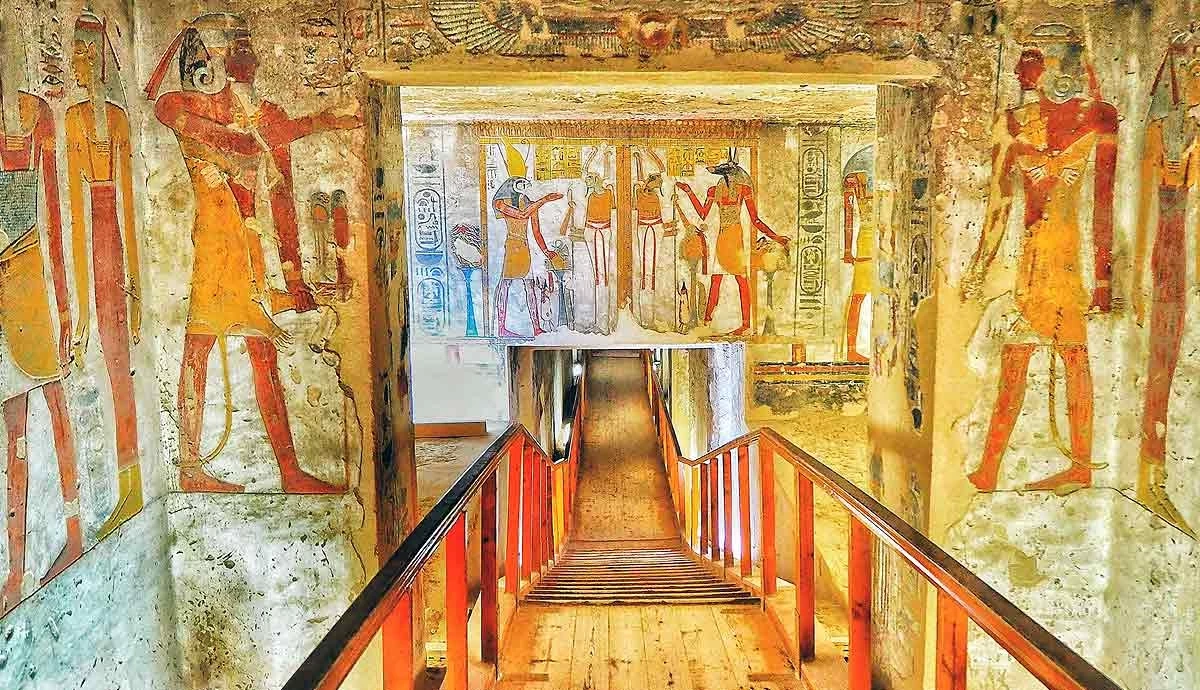
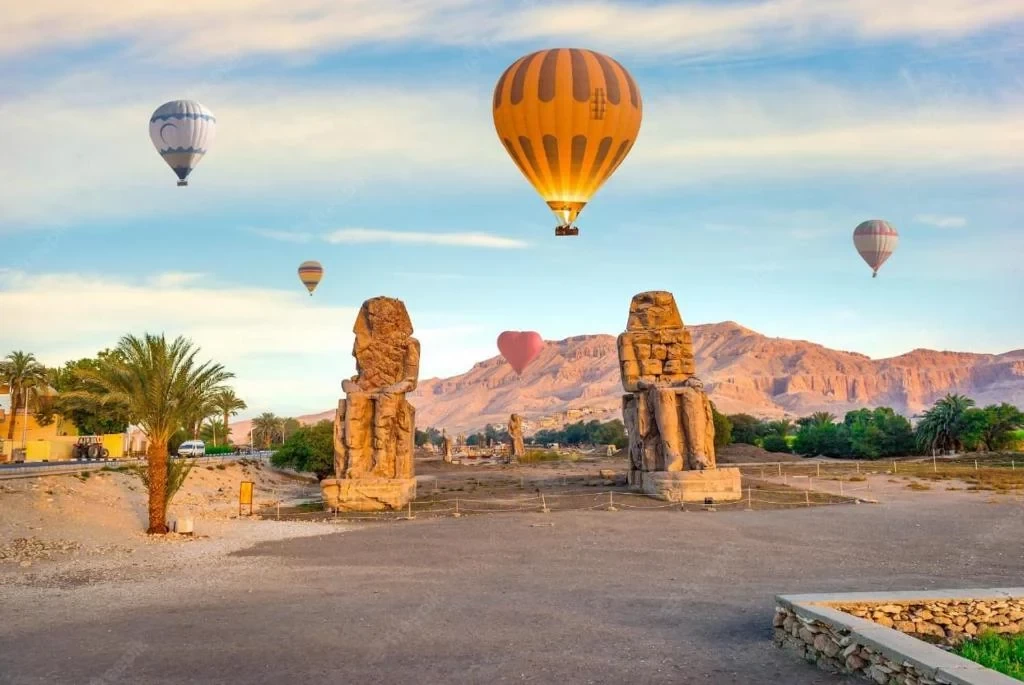
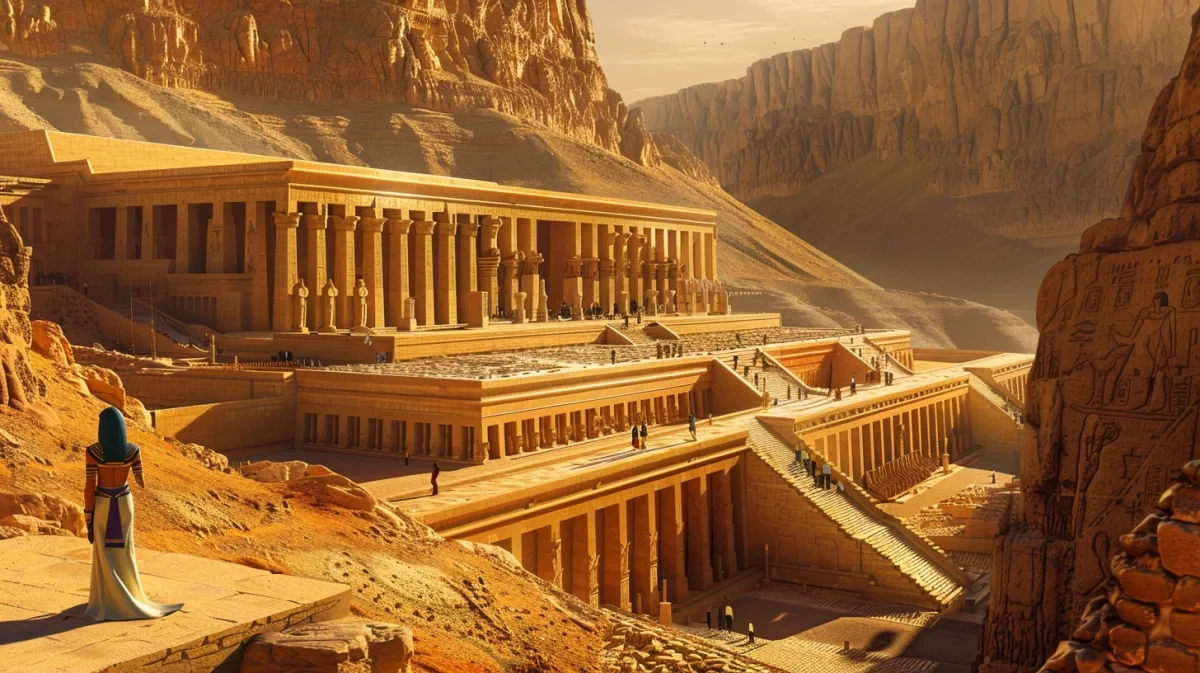
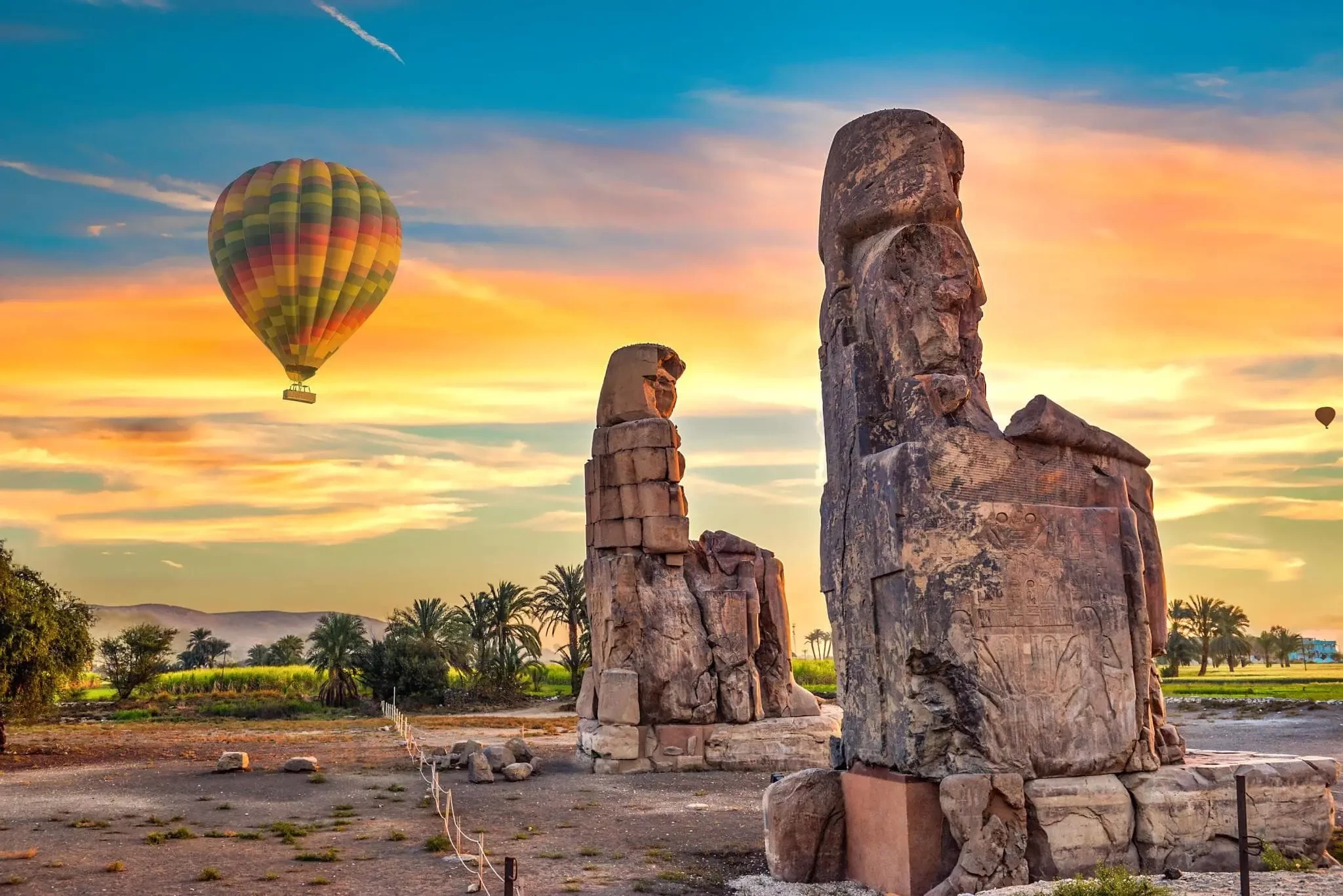
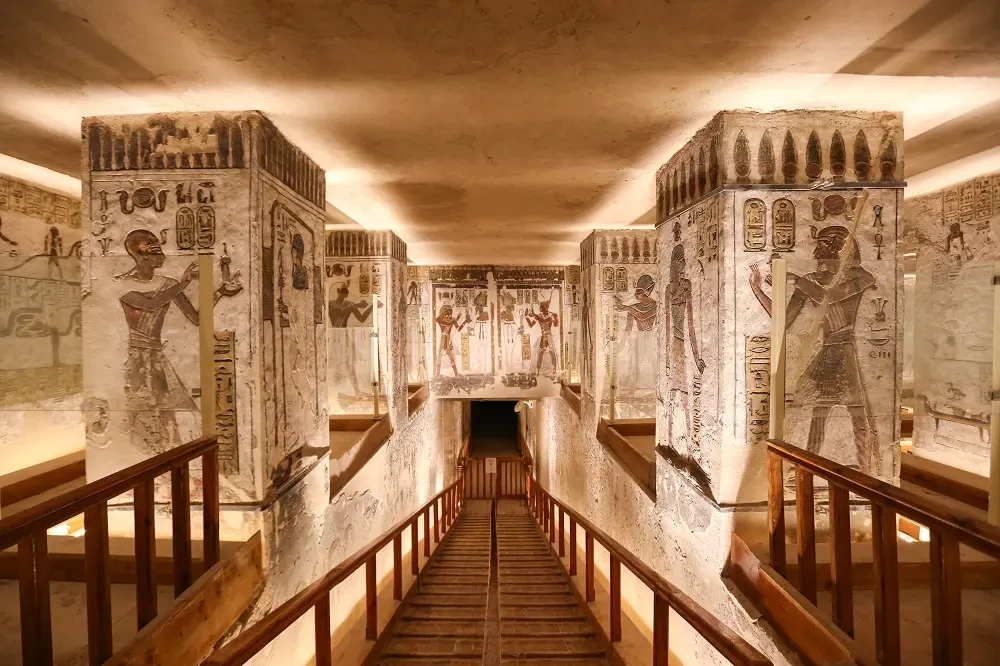
Valley of the Kings is another landmark located close to Medinet Habu, and it was a royal necropolis where many New Kingdom pharaohs were buried. Hatshepsut Temple represents yet another royal architectural construction, and Colossi of Memnon was once a part of another huge mortuary complex.
Thus, the links between these sites make Medinet Habu a perfect site to include into a full-day visit of the West Bank. One could start their tour with visiting the royal tombs in the Valley of the Kings, move to Hatshepsut Temple, see the Colossi of Memnon, and then finish the day at Medinet Habu.
From the perspective of planning a tour through Luxor landmarks, this tour provides diversity since all the three landmarks play different roles.




 More traveler reviews