Valley of the Kings: Explore Luxor’s Royal Tombs
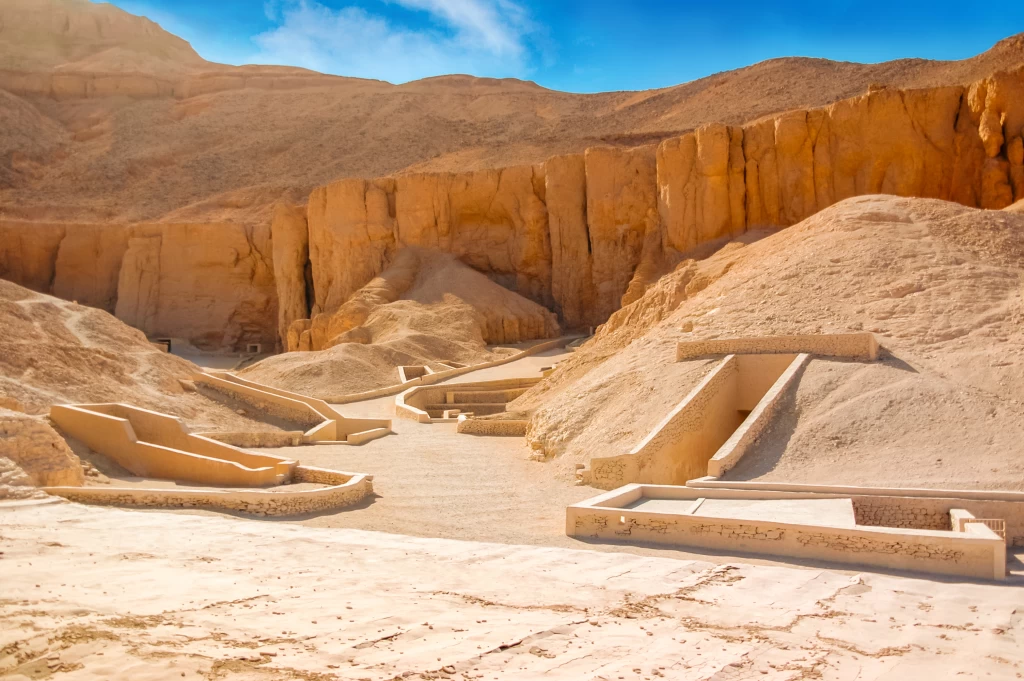
The Valley of the Kings is one of the most important and captivating archaeological sites in Egypt, and most definitely a must-do when in Luxor. Nestled in the hills of Luxor's West Bank lies this Egyptian necropolis where New King dompharaohs and great leaders are buried. Explore the subterranean, decorational, Hieroglyphic, religious, and pictorial chambers of some New Kingdom pharaohs, which portray life through to the next realm for ancient Egyptians. Explore the site of infamous Tutankhamun's Tomb, in addition to the burials of numerous of the New Kingdoms other kings.
Valley of the Kings: Discover Luxor’s Ancient Royal Tombs
The Valley of the Kings can be considered as one of the most exceptional archaeological sites in Egypt, which should not be missed by anyone coming to visit Luxor. This valley situated in the rocky hills located on the West Bank of the Nile River includes many tombs dating back to the period of Egypt's New Kingdom. Unlike the impressive pyramids, which were constructed in other periods, royal tombs in this area were hewn inside the mountainous desert for the sake of creating safe burial places for Egyptian kings.
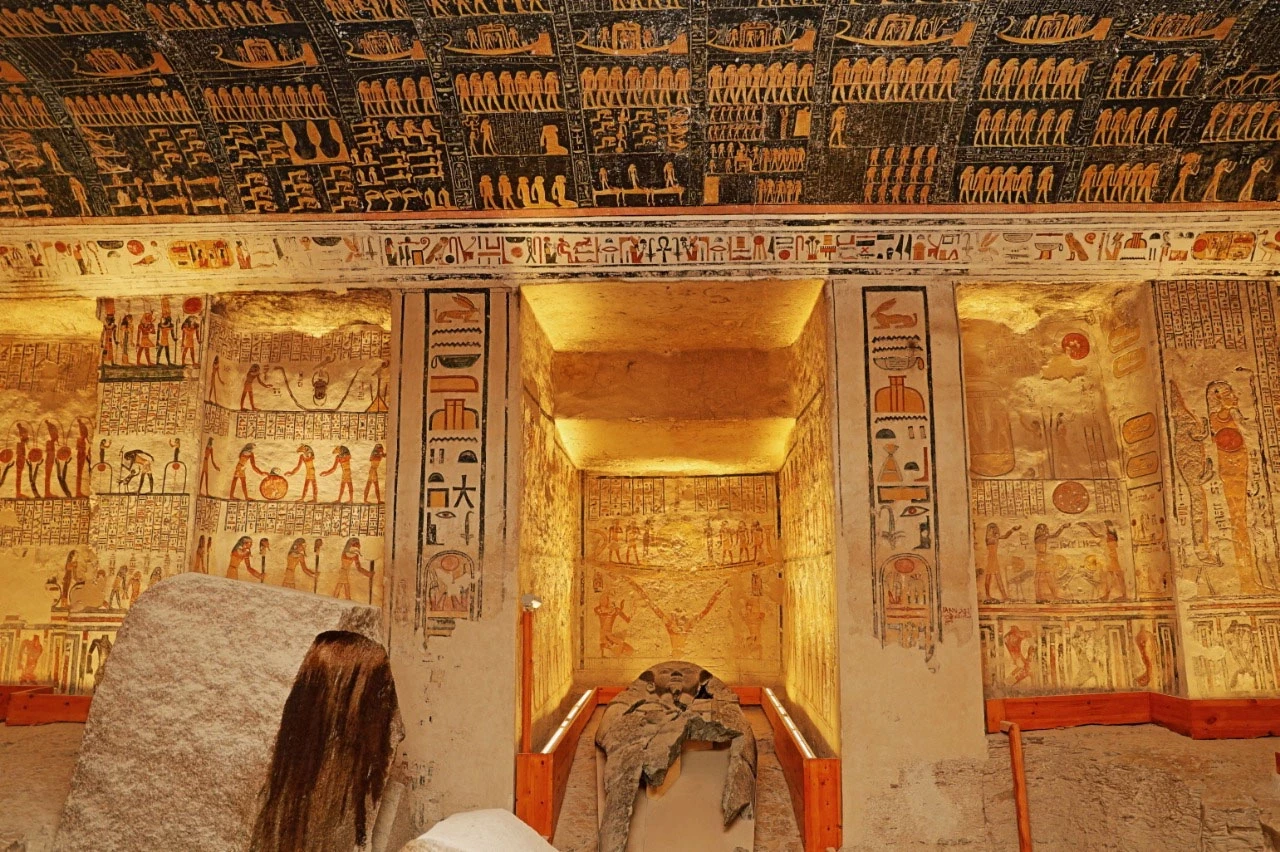
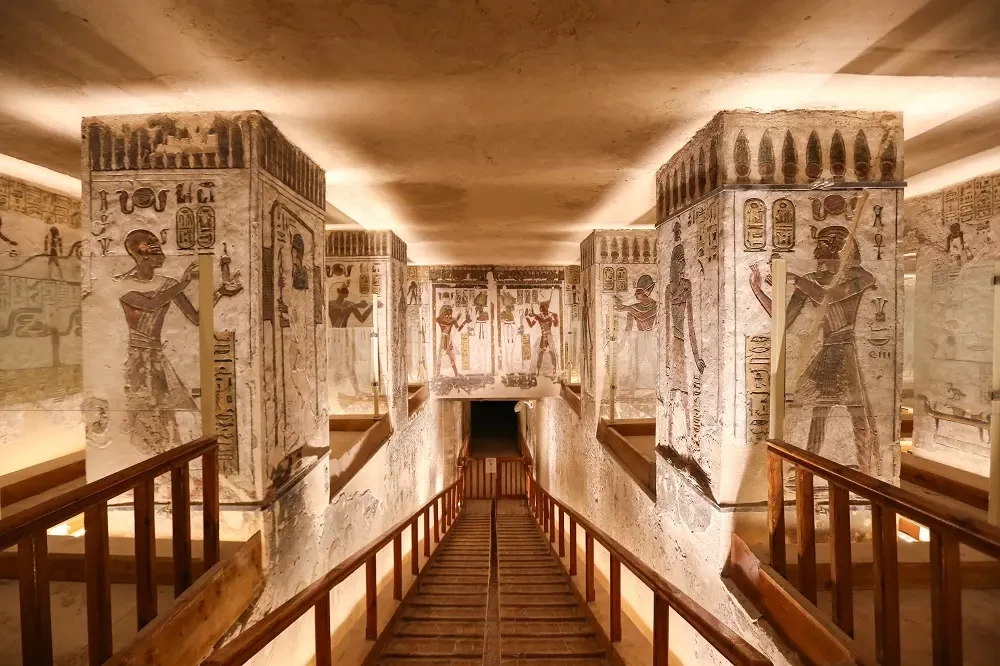
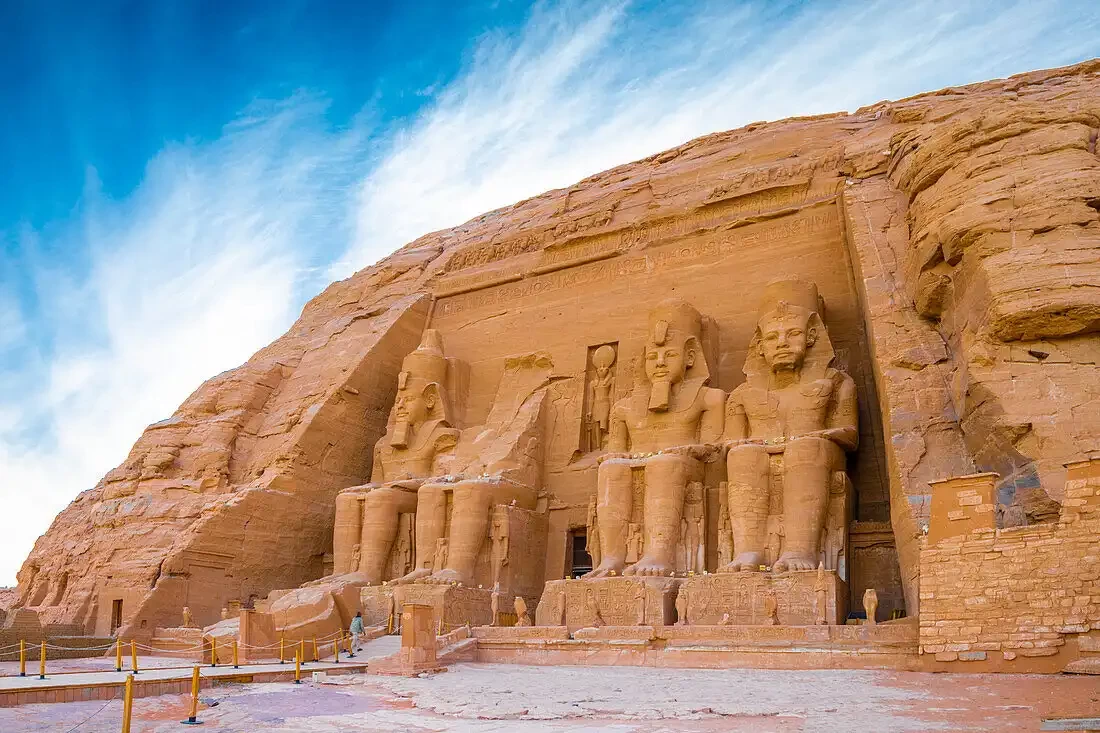
What is important to highlight here is that this area is known to be the final resting place of well-known pharaohs like Tutankhamun, Seti I, Ramesses II, and Thutmose III. Their burial chambers are comprised of corridors, burial rooms and decorated walls filled with religious inscriptions and images related to the next life.
A trip to the Valley of the Kings in Luxor provides visitors with a possibility not only to look at ancient tombs but also to get an understanding of the attitude of Egyptian rulers towards death, afterlife and deities. Moreover, this place is perfect for initiating Luxor tour around the ancient Thebes.
Why the Pharaohs Chose the Valley of the Kings
The creation of the royal necropolis in the Valley of the Kings was an innovative step in the development of the funeral traditions of ancient Egypt. Previously, kings preferred to erect large pyramids as the burial sites, while New Kingdom pharaohs selected an absolutely different place for their funerals. The Valley of the Kings is located between isolated mountains that provided natural defense for the tombs and guaranteed their concealment.
The valley was chosen as the royal burial site since the times of the 18th Dynasty and the rule of Thutmose I. Further on, kings continued to order more sophisticated tomb constructions that were located underground and carved in stone.
Besides, the place where the tombs were situated had certain religious meaning as well since the mountains around the valley were sacred to the goddess Meretseger – the protector of the necropolis.
Nowadays, the study of the Valley of the Kings helps people to understand one of the periods in the development of the architecture of the Egyptian tombs.
A visit to the valley can help people realize that ancient Egyptians created tombs as a journey rather than just as the place where dead bodies were stored.
Exploring the Tombs and Their Ancient Decorations
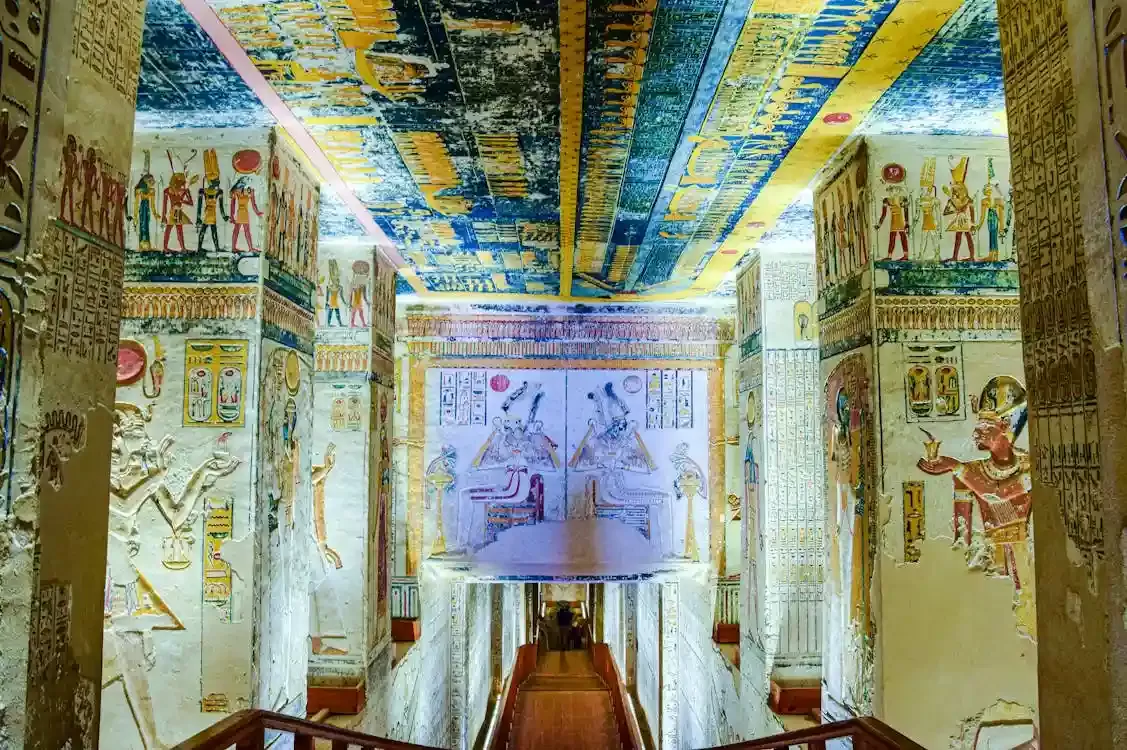
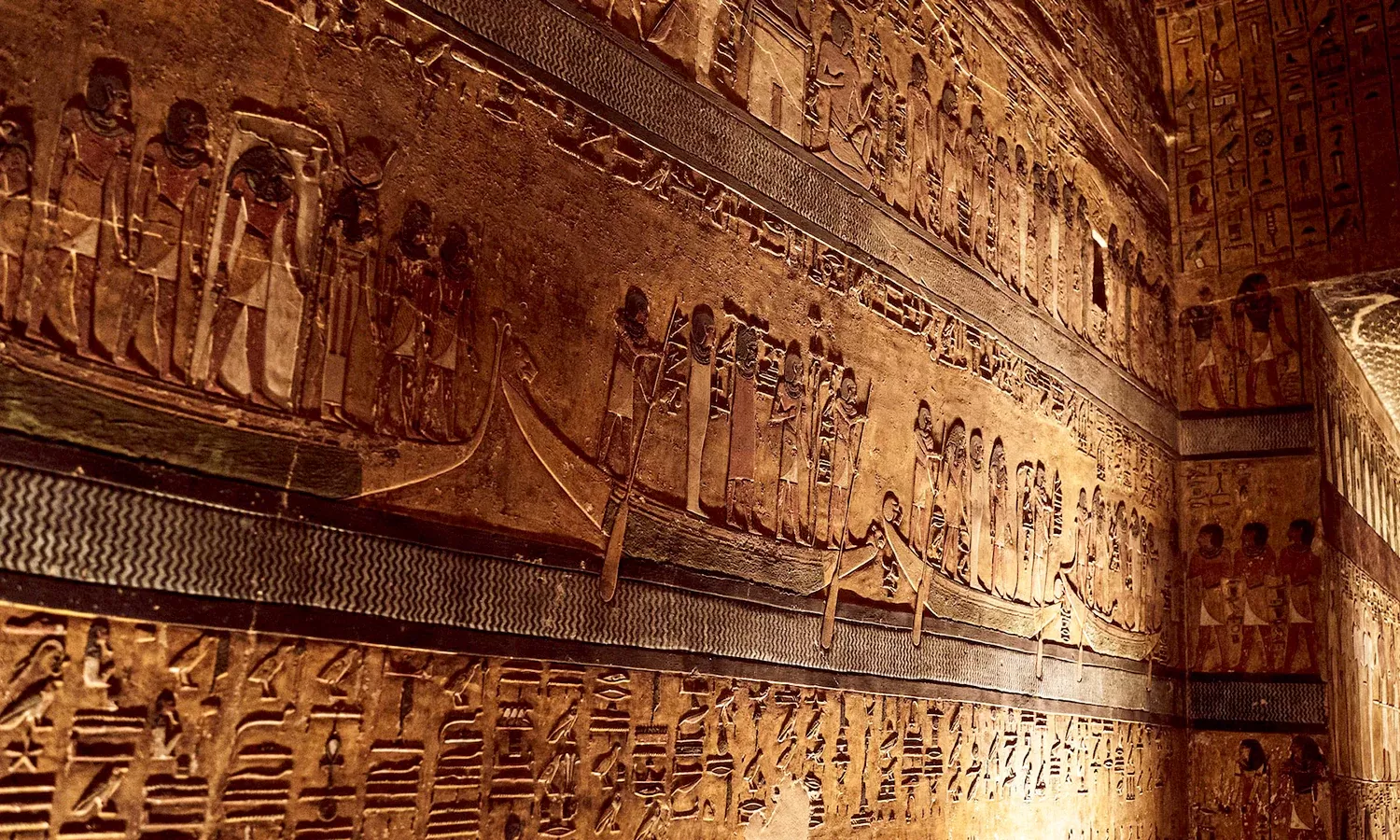
For visitors, the most unforgettable thing to do in the Valley of the Kings is descend under the desert surface to visit a series of decorated tombs. Each tomb has a unique structure and decor that served to guide the deceased pharaoh’s way through the afterlife, containing corridors decorated with inscriptions and depictions of gods, texts and hieroglyphs from texts such as the Book of the Dead and Book of Gates and Book of Caverns. Colours The wall-paintings decorating the interior of some tombs are stunningly well-preserved.
Egyptian artists applied mineral pigments to paint their elaborate depictions of gods and symbols as well as rituals and otherworldly journeys.
Access to some tombs in the Valley of the Kings is rotationally closed for ongoing conservation and some are only accessible by purchase of a further entrance ticket. Thus if you visit to see the things in the Valley of the Kings, it’s well worth checking on site that your chosen tombs are open at the time of your visit and if further entrance fees apply. The decorated tombs are surely the highlight when travelling the things to see in the Valley of the Kings but the visual decorations can appear all more amazing in context of a pharaoh’s personal spiritual pilgrimage.
Tutankhamun and the Tomb That Changed Archaeology
Of course, the Valley of the Kings has a whole range of other rulers buried there, but the name that stands out above all others is that of Tutankhamun. It is amazing how a pharaoh who did not rule for very long has made such an impression on the world.
Tutankhamun's tomb was found by British archaeologist Howard Carter in 1922 after several years of excavation efforts. Contrary to other royal burials, the tomb of Tutankhamun managed to remain untouched, holding thousands of various objects which were part of his burial goods.
Tutankhamun's tomb discovery created an uproar in the archaeological world and led to a surge of interest in ancient Egyptian civilisation. The objects discovered in the tomb became some of the iconic symbols of Egyptology, and Tutankhamun himself is the most recognisable pharaoh.
Today it is possible to enter Tutankhamun's tomb in the Valley of the Kings, see the burial chamber and get an opportunity to feel its unique atmosphere. The objects discovered in the tomb do not stay in the tomb; they can be seen in museums.
The Valley of the Kings and Ancient Thebes
The Valley of the Kings was not an independent necropolis. The site was part of the huge religious and burial landscape of ancient Thebes, which grew into one of the leading political and religious centers of Egypt. The knowledge about the connection may greatly enrich your experience during the visit to the valley.
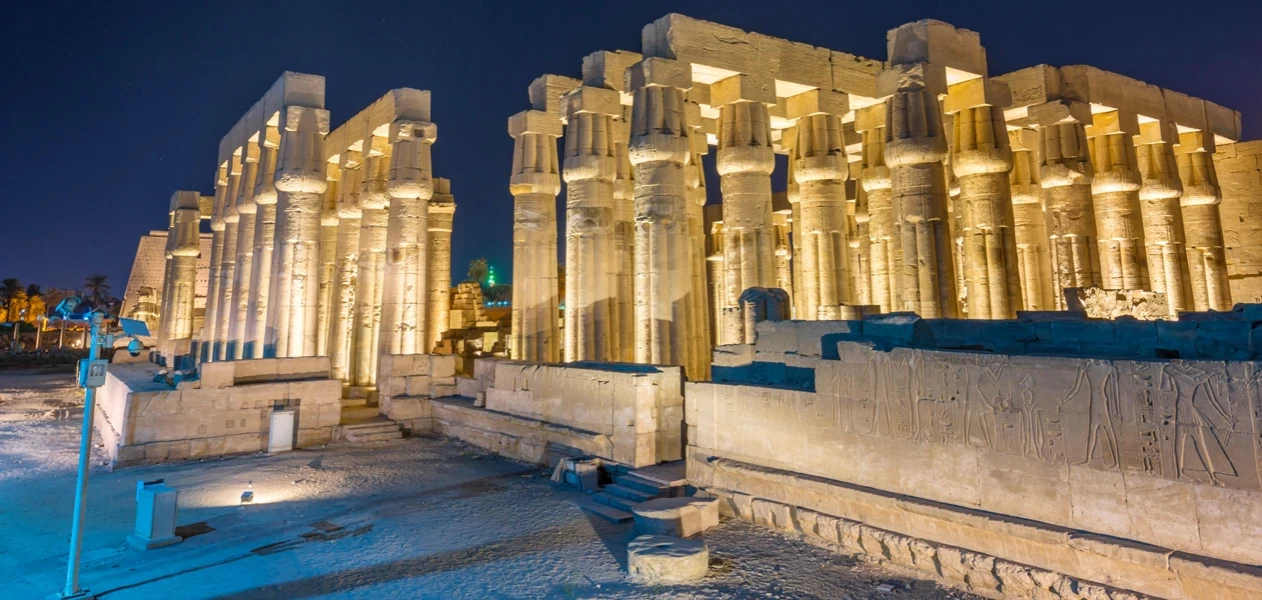
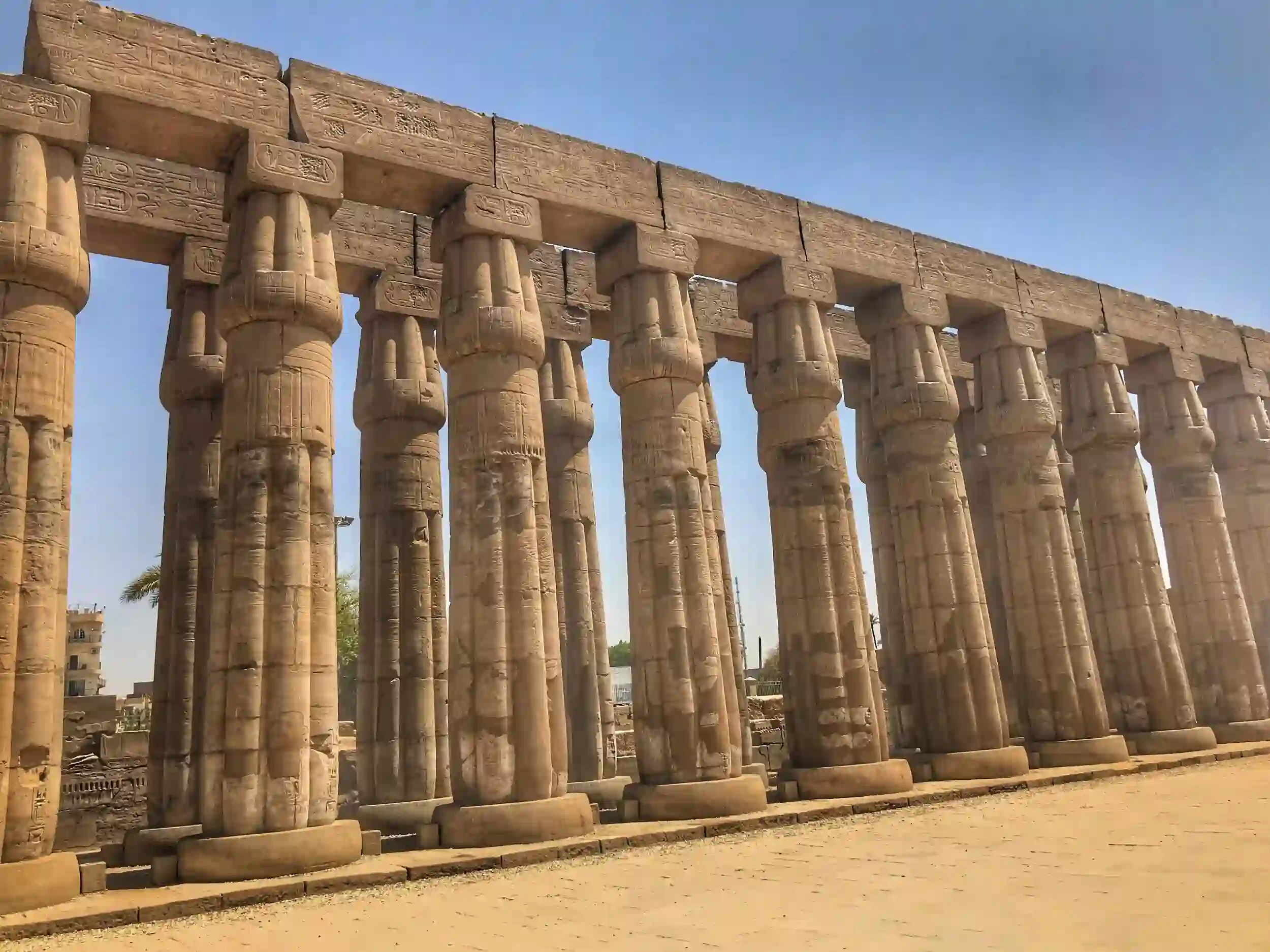
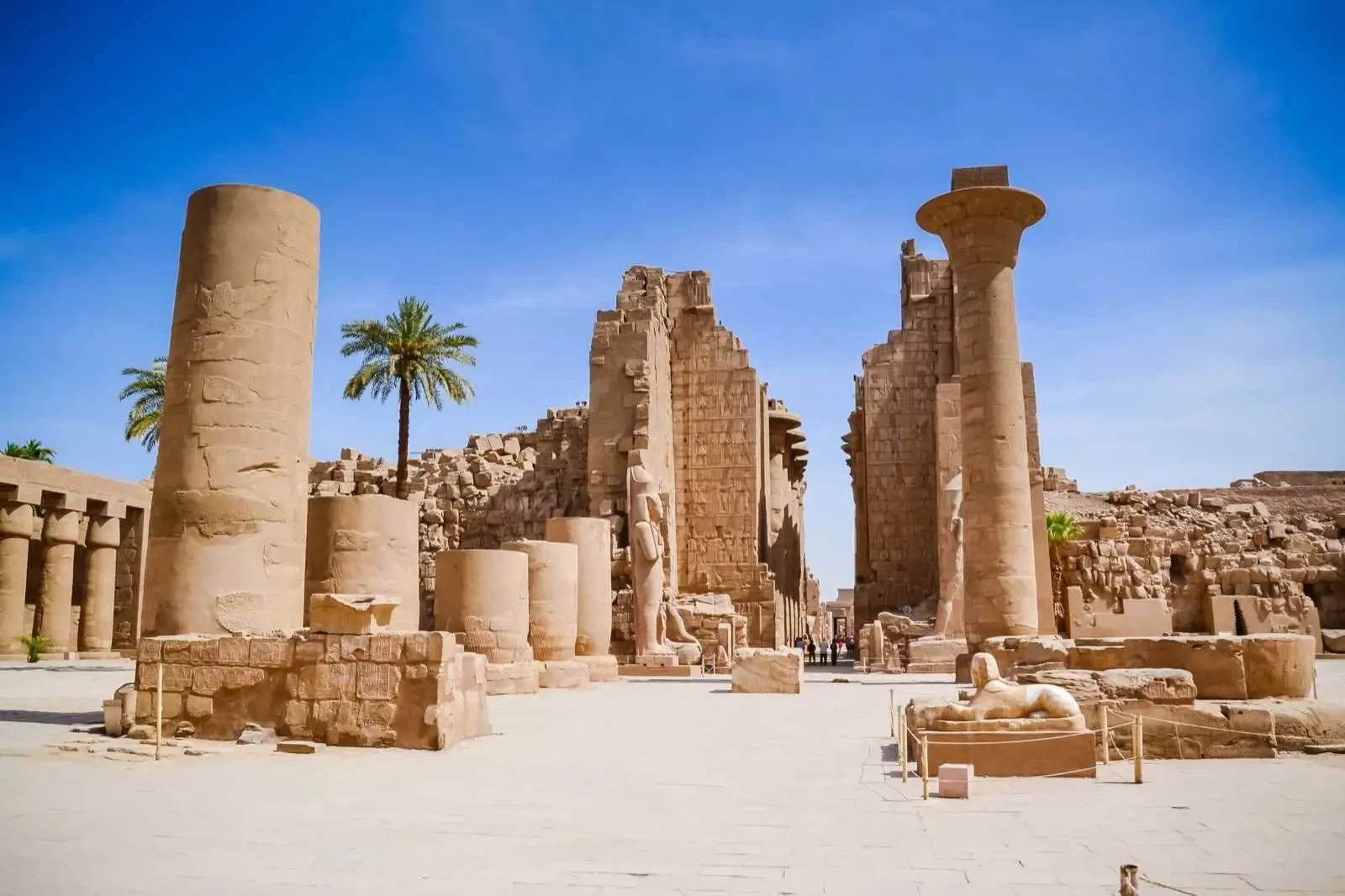
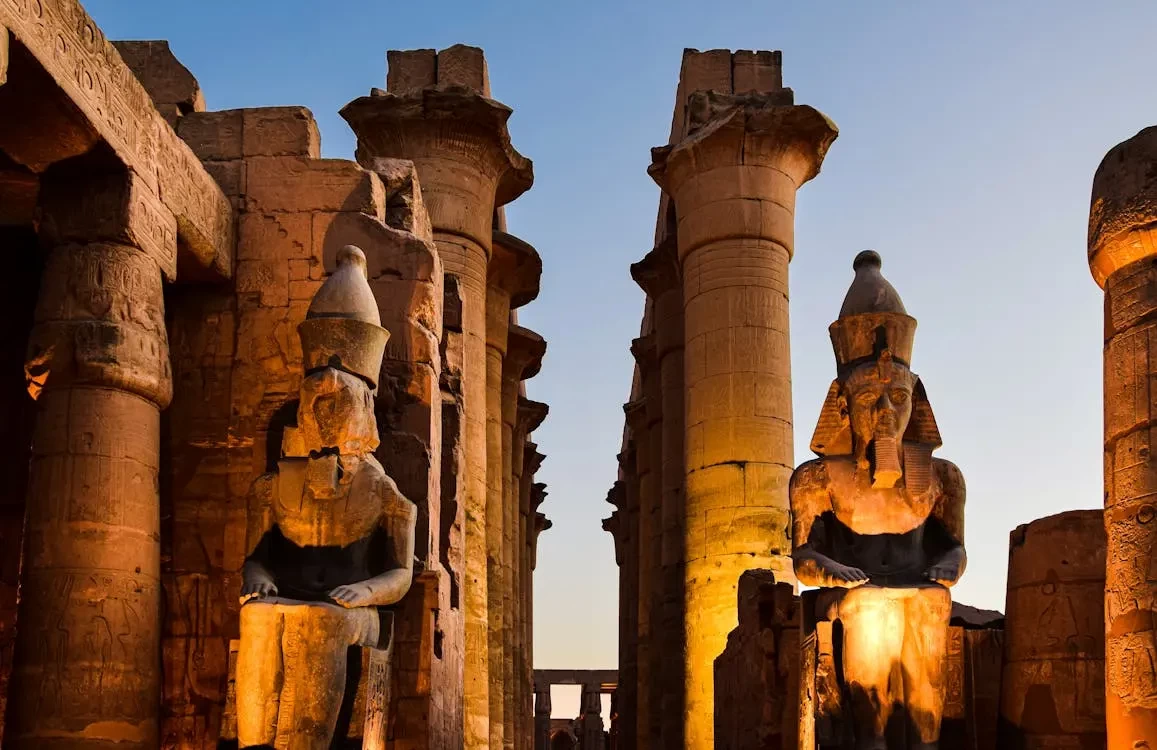
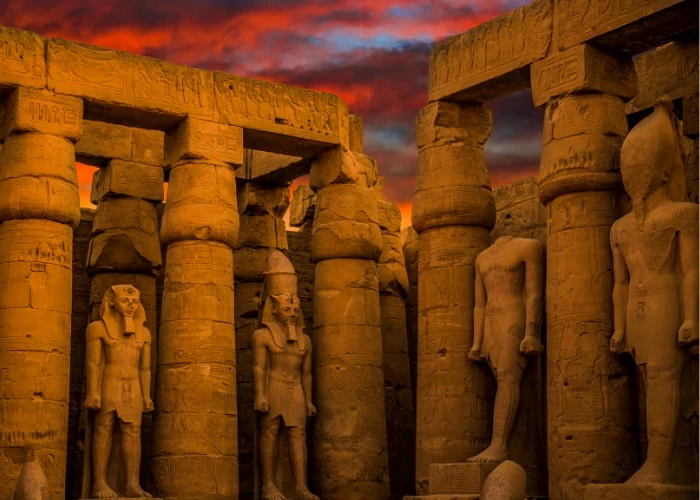
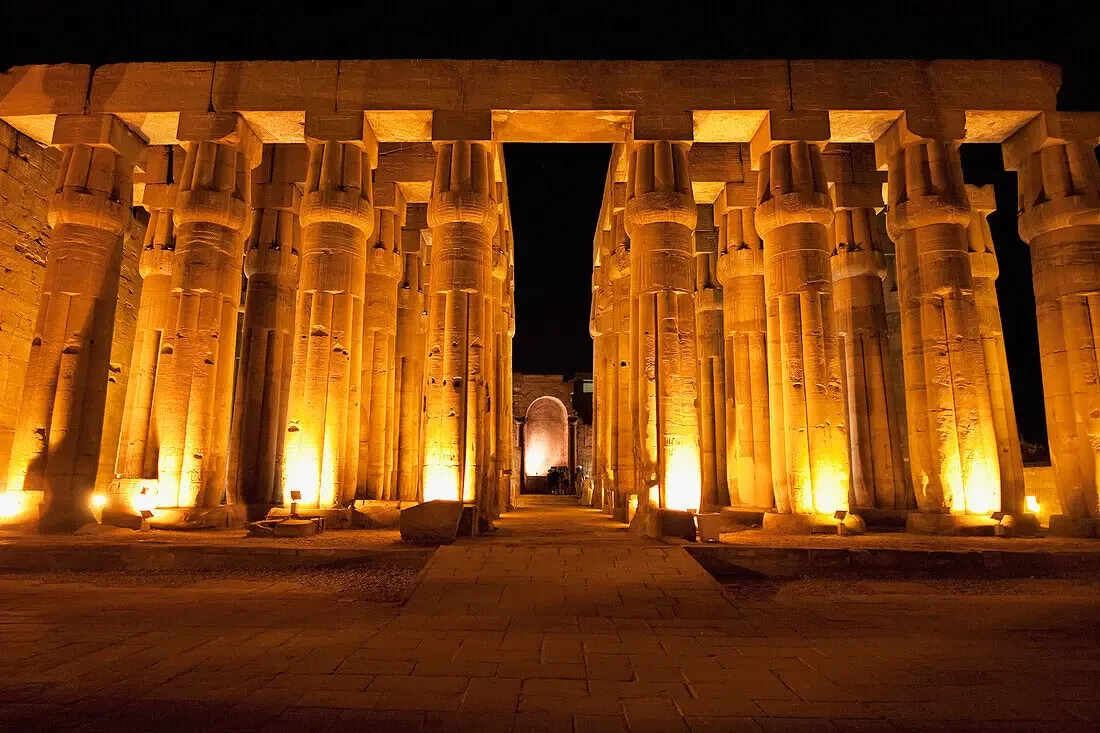
Across the river, visitors can see several monuments associated with the ruling and religious figures of this era. On the East Bank stood the Karnak and Luxor Temples, which served as the main religious centers of the times, and on the West Bank was the territory of royal tombs, temples, and monuments of pharaohs.
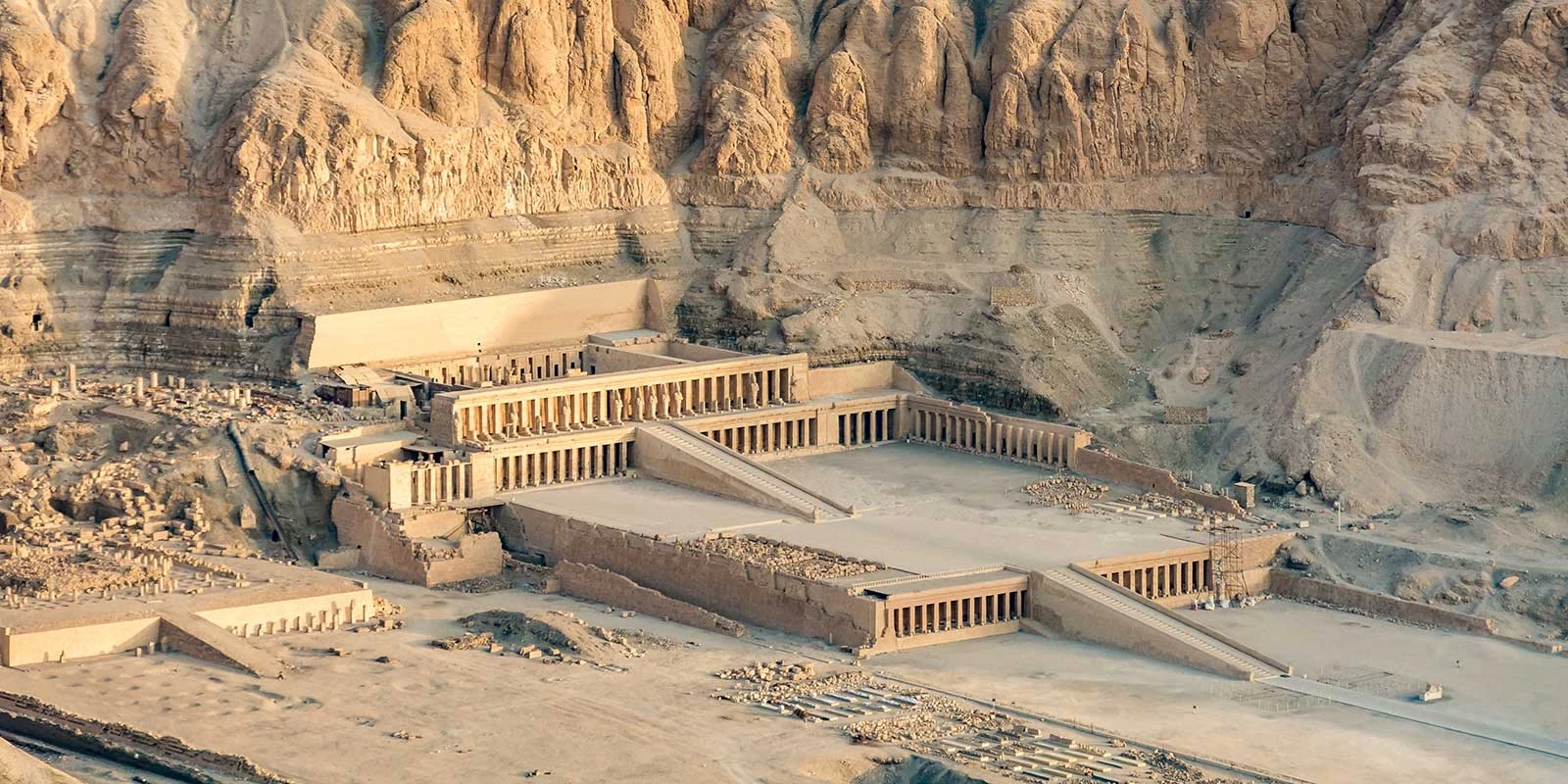
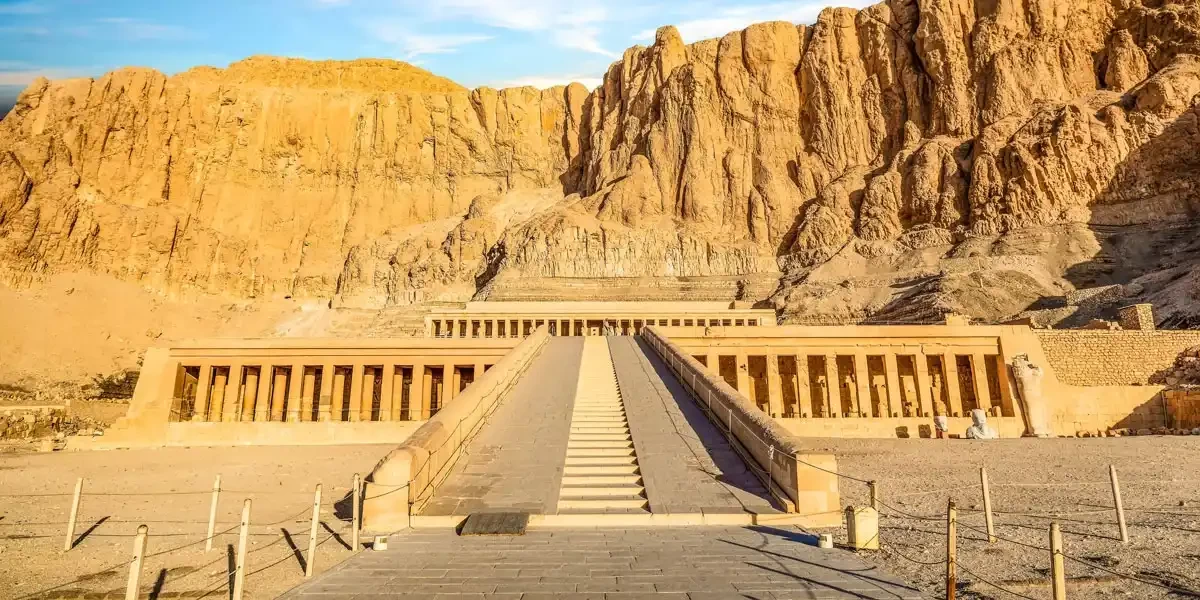
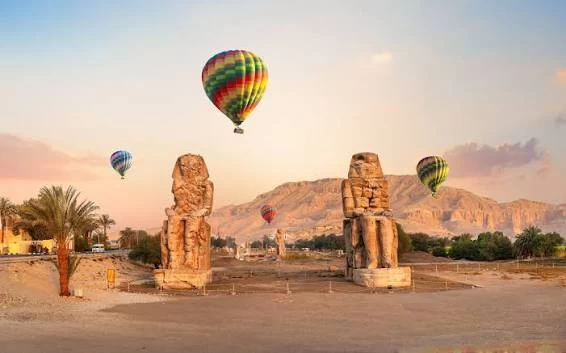
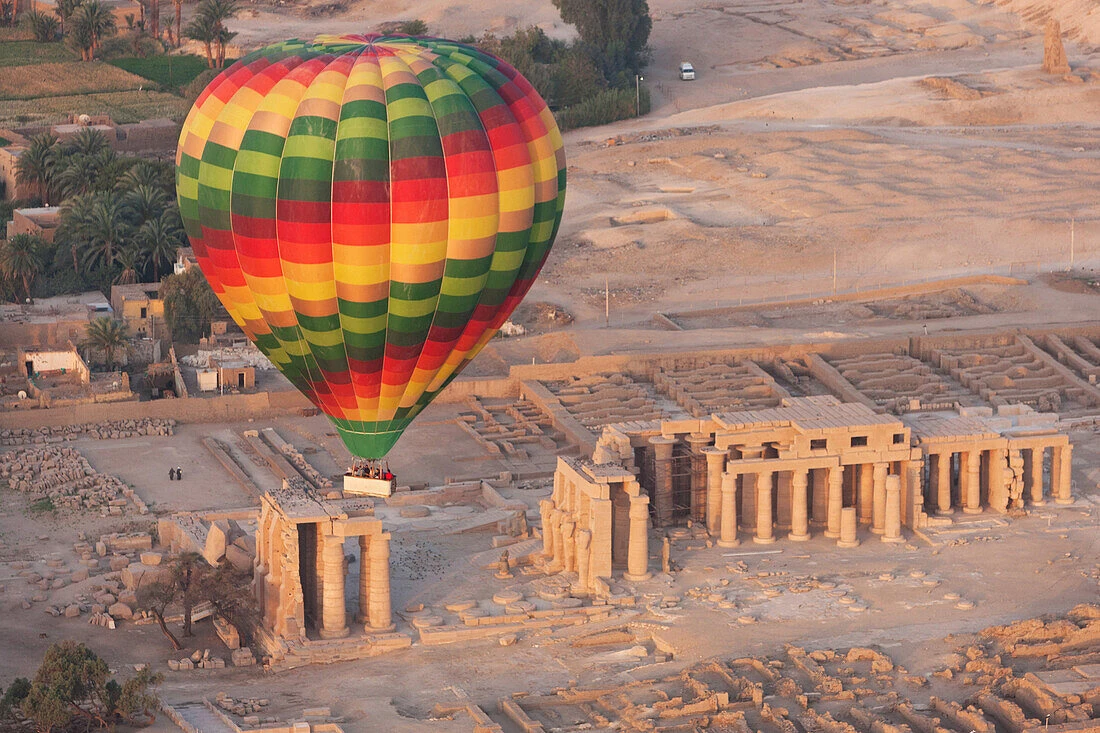
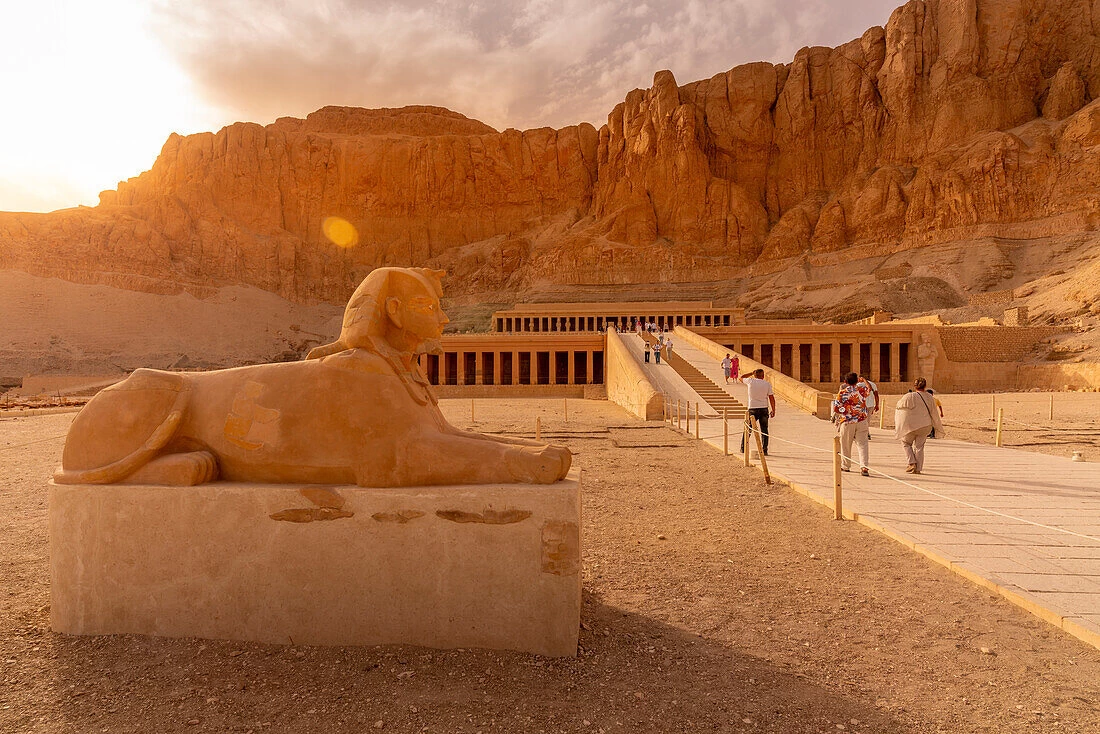
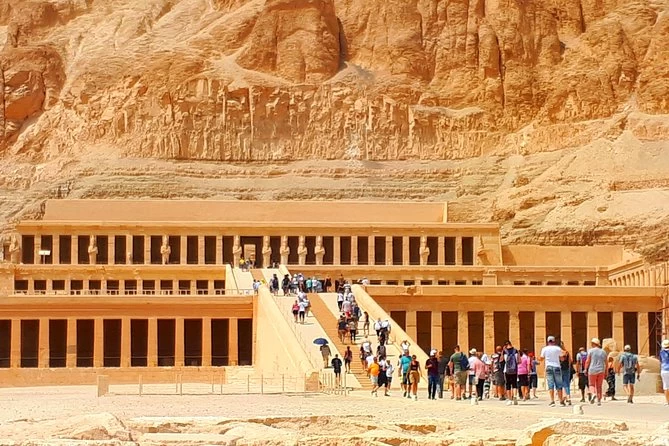
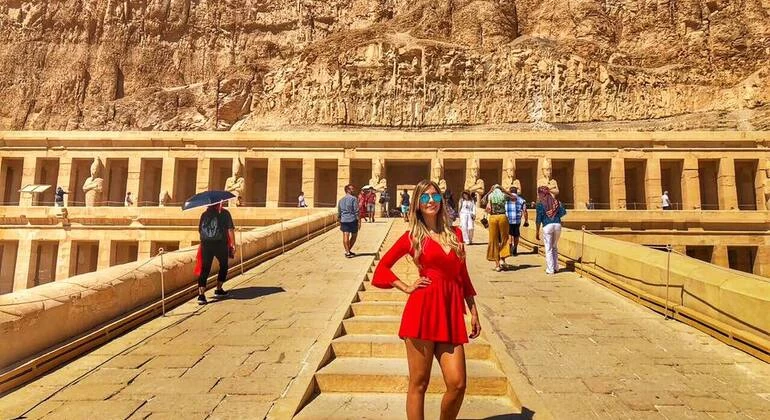
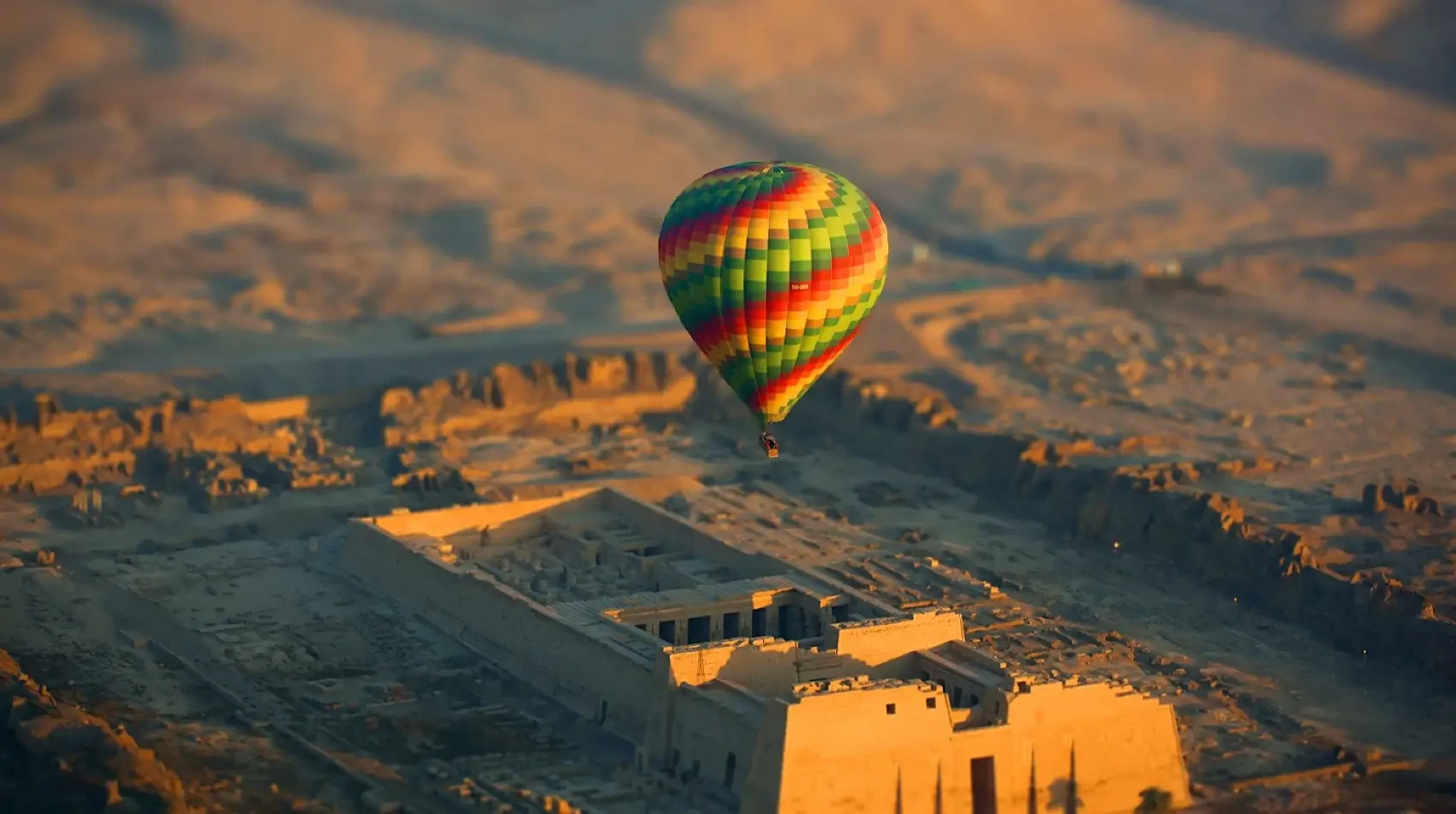
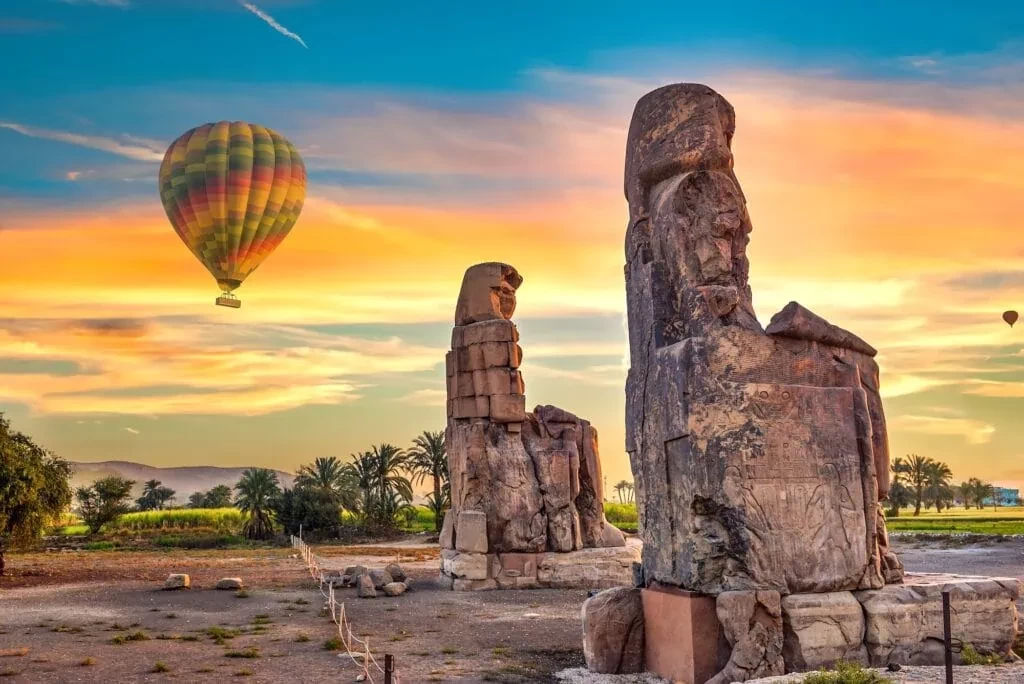
Hatshepsut Temple deserves particular attention since Hatshepsut was the ruler of the 18th Dynasty who played a great role in the history of Egypt. Medinet Habu, Colossi of Memnon, and the Valley of the Queens are other historical monuments where you can learn about the history of ancient Thebes.

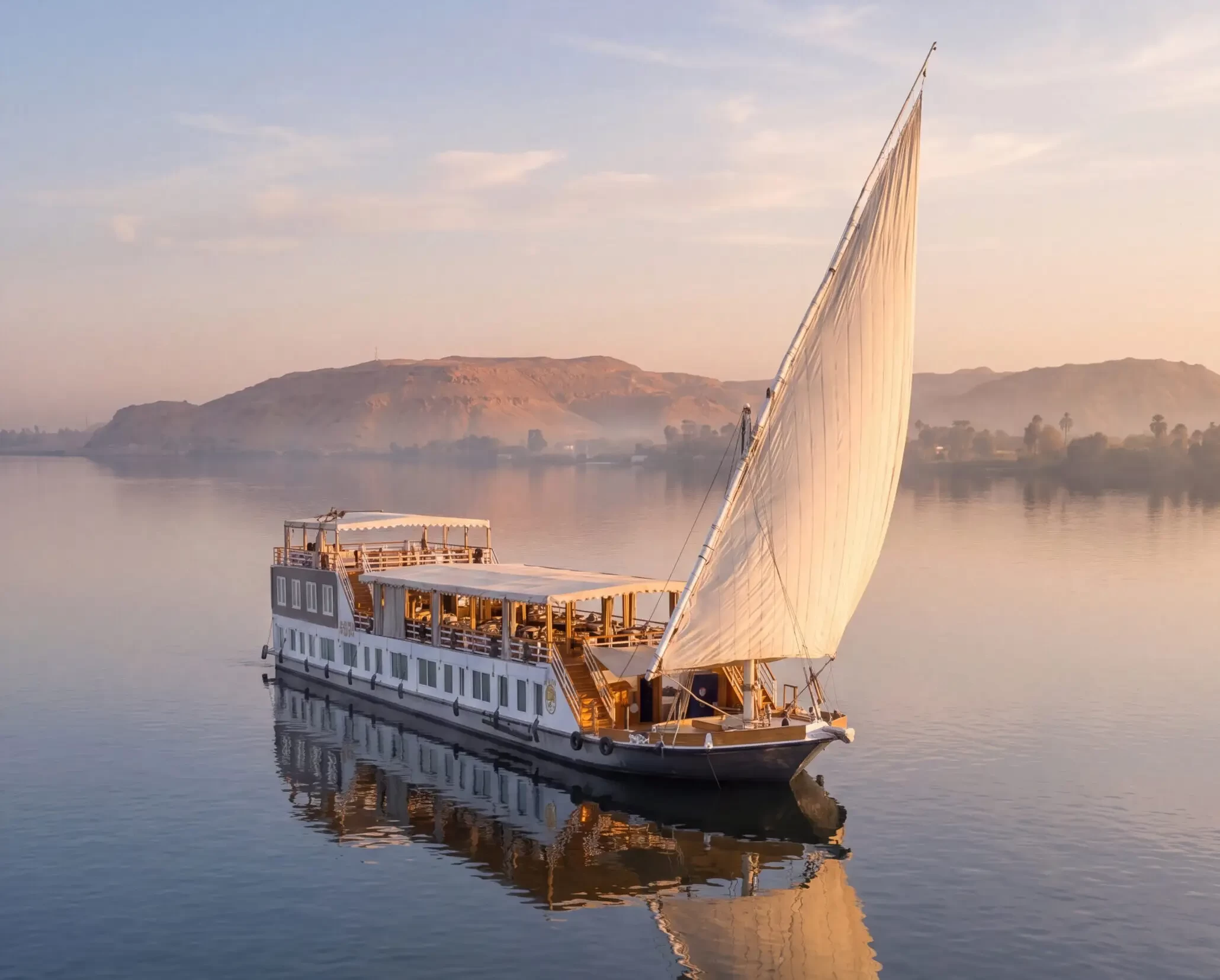
-webp.webp "Nile River Cruise")
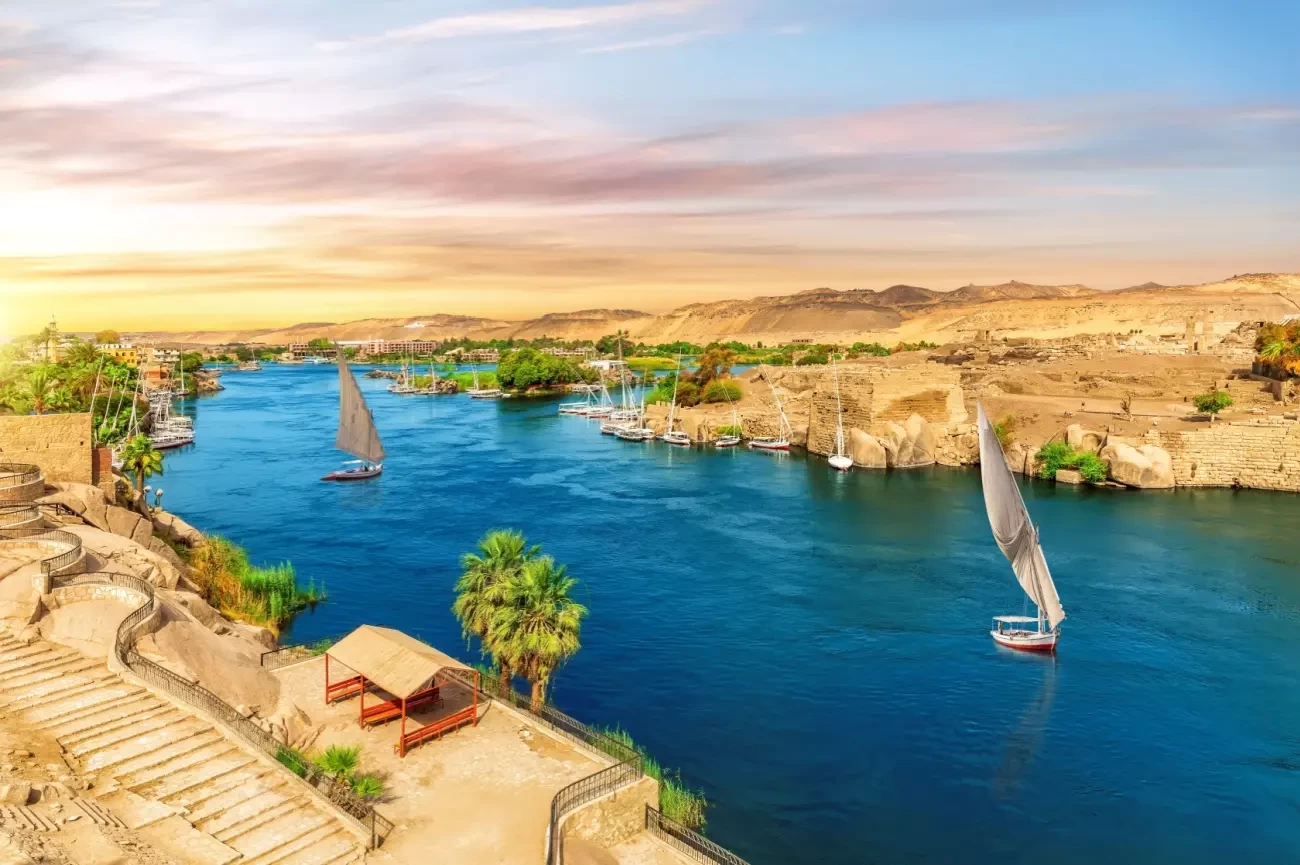
-webp.webp "Private Luxury Tour of Cairo Luxor and Aswan")