FR
 IT


Hatshepsut Temple: Discover the Queen’s Monument in Luxor
Hatshepsut Temple is one of the most distinctive ancient monuments on the west bank of the Nile at Luxor. Built in the 18th Dynasty for Hatshepsut, the queen who became pharaoh, it is known for its three terraces, long ramps, colonnades and setting beneath the cliffs of Deir el-Bahari. Its reliefs depict religious scenes, royal life and the expedition she commissioned to the land of Punt. The temple offers an insight into ancient Egyptian architecture, royal power and religious beliefs. A visit can be combined with the Valley of the Kings, the Colossi of Memnon and Medinet Habu, making it a popular stop on Luxor tours.
Hatshepsut Temple: Explore the Queen’s Monument in Luxor
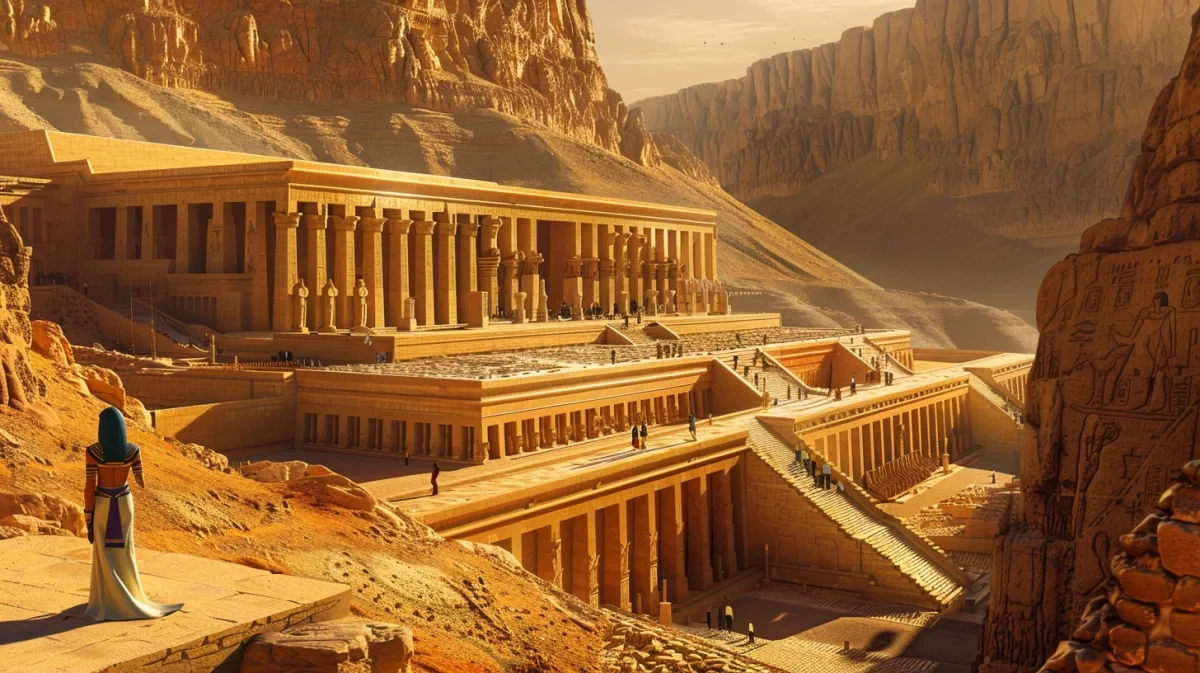
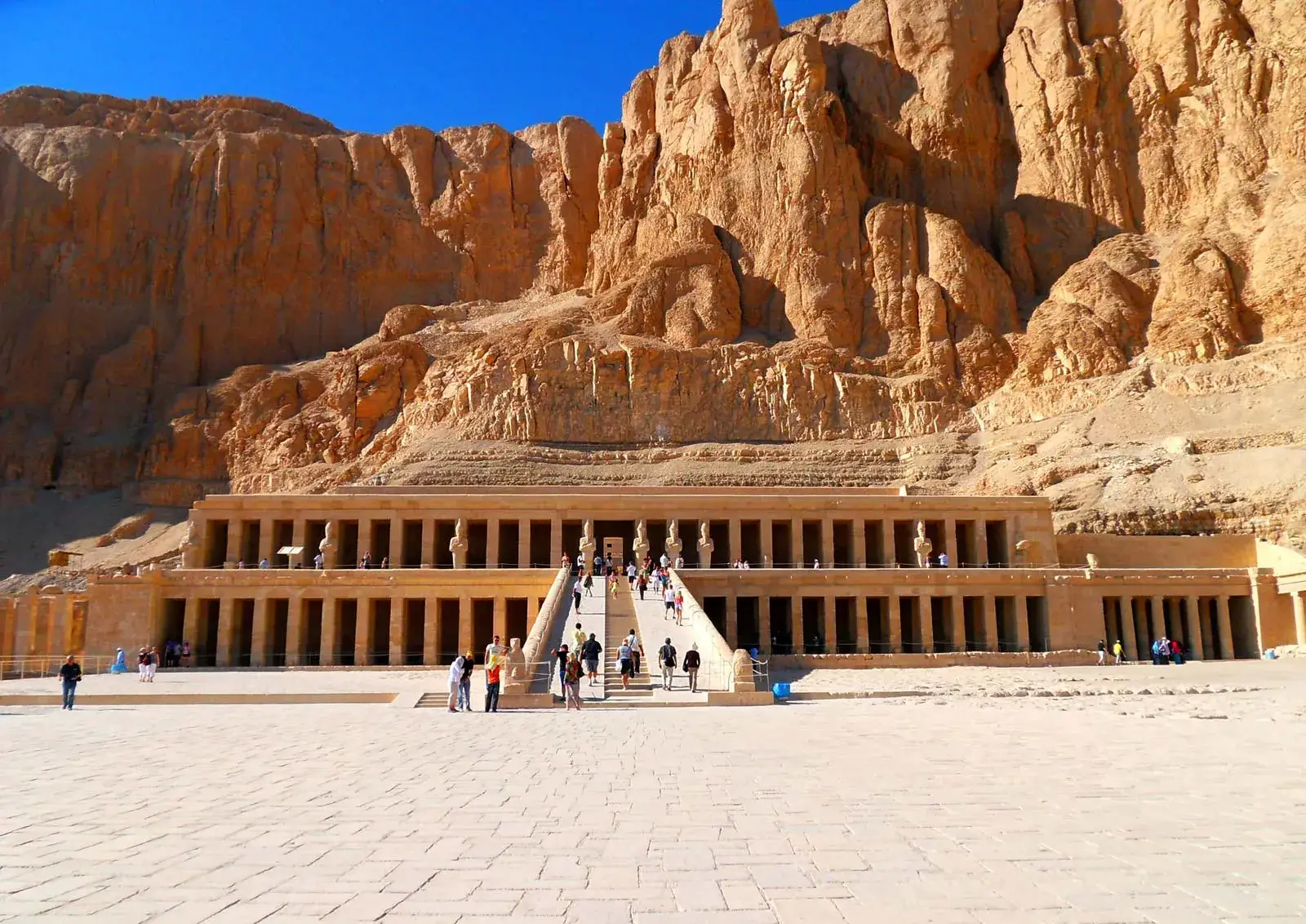
Hatshepsut Temple is one of the most recognisable monuments on Luxor's west bank. Commissioned by Hatshepsut during the 18th Dynasty, its terraces rise against the cliffs of Deir el-Bahari.
Broad terraces, long ramps and colonnades connect the architecture with its mountain setting. The mortuary temple was dedicated to Amun and to Hatshepsut's royal cult.
Its reliefs portray important events of her reign, including the expedition to Punt, with ships, people, animals and plants represented in the scenes.
Queen Hatshepsut and the Story Behind Her Temple
Hatshepsut, one of ancient Egypt's most significant rulers, reigned during the 18th Dynasty. She initially served as regent for her stepson, Thutmose III, before taking the title and attributes of pharaoh herself. Her reign is known for major building projects and successful trading expeditions.
Her mortuary temple at Deir el-Bahari affirmed her legitimacy as pharaoh and her connection with the god Amun. It stands beside the earlier temple of Mentuhotep II, linking her monument with Egypt's older royal and architectural traditions.
The temple was a place of worship and offerings for the deceased ruler and several deities, rather than Hatshepsut's burial chamber. Its inscriptions present the royal account of her right to rule. Some of her images and monuments were damaged or removed after her death, during the reign of Thutmose III.
The Unique Architecture of Hatshepsut Temple
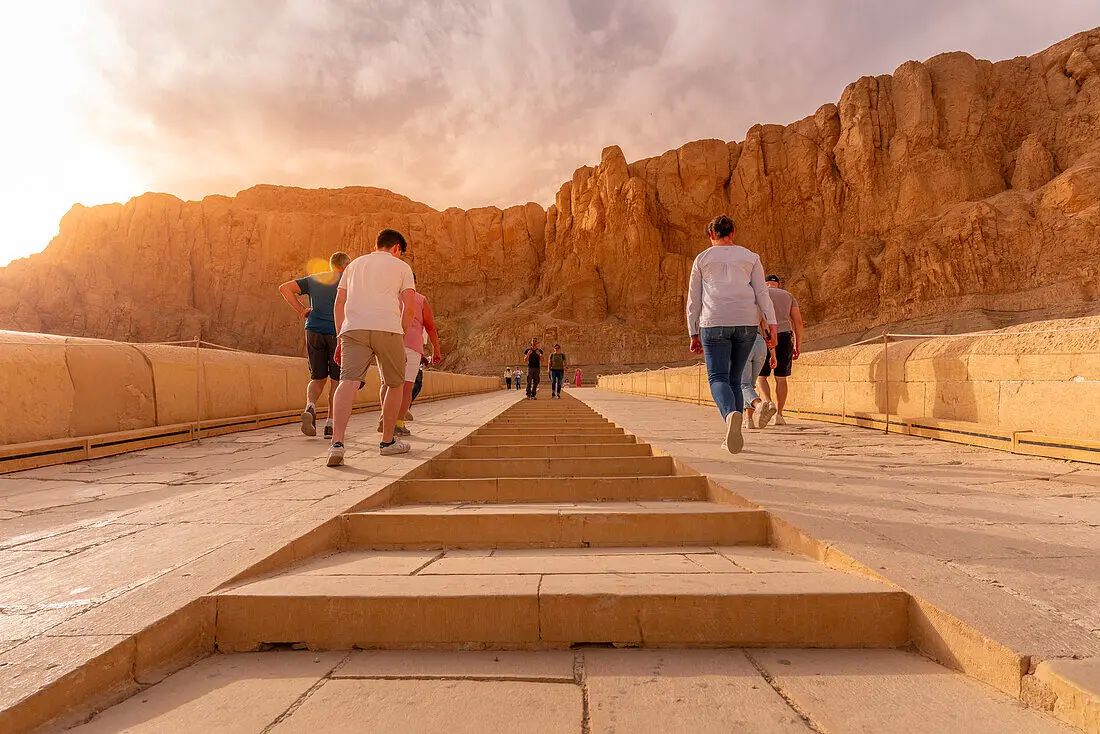
The architecture of Hatshepsut Temple is yet another notable characteristic of the monument. Unlike other temples in Egypt, the structure is constructed in three large terraces connected by lengthy ramps leading up to the limestone cliffs of Deir el-Bahari and combining architecture and natural scenery.
The temple was created by Senenmut, a senior official who served Hatshepsut. It has a symmetrical design, open courtyards, columns, terraces and demonstrates how advanced the architecture of the New Kingdom period could be.
Rather than being a backdrop for the temple architecture, the cliffs of Deir el-Bahari played an important role due to their religious meaning and made the temple look like it blends into the mountainside.
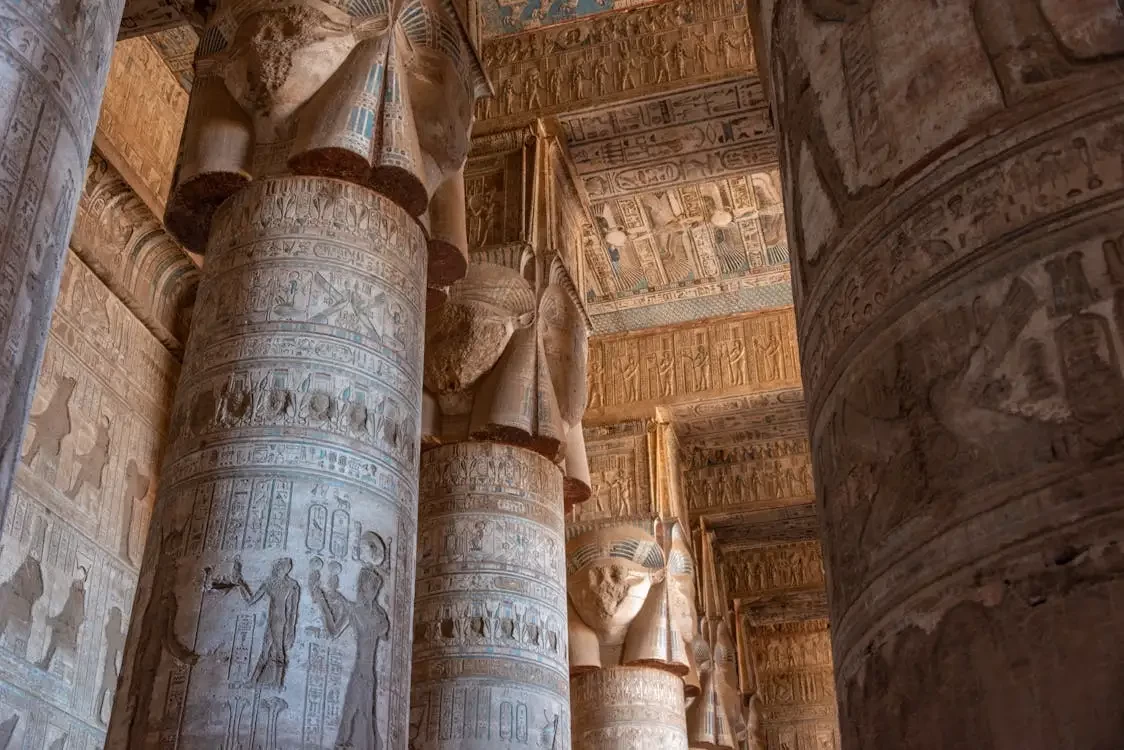
The visitors have an opportunity to explore the terraces of the temple and view statues, reliefs, columns and inscriptions that have been preserved until our days. The lower terraces were used as gardens and water ponds in ancient times whereas the upper ones were occupied by sanctuaries and religious constructions.
Anyone interested in Hatshepsut Temple architecture will enjoy visiting the monument as it represents a unique example compared to other temples of ancient Egypt.
The Land of Punt Reliefs and Ancient Egyptian Trade
The Punt reliefs are among Hatshepsut Temple's most informative scenes. They illuminate Egypt's trading contacts and knowledge of distant regions during the New Kingdom.
The expedition took place during Hatshepsut's reign to obtain valuable goods from Punt, whose exact location remains debated. Ships, foreign landscapes, trees, animals and people appear in the reliefs.
The products described include incense-producing plants, myrrh, ebony, ivory and gold. Alongside celebrating the ruler's power, the scenes offer insight into trade, diplomacy and Egyptian representations of other peoples and environments.
Hatshepsut Temple and the West Bank of Luxor
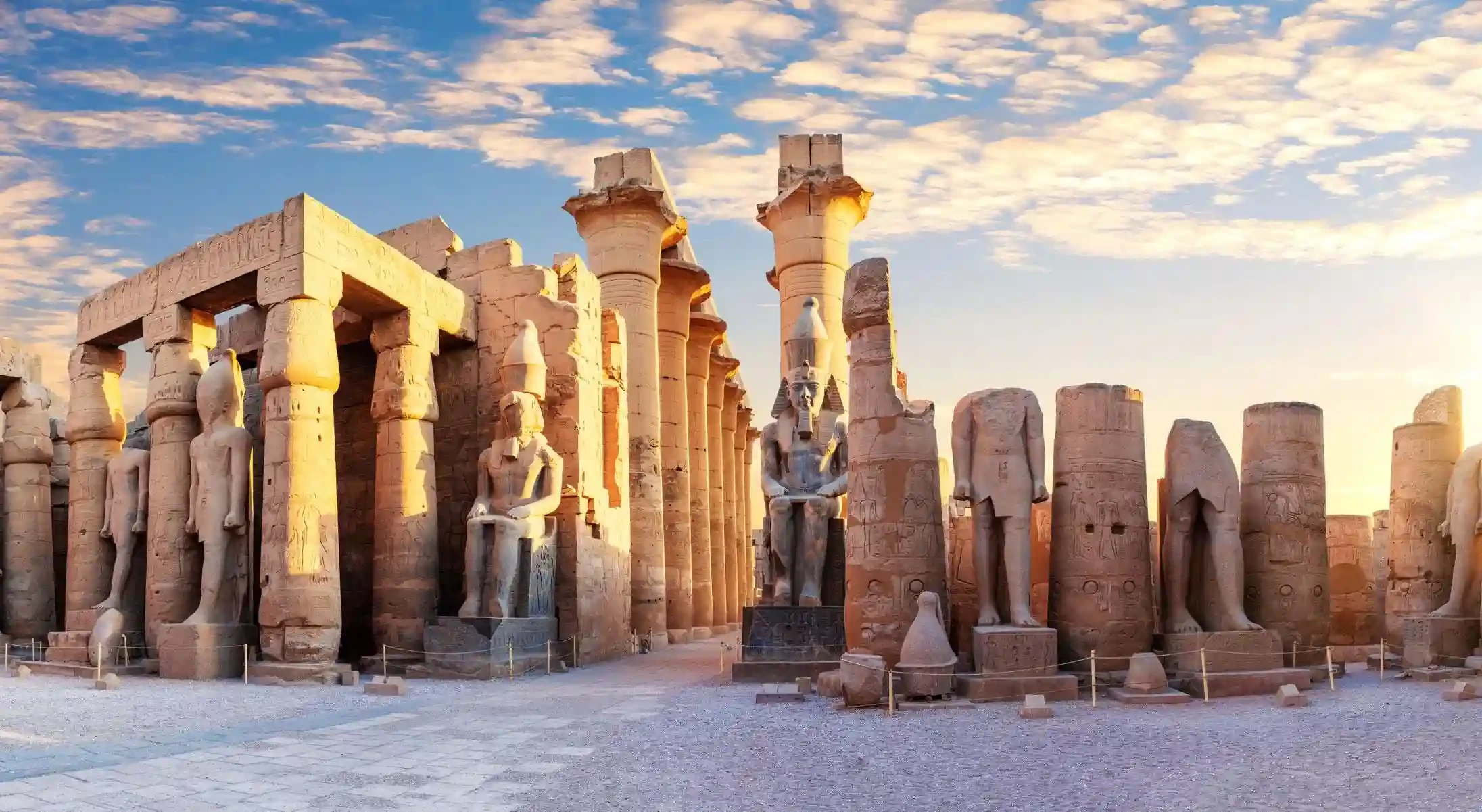
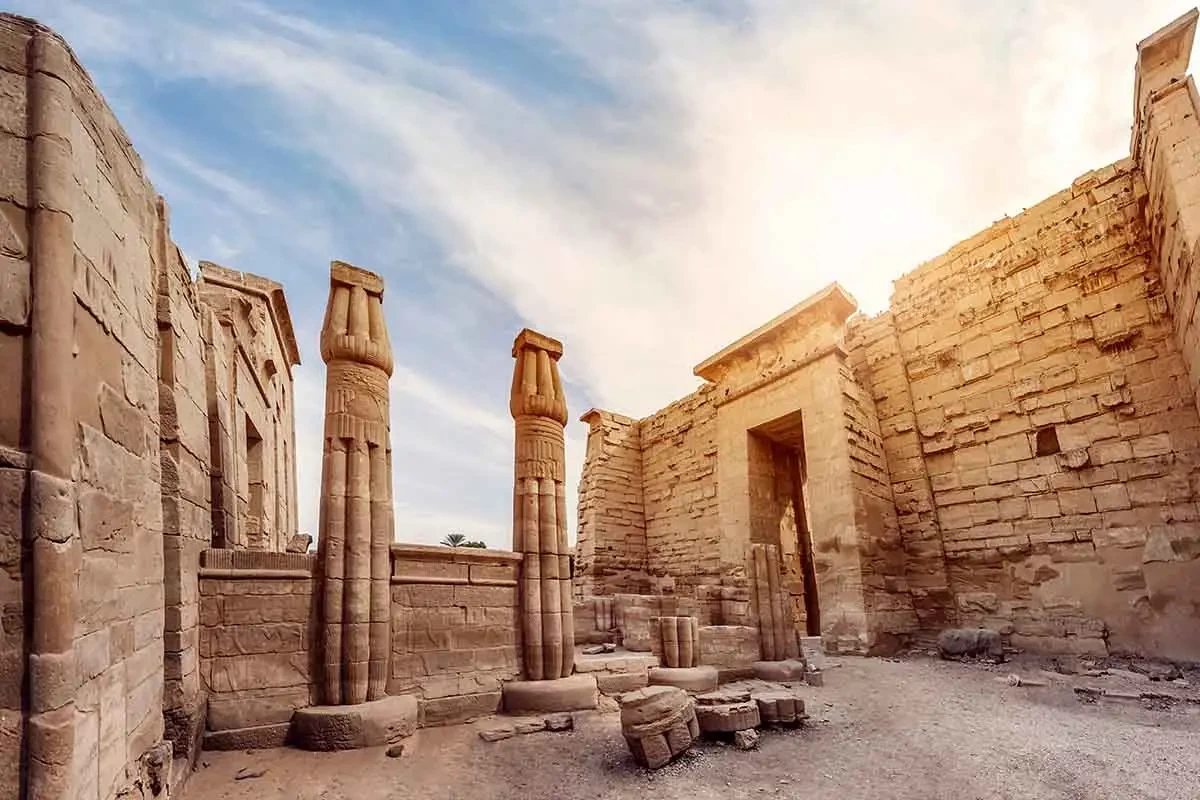
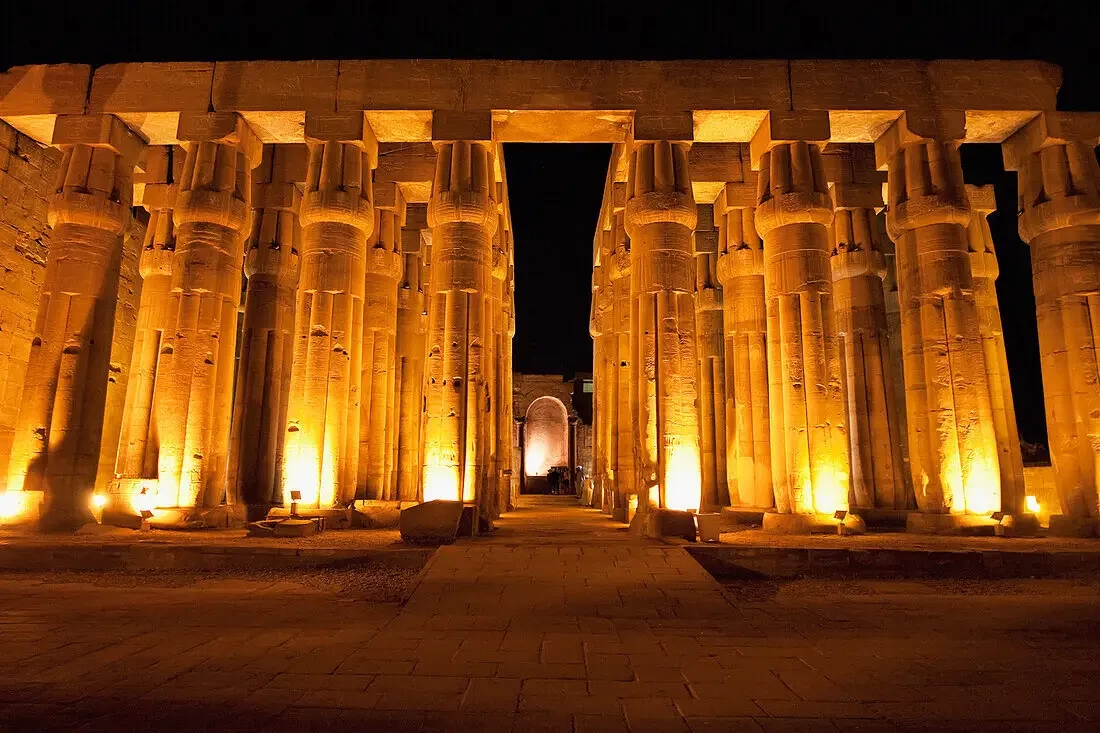
Hatshepsut Temple belongs to the wider archaeological landscape on the west bank of the Nile at Luxor. Ancient Thebes was one of Egypt's most important political and religious centres, and its western bank became closely associated with royal tombs and mortuary temples.
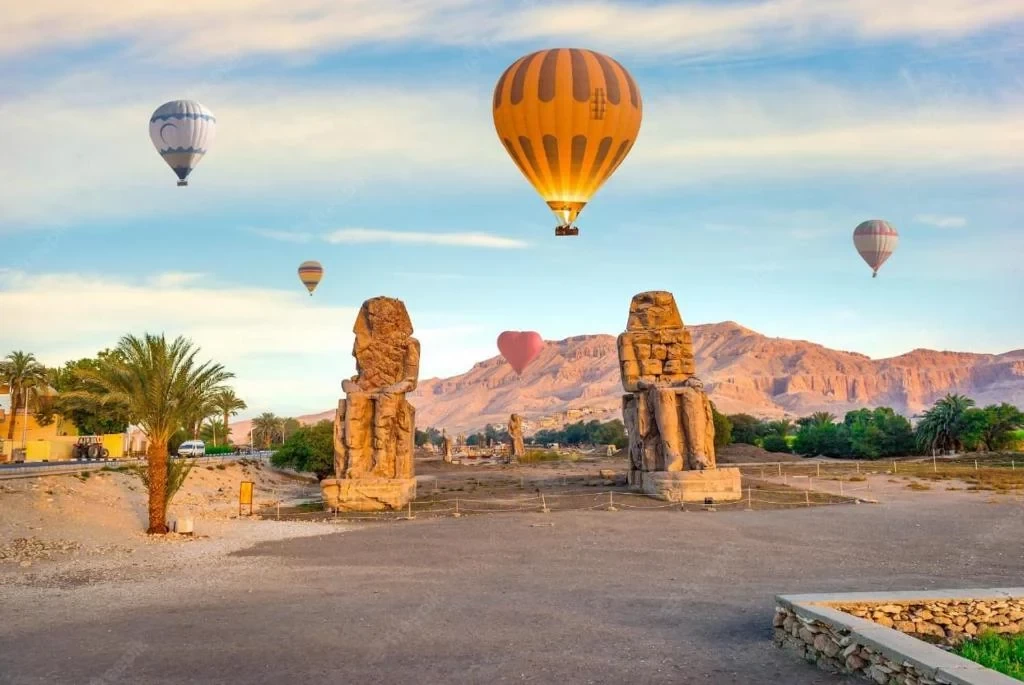
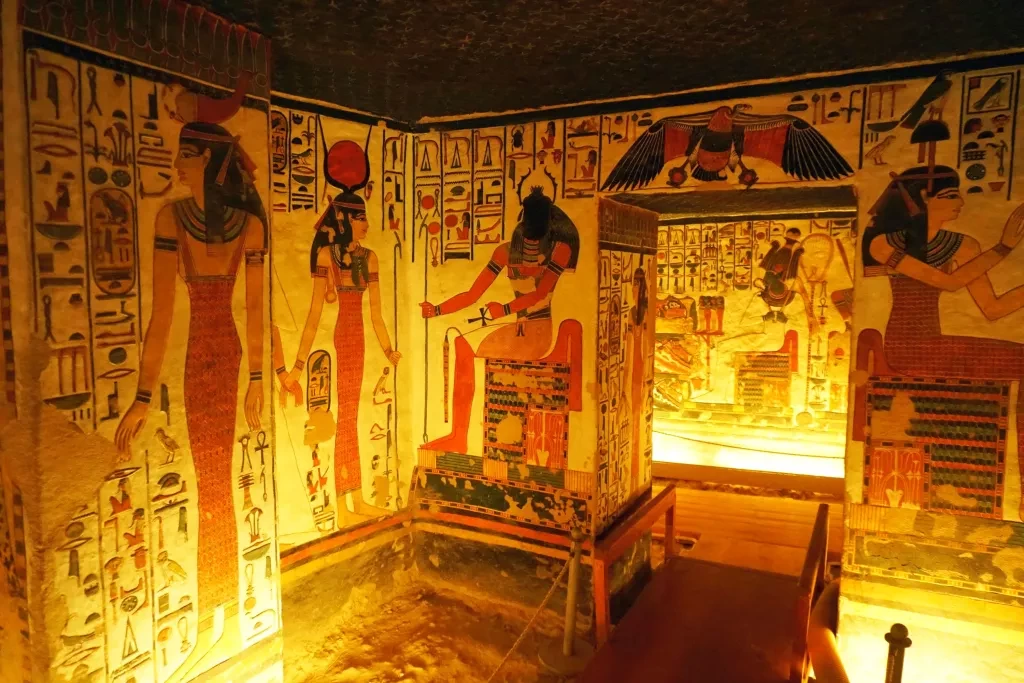
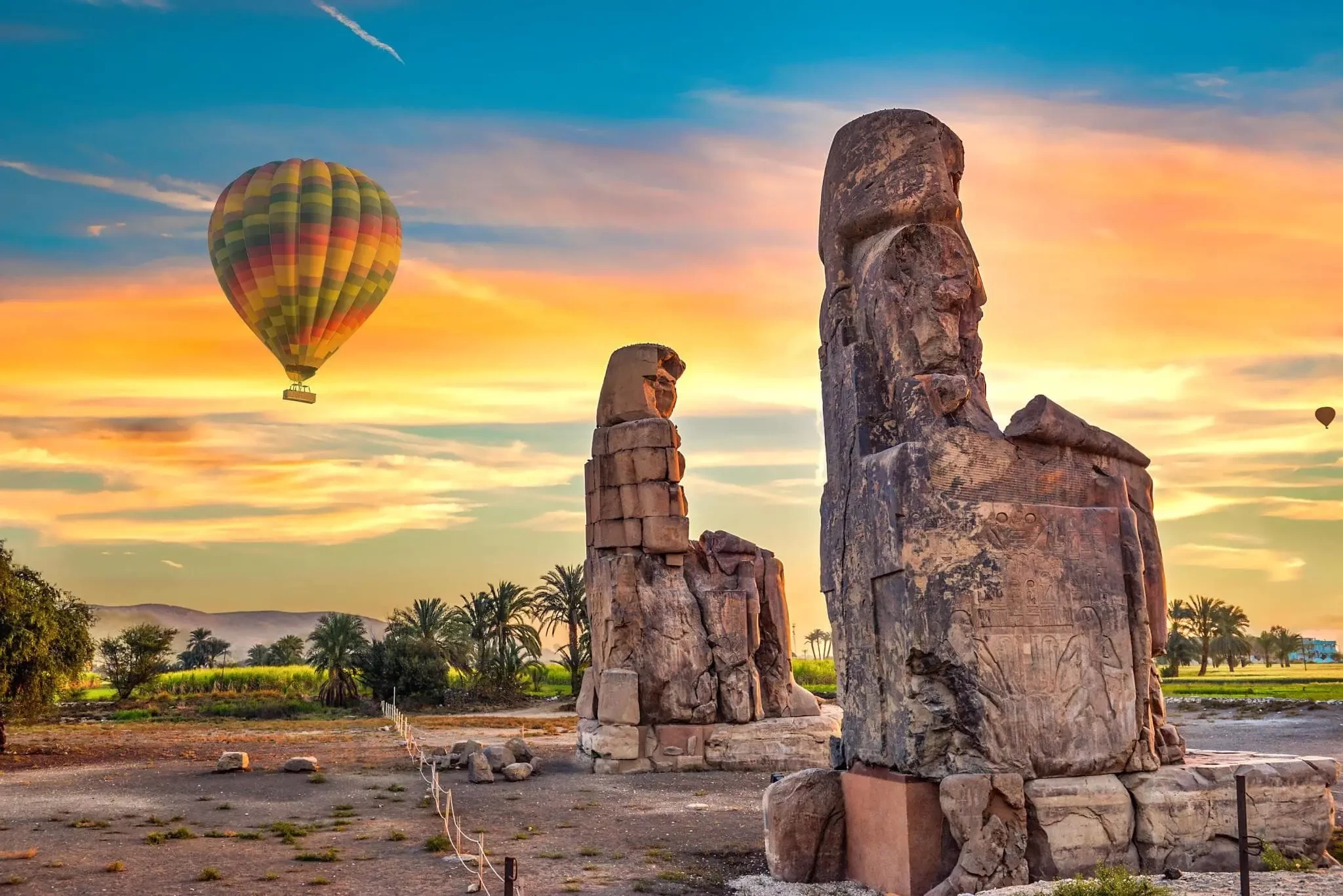
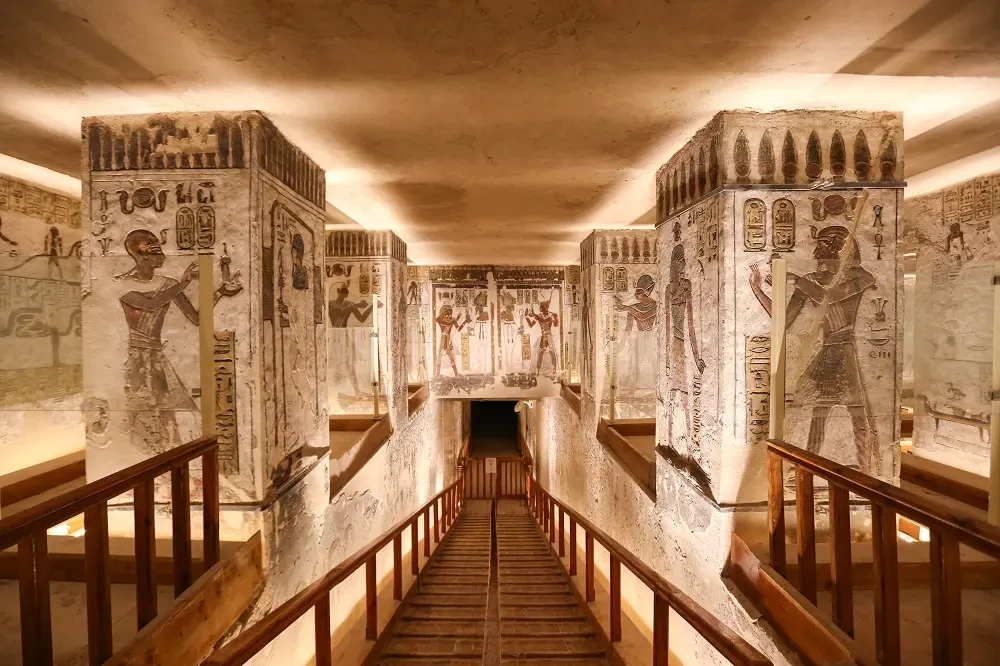
The nearby Valley of the Kings contains many tombs of New Kingdom rulers. The Colossi of Memnon once flanked the entrance to the vast mortuary temple of Amenhotep III. Medinet Habu, best known for the mortuary temple of Ramesses III, is another major monument on the west bank.
Together, these sites reveal different aspects of ancient Thebes: royal worship at Hatshepsut Temple, burial traditions in the Valley of the Kings, military and religious reliefs at Medinet Habu, and monumental sculpture in the Colossi of Memnon.




 More traveler reviews