FR
 IT


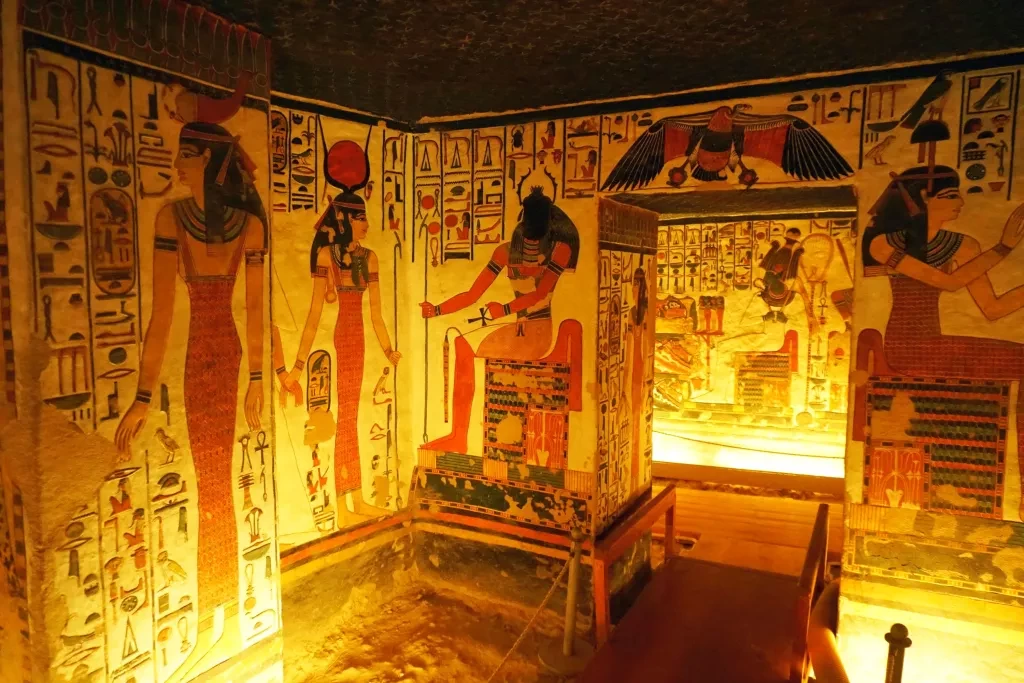
Valley of the Queens: Explore Luxor’s Royal Burial Grounds
The Valley of the Queens lies on Luxor's west bank and offers insight into ancient Egypt's royal families. Used during the New Kingdom, the necropolis contains over 70 tombs of queens, princes, princesses and other members of the royal household. Nefertari's tomb is especially famous for its richly coloured wall paintings and scenes of the afterlife. The valley's tombs reveal funerary traditions and beliefs about protecting the deceased in the next world.
Valley of the Queens: Discover Luxor’s Ancient Royal Burial Ground
The Valley of the Queens is an important archaeological site on Luxor's west bank. Unlike the nearby Valley of the Kings, known for pharaohs' tombs, this necropolis mainly contains burials of queens, royal children and other members of the New Kingdom royal household. It offers another perspective on Egyptian funerary practices during Luxor tours.
Near the cliffs of western Thebes, the valley contains about 70 known tombs, not all of which are open to visitors. They vary in size and decoration, with some preserving scenes of gods, rituals and the journey into the afterlife.
The best-known tomb belongs to Nefertari, wife of Ramesses II, and is celebrated for its painted decoration.
Why Was the Valley of the Queens Created?
One of the most interesting archeological sites on the West Bank of Luxor is the Valley of the Queens. While the neighboring Valley of the Kings holds the tombs of pharaohs, the relatively quiet necropolis is mostly dedicated to the burials of queens, royal children and other royalty of the New Kingdom period. The tombs of the Valley give another point of view at the Egyptian funerary practices.
Being located near the cliffs of Western Thebes, the necropolis holds about 70 tombs that are known. But not all of them can be visited. Tombs vary in sizes and decorations and some of them hold beautiful preserved scenes of gods, rituals and afterlife journey.
The most famous burial in the Valley of Queens is the Tomb of Nefertari. The tomb was made for Ramesses II's wife and its walls are painted in very beautiful paintings and reliefs.
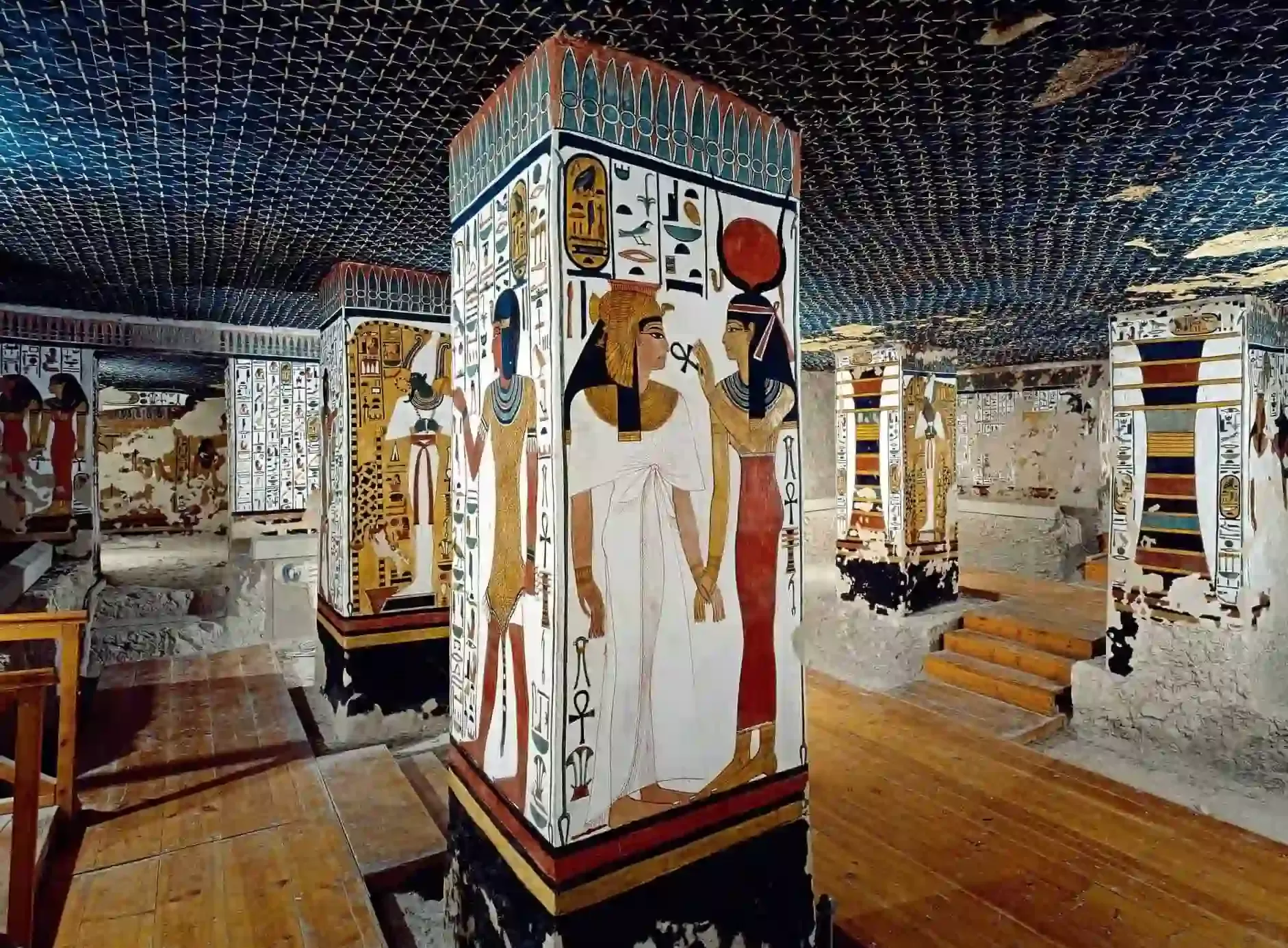
Nefertari’s Tomb and the Valley’s Most Famous Artwork
Nefertari's tomb is the Valley of the Queens' most famous monument. Built for the wife of Ramesses II, it is distinguished by detailed paintings and rich colours.
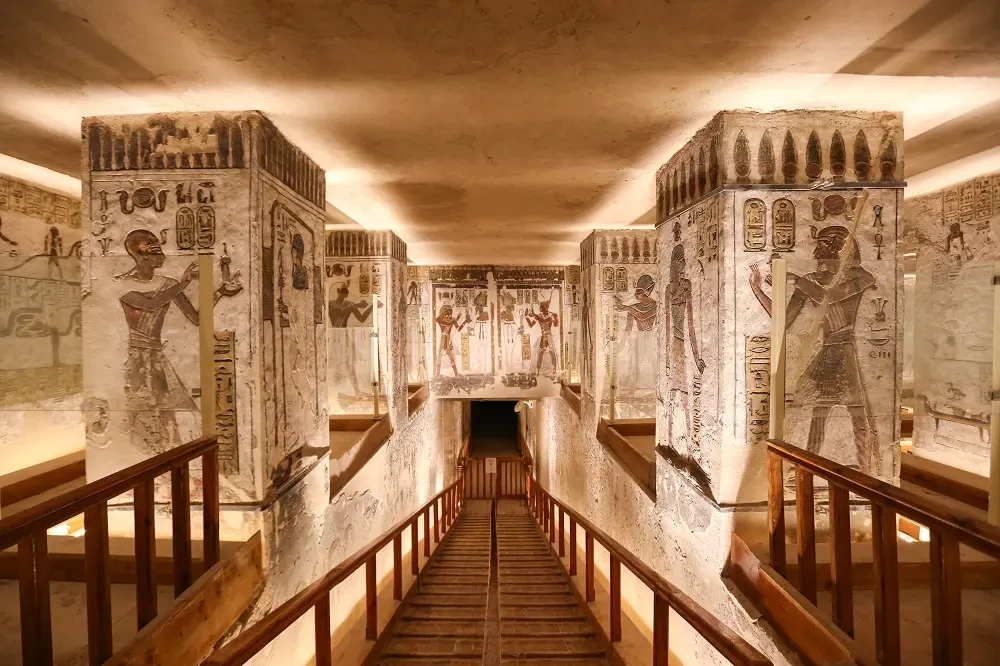
Scenes show the queen meeting deities and travelling through the underworld. Hieroglyphic inscriptions accompany these images, expressing beliefs intended to protect and guide her in the afterlife. Many painted details retain vivid colours despite their age.
Access to Nefertari's tomb is more restricted than to other tombs because its paintings are fragile. Check current visiting arrangements before travelling; do not assume the tomb will be open.
Ancient Egyptian Tombs Beyond Nefertari
Other tombs in the valley reveal further aspects of royal life and funerary customs. Some belonged to royal children and other family members, including Prince Khaemwaset, son of Ramesses III.
Their religious scenes and symbols were intended to support the deceased in the afterlife. Differences in decoration offer insight into funerary beliefs and rituals, while inscriptions help researchers understand royal genealogy and New Kingdom society.
Where access permits, exploring beyond the most famous tombs can provide a broader view of the royal necropolis.
The Valley of the Queens and Luxor's West Bank
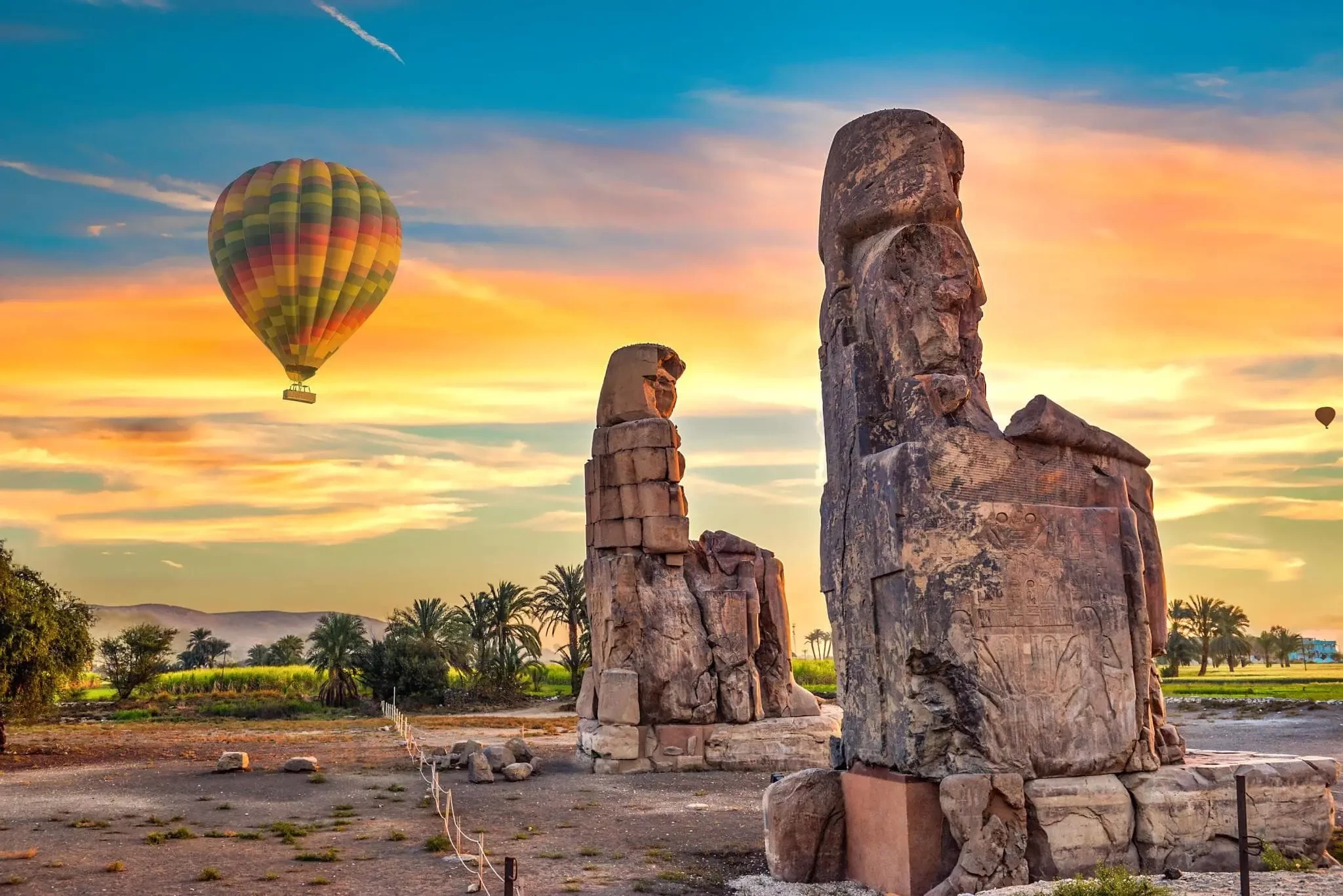
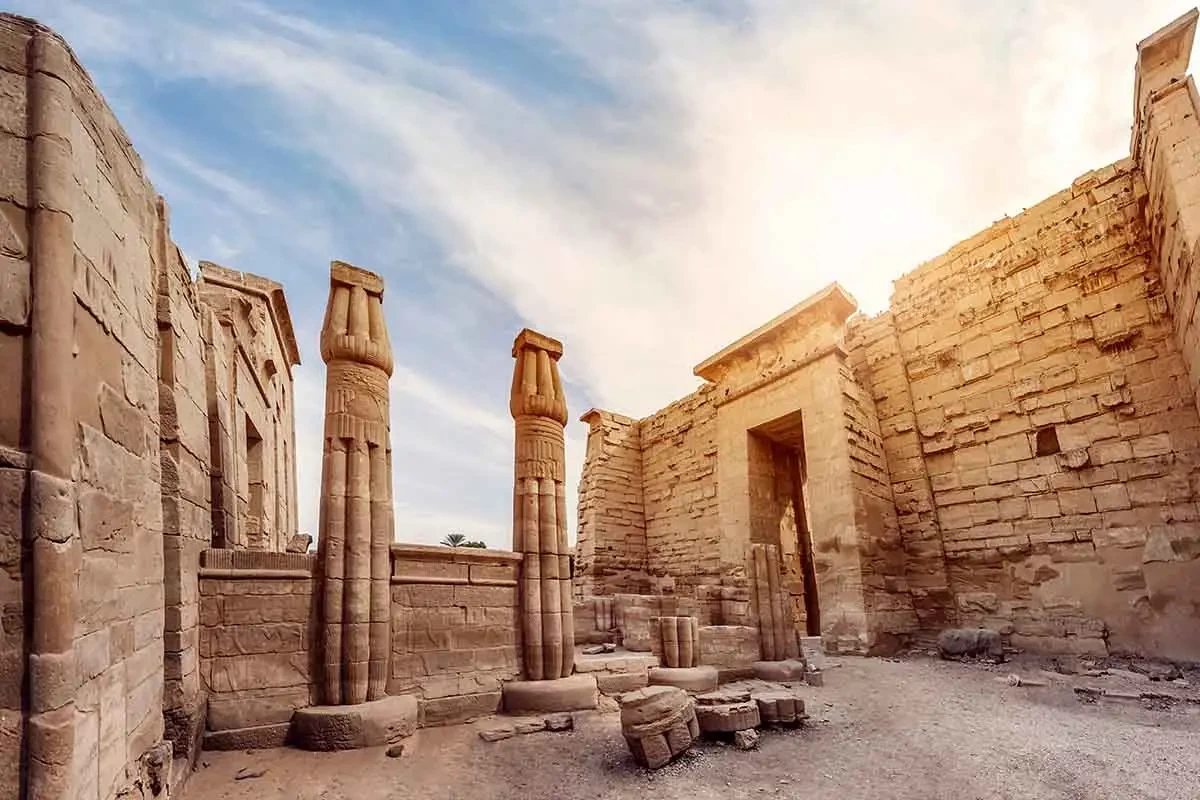
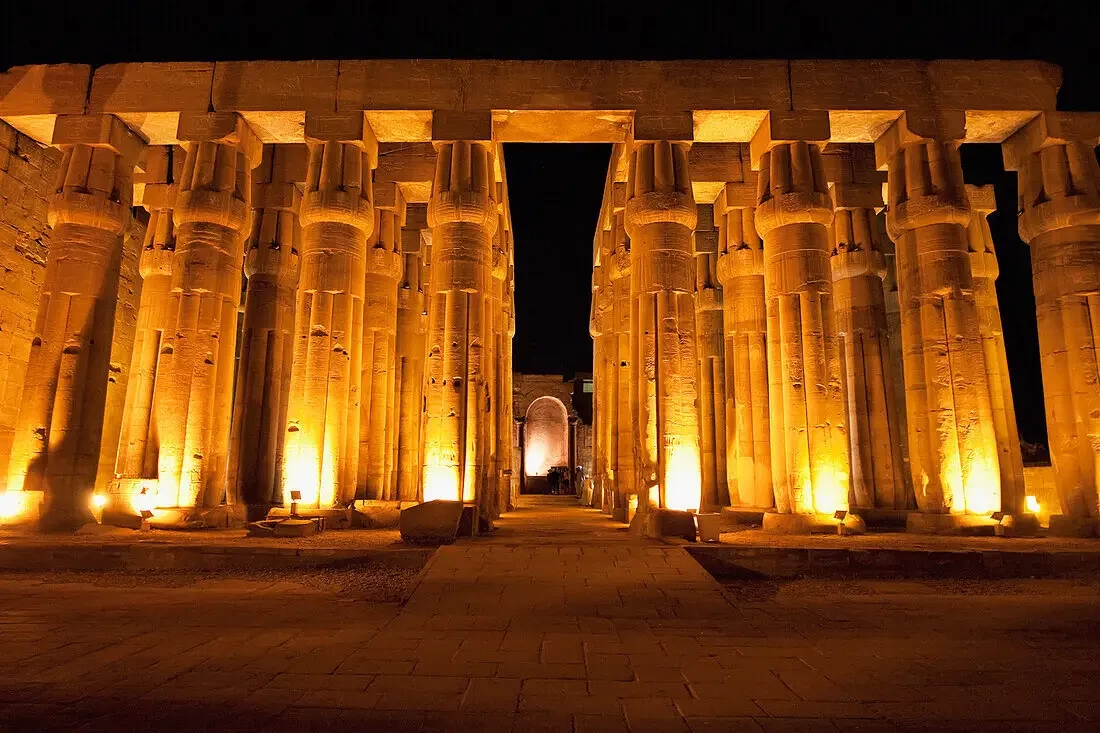
However, the Valley of the Queens is just one part of a larger archeological landscape found on Luxor’s West Bank, where Egyptians built temples, tombs and monuments associated with royalty and religion. Touring several locations at once helps to see the development of ancient Thebes better.
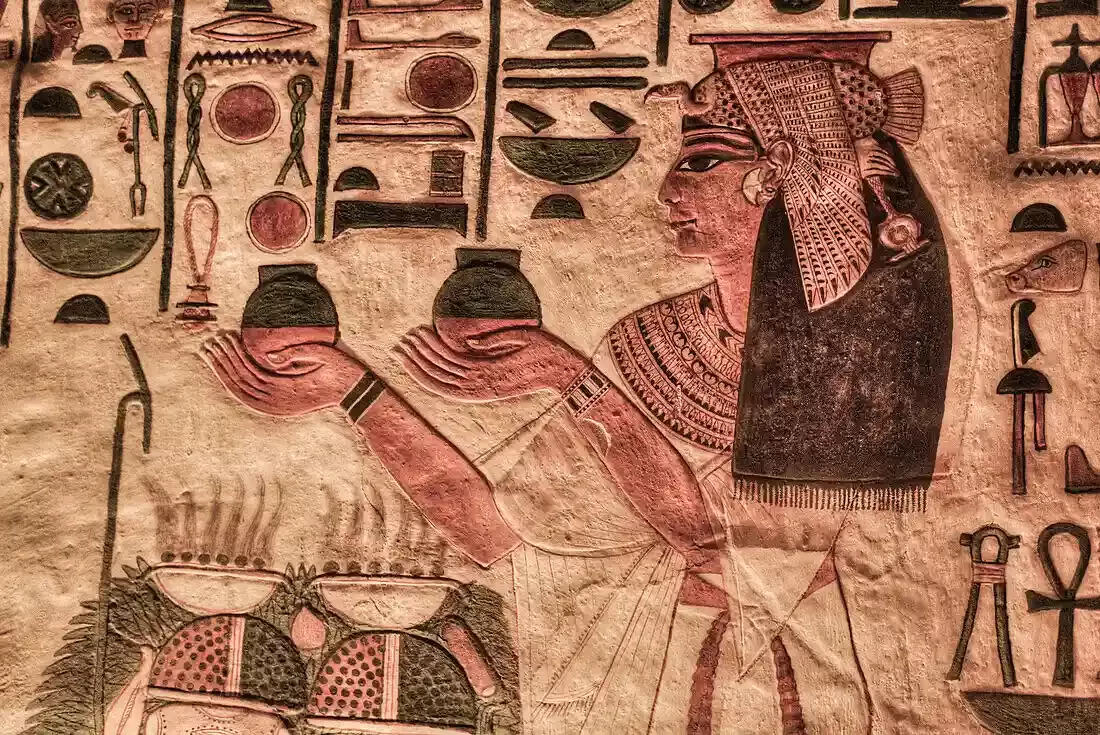
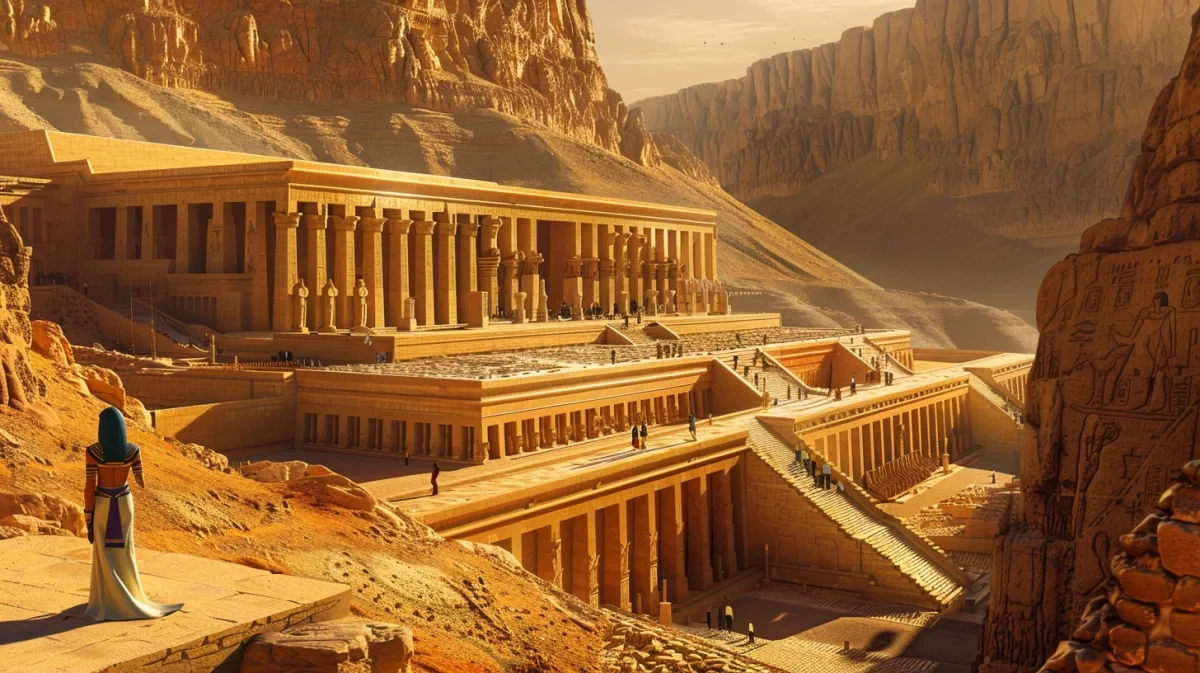
The Valley of the Kings, for instance, houses tombs of many New Kingdom pharaohs. Another place that should not be missed is the Hatshepsut Temple, which offers great examples of royal architecture.
All of these sites can be seen during one tour of the West Bank; however, it is recommended to allocate some extra time for visiting every attraction. It is important to note that the Valley of the Queens is a valuable addition to the above mentioned sites because it deals with the life of royal women and children.




 More traveler reviews