FR
 IT


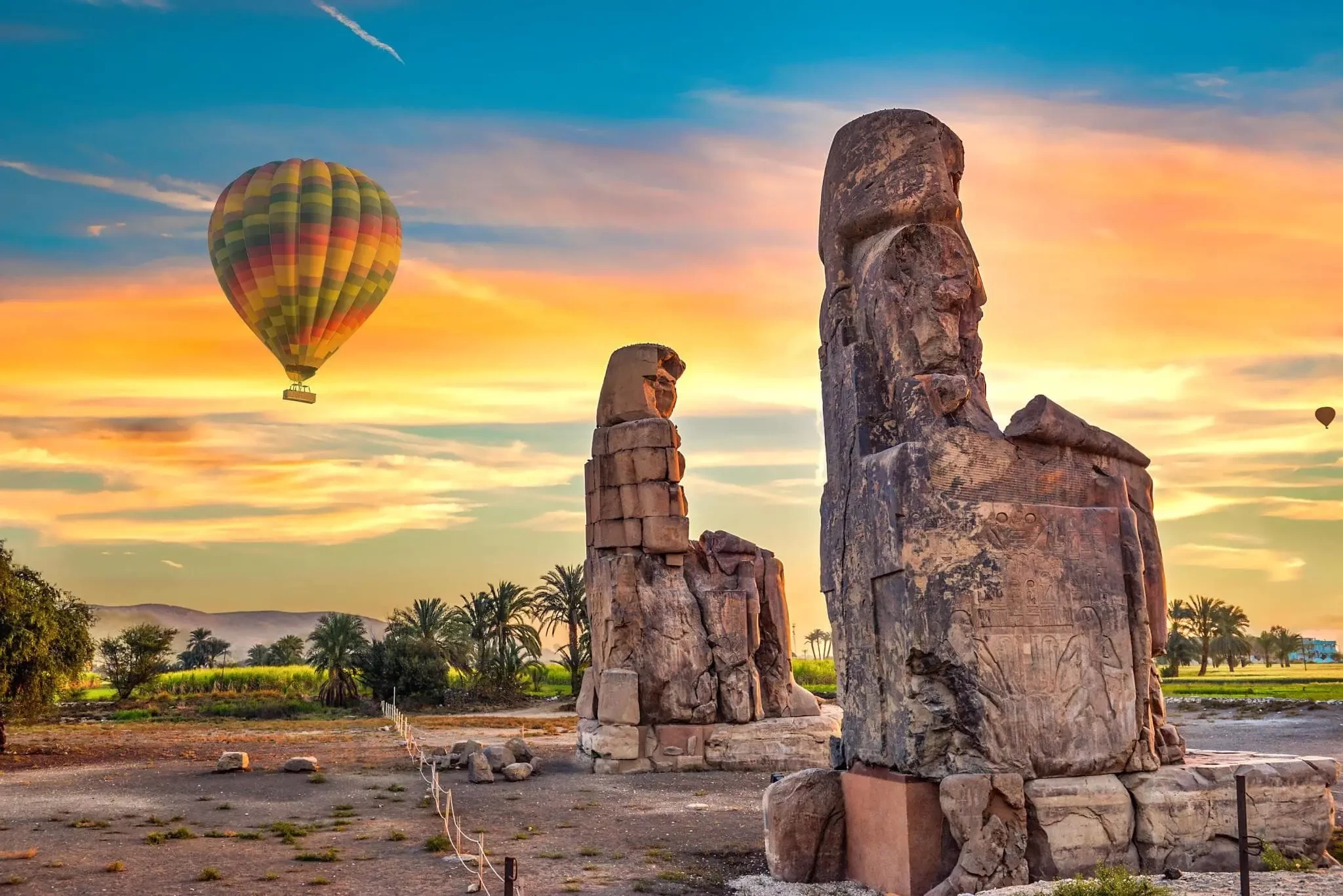
Colossi of Memnon: Amenhotep III’s Giant Statues
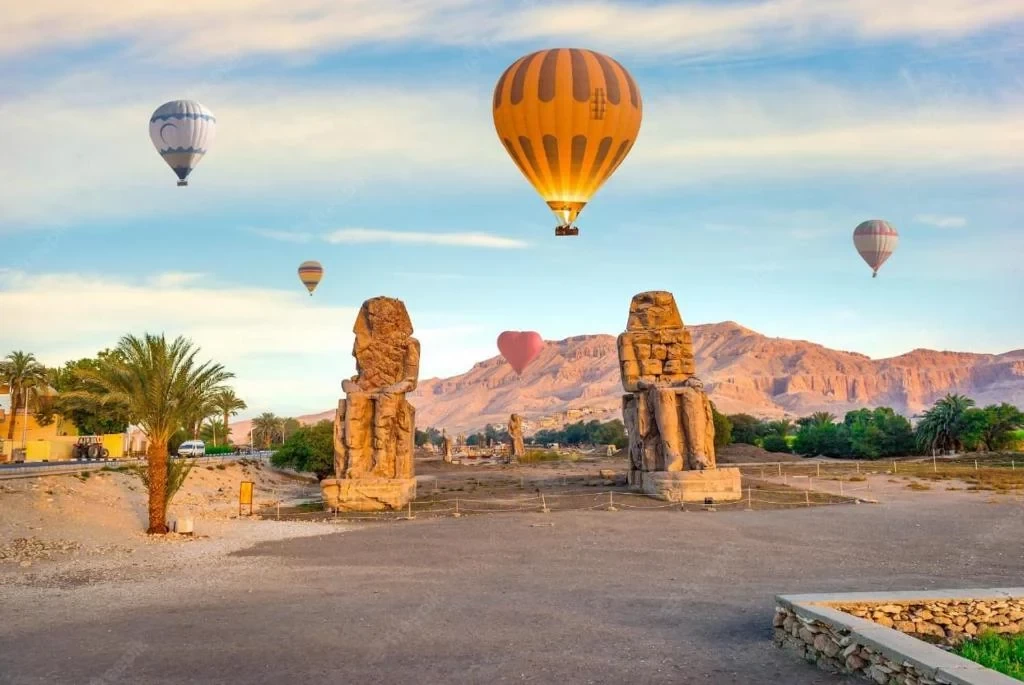
The Colossi of Memnon are two monumental stone statues of Pharaoh Amenhotep III on the west bank of the Nile at Luxor. Built over 3,000 years ago, they guarded the entrance to his vast mortuary temple.
Royal inscriptions, smaller figures and carved details reward a closer look. In Greek and Roman times, accounts of a “singing” statue drew visitors to the site. Today, the colossi can be combined with the Valley of the Kings, Hatshepsut’s Temple or Medinet Habu on a tour of Luxor’s west bank.
Discover the Colossi of Memnon in Luxor
Of all the most notable monuments in the West bank of Luxor and an integral feature of the ancient Theban landscape, are the Colossi of Memnon statues. The two immense carved stones sit beside the ruins of what was an enormous mortuary temple and are a site that people have been visiting for thousands of years, due to their sheer size, the ancient texts carved onto them and their intrigue.
Each of the two, seated figures depict Pharaoh Amenhotep III (r. 1390-1352 BCE), who was one of the most prominent pharaohs in the 18 th Dynasty. The two, thirty foot statues are over 3000 years old and were originally, both guardians of the enormous mortuary temple constructed for Pharaoh Amenhotep III.
The colossi can provide a good introduction to ancient Egyptian architecture, the nature of royalty and the landscape of Thebes, changing over millennia, during a visit with Luxor tours. By virtue of their positioning on the West Bank of Luxor, it is very easy to incorporate the statuary along with sites such as the Valley of the Kings, Hatshepsut’s mortuary temple or Medinet Habu.
The Story Behind the Colossi of Memnon
Colossi of Memnon statues were erected during the rule of Amenhotep III who was an Egyptian pharaoh of the 18th dynasty of Egypt. The statues originally stood at the entrance to his large mortuary temple situated on the West Bank of Luxor. This temple was one of the largest complexes of the Ancient Thebes religious architecture that unfortunately was partially destroyed due to natural disasters, floods and recycling of building materials.
Each statue represents Amenhotep III sitting on his throne, holding hands on knees. Small images of other members of his royal family stand next to the king, as well as different inscriptions stressing the royal position of Amenhotep III. These colossal statues are made out of massive blocks of quartzite quarried at distant sites and brought to Luxor which shows the high organisational skills of ancient Egypt.
This temple was intended for worshipping dead king and uniting his royal cult with gods. So, today Colossi of Memnon history is strongly linked with the life and reign of Amenhotep III and ancient Thebes. Despite the fact that only these two giant statues still remain from this ancient temple complex they clearly show the architectural ambitions of New Kingdom kings.
Why Are They Called the Colossi of Memnon?
The name Colossi of Memnon comes from a legend much later than the statues themselves. After earthquake damage to the northern statue, visitors in antiquity reported unusual sounds at sunrise. These sounds became associated with Memnon, a figure in Greek mythology and son of Eos, goddess of dawn.
The link between Amenhotep III and Memnon was not part of the monument’s original meaning. Greek and Roman interpretations of the sound gave rise to stories of a singing statue that became famous across the ancient world.
Roman emperors and other travellers came hoping to hear it. Ancient inscriptions record the monument’s appeal to visitors and its place in Egyptian and Greco-Roman history.
The sounds reportedly ceased after the northern statue was repaired in Roman times. Modern explanations suggest that temperature changes, moisture and air moving through cracks in the damaged stone may have caused the phenomenon.
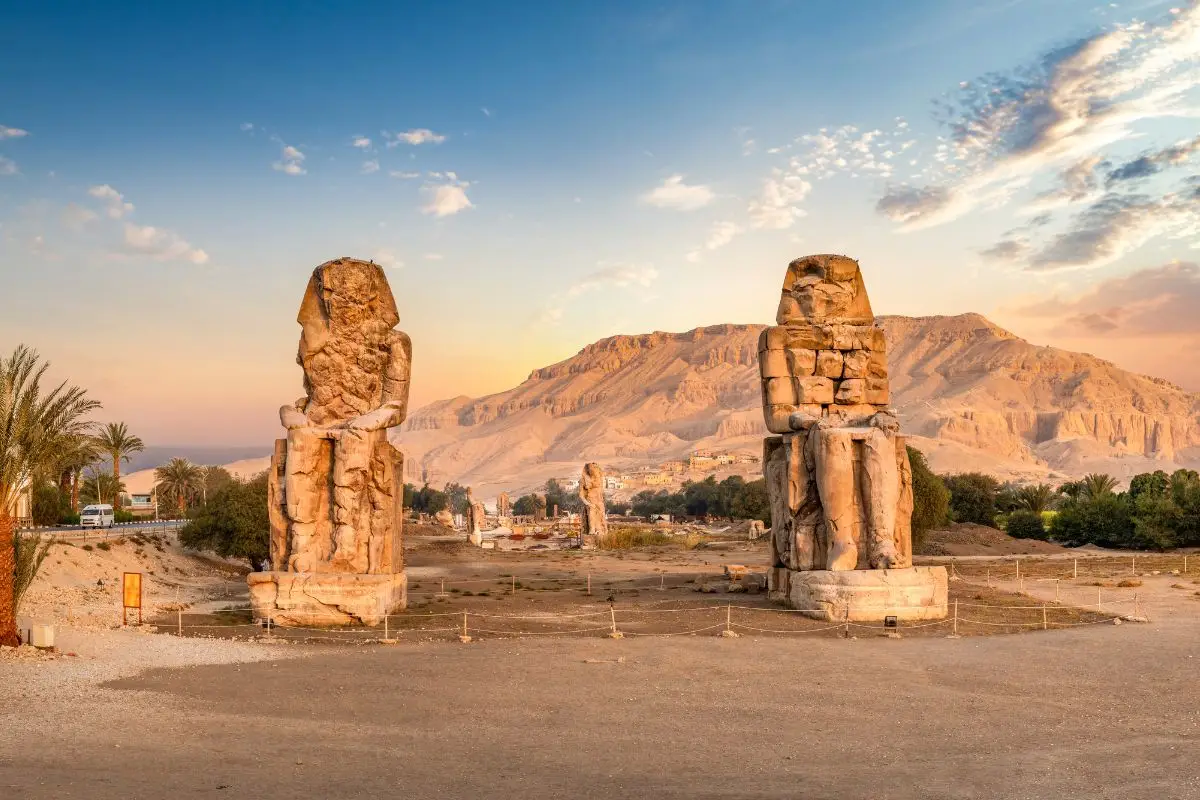
What to See at the Colossi of Memnon
Though the two colossal statues themselves are the stars of the show, it is more important to study their architectural features than just to pose for a photo next to them. Both statues feature King Amenhotep III sitting on his throne and wearing the crown typical of a pharaoh.
Beside the legs of the king stand small figures of standing people, depicting members of his family and showing how huge the colossi are in real life. It is interesting to note that there are hieroglyphs carved on stones, providing information about the pharaoh himself and his temple.
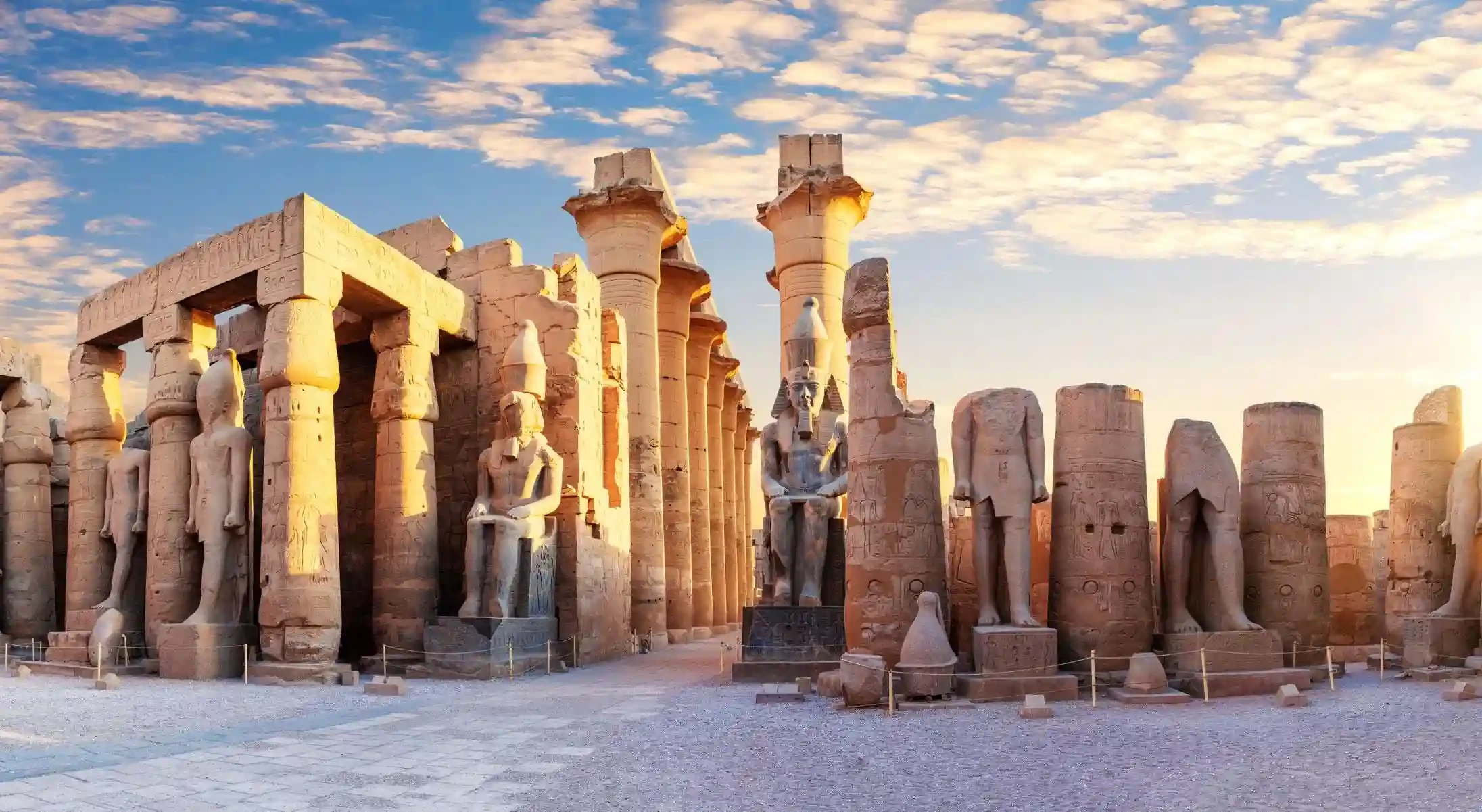
In addition to this, the archaeological site reveals many details of the colossal mortuary temple located behind the colossi. The temple was discovered by archaeologists, who unearthed many statues, columns, reliefs, and other structures belonging to it.
The most beautiful time to visit this place is undoubtedly in the morning, when the sun illuminates the whole place and gives visitors an opportunity to enjoy the view of the West Bank landscape.
Colossi of Memnon and Luxor’s Nile West Bank
With their location, the Colossi of Memnon become an ideal place to visit the major archaeological sites on the Luxor West Bank. Depending on the plan of a traveler's day, they may become both starting or finishing point of visiting ancient Thebes.
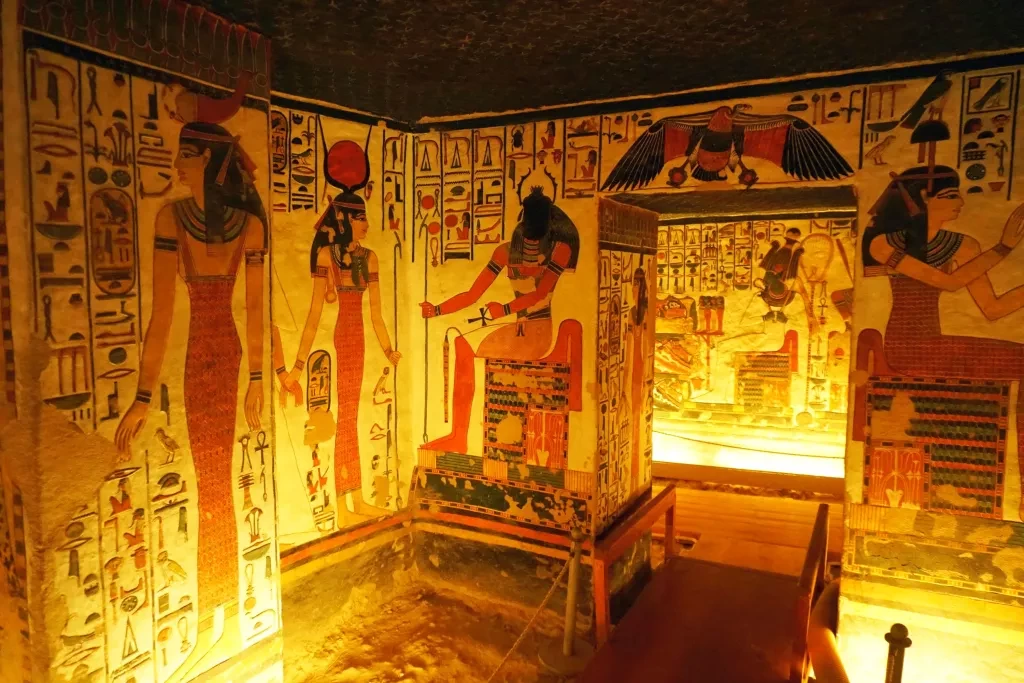
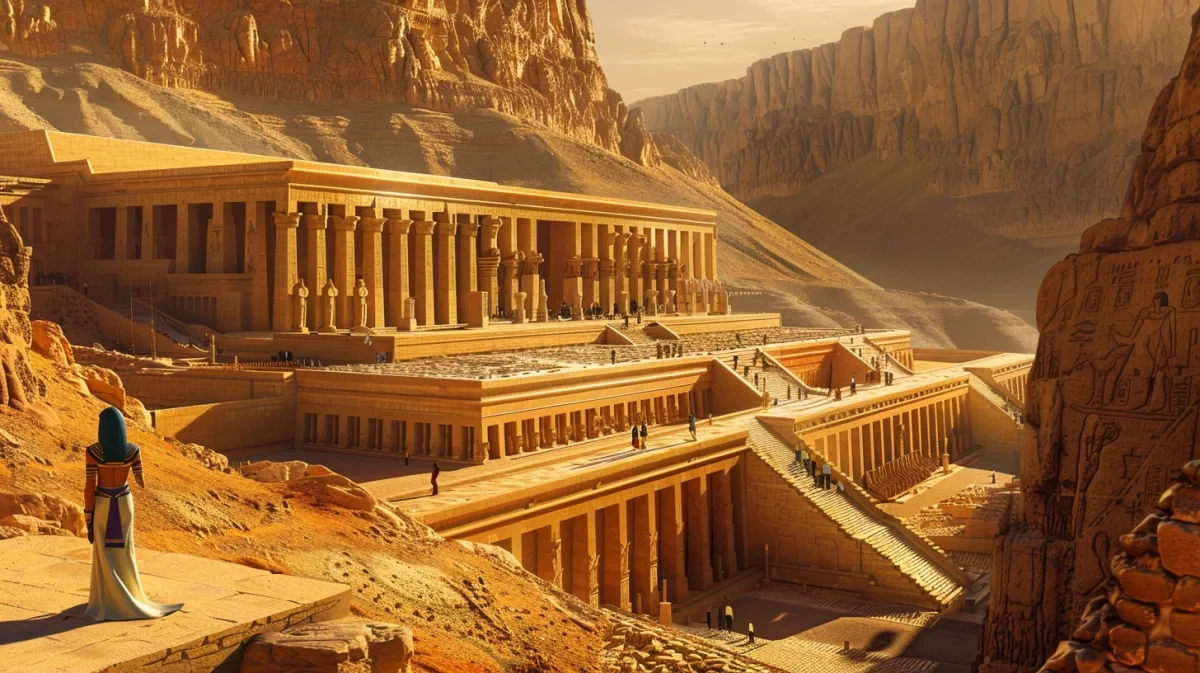
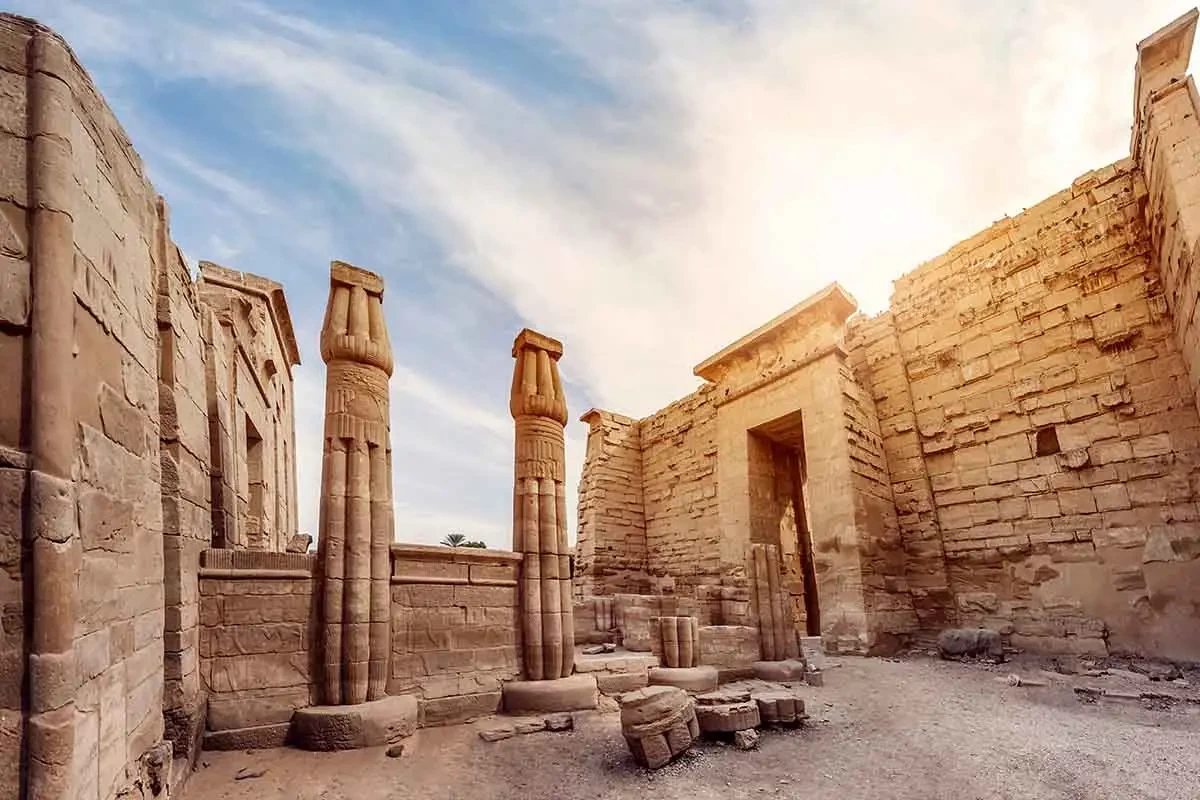
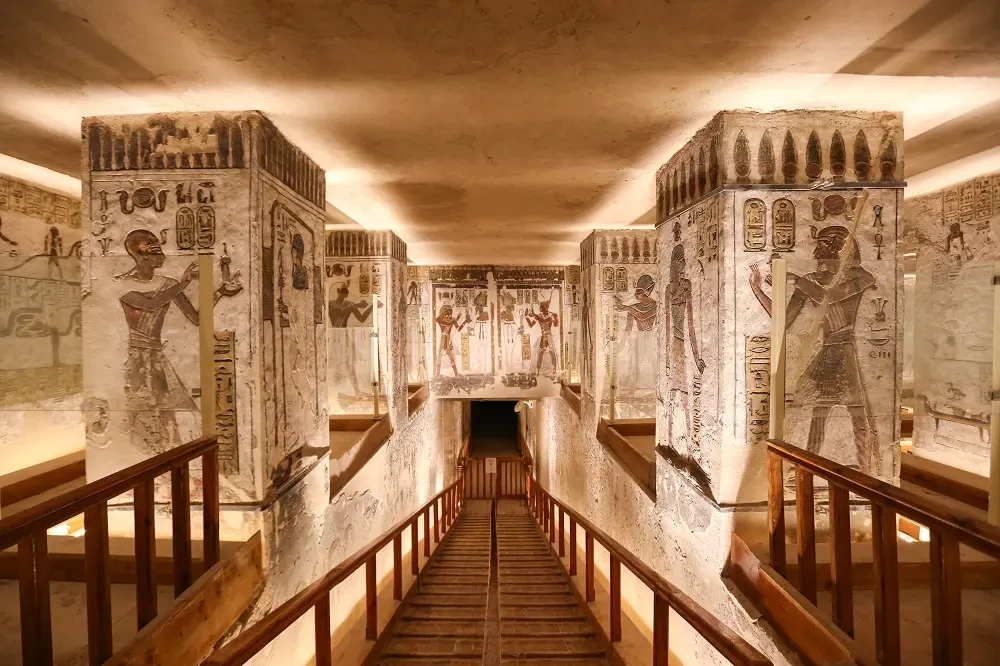
Valley of the Kings is a key connection. It became a burial site for many New Kingdom Pharaohs, including successors of Amenhotep III. The Hatshepsut Temple provides another interesting example of Egyptian royal architecture of that time, while Medinet Habu represents the temple of Ramesses III.




 More traveler reviews