Hatshepsut Temple: Discover the Queen’s Monument in Luxor
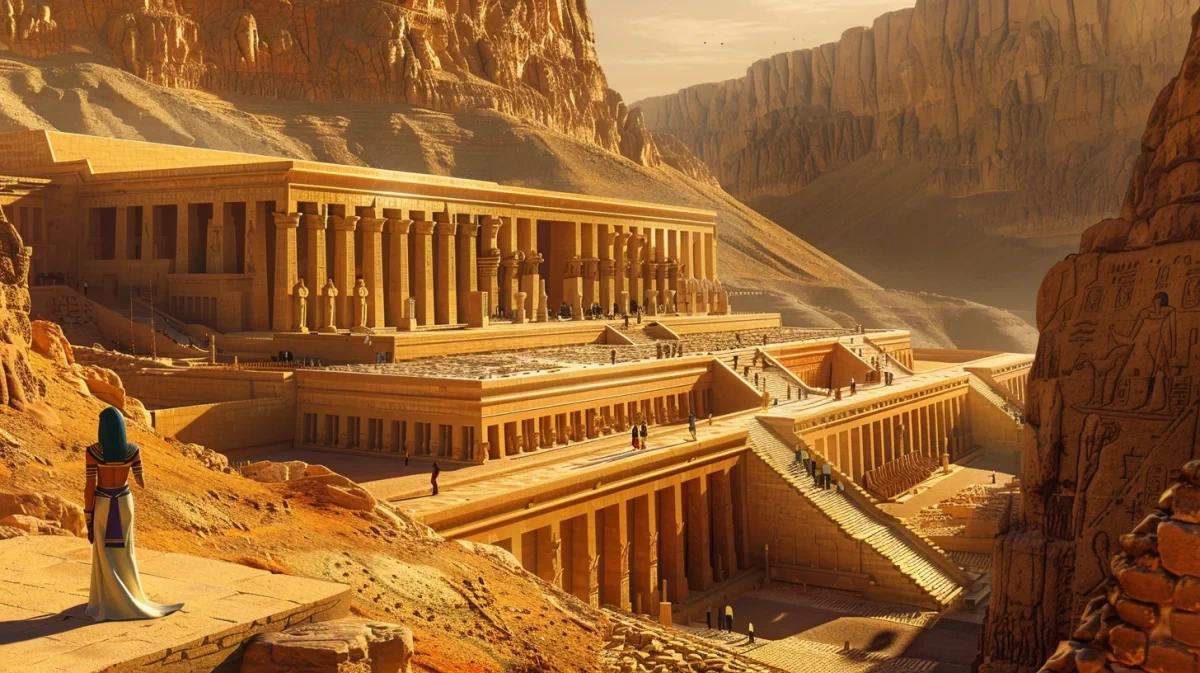
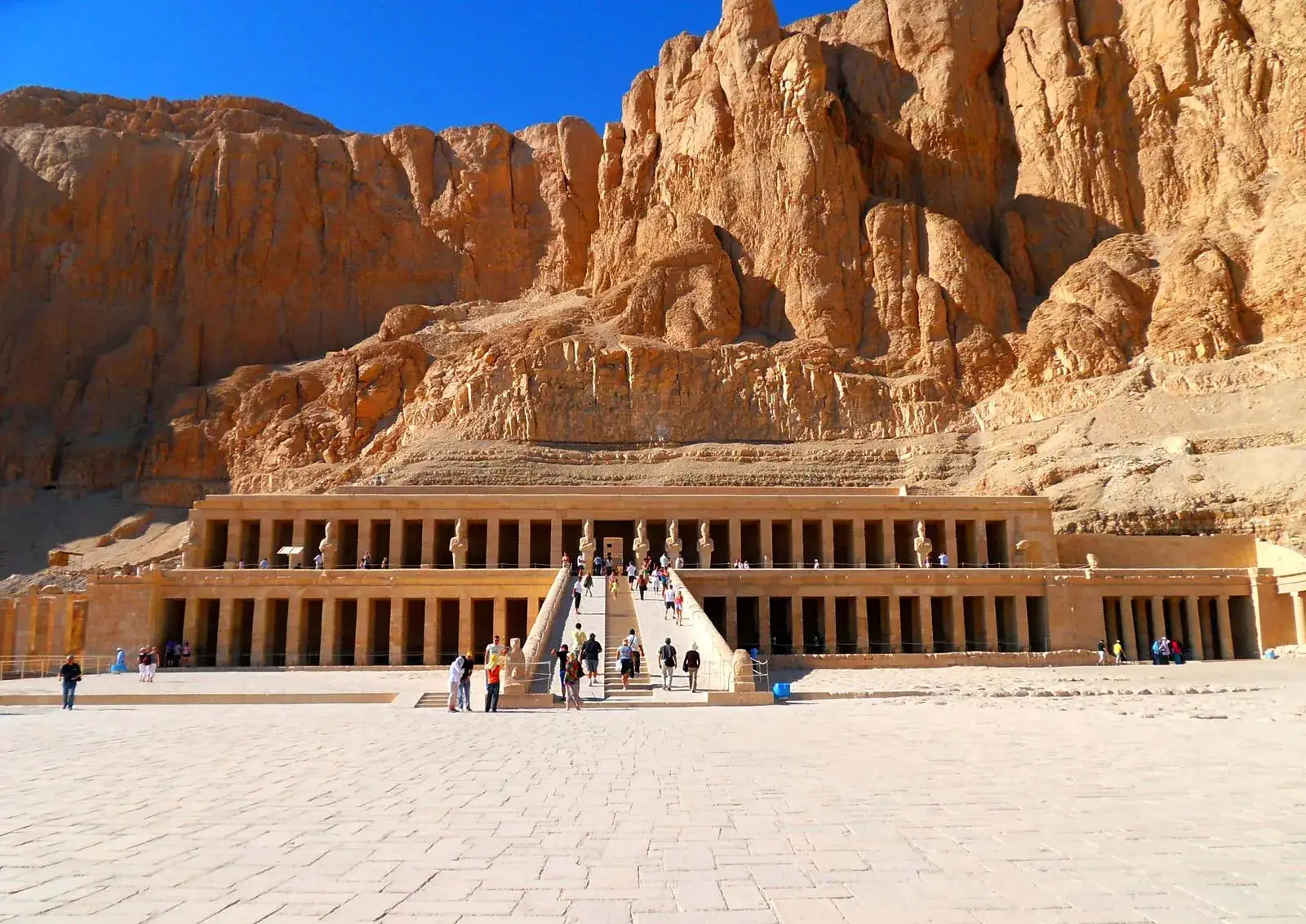
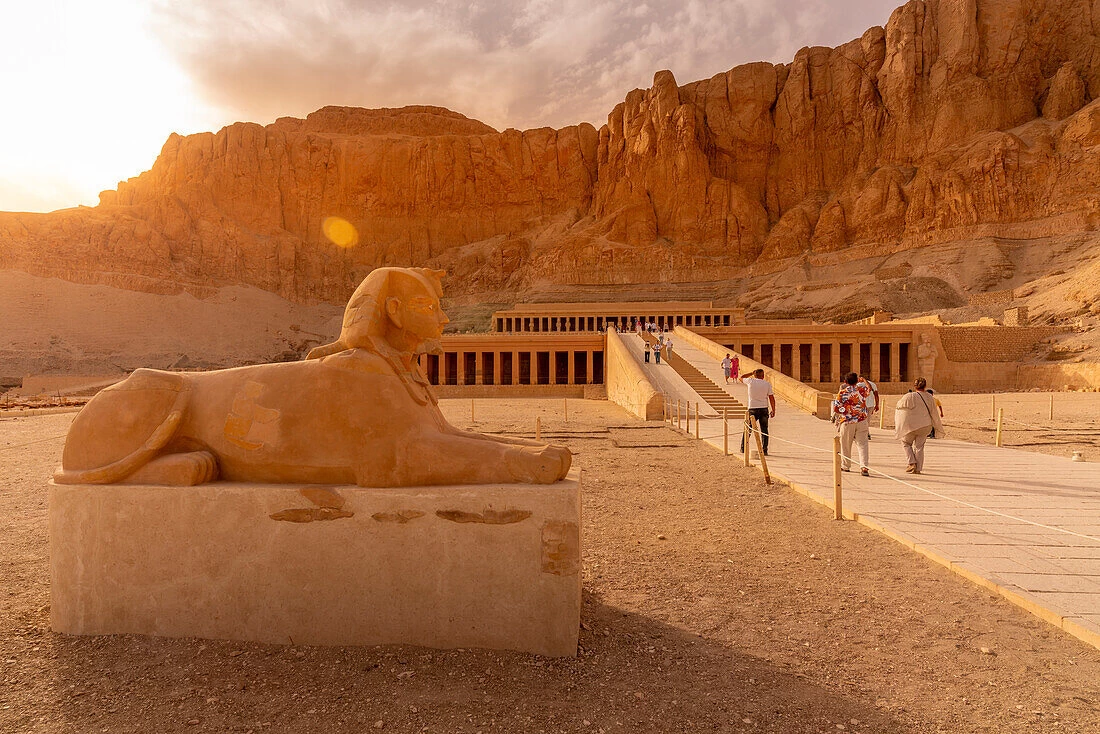
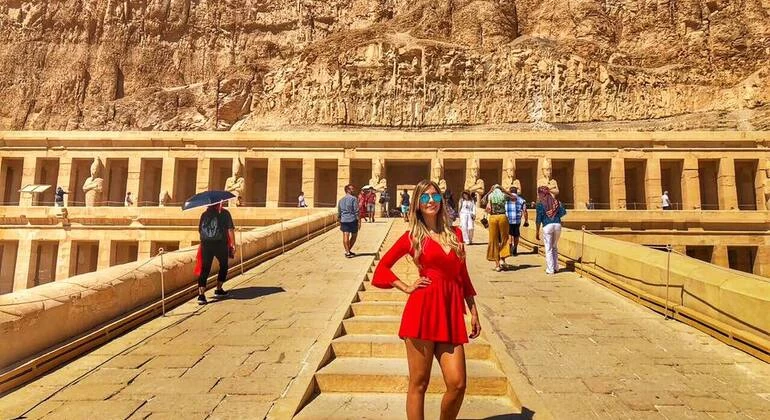
The Hatshepsut Temple is one of the most unique ancient architectural structures on the west bank of Luxor. Constructed in the 18th dynasty for the queen Hatshepsut, the temple is recognized by its three terraces, long ramps, colonnades and its beautiful setting under the Deir el-Bahari cliffs. The walls of the temple have reliefs which depict religious scenes, royal life and the queen's expedition to the land of Punt. The temple offers great information about the ancient Egyptian architecture, royal power and religious culture. Its location makes it very easy to combine with the Valley of the Kings, Colossi of Memnon and Medinet Habu, making it a popular stop on Luxor tours.
Hatshepsut Temple: Explore the Queen’s Monument in Luxor
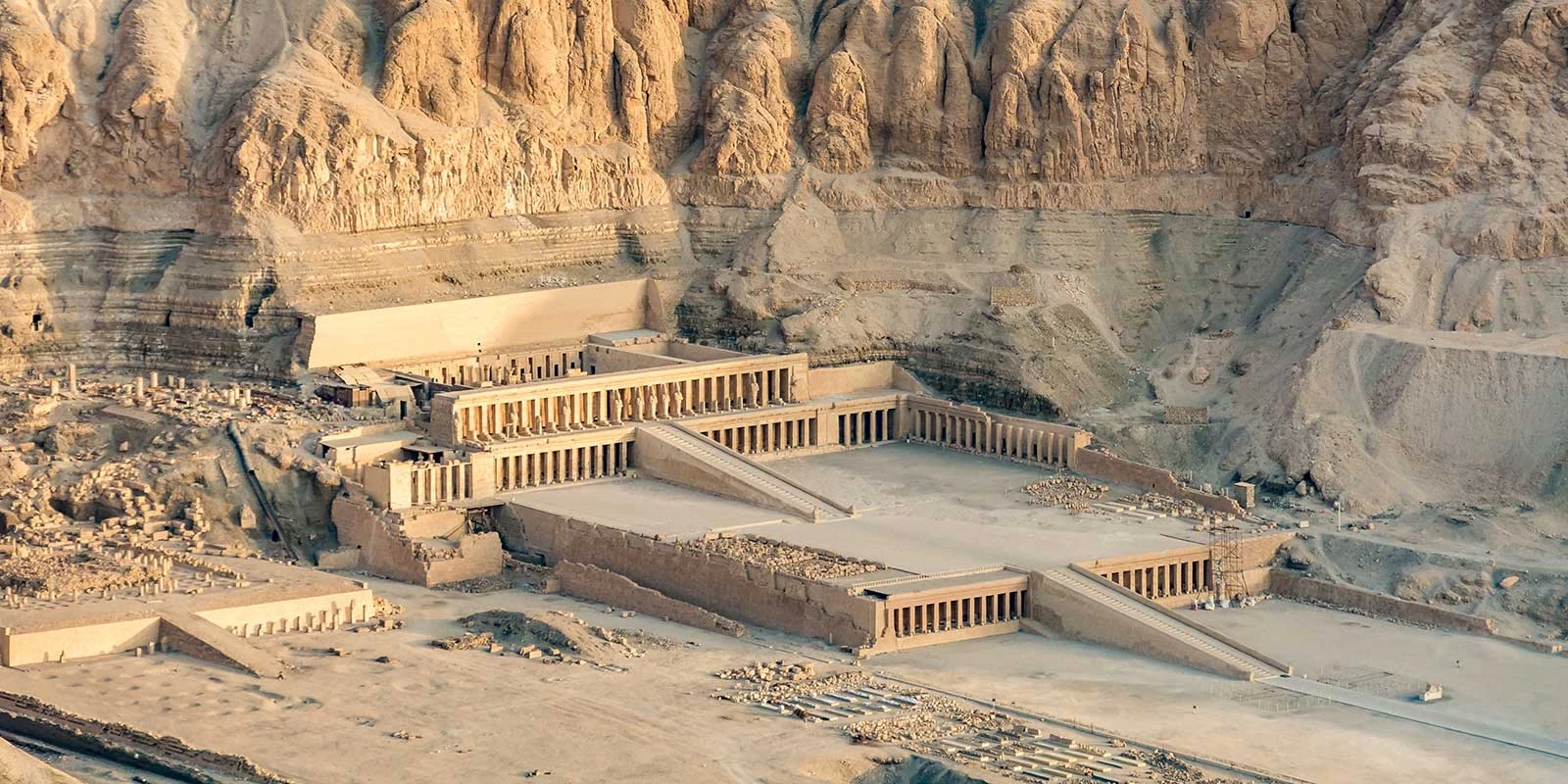
The Hatshepsut Temple is one of the most recognizable structures on Luxor’s West Bank and is an outstanding example of ancient Egyptian architecture. Constructed in the 18th Dynasty, the temple was commissioned by Hatshepsut, one of ancient Egypt’s most influential queens. The terraces are raised impressively against the cliffs of Deir el-Bahari.
In contrast to the giant structures that are usually surrounded by walls, Hatshepsut’s temple is notable for its broad terraces, long ramps, colonnades, and the special relationship with the mountains. The temple was built as a mortuary temple and was dedicated both to Amun and Hatshepsut herself.
The temple contains scenes that show some significant moments of Hatshepsut’s reign, such as her expedition to the Land of Punt. Scenes contain images of ships, animals, plants, and people from the expedition.
Queen Hatshepsut and the Story Behind Her Temple
Hatshepsut one of Ancient Egypt's most significant ancient monarchs she reigned during the 18th Dynasty. Originally she held position as regent for her stepson, Thutmose III before claiming royal title and attributes for herself. Her era was one marked with colossal construction works, profitable trading enterprises as well as a time of considerable peace.
The purpose of her mortuary temple at Deir el-Bahri built near the other temple was to emphasize Hatshepsut's right to be recognised as pharaoh in addition of creating linkages to the God Amun. It is located in adjacent location to Hatshepsut's temple as that built by Mentuhotep II as thus having direct architectural connection with previous Egyptian periods of history.
The monument constructed for Hatshepsut wasn’t just a burial space but a sacred hub used for offering oblations as well as ceremony services for pharaoh as well as various deities. The texts engraved onto its structure narrate an official story of her rightfulness as a ruling pharaoh. In some instances subsequent to her death some of her iconography and monumental works destroyed, during the reign of her stepson.
The Unique Architecture of Hatshepsut Temple
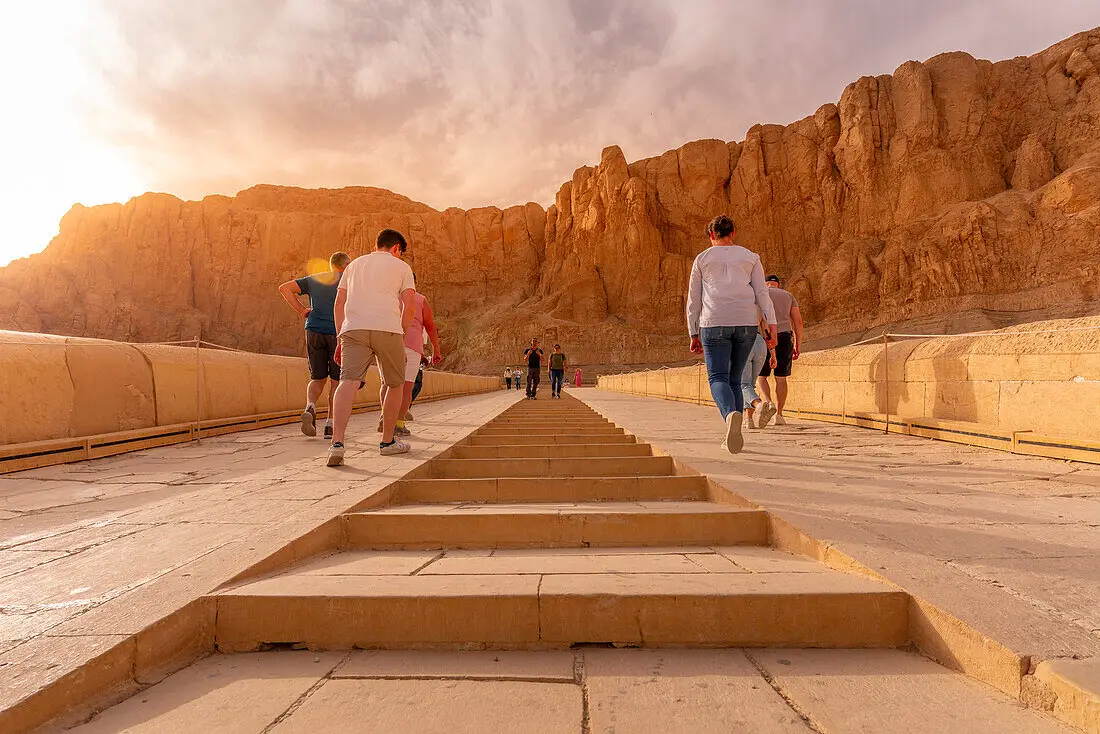
Architecture of Hatshepsut Temple is yet another notable characteristic of the monument. Unlike other temples in Egypt, the structure is constructed in three large terraces connected by lengthy ramps leading up to the limestone cliffs of Deir el-Bahari and combining architecture and natural scenery.
The temple was created by Senenmut, an architect and friend of Hatshepsut. It has a symmetrical design, open courtyards, columns, terraces and demonstrates how advanced the architecture of the New Kingdom period could be.
Rather than being a backdrop for the temple architecture, the cliffs of Deir el-Bahari played an important role due to their religious meaning and made the temple look like it blends into the mountainside.
The visitors have an opportunity to explore the terraces of the temple and view statues, reliefs, columns and inscriptions that have been preserved until our days. The lower terraces were used as gardens and water ponds in ancient times whereas the upper ones were occupied by sanctuaries and religious constructions.
Anyone interested in Hatshepsut Temple architecture will enjoy visiting the monument as it represents a unique example compared to other temples of ancient Egypt.
The Land of Punt Reliefs and Ancient Egyptian Trade
The Land of Punt reliefs are among the most interesting artifacts one can observe while visiting the Hatshepsut Temple. They offer important information on ancient Egypt's trade contacts and the wider world of which Egyptians knew during the period of the New Kingdom.
The expedition is dated to the time of Hatshepsut rule and was conducted for the purpose of bringing various products from an unknown place. From the information offered by the reliefs, one may learn about the presence of ships, foreign landscapes, trees, animals, and people participating in the voyage.
Among the products obtained by the expeditionists there were incense producing plants, myrrh, ebony, ivory, and gold as well as other valuable products.
The importance of the mentioned reliefs consists in the fact that they do not only celebrate the power of Hatshepsut but also offer information about foreign people, animals, vegetation, and trade practices in the New Kingdom.
The reliefs representing the voyage to the Land of Punt are among the most interesting historical artifacts one may see while visiting the Hatshepsut Temple. They make visitors realize that ancient Egypt had trade and diplomatic contacts with distant places.
Hatshepsut Temple and the West Bank of Luxor
Hatshepsut Temple is part of a wider archaeological complex situated on Luxor's West Bank. Ancient Thebes was one of the most significant Egyptian political and religious centers, while its western side became particularly related to the royal tombs and mortuary temples.
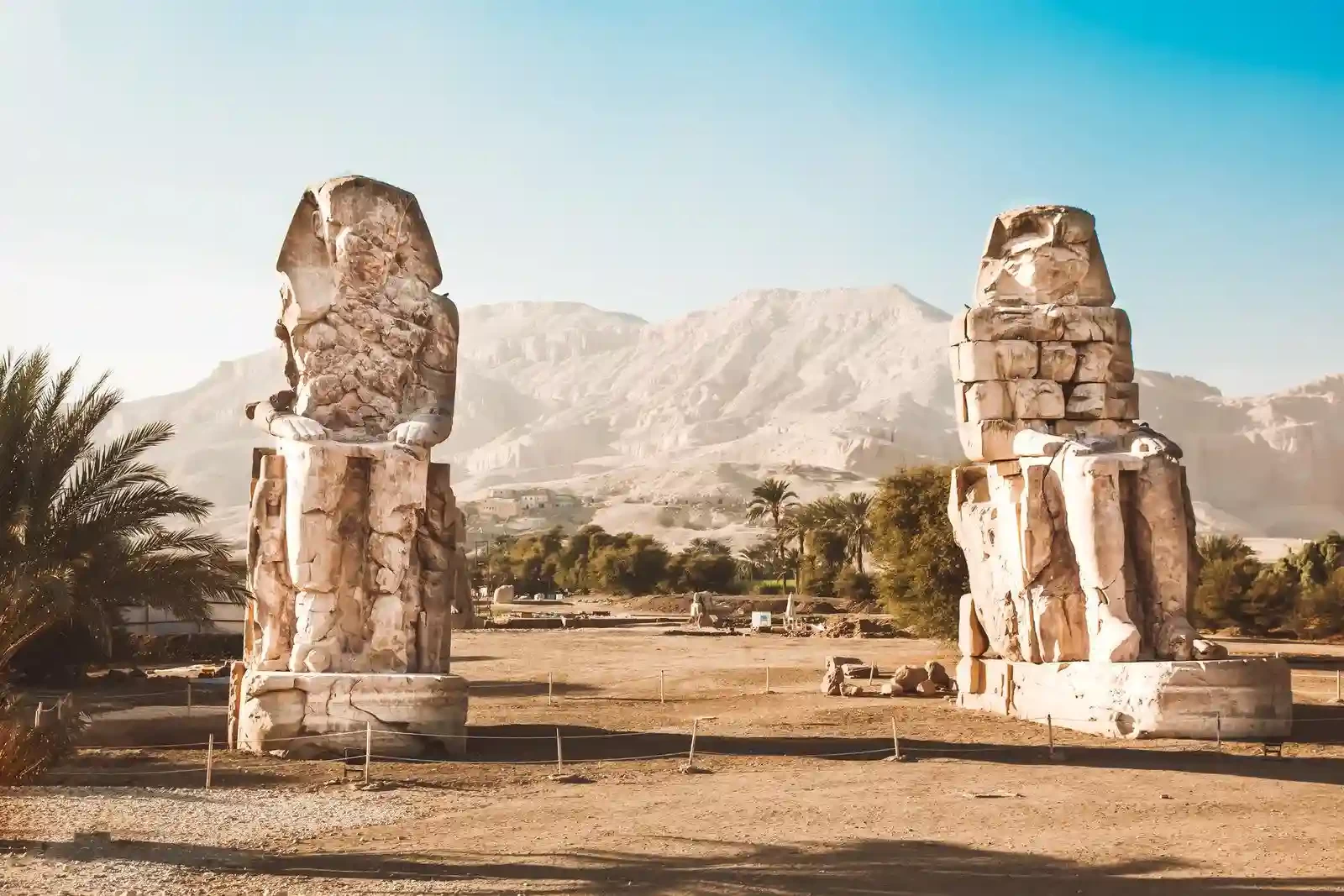
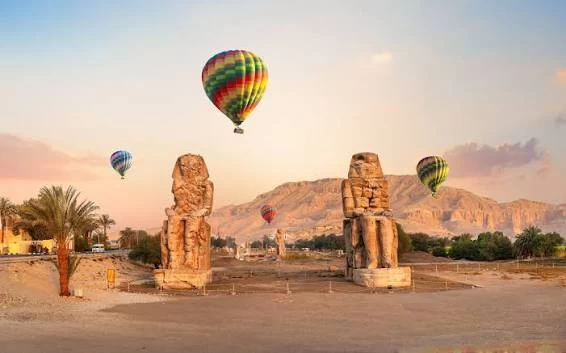
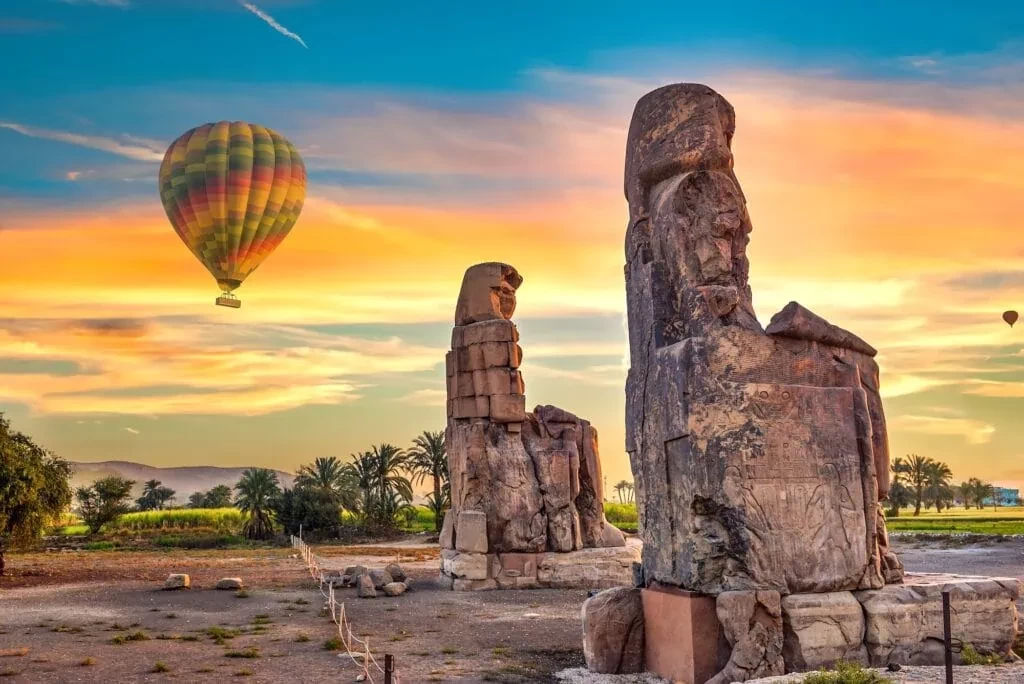
The Valley of the Kings, located close by, includes many tombs of New Kingdom kings. Colossi of Memnon are located slightly to the east of the valley and were the entrance to the huge mortuary temple of Amenhotep III. Medinet Habu, which was mostly built during the time of Ramesses III, is another mortuary temple which tourists can visit there.
All these attractions allow tourists to get an idea about ancient Thebes. Royal worship and monumental construction is represented by Hatshepsut Temple, royal burial by Valley of the Kings, military and religious reliefs by Medinet Habu, and monumental character of the period by Colossi of Memnon.
-webp.webp "Nile River Cruise")
-webp.webp "Private Luxury Tour of Cairo Luxor and Aswan")