Colossi of Memnon: Explore Luxor’s Ancient Giant Statues
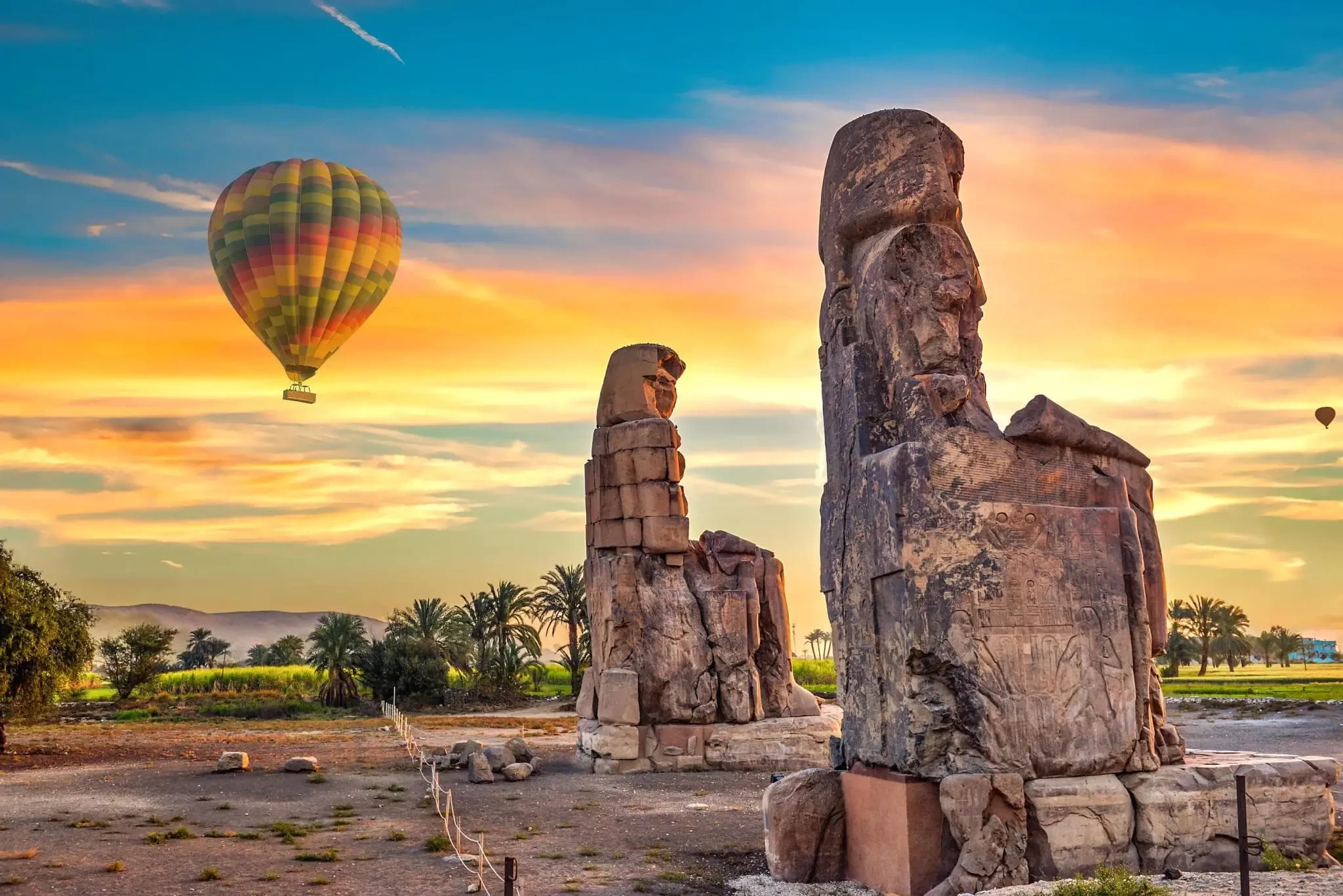
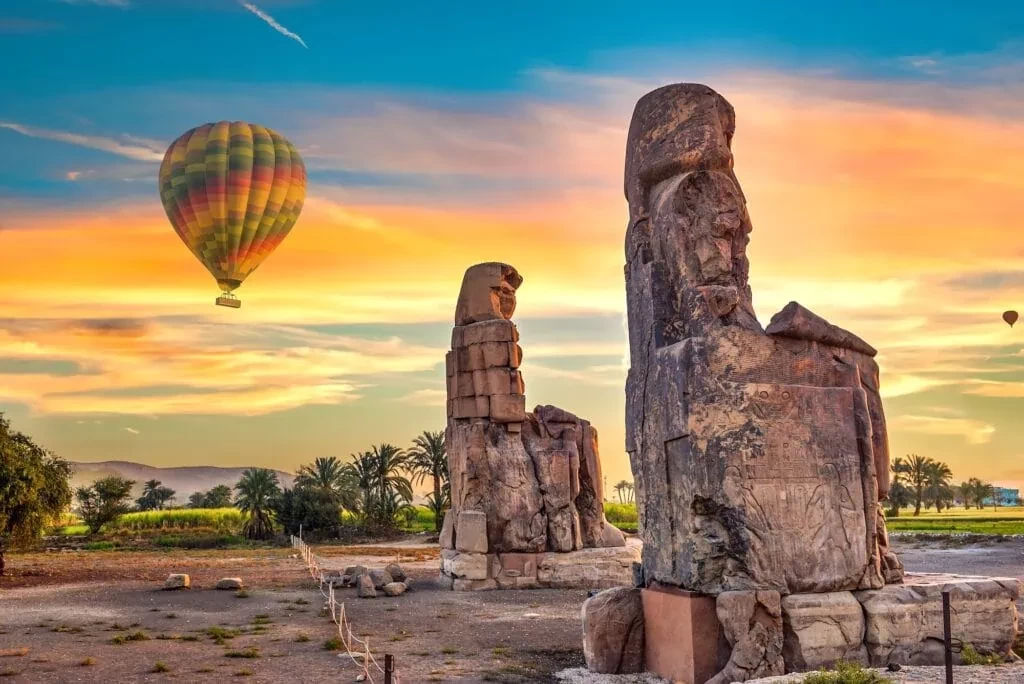
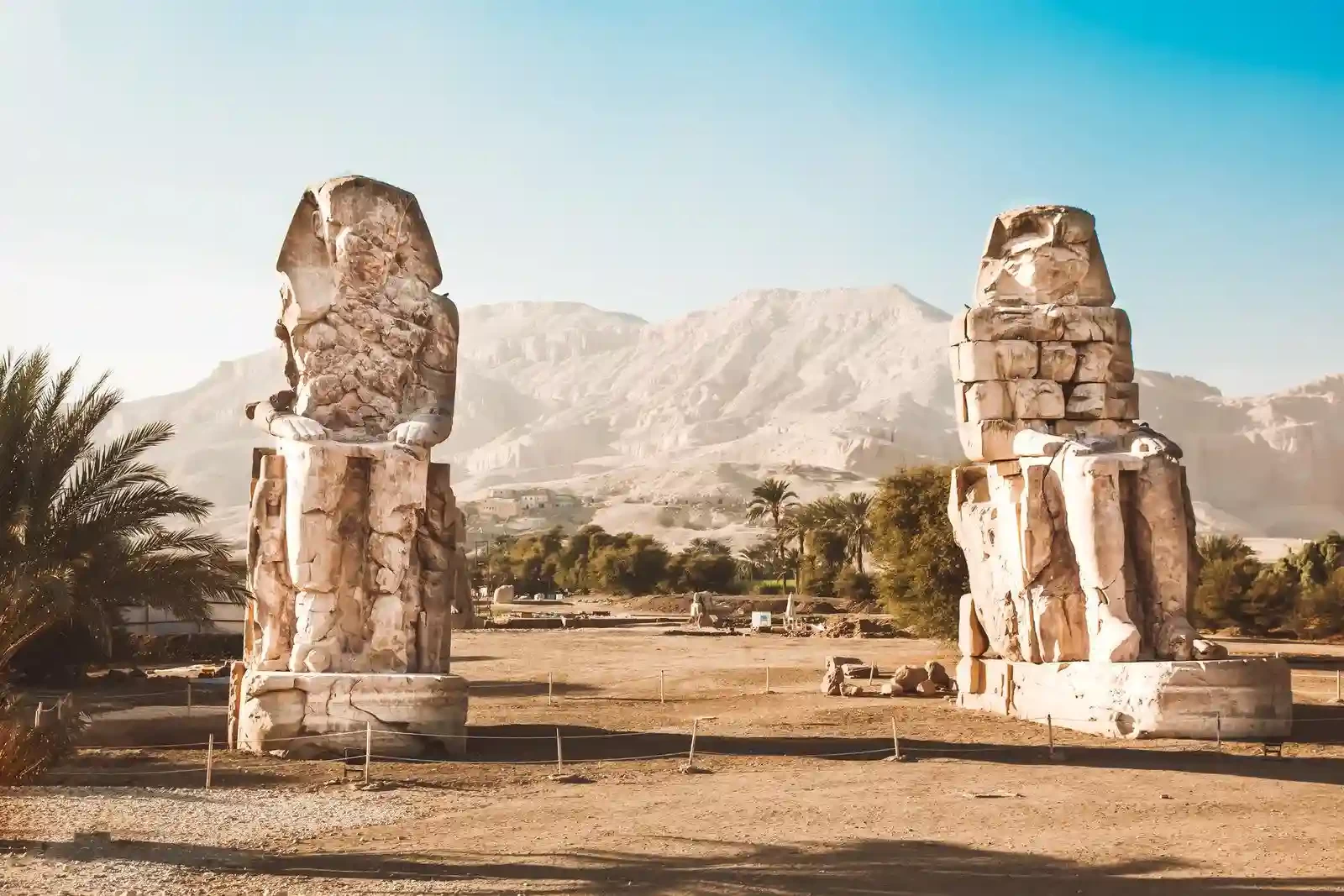
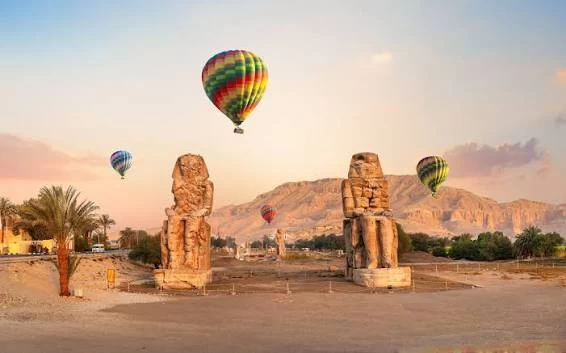
The Colossi of Memnon Luxor – The Singing Statues These colossal stone statues represent the Pharaoh Amenhotep III. Located in the Western Bank of Luxor, they were built over 3,000 years ago to guard the entrance to the King’s huge mortuary temple. Of all the ancient monuments on the Luxor West Bank, the colossi have managed to stay among the most well-known, bearing royal inscription, smaller figures, and intricate carved details in stone. In the past, an ancient story brought numerous visitors here, referring to the “singing” statue, during the Greek and Roman age, they are also relatively close and easy to incorporate within a Valley of the Kings, Temple of Hatshepsut or Medinet Habu Tour.
Colossi of Memnon: Discover Luxor’s Ancient Giant Statues
Of all the most notable monuments in the West bank of Luxor and an integral feature of the ancient Theban landscape, are the Colossi of Memnon statues. The two immense carved stones sit beside the ruins of what was an enormous mortuary temple and are a site that people have been visiting for thousands of years, due to their sheer size, the ancient texts carved onto them and their intrigue.
Each of the two, seated figures depict Pharaoh Amenhotep III (r. 1390-1352 BCE), who was one of the most prominent pharaohs in the 18 th Dynasty. The two, thirty foot statues are over 3000 years old and were originally, both guardians of the enormous mortuary temple constructed for Pharaoh Amenhotep III.
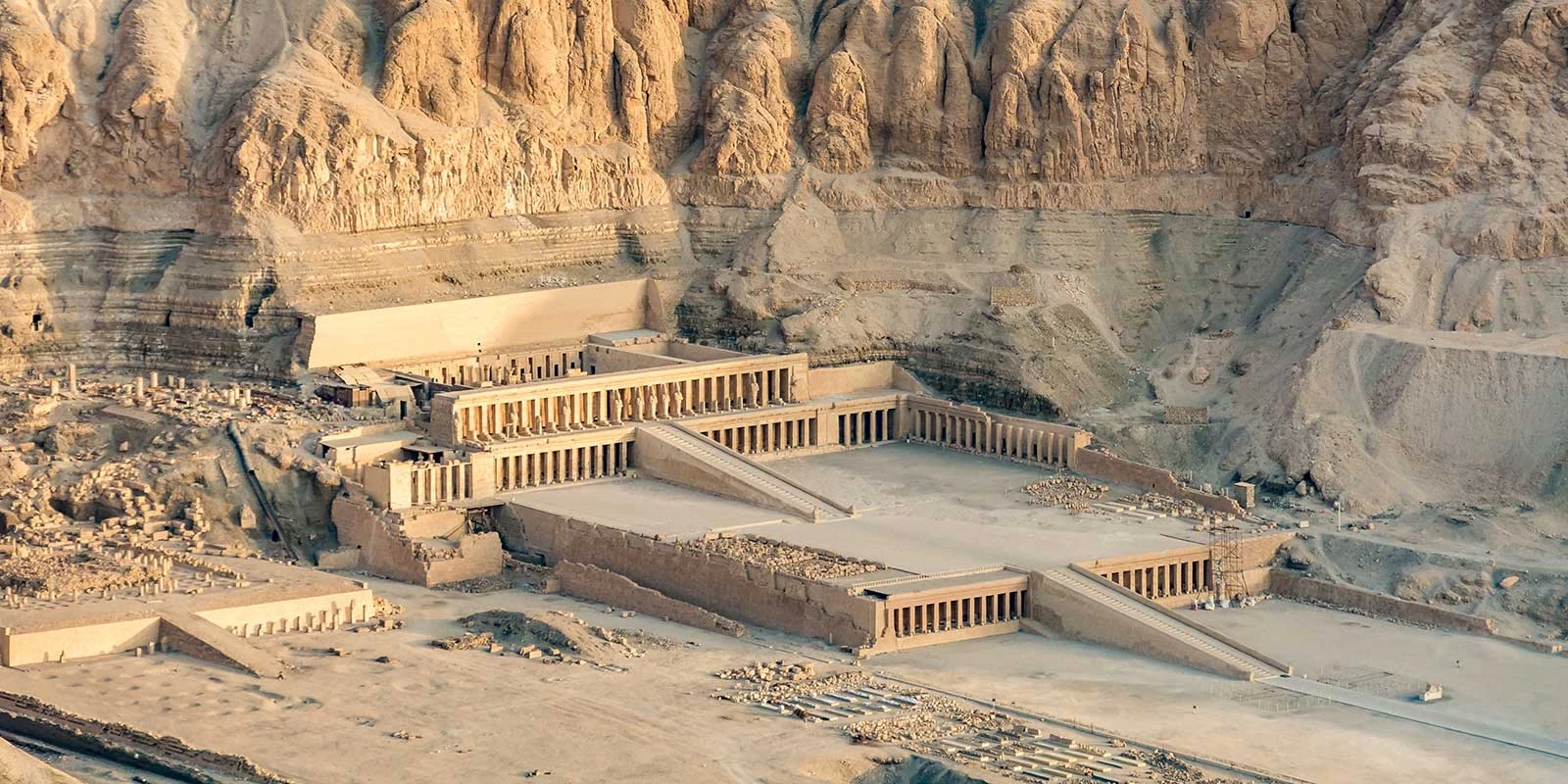
The colossi can provide a good introduction to ancient Egyptian architecture, the nature of royalty and the landscape of Thebes, changing over millennia, during a visit with Luxor tours. By virtue of their positioning on the West Bank of Luxor, it is very easy to incorporate the statuary along with sites such as the Valley of the Kings, Hatshepsut’s mortuary temple or Medinet Habu.
The Story Behind the Colossi of Memnon
Colossi of Memnon statues were erected during the rule of Amenhotep III who was an Egyptian pharaoh of the 18th dynasty of Egypt. The statues originally stood at the entrance to his large mortuary temple situated on the West Bank of Luxor. This temple was one of the largest complexes of the Ancient Thebes religious architecture that unfortunately was partially destroyed due to natural disasters, floods and recycling of building materials.
Each statue represents Amenhotep III sitting on his throne, holding hands on knees. Small images of other members of his royal family stand next to the king, as well as different inscriptions stressing the royal position of Amenhotep III. These colossal statues are made out of massive blocks of quartzite quarried at distant sites and brought to Luxor which shows the high organisational skills of ancient Egypt.
This temple was intended for worshipping dead king and uniting his royal cult with gods. So, today Colossi of Memnon history is strongly linked with the life and reign of Amenhotep III and ancient Thebes. Despite the fact that only these two giant statues still remain from this ancient temple complex they clearly show the architectural ambitions of New Kingdom kings.
Why Are They Called the Colossi of Memnon?
The naming of Colossi of Memnon has resulted from the legend that arose much later than the statues themselves. In antiquity, the earthquakes affected the northern statue, making it possible for people to hear strange noises in it at sunrise. Such an event became connected with the name of Memnon – one of the characters of Greek mythology and the son of goddess of dawn Eos.
The relation between Egyptian king Amenhotep III and Greek Memnon was not original to the monument. The Greeks and Romans interpreted such a phenomenon on their own way, creating myths about singing statues that made this place known throughout the ancient world.
The Roman emperors as well as other visitors of that time visited the place in hopes of listening to the mystery sound that could be heard there. Some ancient inscriptions found on the statue show that the monument was interesting both for Egyptians and Greco-Romans historically.
Later, during the Roman period, the northern statue was repaired and since then no strange sounds could be heard anymore. According to the modern researchers, the phenomenon could have occurred due to changes in the temperature, moisture and movement of air in cracks of damaged stone.
What to See at the Colossi of Memnon
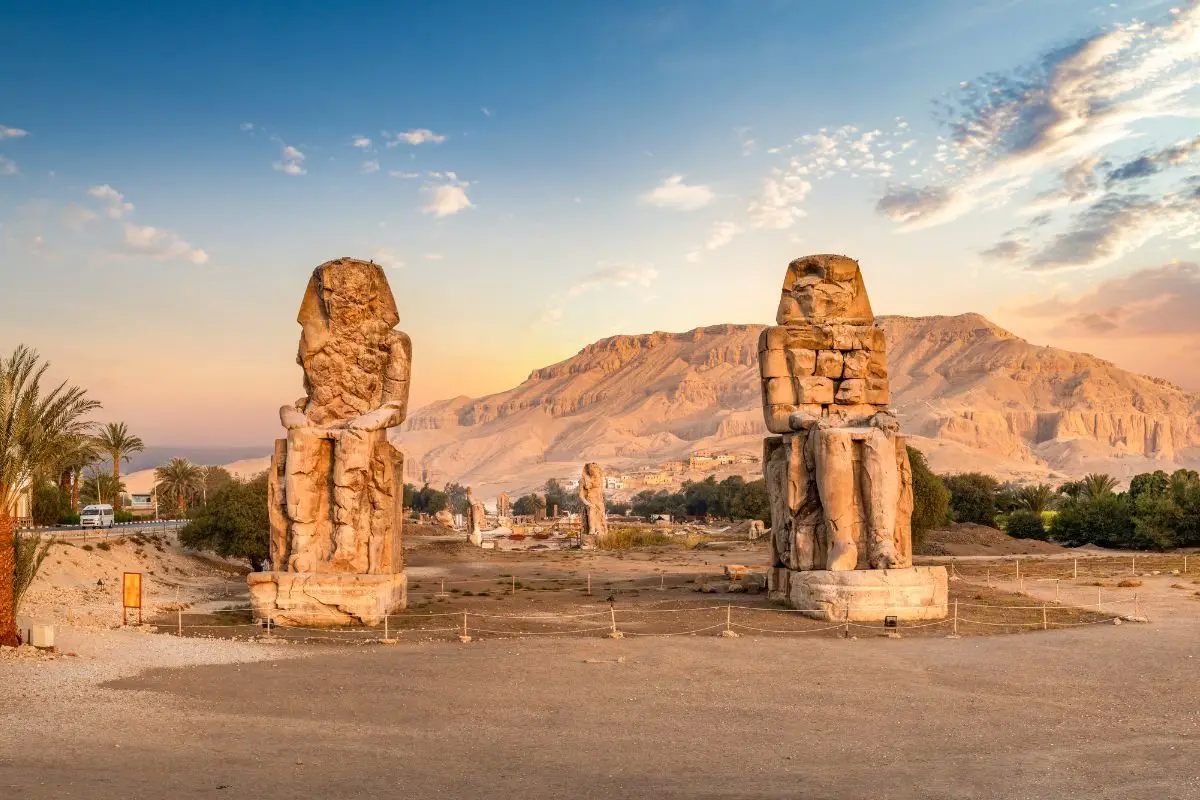
Though the two colossal statues themselves are the stars of the show, it is more important to study their architectural features than just to pose for a photo next to them. Both statues feature King Amenhotep III sitting on his throne and wearing the crown typical of a pharaoh.
Beside the legs of the king stand small figures of standing people, depicting members of his family and showing how huge the colossi are in real life. It is interesting to note that there are hieroglyphs carved on stones, providing information about the pharaoh himself and his temple.
In addition to this, the archaeological site reveals many details of the colossal mortuary temple located behind the colossi. The temple was discovered by archaeologists, who unearthed many statues, columns, reliefs, and other structures belonging to it.
The most beautiful time to visit this place is undoubtedly in the morning, when the sun illuminates the whole place and gives visitors an opportunity to enjoy the view of the West Bank landscape.
Colossi of Memnon and Luxor’s West Bank Attractions
With their location, the Colossi of Memnon become an ideal place to visit the major archaeological sites on the Luxor West Bank. Depending on the plan of a traveler's day, they may become both starting or finishing point of visiting ancient Thebes.
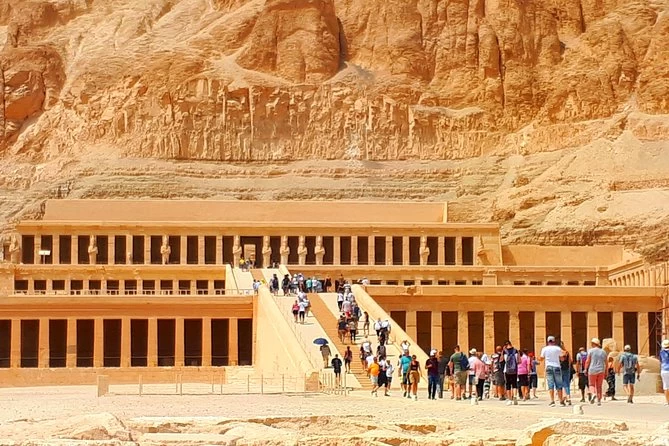
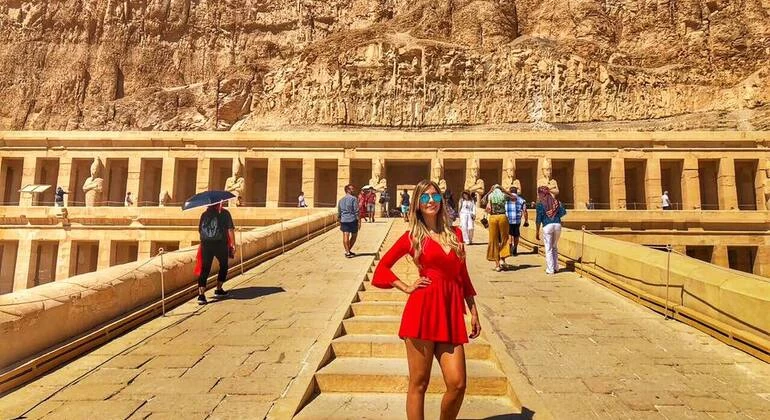
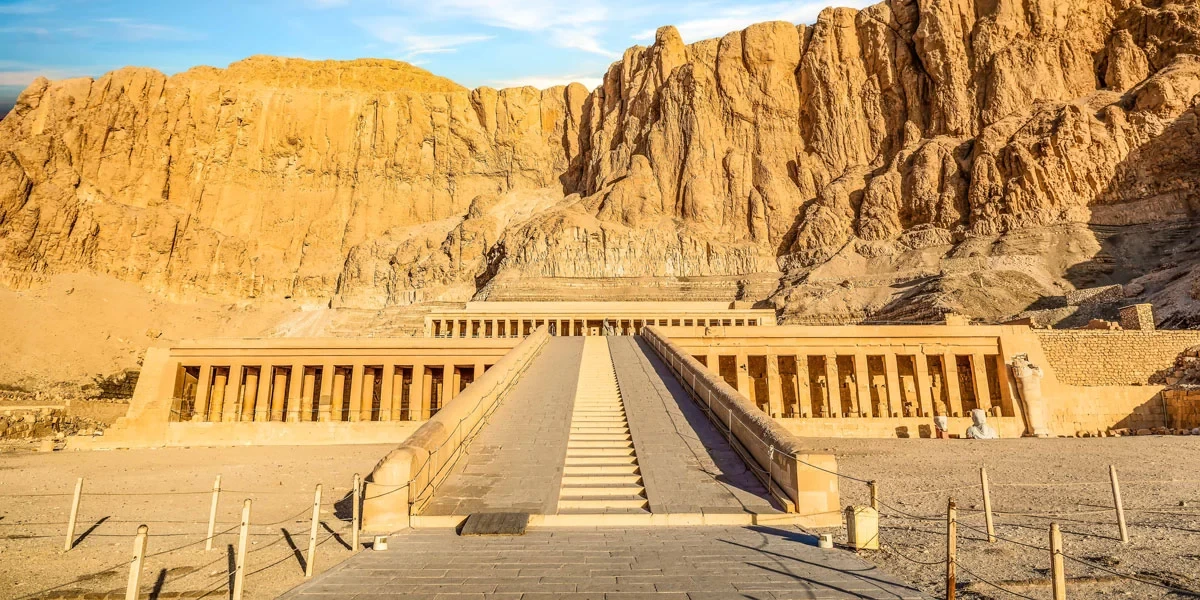
Valley of the Kings is a key connection. It became a burial site for many New Kingdom Pharaohs, including successors of Amenhotep III. The Hatshepsut Temple provides another interesting example of Egyptian royal architecture of that time, while Medinet Habu represents the temple of Ramesses III.
-webp.webp "Luxor day tour to East and West Banks")
-webp.webp "Nile River Cruise")
-webp.webp "Private Luxury Tour of Cairo Luxor and Aswan")