FR
 IT

Valley of the Kings: Explore Luxor’s Royal Tombs
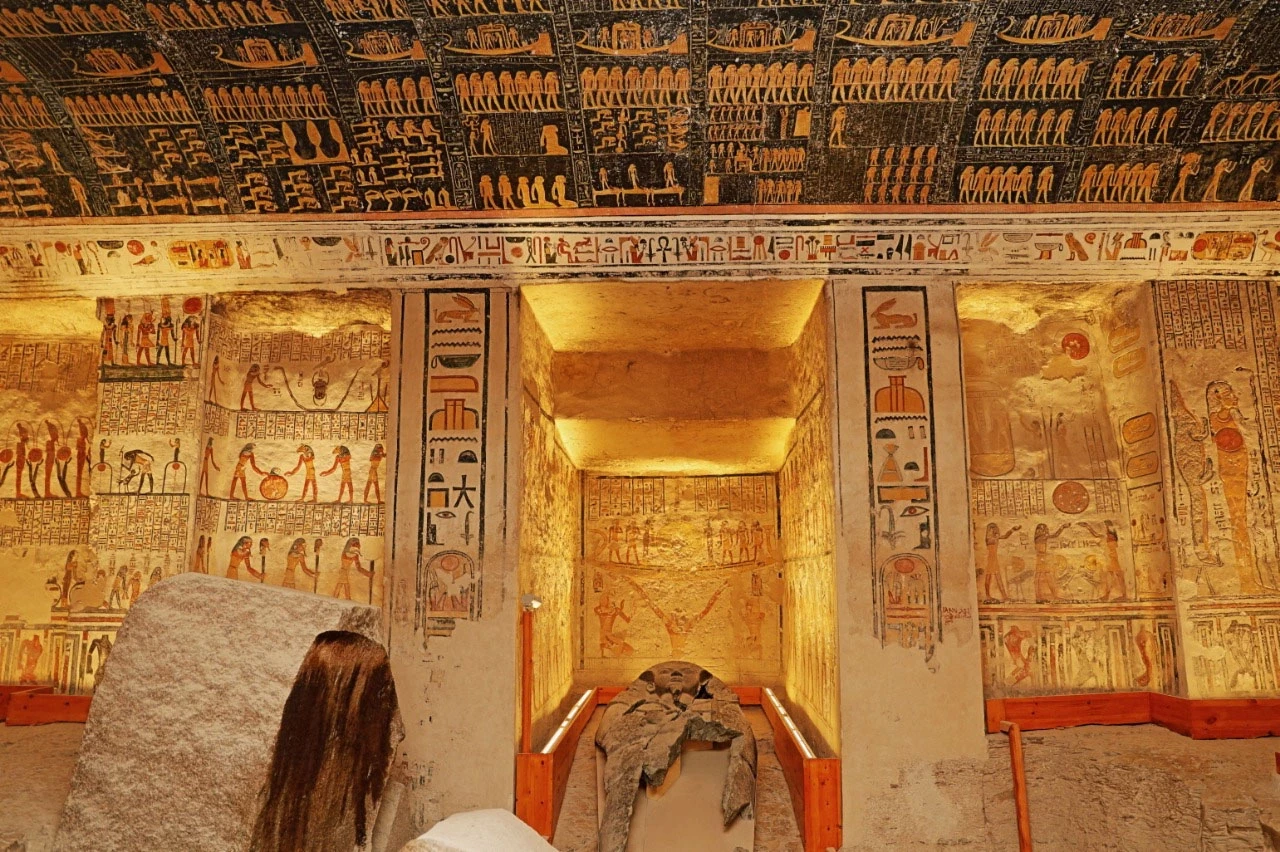
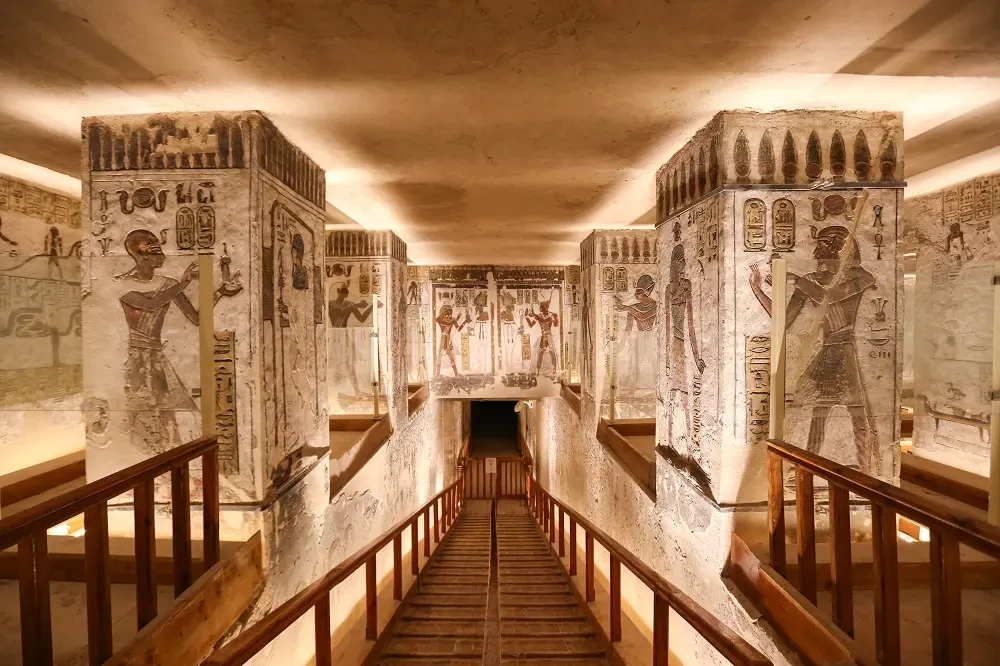
The Valley of the Kings is one of Egypt's most important archaeological sites and a highlight of a visit to Luxor. Set among the hills on the west bank of the Nile, this ancient necropolis contains the rock-cut tombs of New Kingdom pharaohs and other members of the royal elite. Its underground chambers are decorated with religious texts, hieroglyphs and painted scenes that reflect ancient Egyptian beliefs about the afterlife. Visitors can explore the famous tomb of Tutankhamun and the burial places of many other New Kingdom rulers, subject to which tombs are open.
Valley of the Kings: Discover Luxor’s Ancient Royal Tombs
The Valley of the Kings is one of Egypt’s most remarkable archaeological sites. Set among rocky hills on the west bank of the Nile at Luxor, it contains many tombs from the New Kingdom. Unlike the pyramids built in earlier periods, these royal burial places were carved into the desert hills to protect the deceased kings.
The valley is known for the tombs of pharaohs such as Tutankhamun, Seti I, Ramesses II and Thutmose III. These tombs include corridors and burial chambers with decorated walls bearing religious inscriptions and scenes of the afterlife.
A visit to the Valley of the Kings offers an insight into how ancient Egyptian rulers understood death, the afterlife and the gods. It is also a rewarding stop on a Luxor tour exploring ancient Thebes.
Why the Pharaohs Chose the Valley of the Kings
The creation of the royal necropolis in the Valley of the Kings was an innovative step in the development of the funeral traditions of ancient Egypt. Previously, kings preferred to erect large pyramids as the burial sites, while New Kingdom pharaohs selected an absolutely different place for their funerals. The Valley of the Kings is located between isolated mountains that offered natural protection and helped conceal the tombs.
The valley was chosen as the royal burial site since the times of the 18th Dynasty and the rule of Thutmose I. Further on, kings continued to order more sophisticated tomb constructions that were located underground and carved in stone.
Besides, the place where the tombs were situated had certain religious meaning as well since the mountains around the valley were sacred to the goddess Meretseger – the protector of the necropolis.
Nowadays, the study of the Valley of the Kings helps people to understand one of the periods in the development of the architecture of the Egyptian tombs.
A visit to the valley reveals how ancient Egyptians designed tombs to support the deceased ruler's journey into the afterlife, as well as to protect the burial.
Exploring the Tombs and Their Ancient Decorations
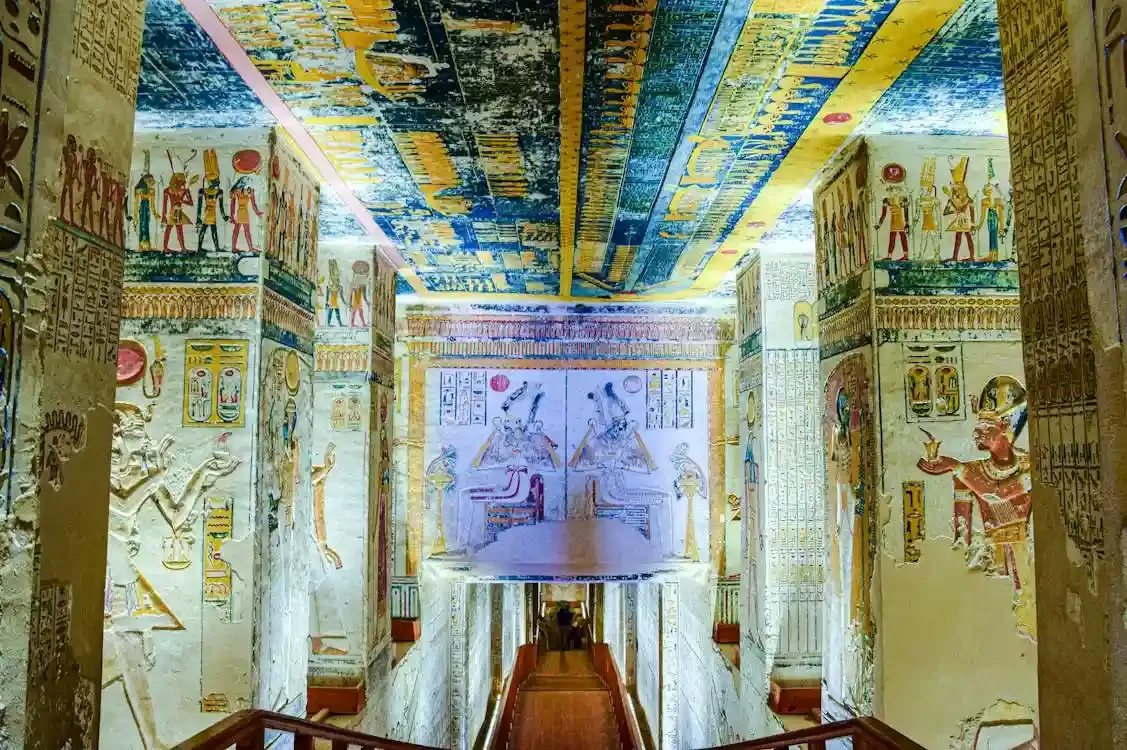
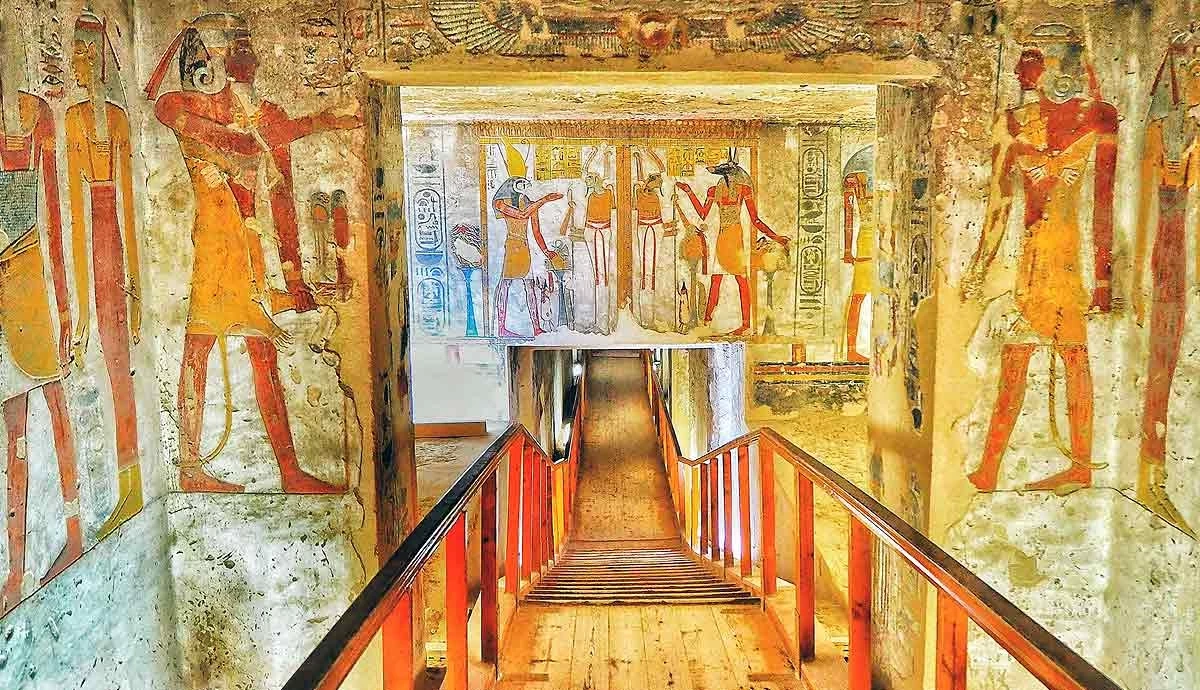
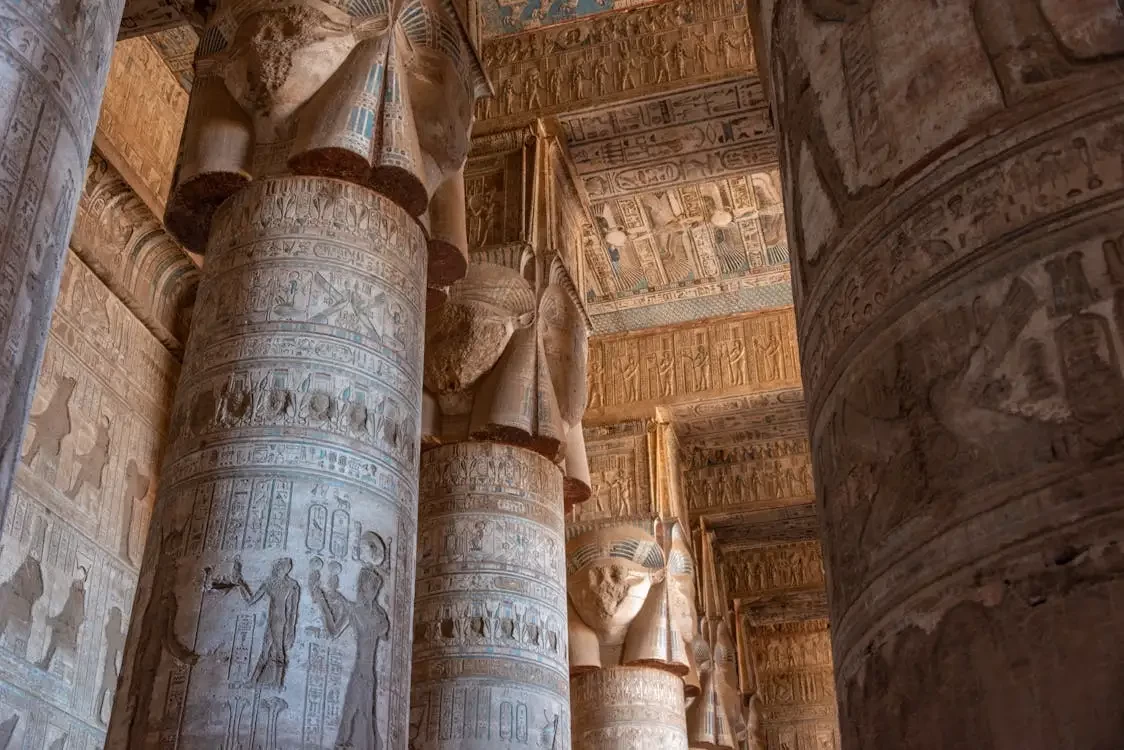
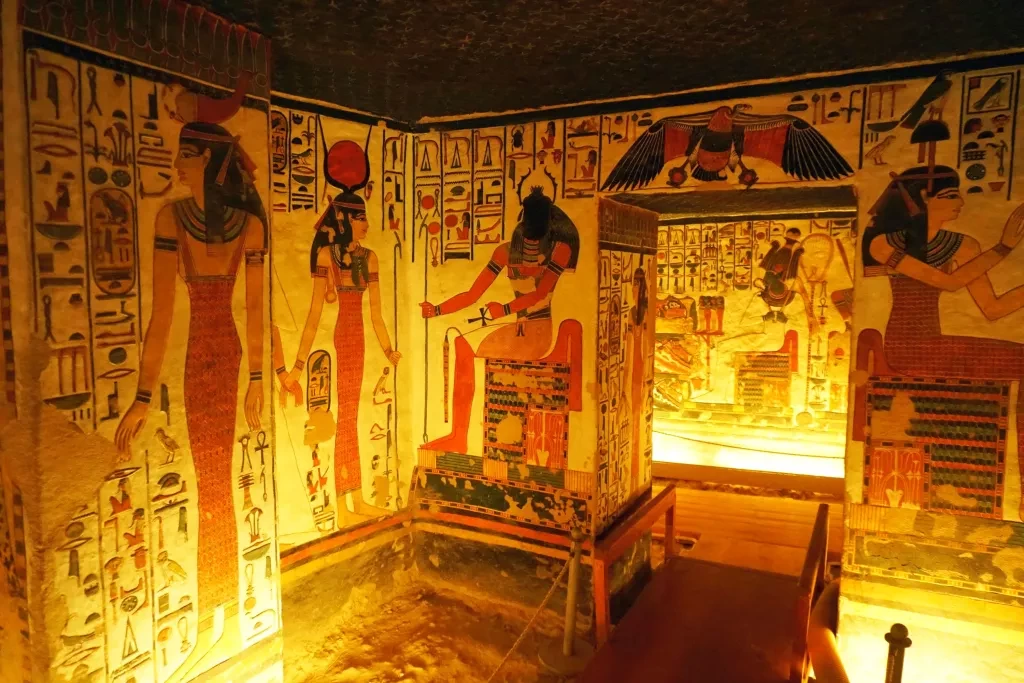
One of the most memorable experiences in the Valley of the Kings is descending below the desert surface to explore its decorated tombs. Each tomb has its own layout and decoration, intended to guide the deceased pharaoh through the afterlife. Corridors and chambers contain images of deities, hieroglyphic inscriptions and passages from funerary texts such as the Book of the Dead, the Book of Gates and the Book of Caverns. The colours of the wall paintings in some tombs are remarkably well preserved.
Egyptian artists used mineral pigments to depict gods, symbols, rituals and journeys through the afterlife.
Some tombs close periodically for conservation, and certain tombs require an additional ticket. Before visiting, check which tombs are open and whether your chosen tombs carry extra entrance fees. Understanding the religious meaning of their decoration adds depth to the experience.
Tutankhamun and the Tomb That Changed Archaeology
Many rulers were buried in the Valley of the Kings, but none has captured the public imagination quite like Tutankhamun. Despite his short reign, his name has become known around the world.
Howard Carter discovered Tutankhamun's tomb in 1922 after several years of excavations. Although it had been entered and robbed in antiquity, it preserved an exceptionally rich collection of burial goods, with thousands of objects still inside.
The discovery caused a sensation and renewed worldwide interest in ancient Egyptian civilisation. The burial objects became enduring symbols of Egyptology, while Tutankhamun became the most recognisable pharaoh.
When Tutankhamun's tomb is open to visitors, its burial chamber offers a glimpse of the original royal burial setting. Most objects discovered in the tomb have been transferred to museum collections rather than remaining inside it.
The Valley of the Kings and Ancient Thebes
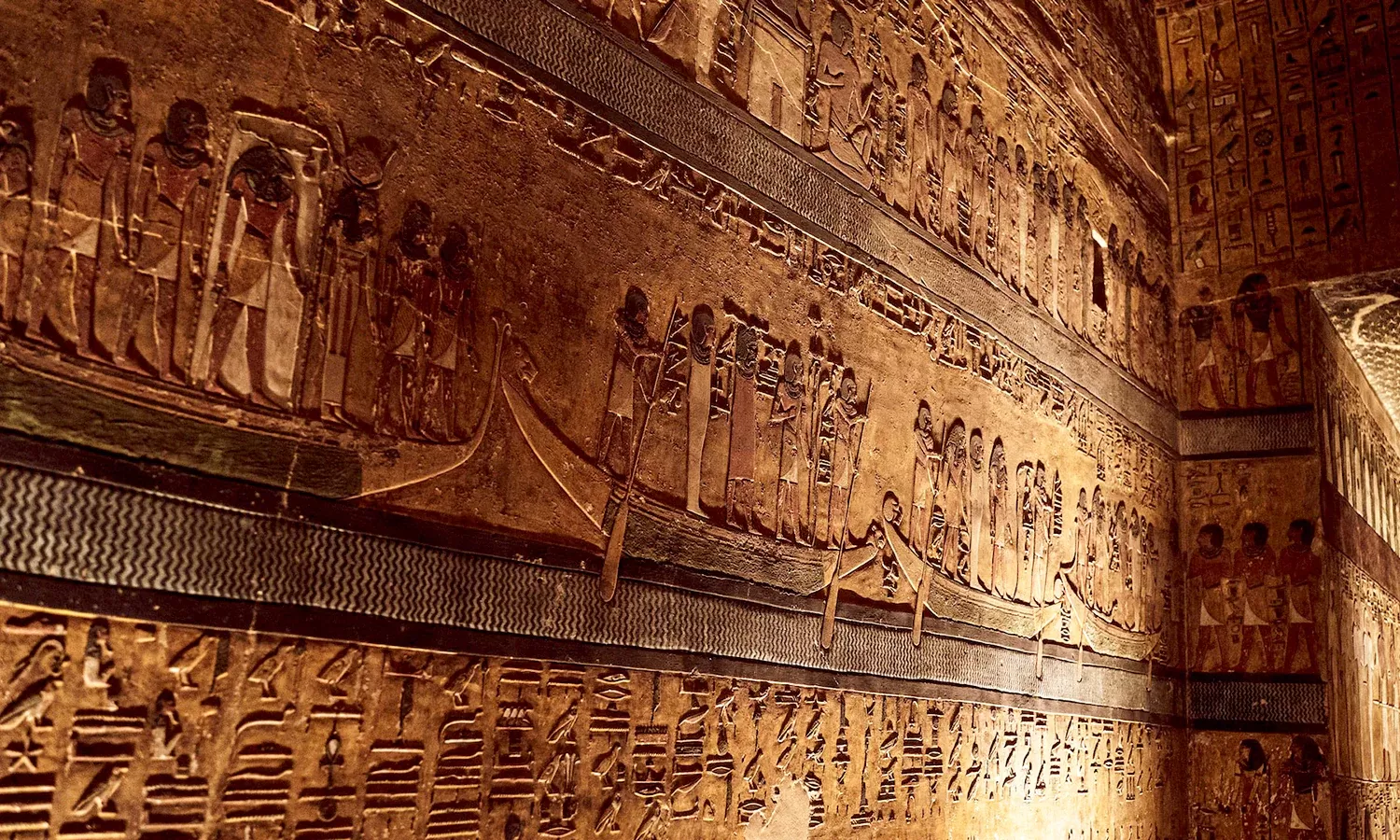
The Valley of the Kings formed part of the wider religious and funerary landscape of ancient Thebes, one of Egypt's leading political and religious centres. Understanding this connection helps put a visit to the valley in context.
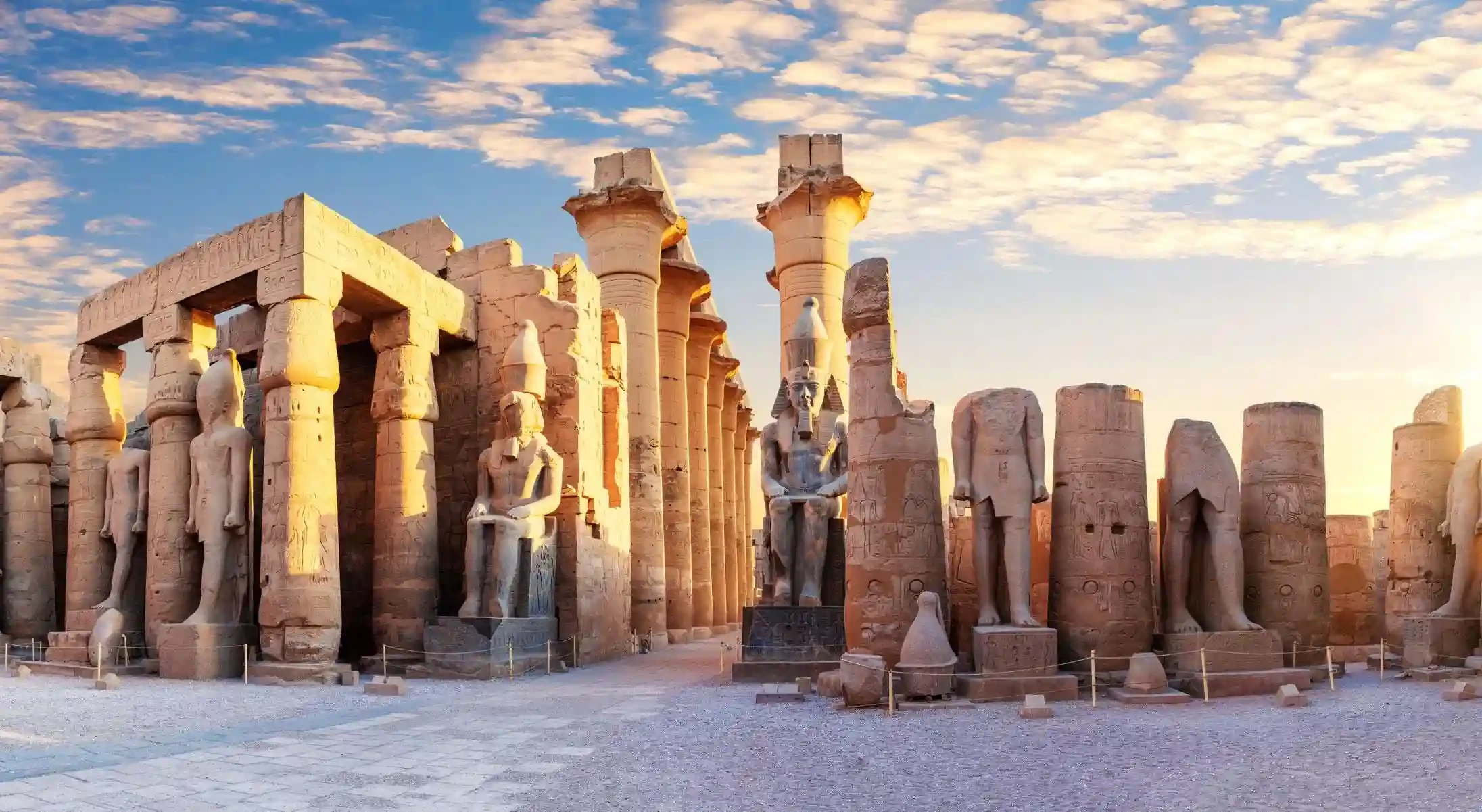
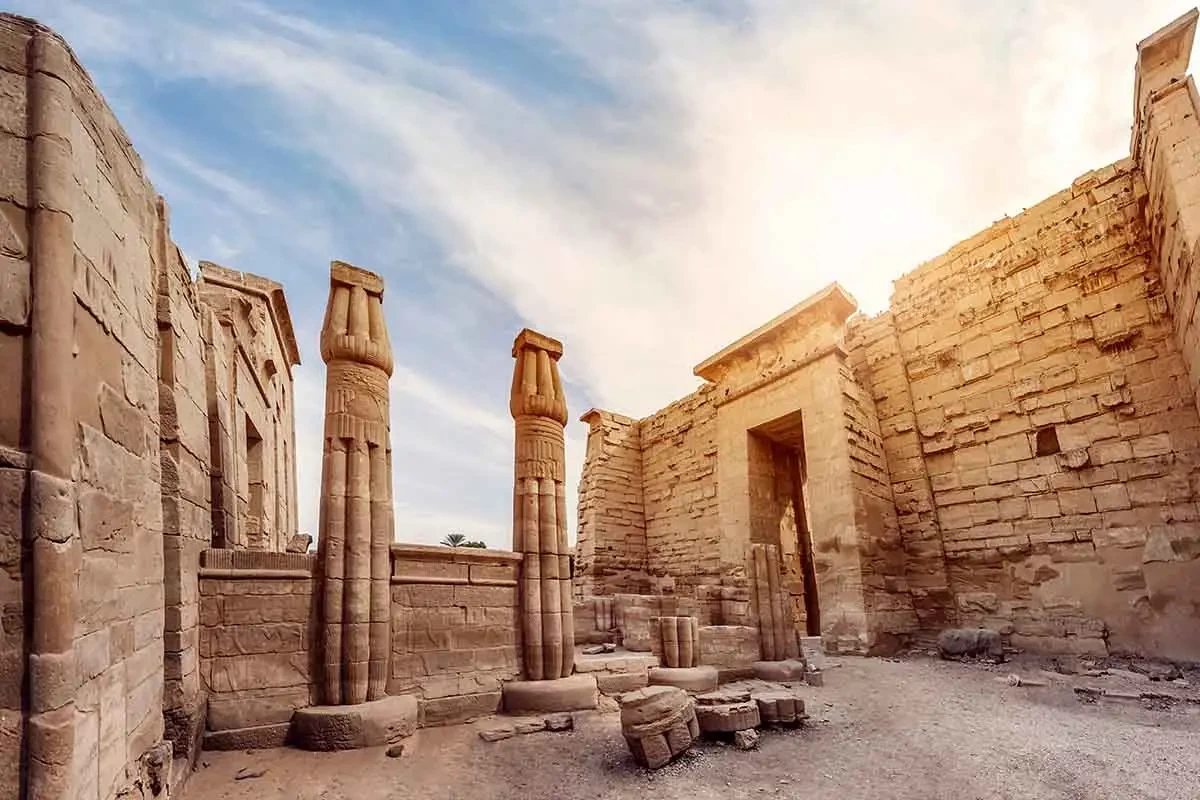
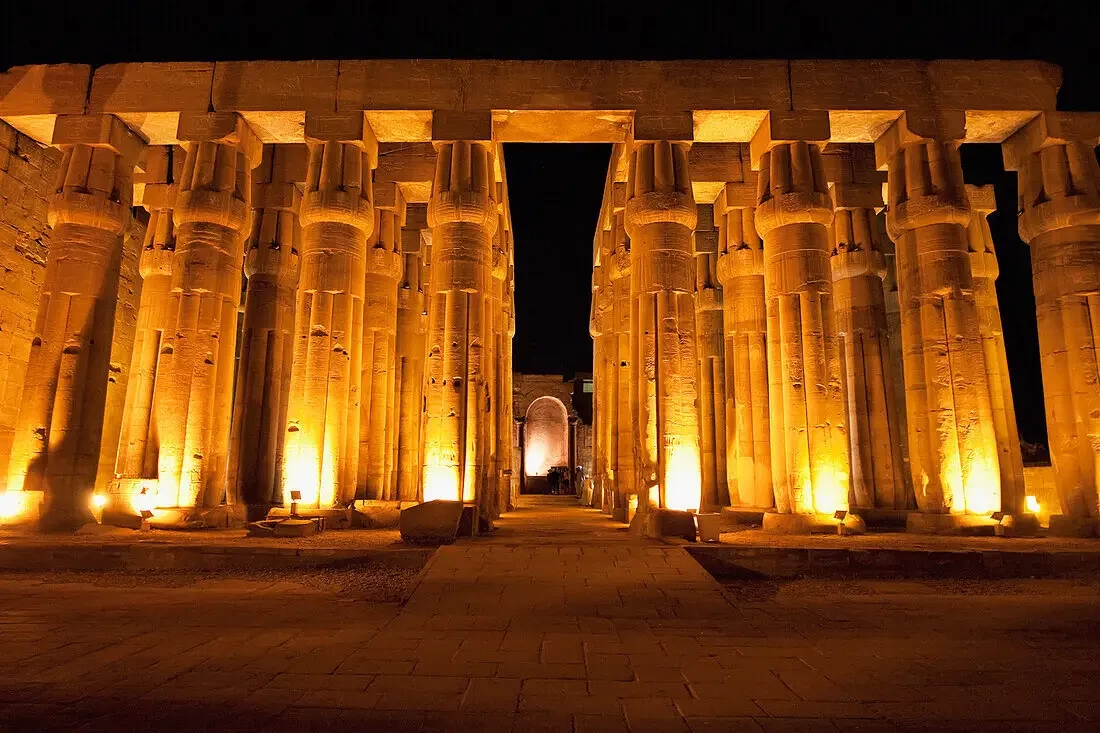
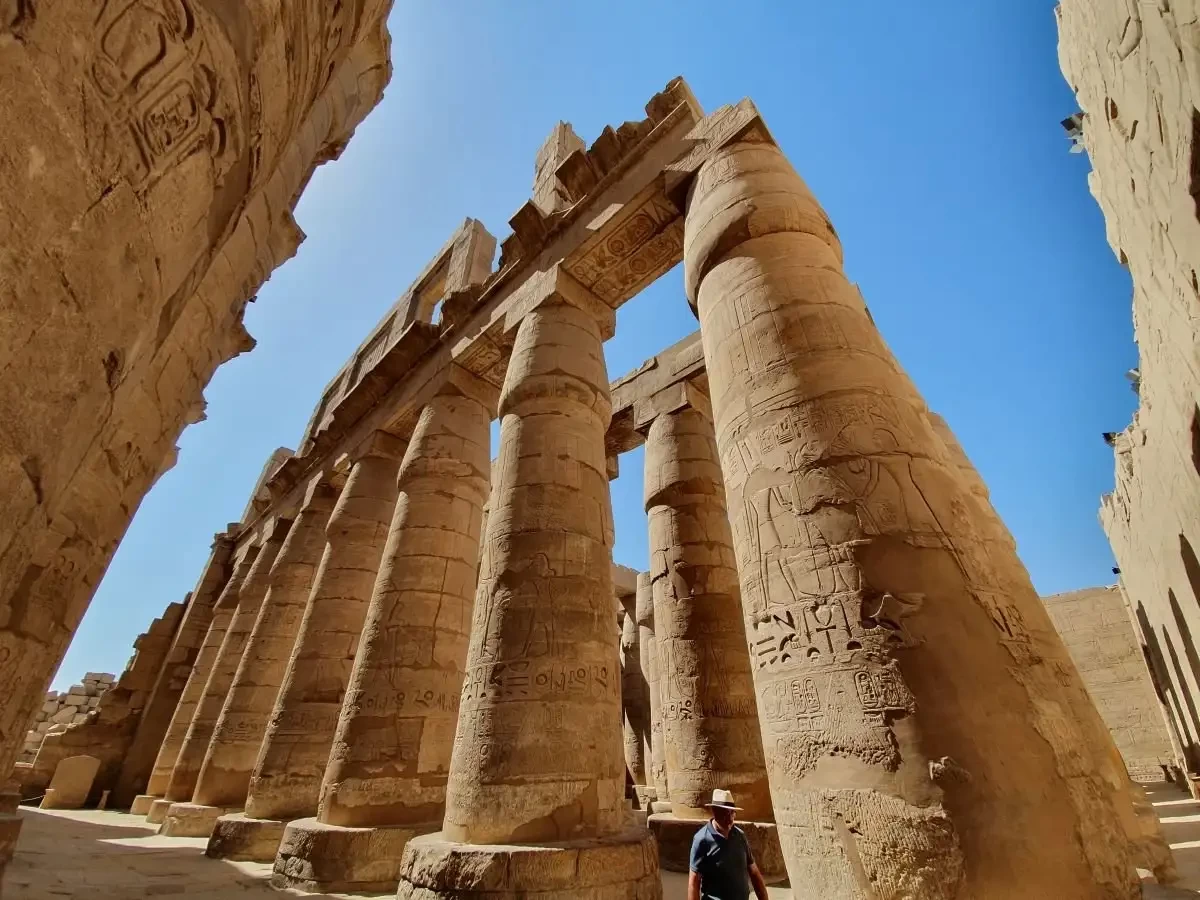
On the east bank of the Nile, Karnak Temple and Luxor Temple were major religious centres. The west bank was home to royal tombs, mortuary temples and other monuments associated with the pharaohs.
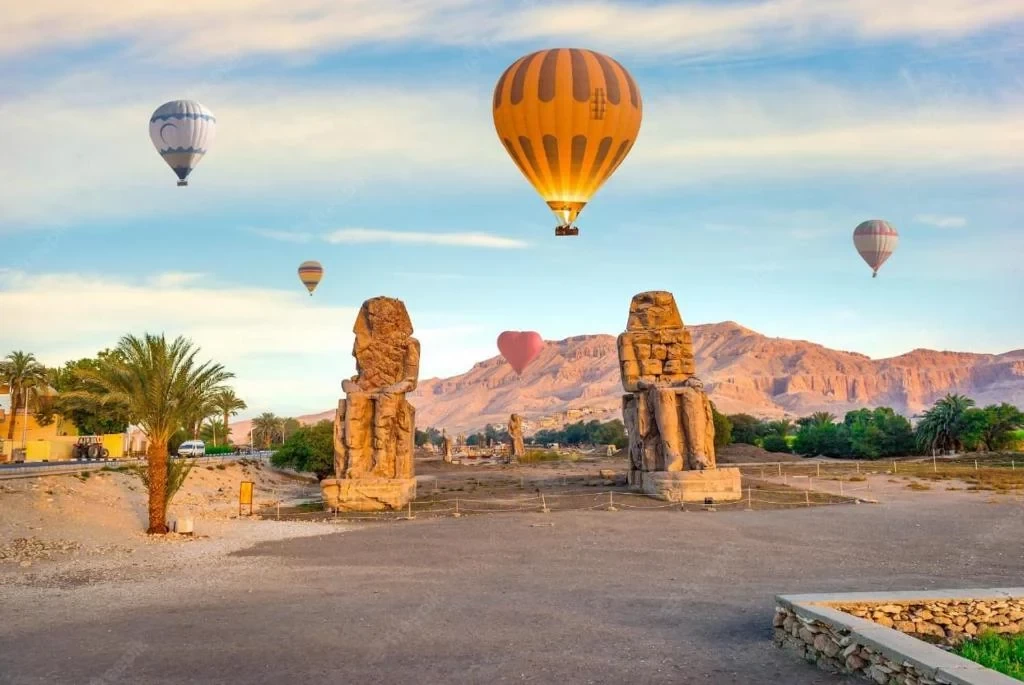
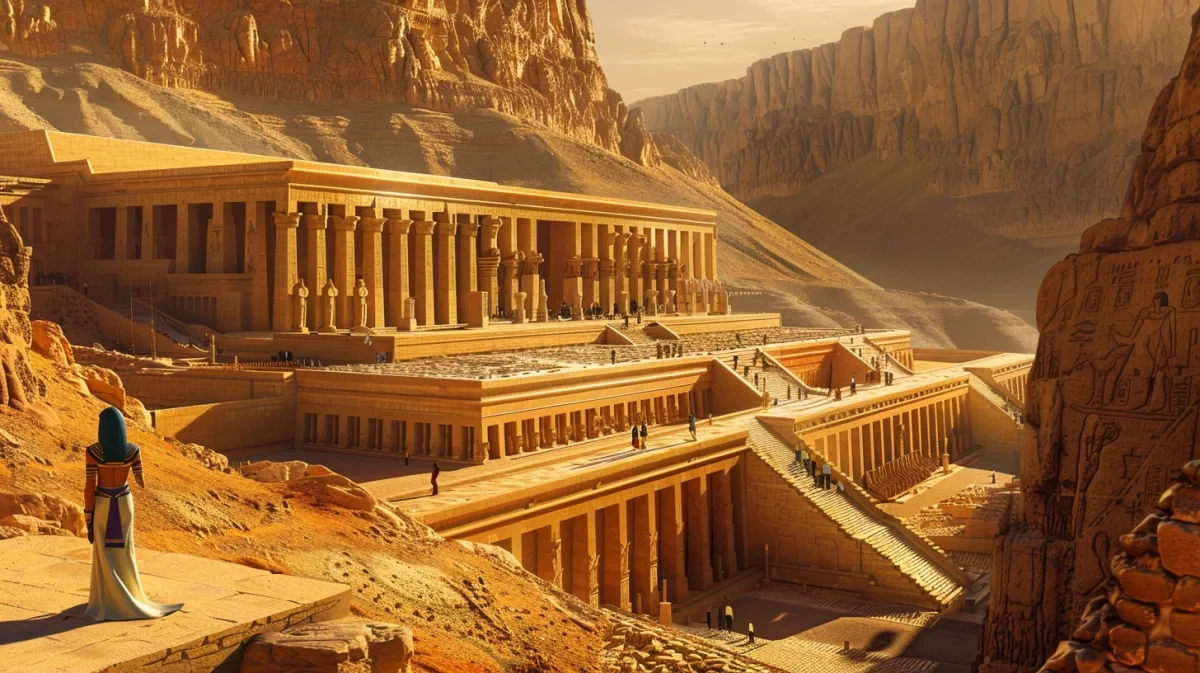
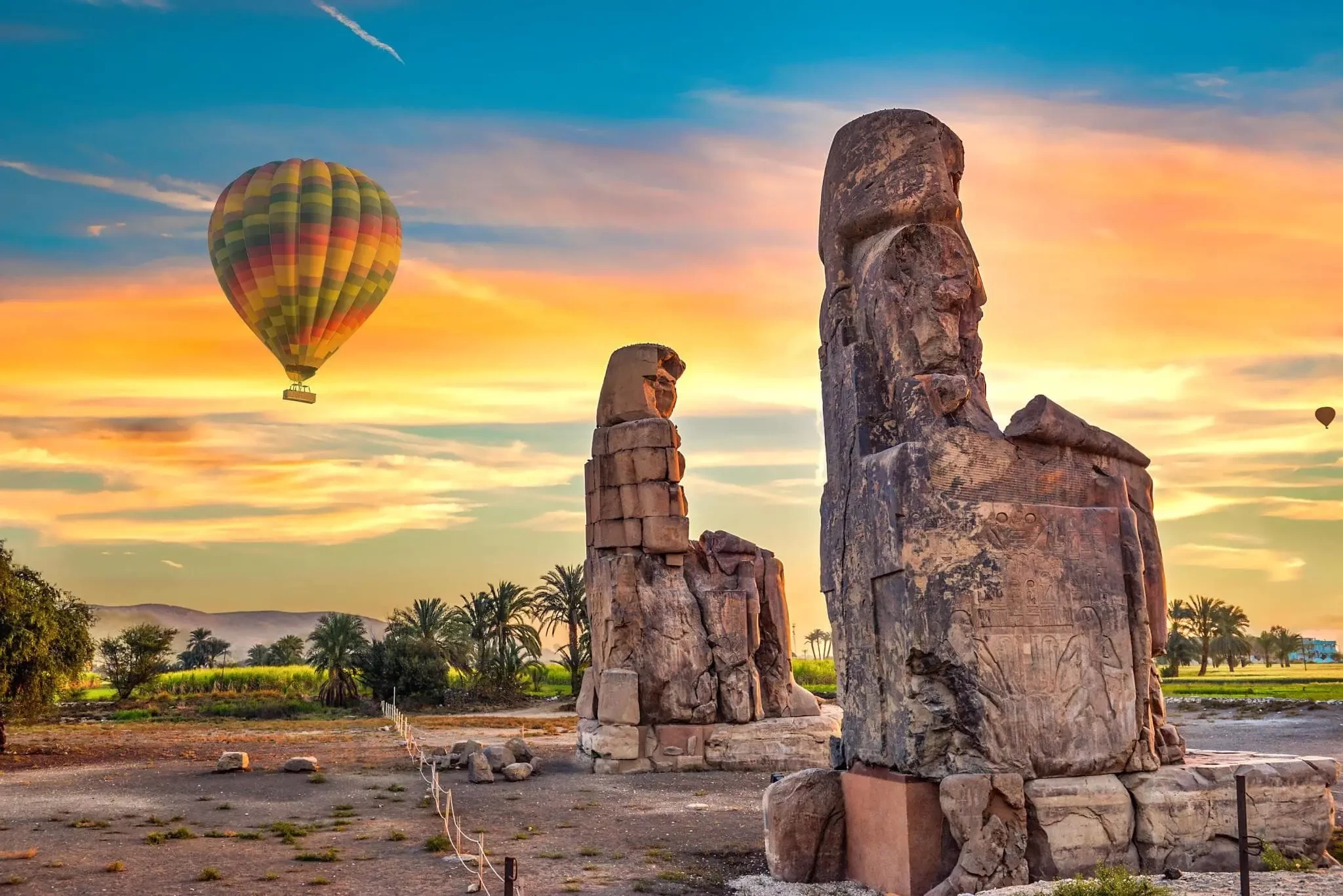
Nearby, Hatshepsut Temple commemorates one of the most influential rulers of the 18th Dynasty. Medinet Habu, the Colossi of Memnon and the Valley of the Queens offer further insights into the history of ancient Thebes.




 More traveler reviews