
 FR
 IT


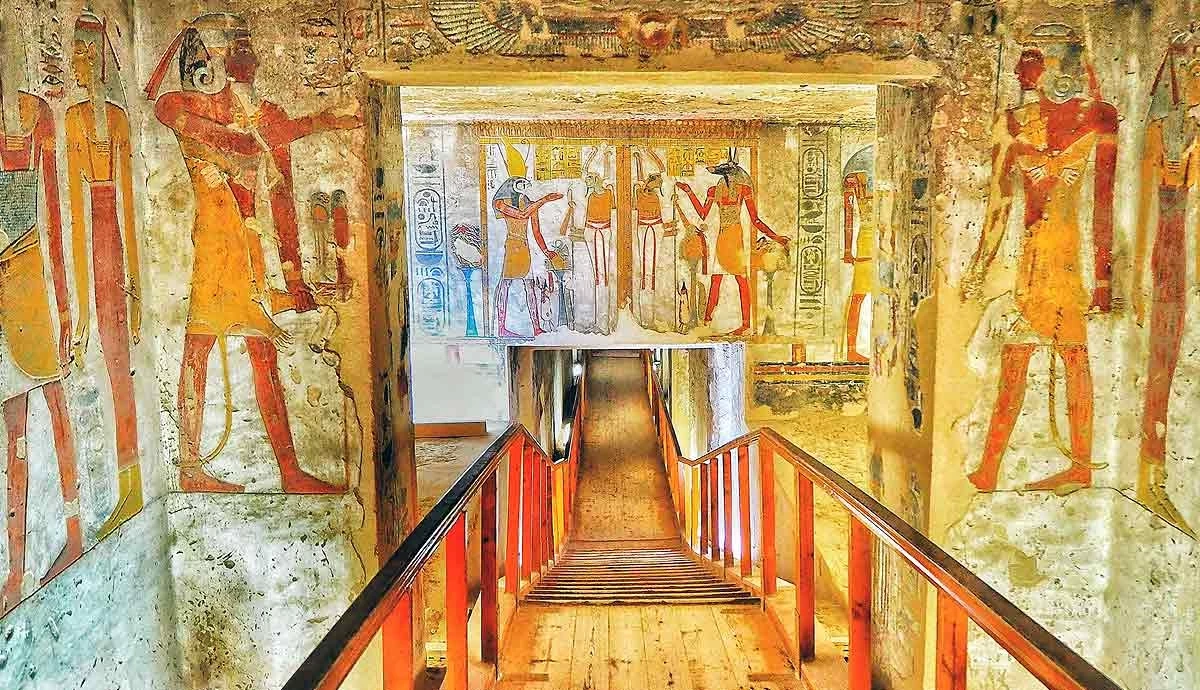
Luxor royal tombs: The Valley of the Kings and Queens
The Valley of the Kings and the Valley of the Queens lie on Luxor’s west bank, near ancient Thebes. Both preserve royal tombs with painted walls and religious texts, but they were mainly used for different members of the royal family.
What is the Valley of the Kings?
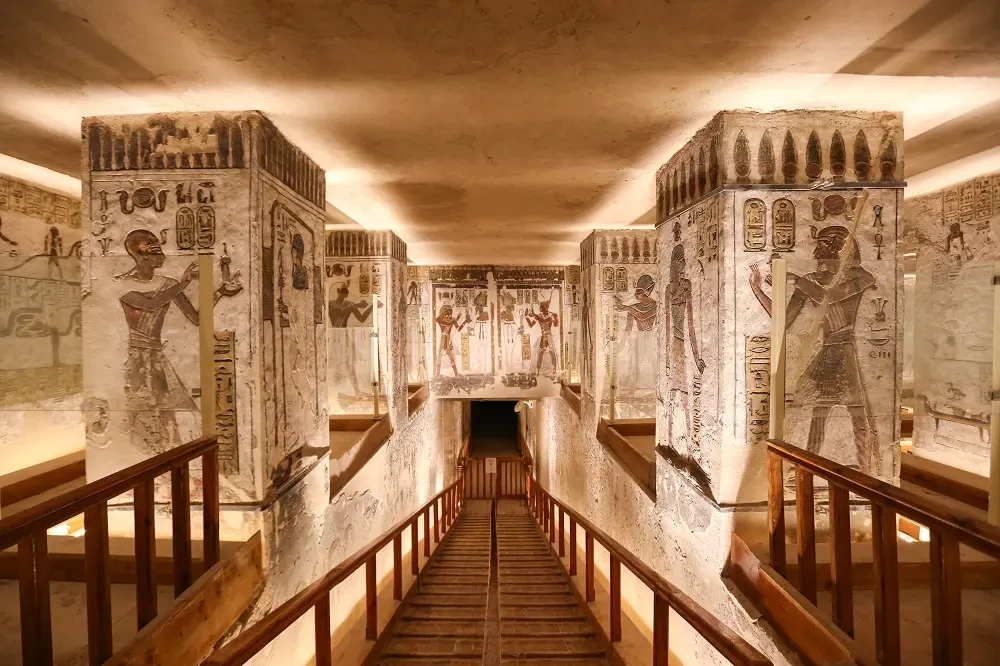
The Valley of the Kings was a burial ground for New Kingdom pharaohs and other members of the elite. More than 60 tombs have been discovered there, including Tutankhamun’s, famous for the treasures found inside.
Paintings and inscriptions explain beliefs about death, the afterlife and the rituals intended to protect the deceased. For visitors interested in history, it is one of the key Luxor attractions for understanding royal burial traditions.
What is the Valley of the Queens?
The Valley of the Queens was used primarily for royal wives and children during the New Kingdom. Its tombs offer another perspective on royal family life and funerary beliefs.
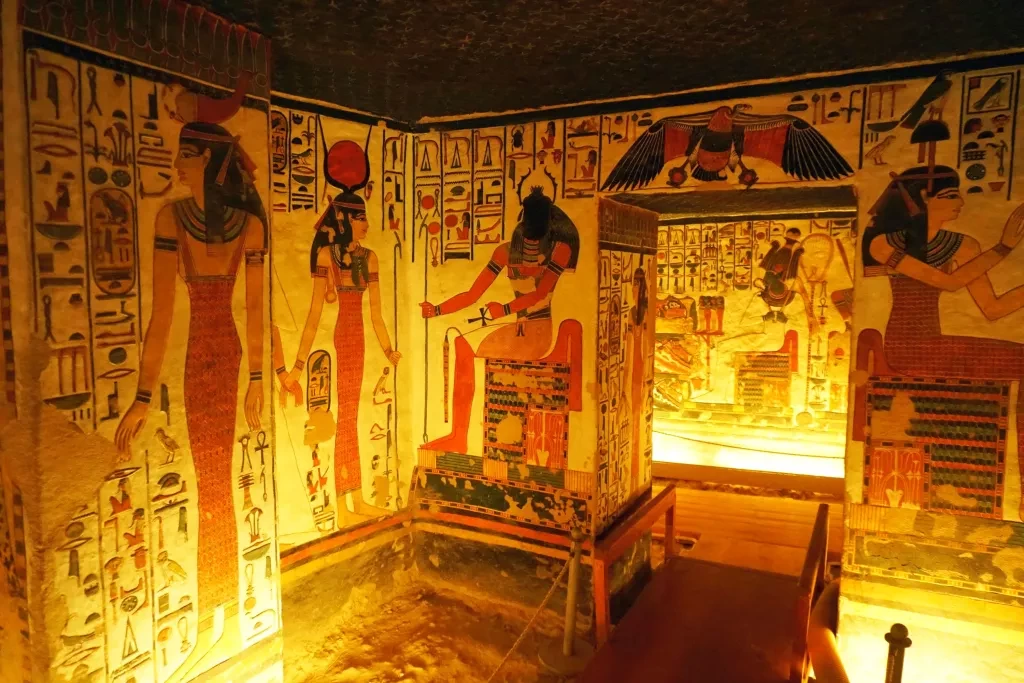
The best-known example is the tomb of Nefertari, a principal wife of Ramesses II. Its detailed wall paintings are particularly celebrated. Access to individual tombs varies, so do not assume that every tomb is included in a standard visit.
How do the two valleys differ?
The main distinction is who was buried there: the Valley of the Kings was primarily for pharaohs, while the Valley of the Queens mainly served royal wives and children. The layout, size and decoration of individual tombs also vary.
Both sites reveal ancient Egyptian beliefs about the afterlife through painted scenes, inscriptions and burial chambers. A Valley of the Kings and Queens guided tour can help explain these differences and the stories behind the tombs.
How can you visit both valleys?
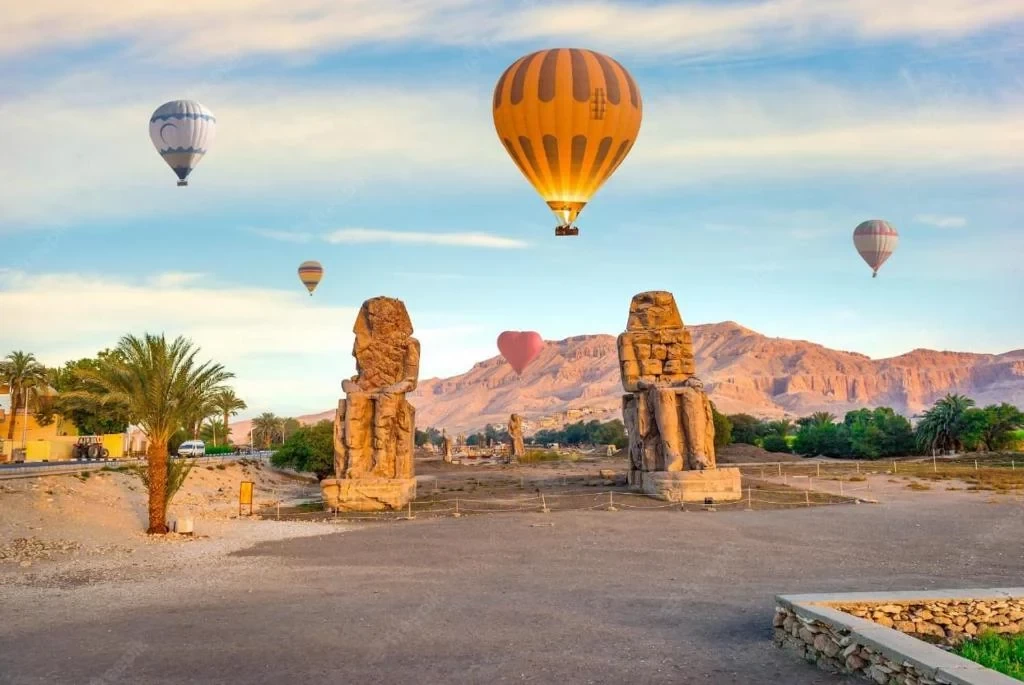
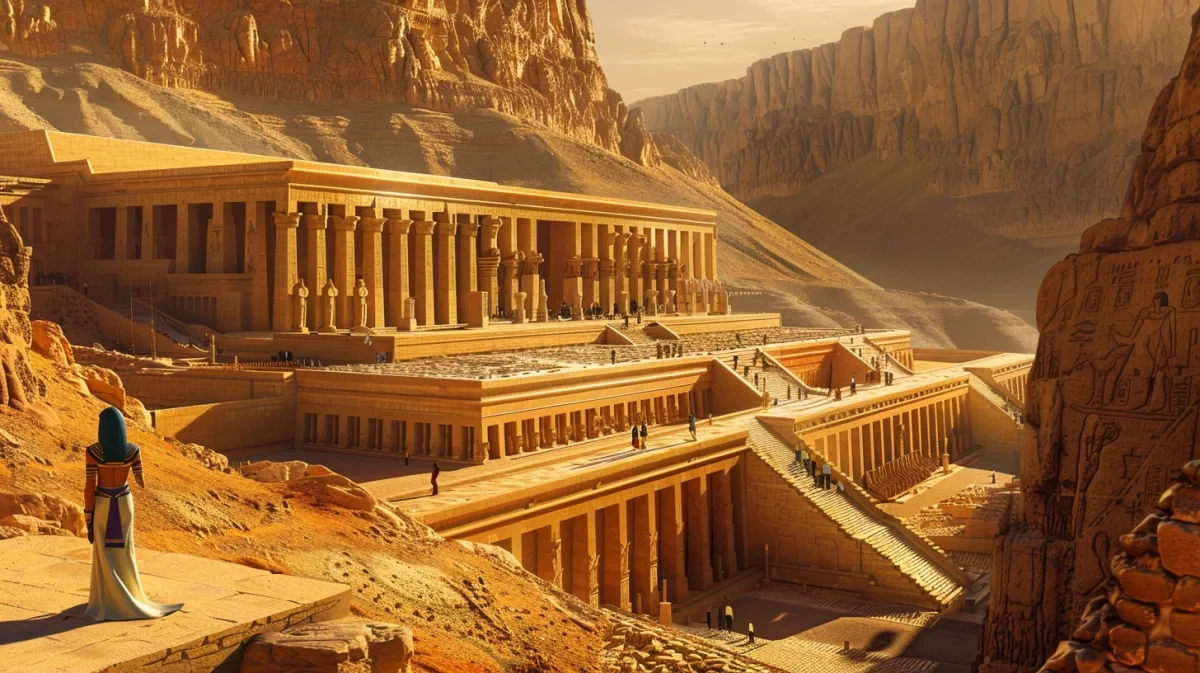
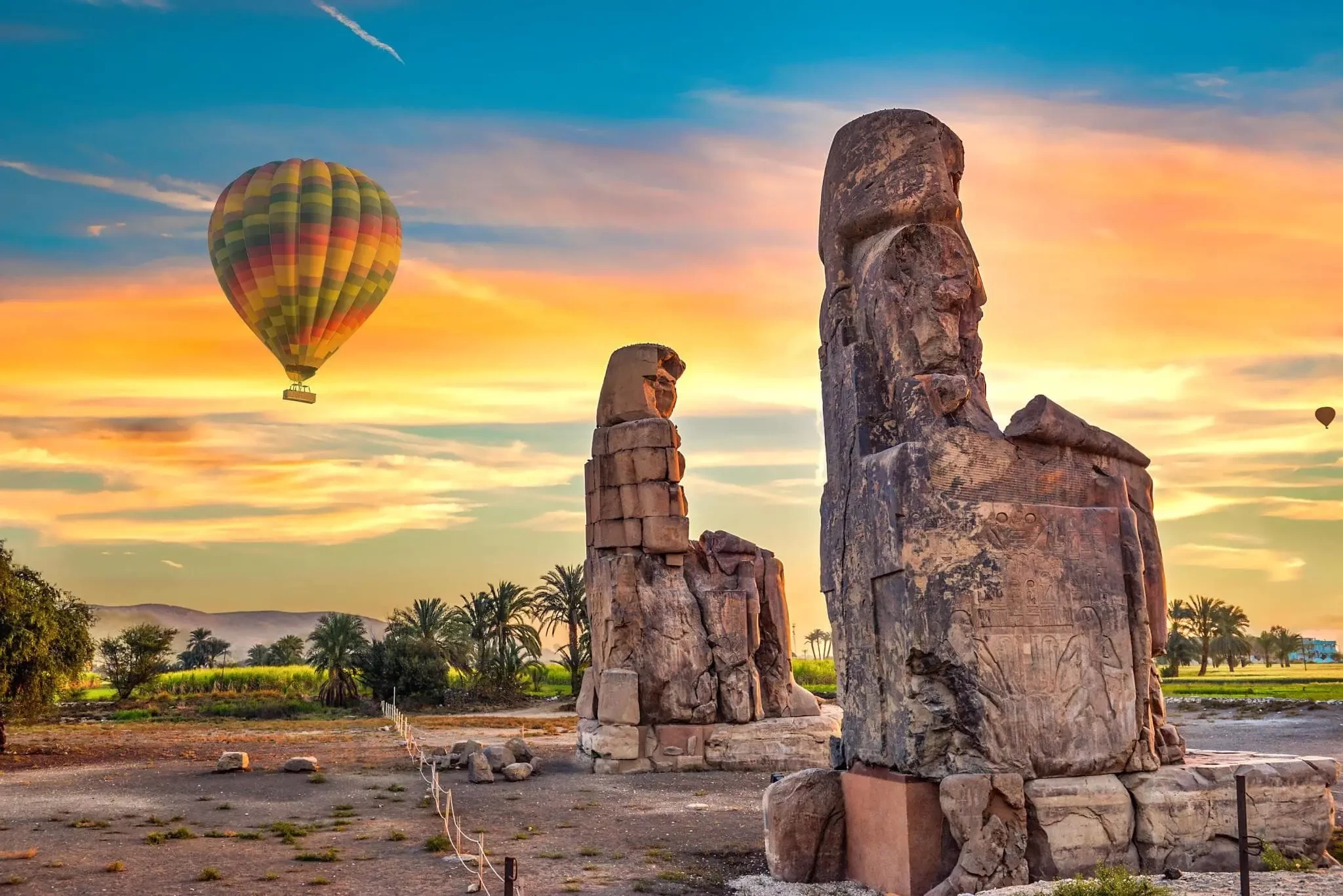
Both valleys can be considered for a west-bank itinerary alongside the Temple of Hatshepsut and the Colossi of Memnon. A guide can provide context for the history and symbolism of each site.
Compare Luxor day tours according to your interests, time and preferred pace. Before booking, confirm which valleys and tombs are included, which are open to visitors and whether any require separate tickets.
Understanding the role of each valley makes a visit more rewarding and helps you choose the tombs and sites that interest you most.




 More travele reviews