Karnak Temple Complex: Discover Ancient Egypt in Luxor
Karnak temple complex is one of the most incredible ancient sites found in Luxor, and it is one of the largest religious buildings ever constructed in the world. Karnak was built by various kings of Egypt over hundreds of years and comprises giant pylons, a great hypostyle hall, obelisks, statues and the sacred lake. By exploring the Karnak complex, visitors are able to learn much about the religion, royalty and architecture of ancient Thebes. A well-planned Luxor tour gives visitors the opportunity to see the huge religious buildings of the ancient Theban city and its amazing tombs and temples.
Karnak Temple Complex: Explore Luxor’s Ancient Sacred City
The Karnak Temple Complex is one of the most amazing archaeological sites in Egypt that serves as an important landmark during the tour of Luxor. It consists not only of one temple but of the whole complex of sanctuaries, pylons, obelisks, courts, statues and other structures that were constructed and expanded throughout centuries by ancient Egyptian kings. The magnitude of the complex makes it one of the most impressive sites to visit in Upper Egypt and its inscriptions and architecture show how religion and monarchic power affected ancient Egypt.
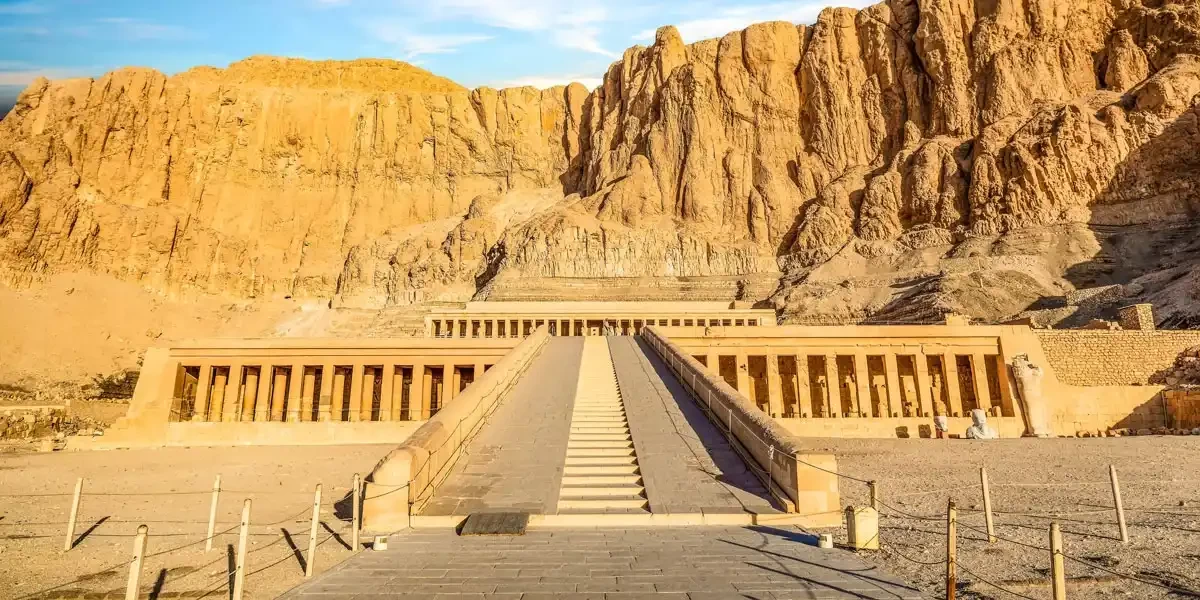
The Karnak was located on the eastern bank of the Nile River and served as one of the landmarks of ancient Thebes. It was dedicated to the Theban god Amun and its construction was continued by pharaohs like Hatshepsut, Thutmose III, Seti I and Ramesses II. Thus, visiting Karnak makes you feel the passage of centuries in Egyptian history rather than visiting one isolated site.
For tourists who would like to visit Karnak Temple Luxor, this place can offer much more than just beautiful pictures. Its huge columns, reliefs, sacred lake and pylons can give the visitor a great opportunity to discover the masterpieces of Egyptian architecture and religion.
Why Karnak Became the Religious Heart of Ancient Thebes
As a result, it took approximately 2,000 years for the structure to be built, thus, making its history very complicated. The oldest buildings in the temple go back to the Middle Kingdom, while the pharaohs in the future continued expanding it for centuries. The main feature that unites them all is the worship of Amun – the most powerful god of Egypt and the sun god Ra in one.
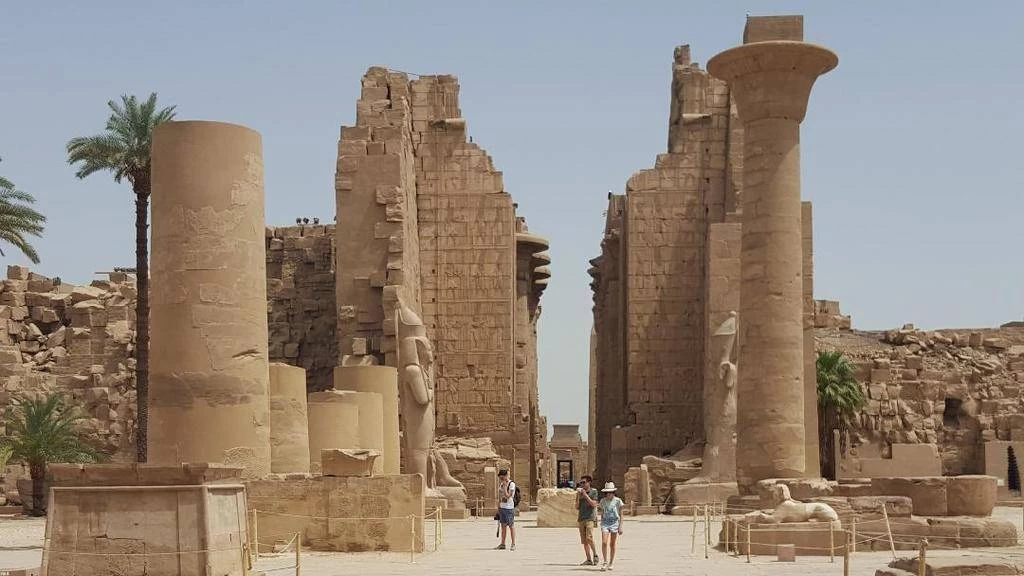
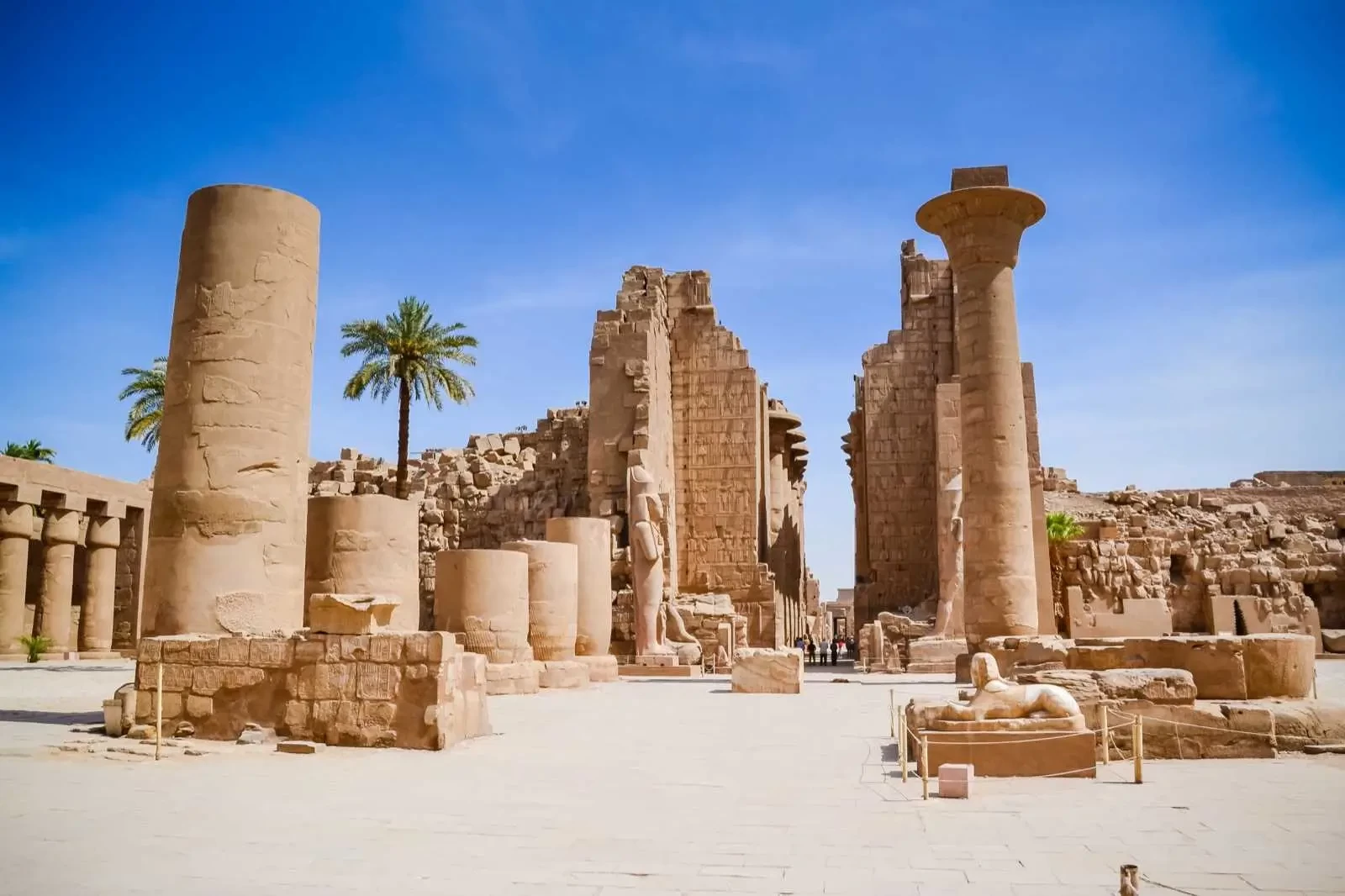
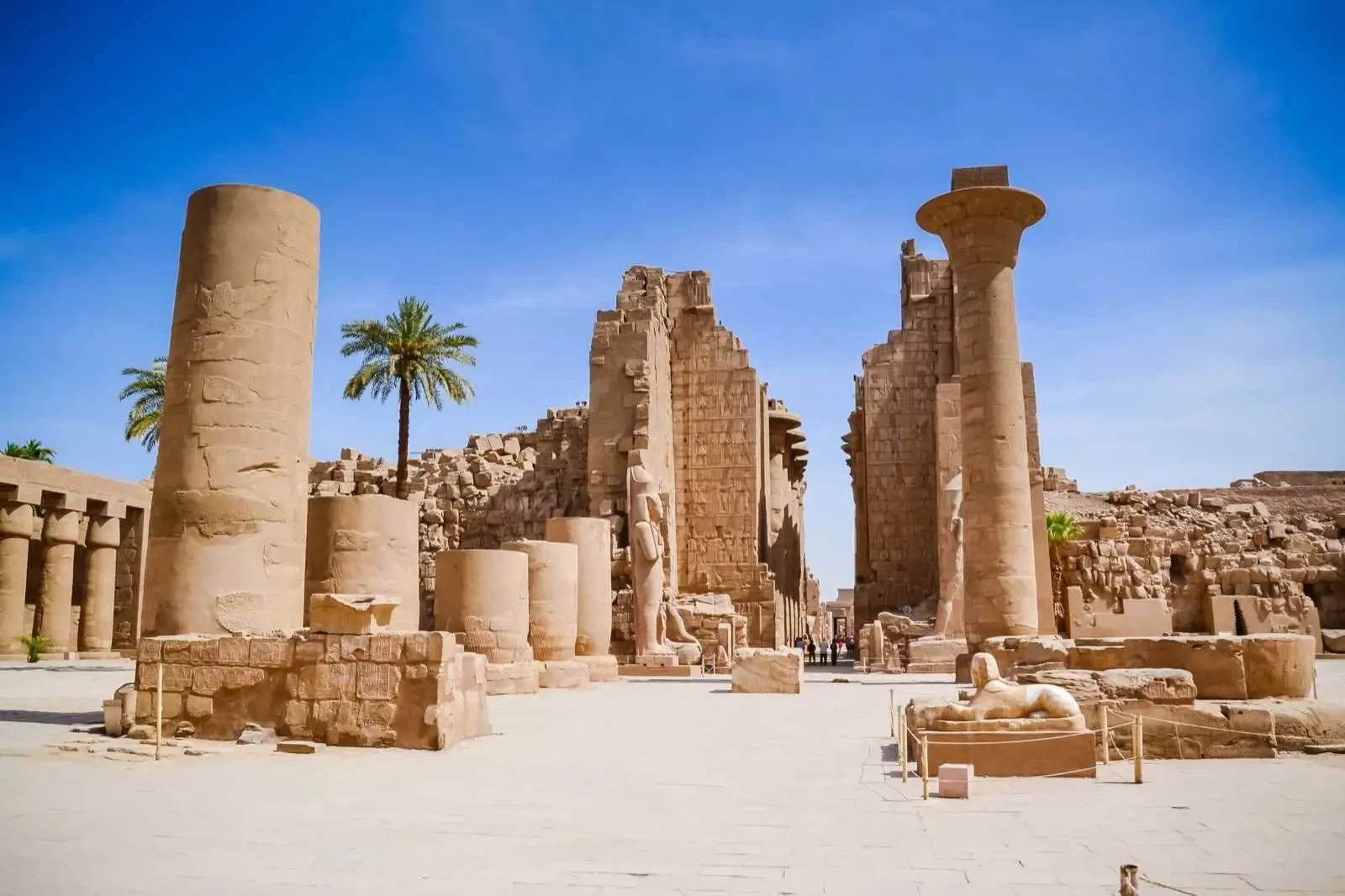
In fact, there is no plan of the whole temple complex, but different rulers constructed new courtyards, chapels, pylons, columns, statues, and obelisks, which turned Karnak into an enormous religious center. It explains the presence of various types of architectural structures.
The role of Karnak in relation to Thebes was very special. Thebes turned into the most powerful city in Egypt, and Karnak reflects that role. Different priests, officials, craftsmen, and pilgrims worked in the temple.
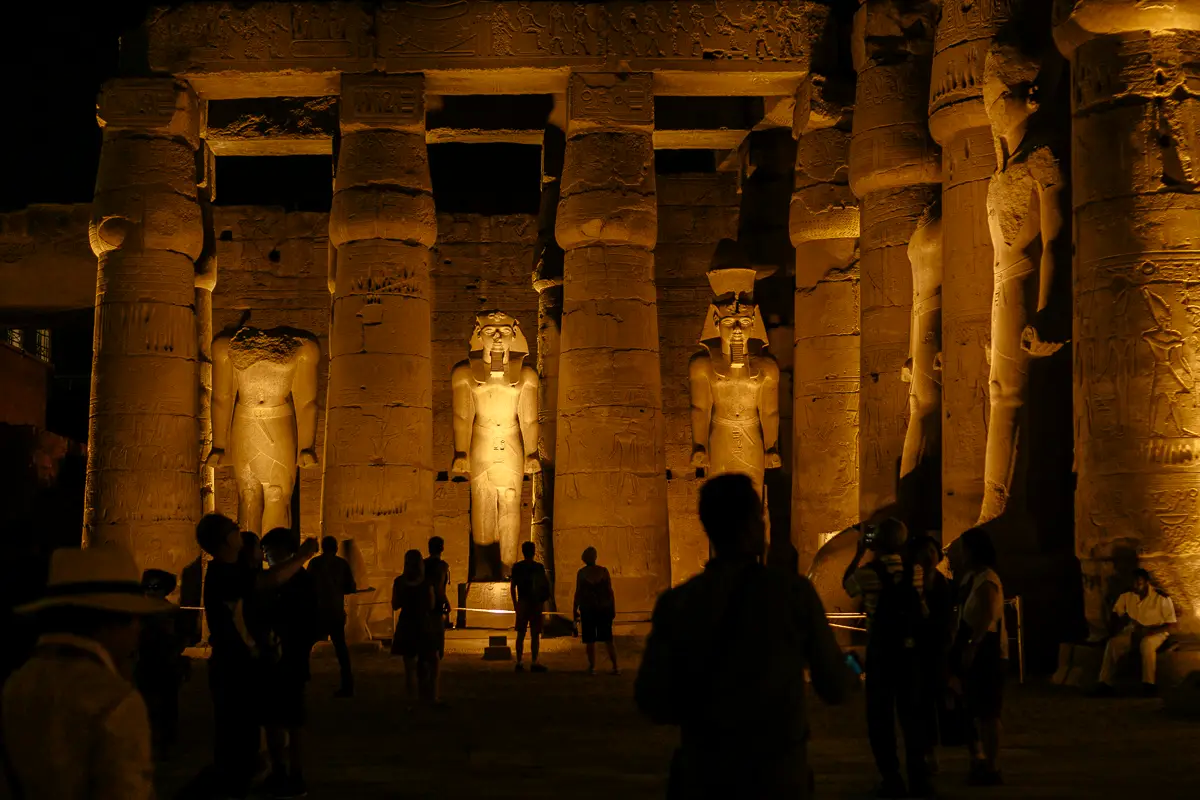
Nowadays, studying the Karnak Temple history allows us to understand why the temples played such an important role in ancient Egypt civilisation. Temples were not just places where people prayed. They were important institutions related to the royalty, religion, economy, and relations between humans and gods.
Walking Through the Great Hypostyle Hall
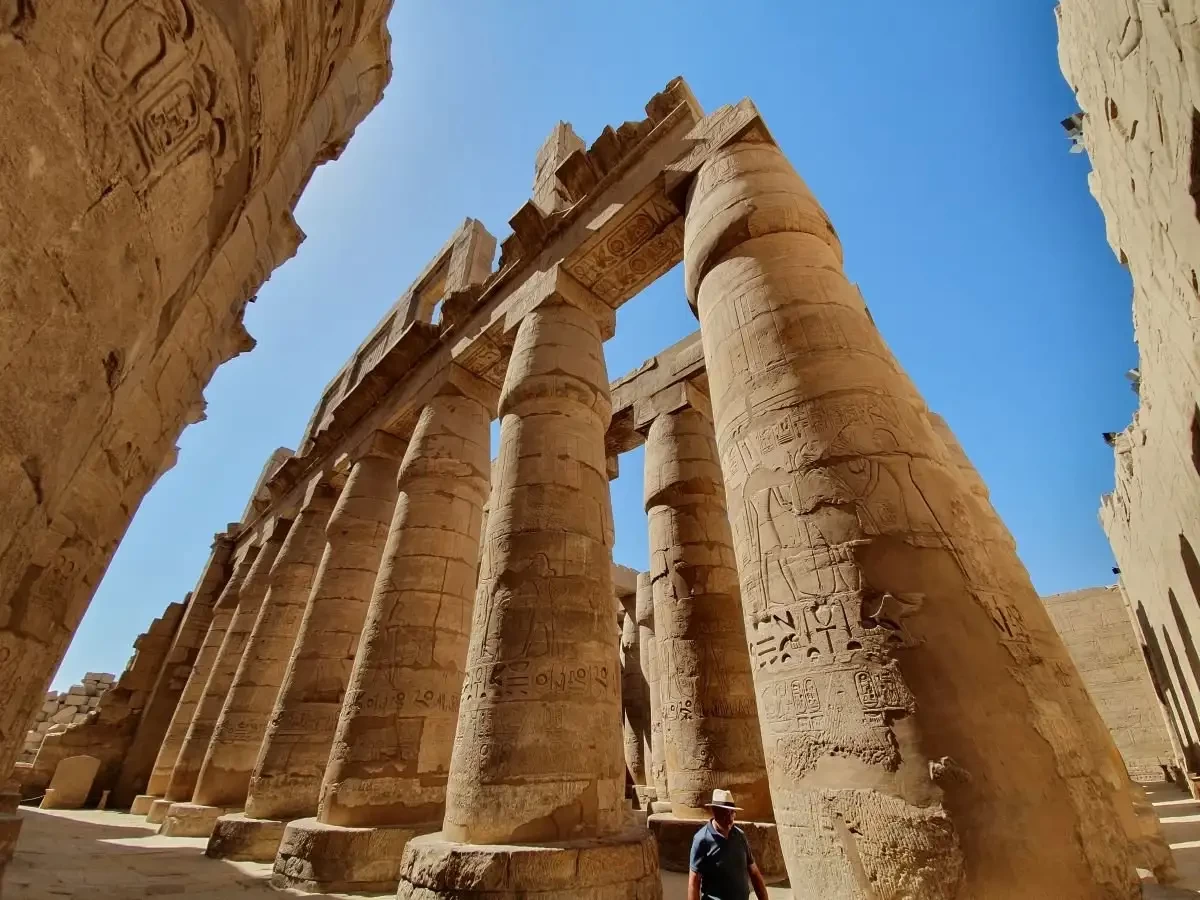
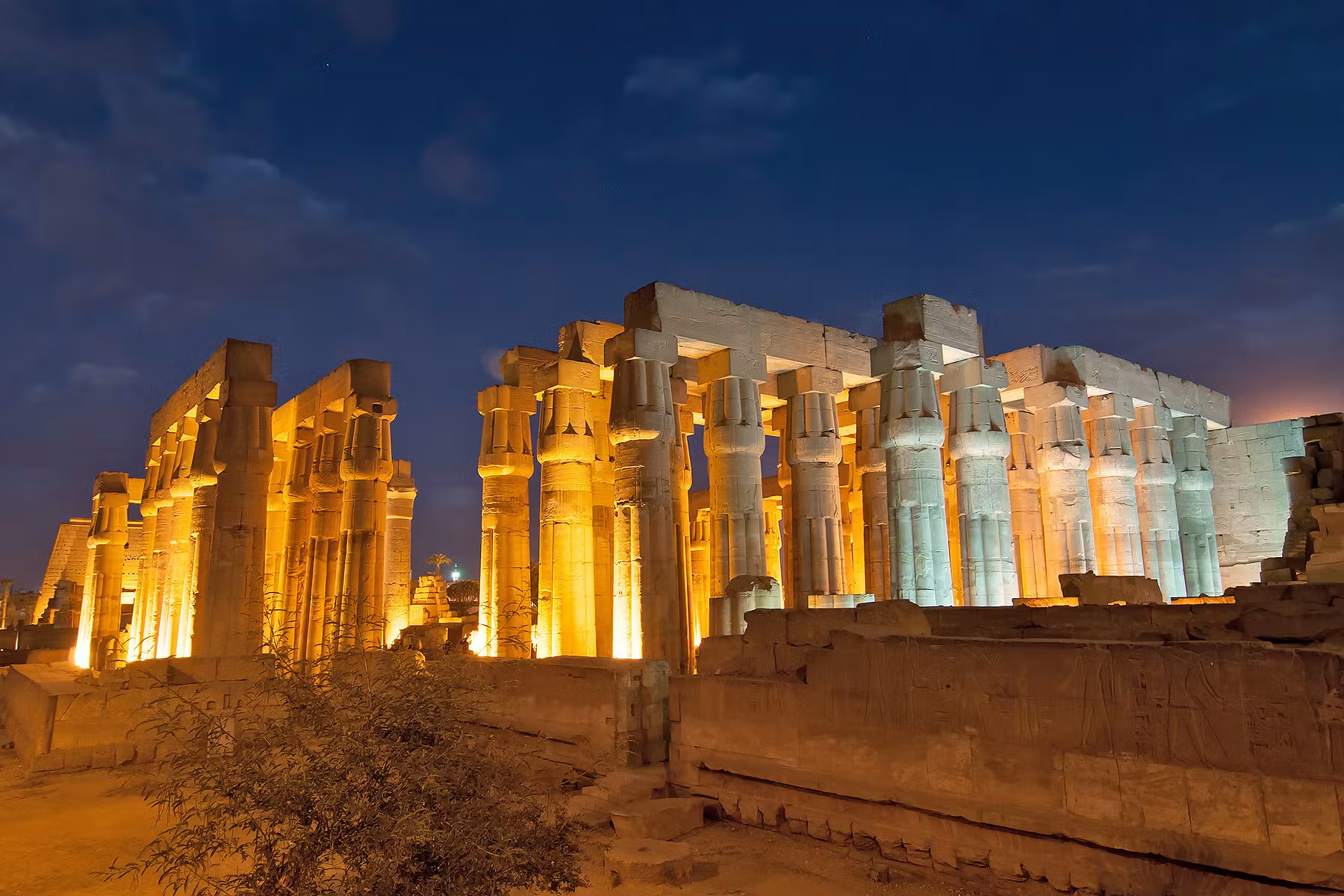
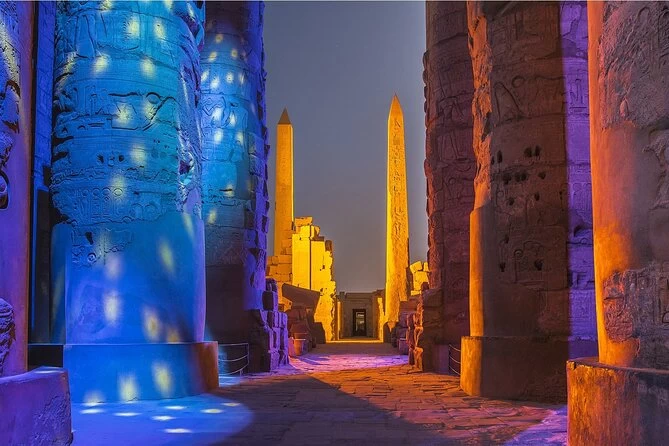
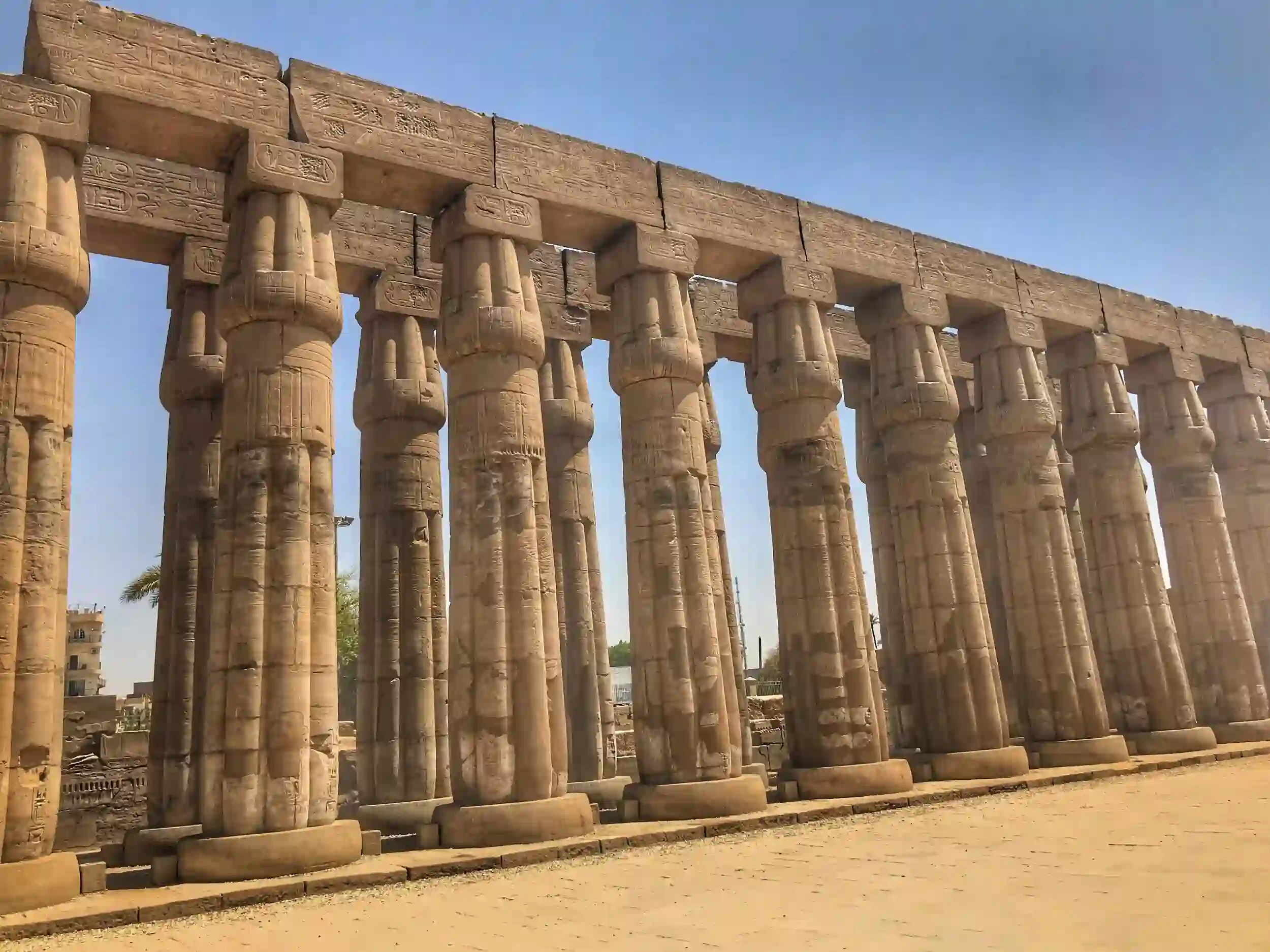
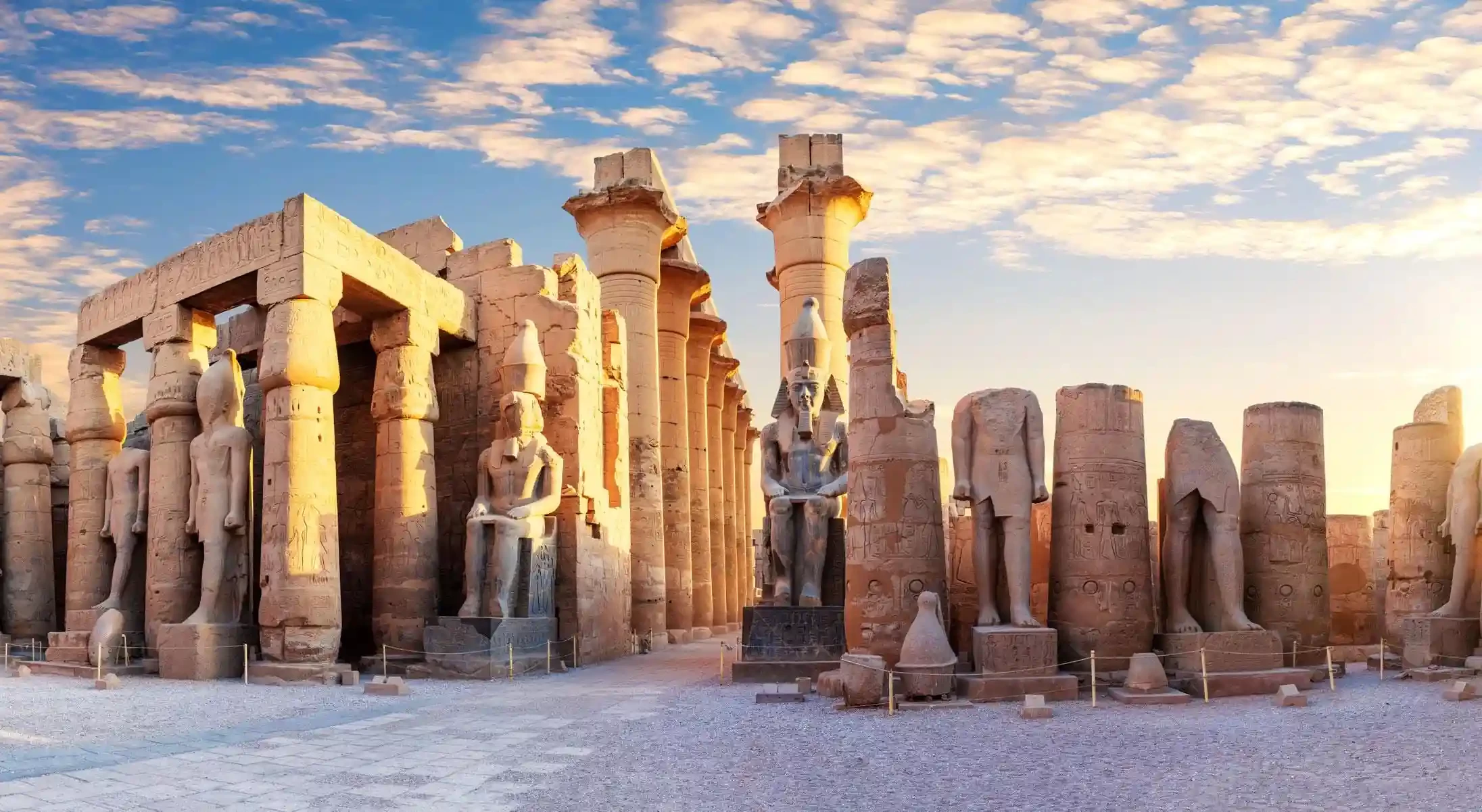
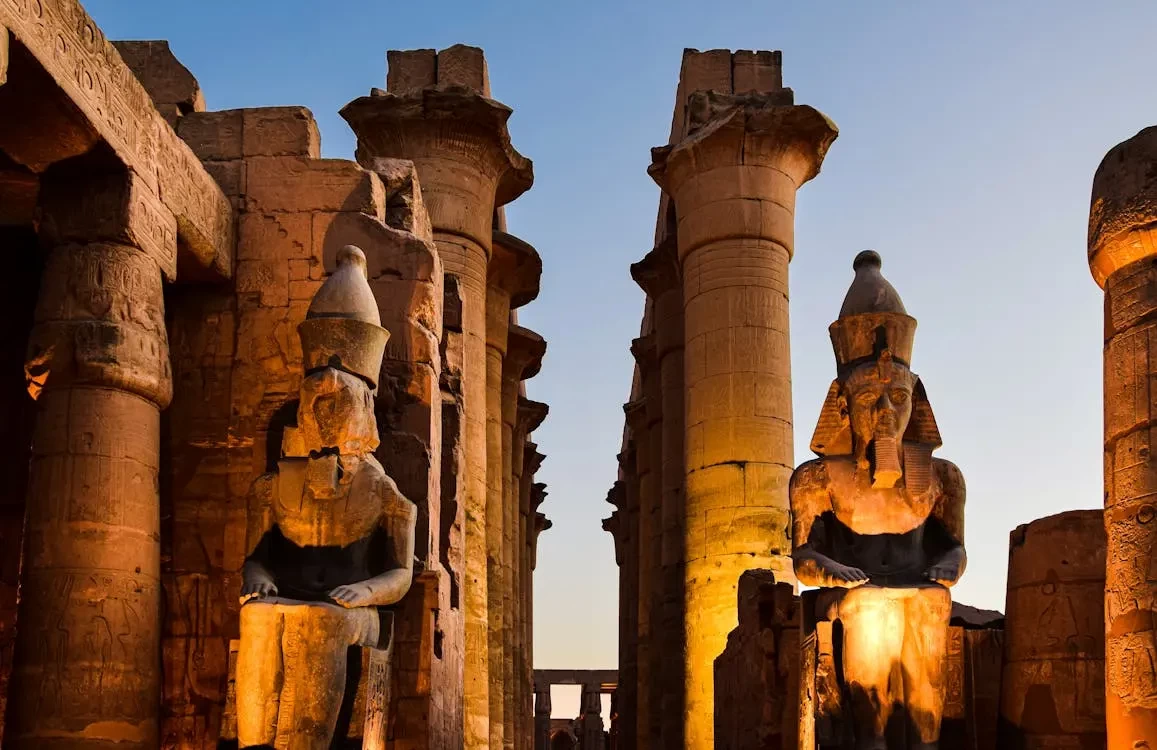
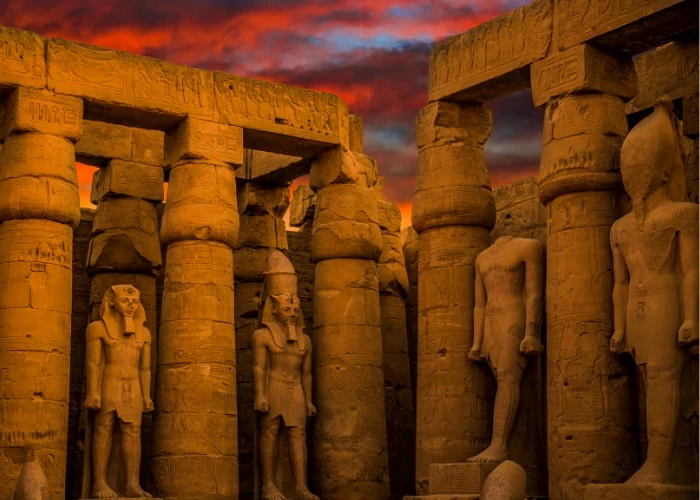
A central, breathtaking component of the Karnak Temple Complex, the Great Hypostyle Hall resembles an ancient stone forest that is a testiment to the architectural ingenuity of the Egyptians. The hall has 134 colossal columns in several rows and towering higher than those around them are the central rows. The columns are covered with carvings in hieroglyphs,reliefs showing pharaohs, gods, ceremonies,and offers,all telling tales and stories.
Some of the carvings are still displaying its former colours.
It is mainly tied to the era of Seti the first and his son Ramesses II, even though construction of the hall was but a part of a more encompassing project at Karnak. Visitors will always be impressed by walking amongst these gigantic columns that is only partially represented by photos, especially because the hall is used to give a sense of motion, from areas which were used for walking to holy sites which were restricted and used mostly for religious events. Anyone wondering what to look at within the Karnak temple site must look at the Great Hypostyle hall which is probably an outstanding piece of monument architecture from the old Egyptian history.
Obelisks, Statues and the Sacred Lake of Karnak
When we think about Karnak temple the first things that come to mind is it’s great Hypostyle Halland it gets lot of attention for all its 134 colossal columns as it rises towards the sky. But if you go there there are many more significant elements you can find. The obelisks – are some of the most important things at Karnak. Carved out from a single piece of rock, these stone towers were considered symbols of royal power and the sun god.
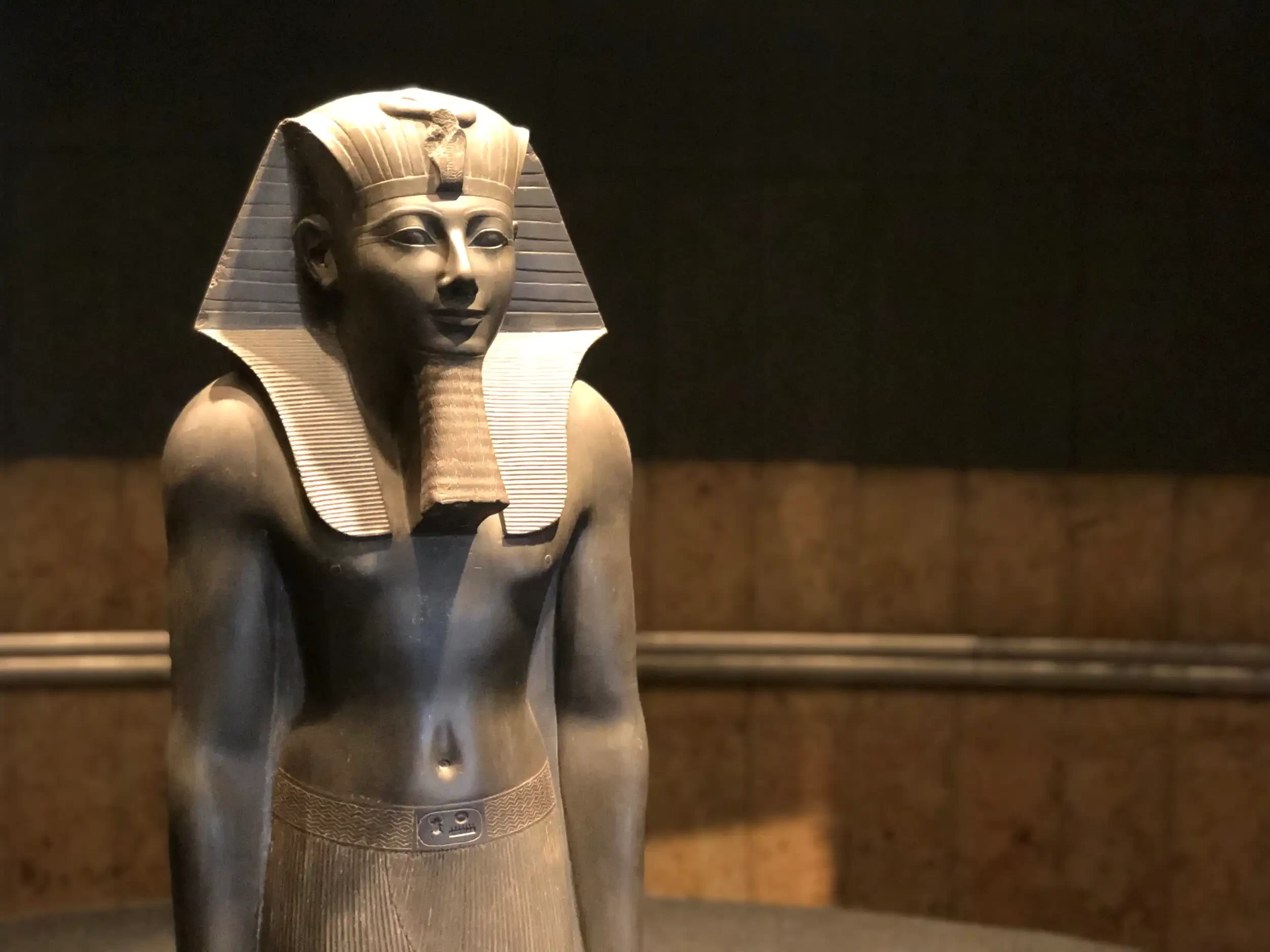
The obelisk of Hatshepsut is the highest surviving one in Egypt and is an imposing sight at Karnak. There is a sacred lake in Karnak, in which priests would have used for ritual cleansing. Such lake highlights the significance of this purification aspect in the religious system in Ancient Egypt and creates a quieter element within the monumental complex. The grounds include other imposing structures such as large statues of pharaohs or small carved human and animal shapes, depicting rulers standing in stiff ceremonies, or alongside the god they served, presenting clearly the union of religion and propaganda as rulers were seen as connecting god with human.
Learning more of these details can definitely enrich the Karnak Temple experience when learning about it as a living centre than just ruins.
Karnak Temple and the Festivals of Ancient Luxor
Karnak was closely related to such religious festivities of ancient Thebes as the Opet Festival. During it, sacred statues of Amun, Mut, and Khonsu were transferred from Karnak to Luxor Temple in a solemn procession.
This festival is known to have been associated with kingship and rejuvenation; this way, it served as a means for pharaohs to emphasize their divine status, whereas common people were also celebrating it. All the processions, music, rituals, and offerings turned the temple complex into the epicenter of religious life.
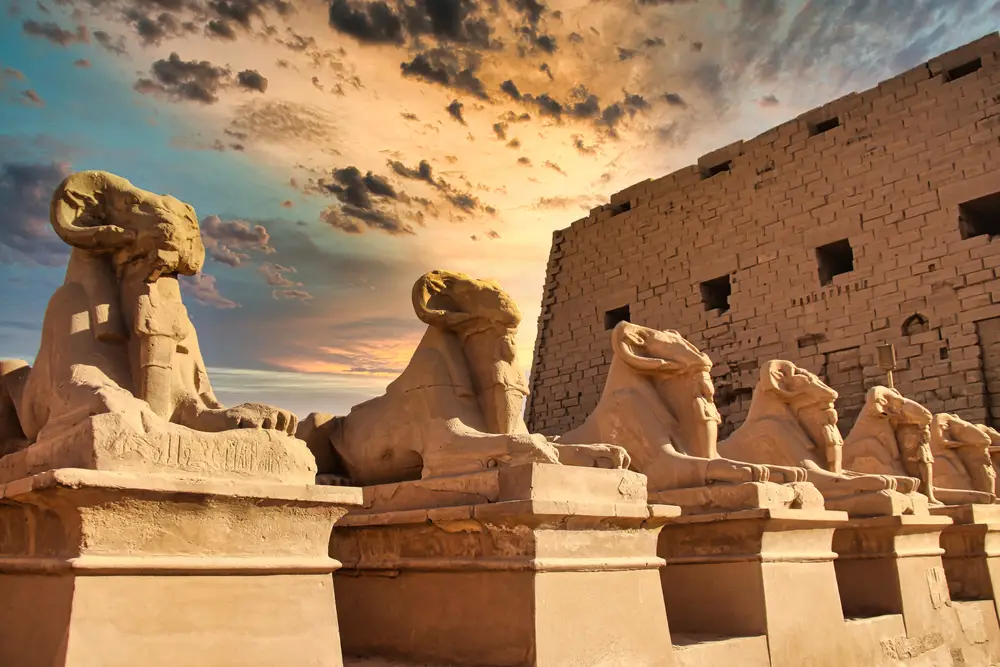
Today, the relation between Karnak and Luxor Temple may be traced thanks to the avenue which once united them. Some fragments of the Avenue of Sphinxes have been restored; thus, one can get an idea about the way the monuments were connected and functioned together.
This information helps to make a visit to Luxor attractions more interesting since it becomes clear that Karnak was not just a separate temple with priests performing the rituals inside of it. Rather, it was an integral part of the religious complex.
One can see the history of the city on both sides of the sacred road and learn more by paying attention to both Karnak and Luxor Temple.
-webp.webp "Nile River Cruise")
-webp.webp "Private Luxury Tour of Cairo Luxor and Aswan")