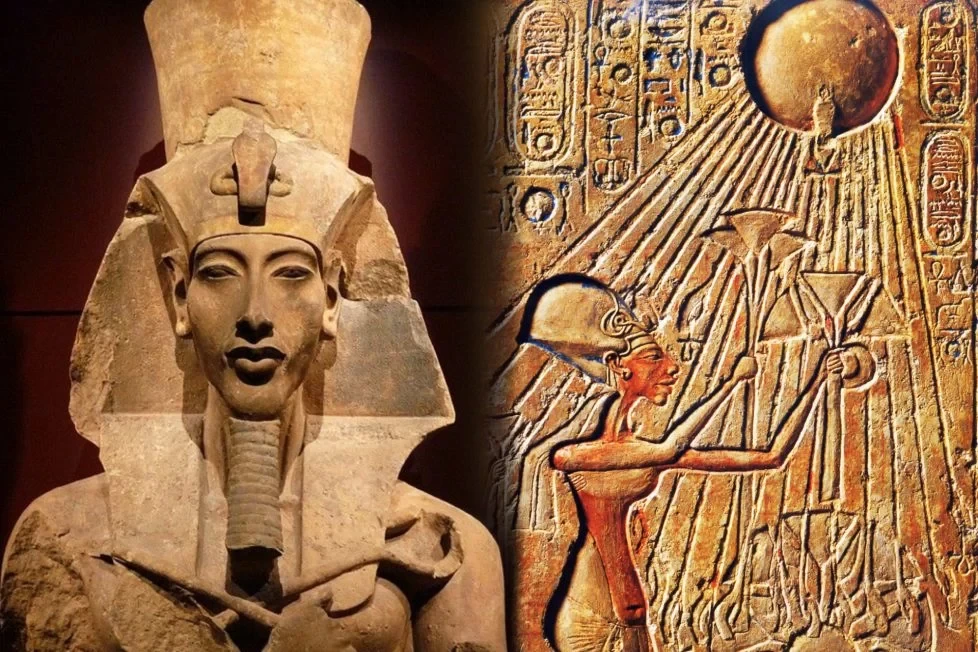
Discover Akhenaten and Nefertiti of Ancient Egypt
Akhenaten And Nefertiti The most hated, evil, and taboo leading Egyptian pharaoh of all time was Akhenaten, a newscaster born in Egypt, restorer or destroyer of Egypt, founder or destroyer of the 18th Dynasty, Egyptian religion reformer or heretic king, and prolific builder or destroyer of temples.
Their rule was associated with the ancient city of Akhetaten (now called Amarna). This era is well known for its unique art, religious revolution, and the image of the monarchy. The painted bust of Nefertiti has become one of the most well-known sculptures of ancient Egypt.
Read about the story of Akhenaten and Nefertiti and learn how they changed the history, art, religion, and culture of ancient Egypt and Ancient Egyptian History.
Akhenaten and Nefertiti: Pharaoh and Queen of Egypt
Akhenaten and Nefertiti are two of the most interesting characters of ancient Egyptian history. This royal couple are famous for their religious reforms, their unique form of art and for having lived in the ancient city of Akhetaten, now called Amarna.
Their story provides an unusual insight into a time of profound change in Egypt with regard to religion, art, architecture and royal life.
Who Was Akhenaten?
Akhenaten was a New Kingdom ancient Egyptian pharaoh of the 18th Dynasty. He reigned during the period which is known as the New Kingdom. He was the sole proponent of a monotheistic cult of the Aten and was responsible for theological revolution.
While he was king, Akhenaten relocated the royal court from Thebes, and founded a new city at Akhetaten for the Aten to be worshipped. This became the focus of the religious reform.
Who Was Queen Nefertiti?
Nefertiti was the Great Royal Wife of Akhenaten and a popular ancient Egyptian queen. Nefertiti, Nefertiti was deeply involved at the court and often appears in ancient reliefs and artwork alongside Akhenaten.
Nefertiti's fame grew due to her graceful portrayals in the Amarna style, especially the famous painted bust that remains one of the most iconic images of ancient Egypt.
Akhenaten and Nefertiti as a Royal Couple
Akhenaten and Nefertiti were often depicted with their daughters which was not as common in earlier Egyptian royal sculpture. Reliefs depict the royal family with the daughters performing religious activities in worship of the Aten.
These images of them, provides an interesting perspective to the royal family and its unique artistic style constructed during the Amarna period.
Akhenaten and the Aten Religion
A major development during Akhenaten's rule was the elevation of the Aten to prominence.
The Aten was depicted as a sun disk with rays ending in hands. Akhenaten saw himself as the chief go-between the Aten and the people of Egypt.
This reshaping of the religion was a sharp contrast to Egyptian god-worship practiced by his predecessors and changed the religion of his domain.
The City of Akhetaten
Akcepton built Akhetaten, a city that became the capital of the city. Located in the Central Egypt region of the modern, Akariot.
The ancient city was made up of palaces, temples, houses, administrative buildings and many other things that were related with the royal court.
Archaeological remains of Amarna offer key information about the religious and artistic revolution which took place during Akhenaten's period of rule.
The Amarna Period and Ancient Egyptian Art
The Amarna Period is well known for its unique style of art. Characters were drawn with more realistic features than in prior periods, and scenes of family life were more frequently depicted.
Akhenaten, Nefertiti, and their daughters can be seen in many reliefs depicting quiet family scenes under the rays of the Aten.
This distinctive approach defines the Amarna Period as one of the most familiar eras of Egyptian art.
Nefertiti's Role in Ancient Egypt
Nefertiti was more than a pharaoh's wife. She often appears in ancient art involved in religious rituals and next to Akhenaten.
We don't know for sure what her formal job was, or whether she even had one; Egyptologists are still researching her life and career. She disappears in the latter part of Akhenaten's life – we don't know what happened to her.
But her significance is clearly demonstrated by the number of surviving images of the queen.
The Famous Bust of Nefertiti
The bust of Nefertiti is one of the most recognized works of ancient Egyptian art. The bust was created in the Amarna Period and shows the queen in her trademark blue crown.
The fine details and artistic style of the sculpture's facial features make it highly desirable. It has always been popular as a symbol of Queen Nefertiti and the art of ancient Egypt.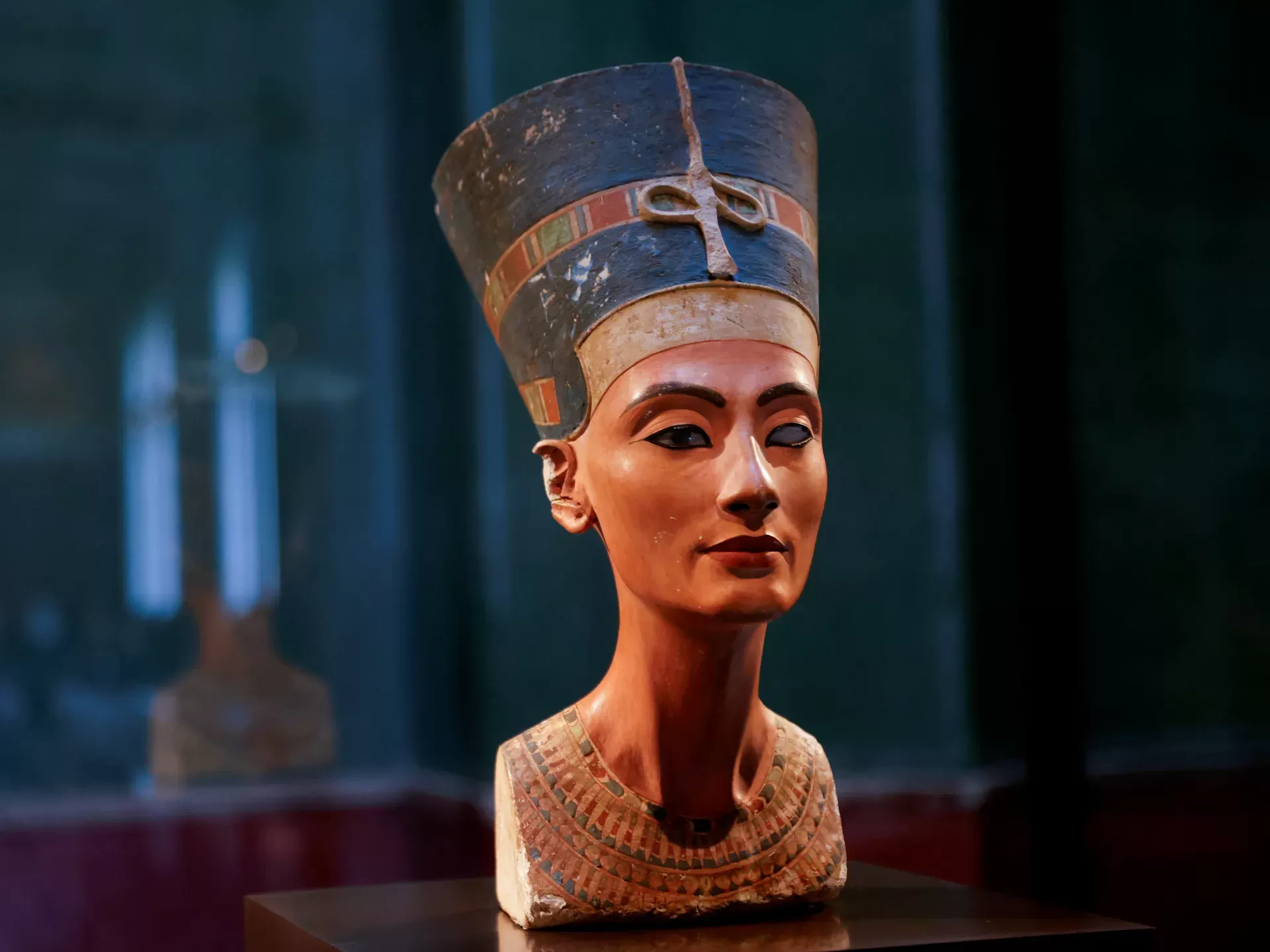
What Happened After Akhenaten?
Akhenaten's reforms met a slow and fierce resistance. After his death the old religions were restored, the royal court was established on another place away from Akhetaten.
Subsequent kings stopped the worship of the Egyptian gods and left the city of Akhetaten.
The period, of therefore, was a relatively short but yet significant change in ancient Egyptian history.
Akhenaten, Nefertiti, and Tutankhamun
Tutankhamun, the most popular king of Egypt has been associated with Akhnaten and Nefertiti's history as well.
Tutankhamun, after the Amarna Period, seems to have worn off on the practice of resurrecting the old religion. The legendary burial site and its contents, helps form the next significant episode in the story of the 18th Dynasty.
Learning about these rulers side by side, visitors are able to see the shifts in political and religious history during this time.
Explore the Legacy of Akhenaten and Nefertiti
A View of the Land of Egypt, Akhenaten & Nefertiti Even when roaming the famed monuments of Egypt, travelers can get another view of the Land of Egypt. Their contributions included sweeping modifications to their country's religion, luxurious depiction of its royalty, and innovative building and sculptural techniques.
Walk through the unique world of this well-known royal couple that can be experienced from archaeological objects found at Amarna to various museums showing art from the Amarna period.
People interested in the history of ancient Egyptian civilization continue to study their legacy.
Table of Contents
- 1- Akhenaten and Nefertiti: Pharaoh and Queen of Egypt
- 2- Who Was Akhenaten?
- 3- Who Was Queen Nefertiti?
- 4- Akhenaten and Nefertiti as a Royal Couple
- 5- Akhenaten and the Aten Religion
- 6- The City of Akhetaten
- 7- The Amarna Period and Ancient Egyptian Art
- 8- Nefertiti's Role in Ancient Egypt
- 9- The Famous Bust of Nefertiti
- 10- What Happened After Akhenaten?
- 11- Akhenaten, Nefertiti, and Tutankhamun
- 12- Explore the Legacy of Akhenaten and Nefertiti