Ancient Egyptian Religion and Beliefs: What Did Egyptians Believe?
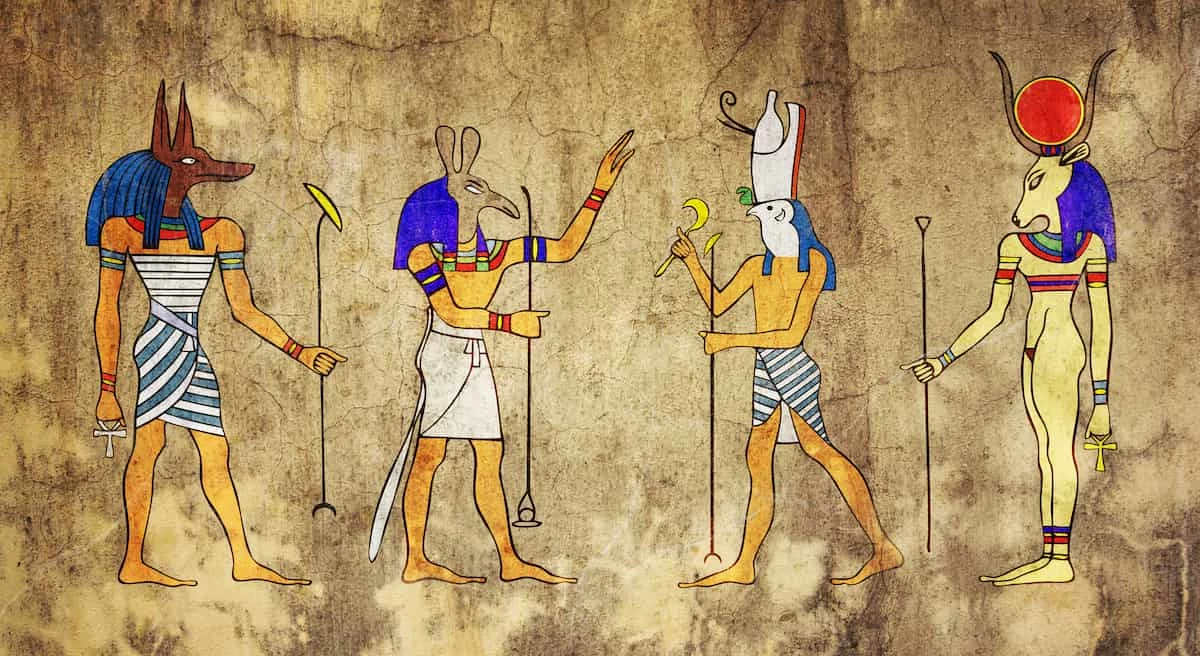
Ancient Egyptian religion was an important part of life for thousands of years. It shaped how people understood nature, death, kingship, morality and the world around them. Egyptians believed that divine forces influenced the Nile, the sun, fertility, health, death and the continuation of life. Religious ideas were reflected in temples, tombs, statues, inscriptions, funerary objects and daily rituals.
The Ancient Egyptian beliefs and thoughts began around the early dynasties and spread through the Greco Roman Age. They were not identical and there were variations over time and from place to place. Some cities had their own beliefs, and some ideas and gods were widespread. Recognising all these ideas is quite an important part of Ancient Egyptian History.
What Did Ancient Egyptians Believe?
Ancient Egyptians believed that the universe was influenced by divine powers and that maintaining harmony was necessary for life to continue. Religion was directly related to the natural world, in particular the annual flooding of the Nile and the motion of the sun and seasons.
The pharaoh also had an important religious role. He was considered the link between the human world and the gods and was responsible for maintaining order throughout the land. Temples, offerings, festivals and religious ceremonies were part of this relationship between the king, the gods, and the people.
Ancient Egyptians also believed that a person had different spiritual elements that continued to exist after death. Because of this, the body, name, possessions, and memory of the deceased were considered important. This helps explain the care given to tombs, mummification, statues and funerary objects.
Their religious ideas were closely connected with the ancient Egyptian gods and goddesses, but religion was much broader than the worship of individual deities. It also included ideas about creation, morality, the afterlife, rituals, and the proper order of the universe.
What Was Maat in Ancient Egyptian Religion?
One of the most important ideas in ancient Egyptian religion was Maat. The concept represented truth, justice, balance, harmony, and the proper order of the universe. Egyptians believed that the world could fall into chaos if this order was not maintained.
Maat applied to both the gods and human society. The pharaoh was expected to protect order and justice, while individuals were encouraged to live honestly and responsibly. Religious rituals and offerings were also understood as ways of maintaining the relationship between the human and divine worlds.
Maat was especially important in beliefs about death. Ancient Egyptians believed that the deceased would face judgment after death. The heart was associated with a person's actions and character, and in the traditional judgment scene, it was weighed against the feather of Maat.
If the heart was found to be in balance, the deceased could continue into the afterlife. This belief shows how ideas about morality and religion were connected in ancient Egypt.
What Did Ancient Egyptians Believe About the Afterlife?
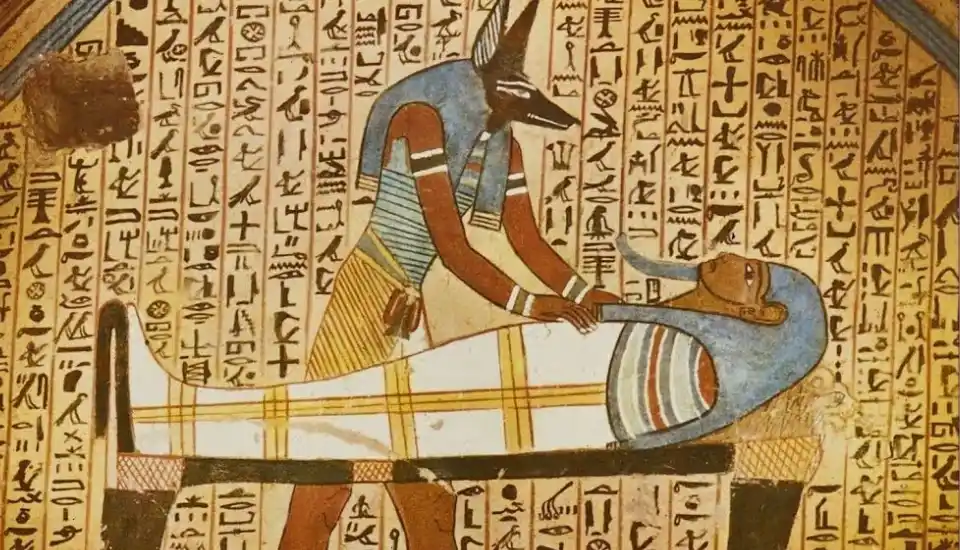
The afterlife was one of the most important aspects of Egyptian religion and beliefs. Ancient Egyptians did not generally view death as the complete end of existence. Instead they believed that a person could continue living in another form after death if the proper preparations and rituals were completed.
This belief influenced the way Egyptians buried their dead. Mummification was used to preserve the body, while tombs provided a place for the deceased and their possessions. Food, drink, clothing, jewelry, furniture and other objects could be placed in tombs as offerings or provisions for the next life.
Funerary texts also played an important role. Different collections of religious texts appeared during different periods including the Pyramid Texts, Coffin Texts, and what is commonly called the Book of the Dead. These texts contained spells and instructions intended to protect the deceased and help them navigate the afterlife.
The famous tombs and burial sites found throughout Egypt provide evidence of these beliefs. From the pyramids of Giza to the royal tombs in the Valley of the Kings, ancient Egyptian monuments show how strongly people connected death with religious beliefs and preparation for the next world.
What Role Did Temples and Religious Rituals Play?
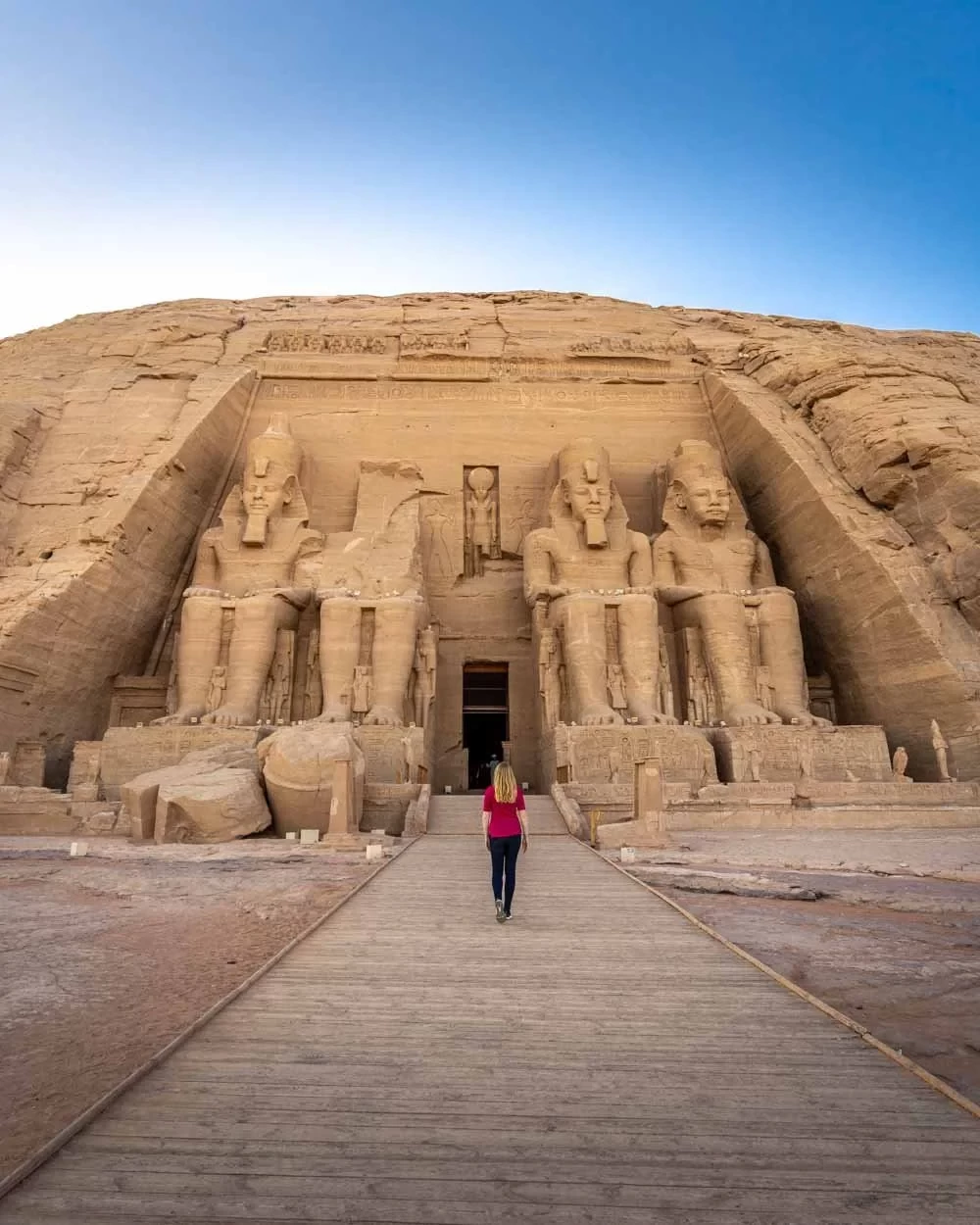
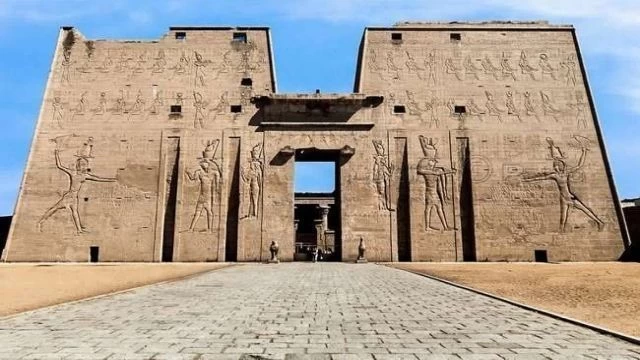
Temples were central to ancient Egyptian religious beliefs. They were not simply places where people gathered to pray. Many temples were considered sacred spaces where priests performed rituals, presented offerings and cared for divine statues representing the gods.
Daily temple rituals could include washing and dressing the divine image, presenting food and drink, burning incense and performing prayers or sacred ceremonies. Festivals were also held throughout the year, sometimes involving processions and large public celebrations.
The walls of the temples were decorated with reliefs and inscriptions of gods, kings, religious rituals and offerings and major myths. These embellishments preserved the religion and linked the pharaoh to the divine world.
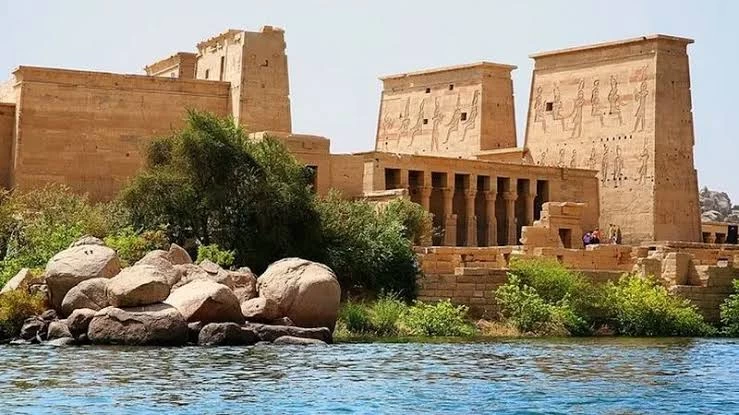
Visitors can still see examples of these traditions in some important ancient temples of Egypt. Karnak Temple in Luxor was one of the most important religious complexes in ancient Egypt, while Luxor Temple was strongly connected with kingship and religious celebrations. In Aswan Philae Temple preserves important evidence of the worship of Isis and other deities.
How Did Ancient Egyptian Religion Change Over Time?
Religion in ancient Egypt changed throughout the country's long history. The religious traditions of the Old Kingdom were not exactly the same as those of the New Kingdom or the later Greco-Roman period. The importance of different gods could also rise or decline depending on the period and the city.
For example the religious importance of the sun god Ra was especially strong during parts of the Old Kingdom, while Amun became extremely important at Thebes during the New Kingdom. Some gods were combined or associated with one another, creating new forms of worship and religious traditions.
The reign of Akhenaten brought one of the most unusual religious changes in ancient Egyptian history. He promoted the worship of the Aten, represented by the sun disk, and reduced the traditional role of several other gods. After his reign, many traditional religious practices were restored.
In later periods Egyptian religious traditions continued to develop and interact with foreign influences. Greek and Roman rule introduced new cultural elements, but many Egyptian religious practices and temples continued to be used.
This is what makes the ancient Egyptian beliefs so fascinating. It was by no means a fixed, unaltering tradition. Instead the religion of Egypt evolved over thousands of years influencing everything from art and architecture to culture and the funeral practices.
Ancient Egyptian religion influenced almost every part of life from the role of the pharaoh and the idea of Maat to temple rituals, burial customs and beliefs about the afterlife. Its traditions changed over thousands of years, leaving behind temples, tombs, inscriptions and monuments that travelers can still explore today.
Understanding these beliefs also makes it easier to appreciate the religious scenes and symbols found throughout Egypt ancient sites. Together with the history of the ancient Egyptian gods and goddesses, they offer a deeper look at one of the world most fascinating civilizations.
-webp.webp "Kalabsha Temple and Nubian Museum Tour")