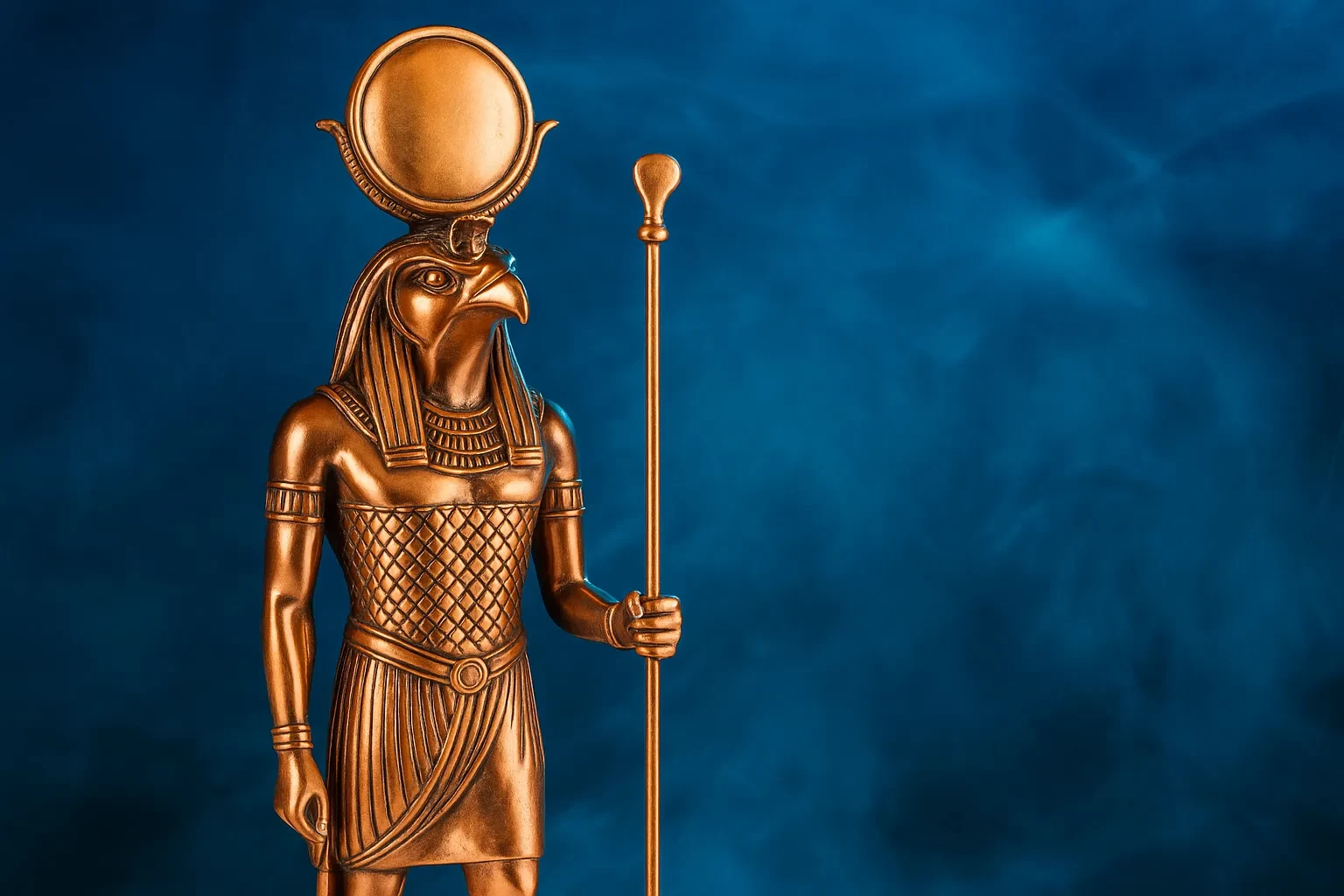
Exploring the Gods and Goddesses of Ancient Egypt
The ancient Egyptian gods and goddesses were an important part of everyday life in ancient Egypt. People believed that different deities were connected with natural forces, protection, fertility, death, kingship and other parts of the world around them. Their stories and symbols appear throughout the temples, tombs, statues, and inscriptions that have survived across Egypt.
Egyptian religion included hundreds of deities and their importance could change from one city or period to another. Some became widely worshipped across the country, while others remained closely connected with particular places. Learning about these deities is also an important part of understanding Ancient Egyptian History and the beliefs behind many of Egypt famous archaeological sites.
Who Were the Ancient Egyptian Gods and Goddesses?
The ancient Egyptian gods and goddesses were supernatural beings who were believed to influence different parts of life and the natural world. Egyptians often represented them in human form, animal form or a combination of human and animal features. These images helped communicate the qualities and powers associated with each deity.
There was no single, fixed list of Egyptian gods followed in exactly the same way throughout the country history. Deities could have different roles, names, and forms and some were combined with others. This flexibility was one of the distinctive features of ancient Egyptian religion.
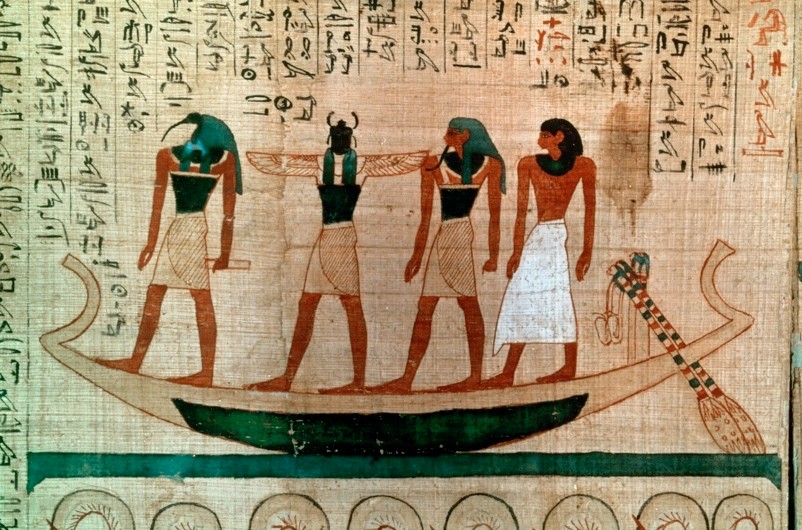
Who Were the Most Important Egyptian Gods?
Several Egyptian gods became especially important across different periods of ancient Egyptian history. Ra was associated with the sun and became one of the most important solar deities. Osiris was closely connected with the afterlife and resurrection while Horus was associated with kingship and protection.
Anubis was strongly connected with funerary practices and the protection of the dead. Amun became an important deity at Thebes and was later associated with Ra as Amun-Ra. These gods were not always worshipped in exactly the same way, and their roles could change as Egyptian religious traditions developed.
Who Were the Most Important Egyptian Goddesses?
Egyptian goddesses also played major roles in ancient Egyptian religion. Isis was associated with motherhood, magic and protection and became one of the best known goddesses in the ancient Mediterranean world. Hathor was connected with motherhood, music, love, joy and fertility and was worshipped in many parts of Egypt.
Sekhmet was an lioness who was emblematic of war, protection and formidable power. Neith was an ancient goddess of creation, hunting and war. Bastet was a goddess of protection and was famously depicted as a cat or a woman with a cat's head.
What Did Ancient Egyptian Gods and Goddesses Represent?
The roles of ancient Egyptian gods and goddesses were often connected with important parts of life and the natural world. Some were linked with the sun, sky, Nile, fertility, death, healing or protection. Others had strong connections with kingship or specific religious centers.
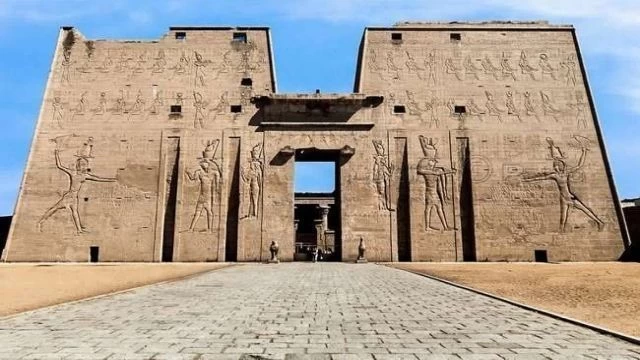
Their importance can be seen in Egyptian art and architecture. Temples were built and decorated in honor of particular deities while reliefs and inscriptions showed gods receiving offerings from kings. The appearance of a deity could also communicate its role. For example, animal features were often used to represent qualities that Egyptians associated with particular gods and goddesses.
Where Can You See Ancient Egyptian Gods and Goddesses?
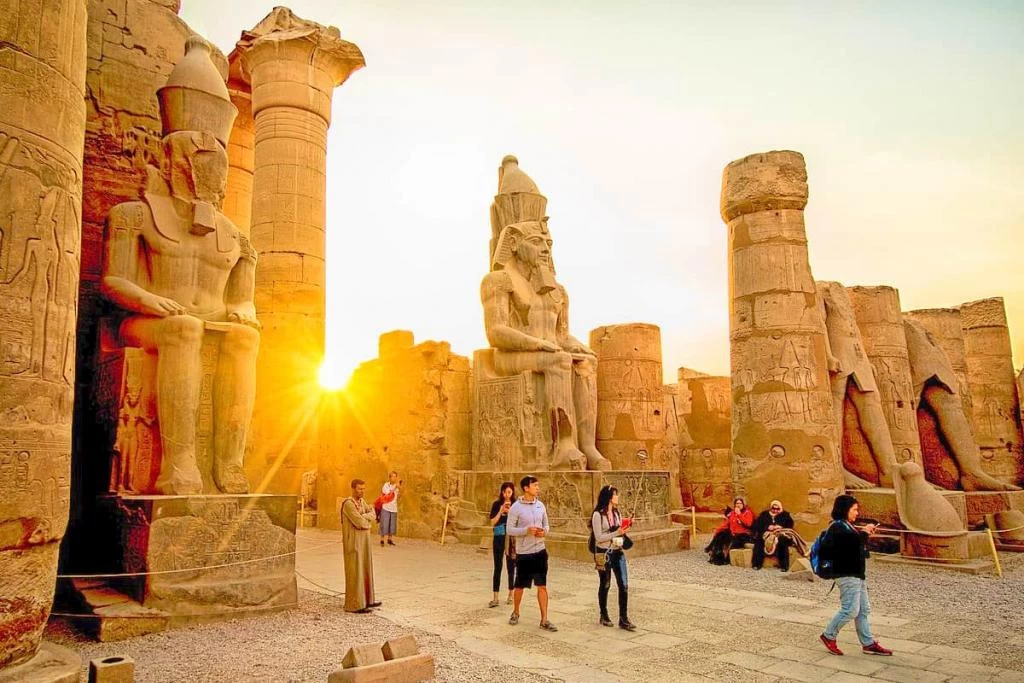
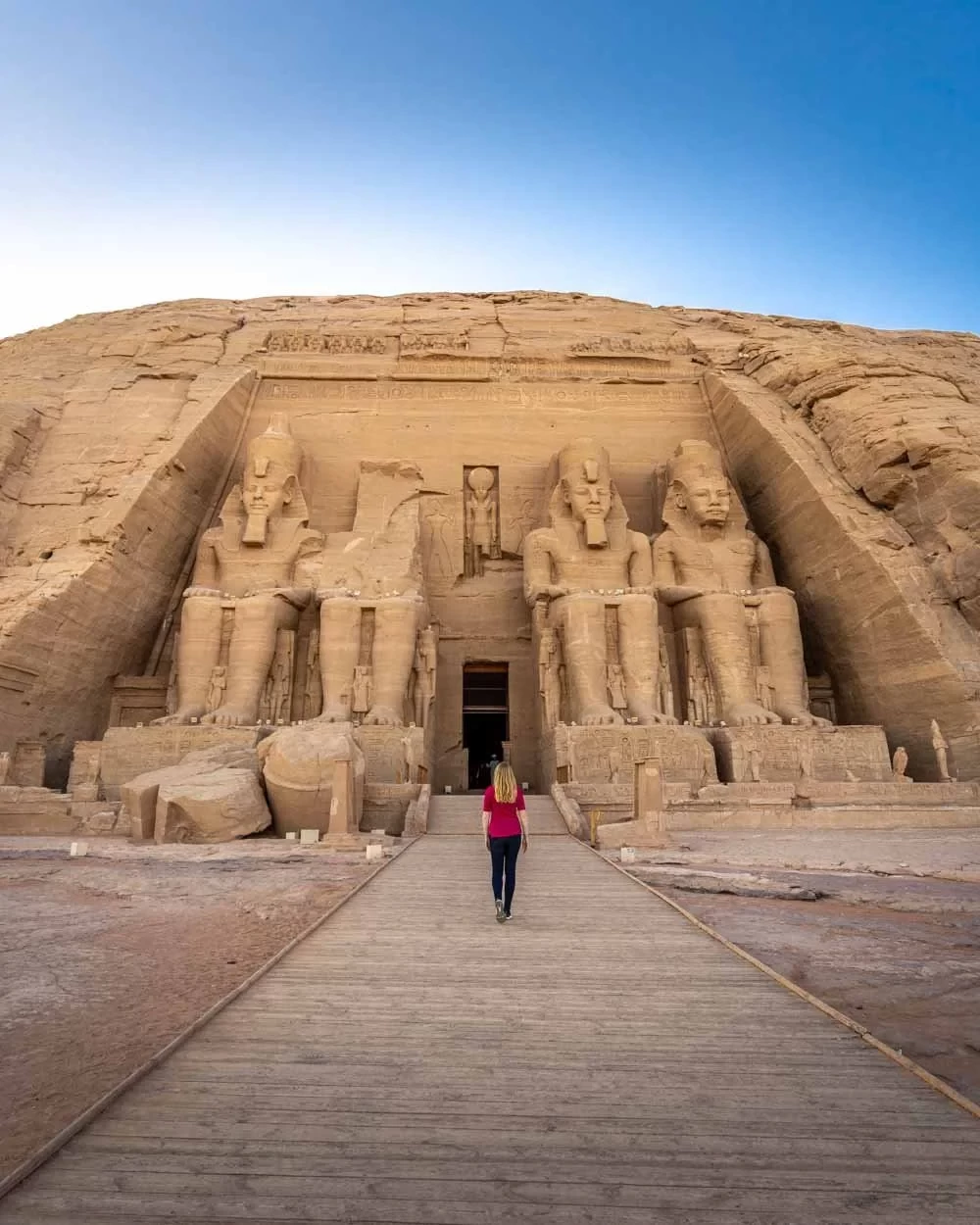
Visitors can still see representations of Egyptian gods and goddesses in temples and tombs throughout Egypt. Karnak Temple in Luxor contains extensive reliefs and inscriptions connected with the religious traditions of ancient Thebes. Luxor Temple also features scenes of gods, kings and religious ceremonies.
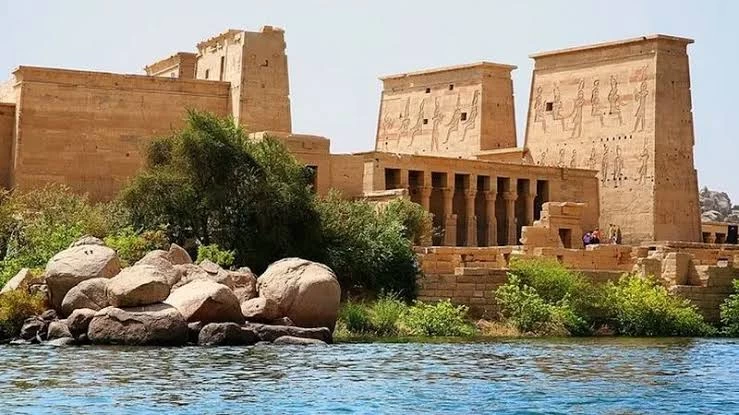
Additional significant examples include Philae Temple near Aswan, which was closely linked to the worship of Isis, and also temples throughout the Nile Valley. These monuments, sculptures and inscriptions reveal much about the way in which the ancient Egyptians depicted and worshipped their gods.
To learn more about the people, beliefs, monuments and traditions of ancient Egypt explore our Ancient Egyptian History section for more guides about this fascinating civilization.
The ancient Egyptian gods and goddesses were an important part of how ancient Egyptian people viewed the world and explained things like the rising of the sun. The ancient Egyptian gods and goddesses of Ra, Osiris, Isis, Horus, Anubis, Hathor, Amun and others had different names, rules and stories.
Today their images and stories can still be seen across Egypt's temples, tombs, museums and archaeological sites. Understanding these deities adds more context to the monuments travelers visit and offers a closer look at one of the most distinctive religious traditions of the ancient world.
-webp.webp "Kalabsha Temple and Nubian Museum Tour")