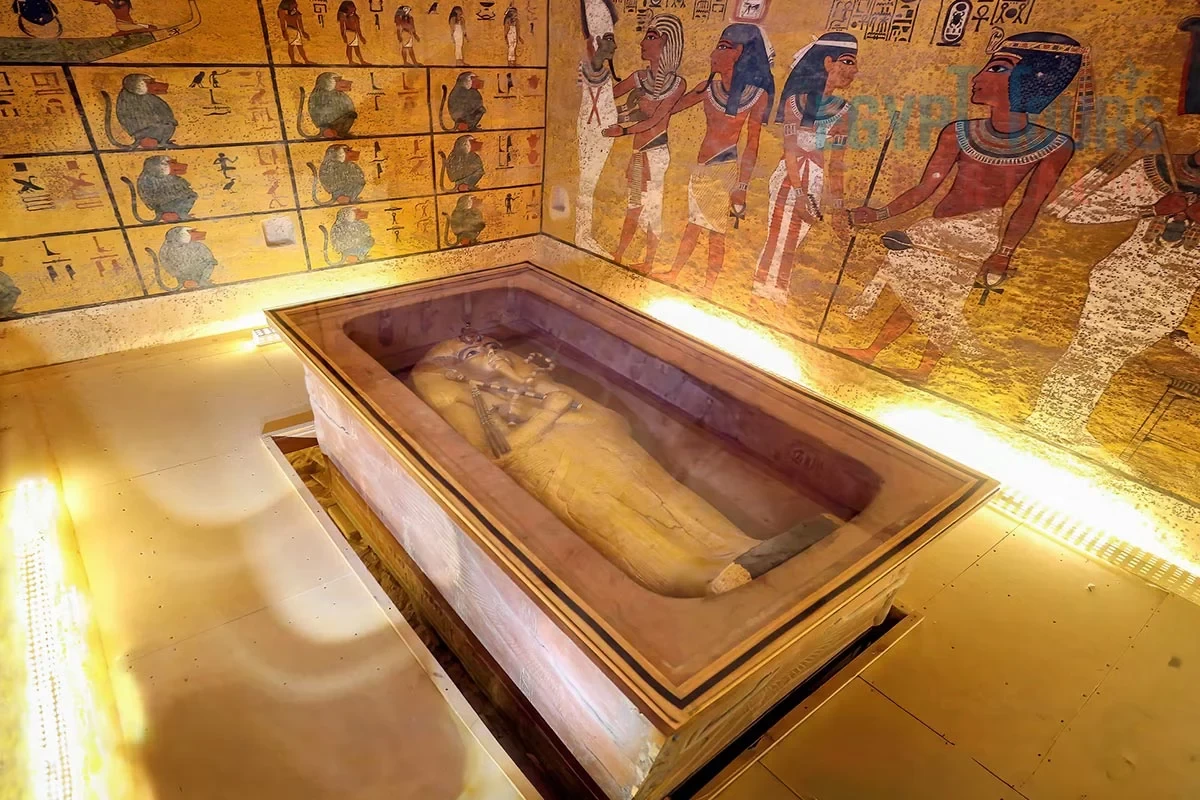
Discover Tutankhamun: The Boy King of Ancient Egypt
Tutankhamun was also known as the Boy King, and was one of the most well-known Egyptian pharaohs. Tutankhamun became king at a young age and was part of the 18th Dynasty of Ancient Egypt.
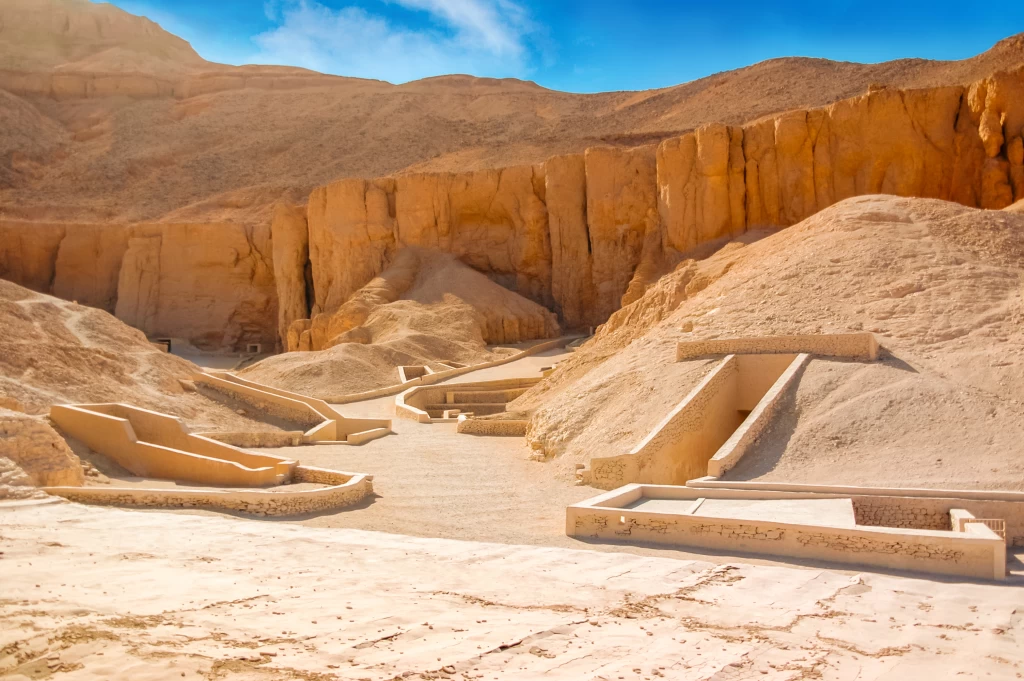
Despite being a short ruler, it was only when his nearly intact tomb was found in the Valley of Kings in 1922 that Tutankhamun shot to world fame. His tomb was filled with thousands of spectacular objects including treasures of gold, furniture and his golden mask.
Tutankhamun's discovery shed light on Old Kingdom burial practices, the royal lifestyle, the arts, and ancient Egyptian religion. In modern times, Tutankhamun's tale still captivates history buffs and those wanting to visit Egypt.
Whether you're exploring the Valley of the Kings in Luxor, or perusing exhibits of Egyptian relics, knowing a little about the boy-king helps you get more from your Egypt trip and discover more about Ancient Egyptian History.
Tutankhamun: The Boy King of Ancient Egypt
Discover the life of Tutankhamun, the young pharaoh who became one of the most famous rulers of ancient Egypt. This article explores his early life, reign, mysterious death, and the remarkable treasures discovered in his tomb.
The Life of Tutankhamun King Tut's life, burial, religious beliefs, and even his family are all explored in this fascinating story of royal life in the New Kingdom. No matter what piques your interest and regardless of if you plan on visiting Egypt to witness the historical sites, you know a little more about King Tut.
Who Was Tutankhamun?
King Tut, or Tutankhamun was an ancient Egyptian pharaoh of the 18th dynasty, the last of the New Kingdom. He ascended the throne in approximately nine years old and died at approximately twenty-two.
His reign was short but it made him one of the most well known figures of ancient Egyptian history. His popularity increased dramatically with the finding of his tomb in the Valley of the Kings in 1922.
His life and burial are said to offer important evidence about the ancient Egyptians' beliefs, practices and royal culture.
Tutankhamun’s Early Life and Rise to the Throne
Tutankhamun came from a royal family in Egypt during a time of great upheaval - both in religion and politics. He was very young when he became pharaoh, so it is thought that many old hands and wise councilors probably contributed to the running of the country.
His name at the start of his rule was Tutankhaten. It was changed to Tutankhamun to restore the worship of Amun.
The change occurred following the religious upheavals instigated by Pharaoh Akhenaten and his reforms in favour of the worship of Aten. This period was a time of religious mutation.
The Reign of Tutankhamun
Tutankhamun's era was an important time in ancient Egyptian history. His government began the work of restoring traditional religious practices and repairing temples damaged during earlier reforms.
Despite of years not to demonstrate in the end his is an arbitrator for many time, his is a historically high as a consequence of an interval of radical becoming.
Inscriptions and artifacts found in the tomb of Tutankhamun reveal the king's coronation, religious practices, and duties of the pharaoh. These items offer insight into the history of the 18th Dynasty.
Why Is Tutankhamun Called the Boy King?
Tutankhamun is often referred to as the Boy King because he was made pharaoh at an extremely young age – some estimate about 9 years old.
Because he was a child, his story is especially fascinating for historians and visitors studying the ancient history of Egypt. Even though he had a short life and short reign, he was buried with an amazing amount of items for his journey into the afterlife.
The treasures found in his tomb have helped make his name familiar around the world.
The Discovery of Tutankhamun's Tomb
In 1922, British archaeologist Howard Carter and team, with the backing of Lord Carnarvon, uncovered the tomb of Tutankhamun in the Valley of the Kings, close to Luxor.
The find was reported worldwide as it was announced that the tomb, unlike other nearby royal tombs, had remained intact, although it had been partly plundered by grave robbers.
Moreover, the excavation yielded a stunning collection of artifacts that provided an extremely rare opportunity for scholars to analyze the material culture and rituals of a royal tomb in Egypt.
Tutankhamun's Tomb and Its Treasures
The tomb of Tutankhamun was filled with thousands of objects such as furniture, jewelry, chariots, ritual objects, and funerary accoutrements. These items were laid with the king into the tomb.
His discovery of the famous golden burial mask is still one of the most well-known ancient Egyptian artworks.
Along with other riches, the exhibit displayed decorated coffins, statues, and other items that shed light on the details of the craftsmanship of the royal court and religious practices. These objects give us an astonishing insight into the richness of the royal court.
The Golden Mask of Tutankhamun
Tutankhamun's golden mask Among the famous artifacts of ancient Egypt is the golden mask of Tutankhamun. Its purpose was to adorn the head and chest of the deceased king during his funeral ceremony.
The mask is skillfully made, and is one of the few burial masks decorated with ancient Egyptian royal symbols such as the cobra and vulture associated with kingship.
The mask is still today a sign of the memory of king Tut and one of the most well-known object of his tomb.
Where Is Tutankhamun Buried?
Tutankhamun's tomb is located in the Valley of the Kings, the place of the ancient royal tombs in the desert west of Luxor along the Nile.
The site of his tomb is identified as KV62 after its number in the valley's archaeology. Those wishing to visit the Valley of the Kings in Luxor can uncover the story of royal tomb-making, and their values, in ancient Egypt.
The actual tomb represents an integral and special part of Egyptian archaeological literature, and is linked with the achievement of finding that gained Tutankhamun worldwide recognition.
The Mystery of Tutankhamun's Death
King Tut died when he was young, likely in his late teens. No one knows what caused his death, but scientists have tried to determine how he died by using forensic evidence from his tomb.
His death has received some media coverage due to his young age and the lack of details about the last phase of his life.
Although various theories have been proposed, there is no universally accepted explanation that conclusively establishes the precise cause of his death.
Why Is Tutankhamun So Famous?
Tutankhamun is world-renowned due to the discovery of his tomb in 1922. The wealth of objects uncovered in his tomb gave an unprecedented insight into the burial of an ancient Egyptian king.
His narrative is also appealing as he was only a young boy when he became a pharaoh, he reigned in a time of significant religious change and he died young.
Tutankhamun has become a household name through museums, documentaries and historical exhibits, thanks to the treasure and his gold mask that were buried with him.
Visiting Tutankhamun's Tomb in Luxor
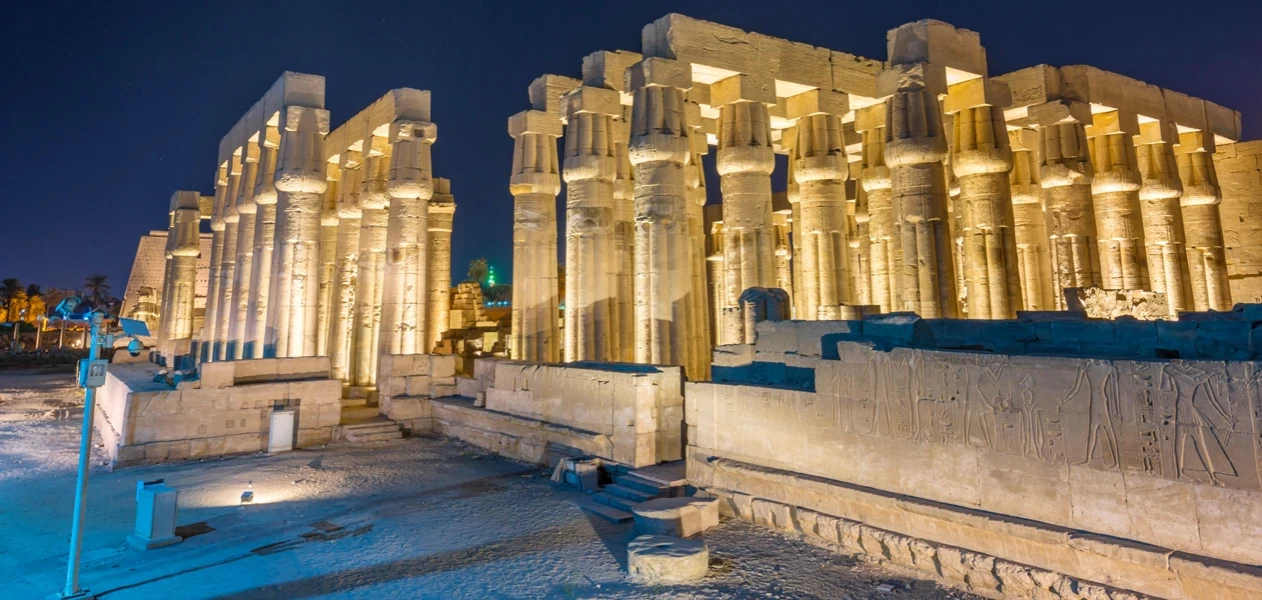
Those seeking to learn more about Tutankhamun may find a trip to the Valley of the Kings in Luxor worthwhile as this is home to the king's burial tomb. Travel here to learn about pharaonic burial practices. Depending on your travel plans, you may also want to visit other nearby Luxor sights such as the temples of Karnak and Luxor. If you are traveling in Egypt to discover the ancient history, there is a chance to see the history of Tutankhamun associated with the whole history of the New Kingdom in Luxor. Luxor tours can provide an opportunity to explore these remarkable historical sites.
Table of Contents
- 1- Tutankhamun: The Boy King of Ancient Egypt
- 2- Who Was Tutankhamun?
- 3- Tutankhamun’s Early Life and Rise to the Throne
- 4- The Reign of Tutankhamun
- 5- Why Is Tutankhamun Called the Boy King?
- 6- The Discovery of Tutankhamun's Tomb
- 7- Tutankhamun's Tomb and Its Treasures
- 8- The Golden Mask of Tutankhamun
- 9- Where Is Tutankhamun Buried?
- 10- The Mystery of Tutankhamun's Death
- 11- Why Is Tutankhamun So Famous?
- 12- Visiting Tutankhamun's Tomb in Luxor