Discover the History of the Egyptian Pyramids
The Ancient Egyptian Pyramids are the incredible structures in the ancient world that showcase the greatness of Ancient Egyptian culture in terms of their architecture, beliefs, and military power. They were built approximately a couple of thousand years ago to accompany the pharaohs into the otherworld.
Each monument, from the iconic Great Pyramid of Giza to Saqqara's and Dahshur's countless pyramids, tells a story of Egypt's past. Find out how pyramids were built across time, who ordered their construction, and what methods of engineering went into their making.
If you're keen to learn about history, archaeology, or simply want to enjoy a holiday watching the sights, the history of the Egyptian pyramids offers a new dimension to your trip. Visit the amazing pyramids and discover the exciting history of ancient Egypt with a pyramids tour.
The History of the Egyptian Pyramids
The Egyptian pyramids are some of the most well known monuments of the ancient world and continue to be one of the most iconic symbols of ancient Egypt. These amazing structures have survived thousands of years and provide insight into Egyptian architectural skill, religious practices and society.
Crowning the fields of Egypt: Pyramid evolution From the pyramid at Saqqara in Egypt, to the iconic Pyramids of Giza, the history of pyramid building is a remarkable story of Ancient Egypt. Visit Egypt for the Pyramids. Today, tourists from all over the world make their way to Egypt to discover the Giza Pyramids and Saqqara on the same trip.
The Beginnings of Pyramid Building in Ancient Egypt
The story of the Egyptian pyramids started with the evolution of large royal tombs. Before pyramids were built, Egypt's kings and pharaohs were laid to rest in structures called mastabas, which were of rectangular shape with flat roofs.
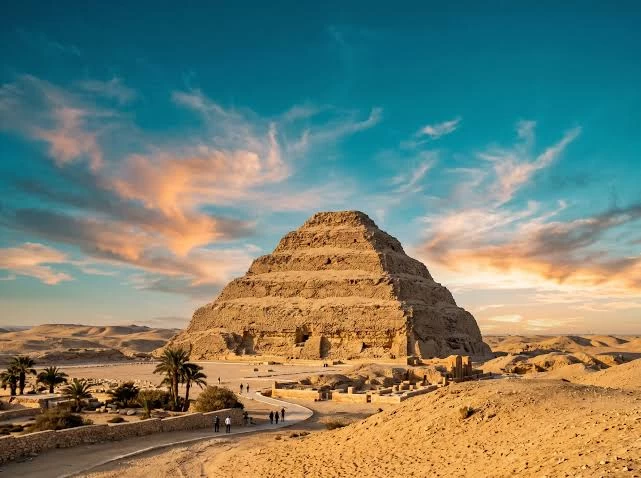
Egyptian architects refined their concepts of the royal tombs through the years. Their refined ideas led to the construction of the Step Pyramid of Djoser at Saqqara. Egypt's Pharaoh Djoser was responsible for the construction of the Step Pyramid, which is considered to be a major advancement in pyramid architecture.
The Step Pyramid also had the same steps or tiers built up above the surface of the ground, although slightly different from the previous flat-topped tombs.
The Step Pyramid of Djoser at Saqqara
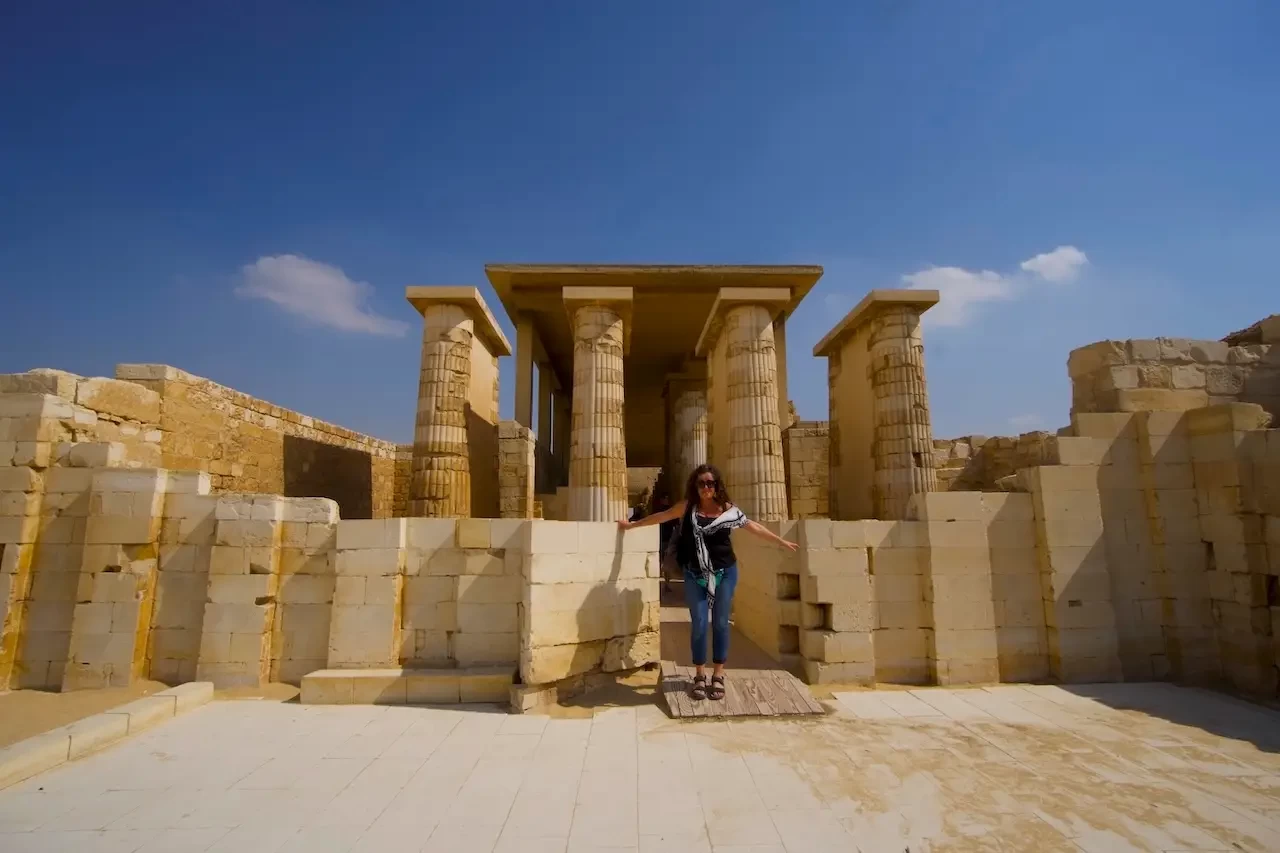
The Step Pyramid of Djoser is one of the most significant architectural structures of ancient Egypt. Architected by the eminent master architect, Imhotep, the Step Pyramid of Djoser was constructed as a royal tomb monument.
The pyramid complex boasted courtyards, ceremonial buildings and other structures related to the religious customs of the ancient Egyptians. Its design would lay the groundwork for the later, true smooth-sided pyramids.
An excursion to Saqqara lets visitors admire the Step Pyramid as well as explore one of the key archaeological sites close to Cairo.
The Development of the Egyptian Pyramids
The Step Pyramid was just the beginning of pyramid design for the ancient Egyptian builders. After the Step Pyramid, architects designed all manner of pyramids, playing with different shapes and building techniques along the way.
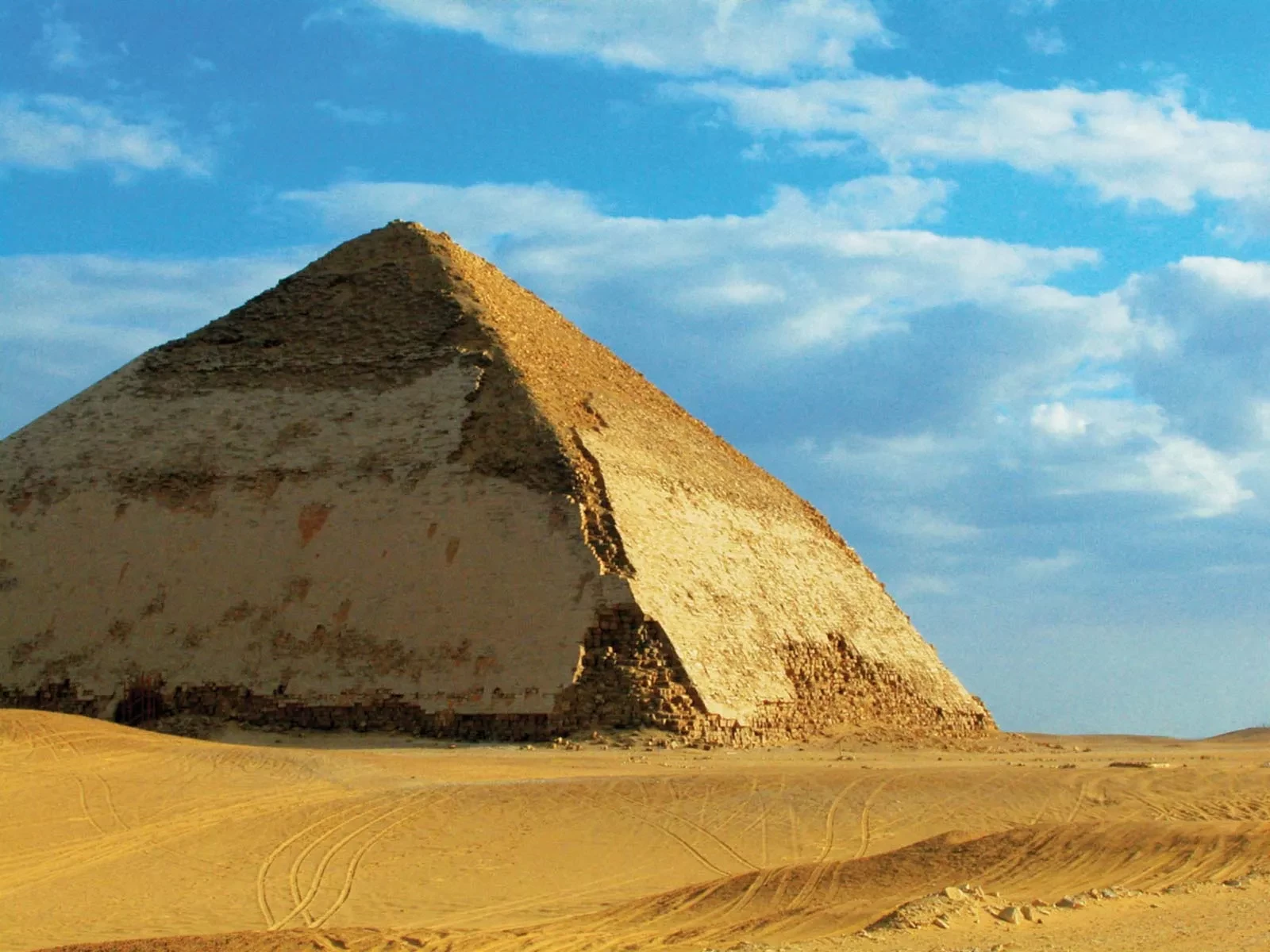
The most notable example of this progression is the Bent Pyramid at Dahshur. Its strange angle change is what makes it so well known and is evidence of the experimentation involved in the process of pyramid construction.
One other significant development in pyramid architecture is the Red Pyramid, which can be seen in the field to the south of the Bent Pyramid. It is thought to be the first successful 'true' smooth-sided pyramid.
They also demonstrate how the builders of ancient Egypt slowly built up a range of building methods which were applied on the world famous pyramids of Giza.
The Great Pyramid of Giza
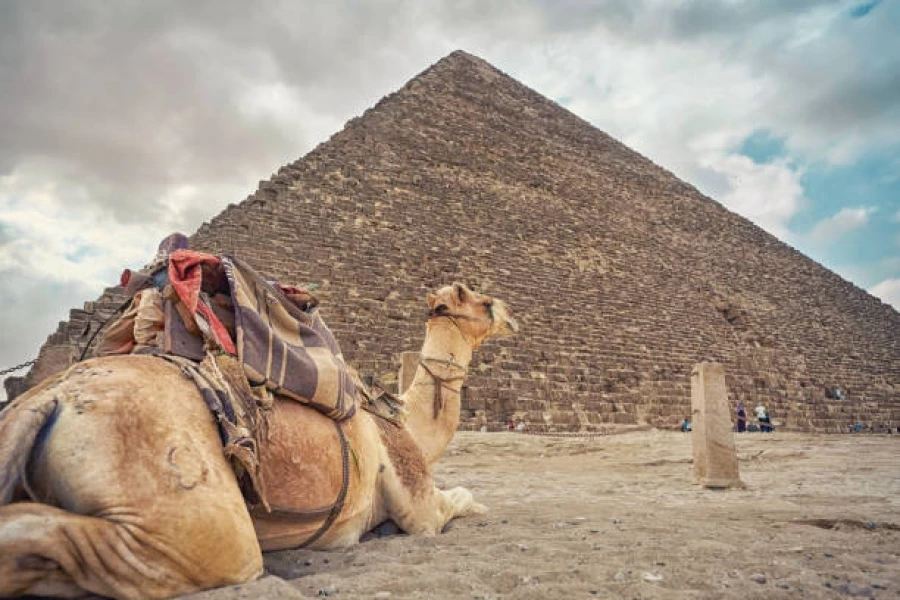
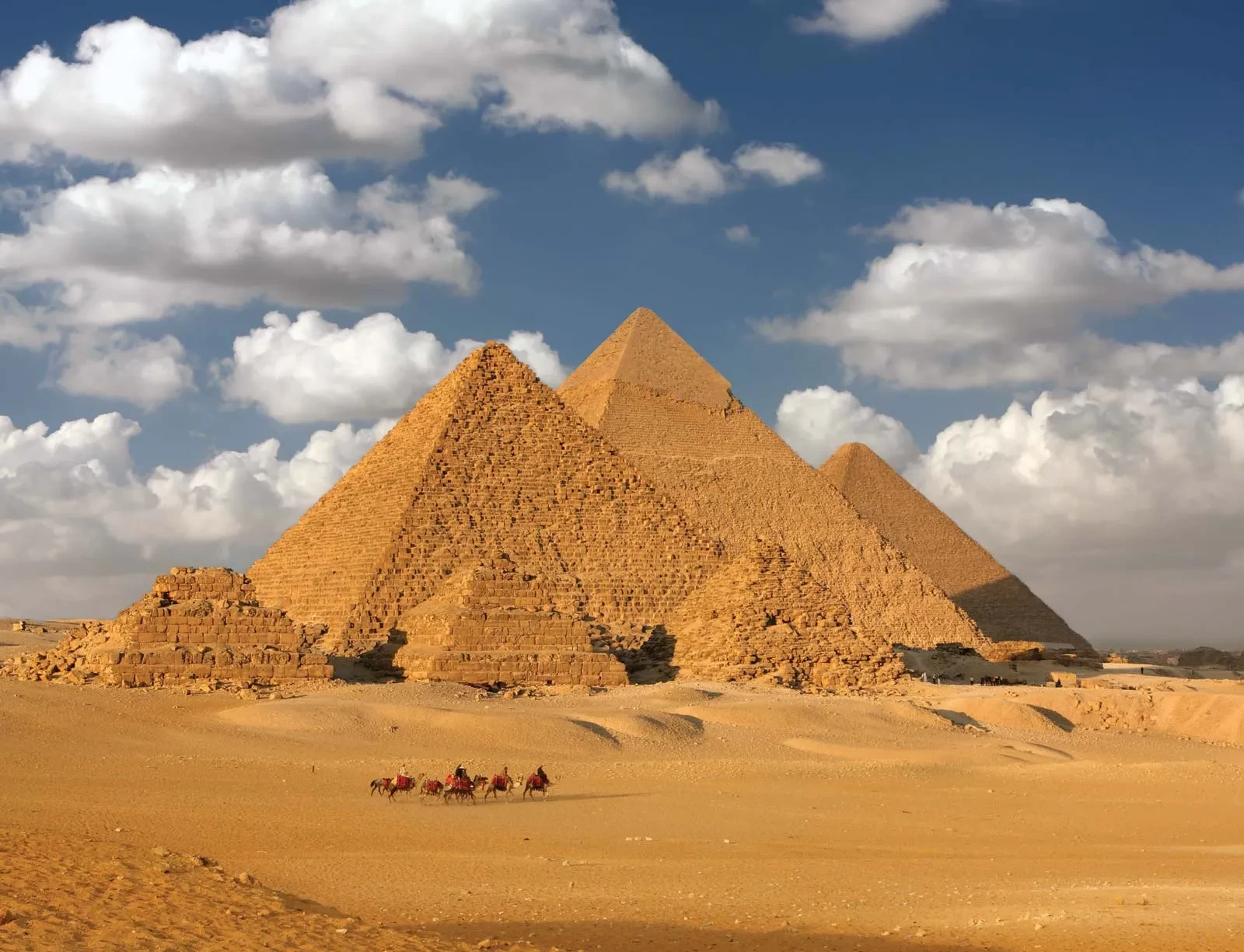
Great Pyramid of Giza Known as the biggest of the three pyramids at Giza, The Great Pyramid of Giza was built for Pharaoh Khufu as part of the Fourth Dynasty. It's perhaps the most famous pyramid of ancient Egypt.
It was once clad in smooth outer casing stones which gave it a smooth appearance, but most of these have now gone, leaving just the core of the pyramid.
Another reason the Great Pyramid is popular is because of its size and perfect construction. Because of its existence for thousands of years it is one of the most important symbols of ancient Egyptian civilization.
The Pyramids of Khafre and Menkaure
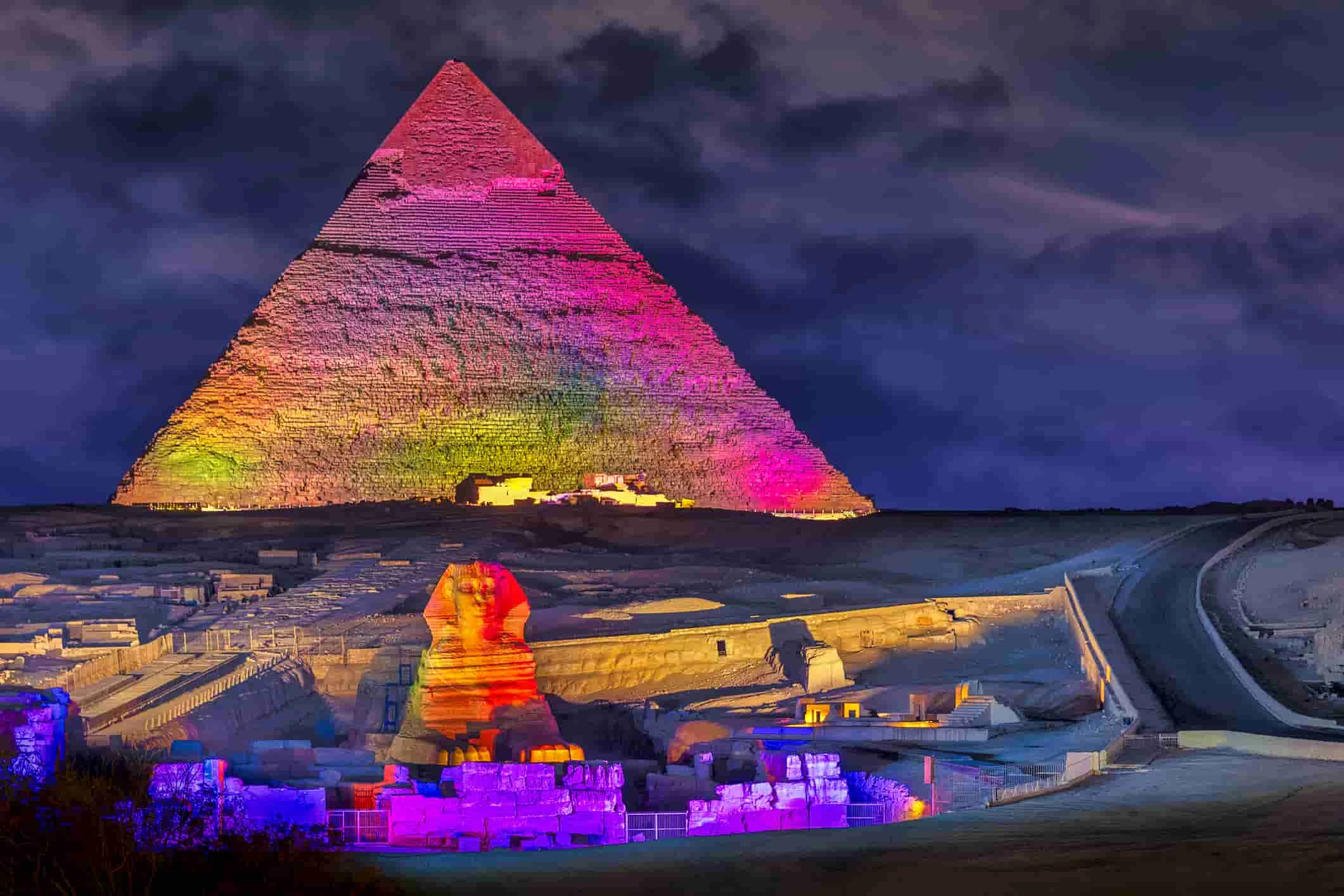
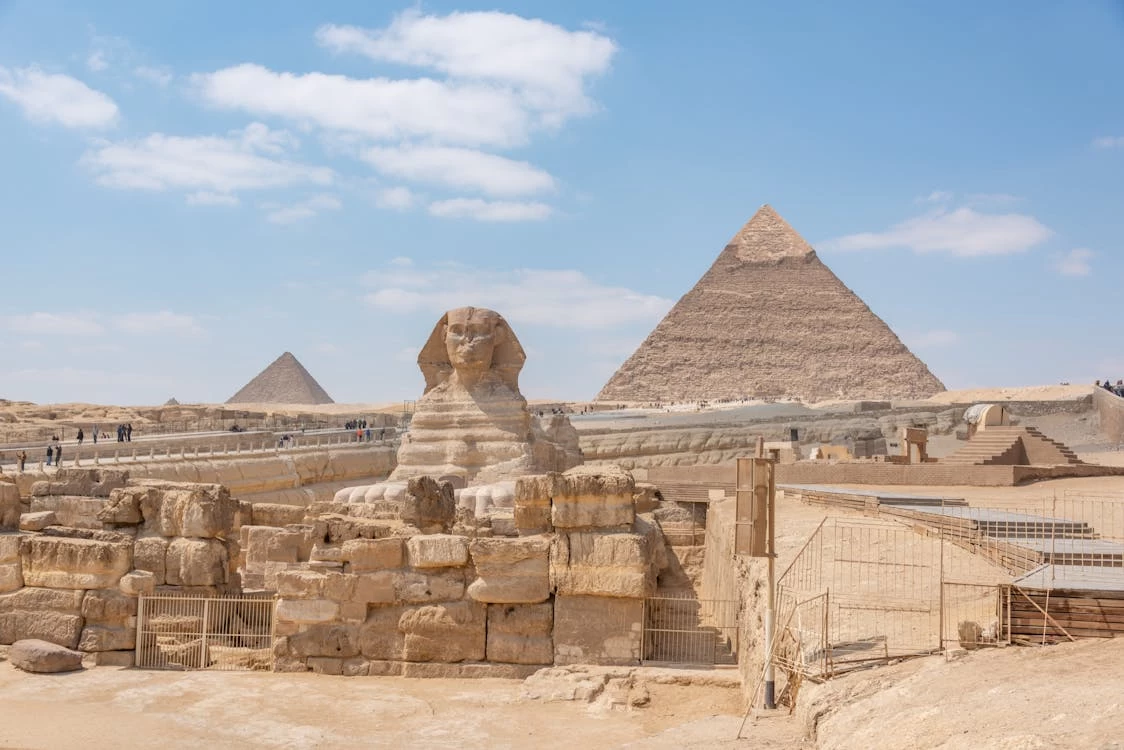
The site contains the Pyramids of Khafre and Menkaure The entire site, along with the Great Pyramid is one of the most visited archaeological sites in the world.
The Pyramid of Khafre is notable for being the only remaining section of the pyramid's original limestone encasing. The pyramid also appears taller than the Great Pyramid of some angles due to it being built up higher.
Although the Pyramid of Menkaure is the smallest of the three Great Pyramids, it remains integral to the entire complex. Visiting all three pyramids will help visitors understand the evolution of royal funerary architecture during the Fourth Dynasty.
Why Were the Egyptian Pyramids Built?
The ancient Egyptian pyramids were mostly related to the burial practices of Egyptian kings. The ancient Egyptians had a deep belief in the life after death and took much concern in getting the deceased ready for the beyond after death.
Pyramids were part of big tomb complexes which may consist of a temple, causeway, pyramid and other structures. The complexes were associated with the worship of the dead king.
The very size of the pyramids also reflected the strength of the resources of the ancient Egyptian state.
How Were the Egyptian Pyramids Built?
Building the pyramids involved planning, skilled workers, a lot of supplies and organization. Workers quarried, transported, cut and moved huge stones.
Ancient Egyptian laborers used various implements and methods when transporting and placing building materials. Although we may never know the details of how the structures themselves were assembled, archaeologists have uncovered evidence of well-coordinated construction.
The history of how the pyramids were built is one of the most intriguing aspects of ancient Egyptian history.
The Religious Importance of the Pyramids
The pyramid were closely linked to the religious ideas about death in ancient Egypt. The pharaohs were being prominent religious leaders and the funerary monuments had a significant part in royal burial practices.
The design and placement of the pyramid complex were intricately part of a religious and funerary practices. Temples and other structures surrounding the pyramids were used for ceremonies associated with the deceased ruler.
So these beliefs provide a clue as to why the ancient Egyptians went to such great lengths to build such great structures.
Egyptian Pyramids and Ancient Egyptian Civilization
They give much information about the political structure and the qualities of the ancient Egyptian civilization. To build these pyramids, architects, stone workers, transport workers, artisans, administrators and several other specialists were needed.
These monuments highlight that religion and kingly rule played a major role within Egyptian culture.
It is still awaiting the curiosity of the researchers, tourists and professional photographers who want to see one of the most fantastic legacies of the ancient Egypt.
The Egyptian Pyramids as a Tourist Attraction
Touring the Egyptian pyramids is one of the most popular activities on many trips to Egypt. See the three pyramids of Giza, the Great Pyramids of Giza, The Pyramid of Khafre, The Pyramid of Menkaure and the Great Sphinx.
In addition to the two main sites, tourists can check out other pyramids at Saqqara and Dahshur. Going to all sites offers insight into how pyramid architecture varied throughout ancient Egypt's long history.
For visitors interested in ancient history, archaeology, and culture, the pyramids offer an unforgettable experience and a chance to explore some of Egypt's most important historical landmarks.
Table of Contents
- 1- The History of the Egyptian Pyramids
- 2- The Beginnings of Pyramid Building in Ancient Egypt
- 3- The Step Pyramid of Djoser at Saqqara
- 4- The Development of the Egyptian Pyramids
- 5- The Great Pyramid of Giza
- 6- The Pyramids of Khafre and Menkaure
- 7- Why Were the Egyptian Pyramids Built?
- 8- How Were the Egyptian Pyramids Built?
- 9- The Religious Importance of the Pyramids
- 10- Egyptian Pyramids and Ancient Egyptian Civilization
- 11- The Egyptian Pyramids as a Tourist Attraction