Pharaohs of Ancient Egypt: History and Role
The pharaohs of ancient Egypt were the kings who ruled one of the longest-lasting civilizations in history. They were responsible for governing the country, protecting its people, overseeing religious ceremonies and maintaining order. The word “pharaoh” is commonly used today for the kings of ancient Egypt, although the term originally referred to the royal palace rather than the ruler himself.
The role of the king was central to Egyptian society. Ancient Egyptians connected kingship with the gods and believed that the ruler had an important responsibility to maintain maat, the principle of order, justice and balance. The history of these rulers is an important part of Ancient Egyptian History from the early dynasties and pyramid builders to the powerful kings of the New Kingdom.
Who Were the Pharaohs of Ancient Egypt?
The pharaohs in ancient Egypt were the country highest political and religious authorities. After Egypt became a unified kingdom around 3100 BC, kingship became the center of a highly organized state. The early rulers established royal institutions that later pharaohs would develop over thousands of years.
There wasn't one type of pharaoh, they all varied during the different eras they reigned. Some attempted to conquer other lands, while others built temples, reorganized administration or brought stability after times of internal division. Egypt's extensive history saw many dynasties, and distinct periods of strong and weak central governments.
What Did the Pharaohs Do?
The main job of the king was much more than simply ruling from a palace. Pharaohs were expected to protect Egypt, maintain order, oversee important religious rituals, provide justice and help manage the country economic and political affairs. The king was also responsible for protecting Egypt from internal and external threats.
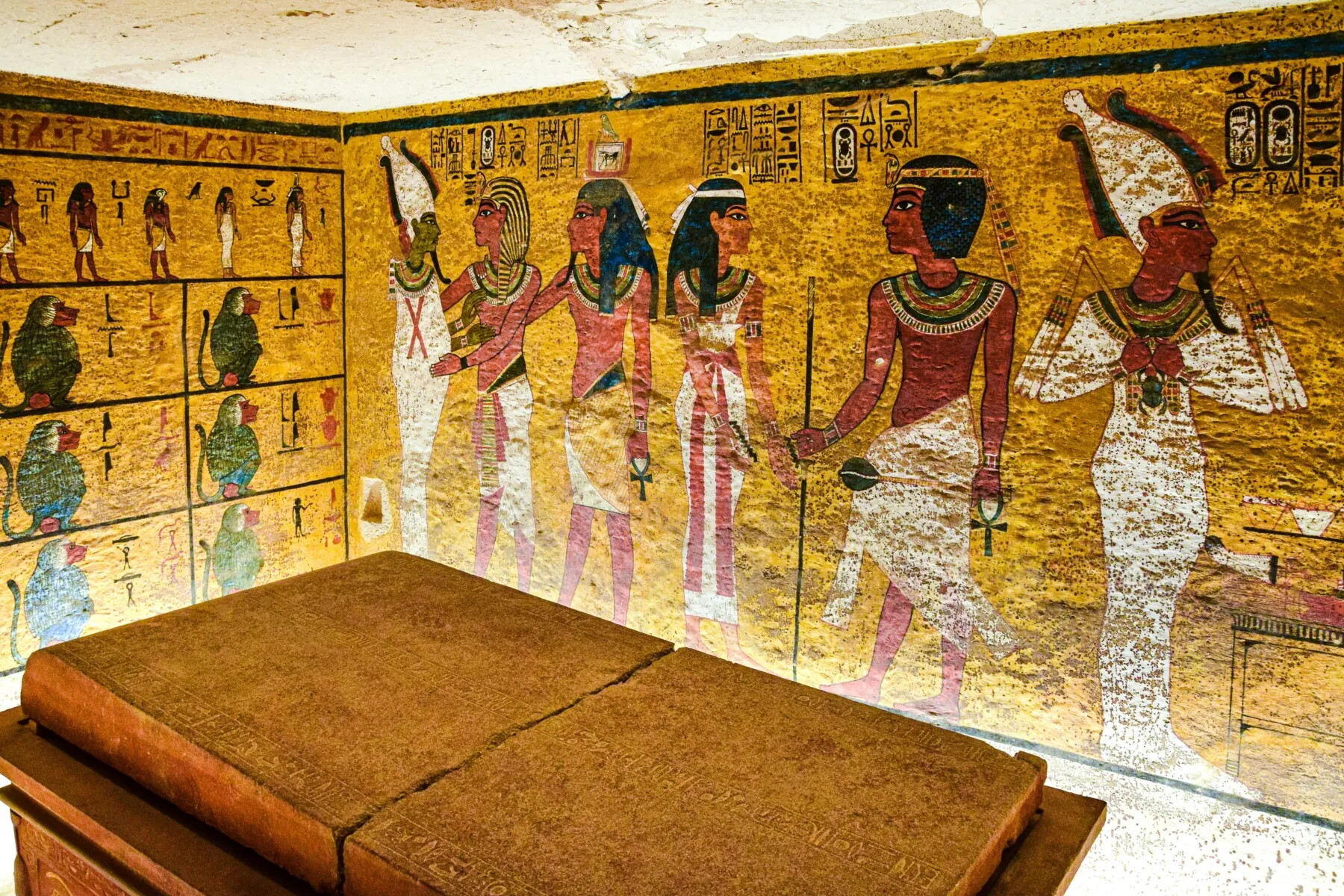
Pharaohs of Ancient Egypt also played an important role in construction and religious life. Major building projects included pyramids, temples, statues and royal monuments. During the Old Kingdom, Egyptian kings were buried in monumental pyramids, while later rulers were buried in royal tombs such as those in the Valley of the Kings.
How Did Pharaohs Rule Ancient Egypt?
The pharaoh stood at the top of a centralized system of government supported by officials, priests, scribes and administrators. These officials helped manage taxation, agriculture, construction, religious institutions and other parts of daily life. This system allowed the king authority to extend across different regions of Egypt.
Succession was usually passed from one king to another within a royal family, often from father to son, although the actual history of succession was more complicated. Royal women also had an important role in the legitimacy of the monarchy and a small number of women, including Hatshepsut, ruled Egypt as kings.
The Egyptian pharaohs were also identified through royal names and symbols. Each king traditionally had five names as part of his royal titulary, while the crowns of Upper and Lower Egypt represented the united kingdom. These details helped express the king position and connection to the Egyptian state.
Why Were Pharaohs Important to Ancient Egyptian Religion?
Religion was closely connected to kingship in ancient Egypt. The living king was associated with Horus, the god of kingship, while the deceased king was connected with Osiris. This did not mean Egyptians simply believed every individual king was literally a god; rather, the institution of kingship itself had a sacred role.
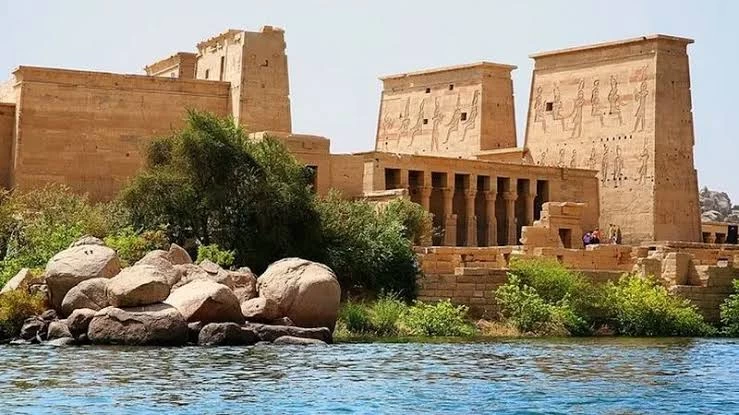
Pharaohs weren’t just political rulers. They also took part in religious ceremonies and supported temples dedicated to Egypt’s many gods. Temples were places of worship, but they were also important economic and administrative centers. The connection between kingship and religion can still be seen in the statues, reliefs, temples, and inscriptions left across Egypt.
Who Were the Most Famous Egyptian Pharaohs?
Several Ancient Egyptian pharaohs stand out today thanks to their monuments, tombs, military campaigns or major archaeological discoveries. Djoser is best known for his Step Pyramid at Saqqara, one of the earliest and most important steps in Egyptian pyramid building. Khufu is linked to the Great Pyramid of Giza, constructed during the Fourth Dynasty.
Later rulers such as Hatshepsut, Akhenaten, Tutankhamun, Seti I and Ramesses II also played important roles in Egyptian history. The New Kingdom, in particular, was a period when pharaonic power reached a peak with Egypt becoming a major regional power and expanding its influence beyond the Nile Valley.
For travelers interested in the people, monuments and beliefs of ancient Egypt, exploring our Ancient Egyptian History section offers more guides to the pharaohs, pyramids, temples, religion and archaeological sites that shaped this civilization.