Famous Pharaohs of Ancient Egypt: Kings Who Shaped History
Ancient Egypt was ruled by hundreds of kings over a history that lasted for thousands of years but some famous pharaohs are still widely remembered today. Their names are connected with great pyramids, temples, military campaigns, religious changes and discoveries that have helped historians understand ancient Egyptian civilization.
The stories of the most famous pharaohs in ancient Egypt cover very different periods and personalities. Some became known for major building projects while others changed religious practices or left behind remarkable royal tombs. In this guide we explore several well known Ancient Egyptian pharaohs and the reasons they remain important today.
Who Were the Most Famous Pharaohs in Ancient Egypt?
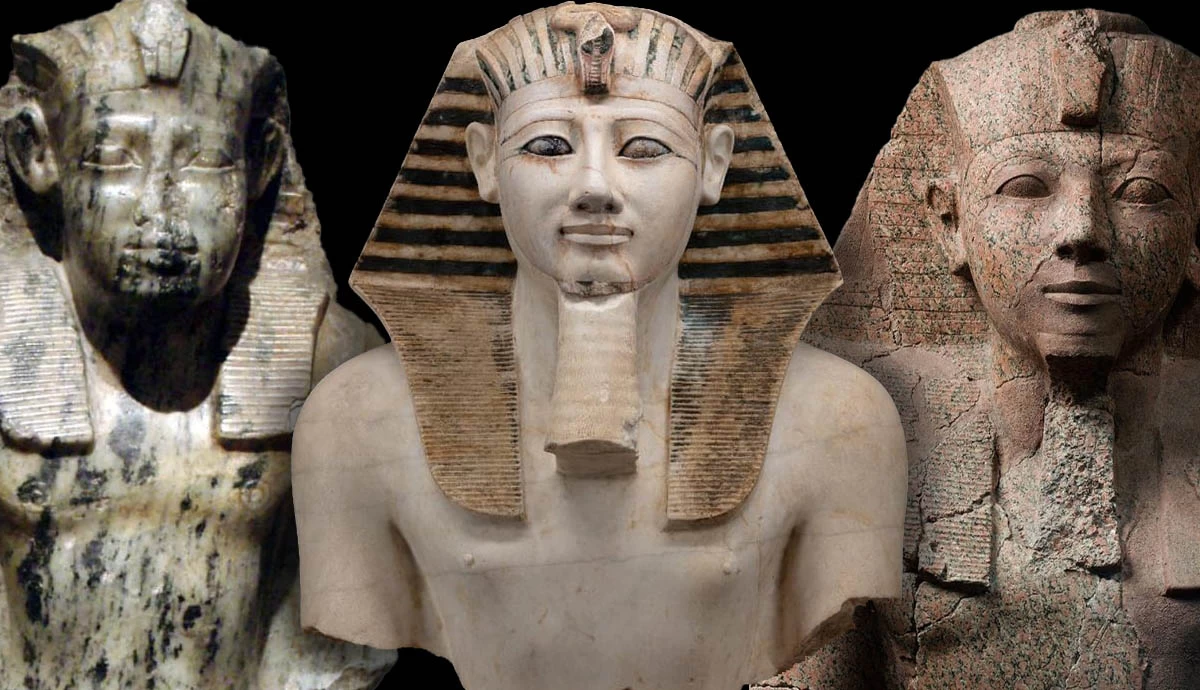
There is no single list of the “most famous” pharaohs but several rulers stand out because of the monuments and historical evidence connected to their reigns. Among them are Khufu, Hatshepsut, Tutankhamun and Ramesses II, each of whom ruled during a different part of ancient Egyptian history.
Their achievements also show how Egypt changed over time. Khufu belonged to the Old Kingdom and is closely associated with the Great Pyramid of Giza. Hatshepsut ruled during the New Kingdom and became known for her building projects and long-distance trade. Tutankhamun became famous largely because his tomb was discovered with much of its burial equipment still inside while Ramesses II ruled for about 66 years and left numerous monuments across Egypt.
Why Was Pharaoh Khufu Famous?
Khufu also known as Cheops, was a king of Egypt Fourth Dynasty. He is best known as the ruler associated with the Great Pyramid at Giza the largest of the three main pyramids on the Giza Plateau.
The Great Pyramid was built as a royal tomb and became one of the most remarkable achievements of ancient Egyptian architecture. Its enormous scale reflects the ability of the Egyptian state to organize large numbers of workers, materials and resources for a major royal project.
Khufu's reign belongs to the Old Kingdom, a period strongly associated with pyramid building. Although relatively little is known about his personal life compared with later rulers, the monument connected to his reign has made his name one of the best known among the Egyptian pharaohs.
What Is Pharaoh Hatshepsut Known For?
Hatshepsut was one of the most important female rulers in ancient Egypt. After the death of Thutmose II she assumed the role of king and ruled during the Eighteenth Dynasty. She adopted the traditional symbols and titles of kingship, presenting herself as the legitimate ruler of Egypt.
Hatshepsut is especially known for her impressive building projects. Her mortuary temple at Deir el-Bahri, on the west bank of the Nile at modern Luxor, was designed on three levels and remains one of the most recognizable monuments associated with her reign.
Her reign was also connected with trade and economic activity. Reliefs at her temple record the famous expedition to Punt, which brought valuable goods back to Egypt. Hatshepsut monuments and inscriptions provide an important look at how royal power was presented during the New Kingdom.
Why Is Tutankhamun One of the Most Famous Pharaohs?
Tutankhamun was a relatively young ruler of the Eighteenth Dynasty but he became one of the most famous pharaohs in modern times because of the discovery of his tomb. He became king at about nine years old and ruled during the period when Egypt was moving away from the religious changes introduced by Akhenaten.
His tomb in the Valley of the Kings was discovered by Howard Carter in 1922. Unlike many other royal tombs, it still contained a remarkable collection of objects, including furniture, jewelry, chariots, shrines, coffins and the famous gold funerary mask. The discovery brought worldwide attention to Tutankhamun and remains one of the most important archaeological discoveries connected with ancient Egypt.
Tutankhamun's reign was relatively short so his historical importance comes less from large military campaigns or a long building program and more from the evidence preserved in his tomb. His burial collection has helped researchers and visitors learn more about royal life, art, religion and burial traditions during the New Kingdom.
What Did Ramesses II Accomplish?
Ramesses II also known as Ramesses the Great, ruled Egypt during the Nineteenth Dynasty for about 66 years from approximately 1279 to 1213 BC. He is remembered for his long reign, military campaigns, and extensive building program.
Large statues, temples, inscriptions, and other monuments across Egypt are associated with his reign. His mortuary temple, the Ramesseum, stood on the west bank of the Nile at Thebes, while his name appears on monuments in several parts of Egypt. The British Museum describes him as one of ancient Egypt's most powerful pharaohs.
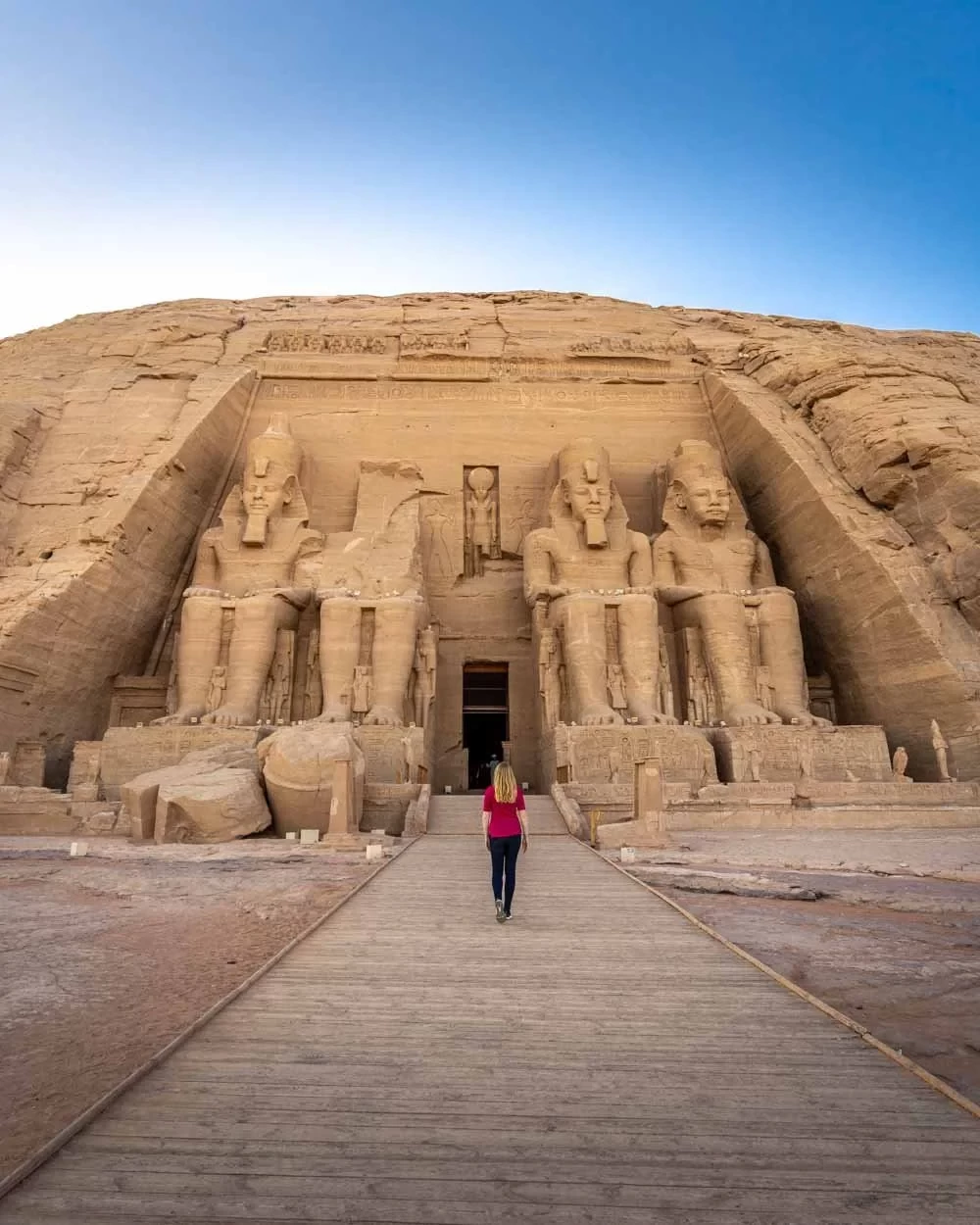
Ramesses II is also closely associated with Abu Simbel, although the site was created as part of a much wider royal building program in Nubia. His reign came during a powerful period of the New Kingdom, when Egypt played a major role in the politics of the eastern Mediterranean and Near East.
Other well-known rulers, including Djoser, Thutmose III, Akhenaten, Seti I and Ramesses III also played important roles in Egyptian history. Djoser is closely linked with the Step Pyramid at Saqqara, while Akhenaten is remembered for his dramatic religious changes and the establishment of the city of Akhetaten.
The history of the famous Egyptian pharaohs is closely connected to the monuments and archaeological sites that visitors can still explore today. Khufu Great Pyramid, Hatshepsut temple, Tutankhamun royal tomb and the monuments of Ramesses II each tell a different story about ancient Egyptian society and kingship.
Learning about these rulers also makes it easier to understand the wider history behind Egypt's temples, pyramids, tombs and museums. To explore more stories about the rulers, beliefs, monuments and culture of ancient Egypt, visit our Ancient Egyptian History section for more guides about this fascinating civilization.