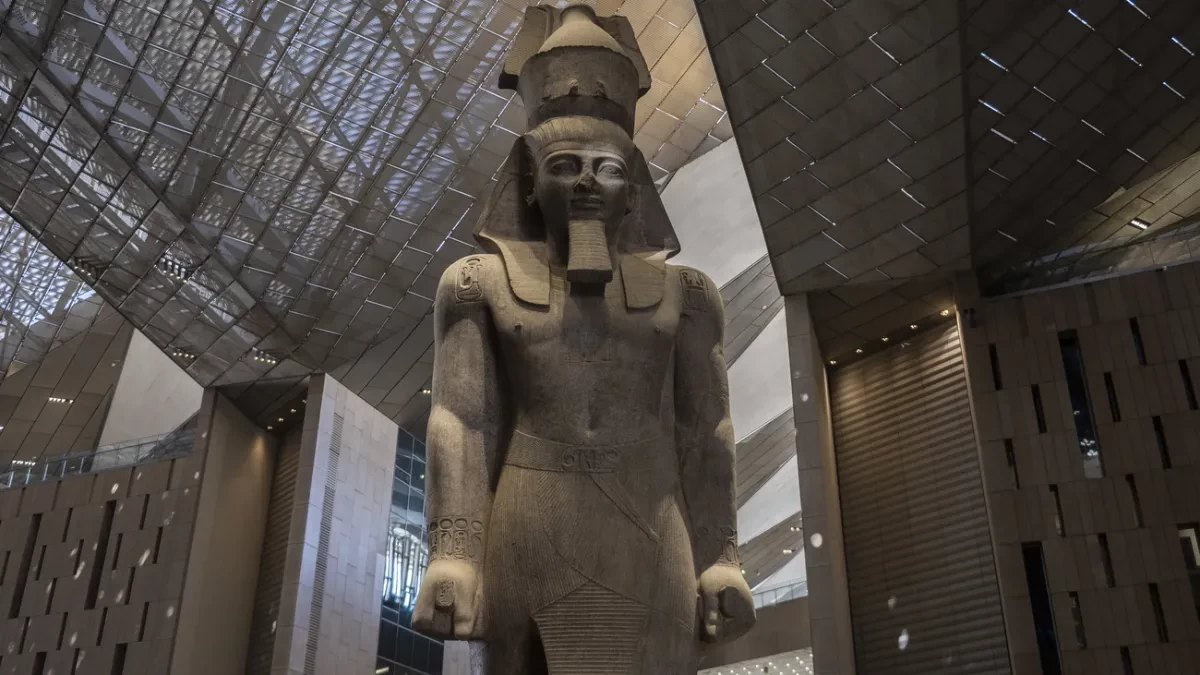
Discover Ramses the Great: Pharaoh of Ancient Egypt
Ramses II, also known as Ramses the Great, was one of the most powerful and celebrated pharaohs of ancient Egypt. He ruled during the 19th Dynasty and is remembered for his long reign, military campaigns, impressive building projects, and significant contributions to ancient Egyptian civilization.
Explore some of the most famous sights and monuments built by Ramesseum as a proudly placed the peak of his career and from the glorious temples of Abu Simbel to the Ramesseum at luxor preserved well and open for tourists. The time when Ramses II was king gave a learned insight into Egypt's architecture and kingship traditions.
Visit the story of Ramses II and the historical sites related to his time on your Egypt tours trip.
Ramses II: The Great Pharaoh of Egypt
Ramses II, also known as Ramses the Great, was one of the most famous pharaohs of ancient Egypt. He ruled for a long time. He led major wars. He also built many large structures. Because of this, his name still gets repeated in books and in museums. You can see reminders of him at Abu Simbel Temple and also in the Luxor area. Those places connect us to what life looked like in his era.
Learn more about Ramses II. Look at what he did in power. See the monuments tied to his reign. His lasting impact is clear in the remains he left.
Who Was Ramses II?
Ramses II was a pharaoh of the 19th Dynasty. He was the third ruler in that line. Most accounts place his reign around 1279 to 1213 BC. Over time, people began to call him Ramses the Great. This was linked to how long he ruled and what he accomplished. It also fits his many building efforts.
He lived in the New Kingdom period. That era is often linked with strong control and wealth in Egypt. Ramses II is described as someone who pushed Egypt’s reach further. He also focused on keeping lands under Egyptian control. At the same time, he worked to build his image as a strong leader.
His statues, temples and inscriptions are preserved as important historical monuments today and can provide visitors with some insight into the splendour of ancient Egypt.
The Early Life of Ramses II
Ramses II was a member of the Egyptian royal family. His father, Seti I, was a 19th Dynasty pharaoh who was training him to be king as a boy.
Under the young prince Ramses, he gained knowledge in the field of the military and the government. He participated in military campaigns with his father and then assumed responsibilities gradually.
When he came to the throne, pharaoh Ramses II carried on his family's work of bolstering Egypt's influence in the ancient world.
The Reign of Ramses the Great
Ramses II reigned for approximately 66 years. Ramses II became a pharaoh with the longest reign in Egyptian history, lasting approximately 66 years. During his reign, Ramses II engaged in warfare, pursued diplomatic initiatives and undertook a number of construction projects.
He also put himself forward as a mighty defender of Egypt and ordered monuments to be built to him that displayed his success. A number of these monuments were decorated with hieroglyphs and images of the pharaoh with Egyptian gods.
His time in power changed the face of the land of Egypt and has been a popular subject of historians and tourists alike.
Ramses II and the Battle of Kadesh
The Kadesh Battle was one of the biggest battles fought by Rameses II against the Hittite Empire in 1274 BC in today's Syria.
The battle played a big role in creating the image of Ramses as king. The Egyptians recorded him as a brave soldier who boldly fought against his enemies.
Long after the war was over, however, Egypt and the Hittites eventually entered into a peace treaty. The peace treaty between Egypt and the Hittites is frequently considered to be the oldest existing international peace agreement.
The Temples and Monuments of Ramses II
Ramses II also built many temples, statues and monuments across Egypt. A significant number of these were constructed to show the power of the King, to worship the gods and to make sure the name of Ramses II was kept alive.
Abu Simbel Temples
One of the most well-known monuments of Ramses II are the Abu Simbel temples. Situated in southern Egypt, the temples are renowned for the colossal seated statues carved into the mountainside.
The Great Temple was devoted to Egyptian gods and to Ramses II. It is a large structure with highly decorated columns and it is popular among tourists who come to see the old Egyptian architecture.
The Ramesseum in Luxor
The Ramesseum is the funerary temple of the Egyptian pharaoh Ramses II on the west bank of the Nile at Luxor. Today, the complex includes a number of enlarged statues, courtyards, halls, and chapels.
Despite the destruction of parts of the temple, travelers can walk through the ruins and learn about the colossal building projects undertaken by the pharaoh.
Luxor and Karnak Temples
Ramses II also left his mark on the imposing landscape of ancient Thebes, Egypt, which is today Luxor. At Karnak Temple, he built temples and inscribed inscriptions that testified to his strength as a king and his piety as a ruler.
Statues and architectural elements of Ramses II are still incorporated into the site at Luxor Temple.
Ancient Egyptian Temples What's a trip to Egypt without a visit to a temple? It's not possible to visit the land of Pharaohs without exploring the religious and political realms of ancient Egypt and Ancient Egyptian History.
Ramses II and Ancient Egyptian Architecture
Ramses II is remembered for the scale and number of monuments built during his reign. His projects included temples, colossal statues, and additions to existing religious complexes.
These edifices were intended to pay homage to the gods and, more than anything, to transmit the power of the pharaohs. Their inscriptions and their bas-reliefs also serve as a source of information on life as a king, religion, and history.
Visitors still go to the monuments of Ramses II to experience the architecture of ancient Egypt.
Ramses II's Family and Royal Life
Ramses II had many wives and children. One of his wives, Nefertari, was so special that her tomb in the Valley of the Queens is famous for its vibrant wall paintings.
The tomb of Nefertari presents a glimpse of the burial practices of ancient Egypt as well as the artistic brilliance of the ancient Egyptians. A temple of Nefertari was also constructed by the Ramses II at Abu Simbel.
His family was a central part of the 19th Dynasty royal family and succession.
The Tomb and Mummy of Ramses II
Ramses II was interred in the Valley of the Kings close to Luxor. His tomb was disturbed and his mummy was relocated during antiquity to safeguard it from looters.
The remains of Ramses II were later found in a royal cache, and he is now kept at the National Museum of Egyptian Civilization in Cairo.
His mummy being well-preserved allows a tangible link to the remains of one of ancient Egypt's most renowned Pharaohs.
Table of Contents
- 1- Ramses II: The Great Pharaoh of Egypt
- 2- Who Was Ramses II?
- 3- The Early Life of Ramses II
- 4- The Reign of Ramses the Great
- 5- Ramses II and the Battle of Kadesh
- 6- The Temples and Monuments of Ramses II
- 7- Ramses II and Ancient Egyptian Architecture
- 8- Ramses II's Family and Royal Life
- 9- The Tomb and Mummy of Ramses II