Al-Muizz Street Cairo: A Journey Through Islamic History
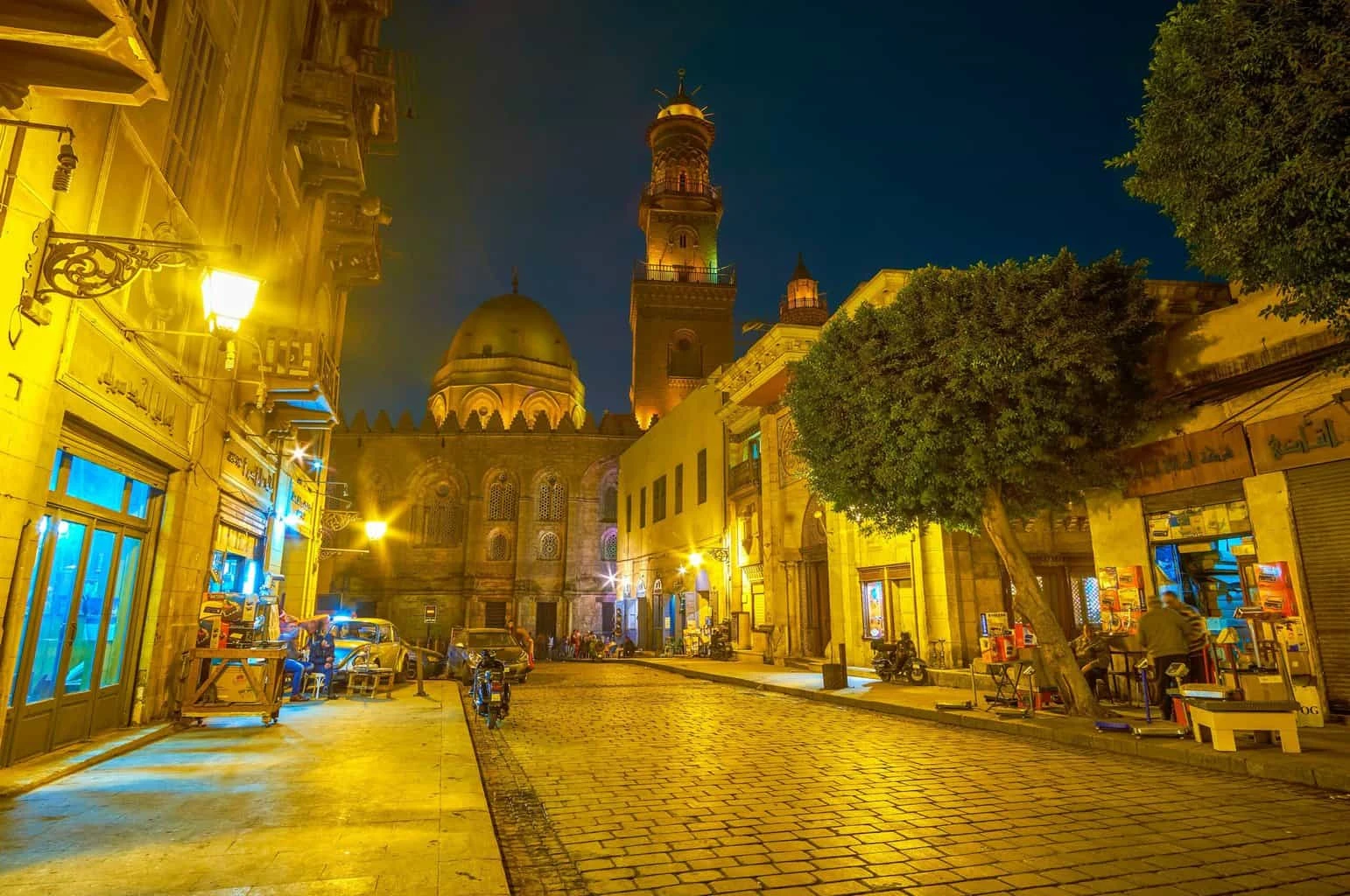
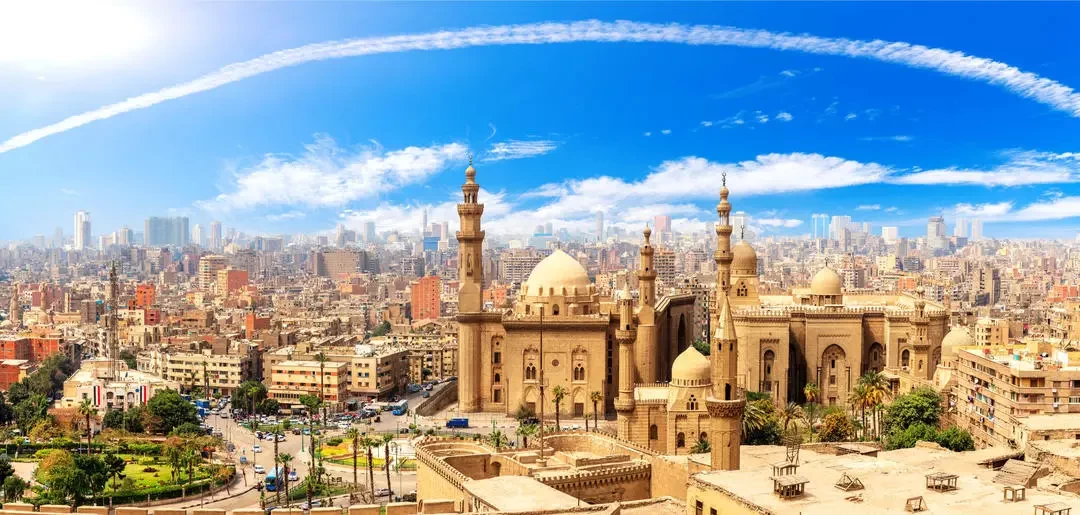
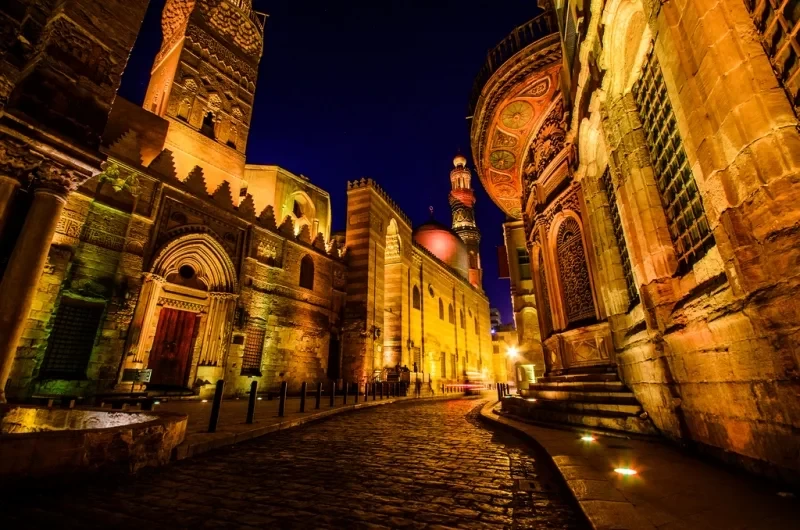
The street of Al-Muizz of Cairo is one of the greatest historical streets in Egypt and a great opportunity to immerse into the world of architectural and cultural heritage of Islamic Cairo. The street goes through the heart of historic Cairo and features mosques, madrasas, mausoleums, gates, and other historic buildings that date back to the time when Cairo was being developed in the Islamic times. A walk along the street provides a totally different experience compared to walks on the streets of modern Cairo due to the intricate stone carvings and other decorations of its façade and busy life.
As the name of the street suggests, the street of Al-Muizz has been named after the Fatimid caliph Al-Mu'izz li-Din Allah and has played a significant part in the history of Cairo since the time of the Fatimids. At present, the street is a must for any traveller who wants to learn more about Islamic Cairo. The landmarks that can be seen at the street include Bab Zuweila, Sultan Qalawun Complex, Al-Aqmar Mosque, and historic Khan El Khalili.
How Al-Muizz Street Became a Landmark of Historic Cairo
The street is named after Al-Muizz Li-Din Allah, who was the Fatimid Caliph, responsible for making Cairo the capital of Fatimids rule of Egypt during the 10th century. The route developed as the city developed and played an important role in Cairo's politics, religion, and commerce.
Al-Muizz became a notable architectural feature especially during the Mamluk period due to the many mosques, madrasas, mausoleums, fountains, and houses constructed by patrons or rulers during that time. However, the buildings were not just places where people would pray but were also an expression of the wealth, prestige, and achievements of those who constructed them.
Al-Muizz has become an architectural gem for the city of Cairo, and walking through the street will show various stages of development of the city instead of only one stage of it. In addition to the Fatimid constructions, one can see Mamluk and even Ottoman-era buildings.
For everyone who wants to research the history of Al-Muizz Street, this location has an opportunity to learn about the development of Cairo into the city of the Islamic medieval world.
Architectural Treasures That Define Al-Muizz Street
Amazing architecture is among the key factors that make the street popular among tourists. The street features an extensive range of ancient architectural monuments, which have their unique architecture. For instance, Al-Aqmar Mosque is well known for the unique architectural style featuring a façade of stone decorated with floral and geometrical ornaments. It is notable for the small scale as compared with other religious complexes located in Cairo.
The complex of Sultan Qalawun includes three buildings of religious character – mosque, madrasa and mausoleum and represents a unique architectural ensemble that features beautiful interiors, rich stone ornaments, domes, which demonstrate the complexity of Mamluk architecture.
Bayt Al-Suhaymi is another historical building of Cairo, which can be seen in this area. Unlike the huge religious structures, it is devoted to the way of life of ancient families and demonstrates a house of rich Egyptians, which is characterized by beautiful courtyards, mashrabiya wooden balconies and private rooms.
It is possible to say that the buildings remaining on Al-Muizz Street show that Islamic architecture of Cairo included not only mosques but also other structures of various purposes.
From Ancient Mosques to Traditional Workshops
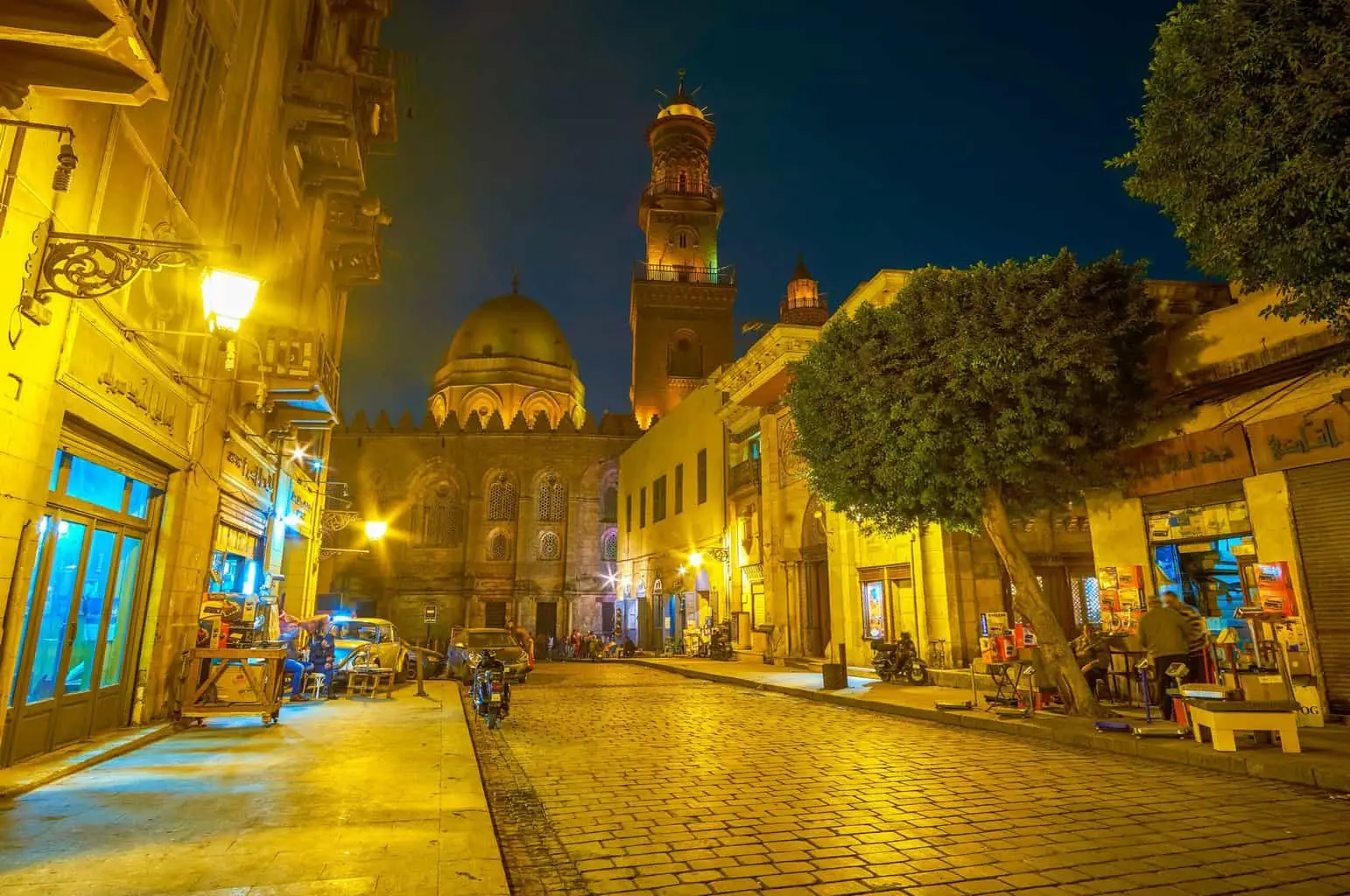
Despite being known for its monuments, Al-Muizz Street is not just an archaeological site. It is still a part of Cairo's urban fabric where local businesses coexist with historic buildings. The passer-by can meet local craftsmen, small shops, food stalls, and workshops adding authenticity to this historic quarter.
The commercial aspect acquires its particular significance when one moves into the parts of the historic street that connect it with Khan El Khalili Bazaar. There people can find a wide range of traditional Egyptian goods like lanterns, jewelry, fabrics, spices, leather items, and handicrafts. Shopping in these stores gives the visitor yet another angle on the historical significance of this Cairo district, which has retained its economic activity.
Another element of the trip is the food component. Restaurants and cafes near the historic district provide the opportunity to taste traditional Egyptian dishes and beverages.
The Historic Route from Bab Zuweila to Cairo's Medieval Centre
Visiting Al-Muizz Street should be viewed as touring various historic zones instead of visiting one historic site. Bab Zuweila, one of the oldest gates in Cairo, offers an excellent introduction to the discovery of the historic southern part of Cairo. Once part of the defensive walls of the ancient city, its towers still provide an interesting example of medieval Cairo.
Moving through historic sites, tourists can see mosques, mausoleums, traditional houses, and old trading places. Changing architectural styles help tourists understand different stages of growth of the city. The path finally ends up at the zone adjacent to Khan El Khalili and Al-Hussein, combining historic landmarks with markets and cafes.
At the same time, this zone makes the Al-Muizz Street especially valuable for tourists who have decided to see the whole Islamic Cairo. Instead of moving from attraction to attraction across the whole city, tourists will be able to discover various major attractions within the historic zone.
The best result is achieved by spending enough time on the tour to be able to walk slowly, observe particular historic sites, take photos, and explore side streets.
Experiencing Al-Muizz Street
Al-Muizz Street should be walked in order to enjoy the architecture and small landmarks that one can find by walking there. Visitors need to wear comfortable shoes since sightseeing in this historic district requires a lot of walking both on the pavement and streets that have uneven paving. One might also consider travelling to this district during cool months, especially October – April.
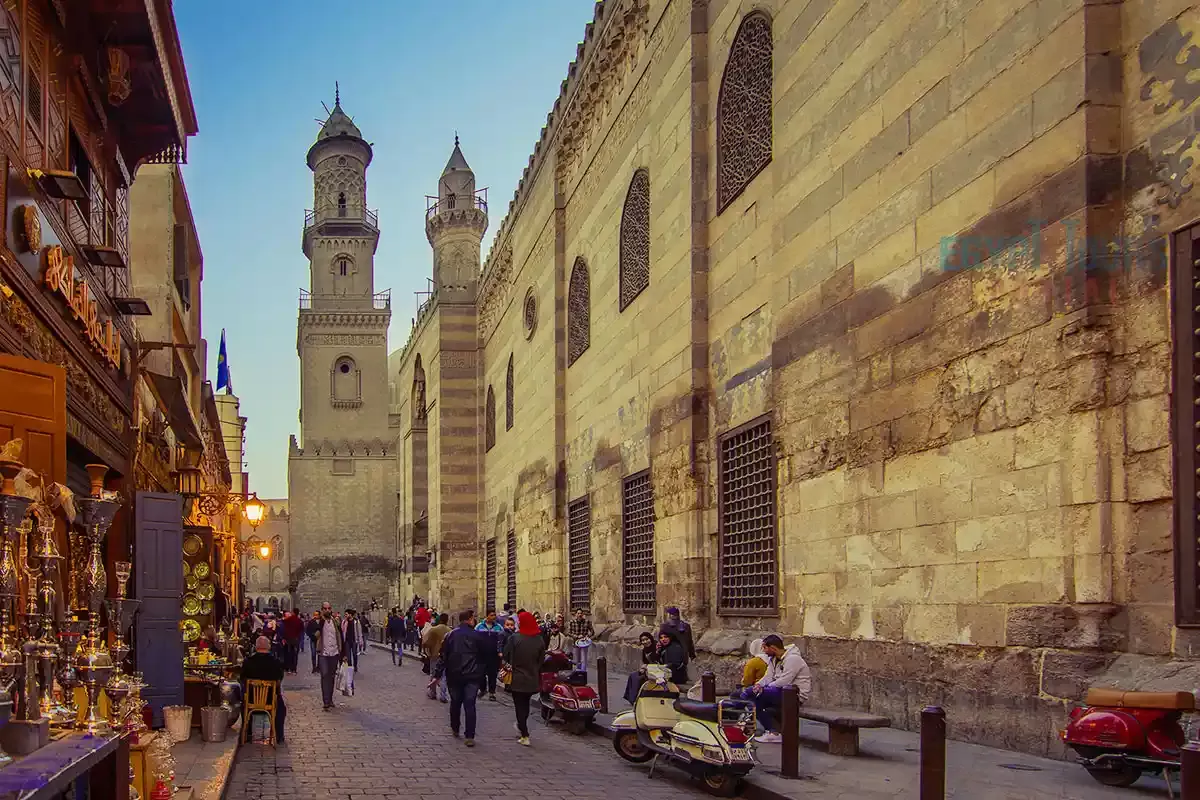
Late afternoon might be a good time to start sightseeing since the place becomes alive and the light gets better for photography. Morning might suit travelers better who prefer calm environment and more time for examination of the monuments.
One should respect religion and dress accordingly when visiting mosques and other religious buildings; one should also pay attention to any restrictions concerning photography in those buildings. Personal belongings should be secured at all times, especially when moving around crowded markets.
It will take visitors two or three hours to explore Al-Muizz Street, though adding Khan El Khalili, Al-Azhar Mosque and other sights to one's tour, it will require whole day for sightseeing of Historic Cairo., making it an excellent addition to Cairo day tours.