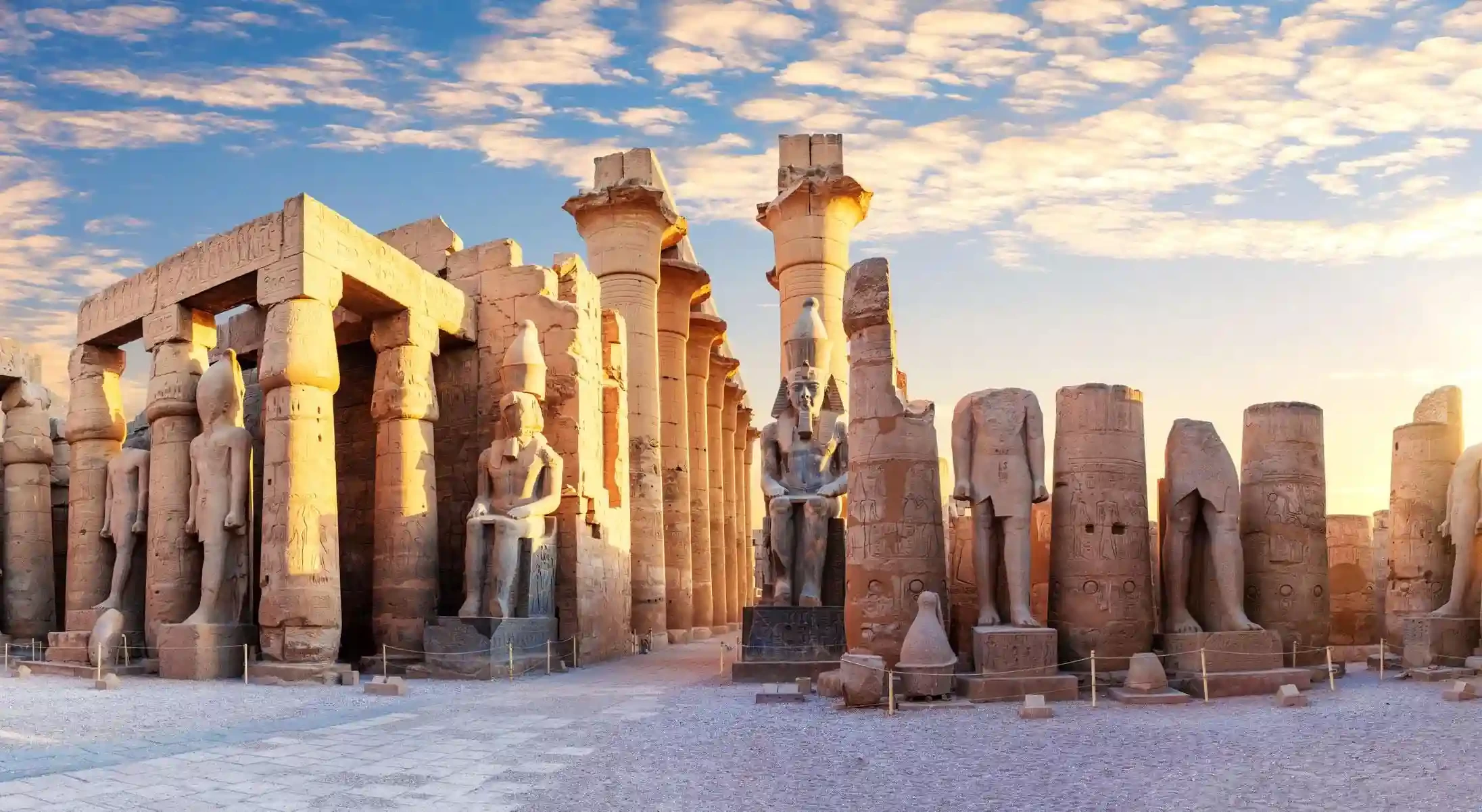
East Bank Luxor: Explore Temples, Culture and Nile Life
East Bank Luxor is the fusion of some of Egypt’s finest archaeological sites and the bustling nature of a contemporary Egyptian city. It was once the religious hub of ancient Thebes and it boasts impressive archaeological structures such as Karnak and Luxor Temples, which give insights into the rituals, architecture, and culture of the ancient Egyptians. Not only does East Bank Luxor present a visitor with historical attractions but also the opportunity to visit the Nile Corniche, to visit local markets and to try some authentic Egyptian dishes. It is also easy from the East Bank to access other parts of the city, including the famous West Bank attractions, making it an excellent base for Luxor tours.
East Bank Luxor: Discover Temples, History and Life Along the Nile
East Bank of Luxor is an interesting mixture of monuments, bustling streets, culture, and ordinary life in Egypt. In ancient times, it was the center of ancient Thebes and had a strong association with temples devoted to gods and rites of the city. Nowadays, it has become one of the most attractive territories for exploration that is famous for two main historical places – Karnak Temple and Luxor Temple.
In contrast to West Bank, where tourists have an opportunity to visit royal tombs and other mortuary monuments, East Bank provides a completely new perception of ancient Luxor because the temples there have been associated with religious rites, festivals and political importance of Thebes. Besides historical monuments, tourists are able to stroll along the Corniche on the Nile River, visit markets, enjoy food and coffee at restaurants and cafes, and get familiar with the modern atmosphere of Luxor.
Moreover, the territory of East Bank is perfect for travelers who are planning to explore the city because they have a wide choice of hotels, restaurants, shops and transport there. It is possible to devote a whole day to visit the temples on East Bank, or combine it with another bank in Luxor tours.
What Makes Luxor’s East Bank Historically Important?
The East Bank of Luxor lies on the grounds of ancient Thebes – one of the key cities of the ancient Egyptian civilization. During the period of the New Kingdom, Thebes gained its prominence as a city where the most powerful pharaohs of that time built their capitals.
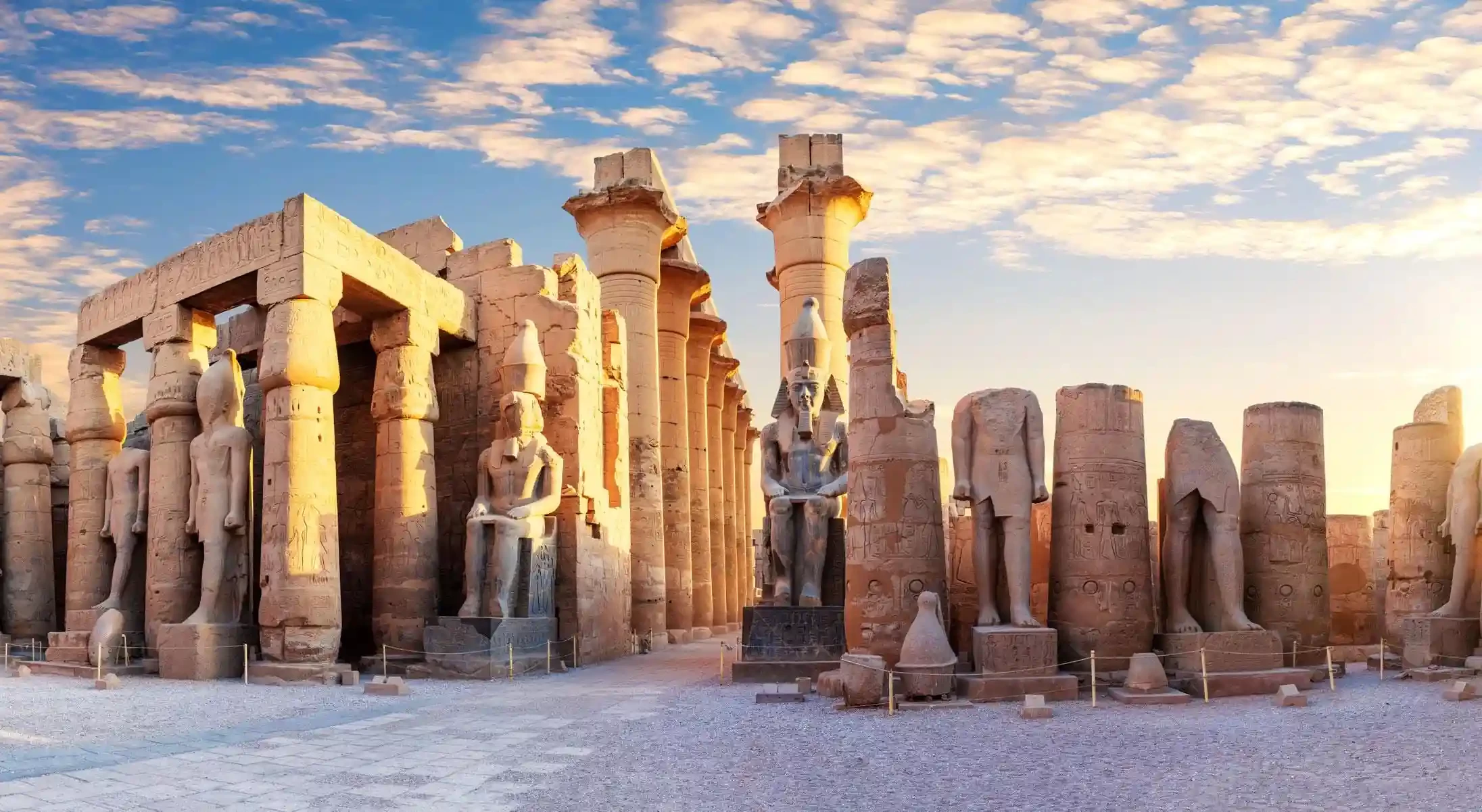
Monuments of ancient Thebes, such as Karnak Temple and Luxor Temple, are not stand-alone buildings but only a small part of the vast sacred area. Karnak is the temple complex developed during many centuries and becoming one of the key temples in Egypt. Luxor Temple is closely related to royal celebrations and the annual festival Opet.
Ancient Thebes also had close connections with the West Bank via religious processions and the route going across the Nile River. This explains why visiting the both sides gives more complete image of ancient Thebes.
At present time, the East Bank represents the union of the unique archaeological sites and modern Luxor. It is possible to go from the ancient courtyards of the temples directly to the streets of the modern city, cafes, markets, and the banks of the Nile.
Karnak Temple and the Sacred Heart of Ancient Thebes
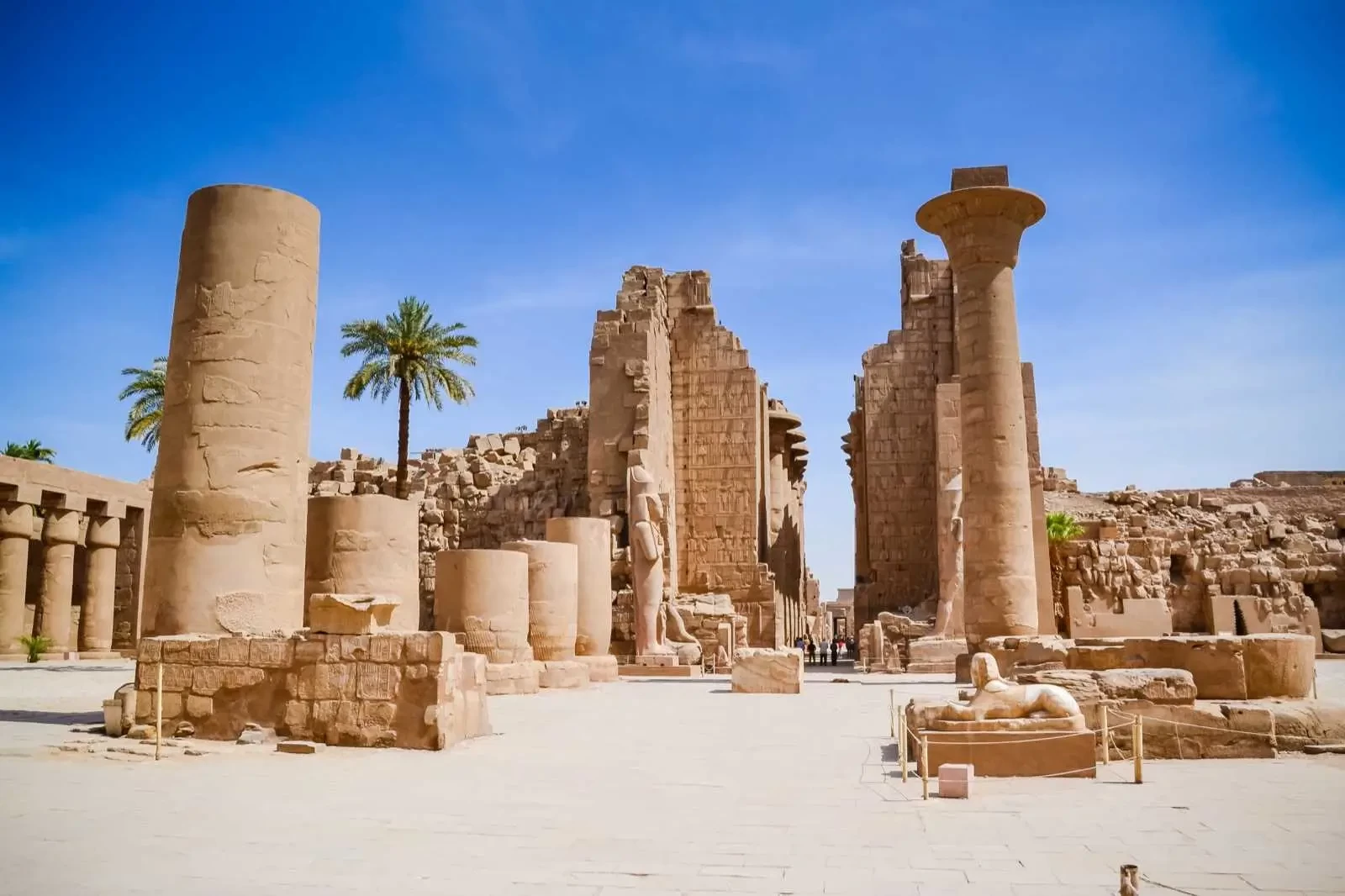
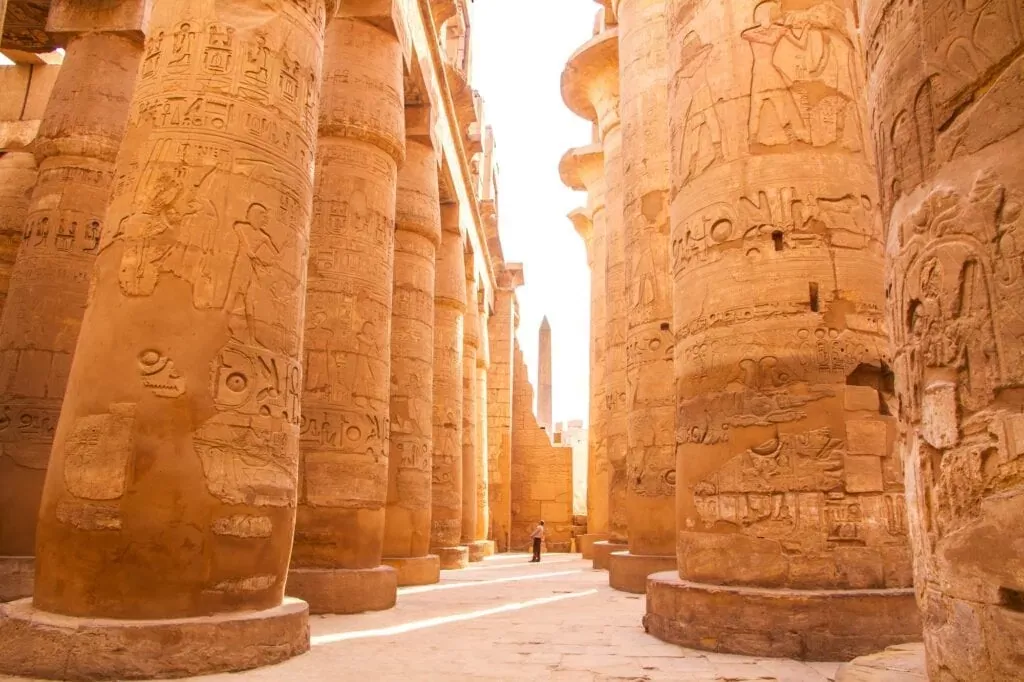
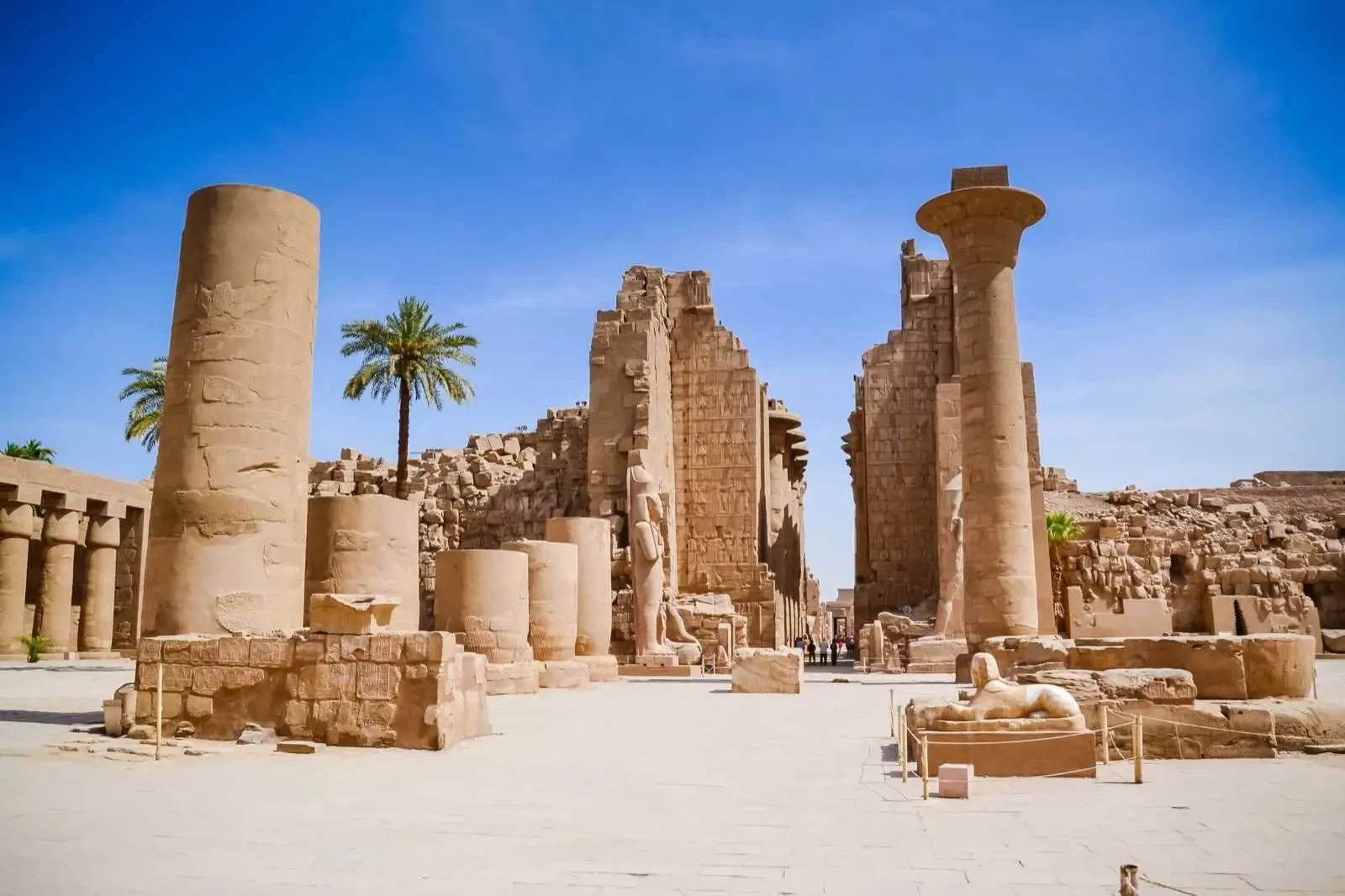
One of the key landmarks that define the Eastern part of Luxor is Karnak Temple which is considered one of the largest temple complexes of the world. It did not belong to any single Pharaoh but developed gradually, as many successive rulers built new pylons, courtyards, columns, sanctuaries, statues, and inscriptions there.
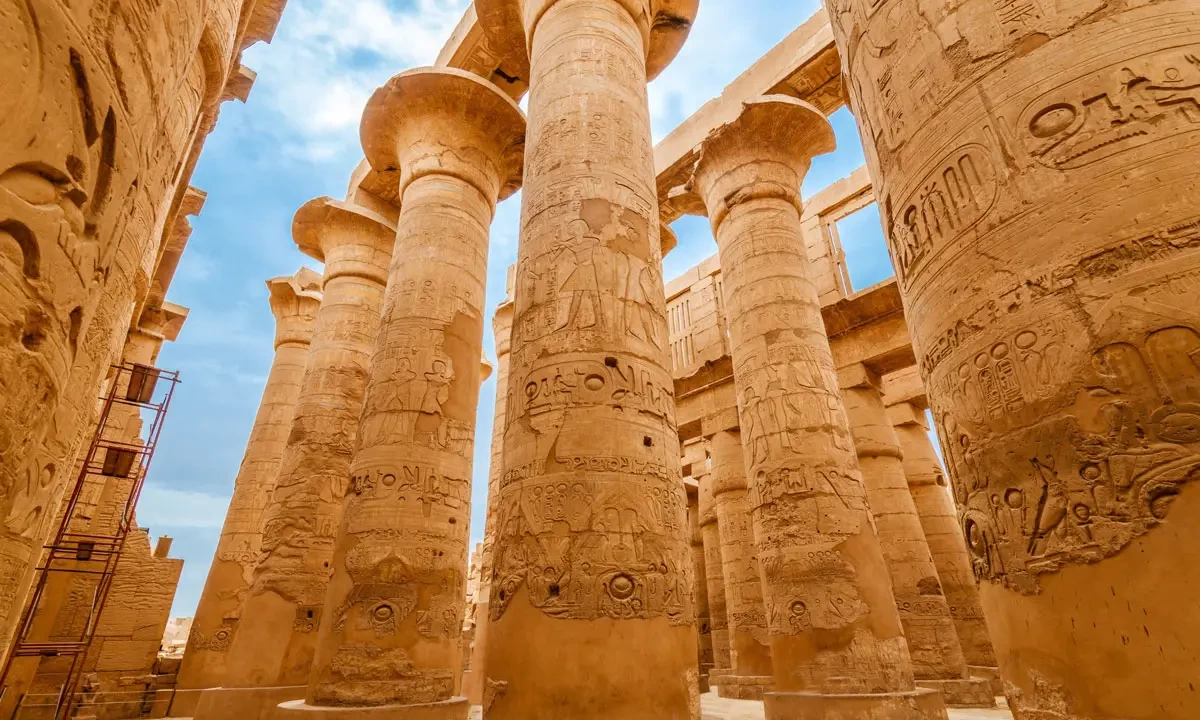
First of all, the Karnak Temple was devoted to the Theban god Amun, whose popularity grew in the New Kingdom period. Tourists will see various gateways and courtyards while walking to the Great Hypostyle Hall of the Temple, and admire its huge columns covered with hieroglyphics and reliefs.
Moreover, the Karnak Temple used to be a place of religious festivals. For instance, during the Opet Festival, the images of gods were transported from Karnak to Luxor Temple.
Visiting Karnak and spending at least two hours there would be really worth it since the Temple is very big and has many different structures there. Early morning might be especially nice for sightseeing.
Luxor Temple and the City After Sunset
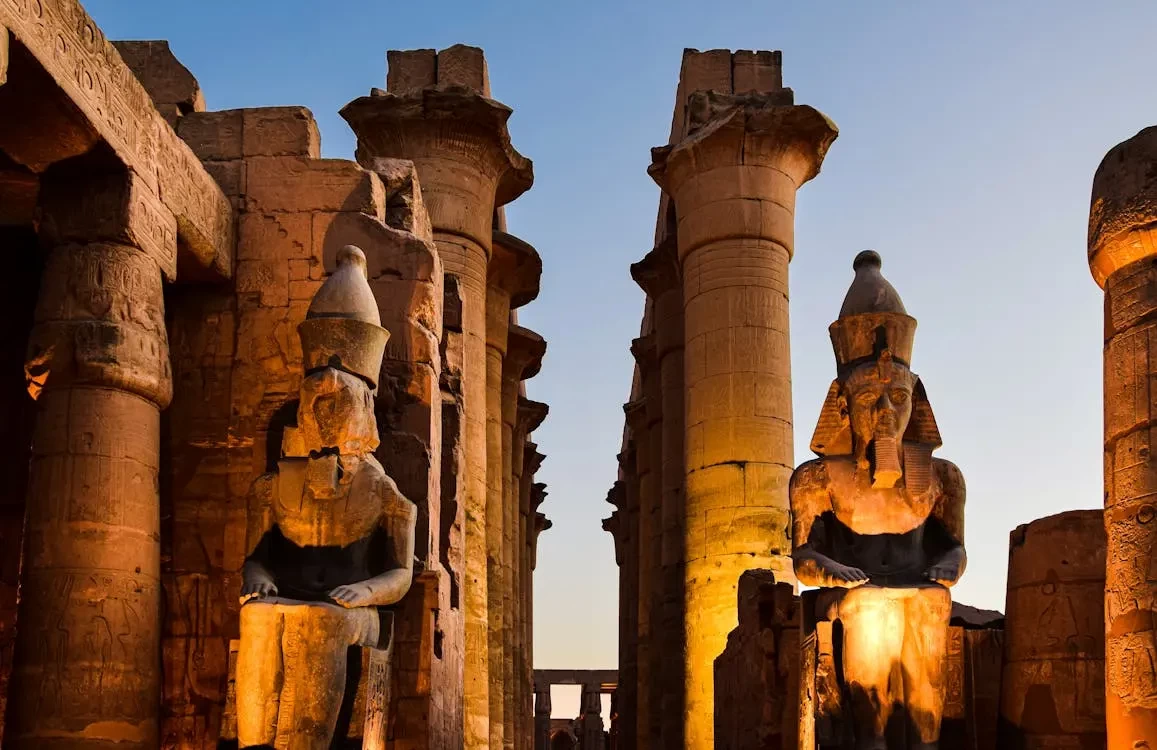
Luxor Temple is another interesting landmark in the center of modern Luxor, offering a quite different experience compared to the extensive complex of Karnak Temple. Luxor Temple was related to the idea of the revival of kingship and was a part of the ancient Opet Festival. The temple's entrance, statues, columns, and decorations show the artistic features of the different periods of the history of Egypt.
One of the main advantages of Luxor Temple for tourists is its convenient location in the modern city. The visitor first visits the ancient courtyards and then goes directly to the streets of modern Luxor city. This feature makes the East Bank of the city unique.
Moreover, the Luxor Temple looks particularly impressive after sunset when its monuments are lit up against the dark sky.
There are also other activities that a traveller can engage in – for example, visiting the Nile Corniche, local cafes, shopping, watching the boats passing along the river.
Experiencing Modern Life Along Luxor’s East Bank
Although ancient monuments are considered the primary feature, the East Bank offers an opportunity to explore the modern city of Luxor. There are hotels, restaurants, coffee shops, shops, markets, and streets in the vicinity of the temples.
A stroll down the Corniche is one of the simple ways to appreciate this side of the city. In the daytime, one could observe how traditional boats, as well as feluccas, move on the waters of the river, and the promenade turns especially nice in the evening when it is a little cooler.
Marketplaces represent another chance for exploring the modern side of Luxor. Tourists have an opportunity to look at spices, souvenirs, handmade goods, clothes, and other products available here. It is normal to bargain in many markets, but it is recommended to behave politely.
Food represents another side of visiting the East Bank. Cafes and restaurants serve different Egyptian dishes to visitors.
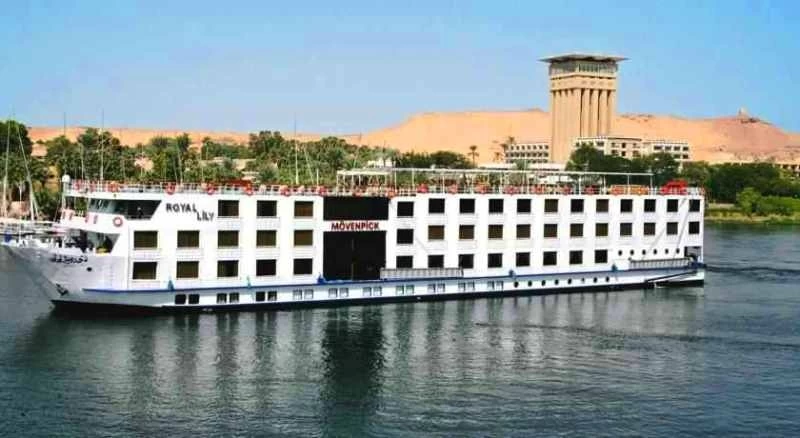
-webp.webp "Nile River Cruise")