Cairo’s Historic Attractions: Pyramids, Mosques & Ancient Landmarks
Cairo has a long and fascinating history and you can see it in almost every corner of the city. From the world famous Giza Pyramids to centuries-old mosques, Coptic churches and museums filled with ancient treasures, the capital offers plenty of ways to explore the past. The historical attractions in Cairo Egypt are not limited to the ancient pharaohs; they also tell the story of the people, religions, and cultures that shaped the city over time.
You can explore these historic landmarks, discover the stories behind their architecture and learn what makes each site unique.
Giza Pyramids and the Great Sphinx
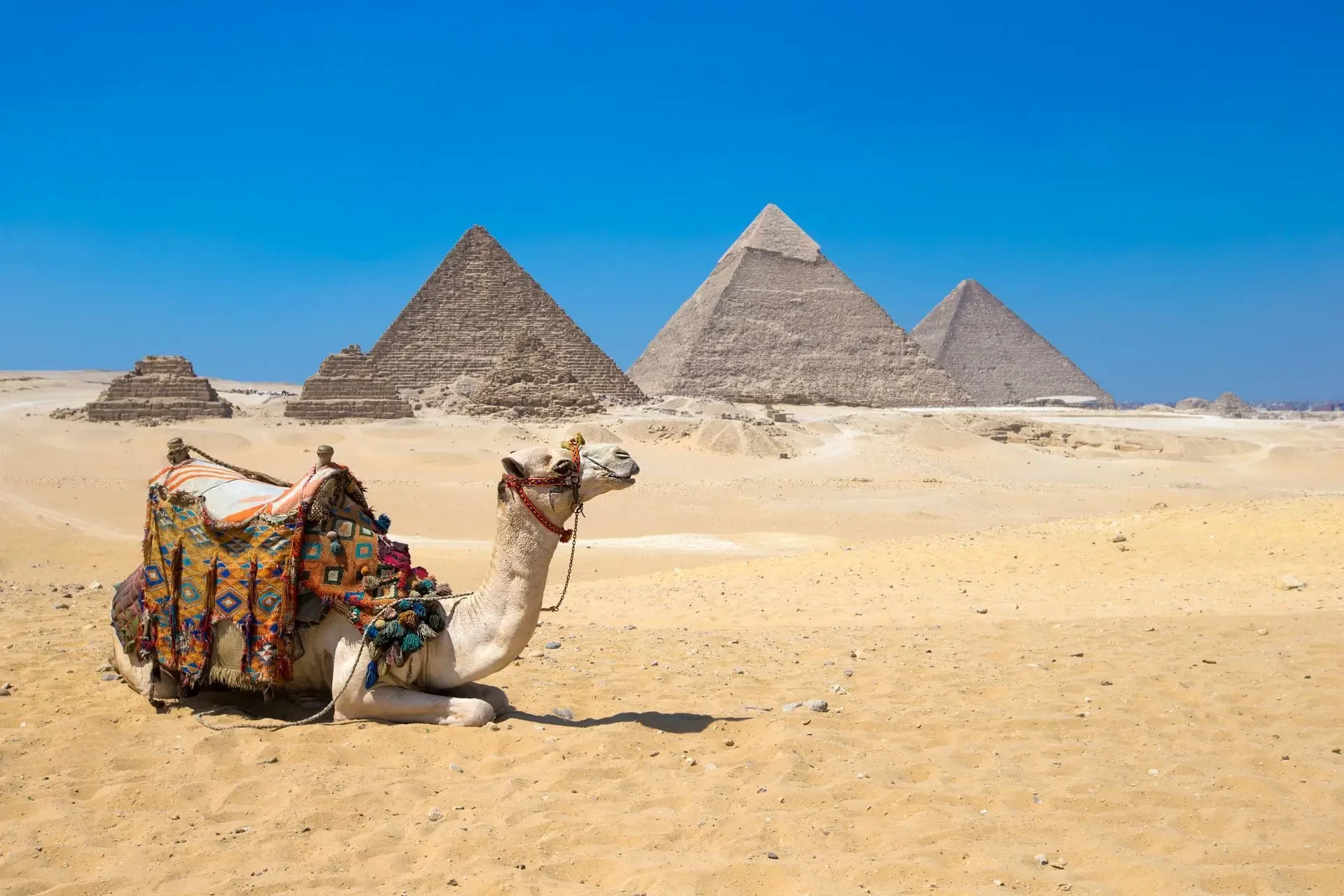
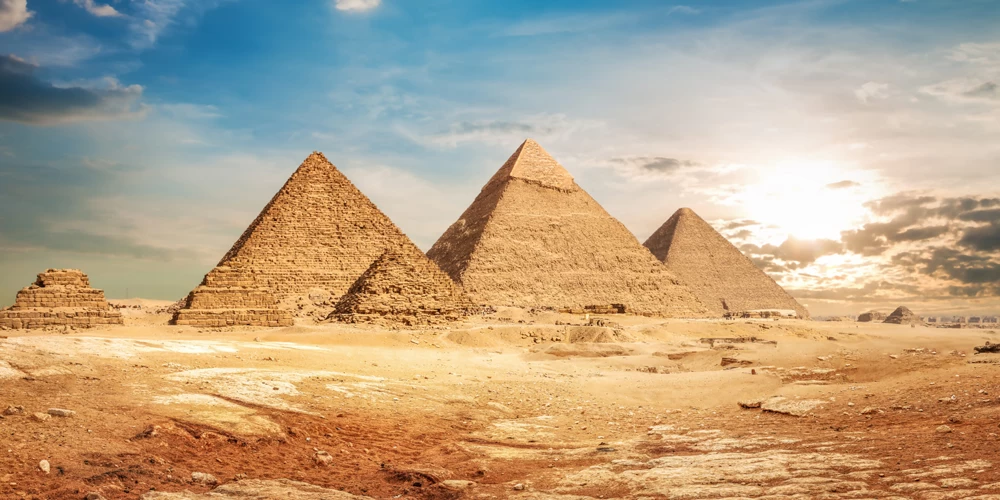
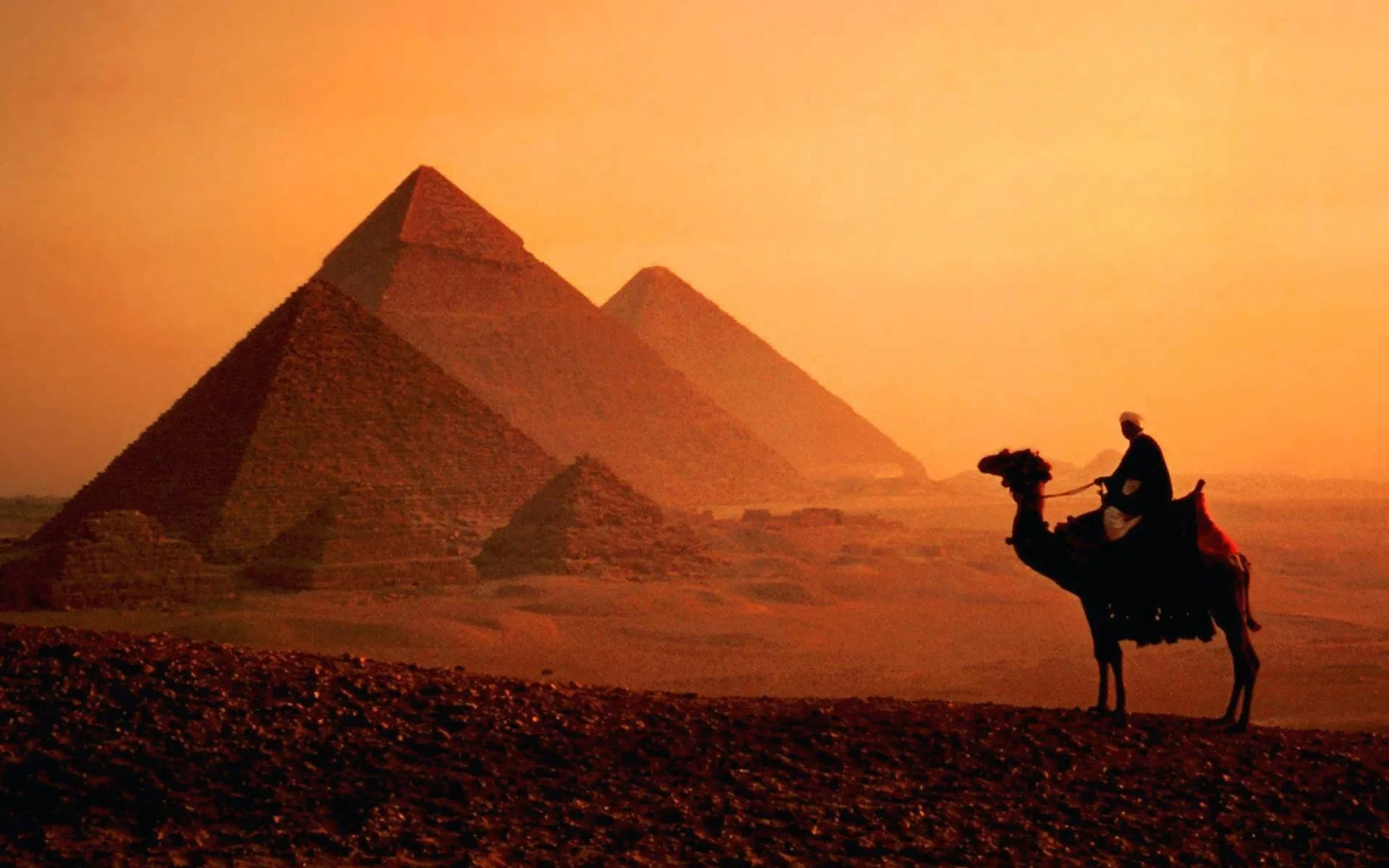
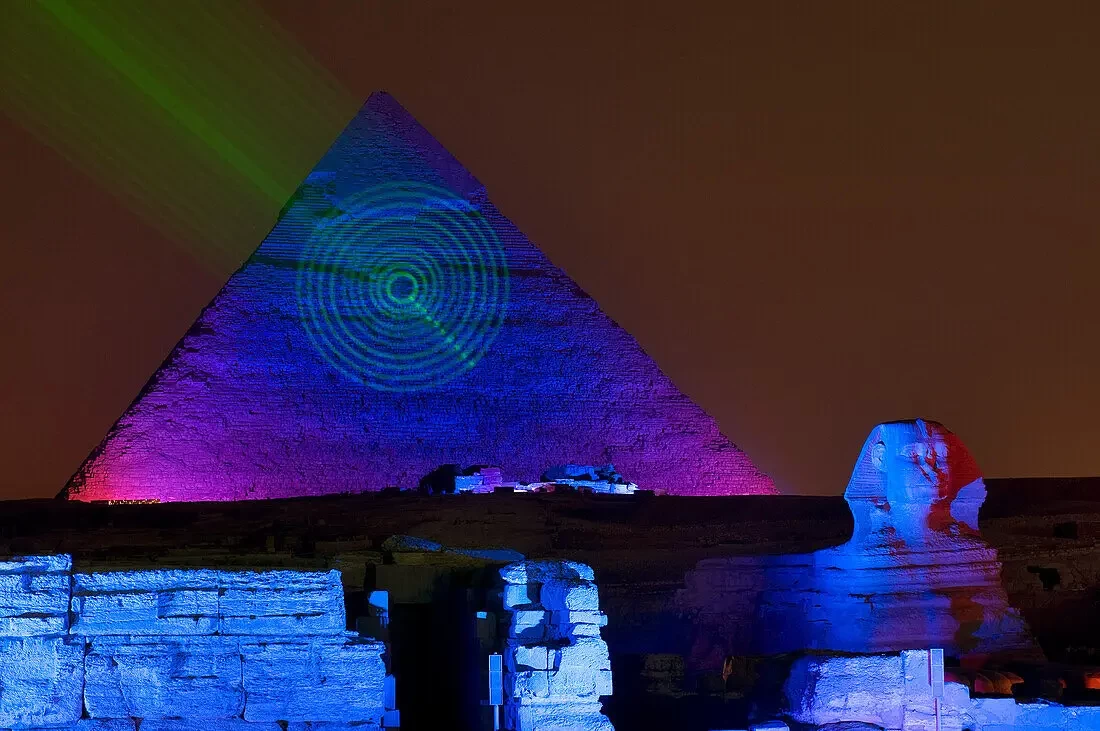
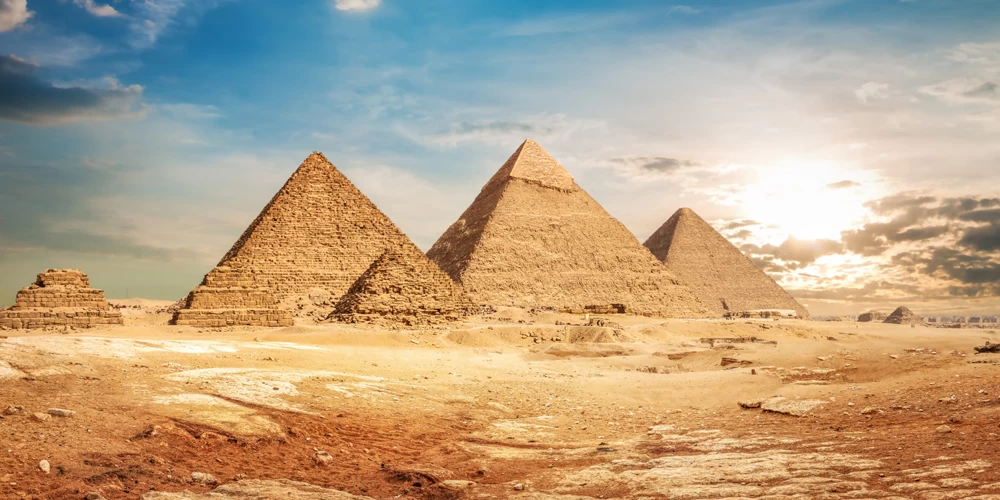
The Giza Pyramids sit on the edge of the desert just outside Cairo. There are three main ones, built for the pharaohs Khufu, Khafre, and Menkaure and they still dominate the landscape thousands of years later.
The biggest is Khufu, better known as the Great Pyramid. It’s the only one of the original Seven Wonders that is still standing. Looking up at those massive stone blocks, you get a real sense of how ambitious the whole project was.
Just a short walk away is the Sphinx, with its lion’s body and human face. Most people link it to Khafre. It’s hard to miss and has become one of the most familiar images of ancient Egypt.
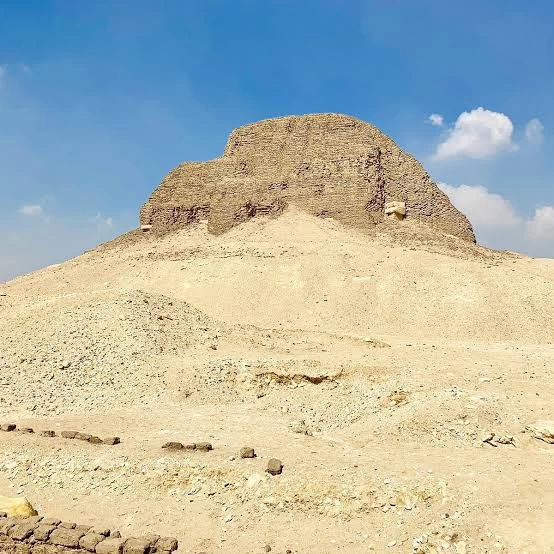
For a broader look at pyramid development, visit Saqqara, home to the Step Pyramid of Djoser. This monument represents an important stage in the development of monumental stone architecture. Travelers can also explore nearby tombs and archaeological remains.
The Day Tour to Giza Pyramids, Quad Bike Ride and Camel Ride combines visits to the Giza monuments with desert activities.
The Citadel of Saladin and Historic Mosques
The Citadel of Saladin is one of Cairo’s most significant medieval landmarks. Founded in the 12th century under Saladin, it served as a center of political and military power for centuries. Its elevated location also provides views across the Egyptian capital.
The Citadel is one of the key historical attractions in Cairo Egypt, offering insight into the Islamic architecture and political history that shaped the city.
The Citadel has the Mosque of Muhammad Ali. People often point to its Ottoman style. It has a big dome in the middle and several tall minarets. The builders raised it in the 1800s. Inside, the prayer area feels wide. The walls also have rich decoration.
Cairo also has the Al-Azhar Mosque. This mosque traces back to the 900s. Over time, it became a key place for Islamic study. Scholars taught there and kept learning moving forward. You can see this in the yard areas and in the minarets. The building details also change across eras, showing shifts in Cairo past.
Taken as a whole, these landmarks highlight how faith, teaching, and rule helped shape Islamic Cairo.
Al-Muizz Street and Historic Islamic Cairo
Al-Muizz Street is one of the best places to explore Cairo’s medieval architecture. Its historic buildings include mosques, traditional houses and religious schools decorated with carved stonework and intricate architectural details.
Walking along the street reveals how people lived, worshipped, and conducted business in earlier centuries.
The surrounding historic district also includes Khan el-Khalili, a traditional market associated with Cairo’s commercial heritage. Today, its shops sell souvenirs, jewelry, lanterns, spices, and handmade crafts.
These nearby landmarks help visitors understand how religious buildings, residential areas, and commercial spaces developed together in the old city. Rather than representing a single historical period, the district preserves elements of Cairo’s changing architectural and cultural identity.
The National Museum of Egyptian Civilization
The National Museum of Egyptian Civilization presents Egypt’s history across different periods, from prehistoric times and ancient Egypt to later eras. Its collections include archaeological objects and displays that explain changes in Egyptian society, traditions and daily life.
One of its major highlights is the Royal Mummies Hall, where visitors can see the preserved remains of prominent ancient Egyptian rulers. The collection offers insight into royal burial customs and ancient preservation practices.
This museum helps you see how a single find can connect to the larger story of Egypt. If you want a guided plan, you can take the National Museum of Egyptian Civilization Tour to move through the collections with a guide.
Coptic Cairo and the Hanging Church
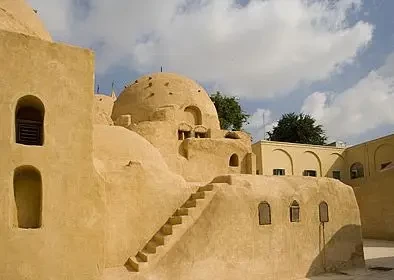
Coptic Cairo preserves important landmarks connected to Egypt’s Christian heritage. The district contains historic churches and religious sites that reflect the long presence of Christianity in Egyptian society.
The Hanging Church, also known as Saint Virgin Mary Coptic Orthodox Church, is one of the area best-known monuments. Built above the remains of a Roman fortress gateway, it is recognized for its historic setting, religious icons, and decorated wooden interior.
Nearby, the Church of Saints Sergius and Bacchus is traditionally associated with the Holy Family’s journey through Egypt. The Ben Ezra Synagogue also reflects Cairo’s Jewish heritage. Together, these sites illustrate the different religious communities that have contributed to the city’s history.
Manial Palace and Egypt’s Royal Heritage
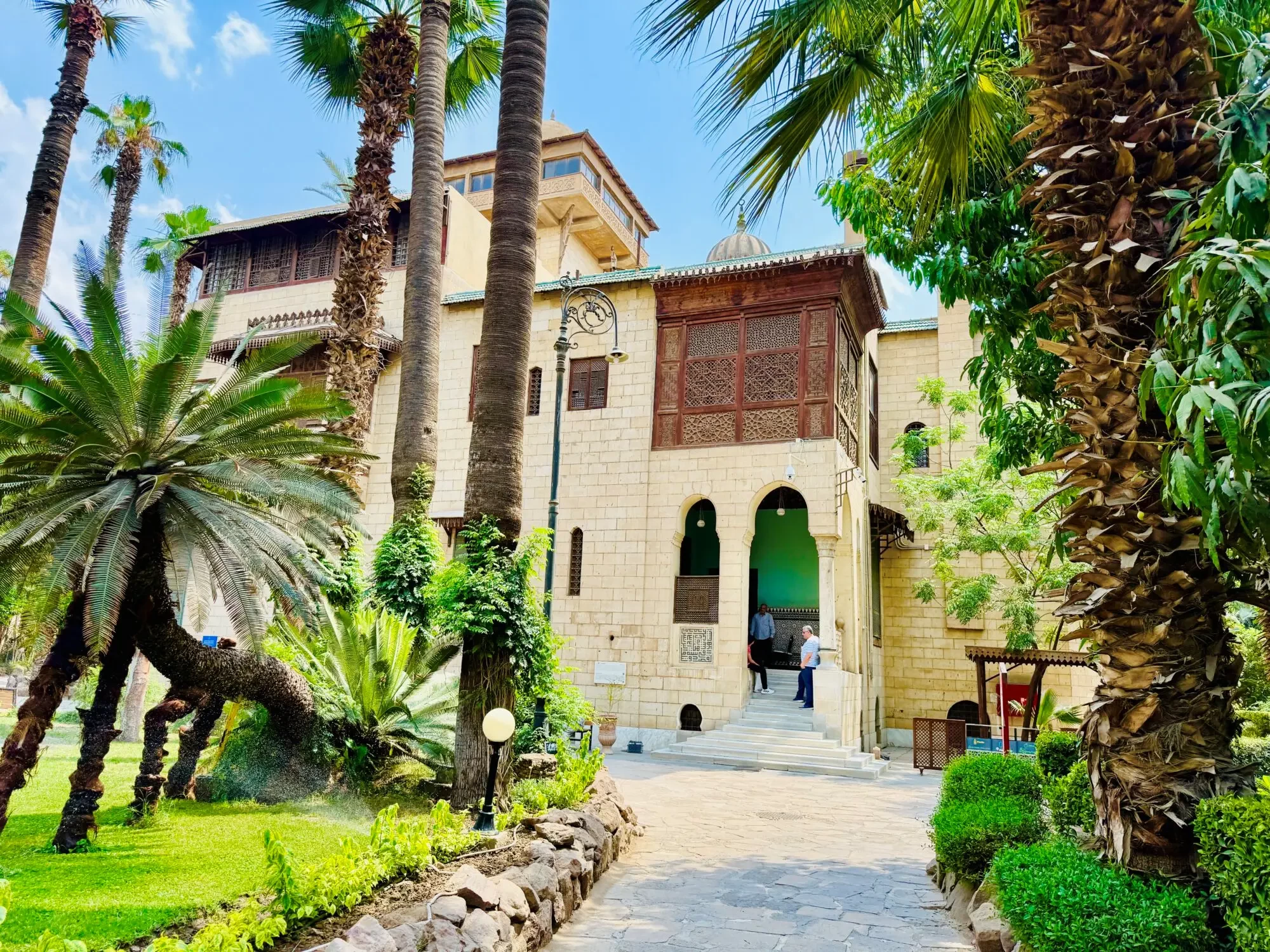
Manial Palace sits on Rhoda Island and shows a slice of Egypt’s royal past from the late 1800s into the early 1900s. The site was built for Prince Mohammed Ali Tewfik. The grounds bring together several design styles. You can find reception rooms, living spaces, gardens, and a set of decorative objects inside the estate.
In the rooms, visitors can look closely at carved wood, painted and patterned ceilings, old furniture, and items tied to life at court. The palace feels different from the ancient pyramids and from older religious buildings. It highlights a newer period, and it also shows that the royal family’s taste in art shaped how these buildings were made.
Which Historical Attractions in Cairo Should You Visit?
The best historical attractions in Cairo, Egypt, depend on your interests. Visit the Giza Pyramids and Saqqara to discover ancient Egyptian architecture, explore the Citadel and Al-Muizz Street for Islamic history or head to Coptic Cairo to learn about Egypt Christian heritage. The National Museum of Egyptian Civilization ties these eras together with its finds and museum collections. Manial Palace gives a view of how the royal class lived.
If you only have a short visit, pick the places that fit what you like most. If you have more time, move between historic areas and more museums. This helps you understand Cairo’s long and layered past.
Table of Contents
- 1- Giza Pyramids and the Great Sphinx
- 2- The Citadel of Saladin and Historic Mosques
- 3- Al-Muizz Street and Historic Islamic Cairo
- 4- The National Museum of Egyptian Civilization
- 5- Coptic Cairo and the Hanging Church
- 6- Manial Palace and Egypt’s Royal Heritage
- 7- Which Historical Attractions in Cairo Should You Visit?
-webp.webp "Tahrir Evening Tour")