Mosque of Muhammad Ali: Cairo's Ottoman-Era Landmark
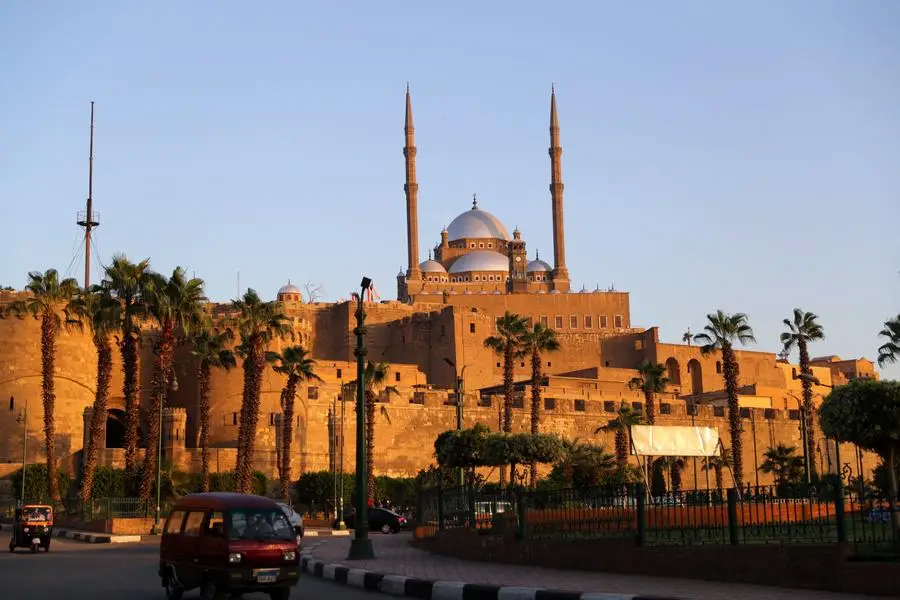
The Citadel of Saladin and the Mosque of Muhammad Ali make up one of the most well-known historical landmarks in Cairo. Located on top of the Mokattam Hills towering above Cairo, this place is a combination of centuries of military history and unique Ottoman-style buildings. It is not only a historically interesting spot but also a place which gives a view of the entire city of Cairo from the top. It is also a popular highlight of Cairo tours.
This building started as a medieval castle and gradually evolved into a governing center for many Egyptian rulers over the centuries. Several centuries later, it got the mosque of Muhammad Ali Pasha added to it. The site now gives tourists an opportunity to visit several epochs in the history of Cairo within one place.
Why Saladin Chose This Hill for Cairo's Great Fortress
The construction of the citadel dates back to the 12th century. It was then that Sultan Saladin realized that Cairo required a better position to defend itself. Its construction started in 1176, and the natural elevation of the Mokattam Hills provided a perfect vantage point overlooking Cairo and its surroundings. Such geographical features allowed monitoring of the approaches to the city and integrating the fortress into the defense system of Cairo.
The Citadel changed significantly after Saladin's era. Many new structures including additional fortification elements such as walls, gates, towers, palaces, and mosques were added to it; thus, it transformed from a military structure into a central political power. For many years, the Egyptian leaders used the Citadel as their headquarters; therefore, it is deeply connected to the history of the country.
Although today the citadel lost much of its defense functions, some of its fortifications are still able to impress with their strength. A visit to the Citadel allows understanding how the geographic features and the architecture contributed to the protection of medieval Cairo.
The Mosque of Muhammad Ali and Its Ottoman Inspiration
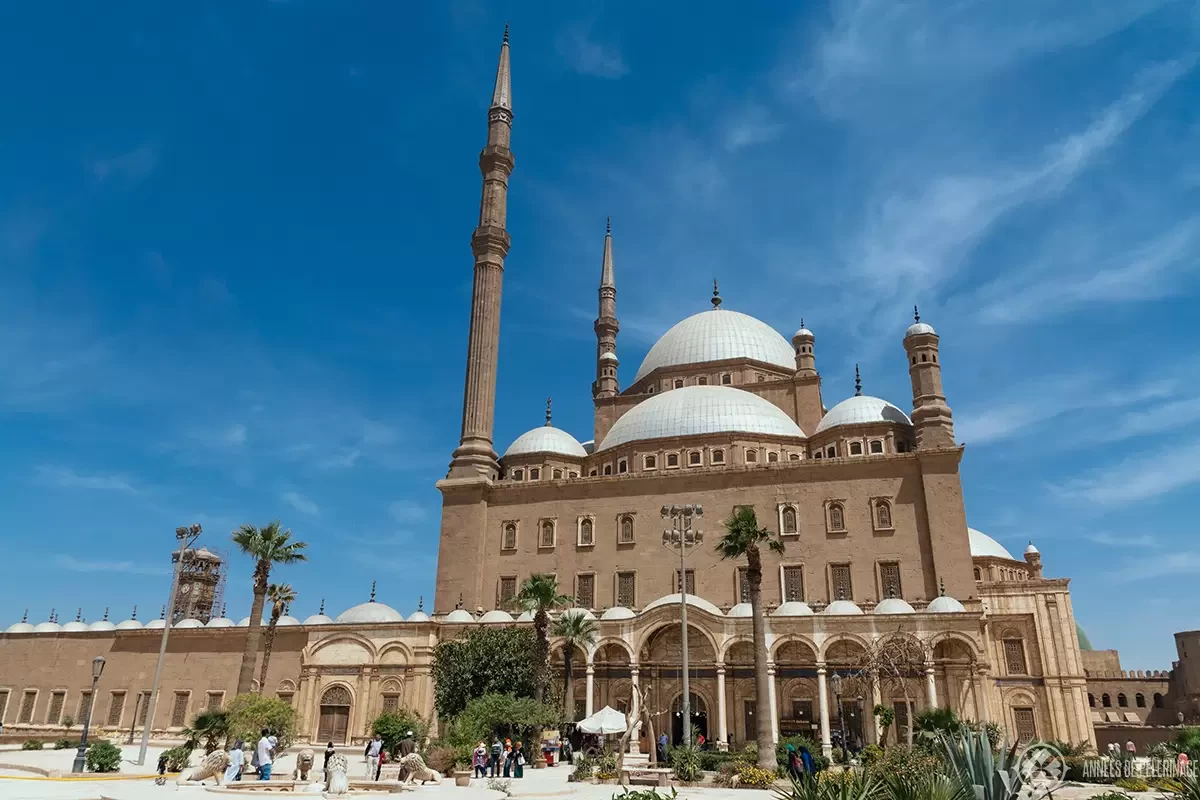
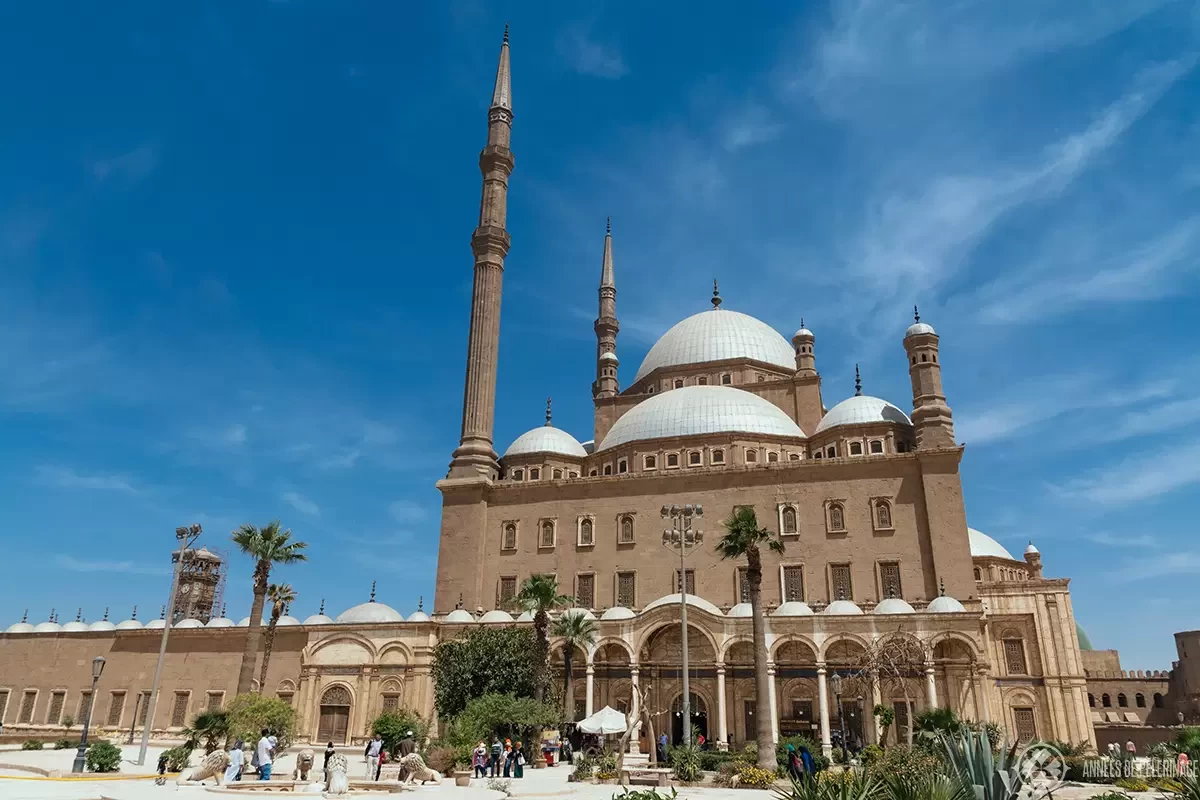
The Mosque of Muhammad Ali is the architectural highlight of the Citadel and perhaps the most identifiable mosque in Cairo. It was built by Muhammad Ali Pasha in the 19th century as part of his plan to transform Egypt. It was influenced architecturally by Ottoman architecture, due to the fact that the ruler had links to the Ottoman Empire. It is also one of the most prominent landmarks of Islamic Cairo.
The architecture of the mosque features a large dome surrounded by small domes, while the two tall minarets dominate the Citadel skyline. Inside the mosque, the space is known for the grand prayer hall with decorative details and many arches and hanging lamps. Another thing which makes this building different from other buildings of such kind is the extensive use of alabaster both inside and outside the building.
The mosque's yard is no less amazing, as it contains the fountain in its center as well as an elaborate clock tower, which was presented to Muhammad Ali by King Louis Philippe of France.
What the Citadel Reveals About Egypt's Rulers
Not only is the Citadel a structure with its iconic mosque. The buildings within it have been altered during various periods corresponding to the political events in Egypt and the respective rulers that governed Cairo for centuries. Having been built by Saladin, the Citadel underwent expansion and renovation under different rulers.
The Mamluks turned the fortress into an important royal center, followed by the Ottomans and the Egyptians. Hence, this prolonged period of construction accounts for various architectural styles to be found in the Citadel. Next to military fortifications, there are palaces, mosques, museums, and administrative buildings inside the fortress.
One specific event that took place in the Citadel is that of 1811, when Muhammad Ali Pasha invited Mamluk leaders to participate in the ceremony, killing a large number of them. This event marked the end of the rule of Mamluks in Egypt and the consolidation of power by Muhammad Ali.
Cairo from Above: The Views Beyond the Mosque
It is amazing that the Citadel is located high above Cairo. Having toured the historic buildings in the complex, one gets out into the open space and can observe the capital from above on good weather days.
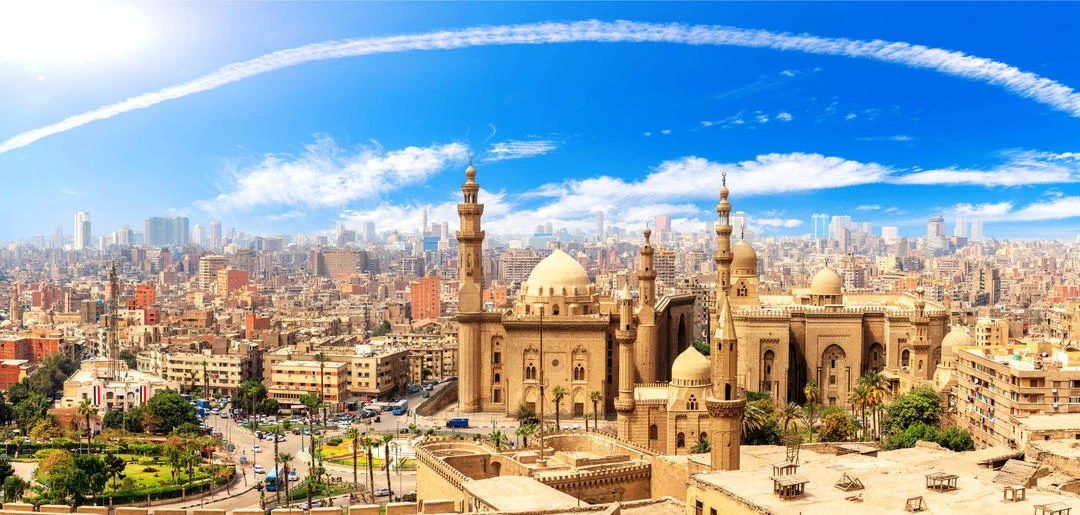
This view provides a very interesting contrast as old monuments such as mosques and historic neighborhoods are combined with more modern buildings and show the enormous expansion of Cairo over the centuries.
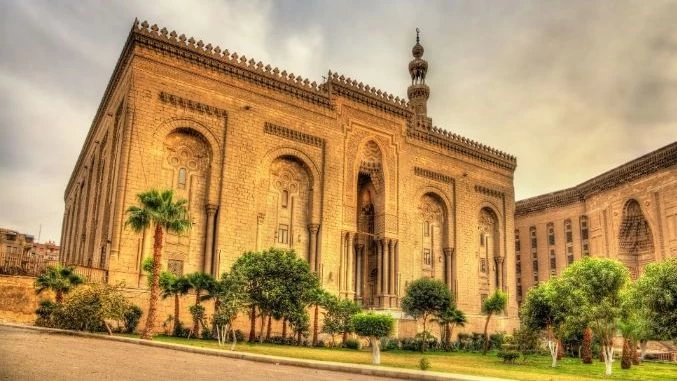
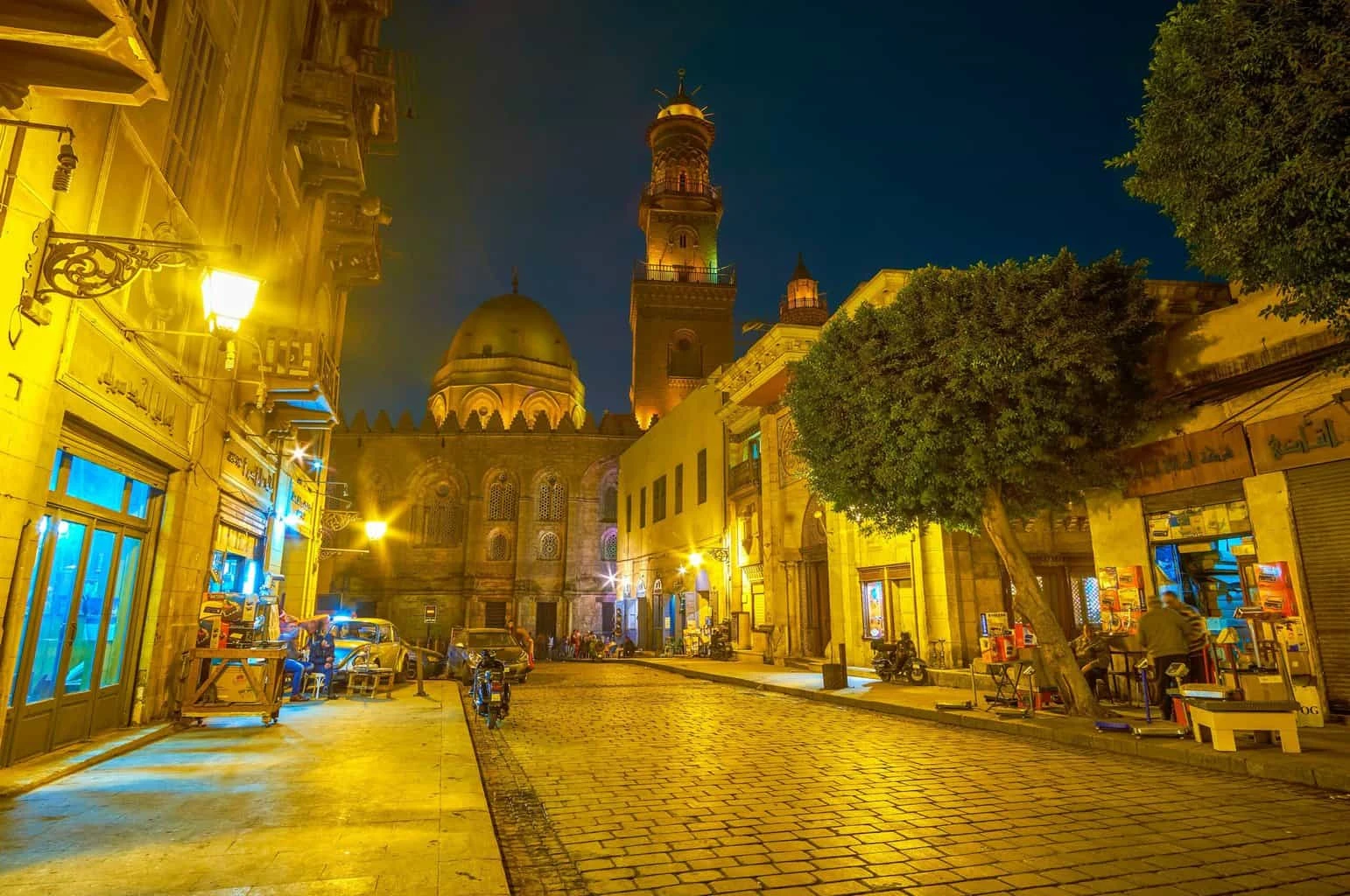
Moreover, this convenient location also allows visitors to easily move from one landmark to another and see many of the other historic sites located not far away. For example, Sultan Hassan Mosque and Al-Rifa'i Mosque can be seen in proximity to the Citadel, while Ibn Tulun Mosque is quite near too. Al-Muizz Street is another historic attraction that can be added to the visit.
It is a nice place to take photos, especially from the open space adjacent to the fortress. Besides, the view at the late afternoon also looks very beautiful.