Kalabsha Temple Aswan: History, Architecture & Visitor Guide
Kalabsha Temple in Aswan is one of the most remarkable ancient monuments in southern Egypt, and yes, it feels like a hidden gem that watches over the beautiful waters of Lake Nasser. It was originally built during the reign of Emperor Augustus, but somehow it ended up as a shrine to the Nubian sun god Mandulis. The whole place shows an impressive blend of Egyptian, Nubian, and Roman architecture, so walking around it you keep noticing different styles, even in small details. Nowadays, it stands out among the top Aswan attractions. It pulls in history lovers and travelers who want unique things to do in Aswan. While you’re there, you can admire well-preserved reliefs, huge stone gateways, and a calm atmosphere, all while learning about Nubia’s rich inheritance. If you’re planning an Aswan Day Tour or exploring Upper Egypt, this guide covers the temple’s story, key highlights, travel tips, and everything you need so your visit to Kalabsha Temple, Egypt, becomes truly unforgettable.
What Is Kalabsha Temple?
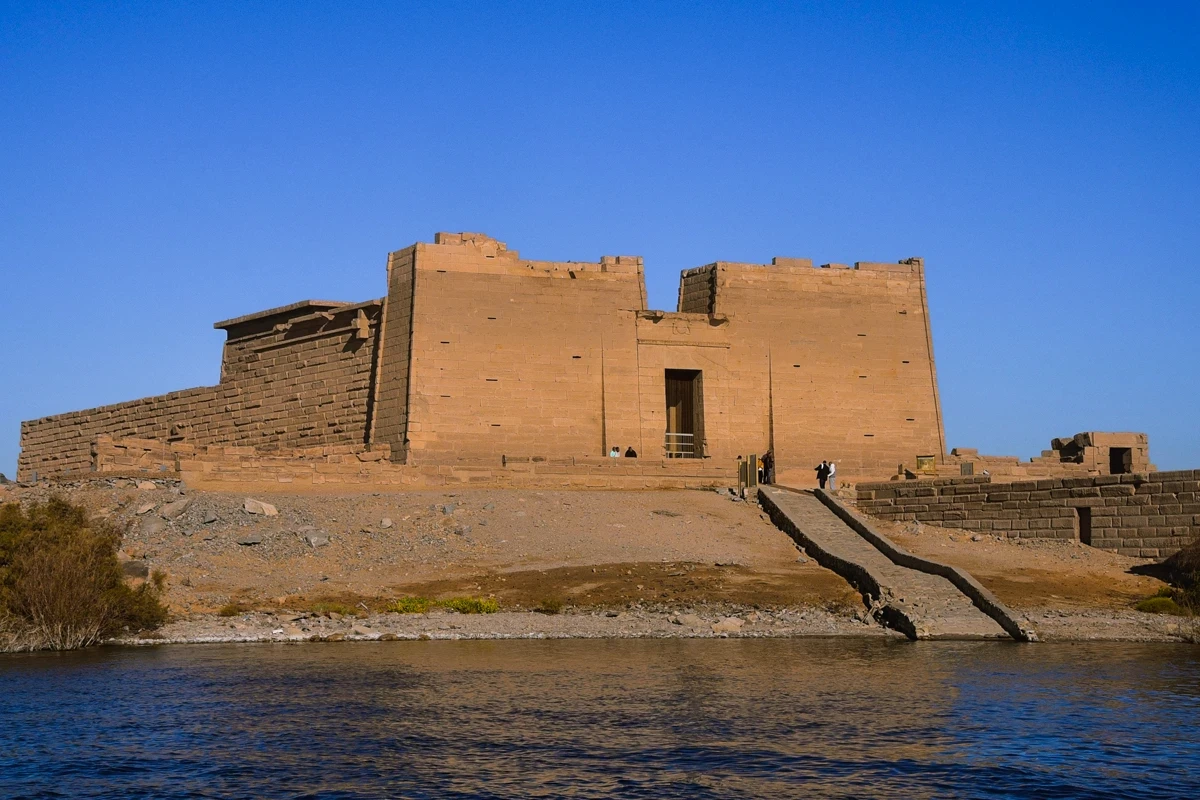
Kalabsha Temple is one of those ancient monuments in southern Egypt that feels, honestly, hard to top; it is also considered one of the strongest examples of Nubian architecture from the Roman period. It sits on New Kalabsha Island, not far from the Aswan High Dam, so when people plan Aswan trips, this place often ends up as a hidden gem, especially for travelers who want more than the usual highlights. And unlike a lot of crowded stops, Kalabsha Temple in Aswan gives you a calmer vibe, beautiful construction, and wide views over Lake Nasser; you almost forget you are near a major landmark.
Most of the temple was dedicated to Mandulis, the Nubian sun deity, though it also paid respect to Egyptian gods Isis and Osiris. It was built during the reign of the Roman Emperor Augustus, around 30 BC to 14 AD, so the whole layout shows a thoughtful mixture of Egyptian, Nubian, and Roman design ideas. You can notice it in the tall pylon, the open courtyard, the graceful columns, and the finely worked reliefs; this is why it is often listed among the best-preserved Nubian temples in Egypt.
Today Kalabsha Temple in Egypt is one of those cultural gems in southern Egypt, where visitors can take in the old carvings and also dig into the intriguing history of Nubia. You can even take a quiet, picturesque boat ride across Lake Nasser. If you are keen on archaeology, or you’re simply looking for unusual ideas while in Aswan, this special temple really should be on your plan, and it tends to become a memorable pause during many Aswan tours.
The History of Kalabsha Temple
The fascinating history of Kalabsha Temple kind of starts in the early Roman period when Emperor Augustus ordered its construction over the remains of an older sanctuary, so it's basically a layered story from the beginning. This place was dedicated to Mandulis, a major Nubian god tied to the sun and the idea of royal authority. Even while Egypt was under Roman control, local religious traditions didn’t really fade away, and in a way, they kept on flourishing, so impressive temples such as Kalabsha could be built and also preserved.
Over time the temple stopped being only a worship site. In the Christian era, some sections of the sanctuary were repurposed into a church, and you can still notice several carved crosses in the walls. There are also inscriptions still visible today, with texts written in Egyptian hieroglyphs, Greek, and Meroitic. These markings give visitors a real sense of how many civilizations were in contact here across different centuries, not just one culture at a time.
A very remarkable turning point in the temple’s timeline arrived later with the construction of the Aswan High Dam. When the waters of Lake Nasser started rising, Kalabsha faced the possibility of vanishing completely. Between 1962 and 1963, an international UNESCO rescue operation dismantled and relocated the temple to New Kalabsha Island, which saved one of Egypt’s most significant Nubian treasures for people to see and inherit in the future.
What to See at Kalabsha Temple?
Honestly, a stop at Kalabsha Temple in Aswan is not just about seeing old stones or ruins that look impressive and that's it. There are grand gateways and also some carved chambers that feel strangely personal, like they are keeping a quiet account of Nubian Egypt. If you are going, here are the bits worth paying attention to
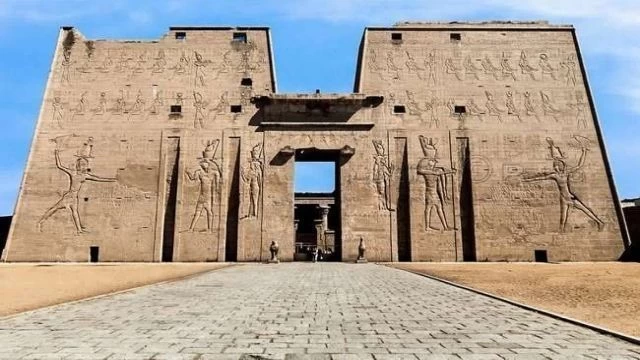
The Grand Entrance Pylon
Begin at the huge entrance pylon, where preserved carvings plus inscriptions kind of pull you in right away. They sort of set the tone, and they make the temple’s story feel more alive than a quick glance.
The Open Courtyard and Hypostyle Hall
After that, step into the courtyard, then move toward the hypostyle hall. The columns stand in neat rows, and the reliefs show Emperor Augustus offering gifts to Egyptian and Nubian deities. It’s a nice mix, Roman style meeting Egyptian tradition, and you can feel the overlap.
The Sanctuary of Mandulis
Deeper inside, you’ll reach the sanctuary, a meaningful room that once held the statue of Mandulis, the Nubian sun god. This chamber marks the temple as more than architecture; it points to the religious world of ancient Nubia, and that link is really central.
Ancient Inscriptions
All around Kalabsha Temple, you can find hieroglyphic, plus Greek and Meroitic inscriptions. Together they add color to the multicultural past of Nubia, and they also show how the place functioned during the Roman era.
Scenic Views of Lake Nasser
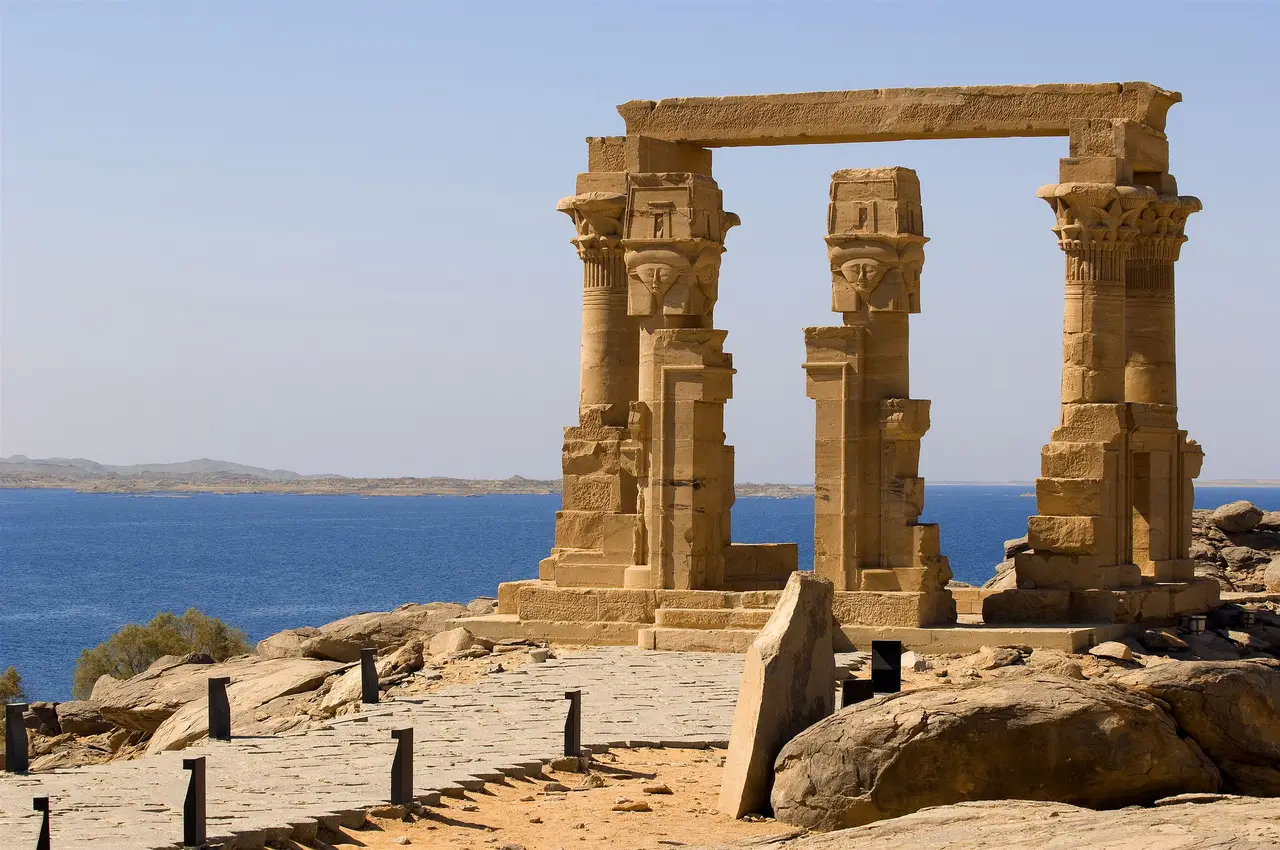
One of the best parts is where it sits overlooking Lake Nasser. The atmosphere is calm, so it works for photos and even for slow breathing between stops. The landscape frames everything, and it makes it one of those Aswan attractions that stays in your memory a little longer than expected.
Nearby Attractions
Most people pair Kalabsha Temple, Aswan, with other nearby sites, like Beit El-Wali Temple and the Kiosk of Qertassi, especially if they’re doing an Aswan Day Tour. It turns the day into a longer journey through southern Egypt’s history, not only a single visit; you get more context, kind of all together.
How to Visit Kalabsha Temple?
If you plan a trip to Kalabsha Temple while you’re in Aswan, it is pretty easy. The temple sits on New Kalabsha Island, close to the Aswan High Dam, and you get there after a short motorboat crossing over Lake Nasser. A lot of organized Aswan tours mix Kalabsha Temple and the Aswan High Dam, and then they add the Unfinished Obelisk, Philae Temple, and the Nubian Museum too. So you can see a few major sites in one day without too much hassle.
For timing, October through April is usually the better window. The cooler air makes the trip feel more agreeable for walking and looking around. If you go early in the morning, you often get pleasant weather with fewer people around, plus better light for photography, not to mention a calmer mood at the site. Most visitors linger for about one to two hours, taking in the temple area and then enjoying the quiet nearby scenery.
Before your visit, check the latest Kalabsha Temple tickets and opening hours through the official authorities, because schedules and admission fees may shift. If you are pulled in by ancient history, stunning architecture, or Nubian culture, then Kalabsha Temple, Egypt, gives an unforgettable experience, and it still counts as one of the most rewarding historical sites for your stay in Aswan.