Medinet Habu Temple: Discover Ramesses III’s Legacy in Luxor
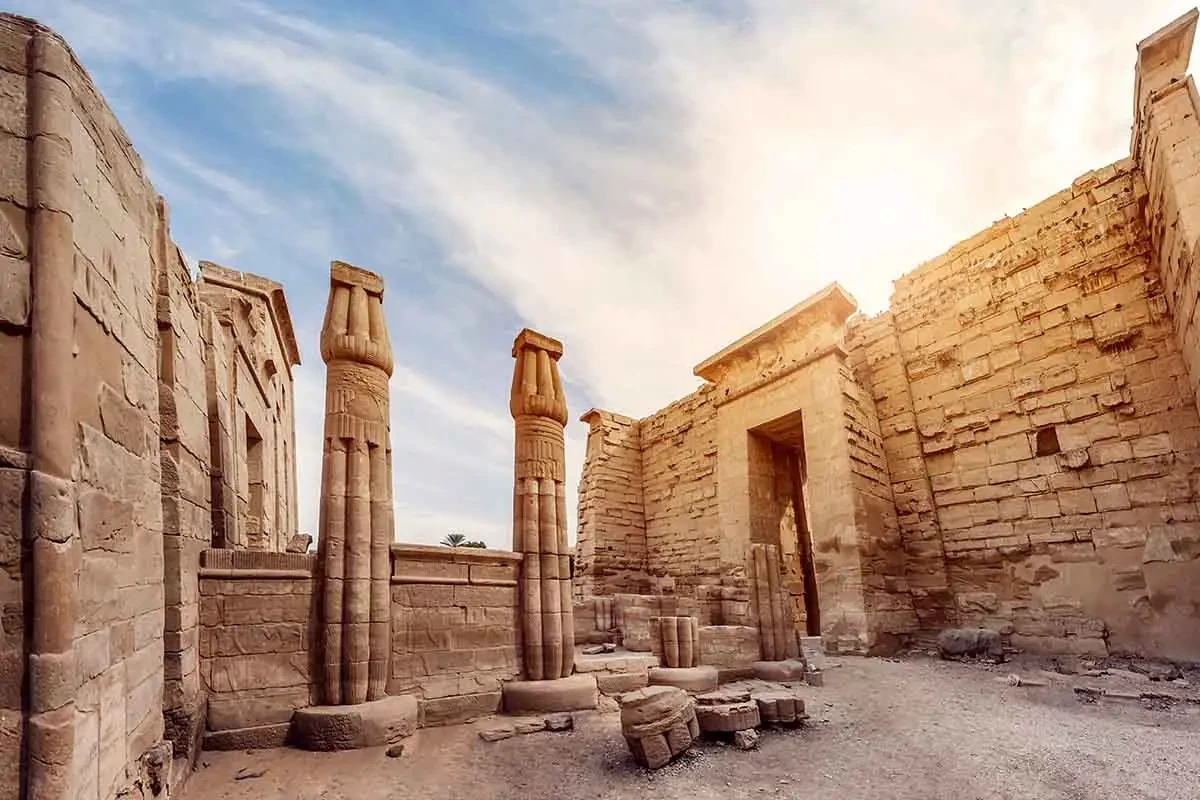
Temple of Medinet Habu One of the best-preserved monuments of Luxor and superb illustration of New Kingdom religious architecture, Temple of Medinet Habu, built predominantly by Ramesses III, bears most of the detailed engravings and hieroglyphic paintings, illustrating combats, religious scenes, parades of kings, and gifts made by them to gods. Entrance gateway of monumental dimensions, the numerous courtyard, colonnades and painted enclosures illustrate the prosperity and the rituals of ancient Thebes. Situated on the West Bank of Luxor, it's possible to visit easily in combination with Valley of the Kings, Hatshepsut temple and the Colosses of Memnon.
Medinet Habu Temple: Explore Ramesses III’s Monumental Temple
The Temple of Medinet Habu is among the most amazing ancient structures on the Luxor West Bank and a must-visit place for anyone who wishes to learn about the history of New Kingdom of Egypt. Owing to the fact that it often gets overlooked when compared to the Valley of the Kings and the Hatshepsut Temple, this gigantic structure gives a new view of ancient Egyptian history through royal power, military conquests, religious rituals, and art.
This temple was built mostly in the times of Ramesses III, and it served as the burial and ritual site of the pharaoh. Its large entrance, fortress-like appearance, courtyards, halls, and well-carved reliefs make it one of the best preserved temples in Luxor. The walls are decorated with numerous battle scenes, offerings, rituals, and the interaction between the king and gods.
Since there are some places of Luxor which are overcrowded, Medinet Habu gives you an opportunity to have a quiet archaeological adventure by studying the inscriptions and architecture of the temple. So, if you are planning Luxor tours, Medinet Habu is worth a visit while on West Bank.
he Story Behind Medinet Habu and Ramesses III
Medinet Habu was commissioned by Pharaoh Ramesses III, one of the last great pharaohs of Egypt’s New Kingdom era. The temple was erected in Luxor's West Bank during the 20th Dynasty and dedicated to the Theban god Amun as well as Pharaoh Ramesses III himself. Its religious function was related to the belief of the ancient Egyptians in the existence of the pharaoh after death.
It should be noted that the complex was built on the spot of the former sacred place devoted to the god Amun, thus emphasizing its religious significance even further. With time, the temple transformed from the mortuary temple into the center of religious as well as administrative life; there were priests and other officials who worked in the complex surrounding Medinet Habu.
Pharaoh Ramesses III gained popularity among the latter due to the fact that he managed to protect Egypt from some groups who endangered Egypt during the reign of this ruler. Medinet Habu walls contain the description of these military operations, thus making this structure very important for historical purposes.
Thus, for tourists who are interested in Medinet Habu Temple history, these inscriptions give more information than the pieces of artwork.
The Temple’s Walls Tell Stories of Ancient Egypt
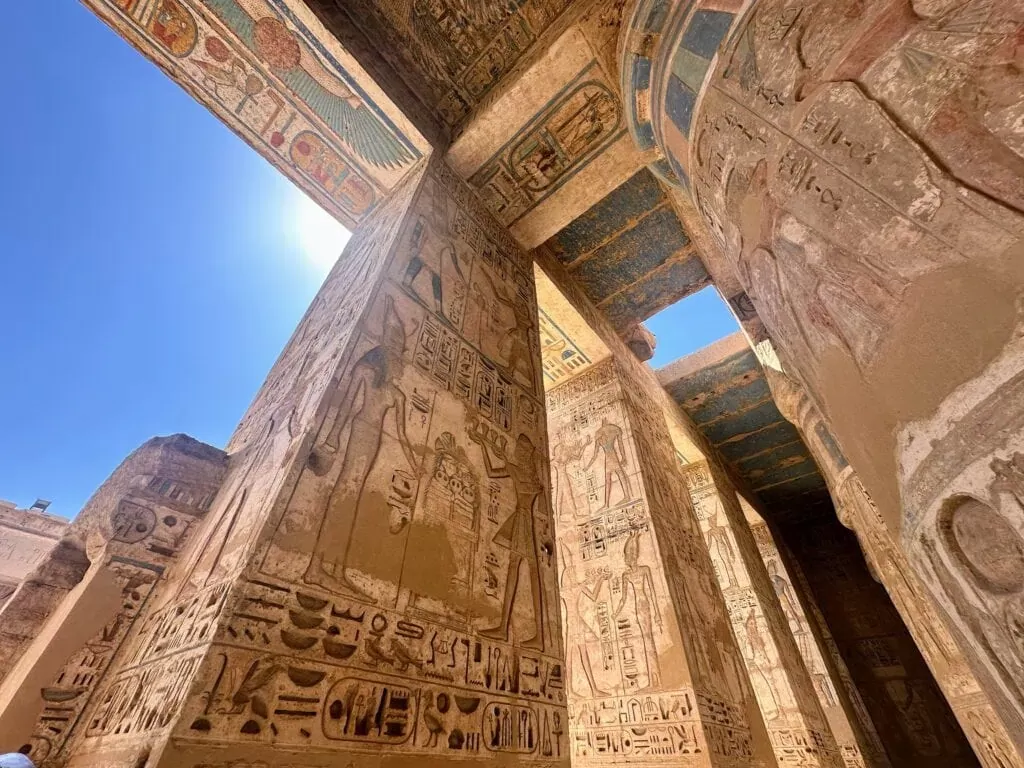
What is notable about Medinet Habu is an enormous amount of information contained in its walls. Numerous parts of the temple are decorated with various images of religious rituals, battles, offering scenes, and processions of the king.
Military themes are especially significant. Various pictures depict Ramesses III fighting with his enemies and winning battles against them, including the battle against the so-called Sea Peoples. The pictures include images of people, vessels, weapons, and prisoners which are extremely valuable for research as they illustrate how Egyptians depicted war and the victory of their ruler.
In addition, many religious scenes can be found at Medinet Habu. The pharaoh is presented there making offerings to different gods – Amun, Re-Horakhty, and Ptah among others. This illustrates once again the traditional idea of the close connection between the pharaoh and gods and their cooperation in maintaining the order of the universe.
High quality of the carvings that have survived till nowadays allows regarding Medinet Habu reliefs as one of the greatest values of the site. There are some areas where even the original colors can be traced.
Exploring the Gates, Courtyards and Temple Architecture
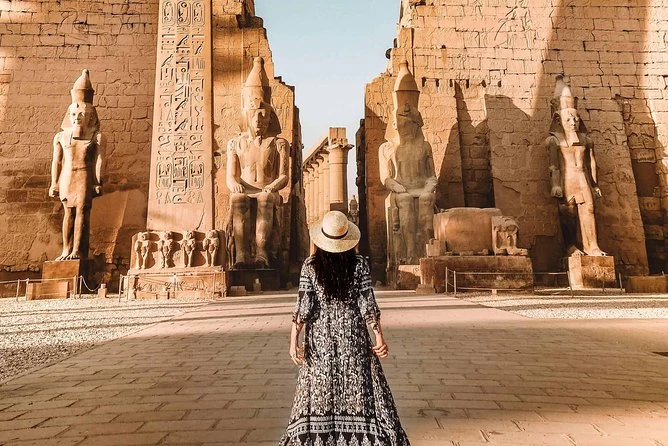
The Medinet Habu is easily recognizable due to its magnificent entrance and fortress-like design. The huge walls and gateway of the temple indicate the high status of this monument in ancient Thebes.
Another outstanding element of this ancient monument is the Eastern High Gate that has a defensive character that is characteristic of fortifications rather than of an entrance to another Egyptian temple.
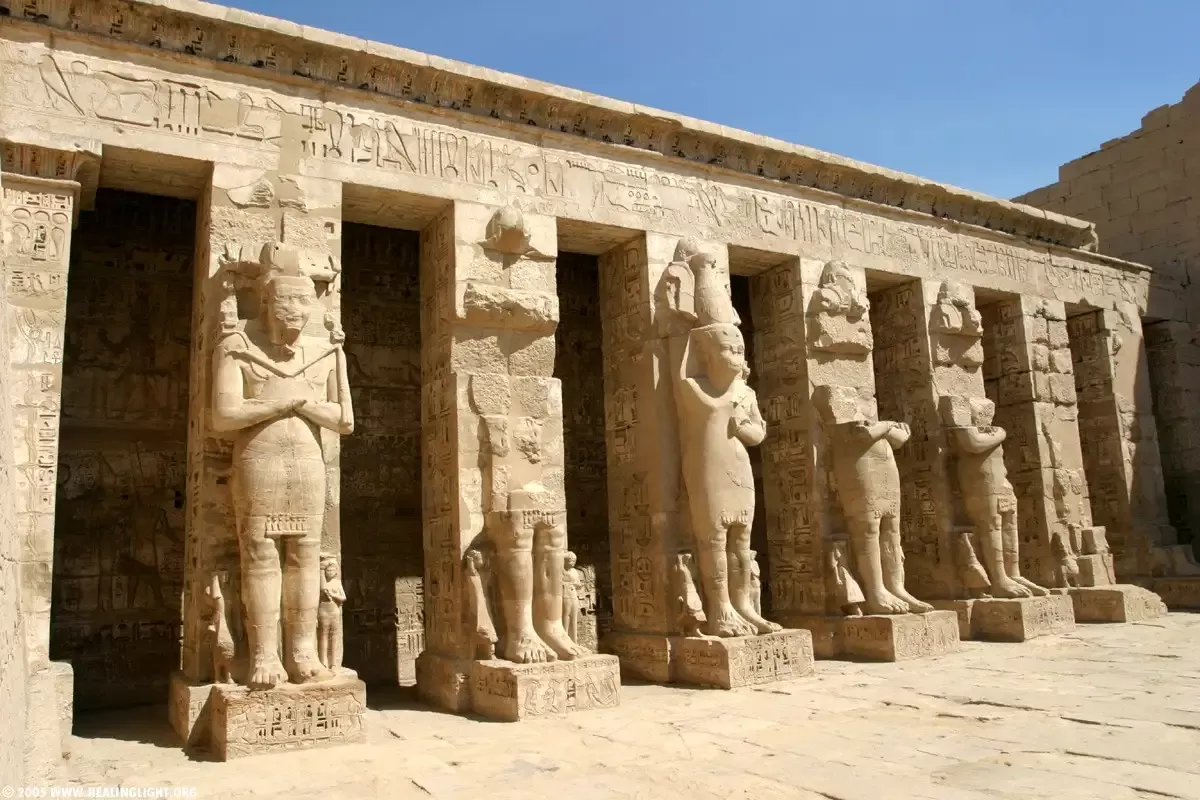
The visitors of the temple will be able to see the courtyards and halls of Medinet Habu Temple in Luxor where there are columns, statues, relief carvings and inscriptions.
From the First Pylon the visitors can enter the court filled with impressive figures and carvings. Going deeper into the temple, one may notice that the architecture becomes increasingly related to rituals and cult of the gods.
All architectural elements of Medinet Habu are interesting for visitors since they have the opportunity to admire such elements as columns with decorative capital, hieroglyphic texts on the walls and statues depicting pharaohs and deities.
Medinet Habu and Luxor’s Ancient Theban Landscape
Medinet Habu was a part of the larger landscape of ancient Thebes, and the location is easily accessible for combining several other landmarks within the West Bank area of Luxor. The West Bank was not just a collection of separate landmarks but a large religious and funerary landscape that had something to do with the royal and spiritual aspects of ancient Egypt.
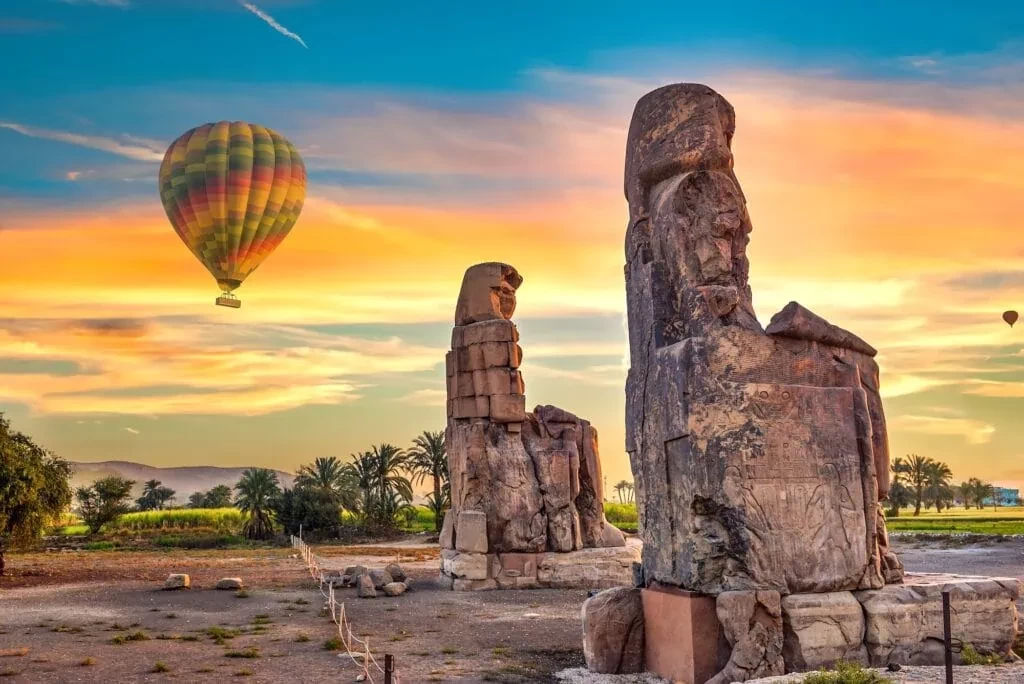
Valley of the Kings is another landmark located close to Medinet Habu, and it was a royal necropolis where many New Kingdom pharaohs were buried. Hatshepsut Temple represents yet another royal architectural construction, and Colossi of Memnon was once a part of another huge mortuary complex.
Thus, the links between these sites make Medinet Habu a perfect site to include into a full-day visit of the West Bank. One could start their tour with visiting the royal tombs in the Valley of the Kings, move to Hatshepsut Temple, see the Colossi of Memnon, and then finish the day at Medinet Habu.
From the perspective of planning a tour through Luxor landmarks, this tour provides diversity since all the three landmarks play different roles.
-webp.webp "Luxor day tour to East and West Banks")